Jeep CJ5: Models, Specs and Buyer’s Guide
Core Specs: 1955–1983 • F4-134 inline-4; optional 225 cu in “Dauntless” V6 (155 hp) and AMC 304 V8 (150 hp) • 81-in wheelbase • part-time 4WD
Jeep CJ5 Overview
Although we often think of the post-war Jeep CJ5 as the dawn of the personally owned off-roader, the CJ5 was actually the latest in a series of vehicles produced by Willys. It was announced on October 11, 1954, and produced from 1955 to 1983. As its name suggests, the CJ5 was the fifth version of the Willys Jeep to be launched, following the 3A and 3B. The CJ4 was only ever a concept car. It reprised the proven mechanicals of earlier models, featuring a ladder frame, live axles, leaf springs, and part-time 4×4. Built between 1954 and 1983, the CJ-5 is a classic short-wheelbase Jeep, with compact dimensions for optimal agility alongside simple, rebuildable mechanics. Engines included the 2.2-litre Hurricane I4, mid-1960s Dauntless 225 V6 and AMC’s 232/258 I6 and 304 V8 units. Typical specifications include 3-/4-speed manuals, with later trucks gaining power steering and front discs. Soft-top, hard-top and half-cab bodies plus removable doors and a fold-flat screen reflected the car’s modular design, while special editions have since added collectability value for classic car purchasers.
C&C Expertise
If it’s fun you’re after, you can’t go wrong with a classic 4x4, and a Jeep CJ5 is as good as any. An evolution of the wartime Willys design, the CJ5 was specifically intended for the civilian market and was offered in a range of specifications and body styles. The introduction of a V8 engine in some examples adds another dimension of fun, as does the removable roof for an open-topped overlanding experience. Supremely capable, even by today’s standards, the CJ5 can handle just about anything you could throw at it.
Jeep CJ5 Price
- Starting price
- $6,765
- Average price
- $20,083
- Price range
- $6,765 - $22,951
Jeep CJ5 Specifications
- Engine Power
- ~70–155 hp (standard 2.2 L I4 to optional 3.7 L “Dauntless” V6)
- Engine Type
- 2.2 L “Hurricane” inline-4 (later 3.7 L V6, AMC I6 and V8 options)
- Transmission
- 3- or 4-speed manual (factory CJ-5)
- Body Type
- 2-door open utility / soft-top / hard-top versions
- Layout
- Front-engine, part-time four-wheel drive (4×4)
Jeep CJ5 in Detail
Launched in 1954 as a civilian evolution of the M38A1, the CJ-5 began life under Willys, which Kaiser acquired in the same year. After AMC acquired Jeep in 1970, the CJ-5 entered its “Intermediate” phase with a slightly longer chassis to fit AMC’s 232/258 straight-sixes and 304 V8, plus the Dana 20 transfer case. A 1976 redesign introduced a stronger frame/body mounts, improved steering, and front disc brakes, alongside additional comfort options - although comfort is relative on any military-derived vehicle.
Production continued through 1983, overlapping with the longer CJ-7, before emissions regulations and more sophisticated buyer tastes hastened the end of the CJ5. Global complete knock-down kits and under-license builds in countries like Brazil and Spain broadened its footprint, helping to cement the CJ5’s worldwide parts supply and knowledge base. Wherever your CJ5 comes from, or ends up, you’ll be able to find spare parts and mechanics who know how to fit them.
Off-road gearing and aerodynamics make straight-line performance figures secondary, especially since an individual vehicle’s gearing, tyre choice and state of engine tune can affect performance results.
Model (test year) | Engine | 0–60 mph | Top Speed |
CJ-5 (mid-1960s) | 2.2L I4 | 23–27 s | 65–70 mph |
CJ-5 (late-1960s) | 3.7L V6 | 14–17 s | 75–80 mph |
CJ-5 (mid-1970s) | 4.2L I6 | 16–20 s | 75–80 mph |
CJ-5 (early-1970s) | 5.0L V8 | 12–15 s | 85+ mph |
Short and narrow by design, the CJ-5 sacrificed cabin space for off-road agility. Early trucks had an 81-inch wheelbase, which stretched to around 84 inches on 1972 “Intermediate” and 1976-onward models. The extra length helped to improve stability without damaging off-road articulation, especially since short overhangs boosted approach and departure angles. The width of around 68 in makes parking easy, but motorway driving rather fraught, while the height varies depending on roof and tyre configurations.
Wheelbase | Length | Width | Height | Ground clearance (spec) | Curb weight |
81.0 in (early) / 83.5–84.0 in (’72+) | 138–148 in | 68–69 in | 65–69 in | 8–9+ in | 2,400–2,980 lb |
2,057 mm / 2,120–2,134 mm | 3,505–3,760 mm | 1,730–1,755 mm | 1,650–1,755 mm | 205–230+ mm | 1,090–1,350 kg |
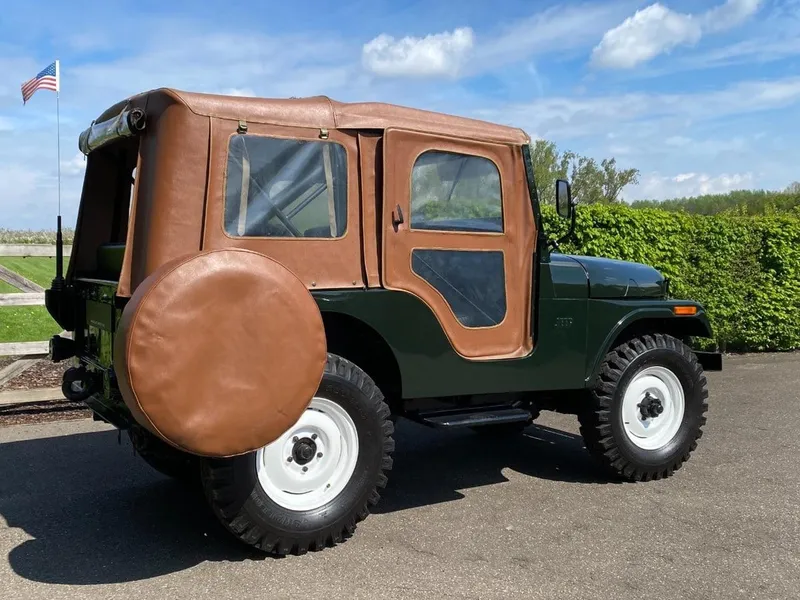
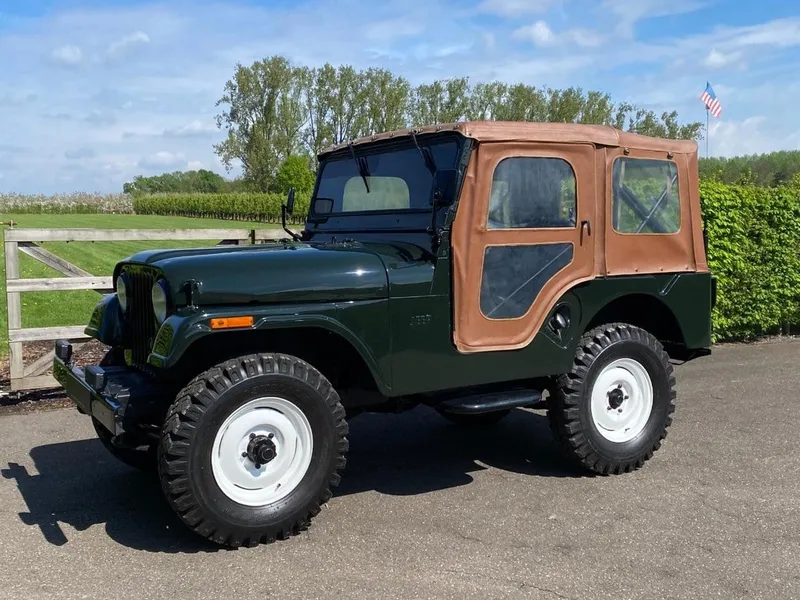
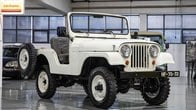
Rather like early Land Rovers, the CJ5 is purposeful, upright and modular. Every line serves function before form, with short overhangs, flat fenders and a fold-flat screen. Even so, the round-headlight grille and slab sides have become indelibly associated with Jeep.
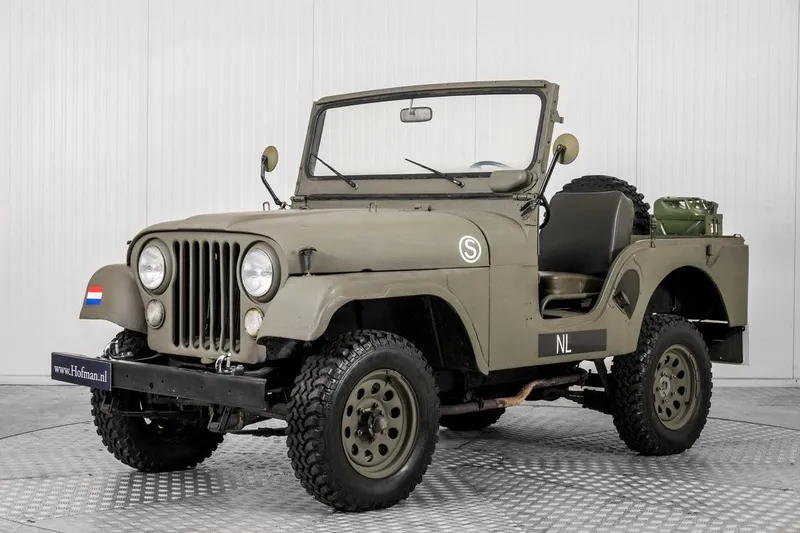
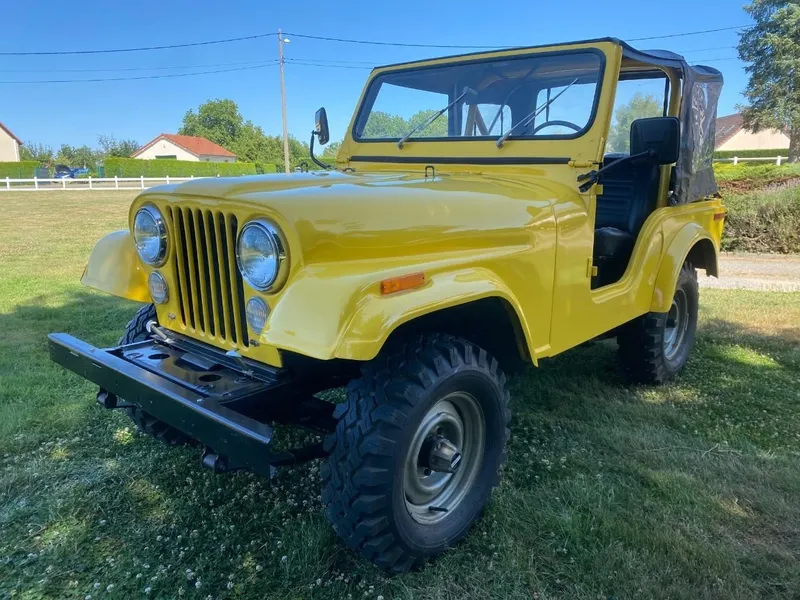
The CJ5’s signature face includes a stamped seven-slot grille with round headlamps ahead of exposed hinges, external hood latches and visible fasteners.
A wealth of modular body formats were offered, including soft-top, half-cab, hard-top or no top at all. Removable doors and a fold-flat windshield offered true open-air motoring.
Early CJ5s had a short bonnet, whereas the 1972-onward intermediate and 1976-onward models had a longer bonnet and new body mounts. Over the decades, numerous changes were made to features such as the fuel filler position, mirrors, and wheel arch details.
Common modifications included a period winch/bull bar, mild lift with all-terrain tyres or a front disc conversion if the latter wasn’t fitted as standard.
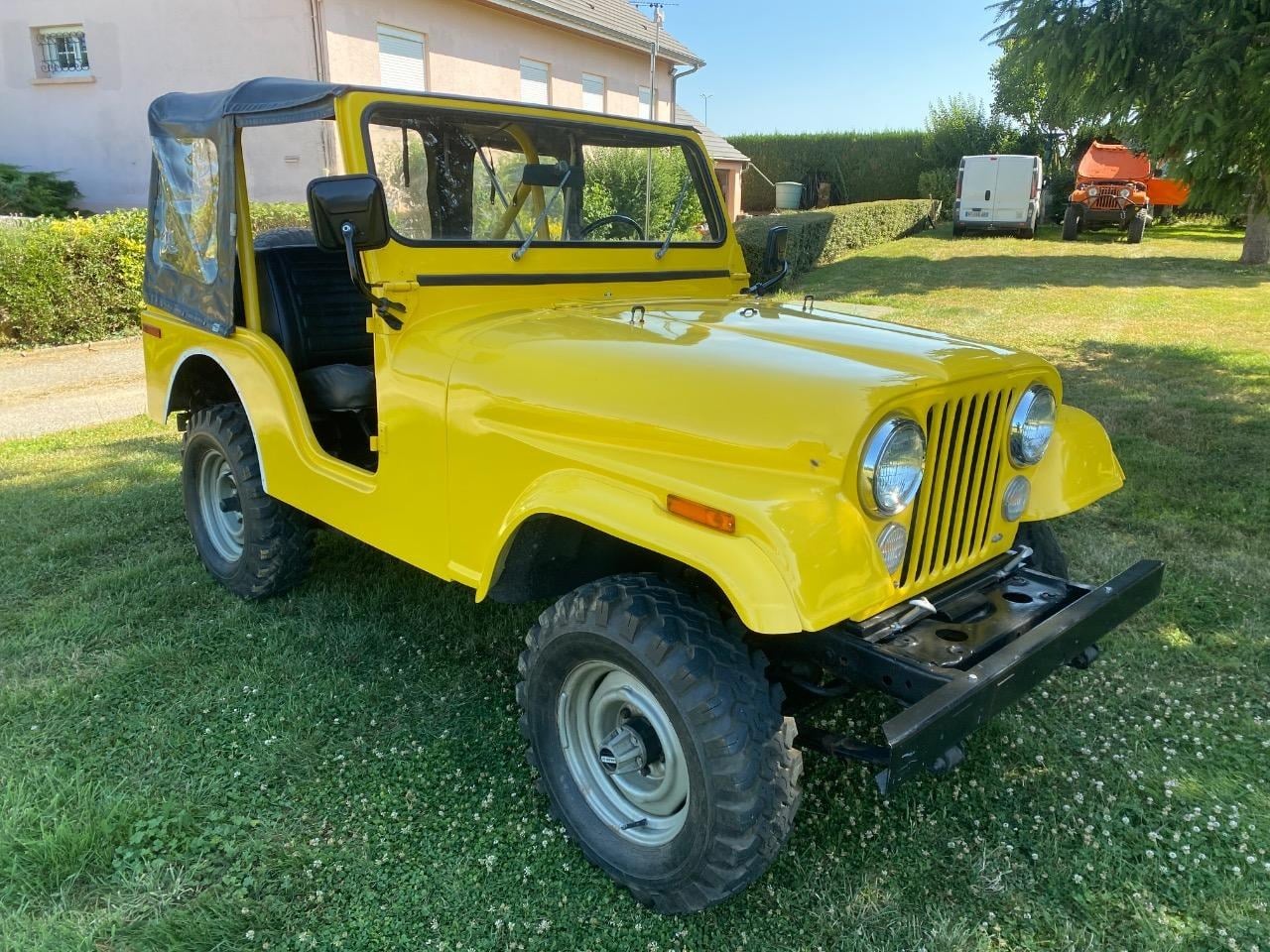
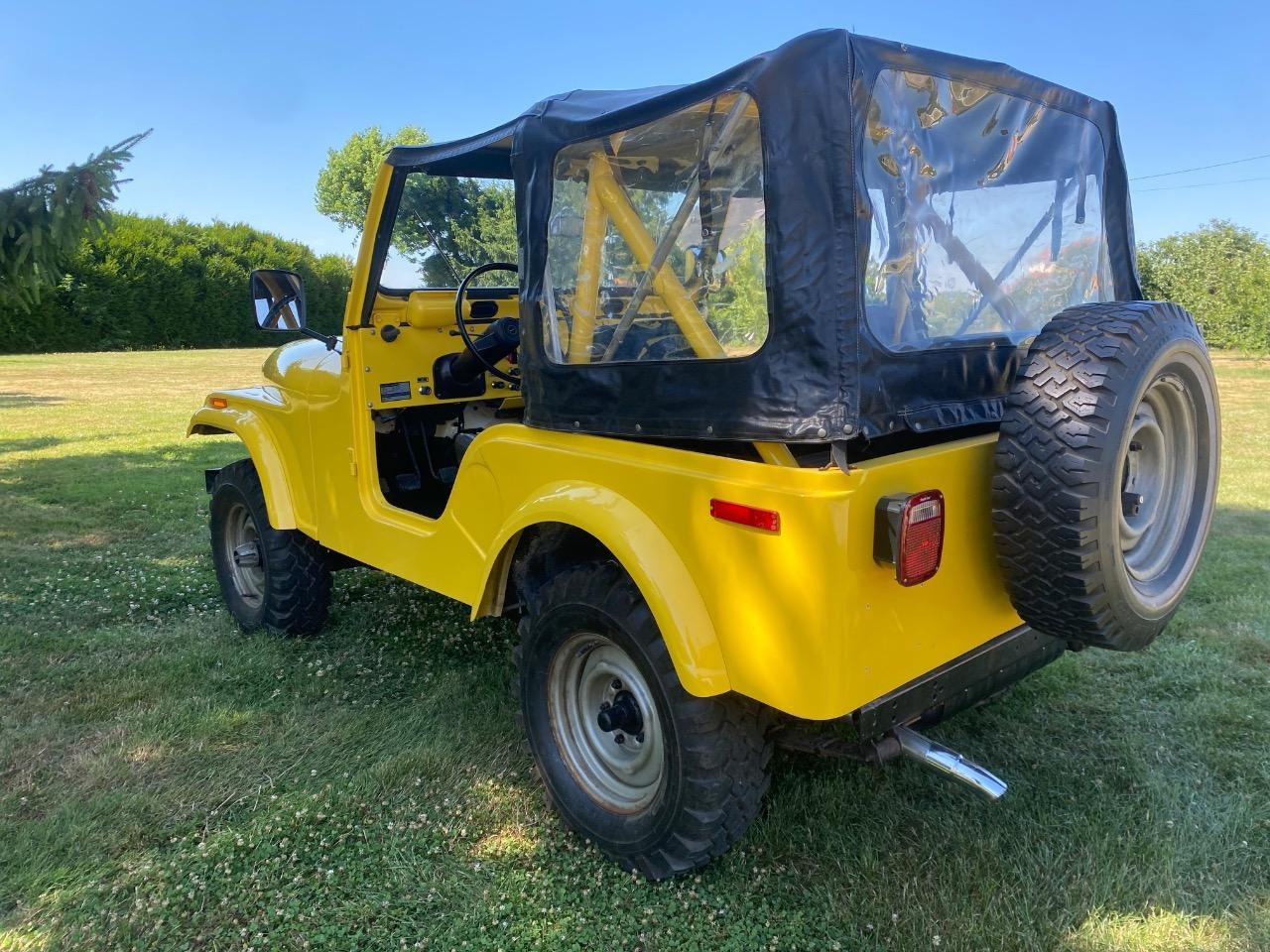
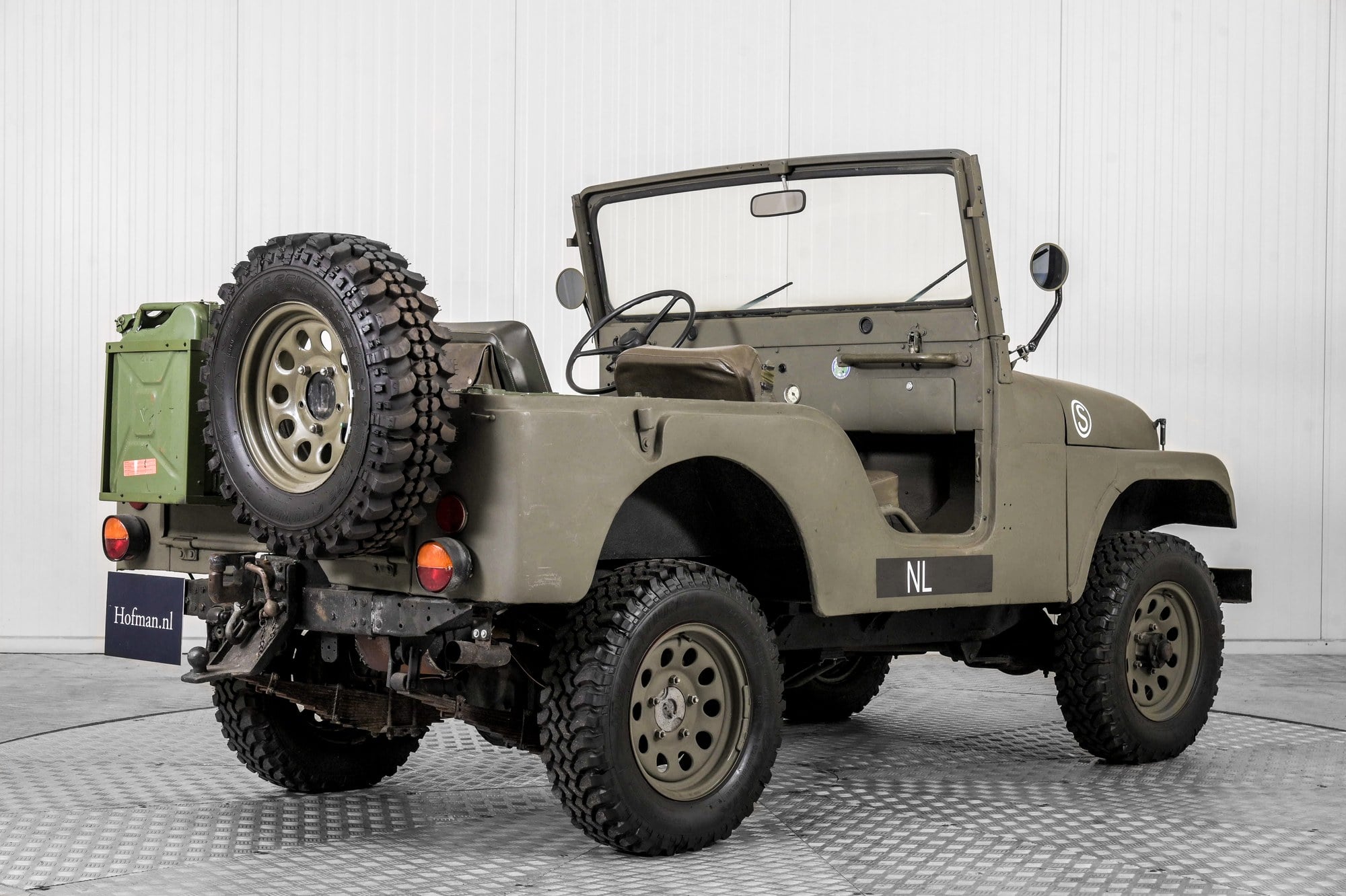
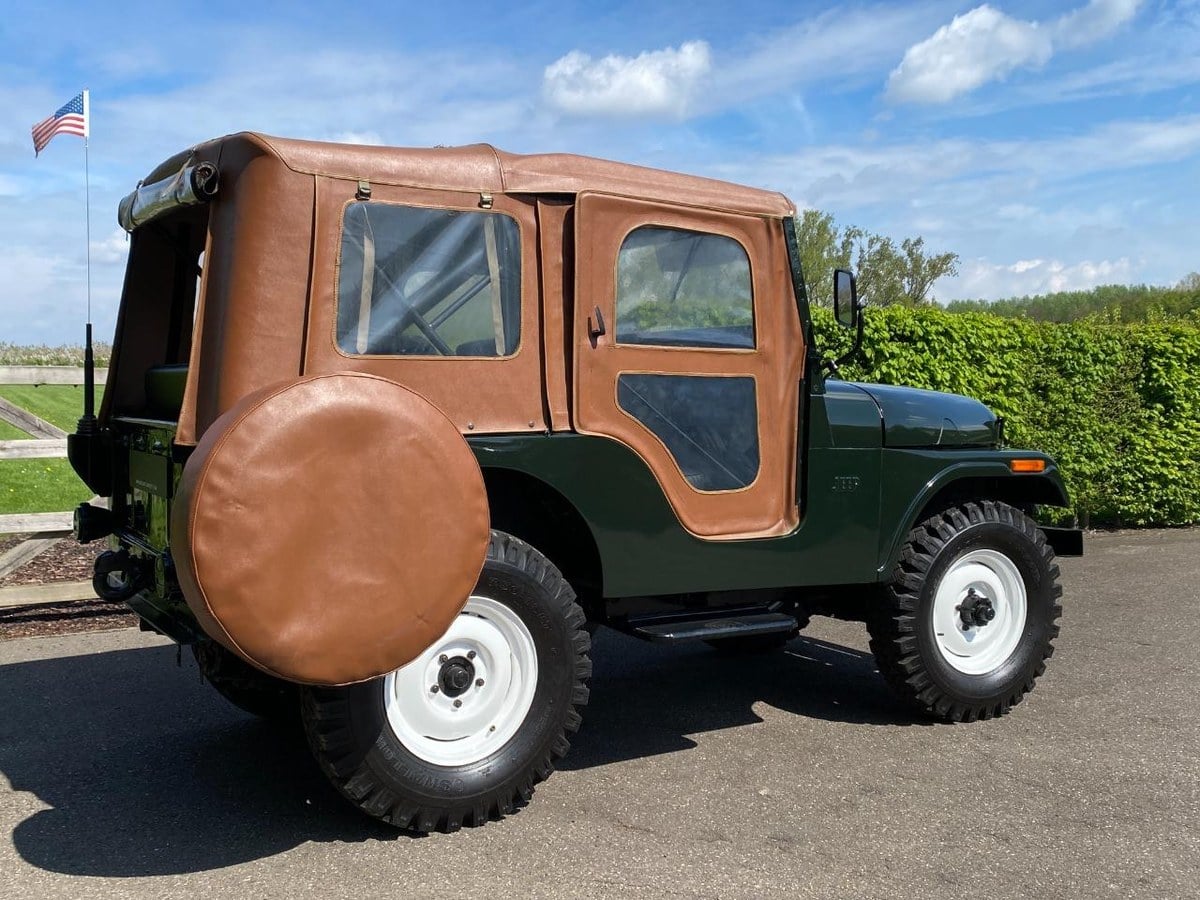
The word interior is relative here, but the CJ5’s external angularity carried over into the cabin, with upright seating facing a near-vertical steering wheel ahead of a flat dash. Early trucks used a central speedo cluster, whereas later models gained auxiliary round gauges and a more padded dashboard.
Seats and trim were typically vinyl low-backs with optional headrests coming much later. Floors were either painted steel or rubber-matted - only dressier trims got carpets.
As with the exterior, many CJ5 owners added interior upgrades. These included sound/heat insulation, three-point seatbelts and upgraded seat foam alongside stereo systems hidden in the glovebox.
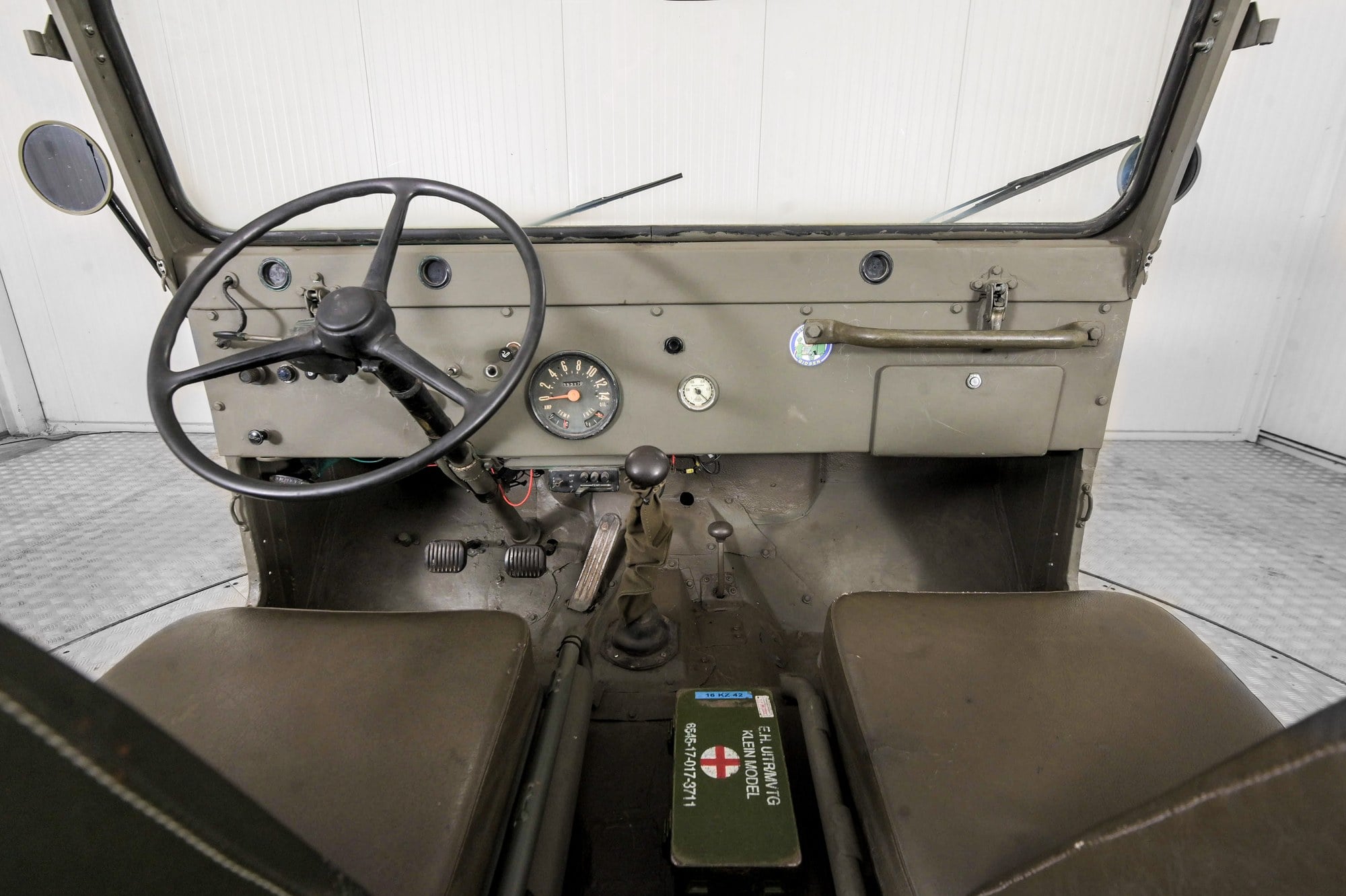
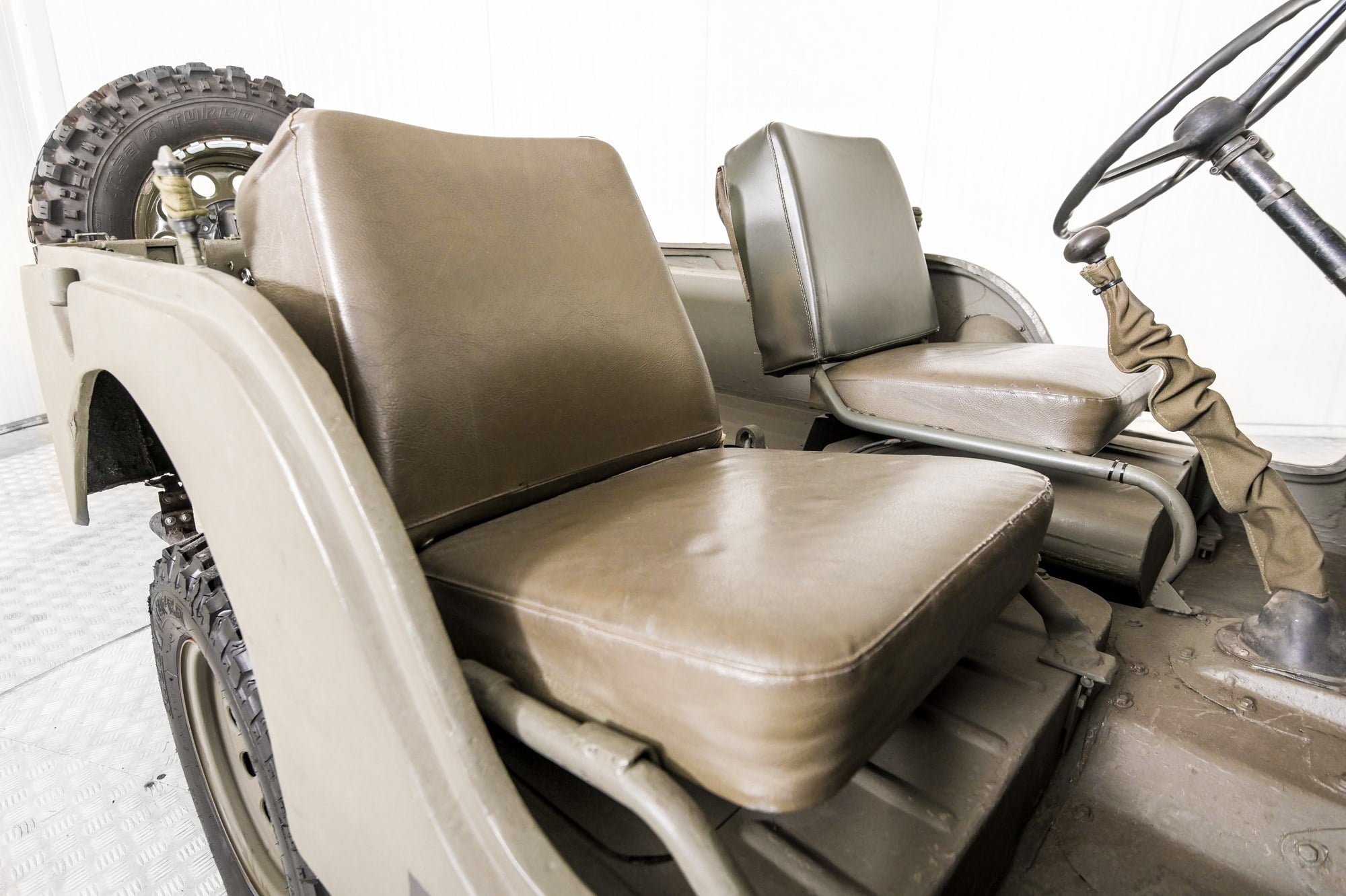
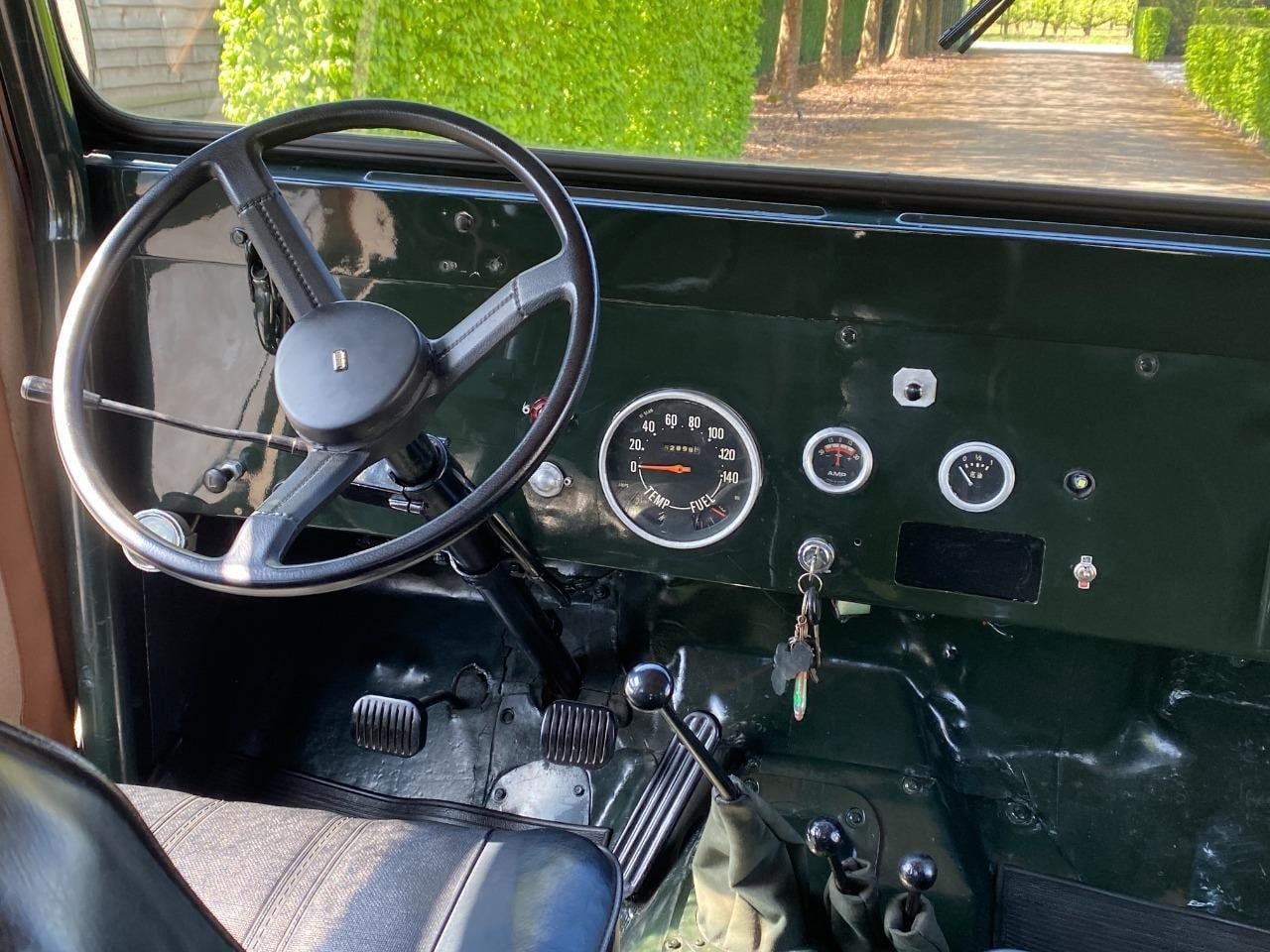
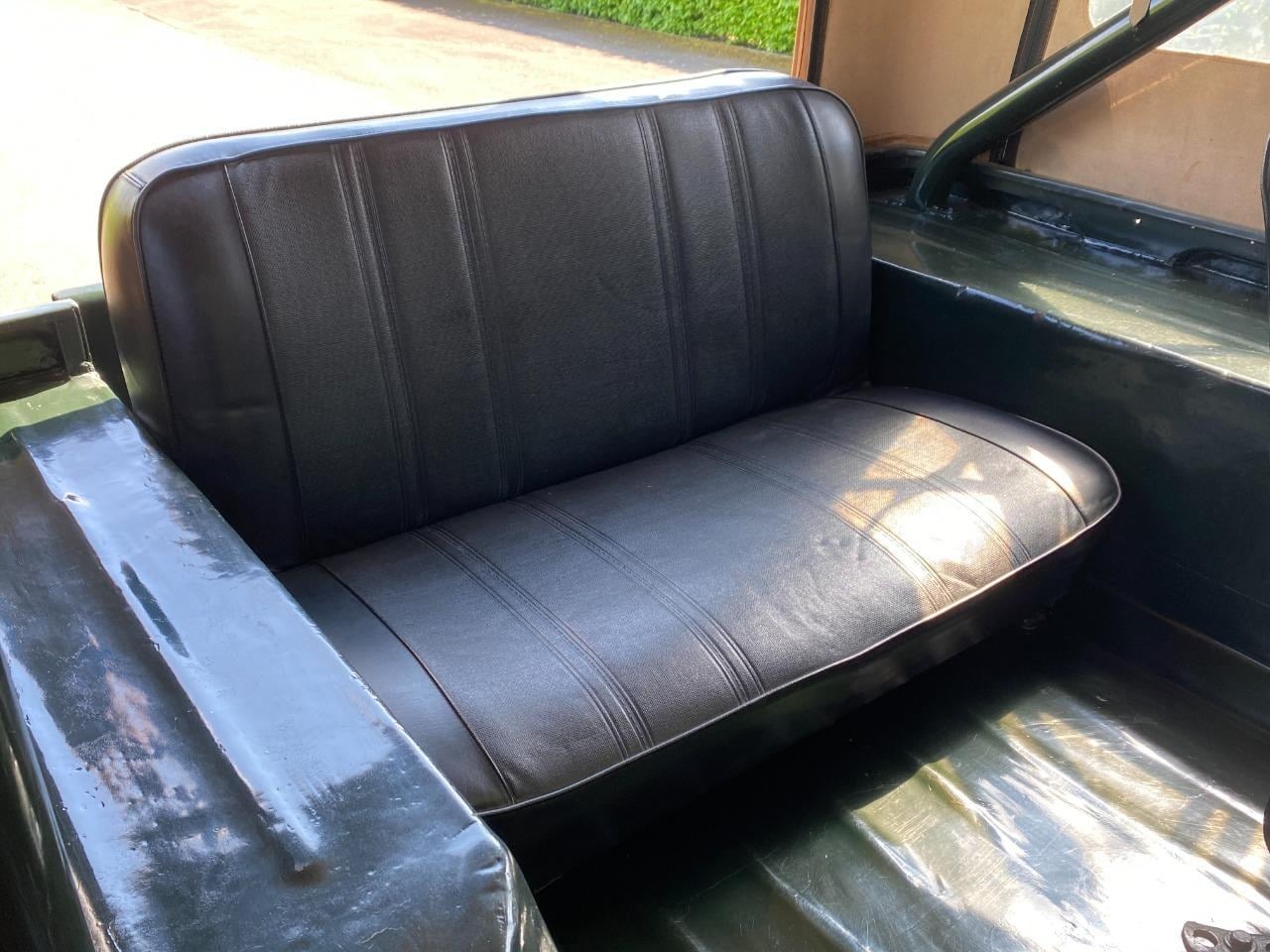
The CJ-5’s traction and driveability offered safety off-road, but early models had drum brakes all round and no roll bar. Intermediate models introduced better steering column energy absorption, and seatbelts became more common. By the 1976–1983 final generation, front disc brakes were available alongside a factory roll bar.
Owners should watch out for certain characteristics when buying a classic CJ5, including the condition of the drum brakes, with wet-weather performance particularly poor by any standards. Steering wander can include worn linkages, while rust may affect the structure and the floors. Finally, aged hoses, senders and wiring looms could potentially pose fire risks.
Price trends
Most recent sale
€19,000
1965 Jeep CJ5
Currently for sale
15
0 live auctions
15 adverts


Total sold
13
Highest sale price
€22,951
Average price
€20,083
Lowest price
€6,765
FAQs
Hurricane 134 I4 powerplants were fitted to early models before Dauntless 225 V6 versions arrived in the mid-1960s. AMC 232/258 I6 and 304 V8 versions were offered from the 1972 update onwards.
The CJ7 had a longer wheelbase (93.5 in vs 83–84 in on later CJ5s) and more interior space, although the CJ5 was shorter and nimbler.
Off-road work is the CJ5’s greatest attribute. A short wheelbase, live axles and low-range gearing make it highly capable in the mud, while its approach/departure angles are another strength.