Lotus Elite: Models and Specs
1957–1963, 1974–1982 · 1.2–2.2‑litre inline‑four · Front‑engine, rear‑wheel drive · 2‑seat coupé/4‑seat shooting‑brake
Overview
The Lotus Elite is one of the most technically ambitious grand‑touring cars ever to wear the Lotus badge, and it was so good they named it twice. The first Elite (the Type 14 of 1957 to 1963) was Colin Chapman’s vision of a lightweight, aerodynamic two‑seater coupé with a fibreglass monocoque body and a Coventry Climax‑derived 1.2‑litre engine. Its successor, the Type 75/83 launched in 1974, was a four‑seater shooting‑brake GT based on the Elan/Éclat platform and powered by the Lotus 907/912 DOHC four‑cylinder engine. Across both generations, the Elite is widely regarded as the marque’s most luxurious and practical car - admittedly a low bar. It sat above the Elan/Éclat in terms of comfort and usability while still retaining Lotus’s lightweight and driver‑focused ethos. It represented Lotus’s attempt to build a genuine grand tourer, capable of being driven long distances in comfort while still feeling like a true Lotus.
Price
- Starting price
- 2 250 €
- Average price
- 20 832 €
- Price range
- 2 250 € - 90 000 €
Specifications
- Production years
- 1957–1963 (Type 14); 1974–1982 (Type 75/83)
- Total production
- 1,000 Type 14; 2,251 Type 75/83
- Body styles
- 2‑seat coupé (Type 14); 4‑seat shooting‑brake (Type 75/83)
- Layout / drive
- Front‑engine, rear‑wheel drive
- Engine family
- Coventry Climax FWE 1.2‑litre inline‑four (Type 14); Lotus 907/912 2.0–2.2‑2‑litre DOHC inline‑four (Type 75/83)
Lotus Elite in detail
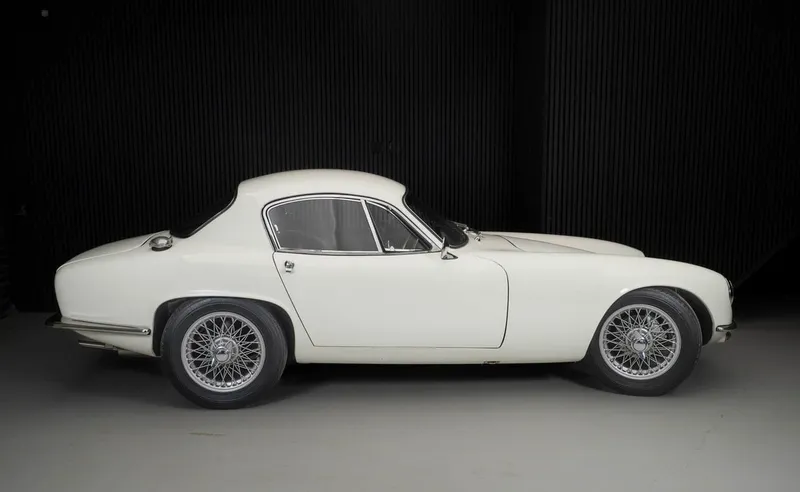
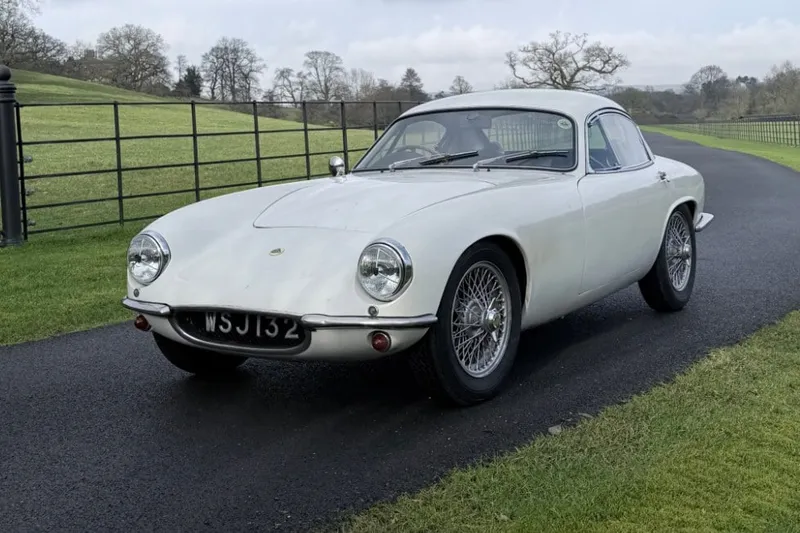
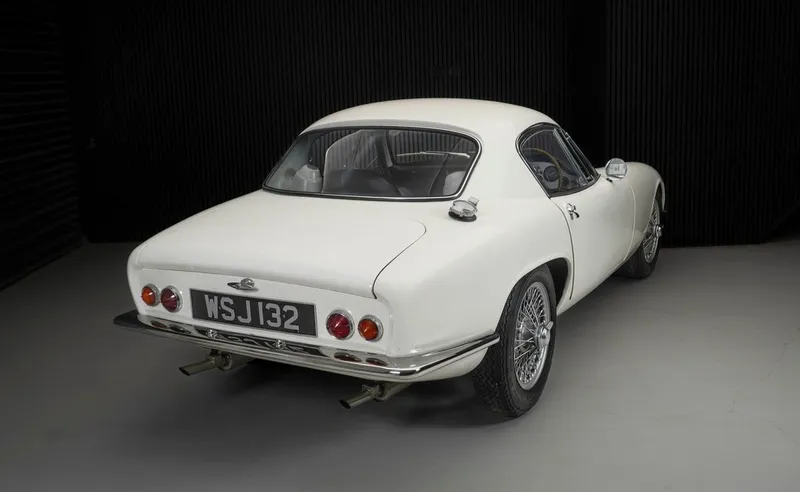
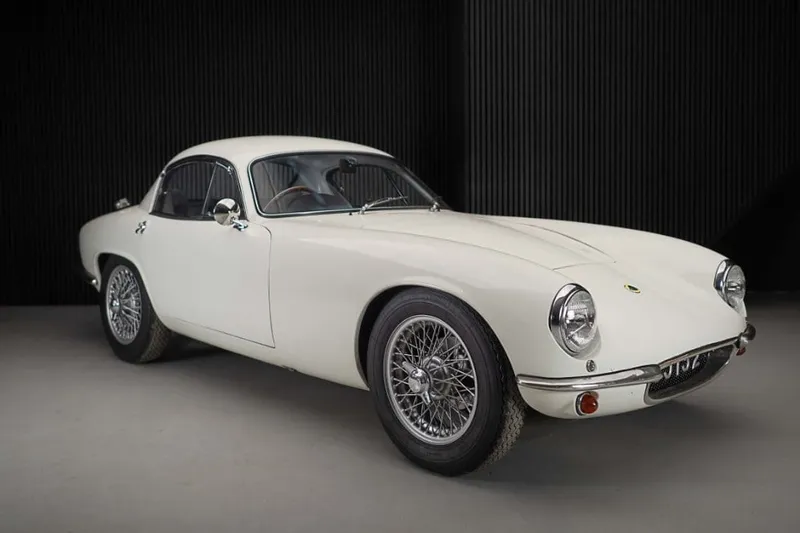
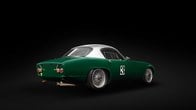
The Lotus Elite name first appeared in 1957 with the Type 14, a two‑seater coupé unveiled at the London Motor Show and produced for six years. The Type 14 was revolutionary for its time, featuring a fibreglass monocoque body that combined the chassis and body into a single lightweight structure. Power was a less radical 1.2‑litre Coventry Climax FWE engine producing 75 bhp, which gave it performance that belied its modest power output in tandem with the car’s low weight. The Type 14 was available as the original S1 or the higher‑performance S2, which featured twin SU carburettors and a more powerful engine.
Over a decade after production ceased, the Elite name was revived in 1974 with the Type 75/83, a four‑seater shooting‑brake GT based on the Elan/Éclat platform. Across both generations, the Elite shared common engineering themes: lightweight construction, a front‑engine, rear‑wheel‑drive layout, and independent suspension. The Type 14’s fibreglass monocoque and the Type 75/83’s fibreglass body give both cars a nimble, responsive feel that is pure Lotus. The result is a family of cars that are visually distinctive, mechanically sophisticated and practical for everyday use.
The Lotus Elite’s performance identity was defined by its featherweight construction and front‑engine rear‑wheel‑drive layout. The Type 14’s 75 bhp engine resulted in a 0–60 mph time of around 9.7 seconds and a top speed of 116 mph, while the S2’s 85 bhp engine improved this to 8.1 seconds and 125 mph. The Type 75/83’s two-litre engine produced 155 bhp, giving a 0–60 mph time of around 7.5 seconds and a top speed of 130 mph, before the S2.2’s extra cubic centimetres changed these figures to 6.5 seconds and 140 mph.
Engine family | Power range | 0–60 mph | Top speed |
Coventry Climax FWE 1.2‑litre (Type 14) | 75–85 bhp | 8.1–9.7 sec | 116–125 mph |
Lotus 907/912 2.0–2.2‑litre (Type 75/83) | 155–170 bhp | 6.5–7.5 sec | 130–140 mph |
The Elite is instantly recognisable as a Lotus. Its sleek, aerodynamic proportions and minimalist styling give it a period style that’s both elegant and purposeful. The Type 14’s two‑seat coupé silhouette is pure 1950s grand tourer, with a drag coefficient of 0.29, exceptionally low for its era. The Type 75/83’s four‑seat shooting‑brake body, tall rear end and sloping roofline scream 1970s GT, with a more practical layout to boot (literally and metaphorically).
Inside, the Elite’s cabin blended hand‑stitched leather, machined metal and modern technology. The driving position is slightly more sporting than a typical family saloon, while the rear seats (where fitted) are best suited to occasional use rather than people you’d want speaking to you at journey’s end. The Elite’s interior is a cocoon of period luxury, with the driver and front passenger enveloped in it while the engine’s presence is always palpable.


The Lotus Elite spans two distinct generations, each with its own platform, engine, and character:
Lotus Elite Type 14 (1957–1963). A 1.2‑litre Coventry Climax FWE engine, fibreglass monocoque body, two‑seat coupé. The original Elite is the foundation of the nameplate’s reputation.
Lotus Elite Type 75/83 (1974–1982). A 2.0–2.2‑litre Lotus 907/912 DOHC four‑cylinder engine above a steel backbone chassis with a fibreglass four‑seater shooting‑brake body.
No contemporary safety features were ever offered on any Elite, though front disc brakes and rear drums were standard, with the Type 75/83 receiving uprated components to rein in its additional power. The car’s compact size and light weight make it unsuited to high‑speed motorway use without careful planning, while fibreglass doesn’t hold up as well as traditional metals in an impact.
Pros:
Two distinct generations with different character and appeal, from the lightweight two‑seat coupé to the practical four‑seat shooting‑brake
Strong club and specialist parts network sustained by Lotus enthusiasts
Rear‑wheel drive and well‑resolved suspension give genuinely rewarding driving dynamics
Accessible entry pricing on Type 75/83 examples
Cons:
Lotus’s ongoing industrial turbulence affected consistency
The Type 14 lacks practicality, and even the Type 75/83 is limited in its capacity for people and possessions
Interior trim parts are increasingly difficult to source in good condition
The fibreglass body is vulnerable to crash damage
Prisutveckling
Senaste försäljningen
2 250 £
1979 Lotus Elite Type 75 Coupe

För närvarande till salu
14
0 pågående auktioner
14 annonser



Totalt sålda
14
Högsta försäljningspris
90 000 €
Genomsnittspris
20 832 €
Lägsta pris
2 250 €
FAQs
The Elite was powered by the Lotus 907/912 DOHC four‑cylinder engine, which produced up to 155 bhp in later S2.2 form, mated to a 4‑ or 5‑speed manual gearbox or a 3‑speed automatic. Unlike its predecessor, the Type 75/83 had four seats and a hatchback body, making it usable for everyday driving.
The Type 14 shares components with the Elan and other Lotus models, while the Type 75/83 shares many mechanicals with the Elan/Éclat family. Specialist suppliers such as Lotus clubs stock the majority of mechanical, suspension and electrical requirements.
For most buyers, a well‑preserved Type 75/83 represents the most balanced entry point, as it was more practical and more powerful, with more models produced. The Type 14 is the most rewarding Elite to drive and own, but it requires more specialist knowledge to maintain correctly.