Lotus Esprit: Models and Specs
1976–2004, 2.0–3.5-litre inline-four/twin-turbo V8, mid-engined, rear-wheel-drive, coupé.
Overview
When a sports car is on sale for the best part of three decades, you know it’s been a success. The Esprit heralded Lotus’s transition from minimalist sports cars into the world of exotic, image-led mid-engined supercars. As such, the Esprit gave the brand a more glamorous and more upmarket flagship than the Europa it effectively succeeded. This is still the longest-running Lotus production car, remaining in production for 27 years, and helping to define Lotus as a maker of serious road-going exotics rather than niche sports cars. At heart, the Esprit is a lightweight mid-engined supercar built around dramatic design, compact packaging and Lotus chassis thinking. That combination made it one of the most recognisable sports cars of its era, with a cultural profile boosted further by its James Bond appearances and an engine range stretching from advanced four-cylinder engines to Lotus’s own twin-turbo V8.
Price
- Starting price
- 13 072 zł
- Average price
- 37 858 zł
- Price range
- 13 072 zł - 89 995 zł
Specifications
- Production years
- 1976–2004
- Body styles
- 2-door coupé
- Layout/drive
- Rear mid-engine, RWD
- Engine family
- Inline-four; twin-turbo V8
- Transmission types
- 5-speed manual
Lotus Esprit in Detail
History
The Esprit began as Italdesign’s Project M70, shown at the Turin Motor Show in 1972 on a modified Lotus Europa base, before being unveiled for real at the 1975 Paris Motor Show. It was conceived as an ambitious mid-engined exotic with dramatic styling, luxurious presentation and enough visual impact to move the brand upmarket.
Early cars used the Lotus-designed 907 2.0-litre 16-valve all-aluminium inline-four, which Lotus describes as the world’s first production engine of that configuration. Later development brought 2.2-litre naturally aspirated and turbocharged four-cylinder units, before the arrival of the Lotus-designed 3.5-litre twin-turbo V8. Along the way, Lotus evolved the Esprit through major body and chassis revisions, including the Peter Stevens restyle, stiffer body structures, suspension updates and a more mature interior.
Production officially ended in February 2004 after 10,675 Esprits had been built. Across that span, the Esprit established itself as Lotus’s enduring supercar statement: a low-volume, visually arresting and technically distinctive model that combined race-bred brand values with flagship status.
Specifications & Performance
The Esprit’s performance story moves from brisk, light 2.0-litre naturally aspirated beginnings to supercar-fast turbocharged four-cylinder and twin-turbo V8s. It began with Lotus’s advanced 907-series four-cylinder architecture, developed through 912/910/920 four-cylinder derivatives, and ended with the Lotus 918 3.5-litre twin-turbo V8 - arguably the pinnacle of the car’s production run.
Specification | Details |
Engine family | Lotus inline-four and twin-turbo V8, 2.0–3.5 litres |
Power range | 160 bhp to 350 bhp |
0–100 mph | 20.7 sec to 10.5 sec |
Top speed | 138 mph to 175 mph |
Design and Cabin Identity
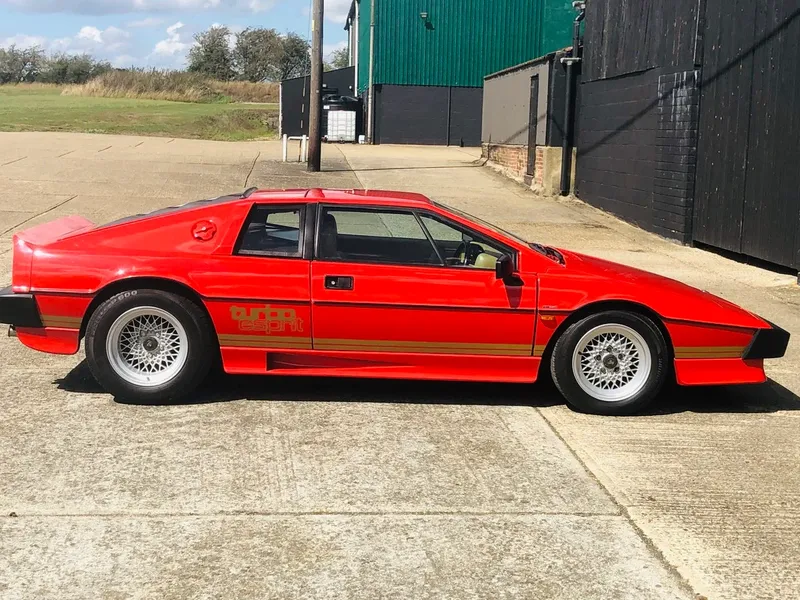
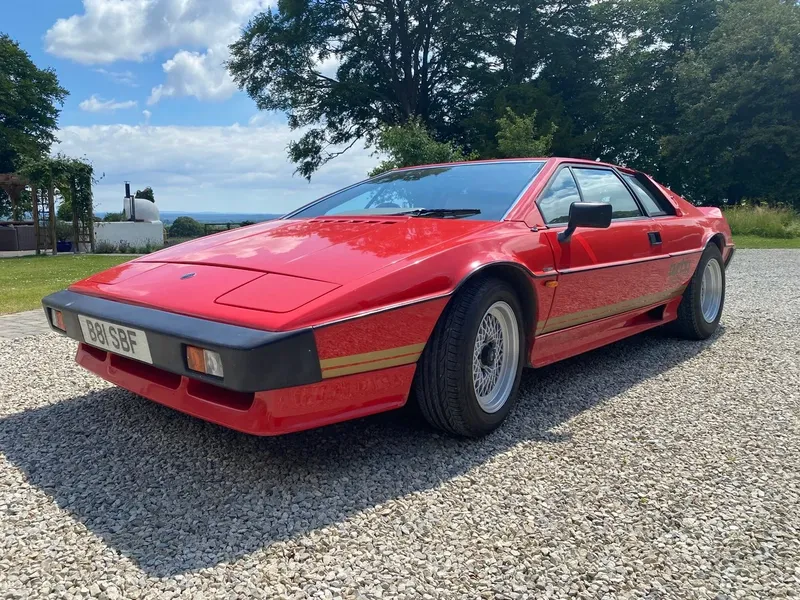
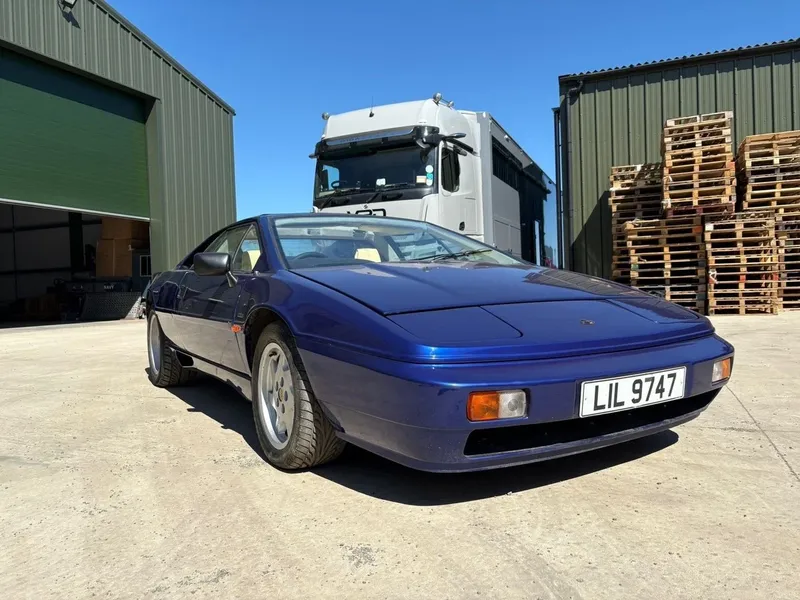
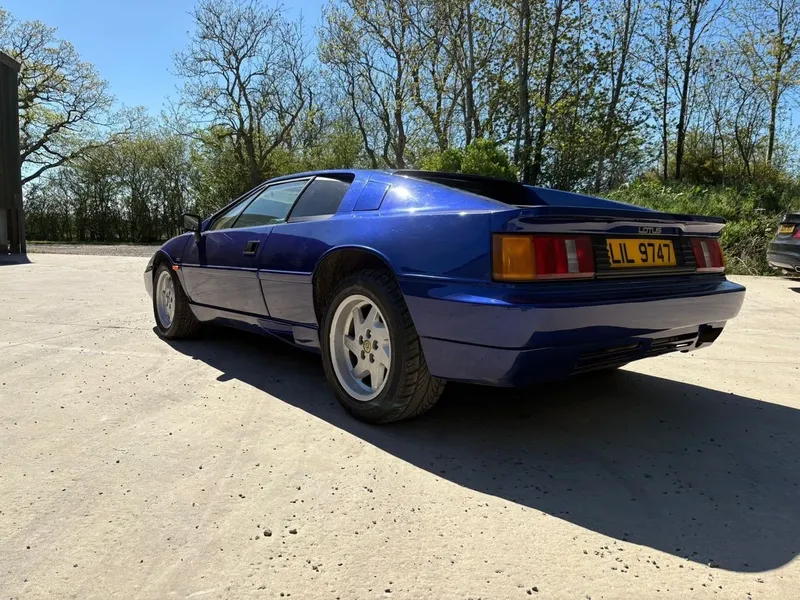
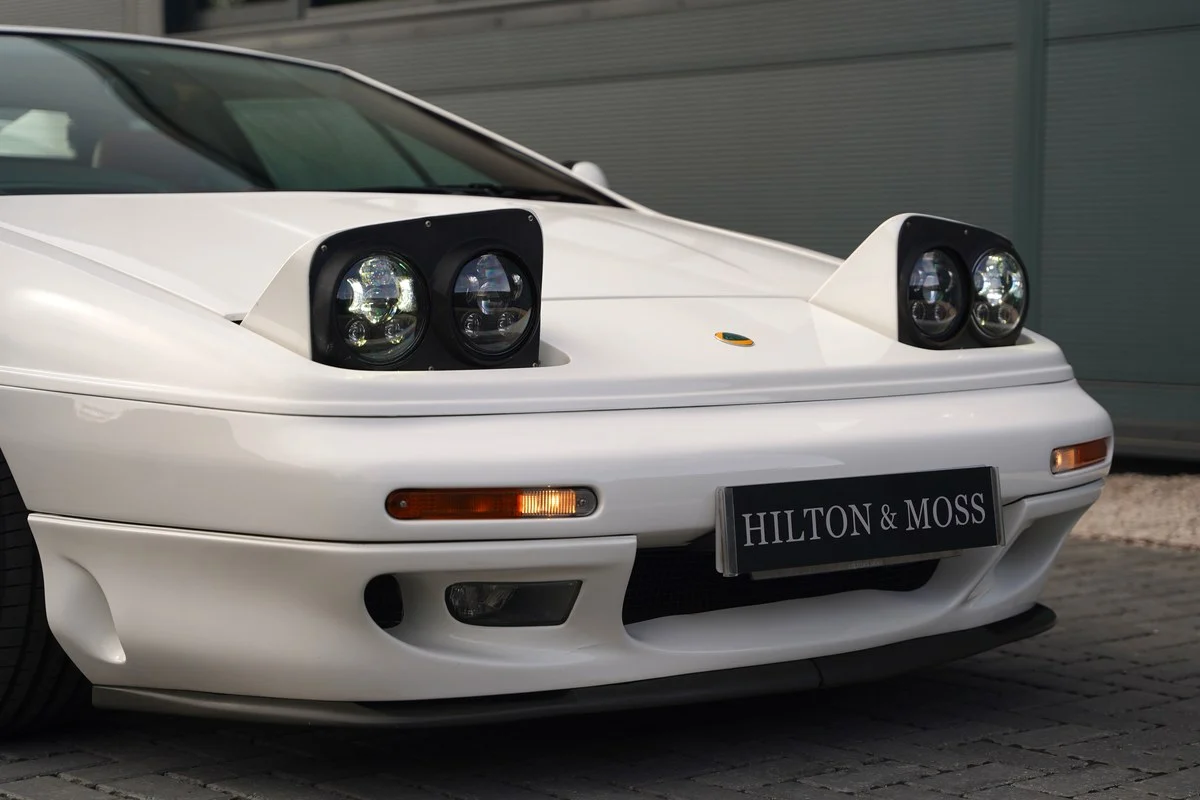
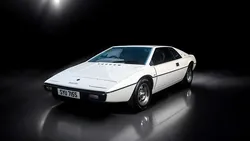
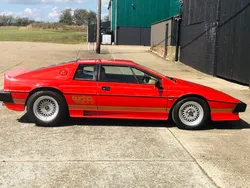
The Lotus Esprit is recognisable by its very low stance, sharply cab-forward proportions and the visual drama that comes from placing a compact cabin ahead of a wide rear haunch - the latter to accommodate a mid-engined layout. Even as the body evolved, the Esprit’s core DNA stayed consistent, with crisp surfacing and a silhouette that always looked exotic.
Giorgetto Giugiaro’s original razor-edged concept remained remarkably close to the final production design, continuing through later revisions that softened the surfaces without abandoning the car’s low, purposeful stance. This was Lotus’s supercar, not merely a larger Elan or Europa.
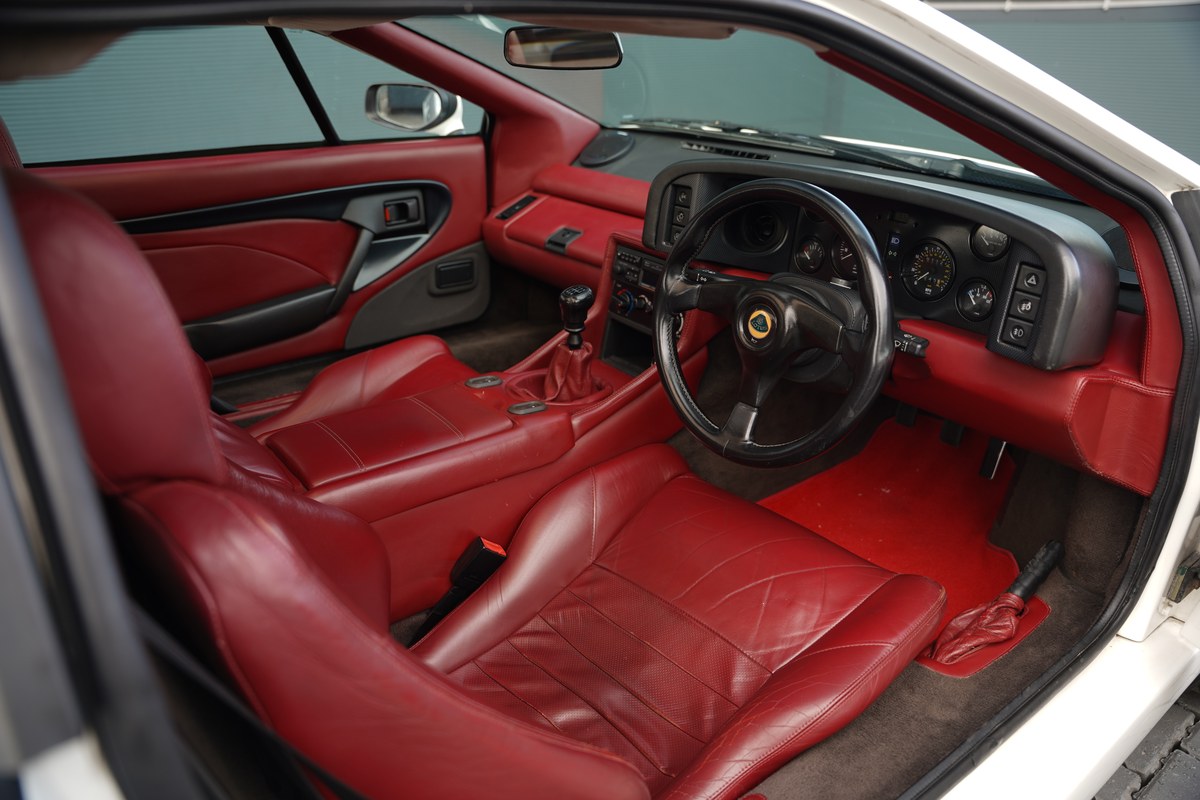
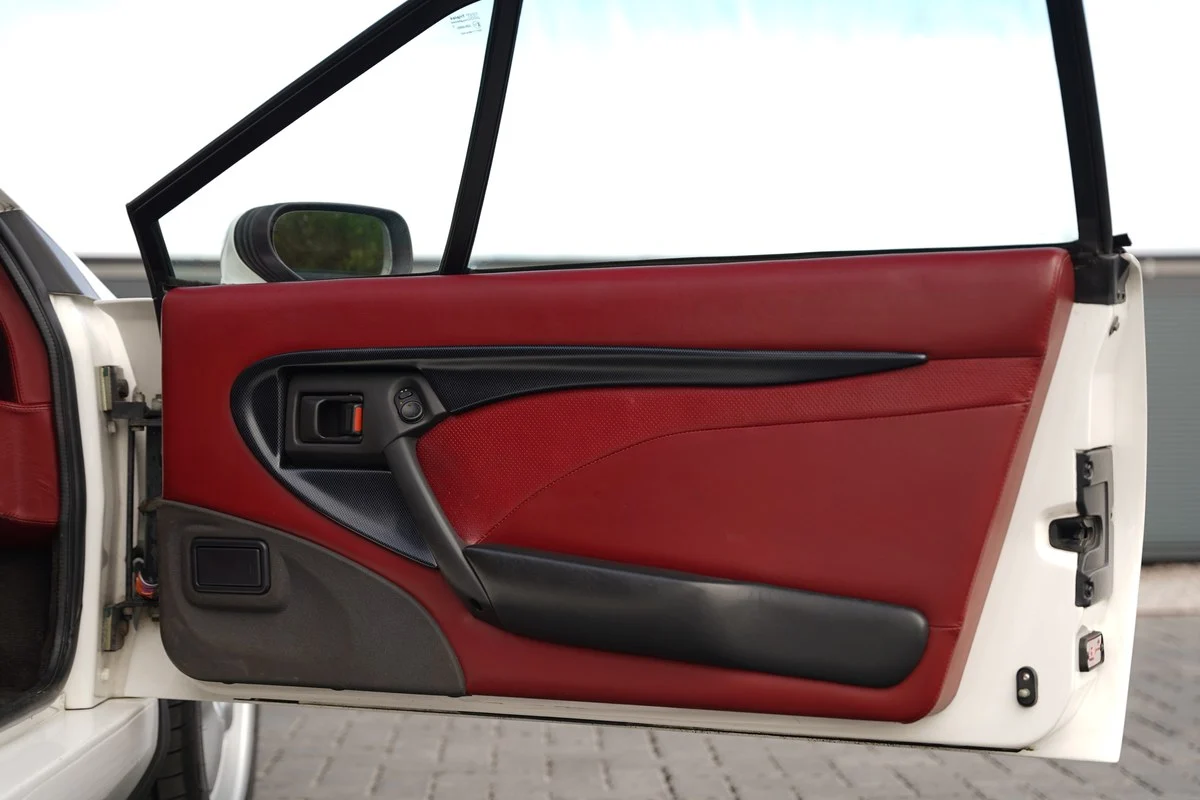
Inside, the Esprit introduced a level of glamour and luxury that earlier performance-oriented Lotus road cars hadn’t prioritised, within a compact cockpit-like environment. There was low seating, a focused driving position and an unmistakable feeling that the bodywork and interior were designed around the mid-engined package rather than anything else.
Generation Timeline
Giugiaro cars (S1/S2/S2.2/S3/early Turbo): The original Esprits combined the 2.0-litre and later 2.2-litre Lotus four-cylinder engines with the model’s purest wedge styling, and they also introduced turbocharging.
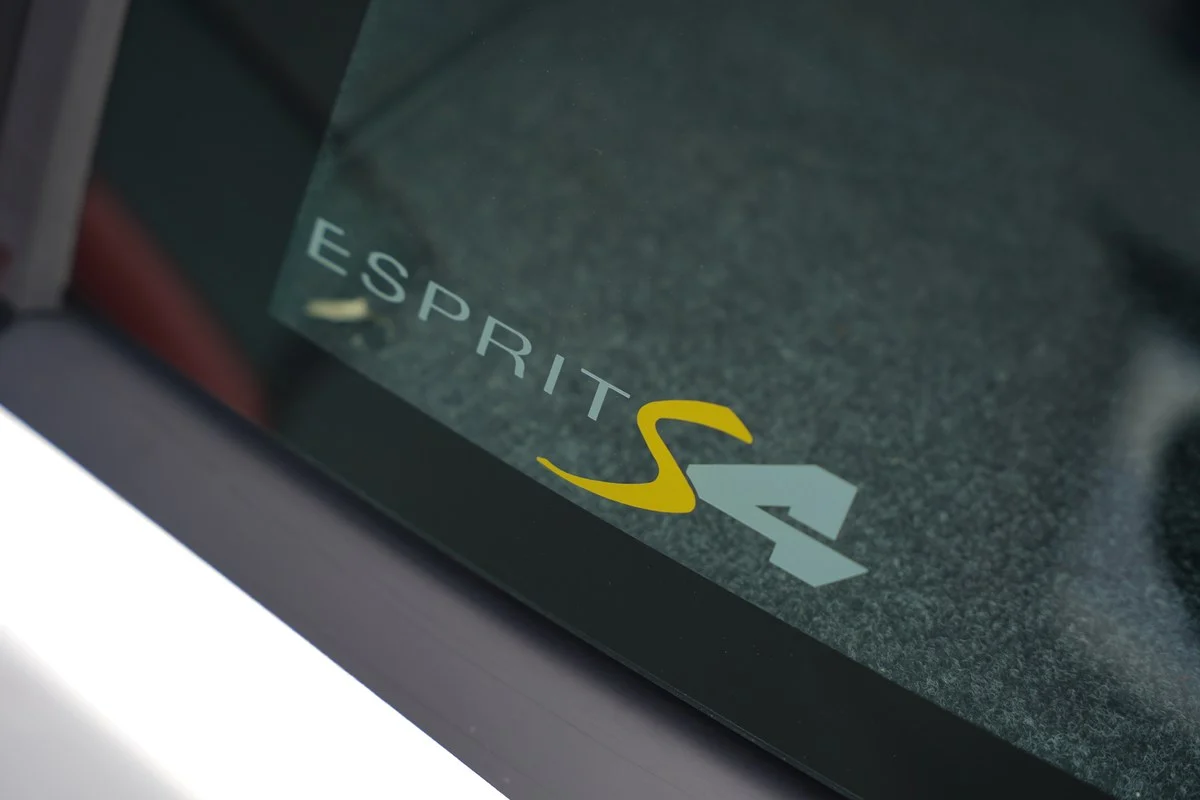
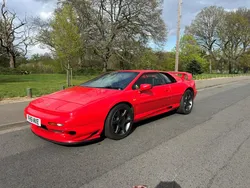
Stevens four-cylinder cars (X180/SE/S4/S4s/GT3/Sport 300): Peter Stevens’s redesign modernised the shape with softer surfaces. This was accompanied by updated suspension, stiffer bodywork and a more mature cabin.
V8 era (V8/V8 GT/V8 SE/Sport 350/Final Edition): The final chapter heralded Lotus’s in-house 3.5-litre twin-turbo V8 with 175 mph performance.
Safety
Early Esprits belong firmly to the pre-electronics era, where safety was shaped more by lightweight construction, a stiff chassis concept and mechanical grip than by electronic intervention. Later cars received ABS, yet the Esprit never became an electronics-led supercar in the way later rivals did.
Pros and Cons
Pros
The Lotus 907-to-918 engine story gives the model unusual technical depth, from an advanced early 16-valve four-cylinder powerplant to a Lotus-designed twin-turbo V8.
A 27-year production run extending to 10,675 cars made the Esprit one of the best-documented and best-understood historic Lotus flagships.
The James Bond association gives the Lotus Esprit cultural recognition far beyond the usual specialist-classic audience.
Cons
Early Lotus Esprits pre-date the galvanised chassis improvements introduced in 1980, which makes the earliest cars a riskier purchase proposition.
Bond fame and the Giugiaro backstory can distort values toward image-led demand, rather than a rational comparison with other classics.
The Esprit’s long production span means buyers need to choose between distinct visual and engineering eras before they start shopping.
Lotus Esprit for Sale
The Lotus Esprit spans a broad market because its 1976–2004 production run covers several distinct eras, from early Giugiaro four-cylinder cars to the final V8s. That makes generation choice more important than chasing a generic best-of-breed example.
Trendy cenowe
Ostatnia sprzedaż
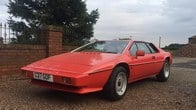
15 000 £
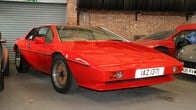
1985 Lotus Esprit S3 Coupe
Obecnie na sprzedaż
43
0 aktywnych aukcji
43 ogłoszenia


Łącznie sprzedanych
69
Najwyższa cena sprzedaży
89 995 €
Średnia cena
37 858 €
Najniższa cena
13 072 €
FAQs
Can a Lotus Esprit be used regularly?
Yes, though the answer depends on which Lotus Esprit you choose, because the model evolved from early four-cylinder cars into more developed turbo and V8 versions with broader capability. As a model family, the Esprit was always a compact mid-engined coupé rather than a practical everyday GT, so this isn’t a car for tip runs and CenterParcs visits.
Are Lotus Esprit running costs high?
Every Esprit incorporated complex Lotus-specific engineering, and the car was built in low numbers throughout its lifetime. The V8 sits at the top of the range in mechanical complexity, while that long production span means costs can vary meaningfully by era and engine family.
Are Lotus Esprit parts still available?
Parts support remains stronger than the total production volume might suggest, because the Esprit is well documented by marque specialists and owner-focused registries. Availability is naturally better for some eras than others, so parts access is generally dependent on the era and model.
Which model represents the best first Lotus Esprit?
The later four-cylinder Stevens-era cars are often the best entry point because they combine the mature body style, four-cylinder development and benefits of later production without the V8 complexity. They can be a more balanced first Esprit than either the earliest Giugiaro cars or the last V8s.
Is the Lotus Esprit the James Bond car?
The Lotus Esprit is one of the most famous James Bond cars, appearing in The Spy Who Loved Me and For Your Eyes Only. That cultural association is a key part of the model’s identity, and one reason the Esprit remains so recognisable outside Lotus enthusiast circles.