Pontiac GTO: Models and Specs
1964–1974; 2004–2006 revival, V8-powered front-engined, rear-wheel-drive coupé, hardtop and convertible.
Overview
The Pontiac GTO is best known as one of the defining American muscle cars of the 1960s and early 70s. Pontiac briefly revived the GTO name in the early Noughties on an Australian-built Holden Monaro-based coupé, creating a separate modern-classic chapter rather than serving as a direct continuation of the original car. A 1960s or 1970s GTO is a classic American muscle car, with Pontiac V8 power, period body styles and particularly strong collector interest around the Judge, Ram Air and 455 models. Conversely, a 2004–2006 GTO is an Australian V8 coupé, with LS-series performance, modern usability and a more understated visual identity.
Price
- Starting price
- 10 000 €
- Average price
- 47 059 €
- Price range
- 10 000 € - 58 146 €
Specifications
- Production years
- 1964–1974; 2004–2006 revival
- Body styles
- Coupé, hardtop and convertible
- Layout / drive
- Front-engine, rear-wheel drive
- Engine family
- Pontiac V8s; GM LS-series V8s
- Transmission
- Manual and automatic
Pontiac GTO in Detail
History
The Pontiac GTO name usually refers to the original Sixties model, which originated as a performance package on the Pontiac Tempest LeMans. The 1964 Tempest LeMans arguably heralded the muscle-car era, with the GTO package encompassing a 389 cu in V8, dual exhausts and twin hood scoops.
Early 389s, later 400 cu in cars, Judge models, Ram Air versions and 455s all sit within the same GTO story, but the strongest buyer interest usually revolves around cars that clearly express the GTO’s peak muscle-era character. This means a period-correct V8, strong documentation and recognised performance packages. Like many American muscle cars, the original GTO evolved away from the high-compression, late-1960s performance peak as insurance pressures, emissions rules, fuel costs and market conditions changed.
The 2004–2006 Pontiac GTO is a separate car entirely. It was based on the Australian Holden Monaro, itself a coupé version of the Holden Commodore, and was imported to the US as a Pontiac. It reprised the original’s V8 power, rear-wheel drive and two-door coupé form, but it didn’t look or feel like a continuation of the 1960s/1970s GTO. At launch, it used a 5.7-litre LS1 V8 rated at 350 hp, while 2005–2006 cars gained the 6.0-litre LS2 V8 rated at 400 hp. Nonetheless, the ‘new’ GTO was regarded as expensive and uninspiring, and was discontinued after disappointing sales.
Specifications & Performance
The Pontiac GTO’s performance story varies widely by era. Classic GTOs are defined by Pontiac V8 engines, muscle-car body styles, carburettor specifications and period performance packages. The modern revival uses LS-series GM V8s, independent rear suspension and a much newer coupé platform derived from the Holden Monaro.
Which Pontiac GTO Era Fits Your Search?
Era | Years | Best suited to buyers who want… |
Original GTO | 1964–1967 | The start of the GTO name and the birth of the American muscle-car formula |
Redesigned A-body | 1968–1972 | The strongest image, including Judge, Ram Air and 455 cars |
Late classic | 1973–1974 | The final original-era cars, less connected to the peak 1960s muscle-car identity |
Revival | 2004–2006 | A Holden Monaro-based Millennial coupé with LS-series V8 power |
Specifications and Performance
Model | Engine | Power | Top Speed | 0–60 mph |
1964–1966 GTO Tri-Power | 389 cu in Pontiac V8 | 348–360 hp | 114 mph | 5.8 sec |
1967 GTO | 400 cu in Pontiac V8 | 360 hp in Ram Air specification | N/A | 4.9 sec |
1969 GTO Judge / Ram Air | 400 cu in Pontiac V8 | 366 hp for Ram Air III Judge | 125–130 mph | 6.0–6.6 sec |
1970 GTO 455 | 455 cu in Pontiac V8 | 360 hp | 120 mph | 6.6 sec |
2004 GTO | 5.7-litre LS1 V8 | 350 hp | 158 mph | 5.2–5.3 sec |
2005–2006 GTO | 6.0-litre LS2 V8 | 400 hp | 158 mph | 4.7–4.8 sec |
Design and Cabin Identity
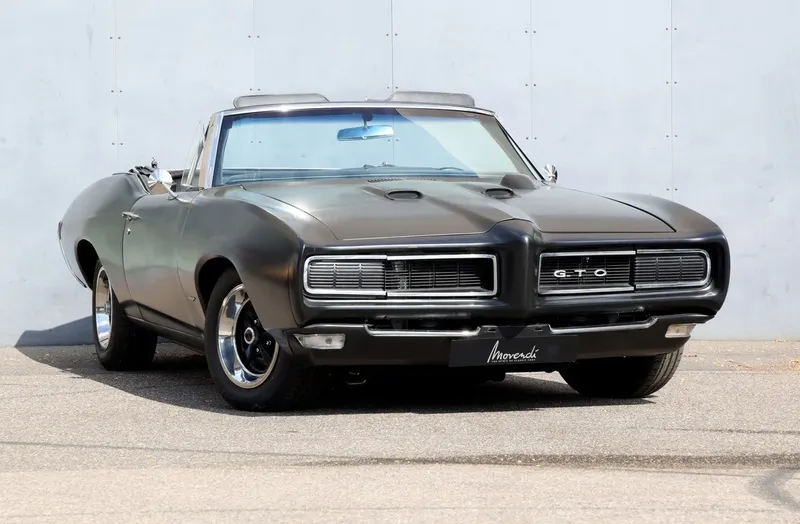
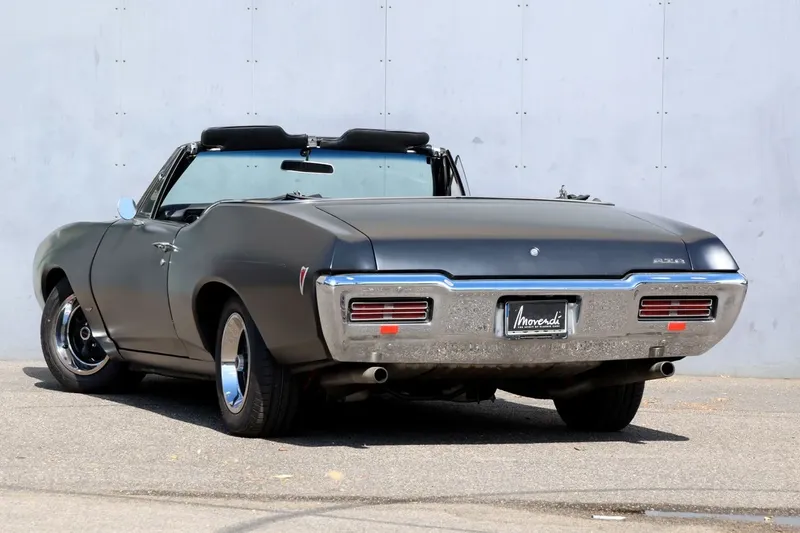
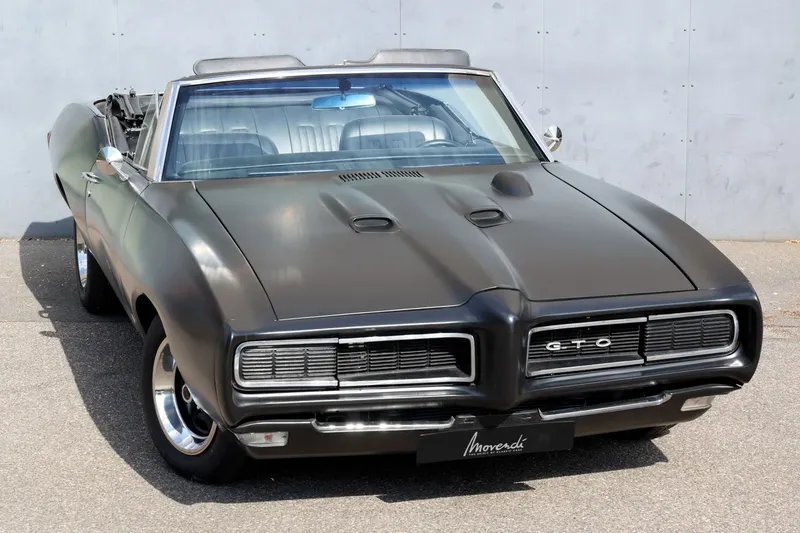
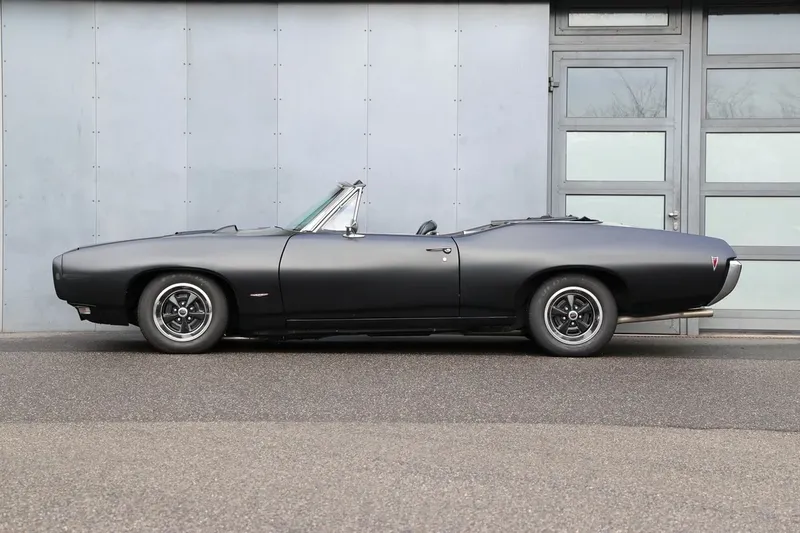
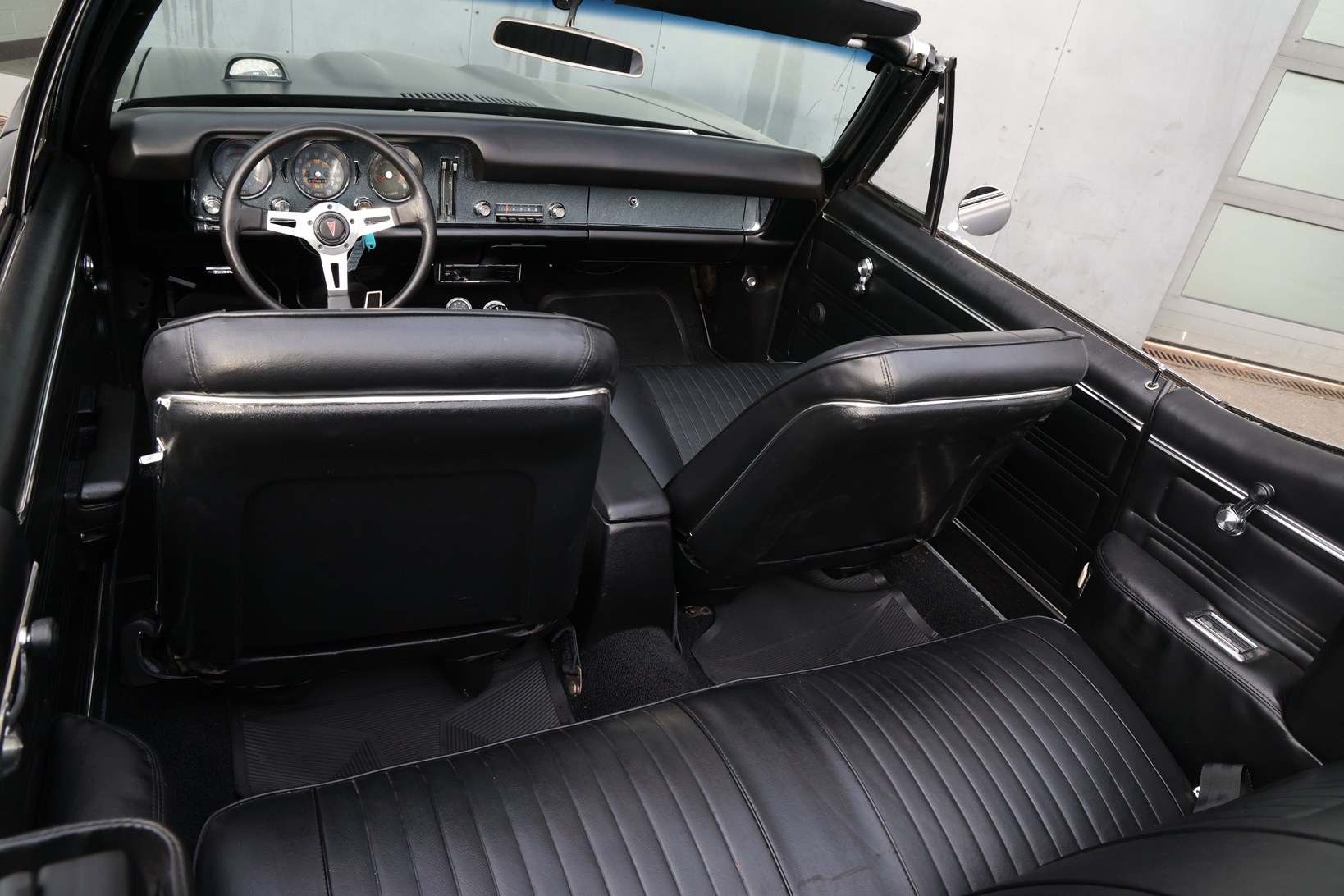
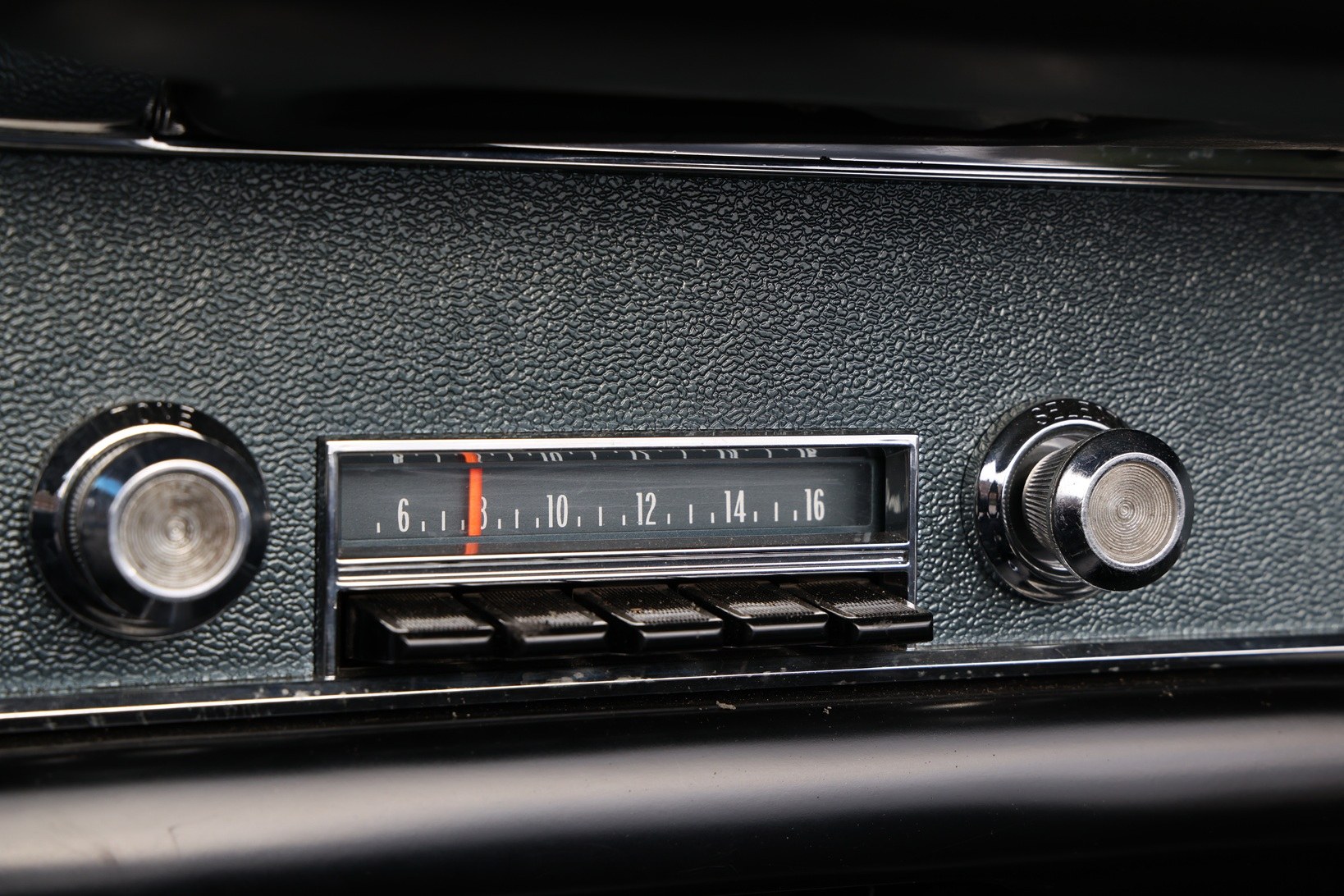
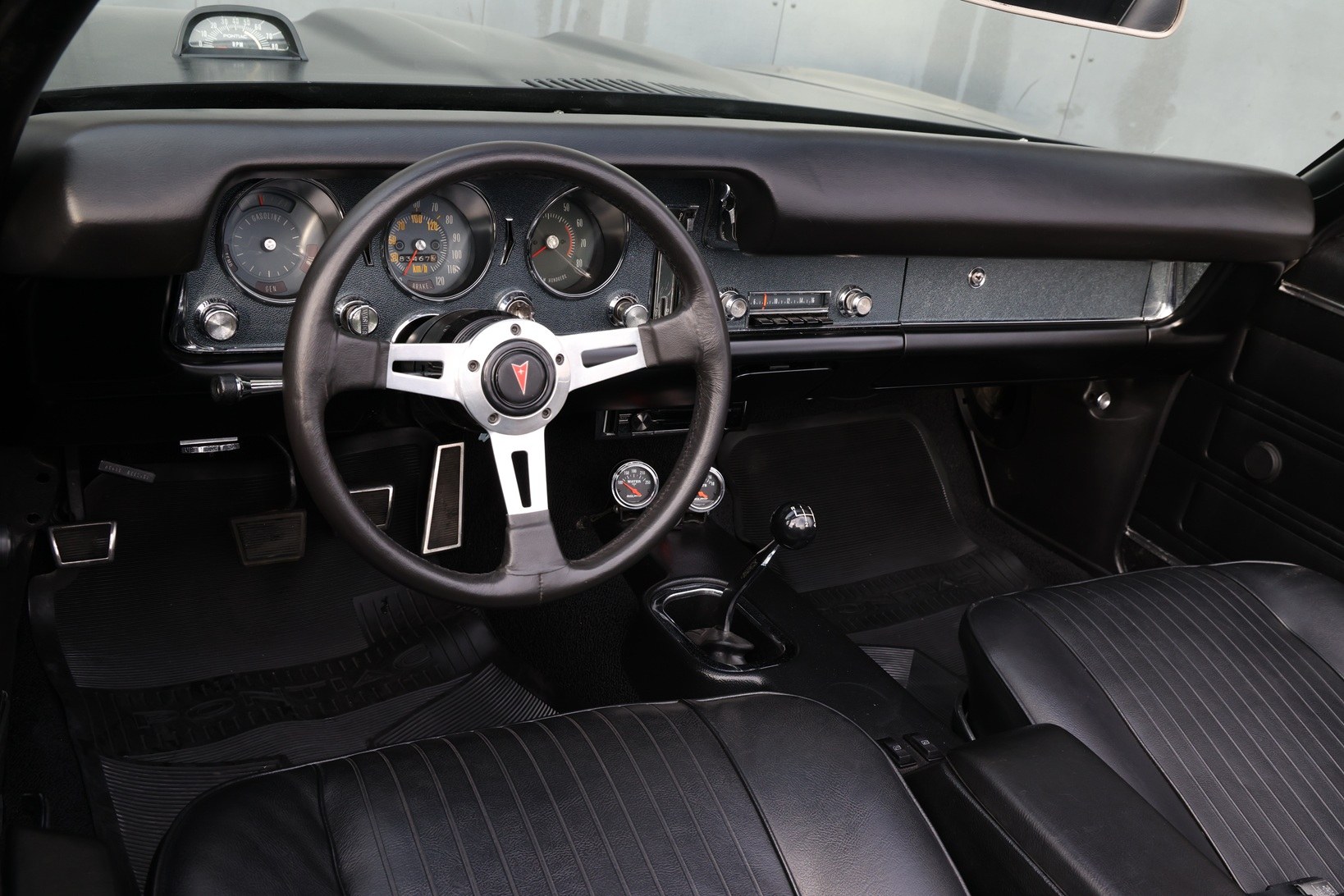
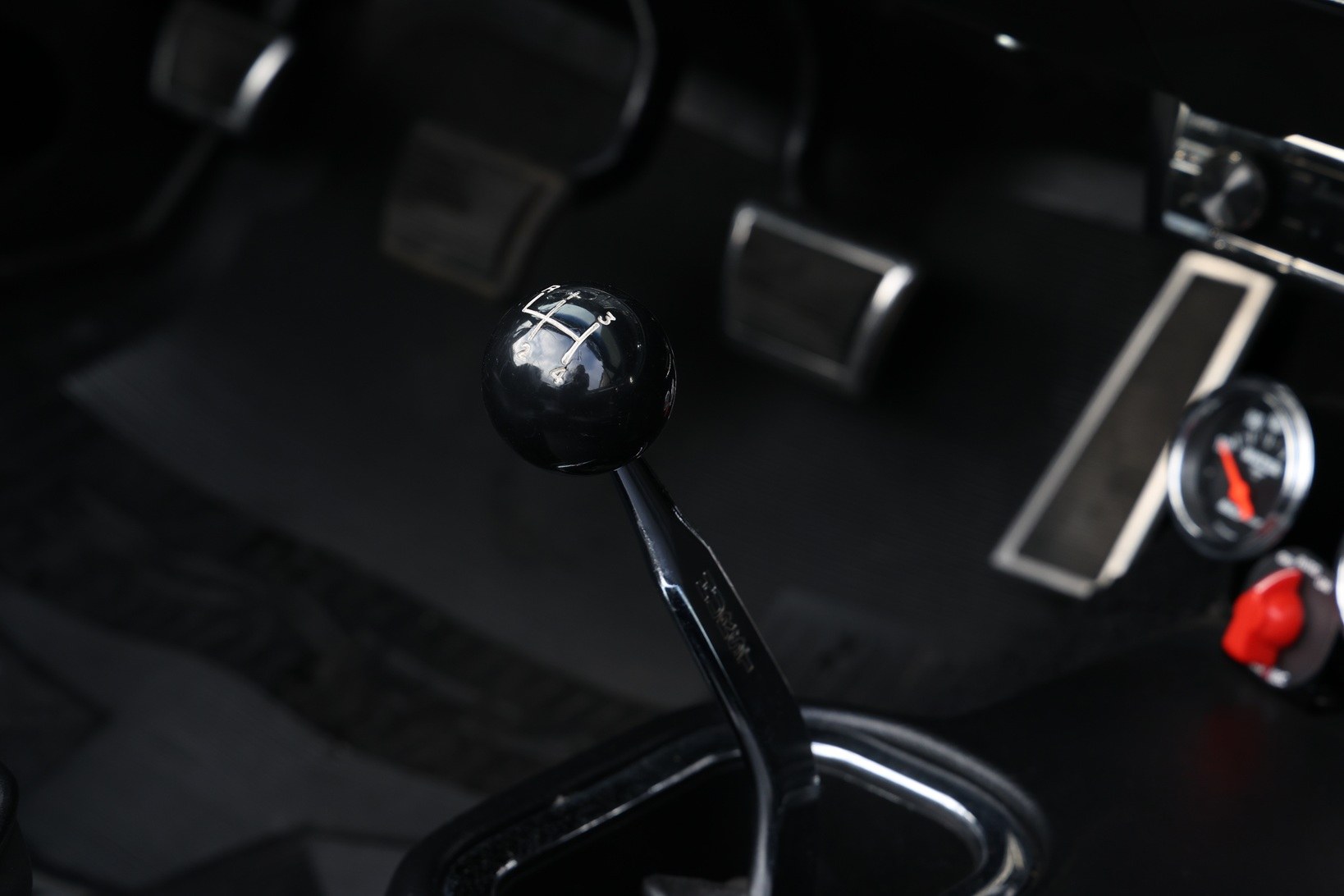
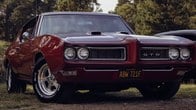
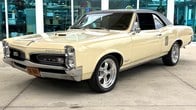
As outlined above, the Pontiac GTO has two very different design identities. The original cars are defined by American muscle-car proportions: a long bonnet, broad stance and a cabin built around a powerful front-mounted V8. Judge-era graphics, hood scoops and Ram Air cues pushed the GTO further into muscle-car icon territory, while early-1970s cars became heavier and less visually sharp.
The 2004–2006 revival is more understated. Based on the Australian Holden Monaro, it has a smooth coupé body and far less overt retro styling than many buyers expected from a vehicle bearing the GTO badge.
Safety
Classic Pontiac GTOs should be judged as 1960s and early-1970s American performance cars, where a well-maintained vehicle will feel very different from a tired one, especially under braking. Look in particular at the tyre and brake condition, since they’re about all that’ll save you. By contrast, the short-lived revival model offered standard equipment including four-wheel ABS, though GM claimed forthcoming airbag regulations meant it couldn’t be engineered to meet evolving safety standards.
Pros and Cons
Pros
The 1964–1974 cars give buyers access to one of the defining American muscle-car badges.
Judge, Ram Air and 455 models create clear collector focal points within the classic era.
The 2004–2006 revival offers strong LS V8 performance with relatively contemporary usability.
Cons
These are rare imports, and original GTOs may be hard to maintain and expensive to repair.
The original and revival GTOs represent very different buyer propositions, so values and expectations should never be conflated.
The 2004–2006 car has strong performance credentials, but it wasn’t regarded as an especially good car even while it was on sale.
Tendências de preços
Venda mais recente
26 000 £
1968 Pontiac GTO
Atualmente à venda
23
0 leilões ao vivo
23 anúncios



Total vendidos
11
Preço de venda mais alto
58 146 €
Preço médio
47 059 €
Preço mais baixo
10 000 €
FAQs
Which model years should Pontiac GTO buyers focus on?
Most classic muscle-car buyers should start with the 1964–1972 Pontiac GTO range, especially desirable Judge models, Ram Air versions and 455s. These are the vehicles most closely associated with the original GTO identity. The 1973–1974 cars are still part of the original run, but they sit further back from the peak muscle-car image.
Is the 2004–2006 Pontiac GTO related to the original 1960s GTO?
It’s related by name, brand and concept, but not by platform. The 2004–2006 Pontiac GTO was based on the Australian Holden Monaro and used GM LS-series V8 engines. It shares the front-engine, rear-wheel-drive V8 idea, but the badging and stitching were the only truly Pontiac parts of it.
What is a Pontiac GTO Judge?
The Pontiac GTO Judge was a high-profile performance and image package introduced during the peak muscle-car years. It became one of the most recognisable classic GTO variants, closely associated with bold graphics, Ram Air performance identity and strong collector interest.
Why is the Pontiac GTO important in muscle-car history?
The Pontiac GTO helped to define the American muscle-car formula of dropping a powerful V8 into a relatively affordable mid-size car. The 1964 Tempest LeMans with the GTO option package is widely viewed as the genesis of the muscle-car era.
Is the 2004–2006 Pontiac GTO worth considering as a modern classic?
It is if you want LS-series V8 performance in a discreet rear-wheel-drive coupé. The 2004 car used a 350 hp LS1, while 2005–2006 cars gained the 400 hp LS2, making them seriously quick even by Millennial standards. This rebadged Holden is worth considering on account of its performance and usability, but it lacks the visual theatre or driving engagement of a 1960s GTO.