Reliant Scimitar: Models and Specs
1964–1995 · 1.3–3.0-litre Ford inline-four/V6, Nissan 1.8-litre turbo, Rover 1.4-litre K-series · Front-engine, rear-wheel drive · Coupé/sporting estate/convertible/two-seat roadster
Overview
The Reliant Scimitar is the most significant sports car Reliant ever produced. This fibreglass-bodied grand tourer was manufactured for over three decades in various body styles, fitted with a huge variety of engines. It carved out a place in British motoring history as a sporting estate - an affordable shooting brake. Despite being made by a company better known for three-wheelers, the Scimitar consistently punched above its weight. It also solved a problem nobody else had properly addressed: how to build a car with genuine sporting performance and a usable rear seat without looking like a jack-of-all-trades compromise. The GTE's sporting estate body, introduced by Reliant in 1968, predated and influenced a range of successors. The Scimitar saw 31 years of production across two architecturally distinct branches. There’s the Ford V6-powered GT/GTE/GTC family, and the lighter, two-seat SS1/SST/Sabre roadsters, giving this iconic nameplate a diversity that few British classics can match.
Price
- Starting price
- 1 050 €
- Average price
- 8 256 €
- Price range
- 1 050 € - 18 495 €
Specifications
- Production years
- 1964–1970 (GT); 1968–1986 (GTE); 1980–1986 (GTC); 1988–1990 (Middlebridge); 1984–1990 (SS1/SST); 1992–1995 (Sabre)
- Total production
- 1,000 (GT); 15,000 (GTE); 445 (GTC); 1,500 (SS1/SST/Sabre)
- Body styles
- 2-seat coupé (GT); 4-seat sporting estate (GTE); 4-seat convertible (GTC); 2-seat roadster (SS1/SST/Sabre)
- Layout / drive
- Front-engine, rear-wheel drive
- Engine family
- Ford straight-six 2.6‑litre; Ford Essex V6 2.5–3.0‑litre; Ford Cologne V6 2.8‑litre; Ford CVH 1.3–1.6‑litre; Nissan CA18ET 1.8‑litre turbo; Rover K-series 1.4‑litre
Reliant Scimitar in Detail
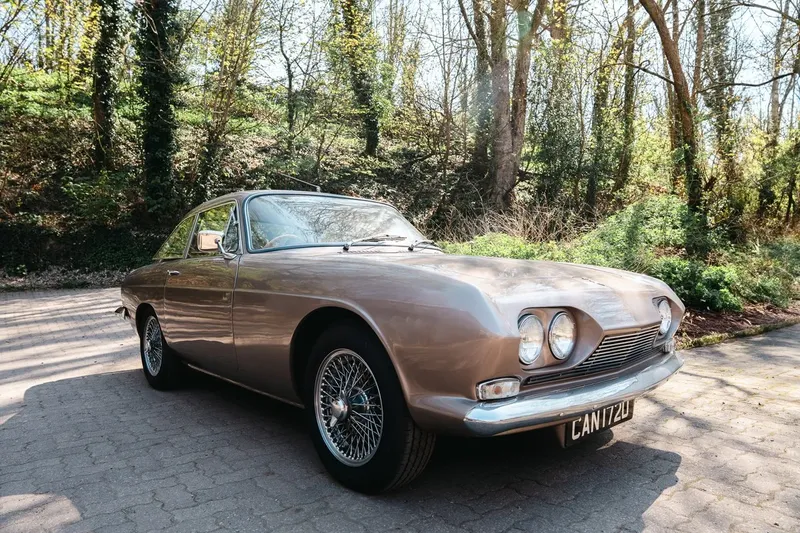
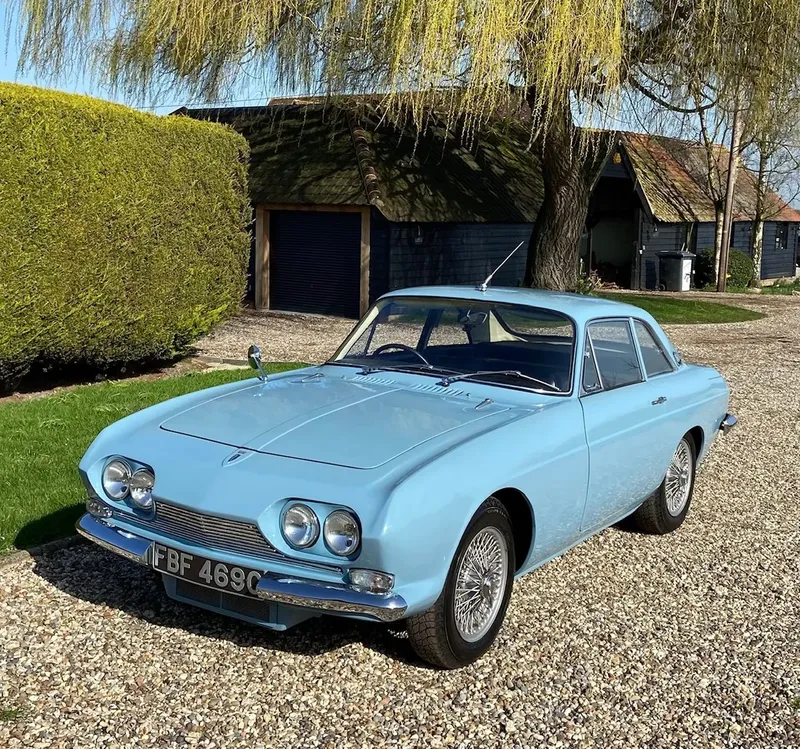
The Scimitar story begins not with Reliant but with Ogle Design, which styled the original 1964 coupé on a modified Daimler SP250 chassis before Reliant acquired the blueprints and retooled the car around Ford mechanical components. The suitably revised SE4 GT launched in 1964 using Ford's 2.6‑litre straight-six engine in a pressed-steel chassis clothed in a hand-laid fibreglass body. This construction technique kept weight low and gave Reliant the ability to produce low volumes at economical cost. The SE4's subsequent variants evolved through the Ford Essex V6 in 2.5‑litre and 3.0‑litre forms, raising the top speed to 120 mph and giving the GT the performance credentials it needed to compete with contemporary Triumph and MG sports cars.
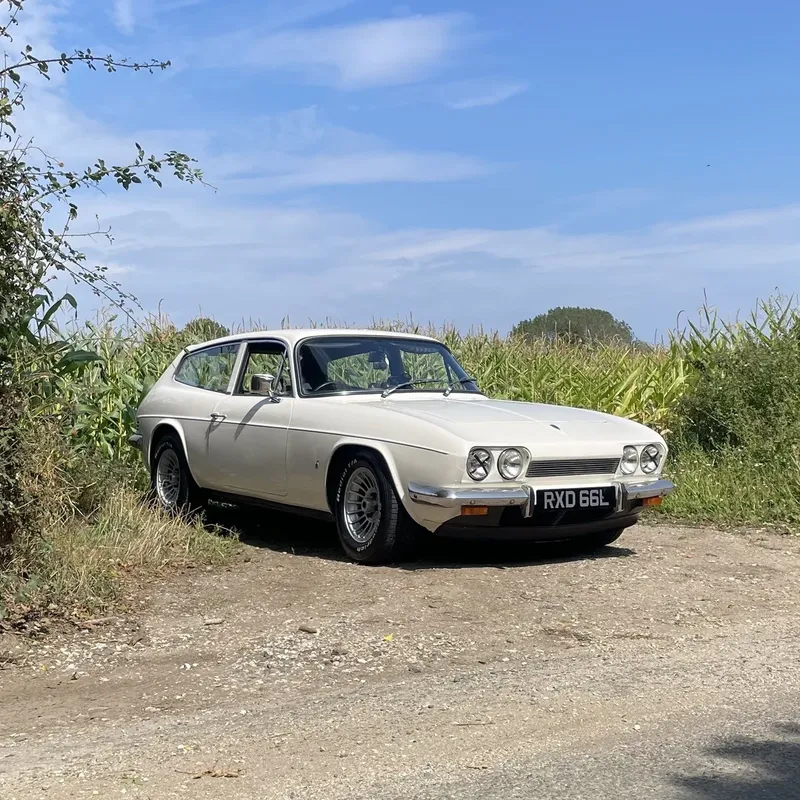
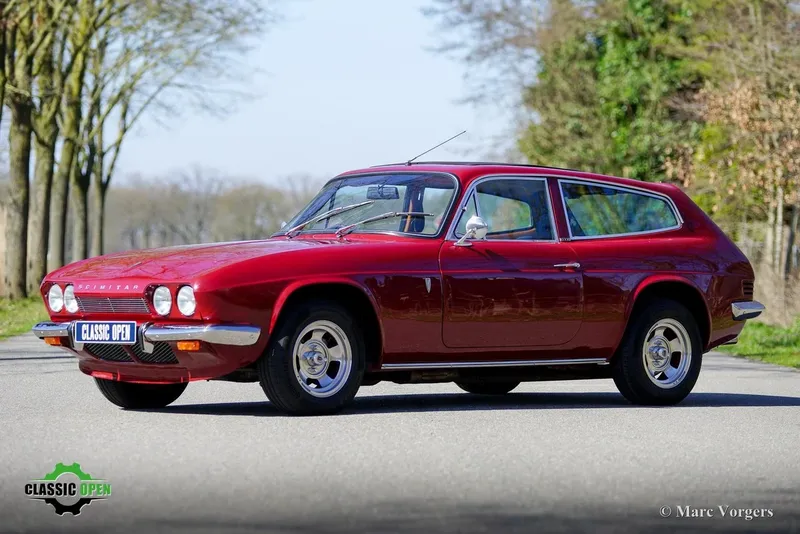
However, the Scimitar will always be best known for the 1968 GTE. This sporting estate was derived from the GT's running gear but with an entirely new body style that gave rear-seat passengers usable space and added a practical load area without compromising the car's sporting character. The GTE was an immediate success and outlasted the GT by 16 years, evolving through the SE5, SE5A, SE6, SE6A and SE6B variants as engine specifications and equipment levels were progressively enhanced. The SE5A's power upgrade lifted the Scimitar’s top speed to 121 mph, and this maximum wouldn’t be beaten by any subsequent versions.
The GTC convertible arrived in 1980 as a natural extension of the GTE platform, using a Ford 2.8‑litre V6 to power the first four-seater convertible sports car produced in Britain at a mainstream price. Regrettably, only 445 GTCs were built before production ended in 1986 following the closure of Reliant's sports-car operation.
The Middlebridge Scimitar (1988–1990) briefly revived the GTE under new ownership, with upgraded specification including a Ford 2.9‑litre EFi V6, before financial difficulties ended this short-lived venture. Then there was the second Scimitar family (the SS1, SST and Sabre), which launched in 1984 on an entirely different chassis with a Michelotti-designed body styled by William Towns. Using Ford CVH 1.3 and 1.6 engines and later a turbocharged 1.8‑litre Nissan unit, the SS1 was a lightweight sports car rather than a grand tourer. The SST did address its predecessors’ build-quality criticisms with a revised all-fibreglass body, and the Sabre (1992–1995) added 15-inch wheels and Rover K-series engines, before the Scimitar name was retired for good in 1995.
The Reliant Scimitar's performance identity is defined by the Ford V6 engine family in the GT/GTE/GTC branch, or by turbocharged lightweight punchiness in the SS1/Sabre branch. The GT/GTE/GTC cars are torque-led grand tourers, since the Essex and Cologne V6s produce broad, accessible power that makes them fast without demanding a leaden right foot. Conversely, the SS1/Sabre roadsters are lighter, shorter and (in 1800Ti form) capable of 0–60 mph in 6.8 seconds at the cost of refinement and a narrower power band. As such, the figures in the table below vary considerably.
Engine family | Power range | 0–60 mph (est.) | Top speed (est.) |
Ford straight-six 2.6-litre (GT SE4) | 120 bhp | 11 sec | 110 mph |
Ford Essex V6 2.5–3.0‑litre (GT SE4B–C/GTE SE5–SE6B) | 120–150 bhp | 8.5–10 sec | 115–121 mph |
Ford Cologne V6 2.8‑litre (GTC/late GTE) | 135 bhp | 9.4–10.8 sec | 116–120 mph |
Ford CVH 1.3–1.6‑litre (SS1) | 75–96 bhp | 9.6–12 sec | 106–110 mph |
Nissan CA18ET 1.8‑litre turbo (SS1 1800Ti/SST/Sabre) | 135 bhp | 6.8–7.5 sec | 126 mph |
Rover K-series 1.4‑litre (Sabre) | 103 bhp | 9.4 sec | 113 mph |
The Reliant Scimitar's design identity is split between its two branches, but both are compact and unencumbered by the showmanship of contemporary Italian rivals. The GT/GTE/GTC family bears the Ogle design lineage with a long bonnet, a fastback or estate roofline and a low stance. The GTE's sporting estate roofline is the defining body style, while fibreglass construction meant Reliant could achieve surface quality and panel curvature that pressed steel would have made prohibitively expensive.
Inside, the GT/GTE/GTC cabin prioritised the driver with a full set of instruments behind a leather-rimmed steering wheel. The GTE's rear seat and load area make it the most practically useful British sports car of its era, but the SS1 and Sabre took a more stripped-back approach. This was an open two-seater roadster with a simpler interior and a more exposed driving experience that suited the lighter, more aggressive character of the Nissan-engined variants.
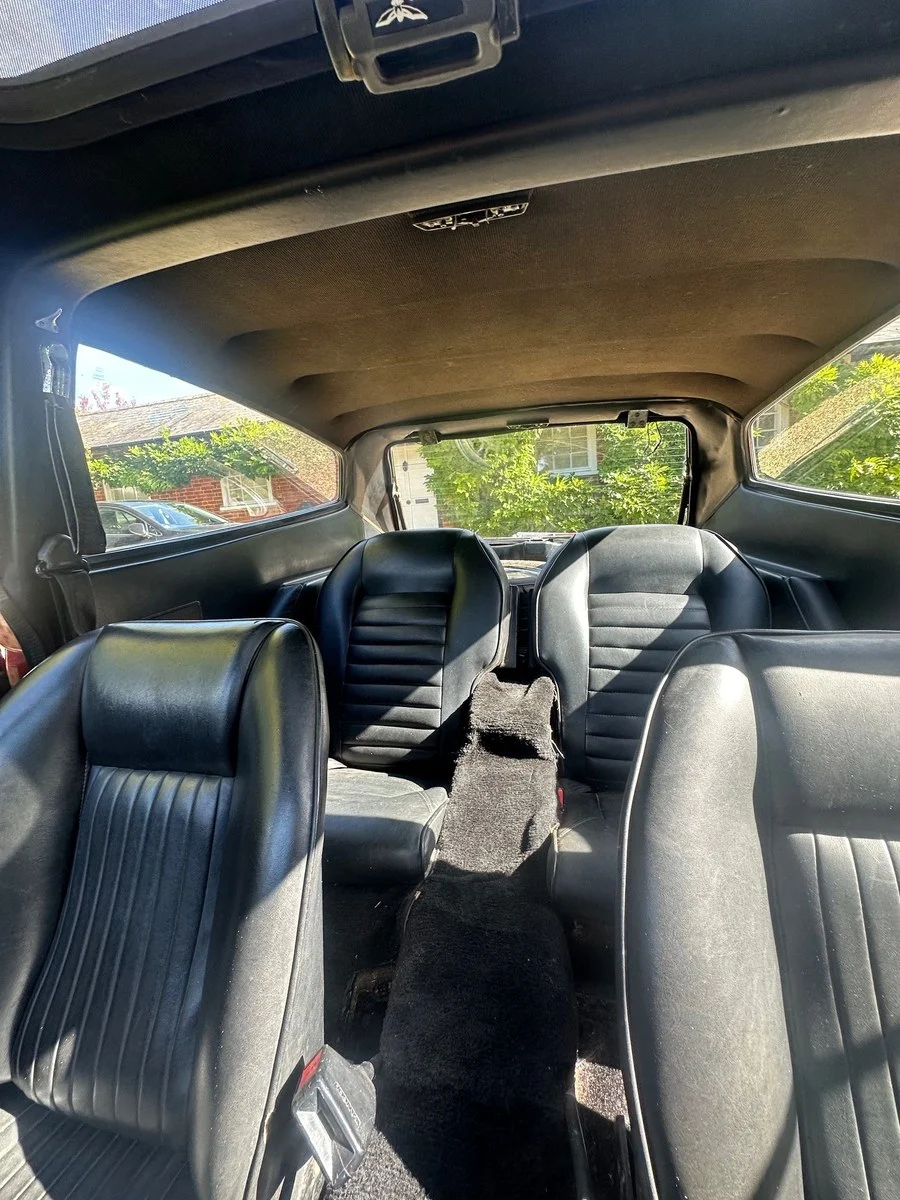
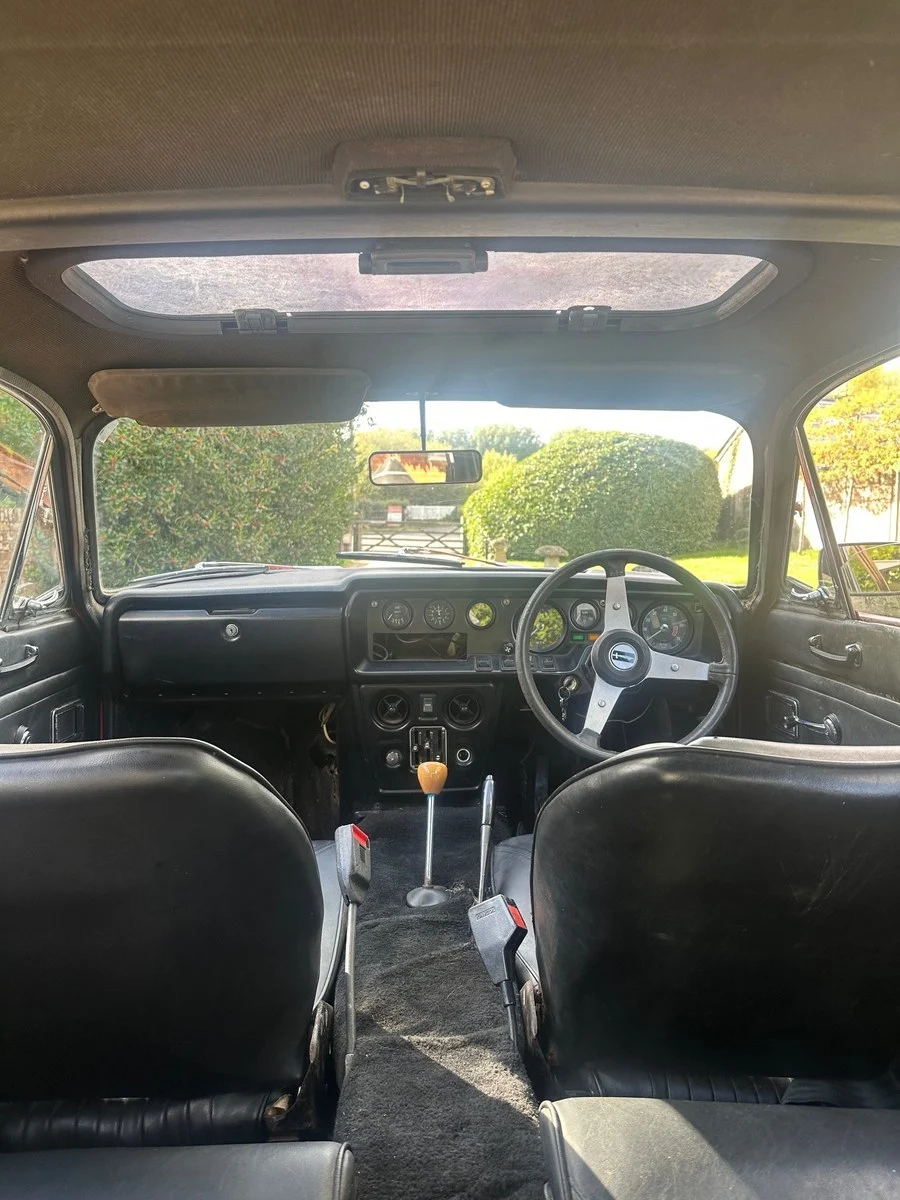
As outlined above, the Reliant Scimitar spans two architecturally distinct branches:
Scimitar GT/GTE/GTC (1964–1986). Fibreglass body on steel box-section chassis; Ford straight-six evolving to Essex and Cologne V6s; coupé, sporting estate and convertible body styles with 22 years of continuous development.
Scimitar SS1/SST/Sabre (1984–1995). Michelotti/Towns-styled two-seat roadster using Ford, Nissan and Rover engines on an entirely different platform.
It could be argued that having four wheels on a Reliant was a significant safety feature, but these cars were very much of their time in terms of safety. The GT, GTE and GTC cars used front disc and rear drum brakes, with the GTE SE6 receiving rear discs as a later improvement. The SS1 and Sabre were more sophisticated with all-independent suspension and disc brakes front and rear, but that fibreglass body provides little structural crash protection compared to a steel monocoque.
Pros:
GTE pioneered the sporting estate body style, giving it historical significance
The Ford V6 engine family is one of the best-supported in British classic motoring
That fibreglass body can’t rust, so any corrosion risk is concentrated on the steel chassis
Three distinct body styles (coupé, estate and convertible) and two distinct branches offer plentiful buyer choice
Cons:
There is no electronic safety provision across any variant, even the later ones
The steel chassis can corrode, particularly on higher-mileage GTE examples
GTC and GT body styles are rare enough that panels require specialist sourcing
SS1/SST early build quality was widely criticised, and panel fit and water ingress were persistent issues
Reliant Scimitar for Sale
Car & Classic lists Reliant Scimitars across all generations and body styles, from entry-level GTE project cars through to rare GT coupés, GTC convertibles and SS1 1800Ti roadsters. Browse current listings to find the generation, body style and condition that match your ownership plans.
Tendances des prix
Vente la plus récente
11 500 £
1981 Reliant Scimitar
14 août 2020

Actuellement en vente
9
0 enchères en direct
9 annonces


Total vendu
44
Prix de vente le plus élevé
18 495 €
Prix moyen
8 256 €
Prix le plus bas
1 050 €
FAQs
It can, and more easily than most classics of its era. The GTE's four-seat estate body, practical load area and Ford V6 reliability make it one of the most usable British sports cars of the Sixties, Seventies and even the Eighties. The Cologne V6-engined later cars are the most refined daily proposition, whereas the SS1 and Sabre are lighter and more sporting but less comfortable over long distances.
The Ford Essex and Cologne V6 engines are extensively documented and widely supported by specialists; parts are inexpensive, and these engines are among the most familiar units in British classic motoring. The fibreglass body eliminates bodywork corrosion entirely, though chassis rust requires proper assessment before purchase. SS1/Sabre parts are more specialist, but the Nissan CA18ET engine has a wide Japanese-market parts base.
For most buyers, a GTE SE5A or SE6A with a manual gearbox represents the optimal entry. This was the most developed version of the best-supported generation, with the widest parts availability and the best balance between performance and practicality.
It’s rarer and more exclusive (1,000 GTs were built versus 15,000 GTEs), but it’s consequently more expensive to restore, harder to find in good condition and less practical. For buyers who prioritise rarity and the original Ogle coupé design, the GT is the more rewarding car, but the GTE is the clear choice for buyers who want the most usable Scimitar at the most accessible price.
She certainly did.