Triumph Vitesse: Models and Specs
1962–1971, 1.6–2.0-litre straight-six, front-engined, rear-wheel-drive, saloon/convertible.
Overview
The Triumph Vitesse always represented an unusual blend of attributes. It managed to combine Michelotti styling, Herald-based simplicity, rear-wheel drive and six-cylinder flexibility at a time when the nation still echoed to the sounds of air-cooled Beetles and arthritic four-pot engines. As such, the Vitesse felt more sophisticated than most small British family cars of its era, despite remaining practical and mechanically approachable. Triumph’s compact six-cylinder sporting saloon was carefully positioned above the Herald to offer small-car packaging with a smoother, more prestigious engine and a more upmarket feel. It gave Triumph a genuinely distinctive niche product: a compact four-seat car with six-cylinder refinement, available as either a saloon or a proper four-seat convertible. Little wonder that it remained on sale for almost a decade without major revision.
Price
- Starting price
- € 3.500
- Average price
- € 10.817
- Price range
- € 3.500 - € 18.820
Specifications
- Production years
- 1962–1971
- Body styles
- 2-door saloon/convertible
- Layout/drive
- Front-engine, rear-wheel drive
- Engine family
- 596-1998cc OHV straight-six
- Transmission types
- 4-speed manual
Triumph Vitesse in Detail
History
The Triumph Vitesse was introduced in May 1962 as the six-cylinder performance version of the Triumph Herald. It reprised almost all of the Herald’s body panels but added a distinct four-headlamp front end and a more powerful engine. Notably, Standard-Triumph dropped in a 1596cc version of its traditional straight-six, derived from the Standard Vanguard Six. This was paired with a strengthened gearbox, front disc brakes and uprated front suspension - a basic recipe which remained consistent throughout the model’s life.
Change, where it came at all, was modest. In 1966, Triumph enlarged the engine to 1998cc and relaunched the car as the Vitesse 2-Litre, adding stronger transmission components and uprated brakes to match the extra output. In 1968, the final 2-Litre Mk2 arrived with a redesigned rear suspension plus a further engine improvement that lifted output to 104 bhp.
Across all versions, the Vitesse remained a very particular kind of British performance car. It was compact, relatively light, mechanically simple and unusually civilised thanks to its straight-six engine. Total production came to 51,212 cars, split across Vitesse 6, 2-Litre, and 2-Litre Mk2 saloons and convertibles.
Specifications & Performance
The Triumph Vitesse evolved from a brisk 1.6-litre compact six-cylinder saloon into a genuinely quick four-seater by the end of production. Every Vitesse used Triumph’s OHV straight-six, first in 1596cc form and later in 1998cc form, with output rising from 70 bhp to 104 bhp as the car developed. Outright pace was never the priority, with Triumph instead focusing on the combination of six-cylinder smoothness, compact dimensions and four-seater practicality.
Specification | Details |
Engine family | Triumph OHV straight-six, 1596cc–1998cc |
Power range | 70 bhp to 104 bhp |
Top speed | 90 mph to 106 mph |
Design and Cabin Identity
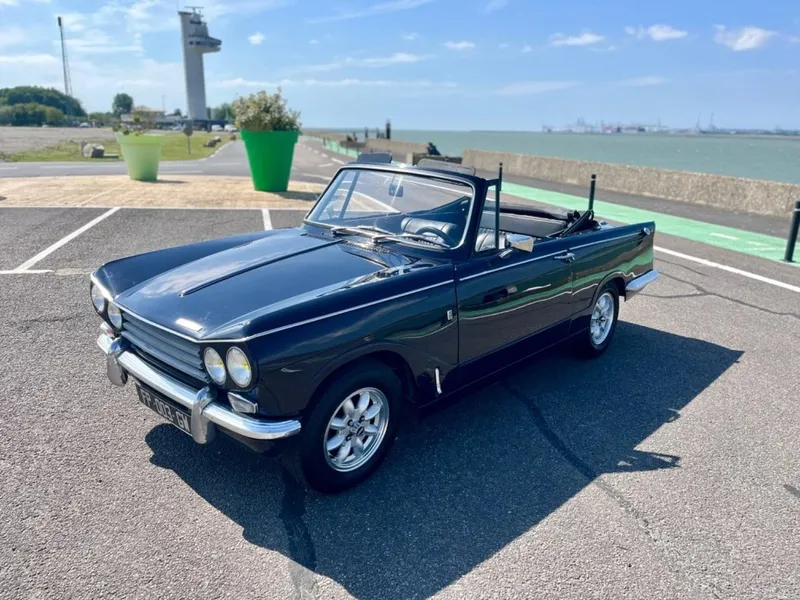
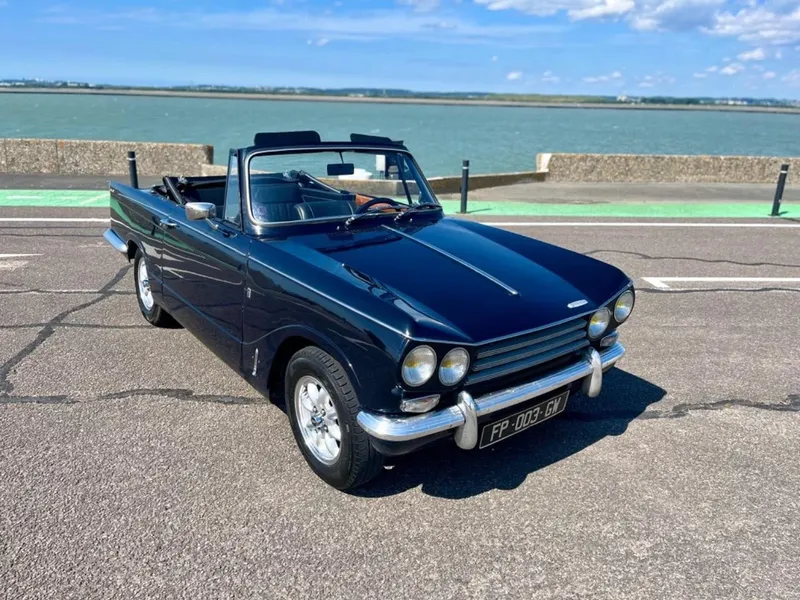
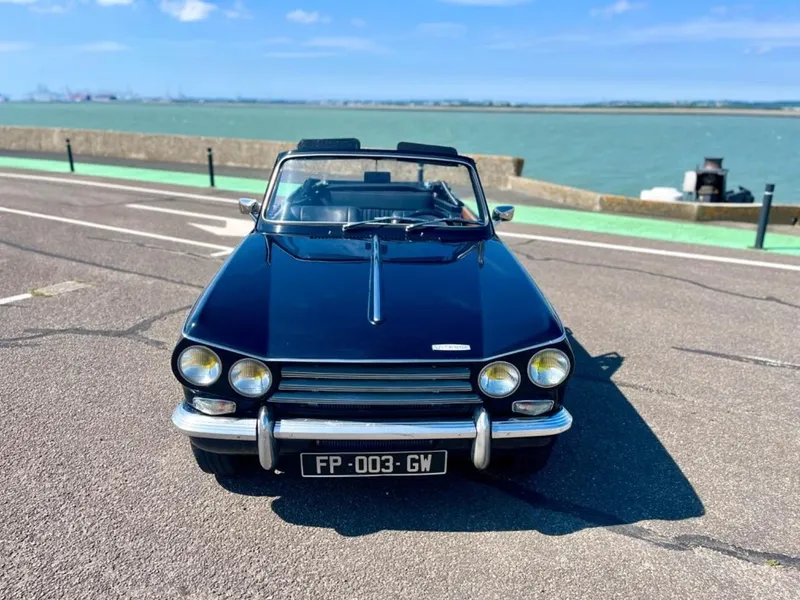
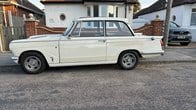
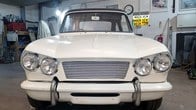
The Triumph Vitesse was instantly recognisable across its life not just for its slanted four-headlamp nose, but also the way it took the upright Michelotti shape of the Herald and added just enough visual aggression to identify itself as a more powerful six-cylinder car. The headlamps transformed the Vitesse’s appearance without changing the car’s basic proportions. There’s still a compact footprint and separate chassis, a long bonnet relative to the cabin and a clean glasshouse on top.
Its visual DNA was somewhat unusual for the class. Rather than looking like a scaled-down executive saloon, the Vitesse instead looked like a neatly tailored small car which had been given a more serious front end and a more mature road presence. That helped it stand apart from the ordinary Herald despite sharing the same essential body architecture.
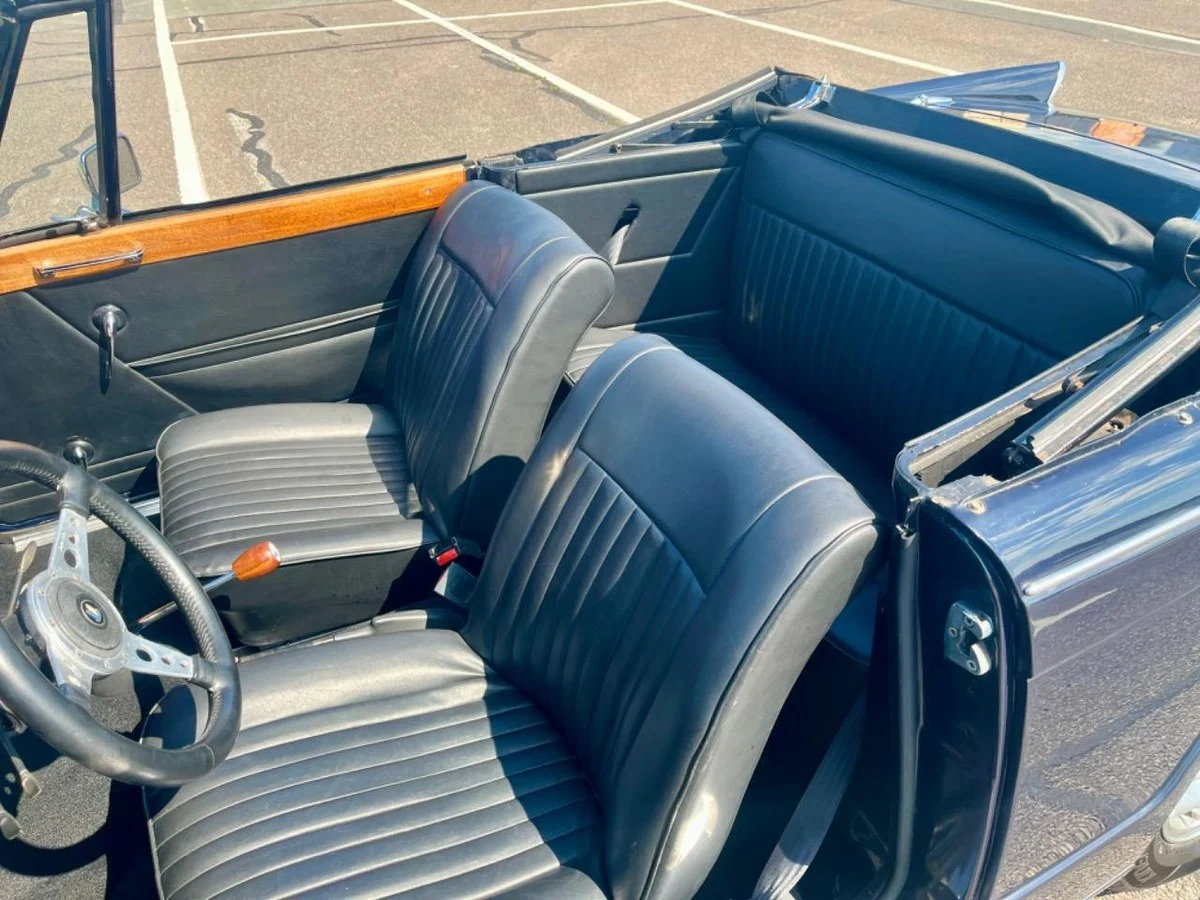
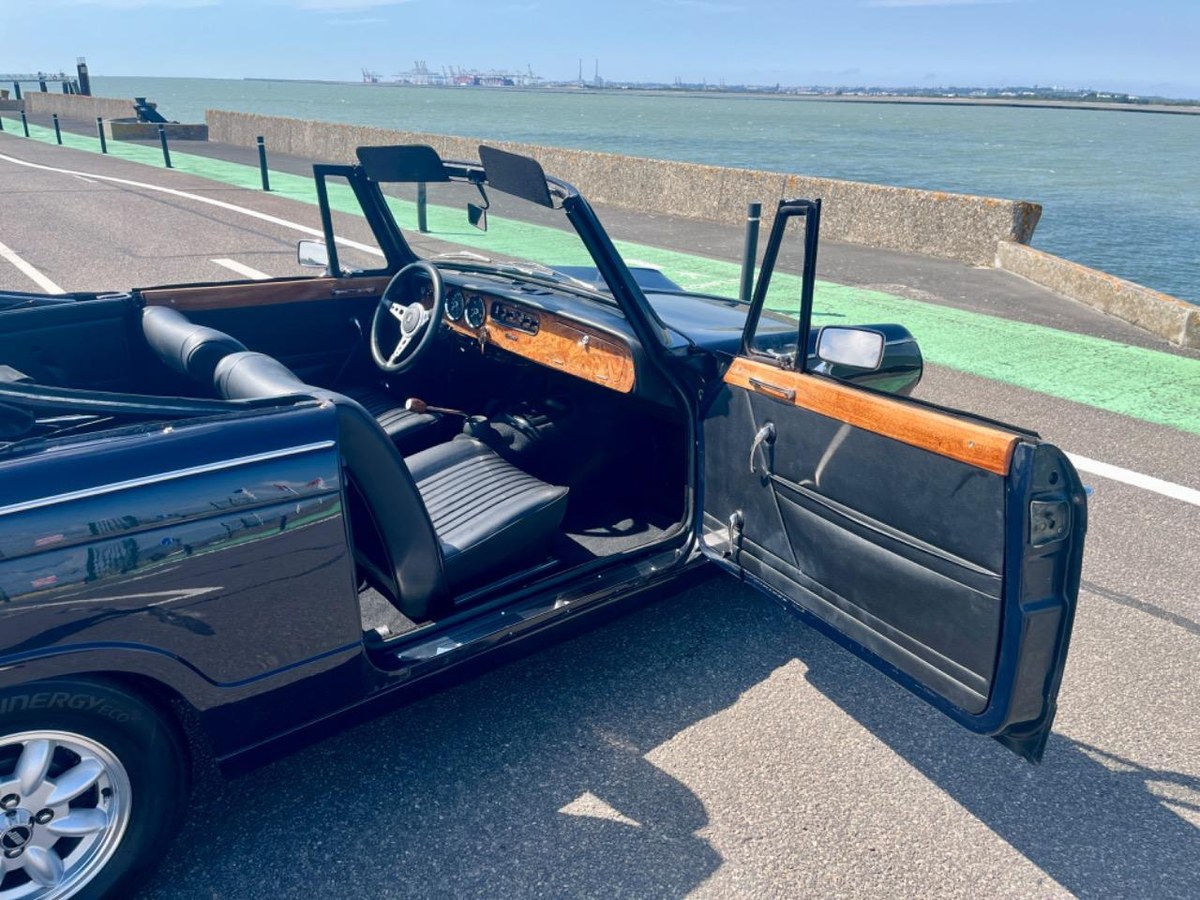
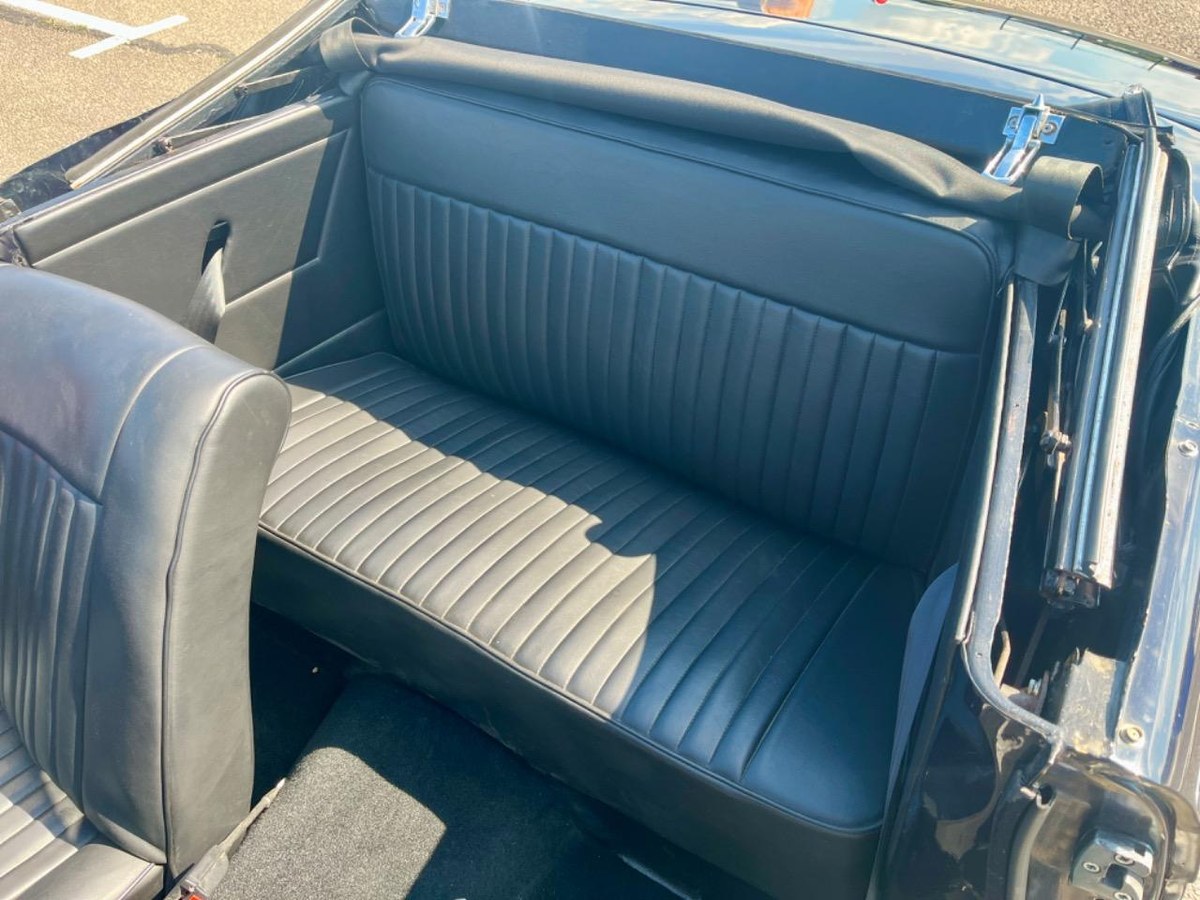
Inside, the cabin philosophy followed a similar approach. Triumph improved the Herald underpinnings with a wooden dashboard, better seats and trims and a more grown-up instrument layout. Nonetheless, the emphasis remained on visibility, usability and compact four-seater practicality rather than luxury-car excess. Across the production run, the Vitesse cabin felt more like an intelligently upgraded small Triumph than a mini grand tourer, which is exactly why the model’s identity has aged so well.
Generation Timeline
Vitesse 6: Introduced in 1962 with the 1596cc straight-six, Herald-based structure plus that signature four-headlamp nose.
Vitesse 2-Litre: The 1966 update brought an enlarged 1998cc engine, stronger transmission components and uprated brakes.
Vitesse 2-Litre Mk2: The final version added Rotoflex rear suspension and the strongest 104 bhp tune, making it the best-developed Vitesse.
Safety
The Triumph Vitesse belongs entirely to the pre-electronics safety era, so the safety story is about mechanical engineering rather than electronic assistance. Front disc brakes were standard from the outset, rear drums were enlarged and later 2-Litre cars gained further brake improvements as performance increased. However, the most important safety-related engineering change was the Mk2 rear suspension redesign, introduced to address criticism of the earlier layout and provide the car with more progressive road manners.
Pros and Cons
Pros
The Herald-based separate chassis and six-cylinder layout give the Triumph Vitesse a distinctive engineering identity, making it approachable for hands-on ownership.
The slanted-lights nose gives the Triumph Vitesse one of the most recognisable front ends of any compact British car of its era.
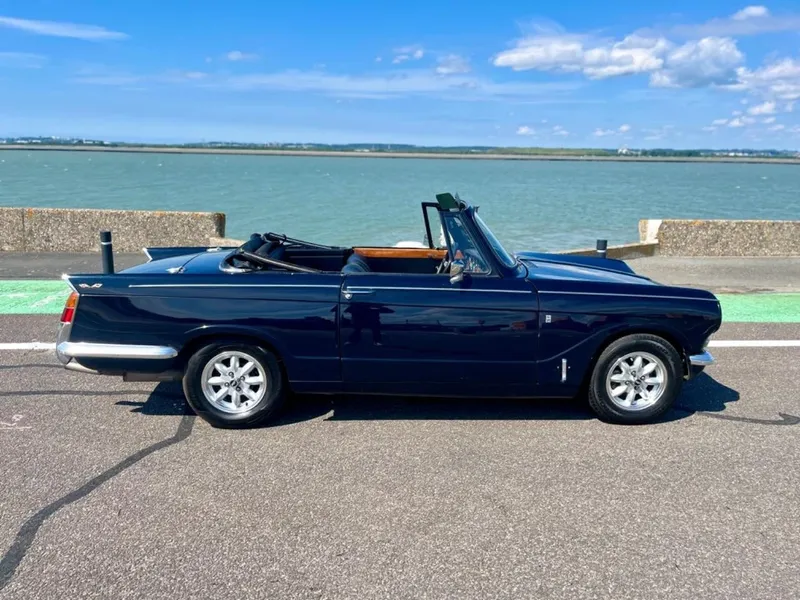
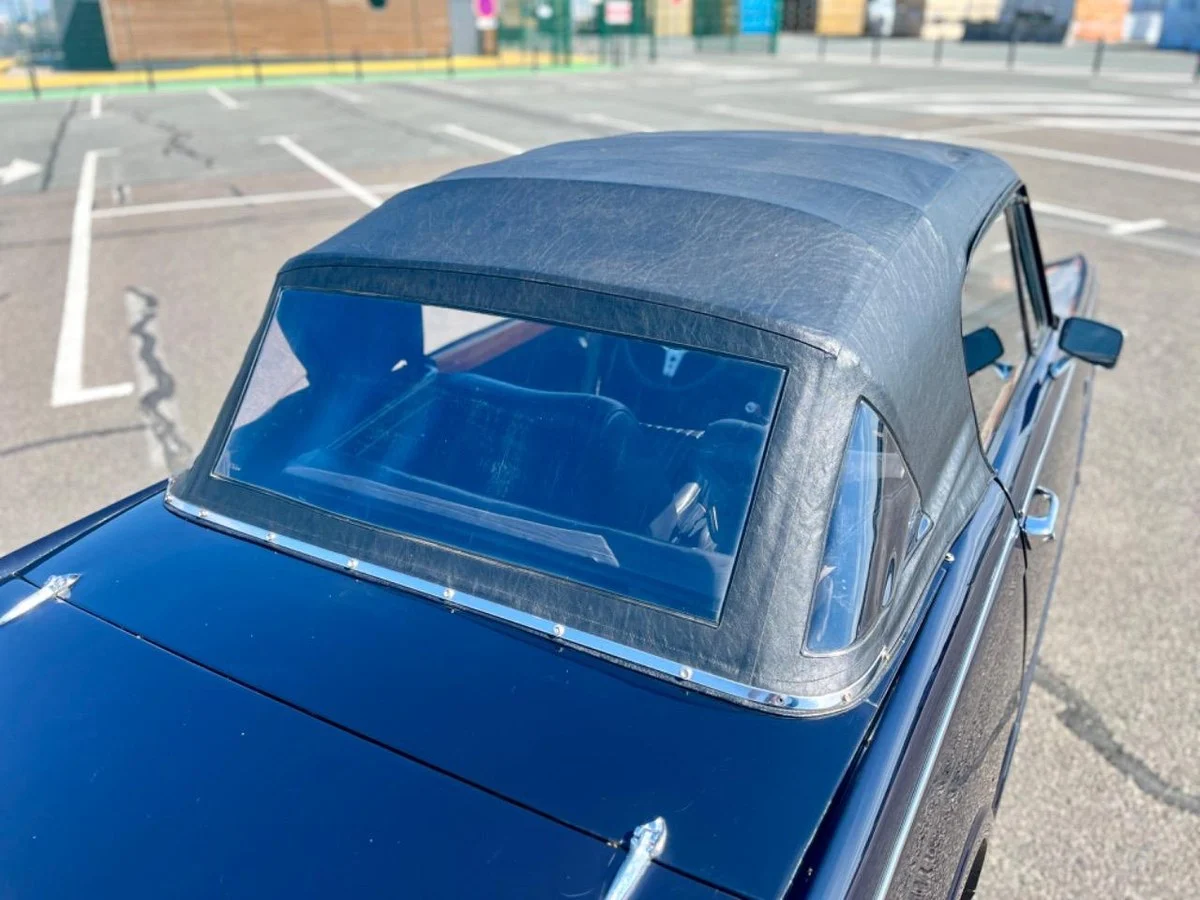
The Vitesse convertible has a genuinely unusual niche as a proper four-seat British sporting convertible, which adds appeal beyond simple performance.
Cons
The early rear suspension layout became a defining criticism of the model, which is why the Mk2’s Rotoflex redesign is such an important improvement.
Early Vitesse 6 saloons are scarcer partly because so many were dismantled to support later cars, so originality can be harder to find than the production total suggests.
Safety was rudimentary, as might be expected from cars of the era.
Prijsontwikkeling
Meest recente verkoop
£ 7.495
1969 Triumph Vitesse
11 sep 2023
Momenteel te koop
10
0 live veilingen
10 advertenties



Totaal verkocht
45
Hoogste verkoopprijs
€ 18.820
Gemiddelde prijs
€ 10.817
Laagste prijs
€ 3.500
FAQs
Can a Triumph Vitesse be used regularly?
Yes, a Triumph Vitesse can work well as a regular-use classic because it combines compact size, four seats, a usable boot and straightforward mechanical access. This is a practical and desirable performance four-seater rather than a fragile specialist toy.
Are Triumph Vitesse running costs manageable?
Running costs are manageable by classic-car standards because the Vitesse is mechanically simple, uses a separate chassis and has very good access for routine work. Herald and Vitesse running gear is simple enough for owners with modest mechanical aptitude to maintain at home, and parts are interchangeable between both.
Are Triumph Vitesse parts still available?
Parts availability is one of the Triumph Vitesse’s strengths, with repair sections widely available for body and chassis work. That strong supply picture is one reason the model remains such a practical entry point into six-cylinder Triumph ownership.
What is the best first Triumph Vitesse?
For most buyers, the best first Triumph Vitesse is a 2-Litre Mk2 because it combines the most developed rear suspension with the strongest 104 bhp engine tune. That said, a good 2-Litre Mk1 can still make sense.
Is a Triumph Vitesse convertible more desirable than a Triumph Vitesse saloon?
Usually yes, because the Triumph Vitesse convertible occupies a particularly unusual place in the market as a British four-seater sporting convertible. The saloon is central to the model’s identity, but the convertible retains broader appeal.
What makes the Triumph Vitesse different from a Triumph Herald?
The Triumph Vitesse uses the Herald’s basic body and chassis concept, but it adds a straight-six engine, a distinctive four-headlamp front end, stronger mechanical components and a more upmarket cabin treatment. Think of it as the six-cylinder sporting version of the Herald, rather than a separate design.