Opis
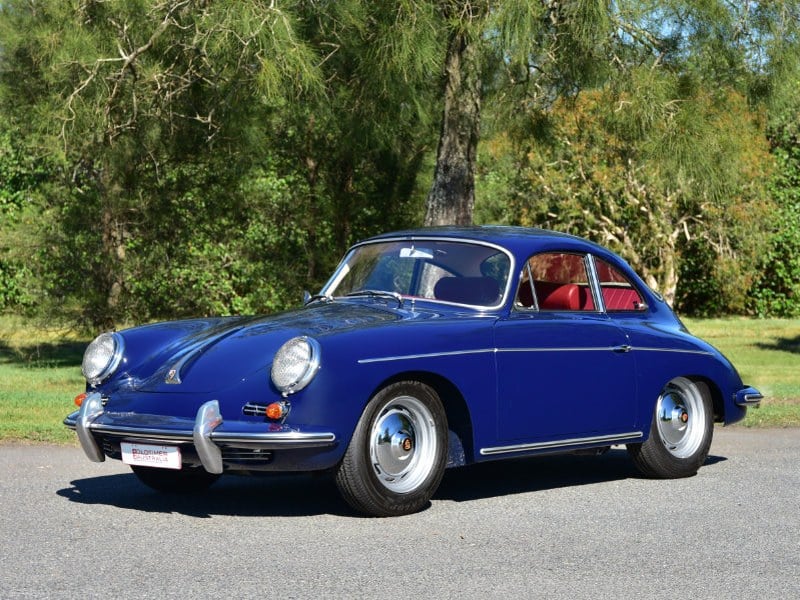
Firma Oldtimer Australia ma przyjemność zaoferować na sprzedaż ten rzadki egzemplarz Porsche 356 Pre-A „Bent Window” (Knickscheibe) Coupe z 1952 roku.
Spośród wszystkich wyprodukowanych wersji Porsche 356 wczesne modele Pre-A są zdecydowanie najrzadsze – ich łączna produkcja wyniosła około 9 100 egzemplarzy. Aby lepiej to zobrazować, Porsche wyprodukowało później 20 541 egzemplarzy modelu 356 A, 31 811 modelu 356 B oraz 16 511 modelu 356 C.
Dokumentacja archiwalna firmy Porsche potwierdza, że jest to samochód z roku modelowego 1952, ukończony 4 czerwca 1952 r. Następnie został on dostarczony jako nowy przez renomowanego dealera Porsche, firmę Hoffman Motor Car Company w Nowym Jorku w USA, 4 grudnia 1952 r.
Zgodnie z dokumentacją produkcyjną Porsche samochód był pierwotnie pomalowany na kolor Fish Silver Grey (kod koloru 505) i wyposażony w wnętrze ze sztucznej skóry, choć kolor wnętrza nie został odnotowany.
Samochód został dostarczony z atrakcyjnym zestawem opcji fabrycznych, w tym radiem i anteną marki Telefunken, chromowanymi nakładkami na zderzaki oraz fotelem „Schlafsitz” (fotel z regulacją oparcia).
Jako nowy samochód był wyposażony w silnik o pojemności 1 500 cm³.
Oferowany egzemplarz jest jednym z najwcześniejszych modeli z charakterystycznymi „wygiętymi szybami” i zintegrowanymi przednimi zderzakami, produkowanych jedynie przez krótki okres od kwietnia do października 1952 r. Od października 1952 r. firma Porsche zmodyfikowała konstrukcję i zderzaki nie były już zintegrowane z karoserią, co sprawia, że te wczesne egzemplarze są dziś szczególnie charakterystyczne i bardzo poszukiwane.
Niestety niewiele wiadomo o wczesnej historii tego samochodu. W pewnym momencie trafił on do Kalifornii i mamy potwierdzenie, że w 1979 r. był tam zarejestrowany pod numerem 016 UCX. Oryginalna kalifornijska tablica rejestracyjna z 1979 r. (niebieska tablica 016 UCX) znajduje się wraz z samochodem. Następnie samochód został zarejestrowany w Kalifornii pod numerem 1QKK691.
W listopadzie 2000 roku samochód został wystawiony na sprzedaż przez firmę European Collectibles z Costa Mesa w Kalifornii (USA), specjalizującą się w modelach Porsche 356.
Następnie samochód trafił do Belgii, gdzie został częściowo odrestaurowany przez ówczesnego właściciela z pomocą przyjaciela. Naklejka zachowana w dokumentacji historycznej sugeruje, że samochód brał udział w 1. edycji rajdu historycznego Kortrijkse Kocon, który odbył się 30 czerwca 2002 roku.
Około 2007 roku samochód został sprzedany drugiemu belgijskiemu właścicielowi, panu Thirionowi z Antwerpii. W dokumentacji zachowano belgijski dowód rejestracyjny wystawiony na jego nazwisko, a także zdjęcia z tamtego okresu przedstawiające samochód z belgijskim numerem rejestracyjnym OAH 850.
Okres posiadania przez pana Thiriona był stosunkowo krótki, a następnie samochód trafił do Wielkiej Brytanii za pośrednictwem antwerpskiej firmy Beerens Classic Division, zajmującej się sprzedażą samochodów klasycznych. Jak się wydaje, do tego czasu w samochodzie zamontowano silnik Volkswagena.
Porsche zostało sprzedane obecnemu właścicielowi w grudniu 2009 roku za pośrednictwem renomowanej firmy Export 56, specjalizującej się w modelach Porsche 356, z siedzibą w Cranfield w hrabstwie Bedfordshire.
Następnie samochód został przetransportowany do Australii na pokładzie statku „MSC Brianna”, przybywając do Melbourne w maju 2010 roku. W aktach znajduje się kopia australijskiego zezwolenia na import z dnia 11 lutego 2010 r.
Po przybyciu do Australii samochód powierzono Robowi Foersowi z firmy 356 Works w Melbourne w celu pozyskania i zamontowania silnika Porsche 356 z odpowiedniego okresu. Foers pozyskał następnie silnik o pojemności 1 300 cm³ z modelu Porsche 356 Pre-A z 1951 roku, który został zamontowany w samochodzie wraz z wykonaniem innych niezbędnych prac.
Obecny właściciel mieszka w Adelajdzie i oprócz warsztatu 356 Works korzystał z usług firmy Classic & Customs w Willunga w Australii Południowej, która dbała o jego samochód.
Obecnie to Porsche 356 Pre-A „Bent Window” Coupe najlepiej można opisać jako reprezentacyjny egzemplarz nadający się do codziennej jazdy. W ciągu ostatnich kilku lat samochód był zasadniczo przechowywany w stanie statycznym i będzie wymagał pewnych poprawek, aby stać się niezawodnym i nadającym się do użytku klasyką. Po doprowadzeniu do porządku samochód ten z pewnością będzie można użytkować i czerpać z niego radość w obecnym stanie, choć istnieją obszary, które wymagałyby dodatkowej uwagi, gdyby następny właściciel pragnął podnieść samochód na wyższy poziom.
W momencie wykonywania zdjęć licznik przebiegu wskazywał 10 831 mil.
Kiedy po raz pierwszy podchodzi się do tego samochodu, jak widać na zdjęciach, prezentuje się on dobrze. Jednak po bliższym przyjrzeniu się można zauważyć uszkodzenia lakieru. Samochód był kiedyś przemalowywany, a lakier zaczyna wykazywać oznaki zużycia. Chociaż uszkodzenia występują na większości paneli, najbardziej rzucają się w oczy dolne partie obu drzwi, gdzie zaczyna prześwitywać korozja. Kilka plam widocznych jest również wokół obu reflektorów.
Szczeliny między panelami są ogólnie dobre, z wyjątkiem drzwi pasażera, które wymagają pewnej regulacji w celu dalszego poprawienia ich dopasowania.
Koła prezentują się bardzo dobrze i nie mają żadnych widocznych śladów uderzeń o krawężnik ani uszkodzeń. Chociaż modele 356 z serii Pre-A były pierwotnie wyposażone w 16-calowe koła, w tym samochodzie zamontowano koła 15-calowe – popularną modyfikację w stylu z tamtej epoki, którą wielu właścicieli preferuje ze względu na lepsze prowadzenie i większy wybór opon.
Koła są wyposażone w opony Michelin XZX 165R15 z datą 2921 (29. tydzień 2021 r.), które pozostają w bardzo dobrym stanie. Kołpaki również prezentują się dobrze i ładnie uzupełniają ogólny wygląd samochodu.
Wykończenie zewnętrzne modelu 356 z serii Pre-A jest cudownie minimalistyczne, co w znacznym stopniu stanowi o uroku i charakterze tych wczesnych samochodów. Listwy okienne są ogólnie w dobrym stanie, choć wykazują niewielkie wgłębienia, typowe dla wieku pojazdu. Należy zauważyć, że listwy ozdobne wzdłuż górnej krawędzi drzwi wykazują niewielkie przebarwienia.
Wszystkie światła i soczewki są w bardzo dobrym stanie. To samo można powiedzieć o szybach. Prezentują się one dobrze, bez śladów pęknięć ani wżerów.
Wnętrze prezentuje się bardzo dobrze i zachowuje całą tę wspaniałą prostotę oraz charakter, które sprawiają, że wczesny model 356 z serii Pre-A jest tak atrakcyjny. Kontrastująca czerwona tapicerka naprawdę pasuje do samochodu i prezentuje się dobrze w całym wnętrzu. Przednie fotele wykazują niewielkie zagięcia wynikające z użytkowania i wieku, ale co najważniejsze – nie ma śladu żadnych rozdarć ani pęknięć. Nadal zapewniają dobre podparcie i są zaskakująco wygodne. Tylne siedzenia wydają się być bardzo mało używane i są w szczególnie dobrym stanie.
Kolejną atrakcją wnętrza jest piękna, prosta deska rozdzielcza w kolorze nadwozia, która prezentuje się bardzo dobrze. Przyrządy w stylu z tamtej epoki są czyste i czytelne, a duży zegar umieszczony w widocznym miejscu pośrodku deski rozdzielczej stanowi wspaniały akcent i w ogromnym stopniu wzbogaca atmosferę tamtej epoki.
Dodatkowa kierownica z drewnianą obręczą nadaje wnętrzu sportowego charakteru i szczególnie dobrze komponuje się z czerwoną tapicerką oraz minimalistyczną deską rozdzielczą. Dywany i listwy drzwiowe również prezentują się dobrze, dopełniając bardzo atrakcyjne i zachęcające wnętrze.
Wnętrze tych bardzo wczesnych modeli Porsche 356 ma w sobie coś cudownie nieskomplikowanego. Wszystko jest funkcjonalne i ma swój cel, a jednocześnie jest pięknie dopracowane w szczegółach, a kabina tego samochodu zachowała wiele z tego niepowtarzalnego uroku wczesnych modeli Porsche.
Pod przednią maską wszystko jest czyste i uporządkowane. Zbiornik paliwa, umieszczony w widocznym miejscu z tyłu komory silnika, zachował pasy mocujące, natomiast koło zapasowe jest starannie schowane z przodu wraz z podnośnikiem.
Pod tylną maską znajduje się zgodny z epoką silnik Porsche 356 Pre-A o pojemności 1 300 cm³. Komora silnika jest również czysta i uporządkowana oraz prezentuje się dobrze, a prostota wczesnego układu mechanicznego Porsche jest tu doskonale widoczna.
Aby uruchomić model 356, należy najpierw włączyć wyłącznik izolujący akumulator, który jest dyskretnie umieszczony pod deską rozdzielczą. Następnie należy włożyć kluczyk do stacyjki po lewej stronie kierownicy, a potem nacisnąć przycisk rozrusznika znajdujący się po prawej stronie.
Silnik o pojemności 1 300 cm³ zapala się bez problemu i od samego początku pracuje płynnie na biegu jałowym.
Na drodze samochód jeździ dobrze, choć widać, że przydałoby mu się częstsze użytkowanie i pewne dopracowanie. Nie ma wątpliwości, że im dłużej jeździliśmy tym samochodem, tym lepiej się sprawował.
Przekładnia została niedawno wyregulowana i działa znacznie lepiej, choć włączanie pierwszego biegu i przełączanie na drugi może wymagać nieco ostrożności, gdy silnik jest zimny. Po rozgrzaniu silnika zmiana biegów przebiega płynniej.
Hamulce również wymagałyby regulacji, ponieważ obecnie samochód ma tendencję do lekkiego ściągania w prawo podczas hamowania.
Pomimo stosunkowo skromnej pojemności 1 300 cm³ silnik radzi sobie zaskakująco dobrze. Ma wystarczającą moc, by dotrzymać kroku współczesnemu ruchowi ulicznemu, a gdy już ruszy, ten wczesny model 356 jest živym i dającym ogromną przyjemność z jazdy samochodem.
Sposób prowadzenia tego samochodu cechuje urocza prostota, dzięki której nawet krótka podróż staje się wyjątkowym przeżyciem.
Po niewielkich poprawkach mechanicznych ten rzadki i niezwykle kolekcjonerski, bardzo wczesny model Porsche 356 Pre-A „Bent Window” Coupe może być niezawodnie użytkowany i cieszyć swoim urokami w obecnym stanie. Alternatywnie, bystry kolekcjoner Porsche ma możliwość wyniesienia tego samochodu na wyższy poziom.
Do samochodu dołączona jest dokumentacja historii pojazdu, koło zapasowe oraz podnośnik.
Najważniejsze cechy:
- Rzadki i kolekcjonerski egzemplarz wczesnego modelu 356 Pre-A „Bent Window”.
- Jeden z pożądanych wczesnych modeli wyposażonych w charakterystyczne zintegrowane zderzaki.
- Prezentuje się w oryginalnym i atrakcyjnym kolorze.
- Można z niego korzystać w obecnym stanie lub podnieść jego wartość.
Cena: 249 950 AUD.
Kontekst
Historia marki Porsche jest fascynująca, a jej korzenie sięgają lat 30. XX wieku, kiedy to profesor Ferdinand Porsche odegrał kluczową rolę w projektowaniu pierwszego Volkswagena, a także samochodów wyścigowych Auto Union. Do 1939 roku zbudował trzy samochody marki Porsche, które miały wziąć udział w wyścigu na dystansie 800 mil z Berlina do Rzymu. Niestety wyścig został odwołany z powodu wojny i Porsche musiał skupić się na wspieraniu niemieckich wysiłków wojennych, jednak zawsze pragnął budować własne samochody. W 1944 roku Porsche został zmuszony do opuszczenia Stuttgartu i założył niewielką firmę w Gmünd w Austrii. Wkrótce potem rodzina Porsche i wielu jej inżynierów zostało pojmanych i osadzonych w więzieniu. Syn Ferdinanda Porschego, Ferdinand junior, znany jako „Ferry”, został zwolniony sześć miesięcy później i powrócił do Gmünd, aby odbudować rodzinną firmę. Sprawy potoczyły się szybko i Porsche ponownie zaangażował się w produkcję samochodów, a w połowie 1948 roku powstał pierwszy model Porsche 356. Szacuje się, że firma Porsche ręcznie zbudowała około 50 samochodów z aluminiowymi karoseriami w swojej niewielkiej fabryce w Gmünd, zanim w 1949 roku przeniosła się z powrotem do Stuttgartu w Niemczech.
Zamiast samodzielnie budować karoserię, Porsche postanowił nawiązać współpracę ze swoim dawnym partnerem – firmą Reutter zajmującą się produkcją karoserii, która dysponowała zarówno wiedzą specjalistyczną, jak i infrastrukturą niezbędną do masowej produkcji karoserii dla modelu 356 w wersji coupe i kabriolet.
Obecnie najwcześniejsza seria modelu Porsche 356, produkowana od 1948 do 1955 roku, znana jest pod wspólną nazwą „356 Pre-A”. Produkcję modeli Pre-A można ogólnie podzielić na dwie odrębne grupy. Samochody produkowane od 1948 roku do początku 1952 roku są powszechnie nazywane modelami „Split Window”, natomiast te produkowane od kwietnia 1952 roku do 1955 roku znane są jako modele „Bent Window”.
W 1955 roku wprowadzono model 356 A. Wraz z pojawieniem się modelu 356 A przednia szyba zmieniła kształt z wygiętego na zakrzywiony. Wewnętrzne oznaczenie fabryczne tego modelu brzmiało „Type 1”, co szybko zostało przyjęte przez entuzjastów, którzy nazywali model 356 A „T1”. Model 356 A był dostępny w wersjach coupe, kabriolet i Speedster. Nabywcy mieli do wyboru silnik o pojemności 1 300 cm³ lub 1 600 cm³, a później także wersję Super.
Na początku 1957 roku wprowadzono drugą wersję modelu 356 A. Została ona znana jako „Typ 2” (lub T2). Pod koniec 1958 roku model Speedster został zastąpiony przez kabriolet D, który odtąd był produkowany przez firmę karoseryjną Drauz. Pod koniec 1959 roku model 356 A został zastąpiony przez model 356 B. Model 356 B był dostępny w wersjach coupe, kabriolet i roadster, a każda z tych wersji nadwozia oferowana była z wieloma różnymi opcjami silnikowymi.
Ostatnią wersją modelu 356 był model 356 C, wprowadzony na rynek w roku modelowym 1964.
Model 356 pozostawał w produkcji do 1965 roku i stał się jednym z najbardziej udanych samochodów sportowych, jakie kiedykolwiek zbudowano.