Aston Martin DB4: Models and Specs
1958–1963, inline-six, front-engined/rear-wheel-drive, coupé/convertible
Overview
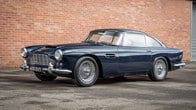
Although it now lives in the shadow of its illustrious successor, the Aston Martin DB4 was something of a radical departure from previous Aston Martin models. It quietly established the design language and engineering philosophy that would define the marque's grand tourers for decades to come. Built at the newly established Newport Pagnell facility, the DB4 combined Italian coachbuilding artistry with British sporting character, delivering 140 mph performance while draped in Carrozzeria Touring's superleggera bodywork. As the first Aston Martin to challenge Ferrari and Maserati on aesthetic and dynamic terms, the DB4 elevated Aston from a respected specialist into a prestige international marque, proving that British engineering could match Continental sophistication.
Price
- Starting price
- 161.298 €
- Average price
- 335.451 €
- Price range
- 161.298 € - 925.000 €
Specifications
- Production Years
- 1958–1963
- Body Styles
- 2-door coupé, 2-door convertible
- Layout/Drive
- Front-engine, rear-wheel drive
- Engine
- 3.7-litre inline-six
- Transmission Types
- 4-speed manual
Aston Martin DB4 in Detail
The DB4 represented a complete departure from the tubular-chassis DB Mark III which preceded it. When it was first unveiled at the 1958 London Motor Show, its superleggera bodywork caused a sensation. The 3.7-litre twin-cam aluminium engine initially suffered overheating issues, but the 240 hp output from twin SU carburettors was a significant compensation.
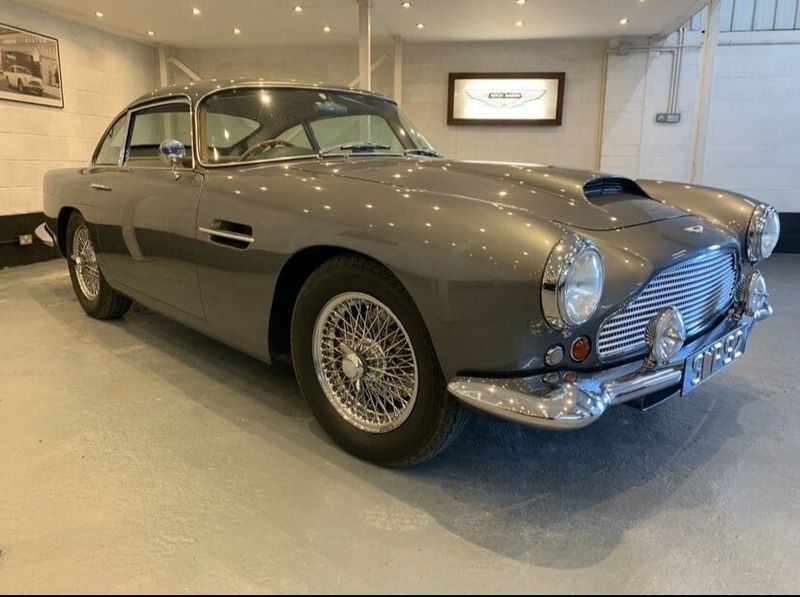
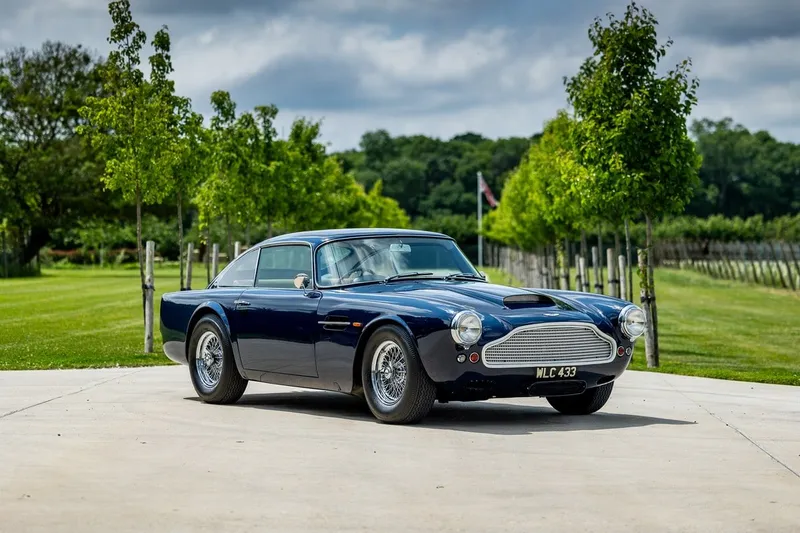
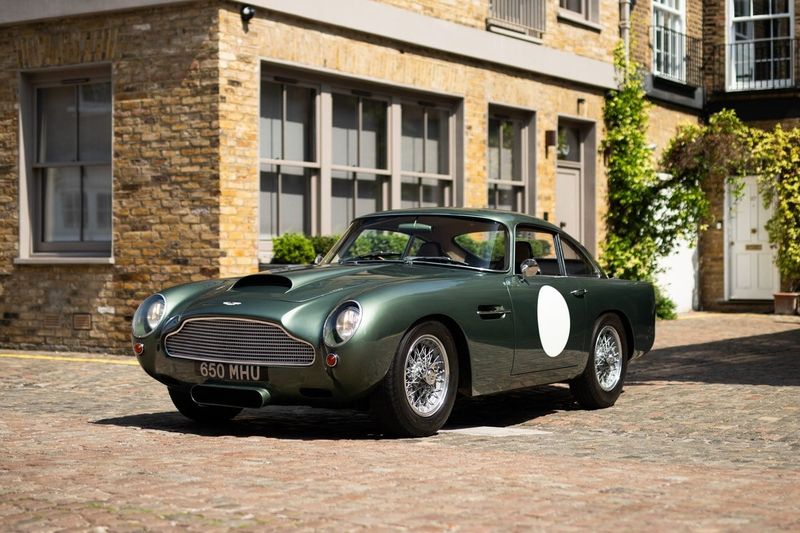
Five subtly varying DB4 models were marketed between 1958 and 1963, with the Series II adding window frames, Series IV adopting a barred grille and Series V introducing a taller and longer body. The DB4 GT arrived in September 1959 as a shortened, lightweight variant generating 302 hp courtesy of triple Weber carburettors and twin-plug ignition, and for a while it held the record as the world's fastest production car.
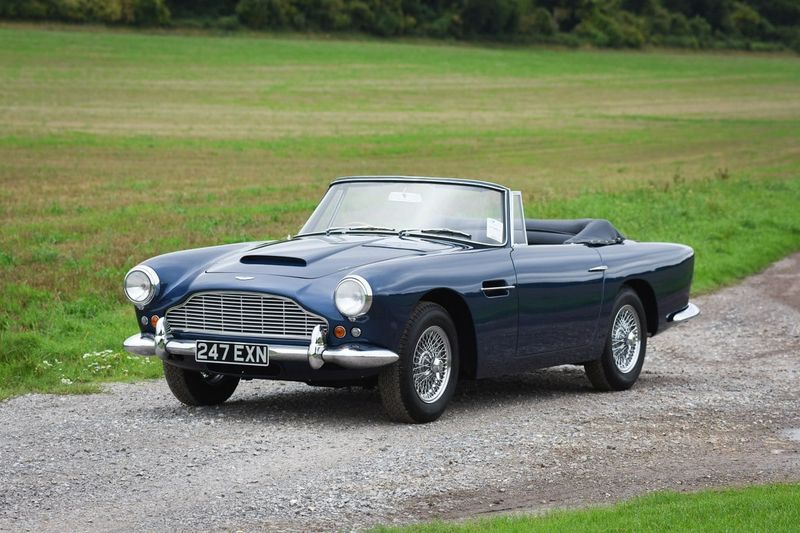
Seventy-five GTs were built, with nineteen modified by Zagato into the legendary DB4 GT Zagato. A convertible debuted in October 1961, though just 70 examples were ultimately built, including 32 equipped with the more powerful Vantage engine. Total DB4 production reached 1,110 cars before the DB5’s arrival, though the DB4's platform and engine architecture was reprised in subsequent generations.
The DB4's performance identity centred on Tadek Marek's 3.7-litre twin-cam straight-six, developed from an earlier Lagonda design. Power outputs ranged from 240 hp in standard twin-SU carburettor form to 266 hp on Vantage models and 302 hp in the twin-plug DB4 GT with its Weber induction. The first production Aston to exceed 140 mph, the DB4 generated so much torque that it necessitated a specially designed David Brown four-speed gearbox; the DB2's transmission simply couldn't handle the power.
Specification | Range |
Engine displacement | 3,670–3,750 cc |
Power range | 240–302 hp |
0–60 mph | 6.1–9.3 sec |
Top speed | 136–153 mph |
A long bonnet, rearward cabin placement and graceful fastback roofline established what would eventually become the classic Aston Martin silhouette. Signature design DNA includes an upright eggcrate grille (barred on Series IV models), flowing side lines and a cabin philosophy which prioritised traditional craftsmanship including wood veneer dashboards and leather upholstery.


Series I (1958–1959): Original specification with single-piece tail lights, eggcrate grille and frameless windows.
Series II (1959–1960): The Series II introduced window frames for improved weather sealing but retained the other design elements listed above.
Series III (1960–1961): Distinguished by distinctive three-lamp tail lights mounted on chrome backing plates.
Series IV (1961–1962): A barred grille replaced the eggcrate design, and the Vantage model was introduced with 266 hp and a convertible body style.
Series V (1962–1963): A taller, longer body provided increased interior space with reduced wheel diameter ahead of recessed tail lights. The aerodynamic front styling was later spliced into the DB5.
DB4 GT (1959–1963): A shortened wheelbase and lightweight construction culminated in enclosed headlights ahead of a 302 hp engine.
The DB4 relied on passive safety through a robust platform and servo-assisted Girling disc brakes on all four wheels, while independent front suspension with wishbones and coil springs contributed to predictable handling. The aluminium bodywork's tube-frame construction provided some welcome structural integrity.
Pros:
Tadek Marek engine platform proved to be durable and tuneable
The DB4 became historically significant as the definitive DB template
Vantage and GT variants offer genuine performance
Comprehensive parts availability courtesy of specialist networks
Cons:
Early engines were prone to overheating issues
Maintenance demands specialist Aston Martin knowledge
With only 1,110 built, rarity impacts parts sourcing
Fuel consumption was typical of 1960s performance cars
Price trends
Letzter Verkauf
349.950 £
1960 Aston Martin DB4

Derzeit zum Verkauf
39
1 Live-Auktion
38 Anzeigen


Verkauft
20
Höchster Verkaufspreis
925.000 €
Durchschnittlicher Preis
335.451 €
Niedrigster Preis
161.298 €
FAQs
The DB4 can serve as a grand tourer for enthusiasts prepared to accommodate 1960s ergonomics and maintenance requirements, though the lack of modern safety features make it better suited to weekend touring than daily commuting. Well-maintained examples offer reliable performance when they’ve been serviced by specialists.
You’ll need deep pockets to afford the DB4’s specialist servicing, comprehensive insurance and fuel consumption. At least parts availability through dedicated Aston Martin specialists is good, and the shared engine platform with DB5 and DB6 models aids parts sourcing, though correct period components and restoration materials command premium prices.
A well-documented Series IV or Series V saloon offers the most refined DB4 experience with improved ergonomics, more mature engineering and reasonable parts availability. It also avoids the premiums commanded by GT and Zagato variants.
The DB4 established the engineering and styling template that the DB5 expanded upon, sharing the engine platform and Touring-inspired proportions. However, the later model introduced a 4.0-litre engine yoked to a five-speed ZF gearbox, alongside a wealth of detail improvements. The DB4 offers earlier and purer design execution, but the DB5's James Bond association and refinements have elevated it into a league of its own.