Audi R8: Models and Specs
2006–2024 - Mid-engine V8/V10 - Rear or all-wheel drive - 6-speed manual / R tronic / S tronic - 420–620 hp - 1,430–1,795 kg - 0–100 km/h: 3.1–4.6s - Top speed: 301–331 km/h
Overview
The Audi R8 proved that a mainstream German car manufacturer could build an everyday supercar without the fragility or eye-watering running costs typically expected from mid-engined exotics. Launched in 2006, the R8 was based on Audi’s years of Le Mans dominance. It brought the firm’s motorsport DNA to the road in a package that shared its bones with the Lamborghini Gallardo, yet felt more refined and usable. It's a car you could genuinely drive every day without compromise, while delivering authentic supercar theatre once the road opens up. Over two generations and 18 years of production, the R8 evolved from a V8 GT with manual-transmission options into a V10-powered rear-drive model. Shared attributes included lightweight construction, naturally aspirated engines and a driving experience that rewards engagement without punishing mistakes. A well-maintained R8 can be one of the most rewarding modern supercars to own because it balances genuine performance with real-world usability better than almost any of its contemporaries.
Price
- Starting price
- 28.797 €
- Average price
- 86.261 €
- Price range
- 28.797 € - 259.224 €
Specifications
- Manufacturer
- Audi AG
- Production Years
- 2006–2024
- Vehicle Class
- Sports car / Supercar
- Body Styles
- 2-door coupé, 2-door convertible
- Layout & Drive
- Mid-engine, longitudinal / RWD or AWD
Audi R8 in Detail
The Audi R8 story begins at the 2003 Frankfurt Motor Show, where Audi unveiled the Le Mans quattro concept. Three years later, that concept became reality with very little deviation.
Generation 1 (Type 42, 2006–2015)
The original R8 launched in 2007 as Audi's first series-production mid-engined sports car, sharing a platform with the Lamborghini Gallardo. Early cars featured a 4.2-litre V8 FSI engine borrowed from the RS4, producing 420 hp. Permanent quattro all-wheel drive was standard, distributing up to 70 per cent of its power rearward.
In 2009, Audi introduced the R8 V10, which featured a 5.2-litre engine shared with the Lamborghini Gallardo LP560-4 and produced 525 hp. A limited-edition R8 GT pumped out 560 hp, starring carbon-ceramic brakes and extensive weight-saving measures. The Spyder convertible debuted in 2010, offering both V8 and V10 engines.
A facelift in 2012 brought refreshed styling, power increases and an updated interior with Audi's MMI infotainment system. The V8 gained an extra 10 hp, while the V10’s output rose to 550 hp. On later models, the S tronic dual-clutch gearbox replaced the unloved R tronic, transforming the driving experience.
Generation 2 (Type 4S, 2015–2024)
Launched in 2015, the second-generation R8 discontinued the V8 and became a V10-only model. Sharing its architecture with the Lamborghini Huracán, the new R8 featured a revised 5.2-litre powertrain producing 540 hp in standard form or 610 hp in the V10 Plus. The 7-speed S tronic dual-clutch became the sole transmission option, and a 12.3-inch Virtual Cockpit debuted.
The 2019 mid-cycle refresh introduced updated styling, improved suspension tuning, and additional power increases. The base V10 quattro now delivers 570 hp, while the V10 Performance quattro produces 620 hp. In 2023, Audi announced the R8 GT as a 602-hp rear-drive sendoff, featuring a titanium exhaust, carbon-ceramic brakes, and extensive lightweight components. Production ended in 2024.
The Audi R8's performance evolved significantly across two generations, shifting from a choice of engines to a V10-only powertrain and eventually adopting rear-wheel drive.
Generation 1 (Type 42, 2006–2015)
Model | Engine | Power | Torque | 0–100 km/h | Top Speed |
R8 4.2 V8 Coupé (2007–2012) | 4.2-litre V8 | 420 hp (309 kW) | 430 Nm | 4.6s | 187 mph |
R8 4.2 V8 Coupé (2013–2015) | 4.2-litre V8 | 430 hp (316 kW) | 430 Nm | 4.3s | 187 mph |
R8 V10 Coupé (2009–2012) | 5.2-litre V10 | 525 hp (386 kW | 530 Nm | 3.9s | 196 mph |
R8 V10 Coupé (2013–2015) | 5.2-litre V10 | 550 hp (405 kW) | 540 Nm | 3.6s | 197 mph |
R8 GT (2010, limited) | 5.2-litre V10 | 560 hp (412 kW) | 540 Nm | 3.6s | 199 mph |
R8 Spyder V8/V10 (2010–2015) | 4.2-litre V8 / 5.2-litre V10 | 430 / 550 hp | 430 / 540 Nm | 4.8s / 3.8s | 187 / 197 mph |
Generation 2 (Type 4S, 2015–2024)
Model | Engine | Power | Torque | 0–100 km/h | Top Speed |
R8 V10 Coupé quattro (2015–2018) | 5.2-litre V10 | 540 hp (397 kW) | 540 Nm | 3.5s | 198 mph |
R8 V10 Plus Coupé (2015–2018) | 5.2-litre V10 | 610 hp (449 kW) | 560 Nm | 3.2s | 205 mph |
R8 V10 RWS (2018, limited) | 5.2-litre V10 | 540 hp (397 kW) | 540 Nm | 3.7s | 199 mph |
R8 V10 quattro (2019–2024 | 5.2-litre V10 | 570 hp (419 kW) | 560 Nm | 3.4s | 201 mph |
R8 V10 Performance quattro (2019–2024) | 5.2-litre V10 | 620 hp (456 kW) | 580 Nm | 3.1s | 206 mph |
R8 V10 RWD / Performance RWD (2020–2024) | 5.2-litre V10 | 540 / 570 hp | 540 / 550 Nm | 3.7–3.8s | 199 mph |
R8 GT (2023, limited to 333) | 5.2-litre V10 | 602 hp (449 kW) | 560 Nm | 3.4s | 204 mph |
What it feels like on the road
Generation 1: The V8 models deliver smooth, linear power with a high-revving character that feels more like a GT than a raw supercar, whereas the V10 is more theatrical, with addictive midrange punch. Early R tronic gearboxes are clunky and slow, so look for S tronic cars or earlier manuals. Quattro all-wheel drive delivers exceptional traction and confidence in all conditions, though some find the handling slightly muted compared to rear-drive rivals - or RWD R8s, for that matter.
Generation 2: Sharper, louder, and more focused than the first generation. The V10 feels properly alive from lower revs, with more aggressive throttle response and an evocative soundtrack. The S tronic gearbox is significantly improved, delivering snappy manual shifts and seamless automatic operation. Magnetic ride-equipped cars offer impressive body control without harshness, though the system can fail at an expensive cost on earlier examples.
Buyer Note: A quattro is the pragmatic choice for daily usability, especially given British weather. If you want driving purity and don’t mind reduced traction in poor weather, RWD models deliver a more engaging experience.
The Audi R8 is compact for a mid-engined supercar, and these are its vital statistics:
Length: 4,426–4,431 mm
Width: 1,940 mm (excluding mirrors)
Height: 1,240–1,252 mm
Wheelbase: 2,650 mm
Weight: 1,430 kg to 1,795 kg
In real-world use, the R8’s girth demands attention on narrow lanes and in tight car parks, but visibility is excellent for a supercar. Ground clearance is modest at 110mm, so steep driveways and speed bumps require a cautious approach.
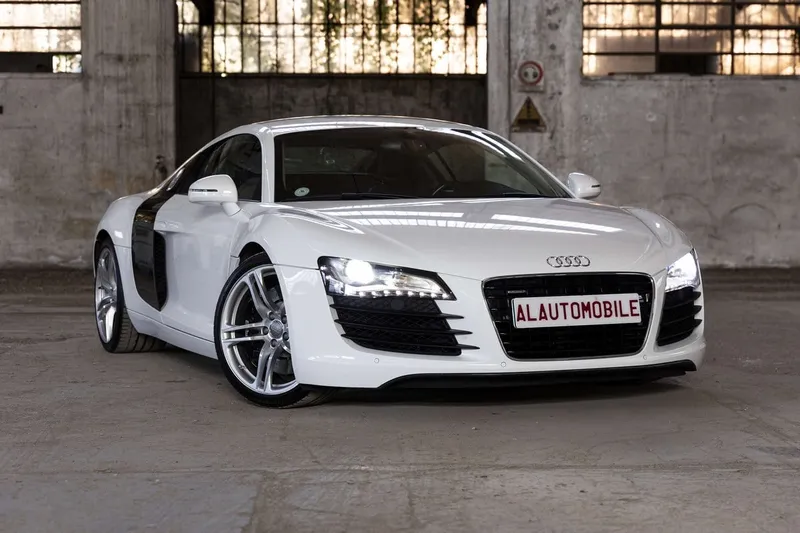
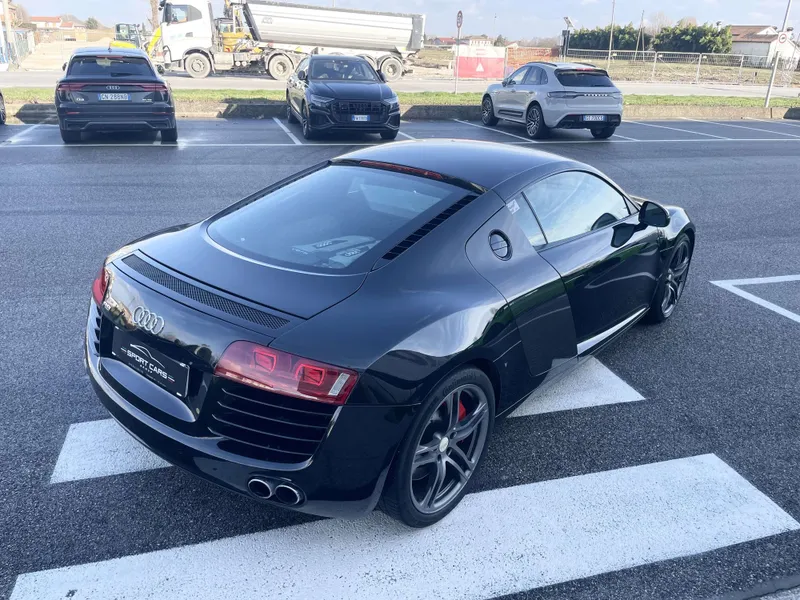
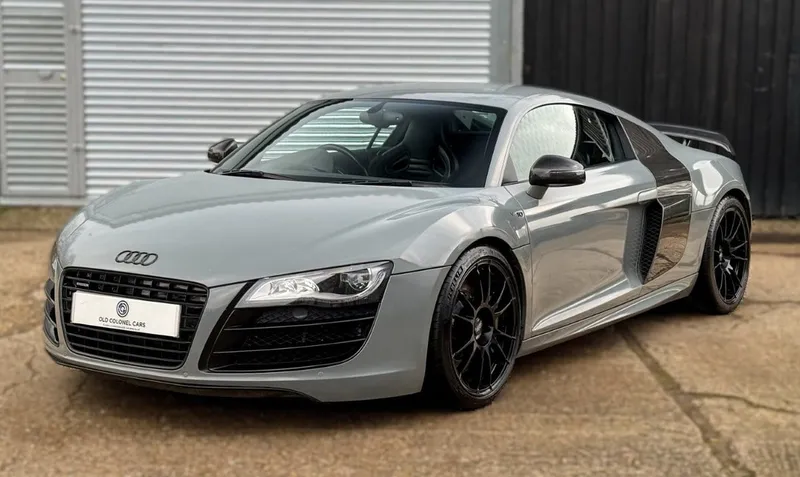
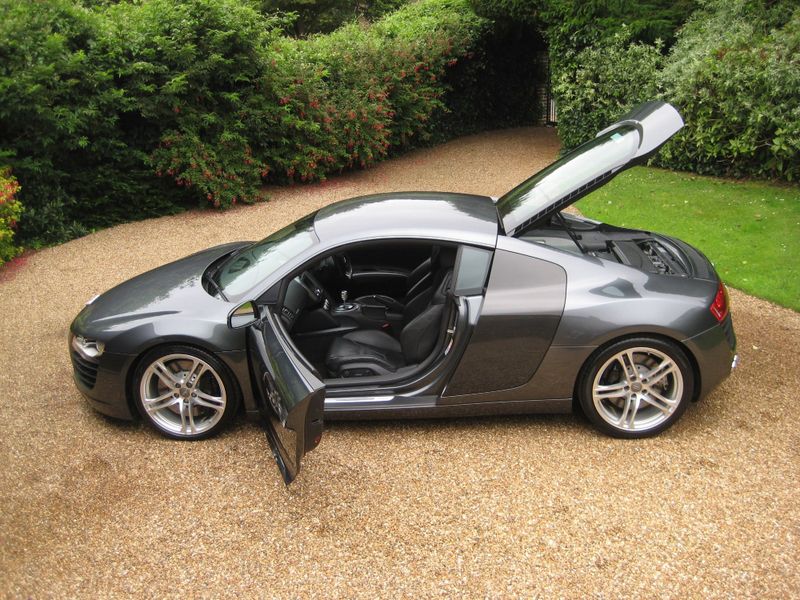
Audi's signature grille dominates the R8’s nose, flanked by LED headlights. The side profile is defined by the iconic side blades, with exposed intakes behind the doors that feed air to the mid-mounted engine.
The low roofline, wide haunches, and rear diffuser achieve a planted, purposeful stance across all generations, though Generation 2 cars adopted sharper body lines to deliver a more overtly aggressive look. A fixed rear spoiler (deployable on some variants) provided high-speed stability, while carbon fibre reinforcements in later models ensured rigidity without a weight penalty.
Up close, an R8 typically has tight panel gaps, smooth surfaces and the quality of finish you'd expect from Audi. However, this is still a lightweight, hand-built supercar, so imperfections are normal, especially on earlier examples.
What to check when viewing:
Panel alignment and gaps: These should be consistent, especially around the doors and engine cover. Mismatched gaps may indicate accident damage or poor repair work.
Paintwork condition: Check for chips, scratches or mismatched shades, especially on the side blades and front splitter, as these are stone-chip magnets. Resprays aren't uncommon, often betrayed by overspray on trim or uneven orange peel.
Front splitter and underbody: Low ground clearance results in frequent scrapes. Check for cracks, gouges, or poorly repaired damage. Similarly, kerbed wheels are common given the car’s width, but the lightweight forged wheels on some models are costly to refurbish.
Convertible soft top: Inspect for wear, tears or poor sealing. Ensure the roof mechanism operates smoothly, with no hesitation or unusual noises.
Tyres: Check tread depth, even wear, and age (date codes are printed on the sidewalls). Odd wear patterns can indicate suspension or alignment issues.


The R8's cabin is driver-focused, high-quality and surprisingly practical for a supercar. Early Gen 1 models feel slightly dated now, but Gen 2 cars with Audi's Virtual Cockpit digital display still seem modern and intuitive.
What to expect:
A snug but comfortable seating position with supportive, bolstered and adjustable seats. Larger drivers may find the cabin tight, but visibility is excellent compared to rivals. High-quality materials are de rigueur, with leather, Alcantara and carbon fibre trim depending on specification.
Build quality is typically excellent, though wear on bolsters and steering wheels in high-mileage cars is common. Also remember that this is a mid-engined car, so engine noise is ever-present (and part of the appeal). Heat can accumulate in the cabin during long summer drives, making air conditioning operation even more important.
What to check when buying:
The R8’s interior was never meant to be as extravagant as a Ferrari or McLaren, but it's beautifully executed and far more practical day-to-day. Do check the air conditioning’s effectiveness when viewing a used R8, as compressor failure is a known issue that requires engine-out replacement.
Seats can also betray an R8’s condition. Bolster wear, splits in leather or fading on Alcantara are common on higher-mileage examples, while retrimming is expensive. Test all MMI menus, navigation, reversing camera and digital displays; glitches or slow responses can indicate software issues or failing modules. Electrical gremlins are rare, but test every button, window, mirror adjustment, and HVAC control to be sure. Aftermarket stereos and gauges raise questions about how well the car has been maintained.


The Audi R8 comes from an era when supercars prioritised driver skill and engagement over electronic intervention, though it did include ABS with brake force distribution, a stability control system (which can be fully disabled on most models), traction control, and dual front airbags. A reversing camera wasn’t standard until later Gen 2 cars, while Audi’s laser lights were optional on Gen 2 models and offered exceptional night-time visibility.
What it means in real-world use:
The R8's safety systems are effective but not intrusive. ESC allows a reasonable amount of slippage before intervening, and in Sport or Performance modes, the system holds back further, trusting the driver. Full-off mode removes all electronic assistance and is better suited to track use than to wet public roads.
The quattro all-wheel-drive system provides exceptional traction and stability in poor weather, making the R8 genuinely usable year-round in the UK. Rear-drive models demand more respect in damp or cold conditions.
Generation-specific notes:
Gen 1: The optional magnetic ride suspension can fail, leading to a harsh ride or warning lights. Replacement will cost £1,500–£2,500 per corner, though many owners retrofit conventional coilovers after a failure.
Gen 2: Electrical system malfunctions have been reported in some examples. Keep software updated and check for parasitic battery drain if the car sits unused for extended periods.
The R8 is more reliable than many exotic rivals, but condition, history and evidence of proper use outweigh age or mileage.
Complete service history: Audi (or recognised R8) specialist invoices should have no annual gaps and indicate regular use of at least 1,000 miles a year. These cars don’t like being stored
Oil consumption: Some V10s guzzle oil between services, so monitor levels and check for blue smoke under load
Clutch condition: If there’s any slip, judder or difficult engagement in a manual R8, clutch replacement is probably due (typically after 30,000–45,000 miles)
Magnetic ride function: Test all modes. A harsh ride or warning lights indicate expensive damper failure
Brake condition: Check disc wear; carbon-ceramic replacements are extremely costly if fitted
Suspension noise: Knocks or clunks indicate worn bushes, ball joints or drop links
Variants & Generations
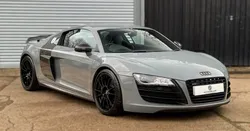
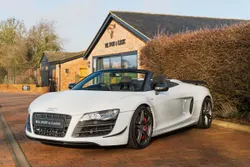
The Audi R8 evolved across two distinct generations and numerous special editions. Explore the full range via the carousel below, with links to examples currently for sale.
Price trends
Letzter Verkauf
95.995 £
2016 Audi R8 V10 Plus

Derzeit zum Verkauf
29
1 Live-Auktion
28 Anzeigen




Verkauft
143
Höchster Verkaufspreis
259.224 €
Durchschnittlicher Preis
86.261 €
Niedrigster Preis
28.797 €
FAQs
By supercar standards, it is. The R8 benefits from Audi engineering and shares components like switchgear and electronics with high-volume models. The V10 engine, also found in Lamborghinis, is robust when maintained properly.
The V8 is smoother, more economical and cheaper to run, whereas the V10 is the headline act with more power, noise and drama. V10 parts supply is superior, since it’s still used in the Lamborghini Huracán, whereas V8 parts availability has dwindled since production ended in 2015.
Audi’s iconic quattro all-wheel drive system offers exceptional traction, stability and year-round usability. RWD models are lighter and more engaging when driven hard, but they require respect in wet or cold conditions. These cars are rarer and increasingly sought-after among enthusiasts.
If possible, yes. The R tronic is slow, jerky and frustrating in traffic. It's acceptable for track work or spirited driving, but not enjoyable for daily use. Favour cars with S tronic or manual transmissions; the latter are now rare and consequently command a premium.
If already fitted and in good condition, they’re fade-resistant and last longer under hard use. But replacement costs can enter five-figure territory, so standard steel brakes are adequate and vastly cheaper to maintain if you’re not a track day regular. Check ceramic disc condition carefully before purchase and factor replacement costs into negotiations if wear is advanced.
Magnetic ride suspension failure (betrayed by harsh ride, warning lights or inconsistent damping) and air conditioning compressor failure, which requires engine removal to resolve. Both are expensive but manageable if factored into your budget.
Electrical system malfunctions and oil consumption on some V10s, though software updates resolve many electrical issues and oil consumption up to one litre per 1,000 miles is within Audi's tolerances.
Limited edition models like the R8 GT, Decennium and final-year R8s are likely to appreciate, especially manual and rear-drive examples. Quattro coupés have stabilised in value but aren't appreciating significantly, whereas the R8 GT is already attracting premiums.