Fiat 131: Models and Specs
1974–1984 · 1.3–2.5‑litre OHV/twin‑cam petrol and diesel · Front‑engine, rear‑wheel drive · 2‑door/4‑door saloon, 5‑door estate
Overview
The Fiat 131 was Fiat’s mainstream mid‑size family car in the 1970s and early 1980s, replacing the 124, which had shuffled off to its new role of fulfilling the dreams of Soviet workers. The 131 became Fiat’s bread‑and‑butter family saloon and estate, offering practicality, simplicity and a broad range of engines. It’s most fondly remembered for the Abarth Rally homologation special that turned a modest family saloon into a World Rally Championship‑winning icon. The 131’s core character is straightforward, with a rear‑wheel‑drive layout, a compact but roomy body and a wide engine spread from economical 1.3‑litre OHV units through to the 2.0‑litre twin‑cam engine slotted into Rally and Super variants. Over 1.5 million units were built in Italy, Spain, Turkey, Poland, Egypt and Ethiopia, making it one of Fiat’s most widely used models of the era. Its replacement, the Regata, was admired by owners but hasn’t made as much of an impact on the classic car community.
Price
- Starting price
- 6.500 €
- Average price
- 29.901 €
- Price range
- 6.500 € - 46.196 €
Specifications
- Production years
- 1974–1984
- Total production
- 1.5 million units
- Body styles
- 2‑door saloon; 4‑door saloon; 5‑door estate (Familiare/Panorama)
- Layout / drive
- Front‑engine, rear‑wheel drive
- Engine family
- OHV inline‑four (1.3–1.6‑litre); twin‑cam inline‑four (1.6–2.0‑litre); diesel inline‑four (2.0–2.5‑litre)
Fiat 131 in detail
The Fiat 131 was launched in 1974 as the successor to the Fiat 124, using a new platform that moved Fiat’s mid‑size offering into a more modern, boxier design language. It was available as a two‑door or four‑door saloon plus a five‑door estate badged Familiare/Panorama. Engines ranged from a 1.3‑litre petrol to a 2.5‑litre diesel, with the 2.0‑litre twin‑cam petrol the undisputed highlight. For all its size, the diesel was still a modest performer.
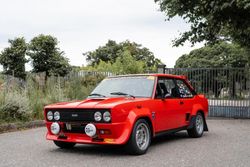
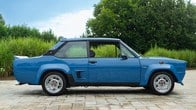
The 131’s front‑engine rear‑wheel‑drive layout was mated to independent front suspension with a live rear axle. This combination gave the car a predictable, easy‑to‑drive character (provided you stayed well away from its adhesion limits) that suited both family use and, in the Abarth Rally guise, high‑speed motorsport. The Abarth Rally was homologated with 400 examples, featuring mechanical fuel injection and a 5‑speed manual gearbox, delivering up to 140 bhp in road trim and 237 bhp in competition trim. Although it’s less commonly remembered than the Quattros and Deltas that followed, it won three World Rally Championship manufacturers’ titles and two drivers’ titles.
Across its life, the 131 received three main series updates rather than a new platform, with changes to bumpers, lights and trim rather than any fundamental architecture changes. As a result, the 131 range is visually consistent, mechanically familiar and practical for everyday use.
The 1.3 and 1.4‑litre OHV engines give the 131 modest performance intended for family use, while the 1.6 and 2.0‑litre twin‑cam units transform the car into something genuinely brisk. The Abarth Rally’s twin‑cam engine is a different beast entirely, from its responsiveness to its soundtrack. All 131s feel planted and predictable due to their RWD configuration, with a willingness to oversteer when pushed, making them engaging for enthusiasts.
Engine family | Power range | 0–100 km/h | Top speed |
OHV inline‑four 1.3–1.4‑litre | 55–70 bhp | 15–18 sec | 81–93 mph |
OHV inline‑four 1.6–2.0‑litre | 75–115 bhp | 12–14 sec | 99–112 mph |
Twin‑cam inline‑four 2.0‑litre Rally | 140 bhp | 8–9 sec | 124 mph |
Diesel inline‑four 2.0–2.5‑litre | 60–72 bhp | 18–20 sec | 87–99 mph |
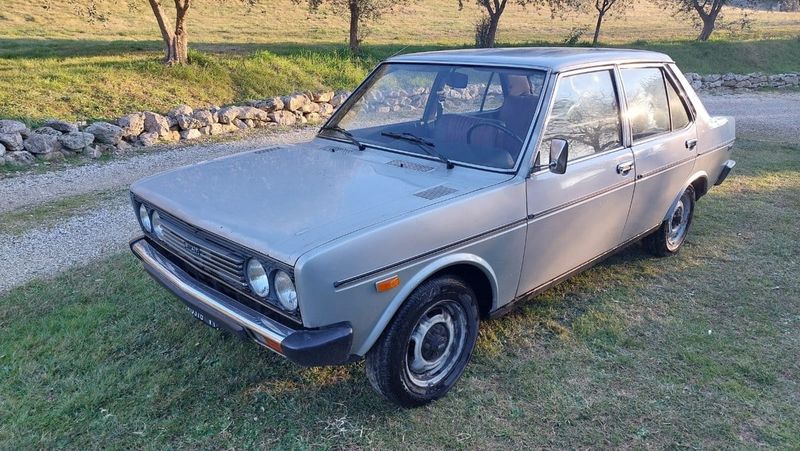
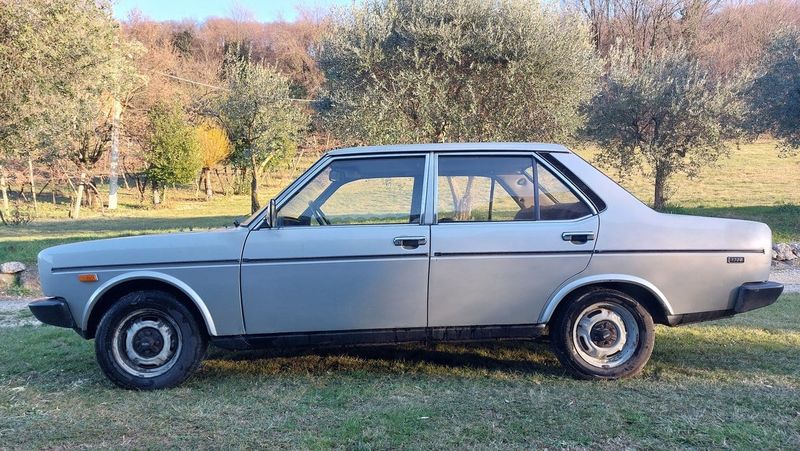
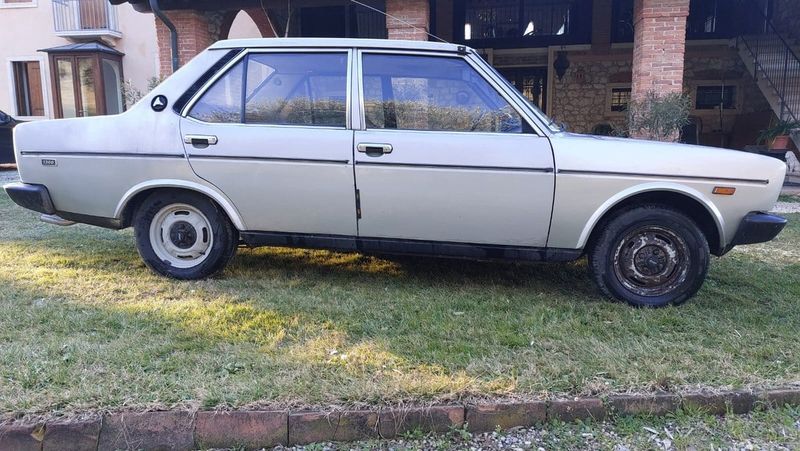
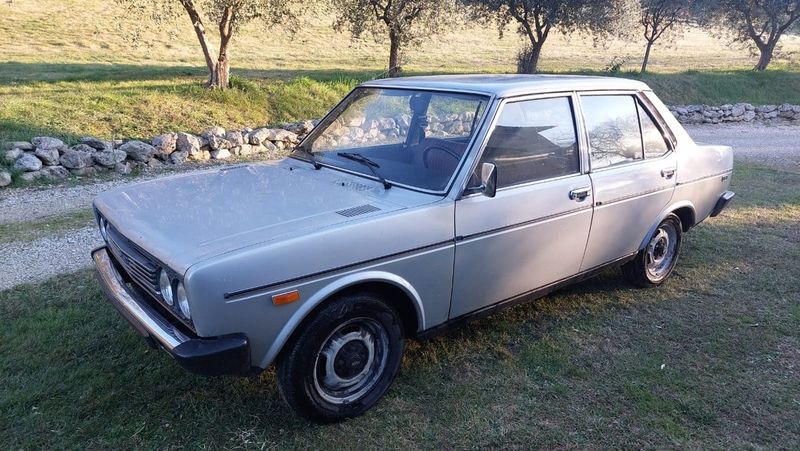
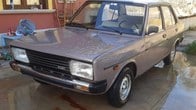
The 1970s weren't necessarily Fiat's finest hour stylistically, and the 131 looks rather gawky with rectangular headlamps and some highly unflattering colour schemes. Quad-headlamp models are more pleasing to the eye, and the sporty two-door versions are better still, particularly if they're draped in body kits. The Abarth Rally’s flared arches, wide tyres, and aggressive stance mark it as the performance‑oriented variant, while the standard Mirafiori and Super models are more understated.
Inside, the 131’s cabin centres on a compact dashboard with clear, simple gauges and a focus on usability rather than luxury. The driving position is slightly more sporting than a typical family saloon, and in an age where ergonomics and safety were rarely discussed, the low-mounted air vents meant instrumentation fell easily to hand at the top of the hexagonal dashboard.


The Fiat 131 spanned just one generation before it was replaced by the mid-Eighties Regata:
Fiat 131 (1974–1984). The original 131 Mirafiori had OHV and twin‑cam engines, rear‑wheel drive and a wide range of trims from Mirafiori through to Super and Racing.
Fiat 131 Abarth Rally (1976–1980). A homologation special based on the 131 Mirafiori, with a 2.0‑litre twin‑cam engine, mechanical fuel injection and competition‑oriented suspension.
Released at a time when even seatbelts weren’t considered essential safety equipment, the Fiat 131 predates all electronic safety aids. At least disc brakes were fitted at the front, and the 131 reprised the rugged construction of its 124 predecessor to stand up reasonably well in impacts.
Pros:
Wide range of engines, including - unusually for the time - a diesel
Rally models have WRC heritage and are much admired among cognoscenti
Twin-cam engine is a gem
Good cabin ergonomics for the era
Cons:
Some paint schemes make the car look particularly dowdy
Fiat wasn’t exactly a bellwether for robust manufacturing in the 1970s
Basic specifications and live rear axle
Lacks the reputational appeal of other Fiat models (127, 500, Tipo, etc)
Fiat 131 for Sale
Car & Classic regularly lists Fiat 131 cars across all trims, from restorable project Mirafioris through to concours‑quality Abarth Rally examples. Browse current listings to find the trim and condition that match your ownership plans.
Price trends
Letzter Verkauf
4.300 €
1980 Fiat 131 Saloon
Derzeit zum Verkauf
11
0 Live-Auktionen
11 Anzeigen


Verkauft
18
Höchster Verkaufspreis
46.196 €
Durchschnittlicher Preis
29.901 €
Niedrigster Preis
6.500 €
FAQs
Despite a huge capacity of 2.5 litres, it was no ball of fire. It took around twenty seconds to reach 60 miles an hour, with a relatively agricultural soundtrack hardly redolent of a Fiat. Still, it was an early example of a mainstream manufacturer fitting a diesel engine in a family car, and it correctly anticipated the huge popularity of diesel motoring in subsequent decades.
Mechanical parts are readily available. The 131 shares components with the 124 and 132, while the Abarth Rally shares components with other Fiat and Abarth rally cars. Specialist suppliers such as Fiat clubs and parts houses stock the majority of mechanical, suspension and electrical requirements.
Of roughly 400 Abarth Rally cars produced, only a fraction remain in roadworthy condition today. The Rally’s status as a World Rally Championship‑winning car means it commands a premium at auction, six‑figure sums have been realised for particularly rare or race‑linked examples. Given subsequent attrition, survivor numbers will be lower today, making good examples genuinely scarce.