Triumph Dolomite: Models and Specs
1972–1980 · 1,296cc–1,998cc inline-four · Front-engine, rear-wheel drive · Four-door saloon
Overview
The Triumph Dolomite was the final (and finest) expression of Triumph's compact saloon ambitions. This stylish, well-engineered four-door saloon competed favourably against the BMW 2002 and Ford Cortina GXL of the era despite being considerably cheaper than either. It capped Triumph's "Project Ajax" small-car lineage and represented the manufacturer’s most sophisticated attempt to bring performance motoring to the compact class. Designed by Giovanni Michelotti and built at Canley in Coventry, it transplanted Triumph's sporting DNA into a market segment that demanded refinement and driver engagement. In terms of the latter, keen drivers will always associate the Dolomite with the 1973 Sprint, which became the world's first mass-produced multi-valve car. Less memorably, it was also the first British production car to come with alloy wheels as standard. For these reasons, the Dolomite retains a place in British automotive engineering history disproportionate to its production numbers or its relative obscurity today.
Price
- Starting price
- 3.000 €
- Average price
- 10.436 €
- Price range
- 3.000 € - 34.594 €
Specifications
- Production years
- 1972–1980
- Total production
- 204,003
- Body styles
- Four-door saloon
- Layout / drive
- Front-engine, rear-wheel drive
- Engine family
- OHV inline-four (1,296cc, 1,493cc); Slant-four OHC inline-four (1,854cc, 1,998cc 16v)
Triumph Dolomite in Detail
Triumph unveiled the Dolomite at the 1971 London Motor Show as their range-topping twin-headlamp entry into the compact performance-luxury segment. Production started in October 1972 in 1300, 1500, and 1850 guises. The latter’s defining engineering contribution was its all-new slant-four engine, with an alloy OHC head mated to an iron block. Triumph was already supplying a version of this engine to Saab for the 99, but the Dolomite application was augmented with full instrumentation, walnut veneer and a standard equipment level that matched cars costing considerably more.
The greatest achievement occurred in June 1973 with the debut of the flagship Sprint. Engineered by Spen King's team in collaboration with Coventry Climax's Harry Mundy, the Sprint's 1,998cc 16-valve head achieved multi-valve performance using a single camshaft. A Design Council Award followed in 1974, before a 1976 rationalisation consolidated the range into five clear derivatives (1300, 1500, 1500HL, 1850HL and Sprint). The 1979 Dolomite SE closed out the model's life with 2,163 units all manufactured in black with silver stripes.
The Dolomite's performance saw a steady and purposeful escalation from a modest family saloon to a genuine pacesetter. The 1,296cc and 1,493cc OHV engines were competent and economical, but they’re not the reason anyone covets the Dolomite today. That honour goes to the 1,854cc slant-four - a refined and rev-happy OHC unit that gave the 1850 a 100 mph capability at its launch in 1972, setting it apart from most contemporary British saloons. The Sprint's 1,998cc 16-valve development of that same engine raised the game even further, delivering performance which matched European rivals costing significantly more.
Engine family | Power range | 0–60 mph | Top speed |
OHV inline-four 1,296cc | 59 bhp | 16 sec | 88 mph |
OHV inline-four 1,493cc | 72 bhp | 13–14 sec | 95 mph |
Slant-four OHC 1,854cc | 91 bhp | 11 sec | 100 mph |
Slant-four OHC 16v 1,998cc (Sprint) | 127 bhp | 8.4 sec | 119 mph |
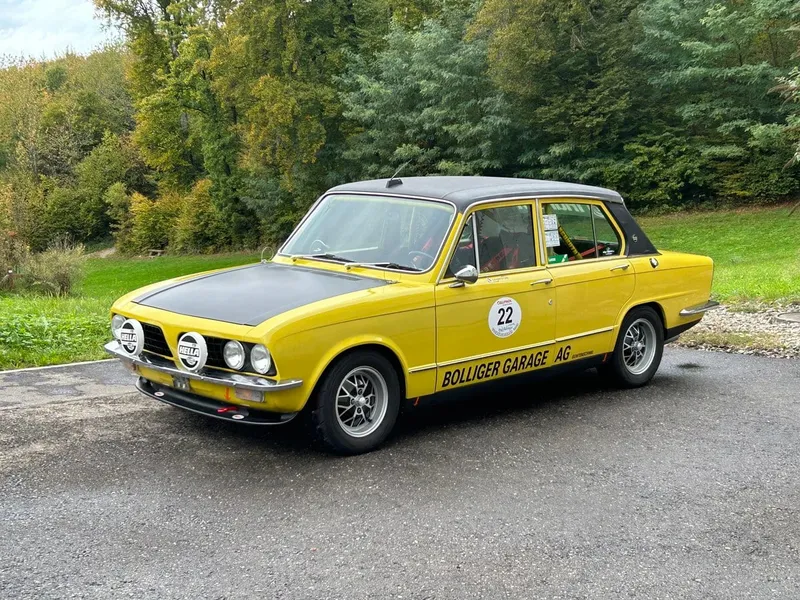
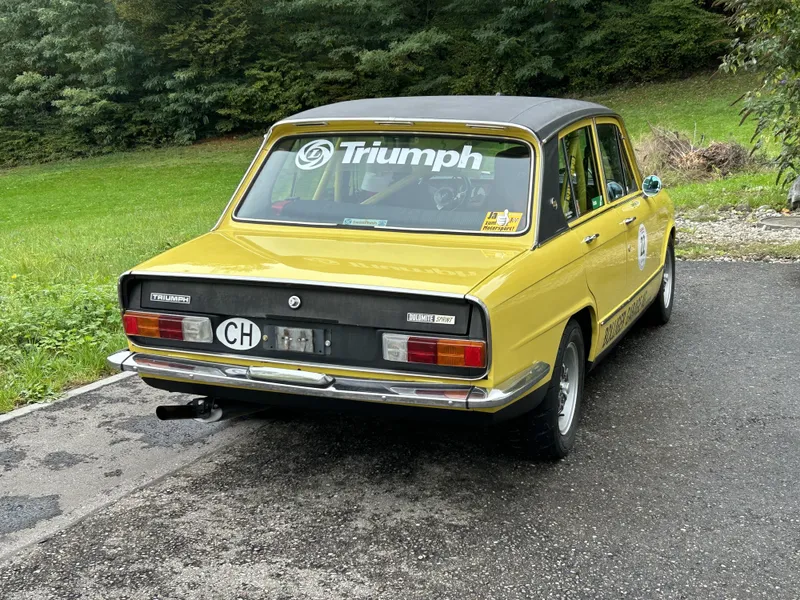
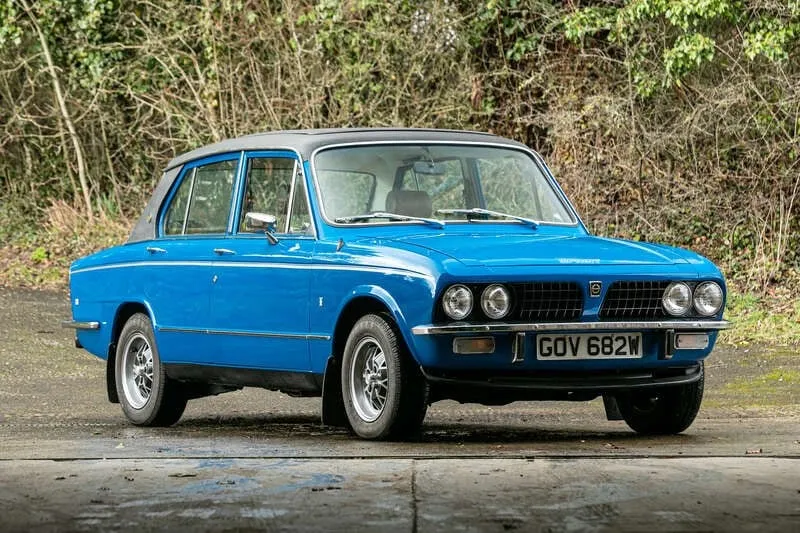
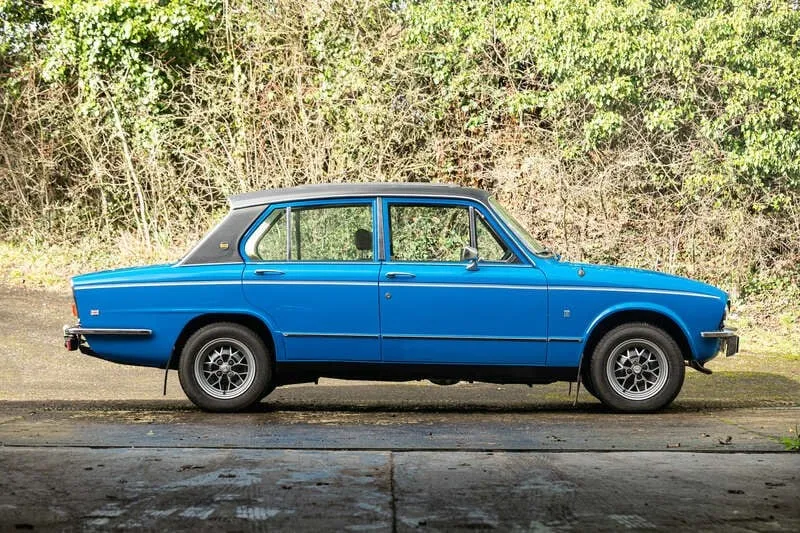
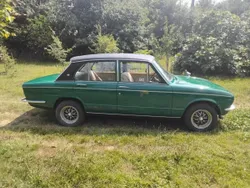
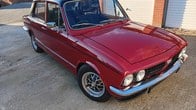
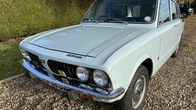
The Dolomite is recognisable as a Triumph even from a distance. Its Michelotti body carries the upright, formal-shouldered proportions of traditional British compact executive saloons, but with refinement and elegance that distinguished it from cheaper BL products. Those iconic twin round headlamps are the immediate identifier on 1850 and Sprint variants, while the single square units heralded the entry-tier 1300 and 1500. The slightly lengthened 1500 bodyshell gives a balanced, well-proportioned silhouette with a notably generous boot considering the car's modest footprint.
Inside, the Dolomite's cabin philosophy was unashamedly aspirational with wood veneer on the dashboard, deep carpets and comprehensive instrumentation on the 1850 and above. The Sprint added cloth upholstery and alloy wheels as standard, giving it a suitably sporty ambience. On any model, the cabin feels compact but well-resolved, with a driving position oriented toward engagement rather than comfort, and a level of tactile quality in controls and fittings.


ften affectionately referred to as the Dolly, the Dolomite was produced as a single generation across its entire eight-year life, with one major range rationalisation rather than a new-generation relaunch:
Dolomite 1850 / Sprint (1972–1980). The core Dolomite proposition with twin headlamps, slant-four OHC engines including the 91 bhp 1850 from launch and the 127 bhp 16v Sprint from 1973.
Dolomite 1300/1500/1500HL/1850HL rationalised range (1976–1980). The post-Ryder Report consolidation that brought entry-level OHV models under the Dolomite name also saw the 1850 renamed 1850HL.
Dolomite Sprint. Distinct in engineering, performance and resale values, this was the world's first mass-produced 16-valve car and the model's zenith.
Pre-Electronics Era (All Dolomites, 1972–1980)
Front disc brakes and rear drums were standard on the 1850 and Sprint from launch, with the Sprint receiving uprated pad materials and larger rear drums to manage its additional power. Seatbelts were standard, and the Sprint received a laminated windscreen as standard from March 1976 plus a rear fog lamp in 1979 to comply with incoming UK legislation.
Pros:
Unique engineering heritage including the world's first mass-produced 16-valve engine
Far more desirable than the Triumph Acclaim which replaced it
Later performance upgrades started to unlock the chassis’s full potential
Still cuts a stylish dash in car parks and on concourses
Cons:
It’s a British Leyland car, so quality depends on a great many variables
Very limited safety provision bar seatbelts and front disc brakes
Interior trim parts are increasingly difficult to source in good condition
Few models survive nowadays
Triumph Dolomite for Sale
Car & Classic regularly lists Triumph Dolomites across all specifications, representing the full range of entry points into this model. Browse our current listings to find the variant and condition that match your ownership plans.
Price trends
Letzter Verkauf
9.999 £
1979 Triumph Dolomite

Derzeit zum Verkauf
18
1 Live-Auktion
17 Anzeigen

Verkauft
42
Höchster Verkaufspreis
34.594 €
Durchschnittlicher Preis
10.436 €
Niedrigster Preis
3.000 €
FAQs
The Dolomite's roots can be traced back to 1965, when BMC launched the front-wheel-drive Triumph 1300 as the first vehicle in what would become the Project Ajax family. This programme evolved through the rear-wheel-drive Toledo (1970) and the 1500, before the Dolly arrived in 1972.
According to the How Many Left website, there were only 420 Dolomite Sprint models left in the UK in 2025. However, that’s still better than the figures for the SE (16) or the 1500 Automatic (5). Numbers do occasionally go up as barn finds are restored, but the Sprint is a particularly rare car nowadays.
Production ended in August 1980 when BL closed the Canley factory, and the Dolomite was replaced by the Honda-derived Triumph Acclaim - a pragmatic but uninspired successor. Four years later, BL killed off the Triumph car marque altogether.
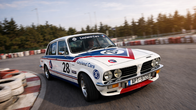
It was. The Dolly Sprint's motorsport career ran from 1974 to 1978 in the British Saloon Car Championship, where Andy Rouse won the drivers' title outright in 1975 and Triumph took the manufacturers' crown in 1974. Seven race wins in a single season in 1977 demonstrated the Sprint's competitive ability against significantly more modern opposition.