Vauxhall Nova: Models, Specs and Buyer's Guide
Core Specs: Lightweight FWD supermini with 1.0L–1.6L petrol engines, 4- or 5-speed manuals, and 3-/5-door hatch or saloon body styles
Vauxhall Nova Overview
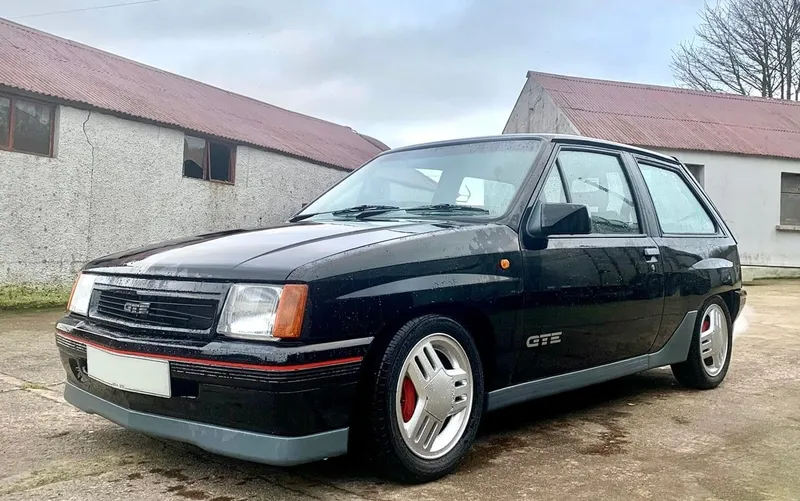
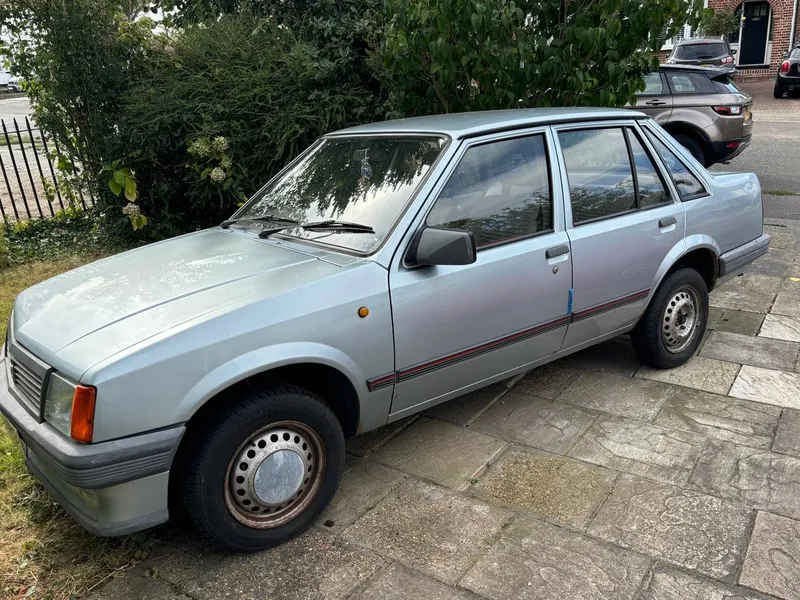
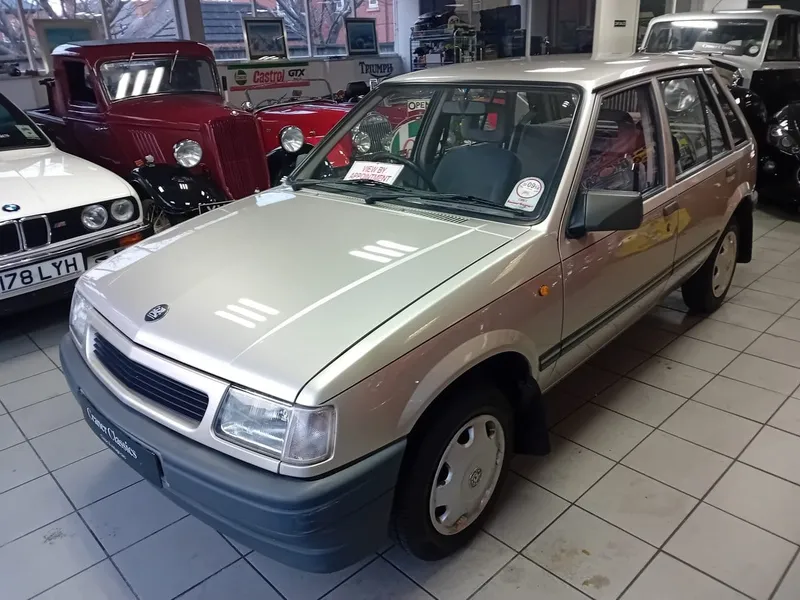
Although it may have lacked the flair and charisma of some European rivals, it’s easy to forget how groundbreaking the Vauxhall Nova really was. As the first front-wheel drive Vauxhall/Opel supermini, the Nova was on sale for a full decade, offering a vast array of choices to budget-conscious car buyers. Older drivers favoured the saloons, young families chose the five-door hatchback, and an entire generation of newly qualified drivers cut their teeth in three-door hatches which were easily (and endlessly) customisable. Sold from 1983 to 1993, the Nova was the UK’s version of the first‑generation Opel Corsa, before Vauxhall adopted the latter’s name for its mid-Nineties second-generation model. The Nova gave Vauxhall a modern alternative to the Ford Fiesta and Austin Metro, sharing their compact and inexpensive foundations while benefiting from proven mechanicals. Body styles ranged from saloons and hatchbacks to a small van, with trim lines extending from sparsely furnished entry‑level cars to the warm‑ and hot‑hatch SR/SRi and 1.6‑litre GTE.
C&C Expertise
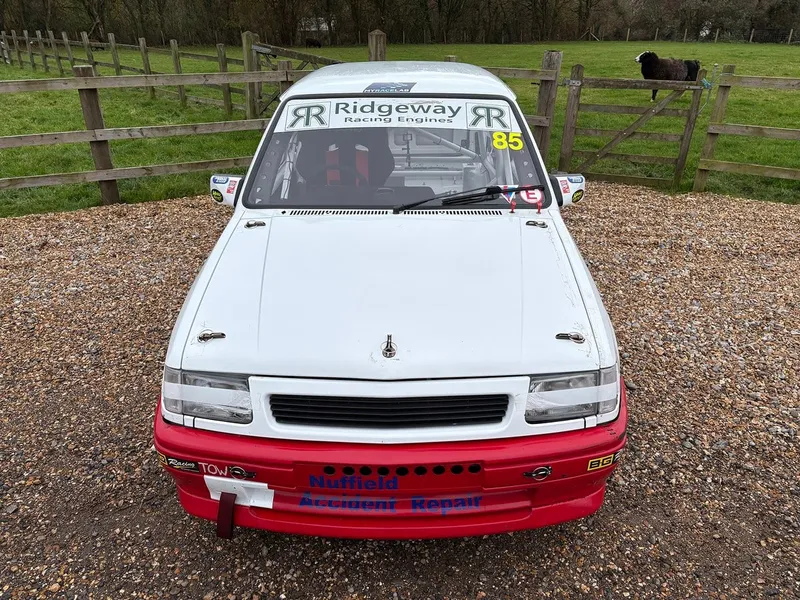
My first proper car, namely one without massive holes in its wings, was a Nova. It was also GM’s first, belated yet serious attempt at the supermini sector. Where the Fiesta was boxy and a bit bland, the Nova had arch extensions. There were innumerable trim variations, a strange booted saloon, endless engine options and even a pair of hot hatches. Colin McRae won the 1988 Scottish Rally Championship in a Nova. Many classic enthusiasts learnt to drive in one. The Nova is as humble hatch that’s both ordinary and extraordinary.
Vauxhall Nova Price
- Starting price
- 1.382 €
- Average price
- 7.234 €
- Price range
- 1.382 € - 25.289 €
Vauxhall Nova Specifications
- Manufacturer
- Vauxhall Motors (Opel/Vauxhall, GM Europe)
- Also known as
- Opel Corsa A (in continental Europe)
- Production (Nova, UK)
- 1983–1993 (facelifted in 1990)
- Vehicle Class
- Supermini (B‑segment)
- Layout and Drive
- Front‑engine, front‑wheel drive
Vauxhall Nova in Detail
General Motors Europe launched its first true front-drive supermini, the Opel Corsa A, in September 1982, built at GM’s new Figueruelas (Zaragoza) plant. The UK-market version arrived in April 1983, bearing Vauxhall Nova badges. Early body styles included a 3-door hatchback and a 2-door saloon, with 4- and 5-door variants following.
The Nova’s market impact was substantial, with nearly 500,000 sold in Britain over its ten-year run. Over this period, its performance credentials expanded from the tepid SR to the SRi warm hatch and then the 1.6-litre GTE/GSi hot hatch with fuel-injected pace and chassis/brake upgrades.
Light kerb weights and small‑capacity engines defined the Nova range, with performance ranging from city‑car economy to lively acceleration on the GTE.
Model (period) | Engine | Power (approx) | 0–60 mph (sec) | Top speed |
|---|---|---|---|---|
Nova 1.0 (mid‑1980s) | 1.0 OHV I4 (carb) | 45–50 bhp | 17–18 | 85–90 mph |
Nova 1.2 (mid/late‑1980s) | 1.2 OHV/SOHC I4 | 55–60 bhp | 15–16 | 92–96 mph |
Nova 1.4 SR/SRi (late‑1980s) | 1.4 I4 (carb/injection) | 70–82 bhp | 11–12 | 105–110 mph |
Nova Sport (1985) | 1.3 I4 (twin‑carb) | 93–100 bhp | 9.5–10.5 | 115–118 mph |
Nova GTE 1.6i (1988–1991) | 1.6i SOHC I4 (MPi) | 100–102 bhp | 9.0–9.5 | 115–120 mph |
Typical factory figures, with minor variations depending on the body style and year:
Metric | Imperial | Body style |
|---|---|---|
Wheelbase 2,343 mm | 92.2 in | All |
Length 3,622–3,650 mm | 142.6–143.7 in | 3/5‑door hatch |
Length 3,990 mm | 157.1 in | 2/4‑door saloon |
Width 1,532–1,540 mm | 60.3–60.6 in | All |
Height 1,360 mm | 53.5 in | All |
Kerb weight 740–850 kg | 1,631–1,874 lb | All |
Neatly designed rather than stylish, the Nova was a clean and angular supermini shaped for space efficiency. Two basic silhouettes (a hatchback with a near-vertical tailgate and a saloon with a longer boot) shared crisp surfacing and unfussy detailing.
Silhouette and packaging: Short overhangs and an upright glasshouse maximised cabin space on a tiny footprint. Body styles included 3- and 5-door hatchbacks, 2- and 4-door saloons, plus a van derivative with panelled rear quarters.
Options and specials: Throughout its lifespan, the Nova was accompanied by an exhaustive (and exhausting) list of special editions, including various dealer/factory packs. The Nova Sport and GTE models were easily distinguished by their graphics, spoilers, and wheel packages.
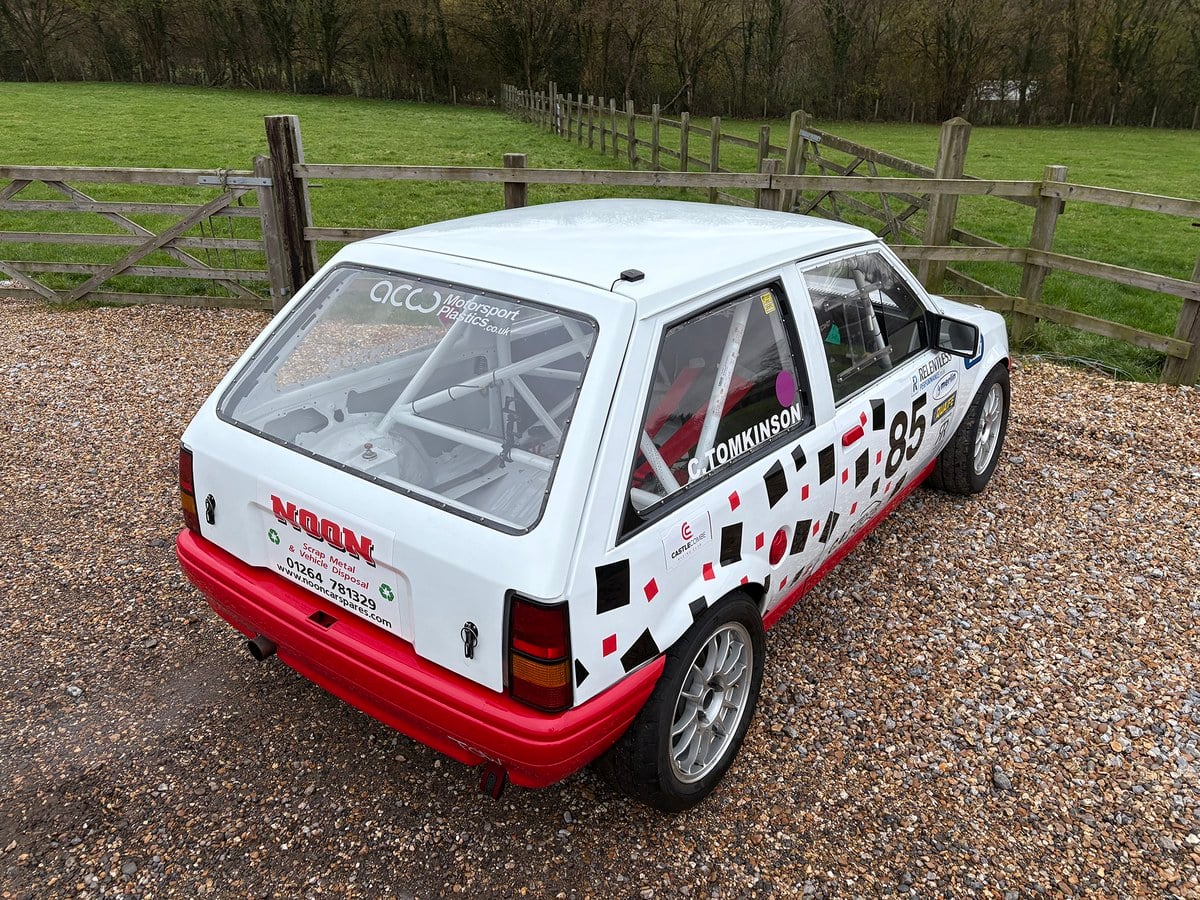
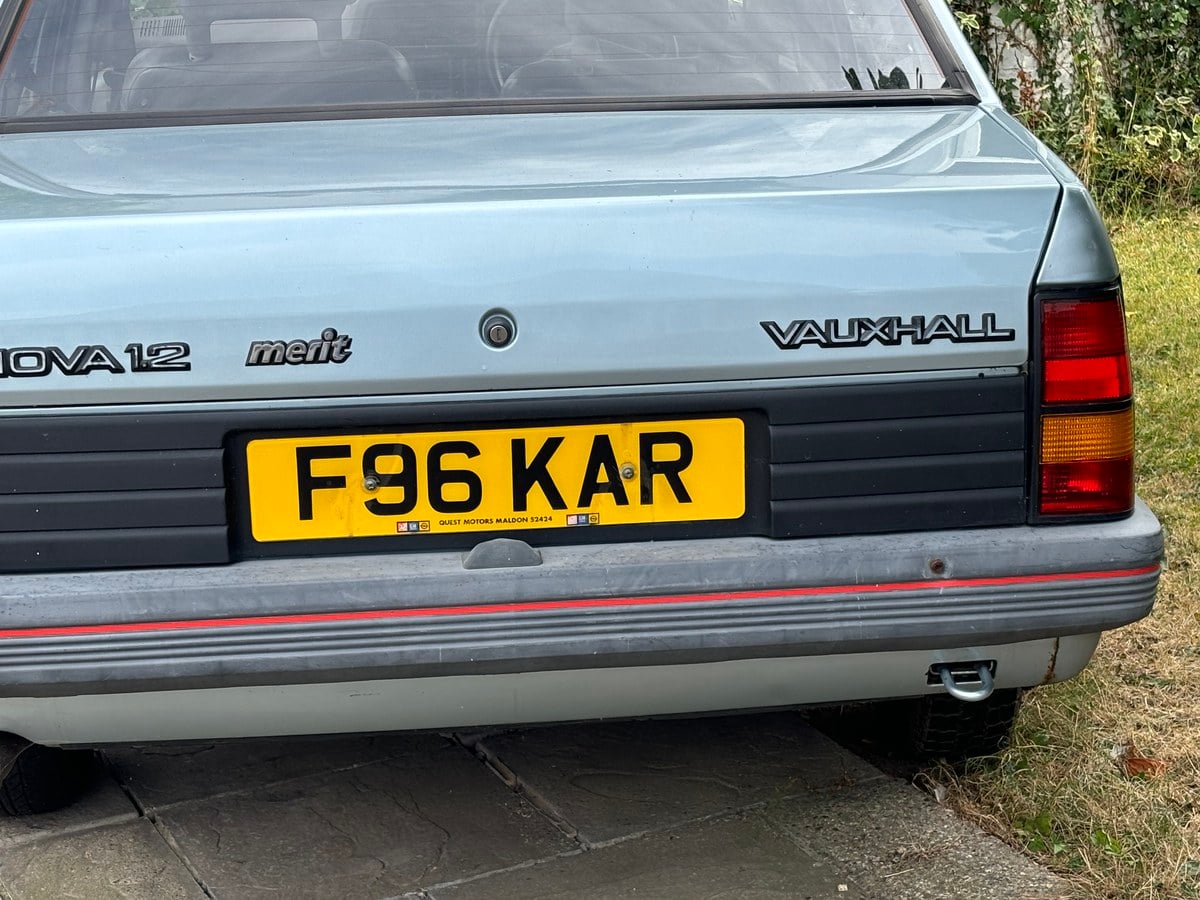
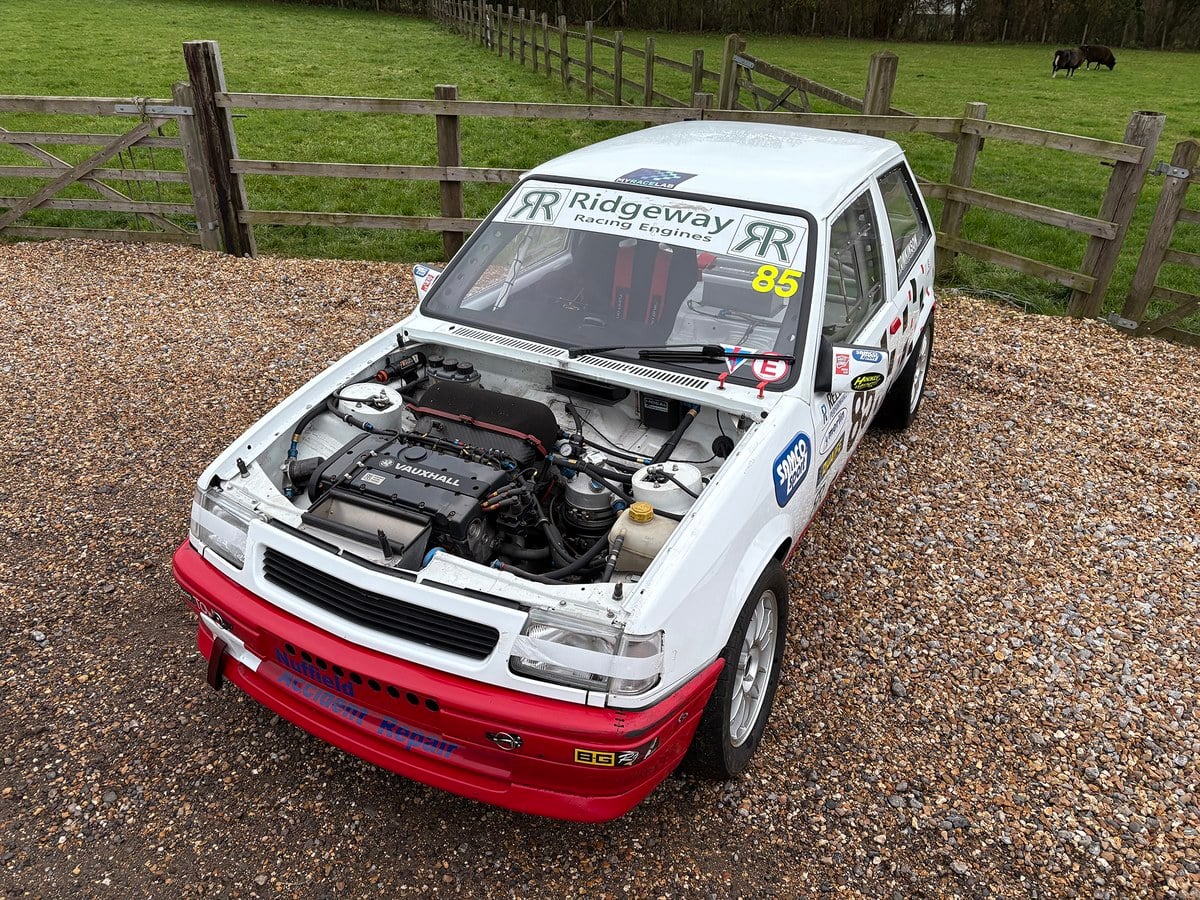
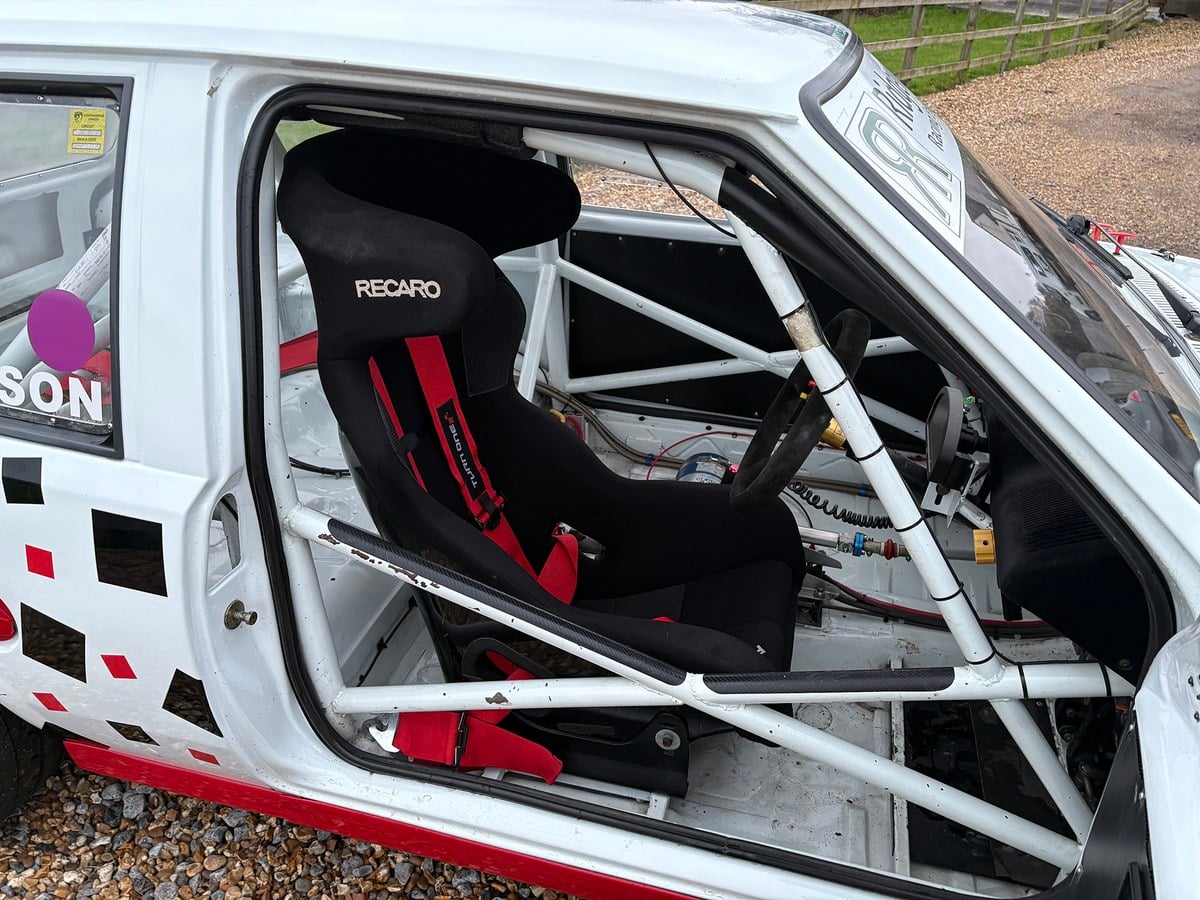
Dashboard and instruments: Straightforward, almost Spartan cluster with large primary dials, though later/higher-spec cars added a rev-counter and auxiliary gauges. Switchgear was grouped logically and labelled clearly.
Seating and trims: Supportive front buckets with progressively better bolstering and fabrics on SR/SRi/GTE, ahead of a rear bench with split-folding on hatchbacks to extend the square load bay.
Ergonomics and storage: A low scuttle and plenty of glass provided excellent outward visibility, while hatchback load floors were flat with minimal intrusion. However, the saloon boot was longer, featuring useful side recesses.
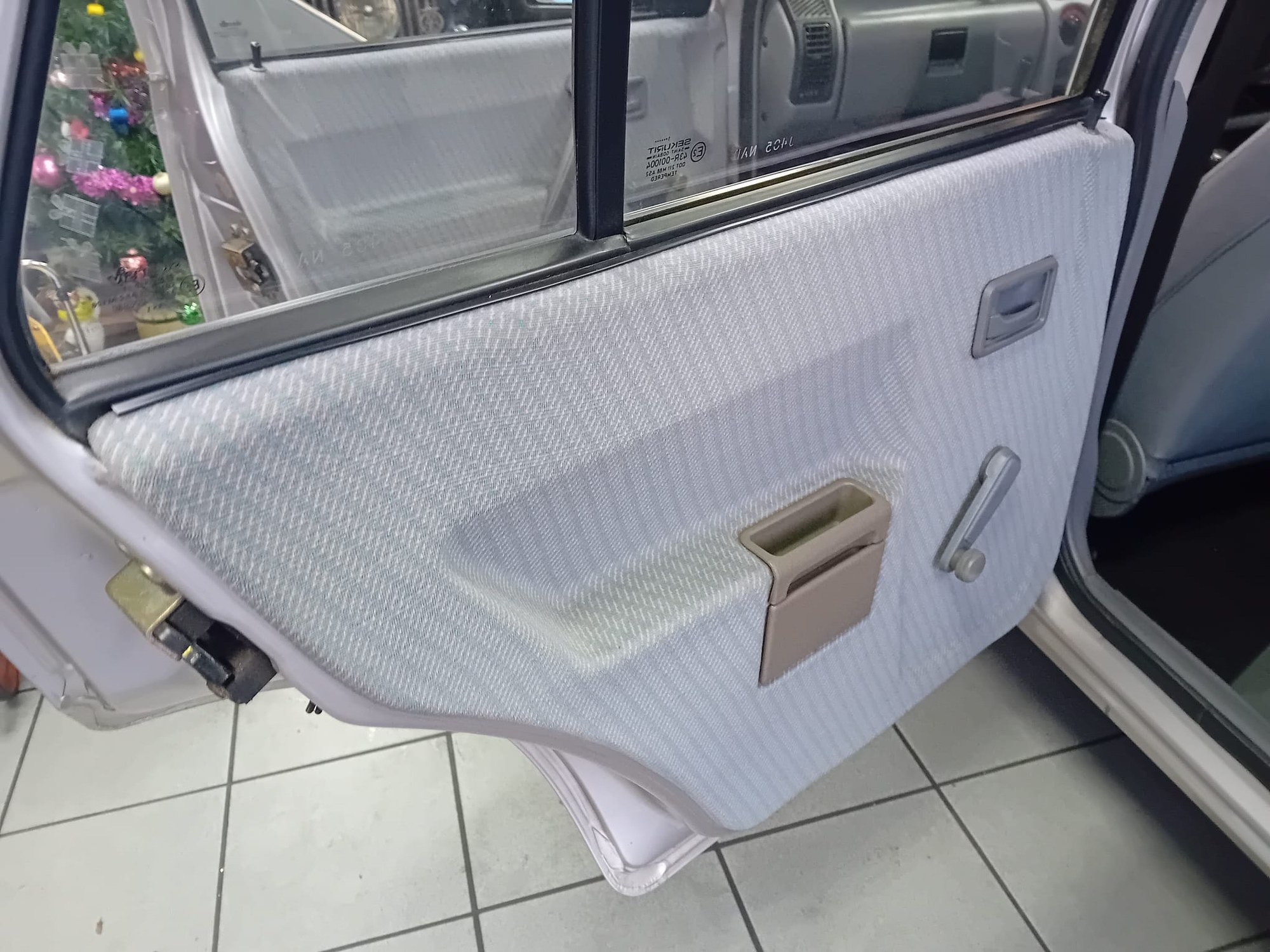
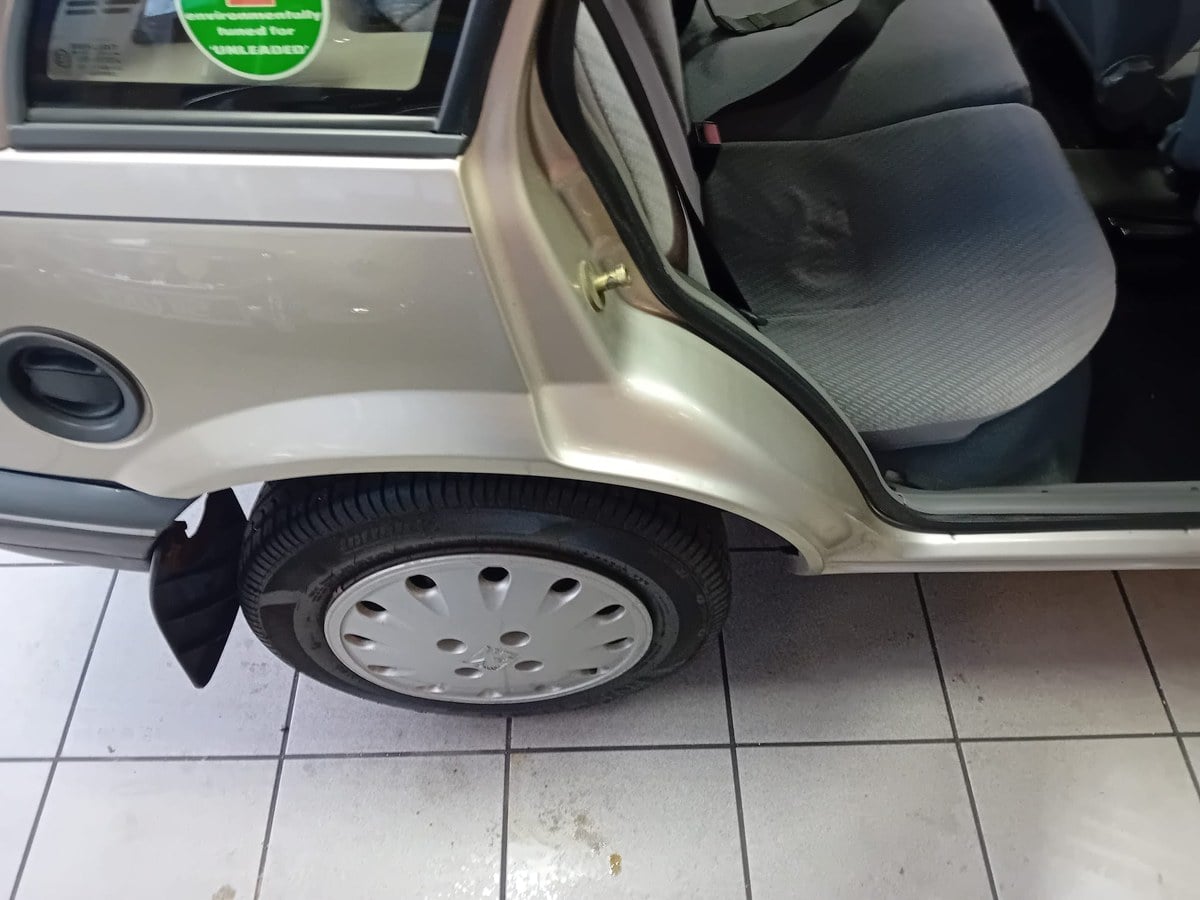
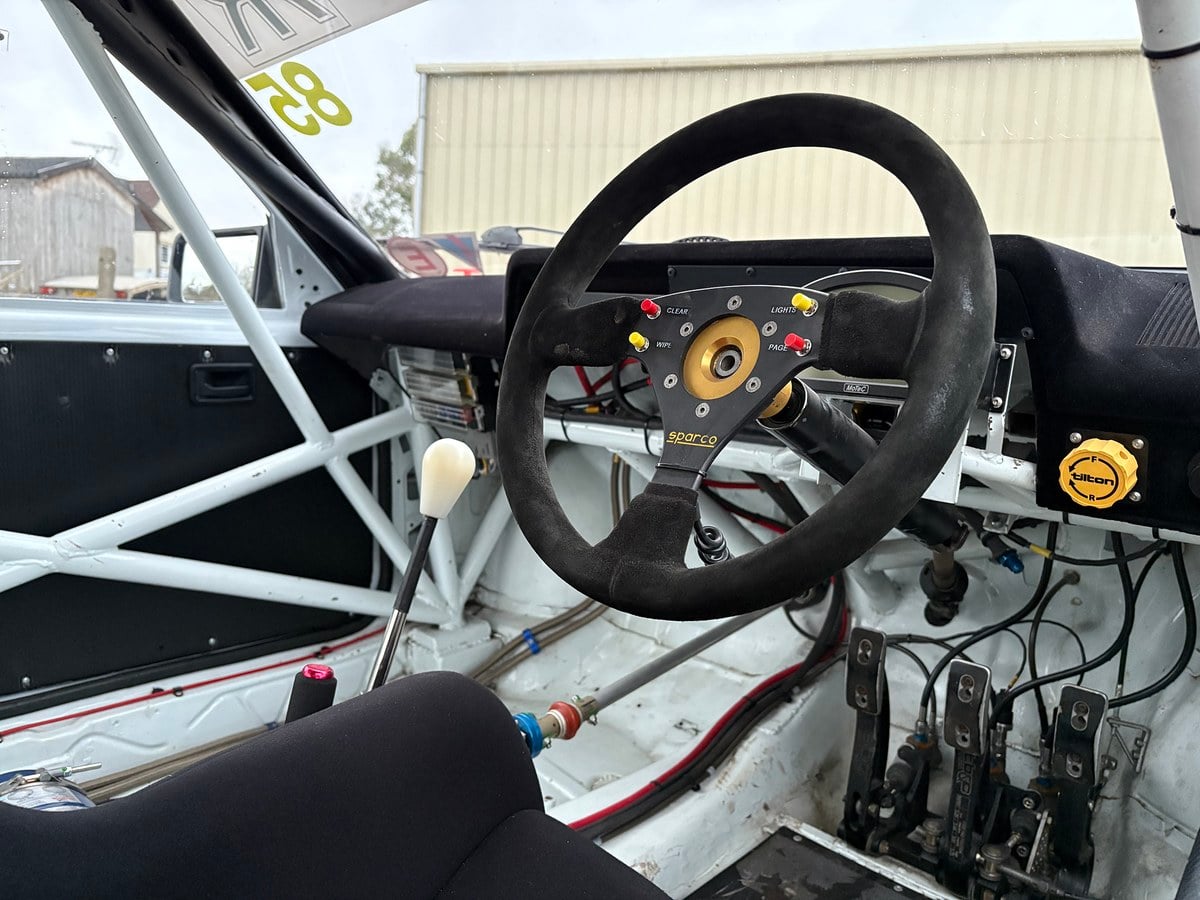
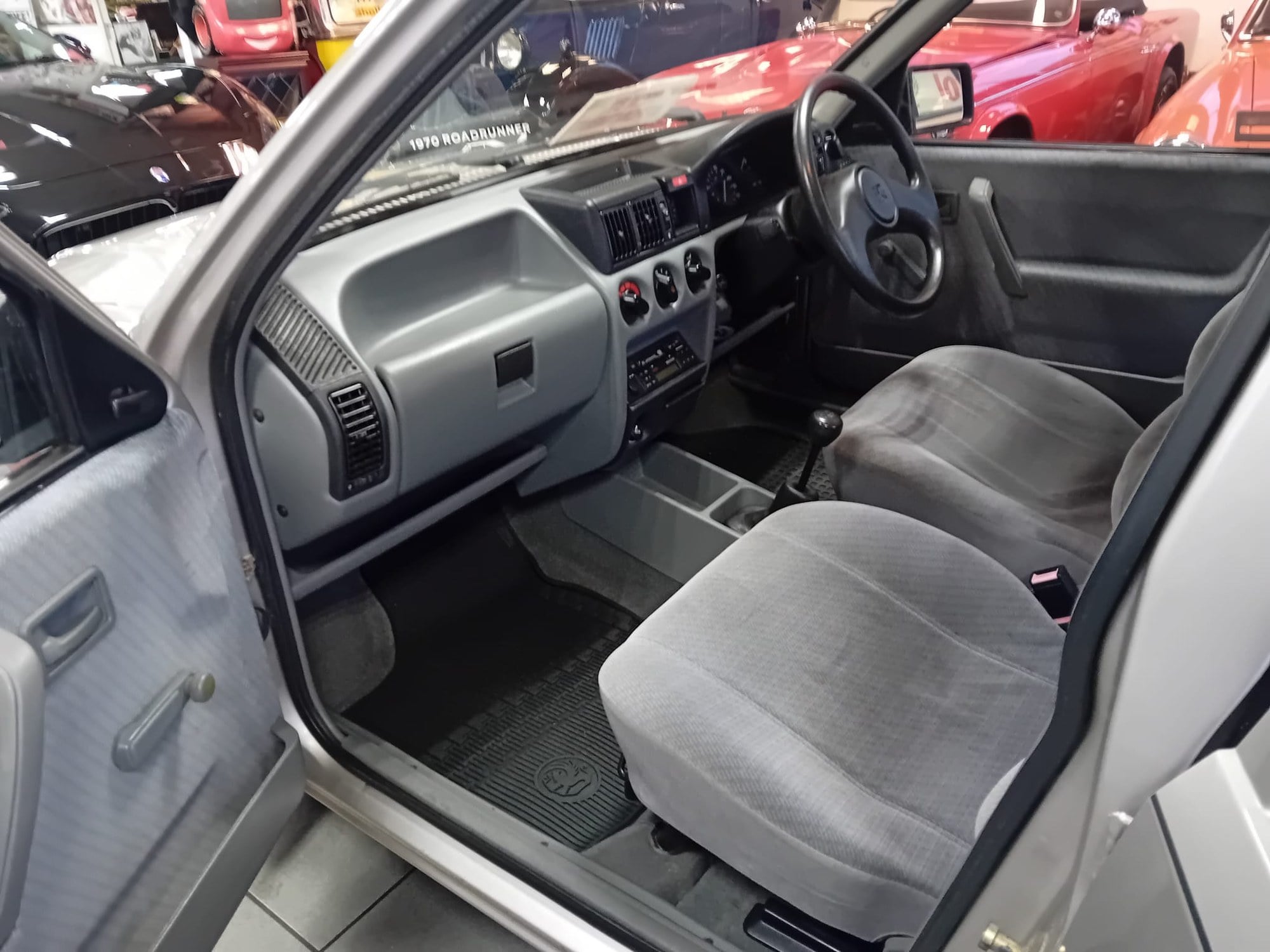
By modern standards, the Nova’s safety is basic, but period brochures show it was engineered with a rigid passenger “safety cell” and front-and-rear crumple zones, plus safety-designed steering column/locking systems to mitigate crash forces.
For use on today’s roads, the biggest gains come from condition and maintenance: ensure brakes, suspension, and tyres are in top shape, and consider subtle upgrades (fresh three-point belts where fitted, modern tyres, quality brake components) to improve control and stopping distances without changing the car’s character.
Price trends
Venta más reciente
2950 £
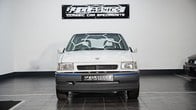
1988 Vauxhall Nova

Actual en venta
9
0 subastas en marcha
9 anuncios



Total vendidos
24
Precio de venta más alto
25.289 €
Precio promedio
7234 €
Precio más bajo
1382 €
FAQs
1983–1993 in the UK, while the same model was sold in continental Europe as the Opel Corsa (including right-hand drive models in the Republic of Ireland).
Vauxhall Nova was the UK-market name for the Opel Corsa A, before the Nova name was dropped in 1993 and the car became known as the Corsa across Europe.
Predominantly 1.0, 1.2, 1.3 and 1.4 petrol engines in most models, plus a performance 1.6i unit in the GTE/GSi and a 1.5 diesel, which was latterly also available as a turbodiesel.
Period tests generally reported 0–60 mph times around nine seconds, with a top speed in the 115–120 mph range.
The second-generation model, badged Vauxhall Corsa (Corsa B), replaced the Nova in 1993.