1972 Lotus Europa – Project Profile

April 13, 2023
Brainless sheep follow the herd and dead fish go with the flow, so they say. We’re sure there are numerous other hackneyed aphorisms too but we can’t be bothered to look them up. What we’re trying to say is that it’s all too easy to give in, go with the safe bet and pick a classic classic. And by that rather shoddy expression we mean the MGBs of the world, the Ford Escorts and the Austin Minis. You know, classic classics. Cars that will perennially be popular among enthusiasts but perhaps don’t stand out so much in the grand scheme of things. Sometimes it’s nice to buck trends, Fleetwood Mac it and go your own way, picking a classic car that’s a little more exclusive, a little more, how shall we say, individual. A car like this 1972 Lotus Europa for instance.
We’ve featured a few Lotus (Lotuses? Loti?) over the years in the magazine, from a couple of Esprit Classified of the Weeks to Elite Project Profiles and we’ve even written about the very first car to spring forth from Colin Chapman’s wonderful grey matter but we’ve never covered the Europa. Until now. Debuting in 1966 the Europa was born out of a desire to replicate the mid-engined layout of Formula One cars of the time, something that had yet to be popularised in a road car, despite the Matra Djet pioneering the idea a couple of years earlier and with the release of the Lamborghini Miura looming. Lotus, however, was doing its own thing and forging ahead with the Europa, using Renault running gear to keep things simple and strapping it all to a steel backbone chassis and moulded fibreglass body which on early cars were fully bonded together, later giving way to a separate, bolt-on setup to ease maintenance and repairs.
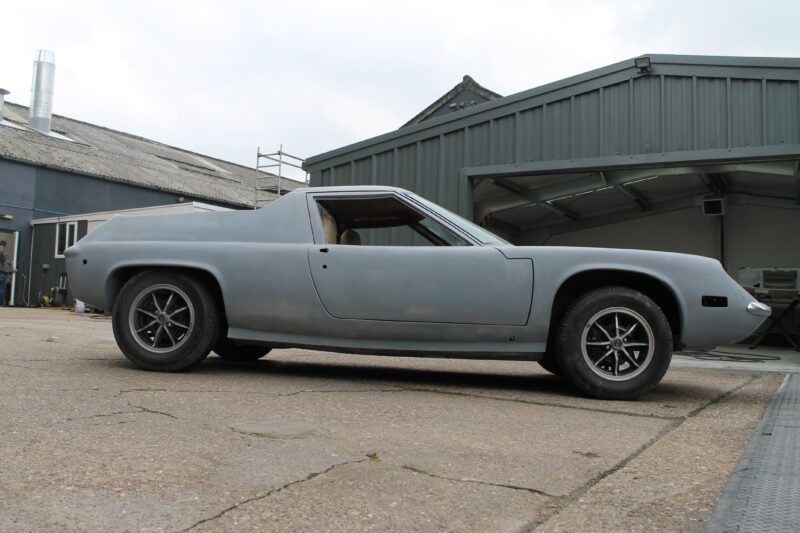
And oh how that body polarised opinion! The Europa is very much a Marmite car, by which we mean people either love it or hate it. It wasn’t made by Unilever. That would be weird. But we digress. The unconventional shape of the Europa divided the public but it can’t be argued that Ron Hickman’s progressive design wasn’t technically impressive and featured a particularly low drag coefficient, allowing it to slice through the air like a hot knife through warm yeast extract, and coupled with its low curb weight made for an exciting driving experience. It may have only produced a smidge over 80bhp from the 1.5-litre Renault 16 engine but it used every single one of them to drive the rear wheels and put a huge grin on the faces of anyone lucky enough to squeeze into the somewhat cramped cabin.
What is it?
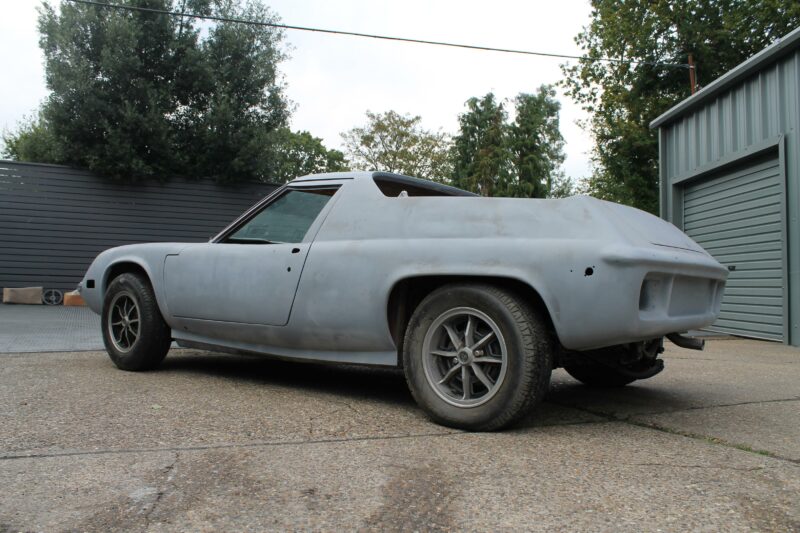
This 1972 Europa is a left-hand drive American import which isn’t surprising seeing as so many of them were shipped overseas from the factory but it does come with the correct NOVA documentation which means the car can be easily registered in the UK. Those of you with a penchant for performance should rejoice as this is the spiciest model that Lotus offered and features the famous Lotus twin-cam engine. It’s the big valve version too which means there’s 126bhp on tap. At least there will be once it’s back up and running.
Why is it a project?
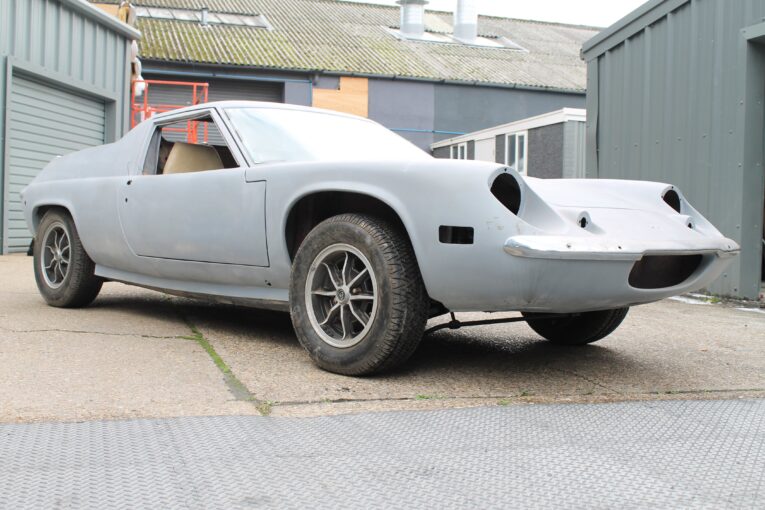
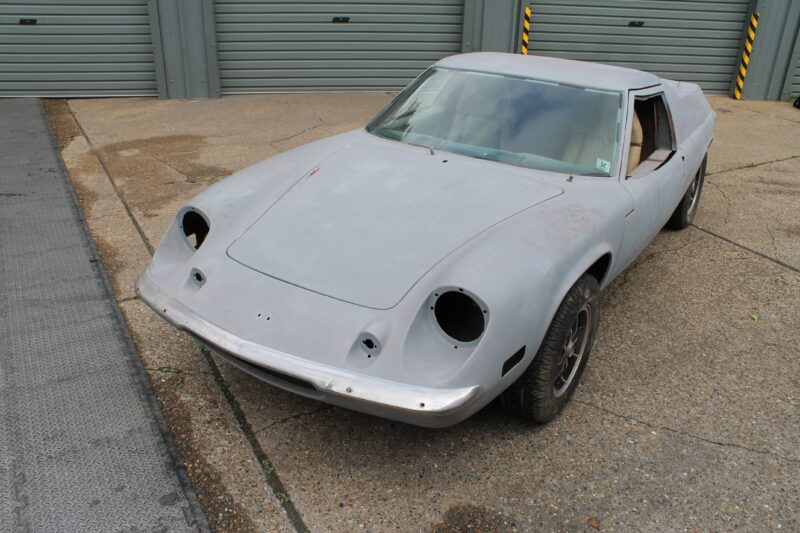
The car has begun its restoration journey and as such is presented in a stripped down state. Prepped and ready for paint this Europa is a blank canvas and can either be returned to its original Regency Red hue or painted in whichever colour floats your boat. It’s being sold as a non-runner but the Lotus twin-cam engine is a robust and reliable lump and parts are readily available. Likewise, the interior has been stripped and while the seat remain it will need to be completely retrimmed.
Five things to look for:
1) Parts
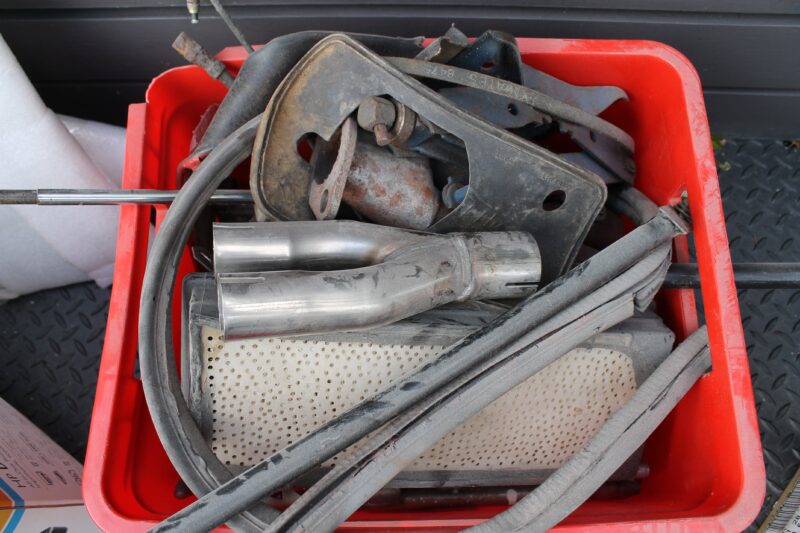
The sale includes myriad parts and there are numerous boxes crammed with the various bits and pieces required to put this Europa back together. The question is is it a complete kit? If it were our money we’d try to ascertain what exactly is included and what is yet to obtain. Mechanically it shouldn’t be a problem to find everything you need thanks to shared oily bits but less than 10,000 Europas were made with many being shipped off to pastures new which could prove troublesome if you’re looking for model-specific parts.
2) Engine
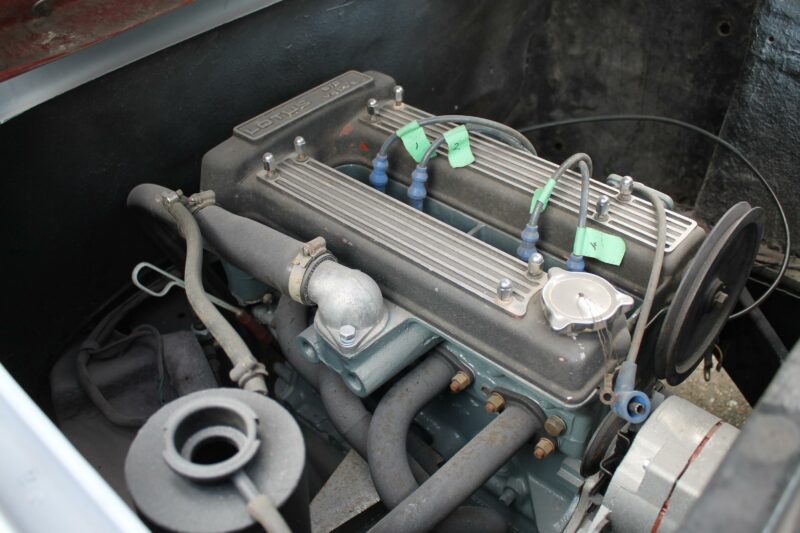
The big valve twin-cam engine is the one to have in our humble opinion so the fact that this car does indeed come equipped with the more powerful motor is a huge boon and it has had some work in the past. Check to see if it turns and try and ascertain the condition via a visual inspection. As mentioned earlier they’re hardy lumps and parts and support are easy to come by so it shouldn’t present as an impasse if work is required.
3) Gearbox
Being a 1972 big valve twin cam version this Europa could have come equipped with the Renault five-speed manual gearbox as opposed to the original four-speed unit. They’re both reliable enough but have a play and make sure everything feels tight as linkages can be a weak point.
4) Rust
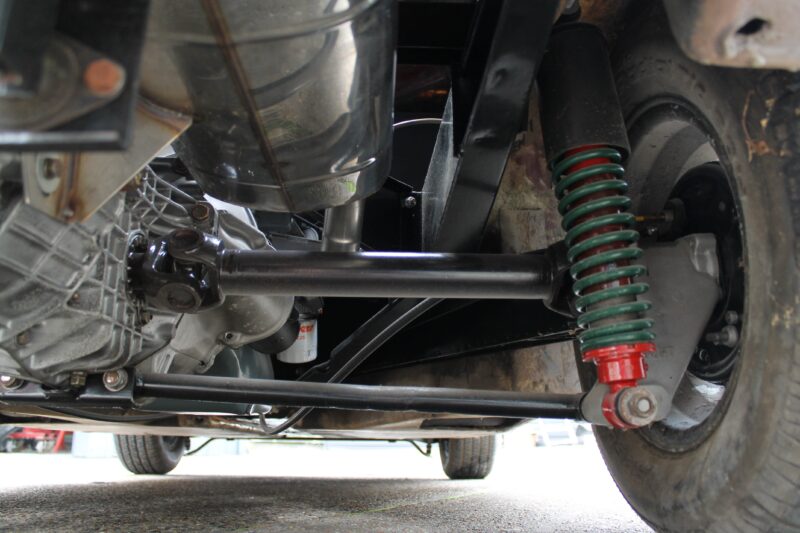
From the various photos included on the listing the car looks to be in good, solid shape but that’s not to say the dreaded tin worm isn’t hiding somewhere. The body is fibreglass but get underneath and check for problems anywhere that body meets the chassis.
5) History
Aside from the official import documentation the history file is rather lacking. There is a patchy, written account of its known history but it might be worth contacting some owners clubs and specialists to try and determine the full extent of the car’s story.
What should you do with it?
This Europa is a blank slate for you to restore as you see fit. Originality is the way to go though and so merely finishing what has already been started is the order of play. Find out what additional parts are required, if any, and take it step by step, putting the car back together until that glorious day comes when you can finally get behind the wheel and drive it. These cars are a rare sight on the road nowadays and with hardly any miles under its belt and that lovely twin cam motor it’s a top candidate for a refurb. It may look a little unconventional but the characterful Europa still provides a bona fide Lotus driving experience that only those that have driven one will understand.