The Best Modern Classic Cars

April 21, 2026
The timing has never been better for the rise of ‘modern classic’ cars. As the automotive world accelerates towards electrification, with EV adoption climbing rapidly and governments tightening emissions regulations, the character of everyday driving is changing fast. Smooth, silent, software-led transport is becoming the norm, but for many enthusiasts, something vital is being lost along the way.
At the same time, the classic car market is undergoing a quiet transformation. Values for older vehicles remain strong, but the fastest growth is increasingly found among newer ‘youngtimers’, cars from the 1980s, 1990s and early 2000s that today’s buyers grew up idolising. These are quickly becoming the best future classic cars, as a new generation enters the market chasing the machines that once adorned their bedroom walls, pushing demand ever higher.
This convergence of forces has created a sweet spot. Modern classics offer analogue engagement, manual gearboxes, hydraulic steering and naturally aspirated engines, without the compromises that define older classics. They’re usable, reliable and increasingly valuable, aligning perfectly with a shift in buyer priorities towards cars that can be driven and enjoyed, not just stored away. It’s no surprise that many are now viewed as collector cars of the future.
In many ways, modern classics represent the last stand of a certain kind of driving experience: one rooted in mechanical connection rather than digital mediation. And as the industry moves forward at pace, it’s these cars, caught between past and present, that are becoming some of the best future collector cars on the market.
What Are Modern Classic Cars?
‘Modern classic’ is a broad and fluid term, but at its core, it describes cars that sit in the sweet spot between old and new. They’re typically vehicles from the 1980s, 1990s and early 2000s that haven’t quite reached traditional classic status, but are no longer commonly used cars, either.
In simple terms, a modern classic is a car that’s gaining recognition for its character, design or driving experience, while still being practical enough to use and enjoy today. You might also hear them described as a modern vintage car, something that blends old-school charm with modern usability.
They often represent a turning point in automotive history; the era before heavy digitisation, but after the introduction of reliable engineering, modern safety features and everyday comfort. That balance is exactly what makes many modern classics so appealing to today’s buyers.
What sets them apart is how they feel. Many modern classics still offer analogue touches that are increasingly rare: manual gearboxes, naturally aspirated engines, and steering that prioritises feedback over assistance. At the same time, they’re far easier to live with than older classics; more dependable, more comfortable, and better suited to modern roads.
There’s no strict rulebook. Age plays a part, but so does significance. A modern classic might be an iconic performance car, a cult favourite, or even an everyday model that perfectly captures the spirit of its time.
Ultimately, these are the cars that bridge generations, familiar enough to feel contemporary, yet distinctive enough to remind us how much the driving experience has changed.
What Makes a Modern Classic?
Not every car from the 1990s or early 2000s earns ‘modern classic’ status; it’s a label that tends to be earned rather than given. While there’s no fixed formula, a handful of key factors consistently separate the truly collectable from the merely old.
Rarity plays a role, but it doesn’t have to mean ultra-low production numbers. It can be as simple as survival rates: cars that were once common but are now increasingly scarce often become more desirable as a result.
Driving character is just as important. Many modern classics come from an era when driver engagement still took priority, offering a level of feedback and mechanical feel that’s harder to find in newer cars.
Cultural significance also carries weight. Whether it’s a car that defined a generation, dominated a motorsport series or became an icon of its time, relevance beyond the spec sheet matters. These are often the cars that go on to become the best future classic cars, thanks to the emotional connection they build with enthusiasts.
Crucially, usability still counts. Parts availability and specialist support can make or break ownership, and cars with strong aftermarket backing are far easier to live with, and more attractive as best future collector cars.
In recent years, buyers have increasingly turned their attention to cars from the late 20th and early 21st centuries, drawn by a mix of nostalgia and usability. For many, these are the attainable classics of today, and the collectable modern vintage cars of tomorrow.
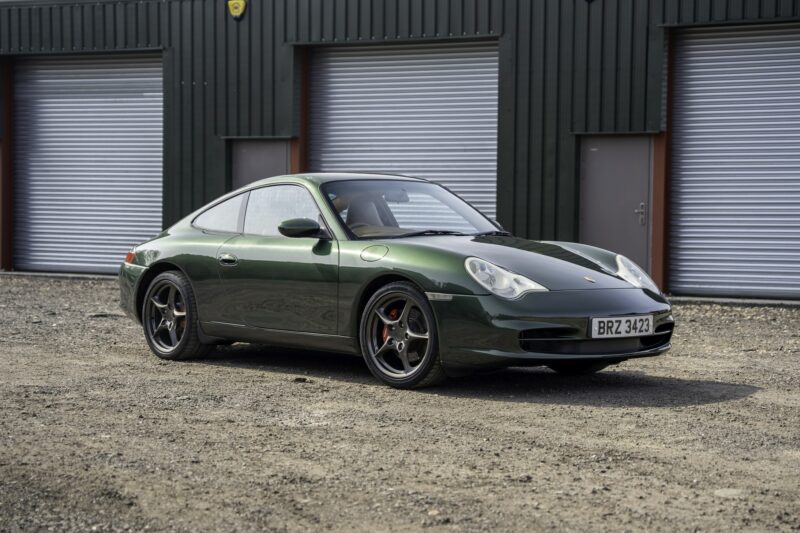
Modern Classics By Budget
To show how broad the modern classic market has become, we’ve broken it down by budget, from affordable entry points to genuinely collectable performance icons. Whether you’re searching for entry-level projects or standout machines, these are some of the best future collector cars across a range of price points.
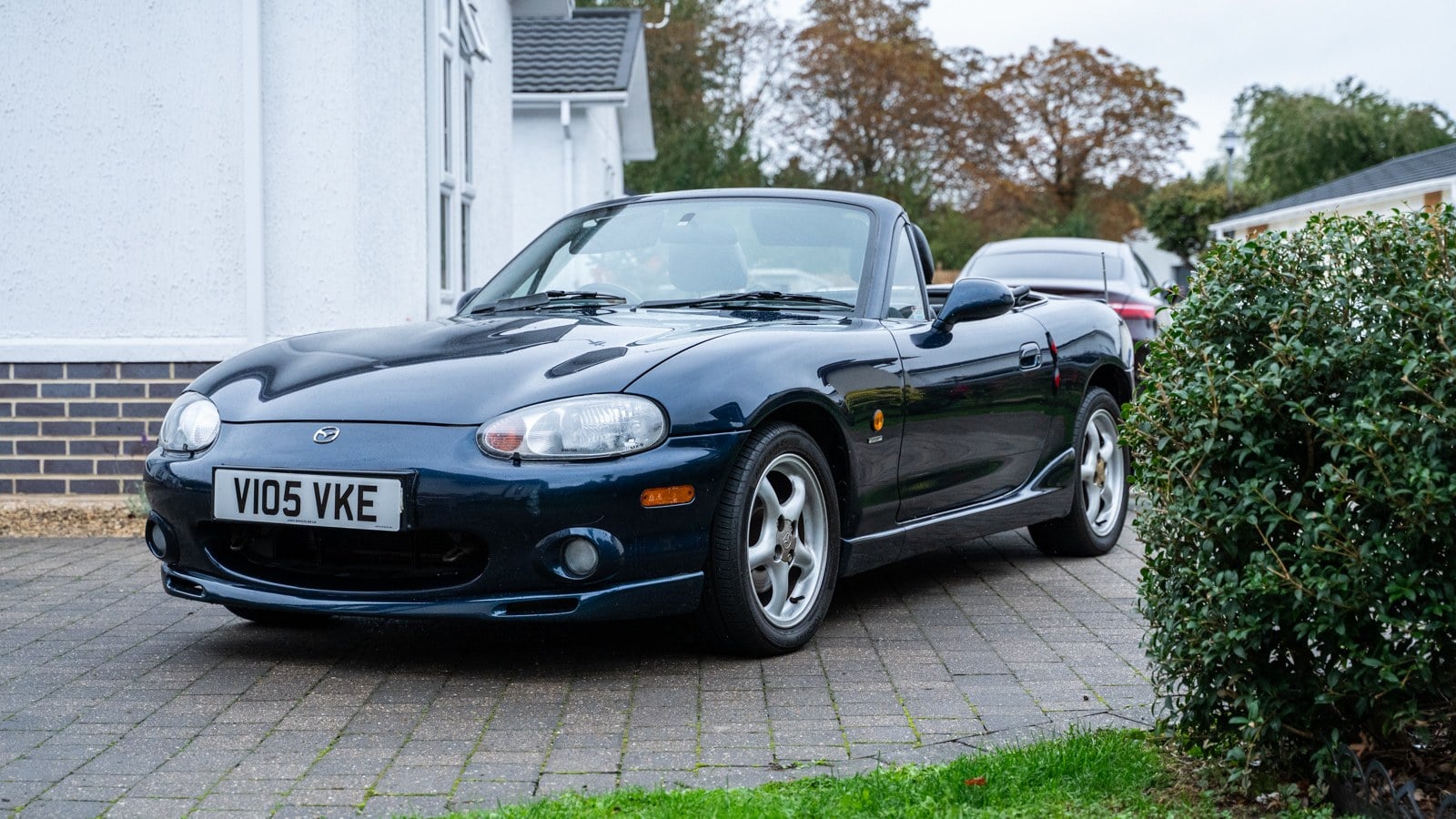
Under £5,000 – Mazda MX-5 (NB)
Years: 1998-2005
Current price range: £1,500-£5,000
Horsepower: 140hp
Top speed: 125mph
Why it’s a modern classic:
The second-generation MX-5 captures everything enthusiasts love about analogue driving: light weight, rear-wheel drive, a snappy manual gearbox and mechanical simplicity. It’s also one of the most accessible future collector cars, offering huge appeal as an entry-level modern classic.
What to look for / known issues:
– Rust (sills, arches and chassis rails)
– Tired suspension on higher-mileage cars
– Roof wear or leaks
Best variant to buy: 1.8 Sport with limited-slip differential
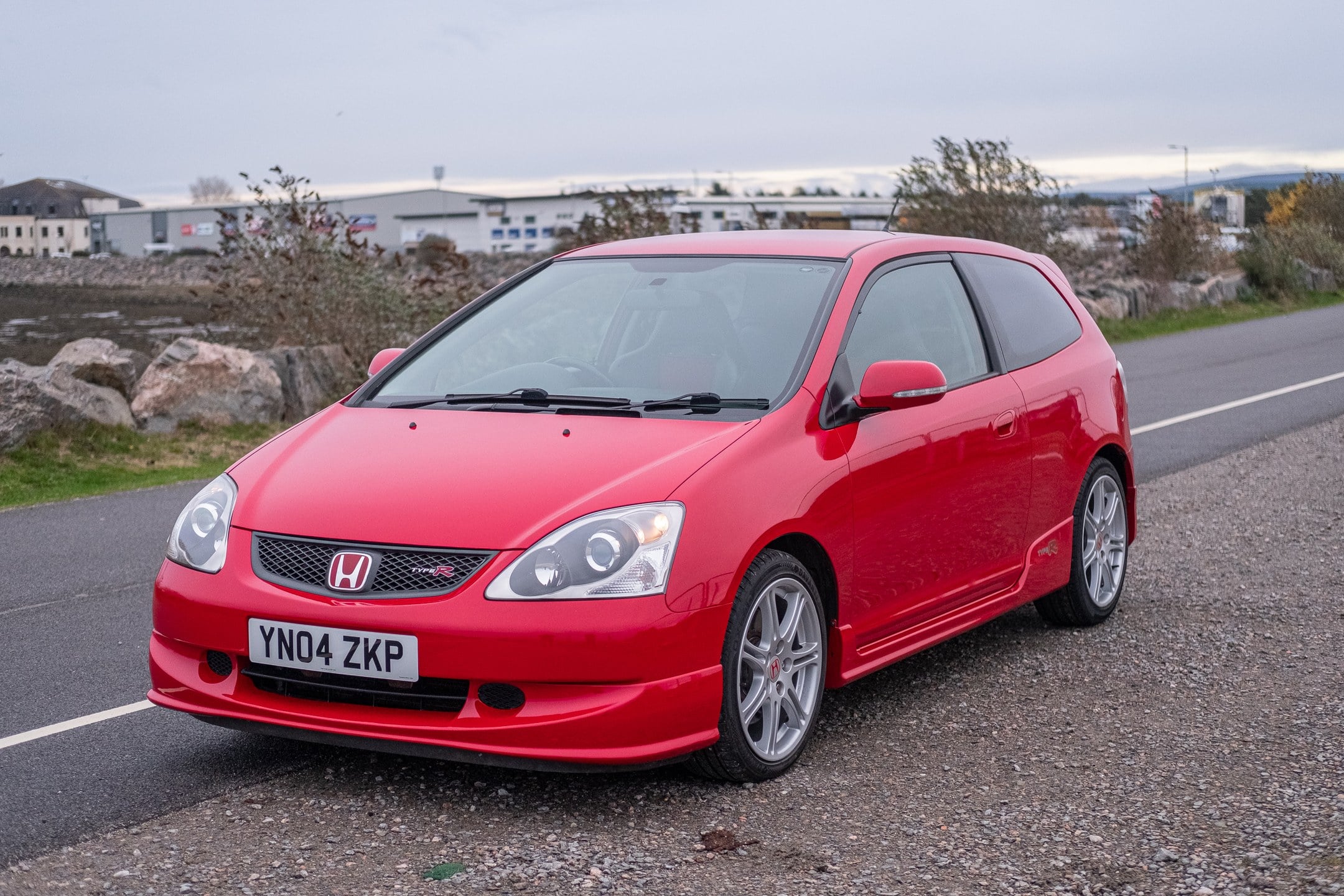
Under £10,000 – Honda Civic Type R (EP3)
Years: 2001-2005
Current price range: £4,000-£10,000
Horsepower: 197hp
Top speed: 140mph
Why it’s a modern classic:
High-revving, naturally aspirated hot hatches are disappearing fast, and the Civic Type R EP3 stands out as one of the best future collector cars in this space. Its raw VTEC character and analogue feel make it increasingly desirable.
What to look for / known issues:
– Worn synchromesh (especially 2nd/3rd gear)
– Rust on rear arches and underside
Best variant to buy: Championship White
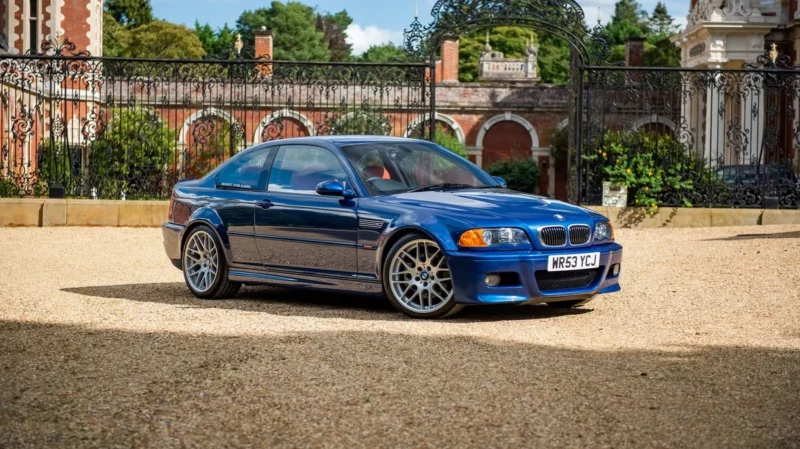
Under £20,000 – BMW M3 (E46)
Years: 2000-2006
Current price range: £10,000-£20,000+
Horsepower: 333hp
Top speed: 155mph (electronically limited)
Why it’s a modern classic:
The E46 M3 is already widely recognised as one of the best future classic cars, blending usability with a truly analogue driving experience. It’s firmly established as one of the defining collector cars of the future.
What to look for / known issues:
– Rear subframe cracking
– VANOS issues
– Rod bearing wear
– SMG gearbox concerns
Best variant to buy: Manual coupe (CSL if budget allows)

Under £30,000 – Porsche Boxster S (987)
Years: 2005-2012
Current price range: £12,000-£28,000
Horsepower: 295-310hp
Top speed: 165mph
Why it’s a modern classic:
Once overlooked, the 987 Boxster S is now emerging as a modern vintage car with serious driver appeal. Its balance and usability make it one of the most compelling modernised classic cars available today.
What to look for / known issues:
– IMS bearing concerns
– Bore scoring
– Suspension wear
– Cooling issues
Best variant to buy: Second-generation 987.2, manual gearbox
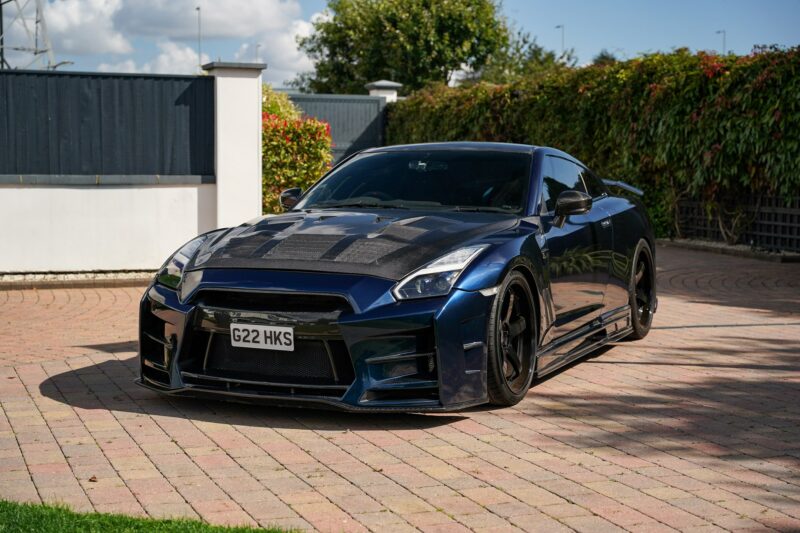
Under £50,000 – Nissan GT-R (Early R35)
Years: 2007-2012
Current price range: £35,000-£50,000
Horsepower: 480hp
Top speed: 193mph
Why it’s a modern classic:
The GT-R R35 represents a turning point in performance car history, making it a strong contender as one of the best future collector cars, and early examples from this expansive generation are already being recognised as landmark collector cars of the future.
What to look for/known issues:
– Transmission wear
– High running costs
– Poorly modified examples
Best variant to buy: Early UK-spec, unmodified car
This spread of cars shows just how accessible and diverse the modern classic market has become. Whether you’re hunting for a usable weekend car or investing in the best future classic cars, the appeal is the same: character, usability, and a connection to an era of driving that’s fast disappearing.