The Alfa Romeo Spider 105/115 – Five Things You Need To Know

May 3, 2024
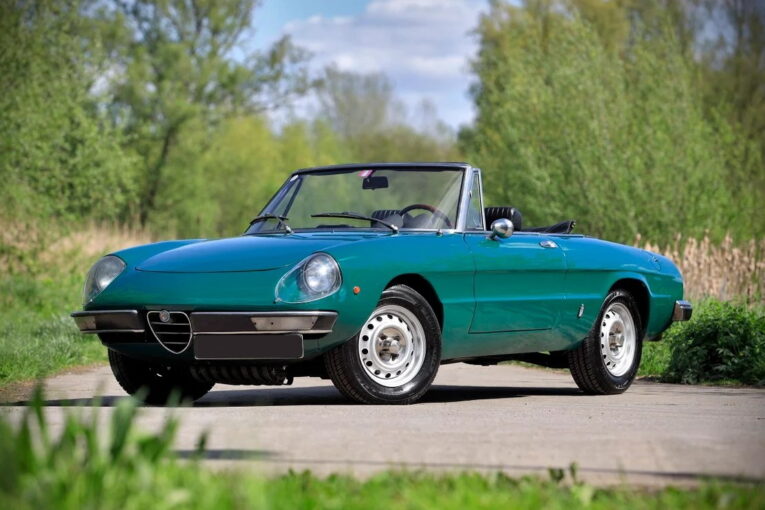
Automotive technology has come a long way since the 105/115 Spider was in production. Quite frankly, the Spider was far from groundbreaking even by 1960s standards and yet, if you want to have fun behind the wheel, it’s hard to beat the age-old formula of a lightweight rear-wheel-drive roadster with a manual gearbox and a twin-cam in the nose. Every self-respecting petrolhead needs a car like this in their arsenal and we should know because we have one.
Launched in 1966 and propelled to Hollywood stardom the following year by Dustin Hoffman in The Graduate, the dainty Duetto was the first of the 105/115 Spiders. It’s fortunate that the film didn’t single-handedly kill the car’s reputation, as it, ahem, “fails to proceed” at a crucial moment, forcing our protagonist, (like many an Alfa owner before and since), to complete his journey on foot. There would be three subsequent generations of 105/115 Spider which arrived in 1970, 1983 and 1990 respectively. While they share the same basic underpinnings, each has something different to offer. There’s a Spider for everyone and every budget, so let’s briefly cover what marks them apart.
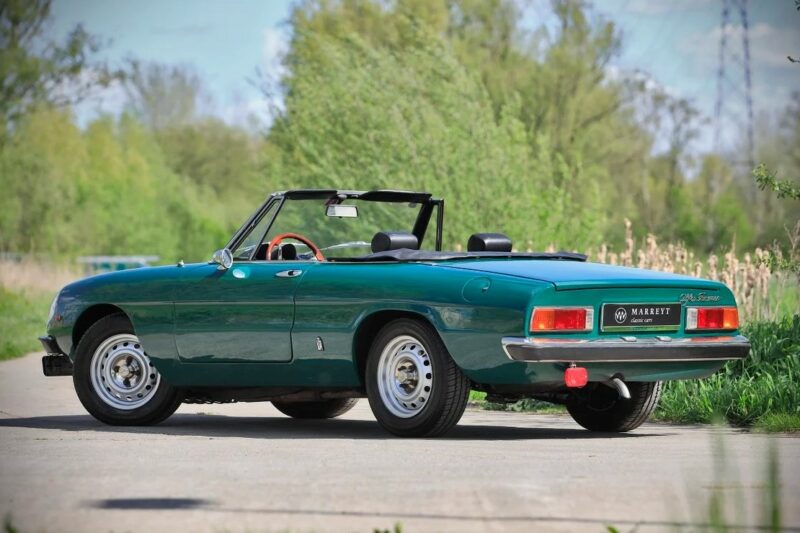
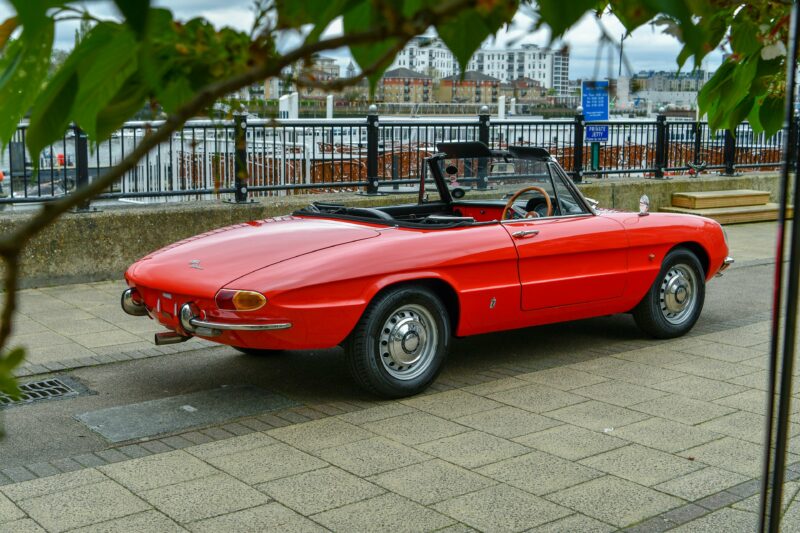
Today, Alfisti generally favour the first generation Duetto, so these early cars command the highest premium. It was after all the poster car of “La Dolce Vita” and came along at a time when convertibles were at the height of their popularity. As its name suggests, the second generation Spider, the Coda Tronca, (meaning “truncated tail” in English), did away with its predecessor’s boat-tail, solving a rather nasty high-speed stability issue. Built over thirteen years, the S2 is the Spider you’re most likely to find, and many proclaim it represented a sweet spot in the car’s evolution.
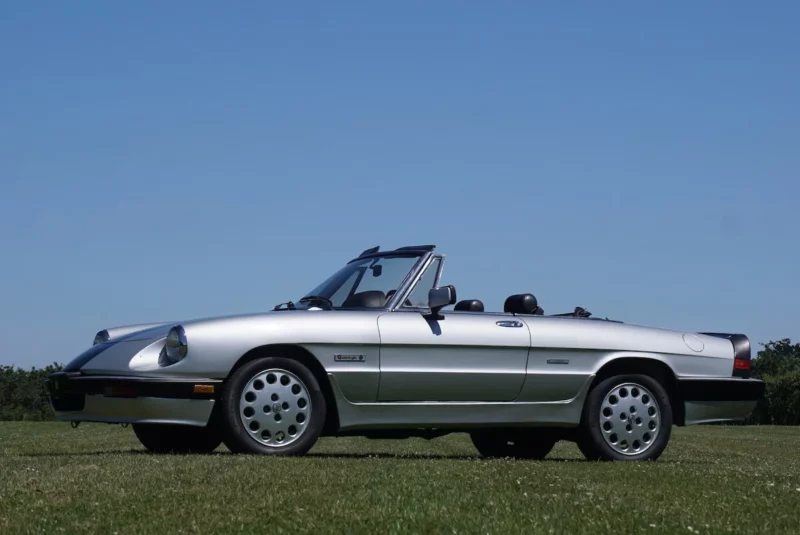
By the early 1980s, when Alfa’s financial woes reached their peak, the Spider was beginning to look rather old-fashioned. Wishing to continue producing the popular roadster, its engineers had the hard task of dragging a ‘60s car right up to date. Now kept afloat by the Italian government, Alfa Romeo couldn’t afford to change much beyond adding trim, so the third generation ‘Aerodynamica’ was essentially an S2 with extra bits bolted to it. Oft (and we feel unjustly) maligned by those with an aversion to ‘80s impact bumpers, body kits and boot spoilers, the Aerodynamica is still the most affordable Spider, so grab yourself a bargain if, like us, you’re actually rather drawn to its oh-so ‘80s appointments.
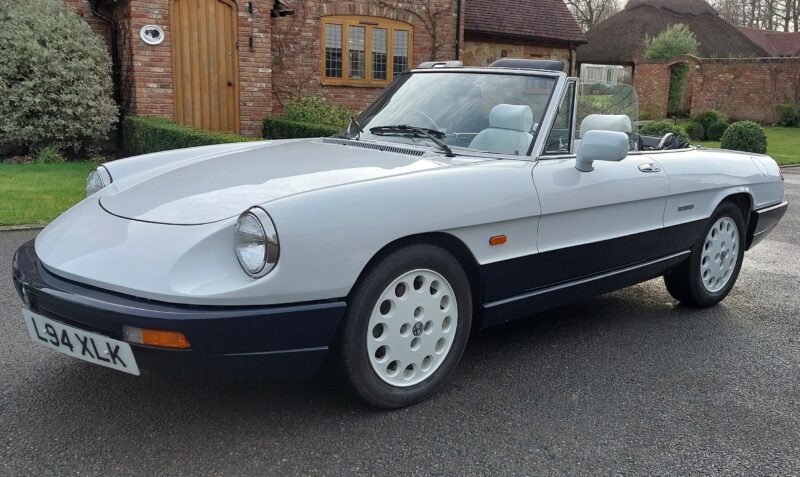
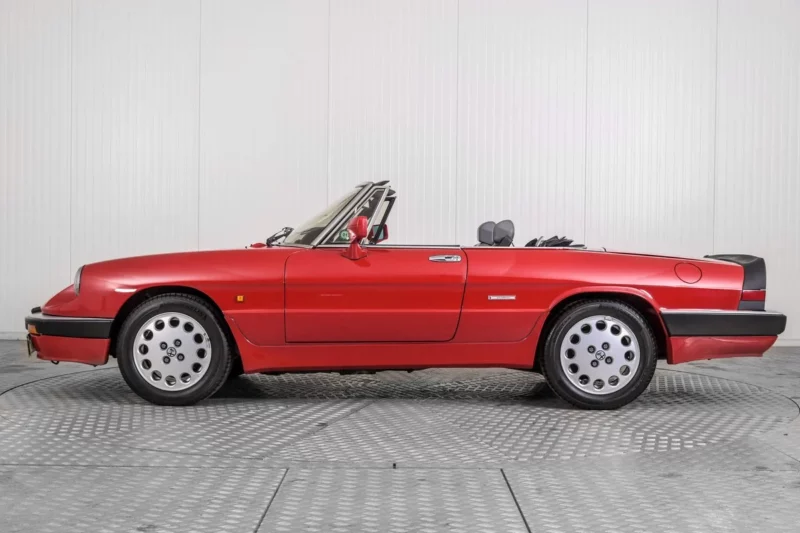
Fiat acquired Alfa Romeo in 1986 and a welcome injection of Agnelli’s cash initially developed an all-new interior for the S3, and by 1990, ensured the fourth and final 105/115 Spider represented the most significant departure from its predecessors. By far the most luxurious, highly equipped and therefore arguably the most usable of the lineage, the S4 is a great choice for long-distance touring or, dare we say, even sharing daily driving duties. Such luxuries as power steering, electric windows, mirrors and even the option of an automatic gearbox certainly broadened the Spider’s appeal at the time, although enthusiastic drivers may prefer the raw simplicity of earlier versions.
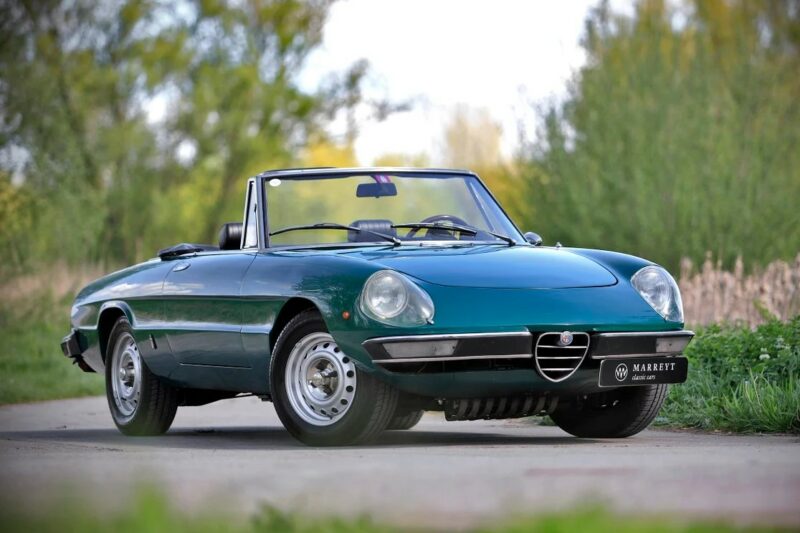
There are almost always several Spiders to choose from on Car & Classic, so here are five things you need to know.
1) Bodywork and soft-top
We may as well address the elephant in the room right away. Italian cars of this vintage rust in more ways than you can possibly imagine. Much like Fiat’s convertible 124s, the monocoque was manufactured off-site in Turin by Pininfarina, which also carried out the final assembly. A fleeting glance at the factory welding tells you all you need to know about build quality, although it’s the onset of the dreaded tin worm you really need to watch out for. While it’s perhaps a step too far to call the bodies “coachbuilt”, the Spider’s construction bears hallmarks of the great Italian Carrozzeria tradition in that there are few visible seams. As such, the Spider looks expensive – and when it comes to damage or corrosion repair it certainly is, as you can’t just bolt on new panels.
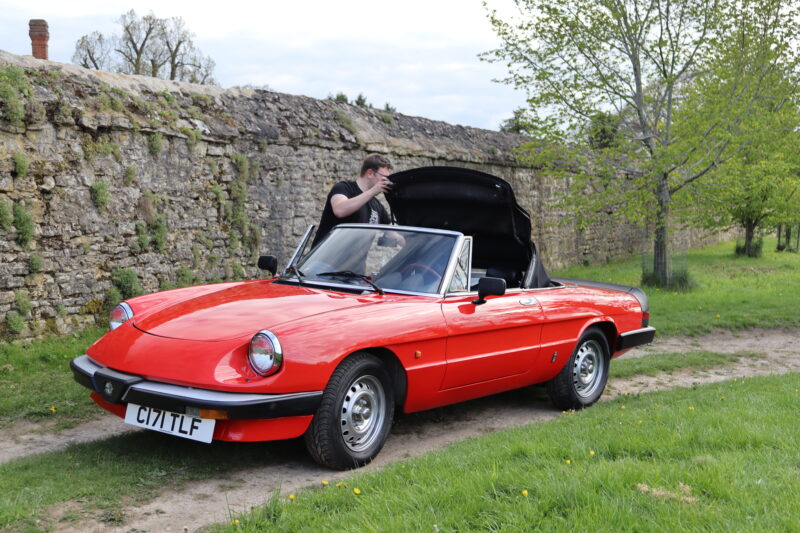
As a convertible, they’re not exactly the most rigid of cars, so be sure to check the doors shut easily and neatly. Failure to do so could be the early warning signs of rotten sills. Be sure to also inspect the front crossmember, an item so thin it looks to be made of Kellogg’s Frosties boxes. And also check that the jacking points are A) still there, and B) in good visual order. A layer of underseal is quite normal, as that’s how these cars were protected in period, but beware that it can hide a multitude of sins.
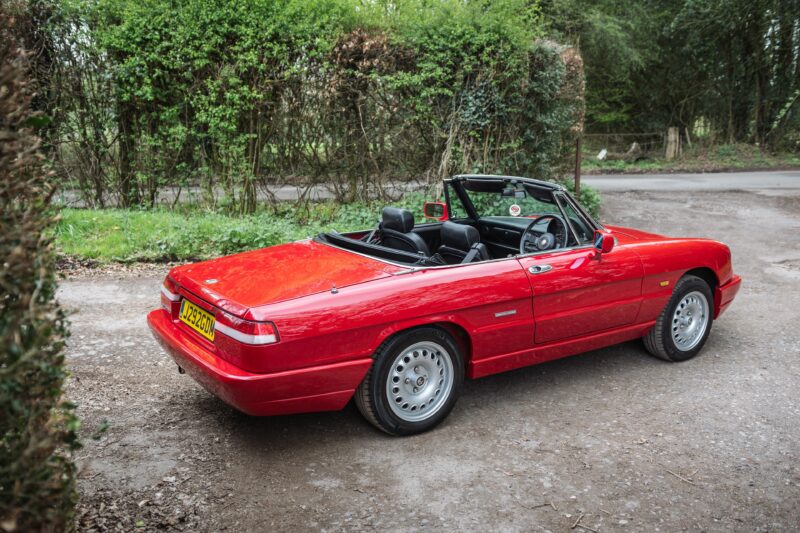
Those accustomed to MGBs and Triumphs will be mightily impressed by how easily the Spider’s folding roof operates in comparison. There are no pop studs, zips or complicated mechanisms. Simply unclip the two fasteners along the windscreen top-rail and you’re away. Rusted and bent frames can get expensive, but the replacement fabric roofs themselves are readily available and not especially pricey. You might need professional help to fit it, so factor that in when pricing up a replacement. Factory removable hard tops were available, but were only ordered by some customers, making them hard to find if you want one.
2) Engine
Now comes the Alfa’s party piece, and arguably its greatest asset – Giuseppe Busso’s glorious all-alloy Nord twin-cam. It’s powerful for its modest capacity, sounds wonderful, and it even looks good. First introduced in the Giulietta way back in 1954, the Nord twin-cam was fitted to the Spider in 1,600, 1,750 and 2,000 cc form. There wasn’t a bad engine among them, but there are some key differences which it pays to know about.
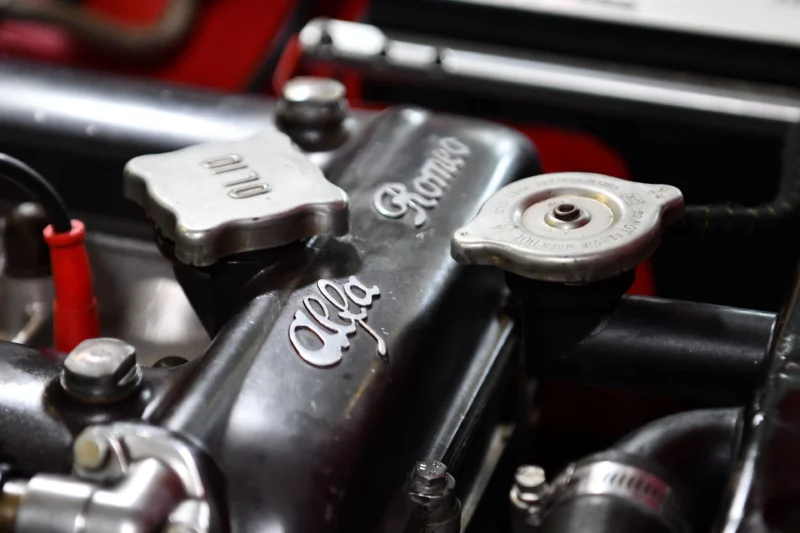
1,600s thrive on revs but lack the low-down grunt of their larger counterparts. Unsurprisingly, with the longest stroke, the 2,000 is the torquiest of the bunch, yet it’s often said the 1,750 offers the best compromise. SPICA Fuel injection was fitted initially to American market models from 1969, although twin Weber or DellOrto carburettors were fitted for Europe. Once the S4 arrived in 1990, most Spiders benefitted from the reliable Bosch Motronic system, which shouldn’t give trouble if well maintained.
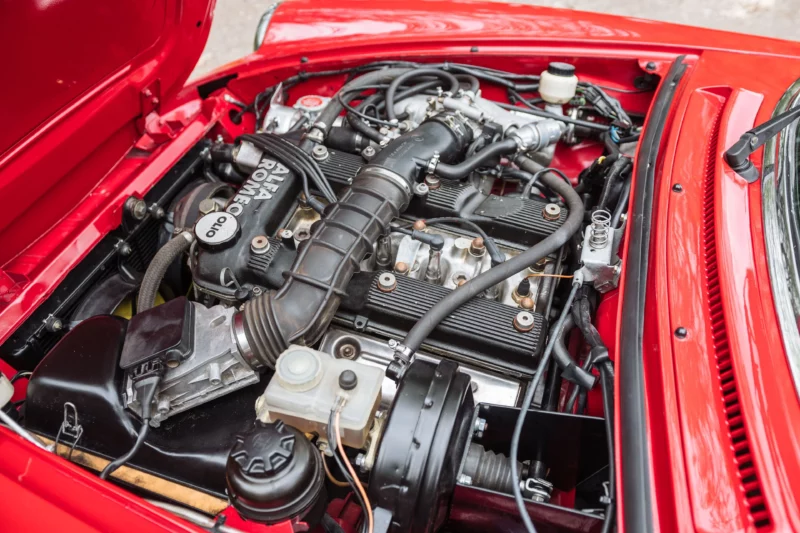
Mechanically, they’re quite robust but bear in mind that their dual overhead camshaft layout makes them a challenge for DIY mechanics. The Nord is quite complex for an inline-four and can be tricky to set up correctly, especially if you’re dealing with a fifty-plus-year-old fuel injection system. Sodium-filled exhaust valves were introduced in the 1,750 and post-1980, 2,000 cc units even had an early form of VVT! With the carburetted engines, rough running is often caused by vacuum leaks as the carbs are rubber-mounted to the intake manifold. Replacing these when the rubber degrades is a fairly easy fix, so don’t necessarily be put off if the example you’re looking at isn’t quite purring as contently as you sense it should be.
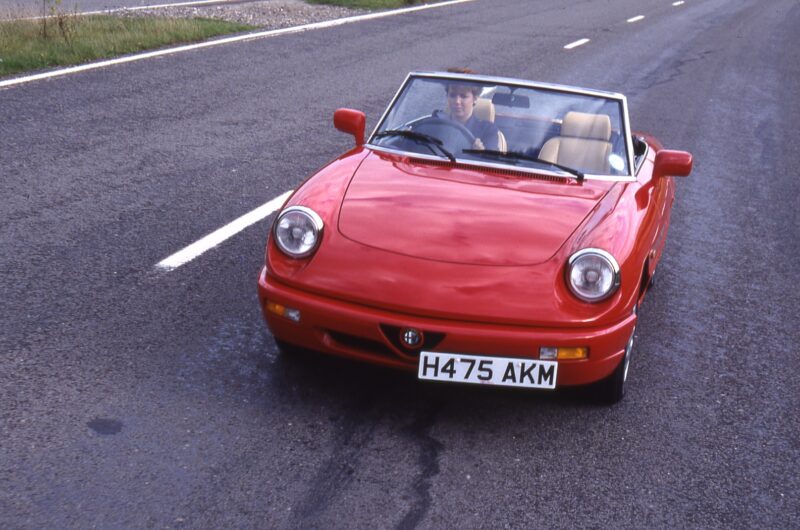
Like all old cars, twin-cam Alfas don’t like to sit around, and nor do they like short journeys. The best-driving examples are those that are driven regularly.
3) Gearbox
Five-speed manual gearboxes were almost unheard of when Alfa Romeo started using them during the 1950s. Sure, by the end of S4 Spider production, five-speeds were pretty ubiquitous, but back in the ‘60s and ‘70s when the British were still messing about with overdrive, a five-speed all-synchromesh box must have been a revelation.
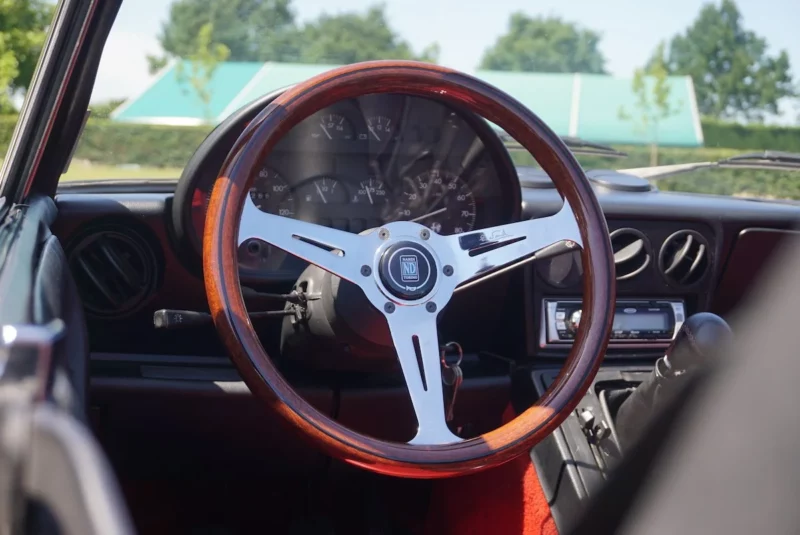
Unfortunately, it’s not the strongest, nor the easiest gearbox to operate. Even “good ones” can feel a bit notchy when cold, and the synchros are prone to wear. Listen out for vibration or clonking in the driveline, which could mean a worn prop shaft bearing or defective rubber “donut” – both consumable items. Second gear is infamous for becoming harder to find over time and be sure to check for jumping out of gear on your test drive. Once warm, a Spider’s gearbox should feel smooth and precise. As with any car of this vintage, double-de-clutching gets the most out of it, but you shouldn’t need to in order to select gears cleanly. Crunching suggests a tired gearbox that’ll most likely require rebuilding. Autos are rare, but as they’re a three-speed ZF unit, there’s unlikely to be much wrong with it, so long as it’s been serviced properly.
4) Suspension, steering and brakes
While every bit the sports car, the Spider was designed to ride well, absorbing the bumps on Italy’s notoriously rough rural roads. The suspension should be supple, so excessive bouncing or crashing over uneven surfaces indicates worn shocks while knocking noises suggest any one of the numerous rubber bushings in the suspension need replacement – a common issue. Some scuttleshake is inevitable, but again, it shouldn’t be excessive if everything’s in fine fettle.
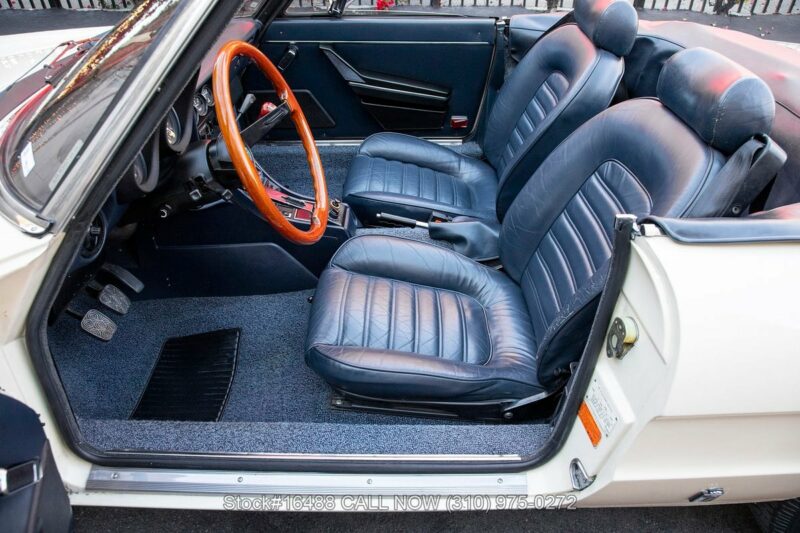
While most Spiders have unassisted steering, it still shouldn’t be especially heavy, even at low speeds. Stiffness suggests a seized steering box, while excessive play likely means there’s wear in the system which will need sorting. Those later cars with power steering should turn corners very easily, as on standard wheels and rubber, they never really needed the assistance.
The Spider benefits from all-around disc brakes when most of its rivals used drums for the rear axle at least. Owing to the Spider’s low mass, the rear brakes are seldom taxed, so seized calipers are common, especially if the example you’re looking at has been exercised sparingly.
5) Spare parts
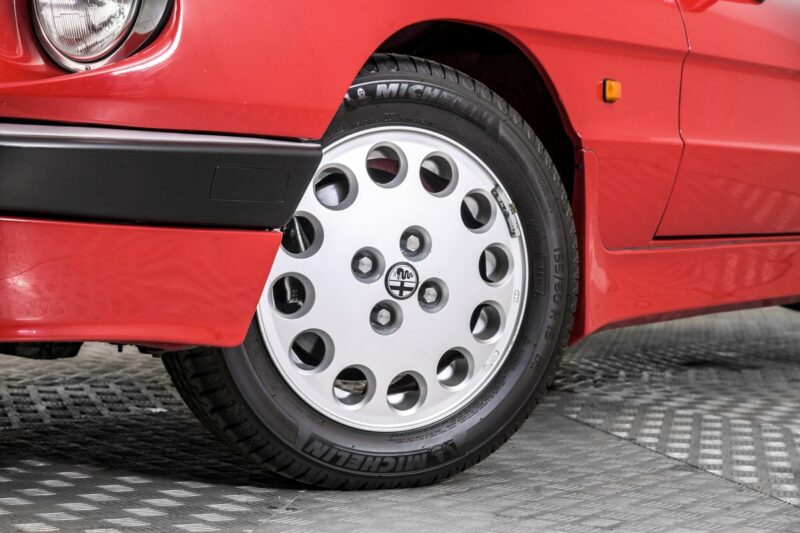
Parts support is surprisingly good, especially where the mechanicals are concerned. Remember that the 105-Series spanned numerous cars besides the Spider, all of which share numerous components. Several large specialists stock good quality reproduction, second-hand and NOS parts, as well as developing their own upgrades. Commensurate with the higher purchase prices, Duetto parts are often more expensive across the board, so be sure to budget for this if you’re picking up a project car.
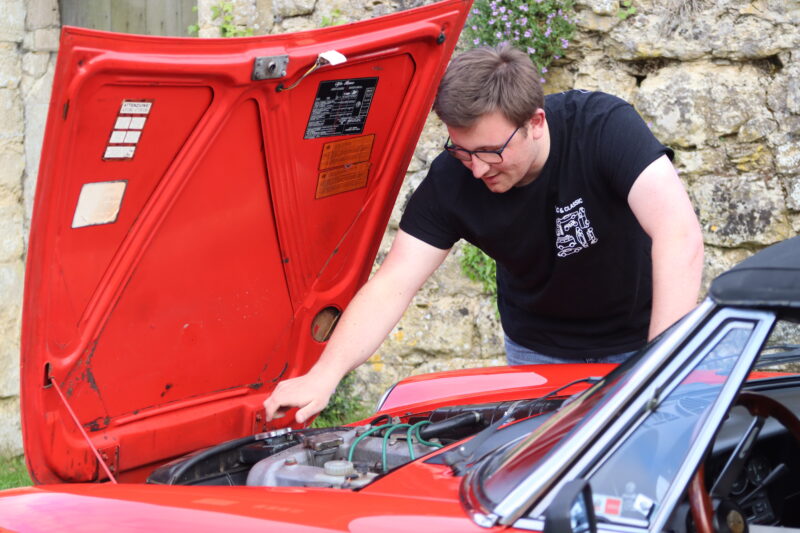
Where sourcing bits gets harder, is when you need trim. Plastic components for S3s and S4s are scarce and some seem to be near unobtainable, so consider this if you’re looking at an incomplete car. You might strike lucky at an autojumble, through owner’s clubs or by scouring enthusiast sites, but be prepared to discover that certain components may elude you for years.
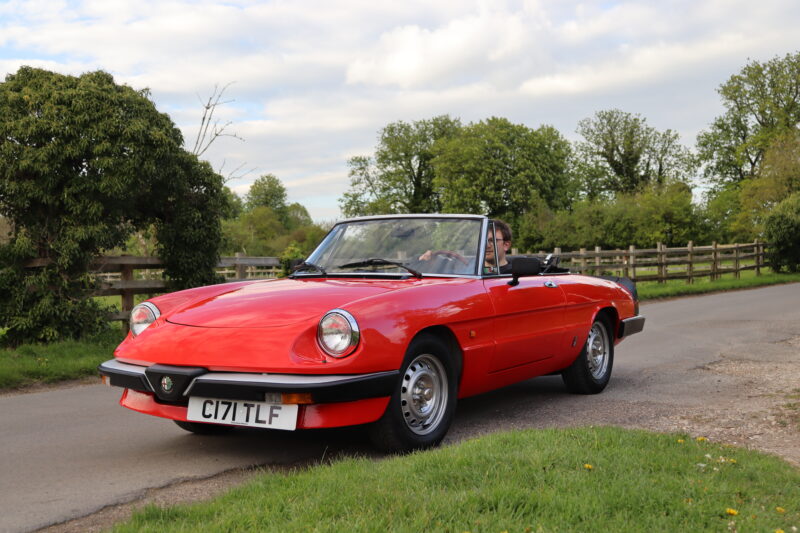
Side-stepping the age-old cliché that “every petrolhead needs to own an Alfa Romeo”, what we will concede is Alfa ownership is certainly unique, and the 105/115 Spider is one the most enjoyable of the Milanese firm’s many great cars to own. Whether your veins run ‘Rosso Alfa’ or you’re simply looking for a great convertible sports car, start your search for a Spider now.