Guilty Pleasures – The Austin Allegro

July 20, 2024
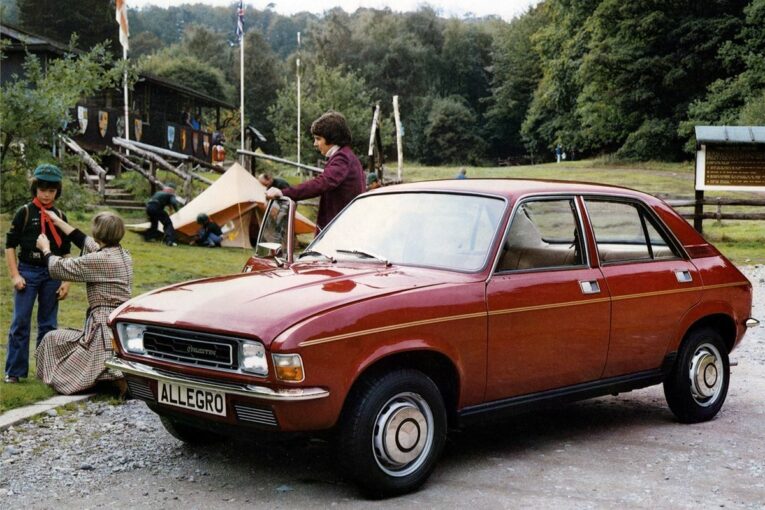
If your family doesn’t have a nickname for the Austin Allegro then chances are you weren’t alive in the 1970s. Ours was ‘squashed bean.’ Other families were less polite, but this was leafy Surrey. The ‘All-Aggro’ is a car that has attracted a verbal kicking or fits of laughter wherever it has trundled since the first ones left the line in 1973.
But not by the people who owned them. They loved their Aggys. They bought lots of them, one after the other, but generally only when one died, which depending upon which day it was built – i.e. a Friday – was often pretty soon. I’m one of them. I bought my All-Aggro as a joke. How meta of me, how woke I thought – or at least I would have done, but this was well before ‘woke’ had ‘woken. As you’ll discover, the joke was well and truly on me.
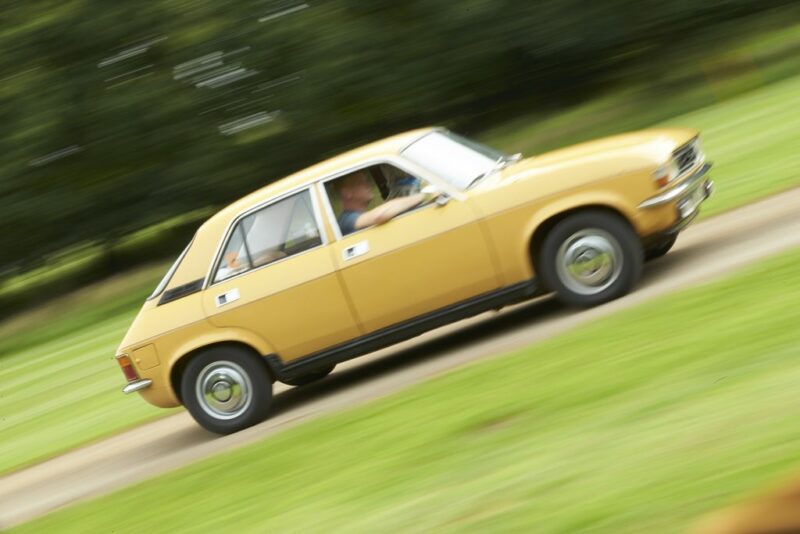
Conventional wisdom has it that the Allegro was born great but emerged as a dud thanks to a series of well-documented compromises of the original Harris Mann design. Yes, Mann was unhappy that his innovative wedge became a squashed bean but was it all down to British Leyland’s management? Nope.
The Austin Allergic was designed for Europe, for a continent dominated by the Common Market. To the suits in Longbridge this meant cheeses that were soft, wines that were drunk by anyone at any time of the day, including in all probability by children, public displays of affection – or likely even more – and cars that were not always square. In short, a degree of creativity was allowed for when it came to the new car because this was deemed something that ‘the continentals’ would appreciate. The flaw in this plan was that the Longbridge bean counters didn’t entirely understand this new fangled creativity thing to mean anything beyond ‘different.’ Namely, not another Morris Minor.
There had been previous. BL had done ‘European’ before, but the job of styling had been outsourced to Pininfarina. And the firm had roundly rejected the car that would arguably influence more ’70s motors than any other – the Pininfarina Aerodynamica. It had been deemed to be ‘too creative.’ They wouldn’t make that mistake again and this time the new European style icon would be styled in-house.
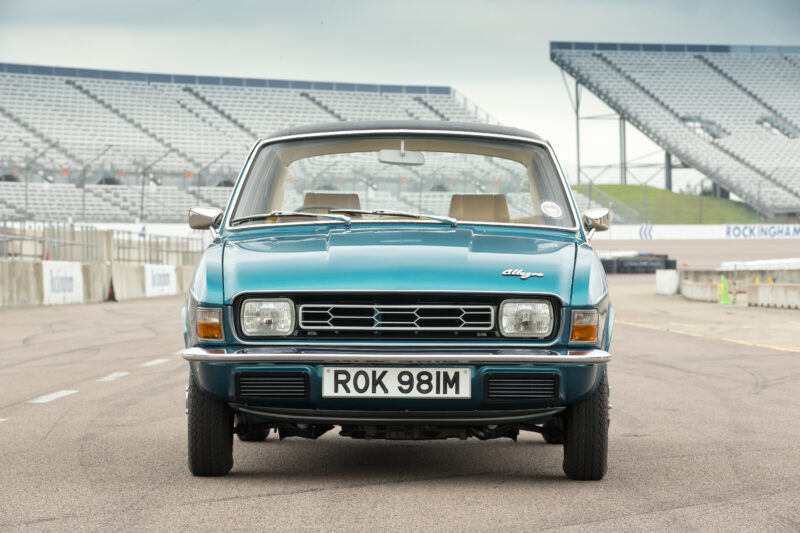
And so the Allegro, with its suitably Continental-sounding name, was a car designed and built for Europe. An avant-garde Austin to persuade all those cheese-eating, vino-swilling Europeans out of their Renaults and their Volkswagens and into Austin’s new family runaround. It wasn’t a car for Mr Miggins of Acacia Avenue, Longbridge. Unless Mr Miggins was about to profess a fondness for smelly cheese and a glass of rosé at any hour. Which we can be sure, in 1973, he wasn’t.
Except, of course, none of that happened. Europe didn’t buy the Allegro. Not because it wasn’t unusual or avante garde but because it was. To the chaps in Longbridge, the Allegro was different, ergo it was stylish. Except it looked stylish only if you didn’t live in Milan or Paris or Nice where they’d been practicing stylish for quite a lot longer than the men in brown suits in Longbridge who hadn’t been practicing it at all, and when presented with examples of what stylish looked like, namely those early Mann Allegro sketches and that Pininfarina concept car, failed to recognise it. As Longbridge was to learn, unusual is the unloved cousin of stylish.
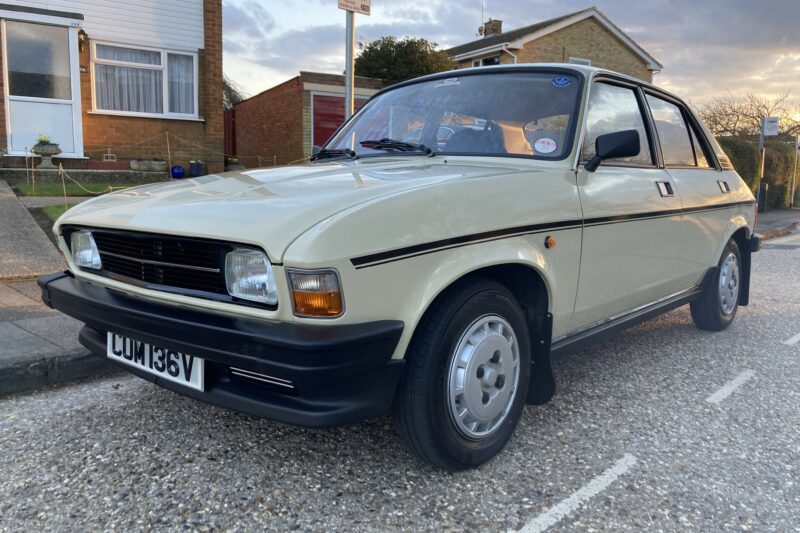
It probably didn’t help that in the early 1970s, generally speaking, Britain as an entire nation wasn’t generally known in Europe for anything vaguely resembling style. We were an insular lot who liked what we knew, and knew what we liked. So a car claiming style, verve and perhaps even pizzazz from a nation who fell hook line and sinker for an April Fool’s joke about something European called pasta growing on trees, was doomed.
All of this meant that the Allegro’s bid for European stardom failed, which left BL with Mr Miggins of Acacia Avenue. The buyer in the country it wasn’t designed to serve.
A car built for Europe destined for Britain. Blighty may have just joined the European Community but we weren’t quite ready to accept equal status with a bunch of nations that, as we saw it in 1973, we’d only recently either defeated or saved from defeat. So all that pain, du vin and indeed ‘du Boursin’ – a garlic cheese that seemed to have been rolled down a grassy hill – were viewed with a heavy dose of scepticism. This stuff wasn’t made in Melton Mobray, of that you could be sure.
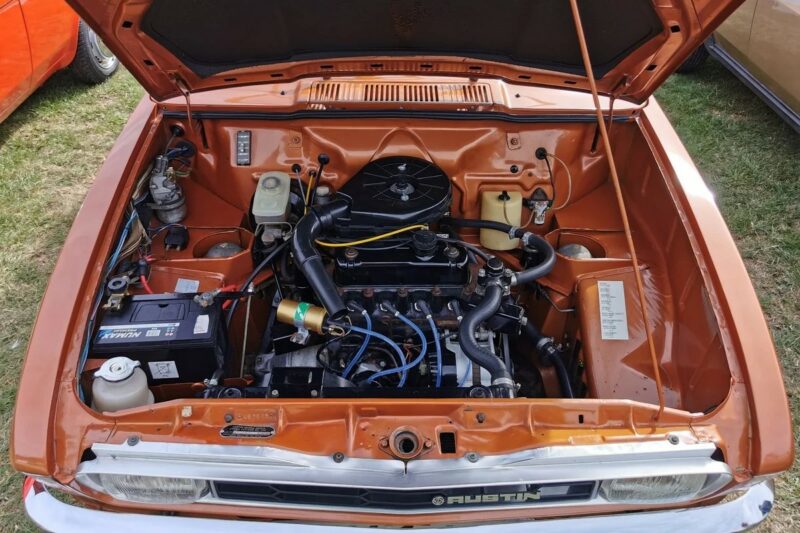
Yes, in the early ’70s some Britains were beginning to buy ‘foreign.’ Alongside the weird cheeses there were the cars. They were usually very expensive – thanks to our protective import taxes – and, like the cheese, usually bought by ‘early adopters.’ These Europhiles didn’t buy Britain’s home-grown European car for all the reasons Europeans didn’t buy it. Everyone else, which was most people, moaned a lot about the people who didn’t buy British. Or cheddar.
Buying British meant buying an Allegro. You might expect a Continental-themed family car built in Britain to be universally disdained. Because now it is. But back then it really wasn’t. At launch, and for some years afterwards, hating the Allegro wasn’t the full story. A lot of people, usually those who bought one rather than those who wondered why anyone bought one, loved them. And with good reason. The Allergy was spacious. It was comfortable. It was decent value. There was an All-Aggro for everyone, including those with aspirations to a country pile with a predilection for the finer things, like eating picnics off built-in trays in the back of the front seats. There was even a sporty one, if you could stomach driving a car badged SS a mere 30 years after the end of The War.
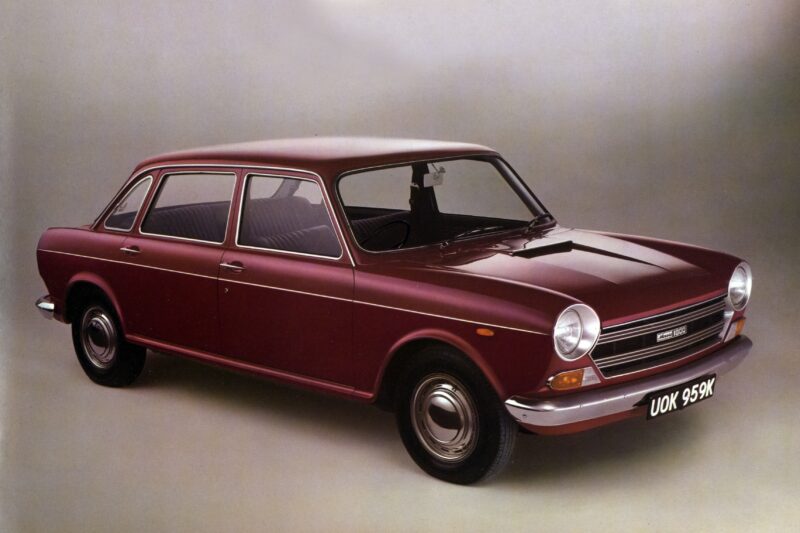
There were also different body styles. Or, at least, there were two and four-door models. There was an estate, too, that aimed for Scimitar-esque sporting glamour but arrived at SWB hearse gloom instead. Crayford did a convertible, which succeeded in giving buyers less of the squashed bean aesthetics but more of the ‘look who’s driving an Allegro’ grimacing. 12 people bought it. There was the promise of lots of different colours, although those drawn in by this would quickly discover that when BL said ‘lots of different colours’ they meant ‘all from the same palette’ namely variations of brown.
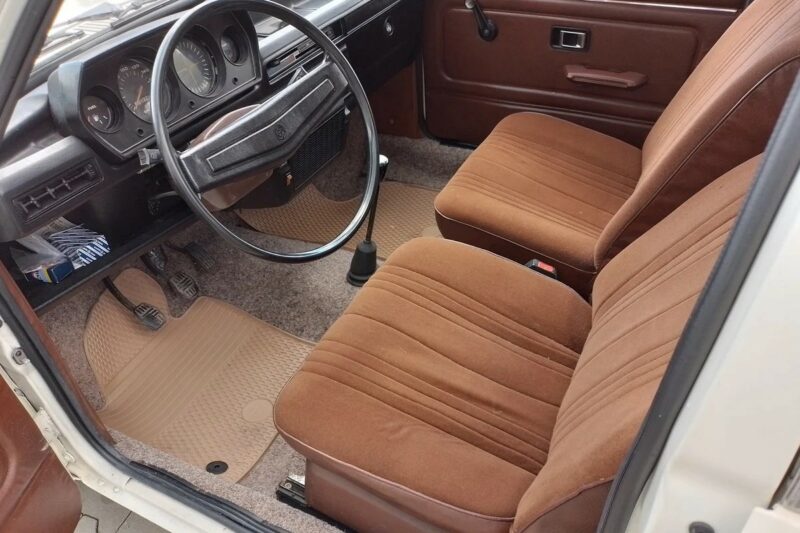
Yes, things went wrong. Wheels fell off, windows fell out, suspension collapsed. And then there was another fresh hell that wasn’t a cheese rolled through a paddock – a square steering wheel. And yet the Allegro sold, if not actually well, then quite well. It evolved, losing the chrome bumpers in favour of chunkier items. There was even a vaguely fancy one with eyes on the style prize. It had side stripes and had a European-sounding name: ‘Equipe’. The advertising featured a lady who seemed to have forgotten to get dressed and then tripped over a casually parked Allegro.
Critics bemoaned its unusual styling and habit of falling apart. Its somewhat less than engaging driving experience. The lack of a hatchback. In that, at least, it was not alone and yet it seemed to single out the Allegro for opprobrium. What much of this ignored is that those who loved their Allegros didn’t care about driver engagement. For them, a hatchback was a new fangled extravagance best avoided. As for the falling apart, in the ’70s everyone was a home mechanic.
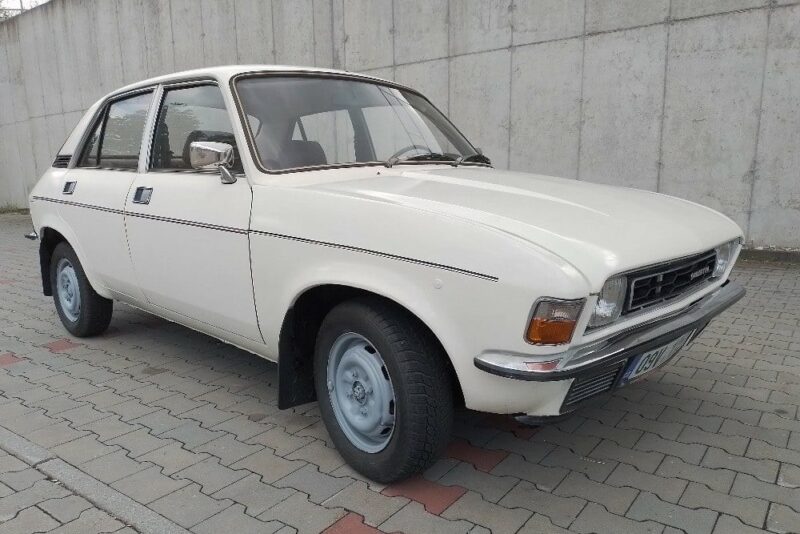
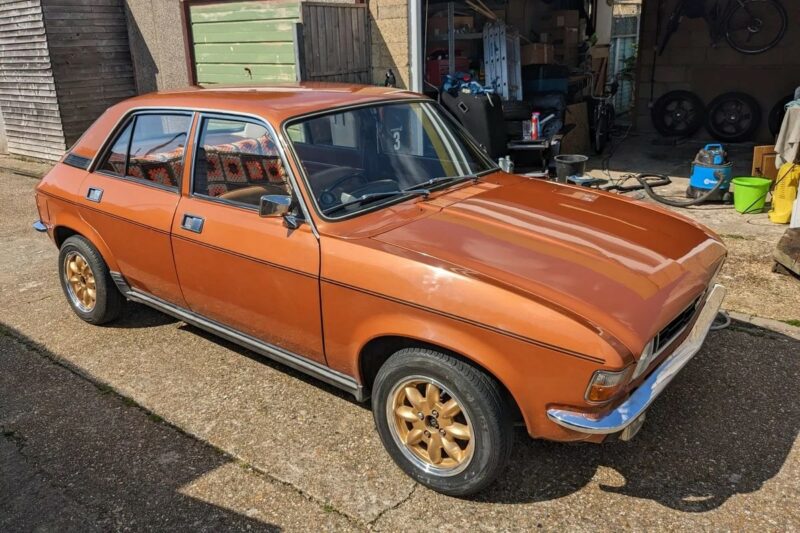
I can empathise. My All-Aggro wasn’t called squashed bean, it was called ‘Brown Fury’. My dad wouldn’t have approved of the crassness but then he wouldn’t have approved of the Allegro either. On the outside it was white, like a car that nobody could be bothered to actually paint. On the inside it was brown, all the browns, like an accident had taken place.
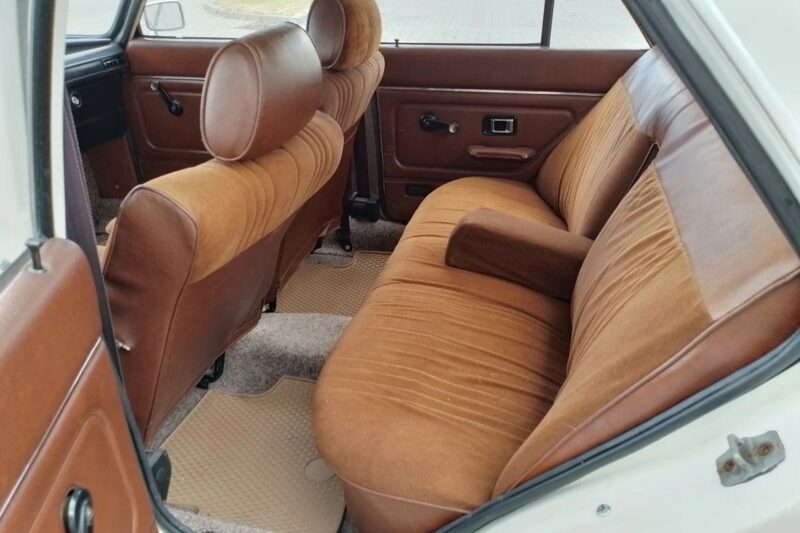
I bought Brown Fury for £250 as a joke. It was a second series car with base spec, 1,100cc engine and hand-painted ‘G’ on the front number plate. The single previous owner bought it as part of BL’s employee discount scheme, hardly drove it but lovingly retained it until he couldn’t drive it any more. This is a familiar story with Allegros – people buy them, refuse to part with them, or part with them for another one. Or, in this case, not drive them.
I discovered why he kept it. Far from being a motorised joke, the Allergy was relaxing to drive and very comfortable. These are features car designers often seem to forget to include. Brown Fury was a reminder of how important they are compared to 0-60 statistics. I also discovered why, perhaps, the previous owner didn’t drive it that often. Piloting Brown Fury anywhere even lightly populated was like being in a motorised spotlight. It was impossible not to feel at least mildly embarrassed. It was like driving a beaten dog. It seemed to visibly cower as it drove, anticipating the brickbats and the laughter. And yes, dynamically it was exceptionally dull. But it wasn’t terrible. Not by a long shot.
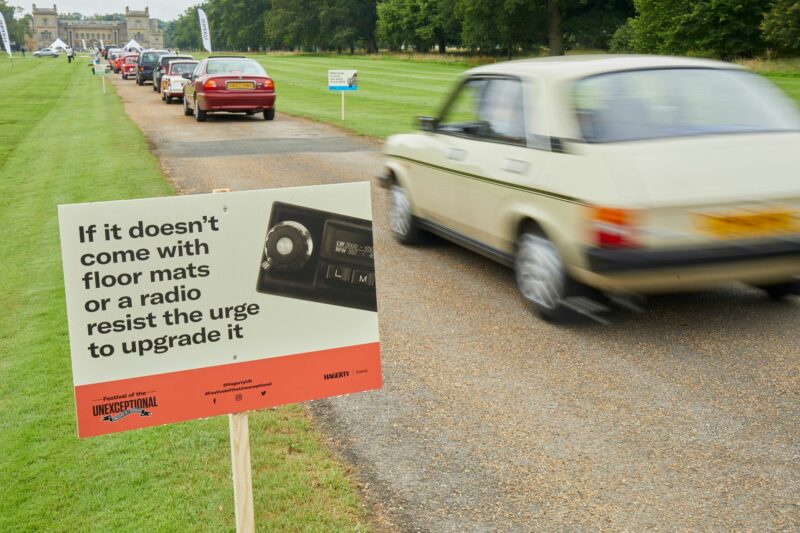
Eventually Brown Fury was side swiped on a ring road, fittingly around Britain’s second motor city – Coventry. I don’t think it was a malicious side swipe. Being the colour of a cloudy overcast day in Coventry it is possible the driver of the battle-scarred Peugeot didn’t even see it. Certainly, apparently, it wasn’t his fault. So, unwilling to make an insurance claim that would have undoubtedly killed it, I sold The Fury to an Allegro enthusiast, of which, it turns out, there are many. I hope it’s out there somewhere, being if not Furious then certainly at least Brown. I discovered I’m not a typical Allegro owner because I didn’t buy another one. But I will admit I do miss Brown Fury.
The Allegro is a car we love to hate. Or laugh at. But it doesn’t deserve it. The real question is: what are we actually hating? What are we laughing at? Our wounded sense of national pride? The ’70s? Brown? Beige? Sandglow? Soft cheese?
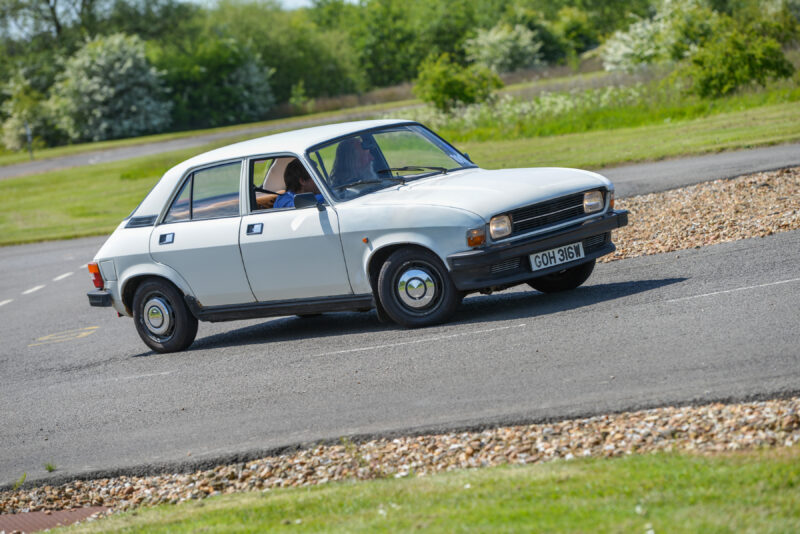
No, it wasn’t great. It was a compromised car built to chase a silly idea. Quite a lot were built badly. But when we hate the Allegro I think we’re buying into a narrative that began in the ’70s when Britain was struggling with its place in the world. As the lights flickered on and off we looked across the Channel and saw busy factories churning out Golfs. The Allegro and its prefect German rival came to symbolise two trajectories of the post war story.
Its time to step to one side and take a fresh look at the Allegro. It was a bold, very British idea to do something different. Something distinctive. It was innovative where the Golf was conventional; comfortable and relaxing where the Golf wasn’t. It tried, and who can criticise it for that? No, it wasn’t very good. But it wasn’t actually terrible. Which, for the much-maligned Allegro, is surely praise indeed.