Ten Questions – David Richardson of Coryton and SUSTAIN

July 22, 2024
It’s been a while since we updated you all on the state of sustainable fuels but that doesn’t mean we haven’t been keeping our collective ear to the ground. It’s an incredibly important topic for us here at Car & Classic and one that is very much close to our hearts so we thought we’d fill you in on what’s been happening with Coryton, its ‘SUSTAIN’ fuel and the industry at large.
We’ve featured Coryton numerous times before here in the mag – it’s the leading supplier of bespoke fuels and a major player in the sustainability game – and CEO Andrew Wilson told us last summer that its self-developed SUSTAIN fuel was fully certified and tested. We categorically proved that the stuff actually works, too, when we filled up an old Rover 800 Vitesse with the fuel and drove hundreds of miles without an ounce of drama.
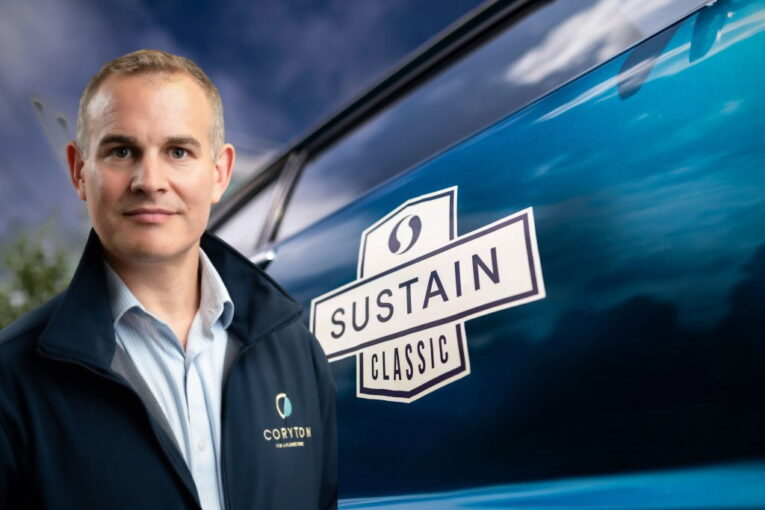
A lot can happen in a year though, especially in tech-driven fields such as sustainability, so we thought we’d catch up with Coryton’s Business Development Director David Richardson (who you’ll no doubt recognise from the above YouTube video) and find out exactly what’s been going on both behind closed doors and in the public eye with regards to SUSTAIN fuels and the industry as a whole.
With so much unhelpful and incorrect information surrounding sustainable fuels, as well as the marketing behind them, it’s important to understand what to believe as fact and what to take with a hefty pinch of the salty stuff. With groups like the Historic and Classic Vehicles Alliance working in conjunction with companies such as Coryton to help develop initiatives, one of which being a Fuel Sustainability Rating scheme in order to provide much needed clarity on the subject, things are certainly moving forward and indeed quickly but what exactly is the sitch? Over to you David…
1) Hi David, thanks for talking to us again. It’s been a while since we shoved our cameras in your face at Motor Spirit HQ at Bicester Heritage and demanded answers but we’re going to do exactly the same again today, minus the cameras of course. Firstly, for those that are new to all this can you give us a little introduction to Coryton and SUSTAIN fuels?
Lovely to catch up again!
So, as a brief introduction, SUSTAIN was launched by Coryton, which is part of the ASPEN Group, in 2021 as part of its mission to create a cleaner future. The brand focuses on developing responsible and sustainable fuels that contribute towards the push for net zero impact, without compromising on performance or engine protection.
Incorporating biofuels and e-fuels, the SUSTAIN range uses a combination of the latest sustainable technologies as they mature. The fuels currently derive predominantly from second-generation biofuels manufactured from agricultural waste, such as straw, by-products or waste from crops which wouldn’t be used for consumption. The drop-in fuel utilises the carbon that already exists in our atmosphere, which the plants absorb as they grow, recycling it, rather than releasing additional CO2, which is what fossil fuels do.
The brand launched the first publicly available sustainable fuel – SUSTAIN Classic – at Bicester Heritage last year, which is when we spoke to you!
2) Now, we know that SUSTAIN fuel is available and that it works – we filled up our old Rover 800 after all – but how can classic vehicle owners currently access this fuel and what’s the plan for world domination? A pump in every forecourt?
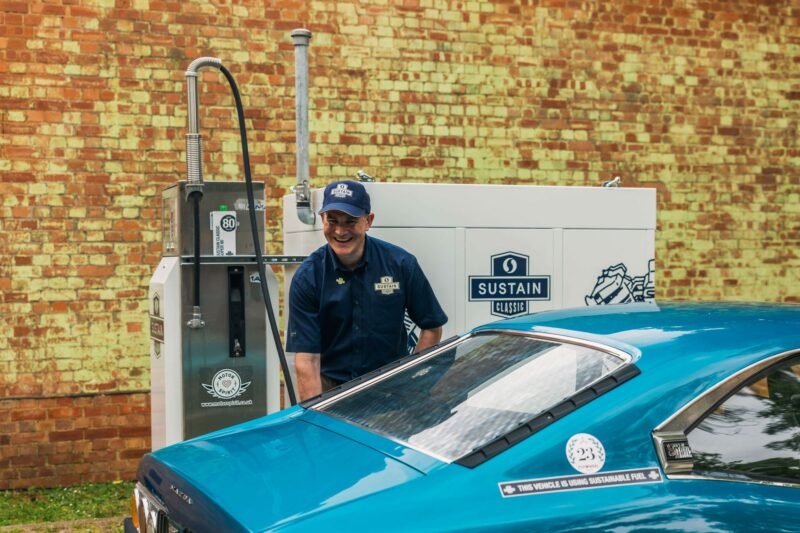
Well, that would be the dream! For now, SUSTAIN Classic is available in three formulations at Motor Spirit at Bicester Heritage. But we are actively working on developing further distribution points dotted across the country, so that more people can access it. We also often have a presence at motoring events, allowing drivers to fill up directly ahead of racing, rallies and shows.
The more we can get the fuel out there, the more we can prove there’s an appetite for it. Sustainable fuel doesn’t have to be an all-or-nothing thing – we can do it in stages. Regular E10 fuel pumps currently contain up to 10% sustainable content (of course, it’s bio-ethanol, which isn’t ideal for older vehicles). But imagine if we could get non-ethanol-based sustainable content up to 25% or 50%. It could start to make a huge difference to our greenhouse emissions.
3) We’re not just talking about one fuel for every occasion though, right? What are the different types of SUSTAIN fuel available and more importantly for many, how much do they cost and is this cost likely to reduce over time?
SUSTAIN comes in two main product lines at the moment.
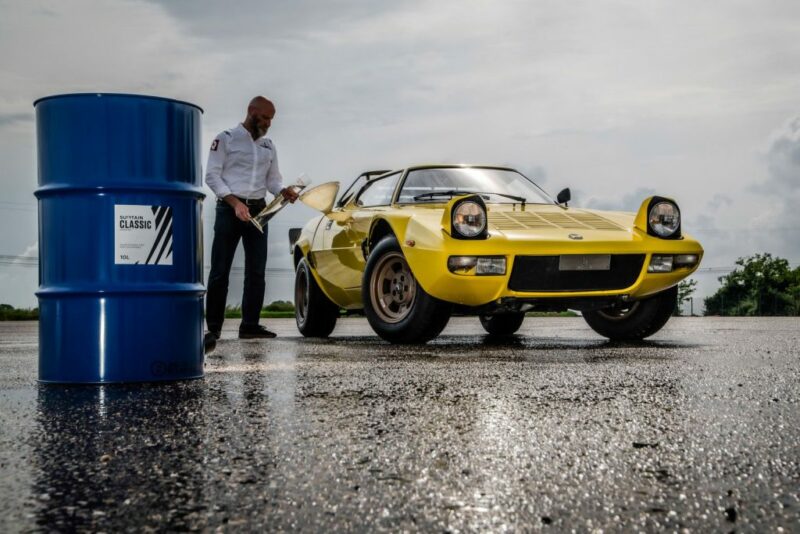
SUSTAIN Classic became the first publicly available sustainable fuel when it launched in 2023. The range includes three different levels of sustainable content to suit a range of customer needs and price points – from 33% to 80%. An even greater range of SUSTAIN Racing fuels are available, including fuels with up to 100% sustainable content, in order to meet the requirements of different racing teams and competitions.
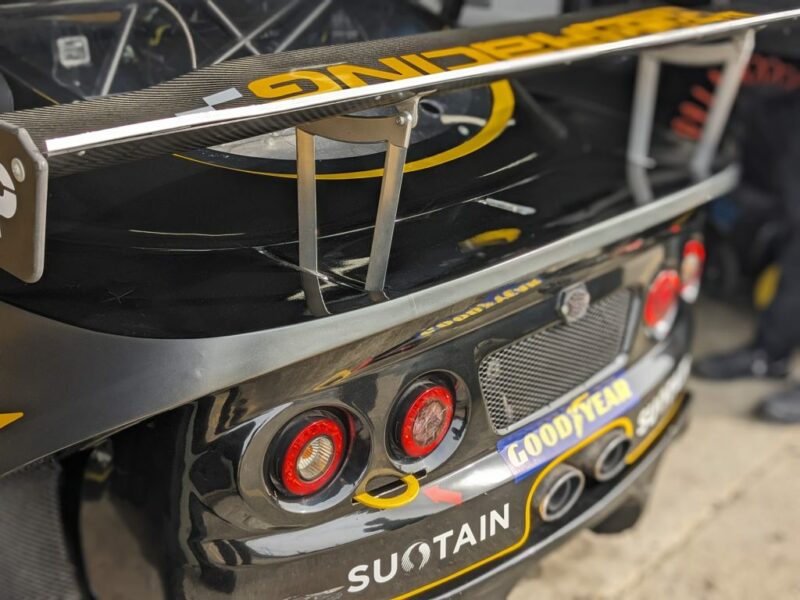
Of course, these fuels are currently more expensive to buy than standard pump fuel. SUSTAIN Classic currently starts from £3.80 a litre. However, like most products, there will become a point where economies of scale start to bring costs down – and we’d really love to see government support for the sector, like there is for EVs. A huge percentage of the price is fuel tax duty. However, it’s likely to always be more expensive than fossil – which we’ve enjoyed at a very cheap rate for many decades. But of course, that low price comes at a high environmental cost.
4) We recently spoke to Guy Lachlan of Motor Spirit and the HCVA about the Fuel Sustainability Rating Scheme. Can you tell us any more about this initiative, its implications for the industry and how it’s progressing?
We’ve been delighted to assist the HCVA, and Guy, in this scheme and have provided information as they needed it. We think it’s really important that there is some way the general public can be assured about the quality – and the environmental credentials – of the fuel they buy. Like all industries, there needs to be checks and benchmarking in place and we’d hope that all sustainable fuel providers would sign up for the scheme.
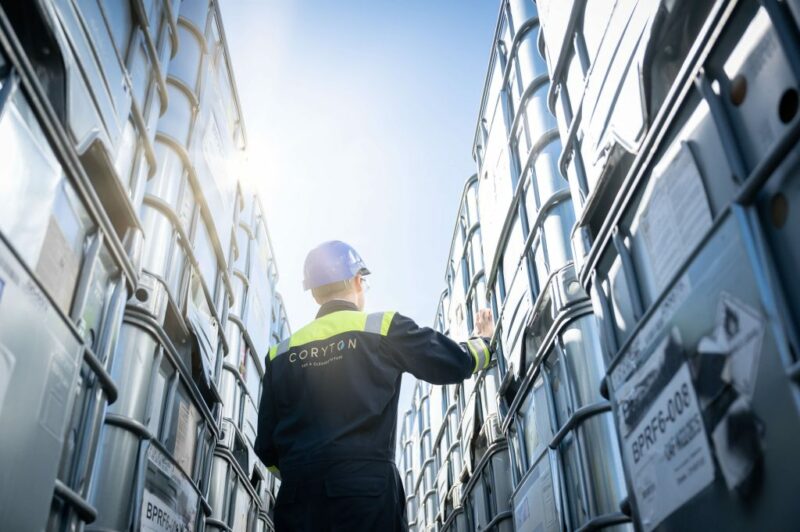
5) We’re fully aware that current government policies and legislation can be prohibitive but what are the biggest difficulties you’ve had to overcome with regards to the proliferation of SUSTAIN fuel as well as educating and spreading awareness of the technology and the product itself?
I think you’ve hit the nail on the head within the question. A lack of education and misinformation are the main barriers we face. There are a lot of mistruths about sustainable fuel and a lot of genuine misunderstandings. Some people have decided the ICE is the villain, without really considering that it’s the fuel that is the issue, not the motor engine.
EVs have been put forward as the single, silver bullet solution and we don’t believe that to be the case. We do, of course, support EVs, we just think that there is no one perfect solution for the problems we face. Yet. In the meantime, we should be using every available technology in the fight against climate change. If we could get those in power to really understand what we do, and explain how sustainable fuel doesn’t have to work in competition with EVs, it can run alongside it, it could be a huge step forward.
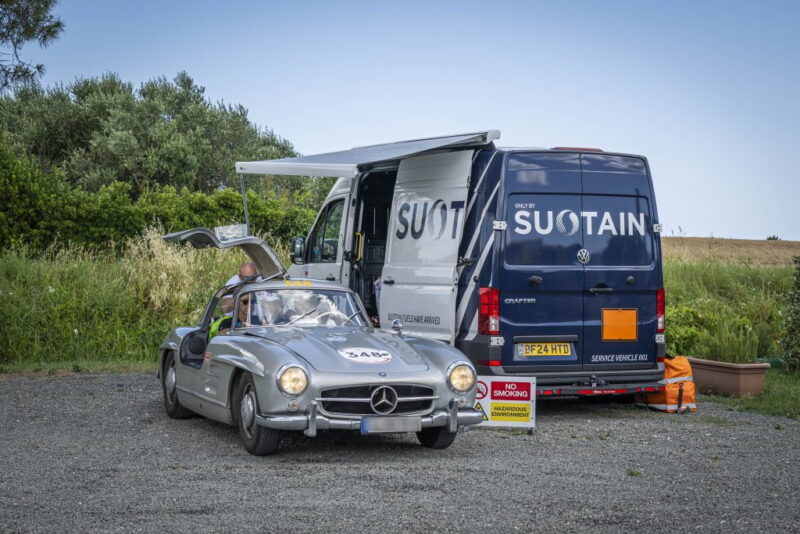
6) Along with Car & Classic, SUSTAIN fuels has partnered with ASI Circuito Tricolore for its classic vehicle rallies this year in Italy and you’re also sponsoring Aston Engineering’s Peak Classic jaunt in July (among many others). How important are events and partnerships like this in spreading the word?
They’re hugely important. Getting out and talking to people in the industry, or letting them try the fuel for themselves, is vital and we find events really help us to spread the word. People always have questions and so we can address those face to face and allay any fears – whilst showing how there need be no drop in performance running on our sustainable fuel.
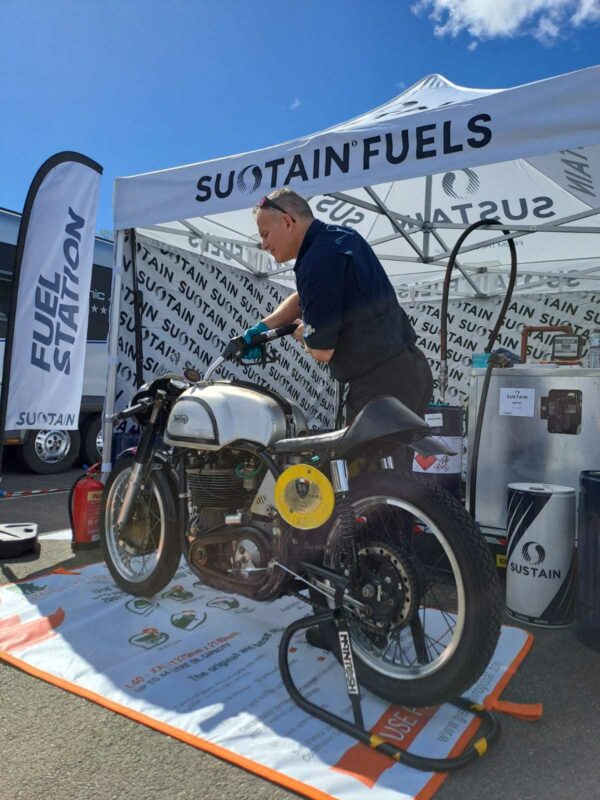
7) As an industry, our collective impact on the environment as a community is negligible so why do you think there is so much negativity surrounding classic cars with regards to the environment? Why isn’t the government leaning as hard on other sectors to be more sustainable, like aviation for instance?
As you say, the classic sector is never going to be one of the largest polluters in the grand scheme of things. By their very nature, many classic cars don’t do a huge number of miles. However, it may just be that these types of vehicles feel more visible and commonplace than their counterparts, which is why the spotlight shines brighter here. It’s hard to know.
What I would say is that there’s a lot of great work being down in other, larger, sectors too, such as aviation and marine. And, as a business, we are actively involved in that progression. For instance, we fuelled the first sustainable motorboat race on Lake Windermere earlier this year and we’ve contributed to aviation fuel research. I think it’s quite clear that aviation will not be able to go electric, so sustainable fuel will be key to decarbonising air travel.

The more people see the potential for sustainable fuel across lots of different sectors, the more support it gets generally, which can only be a positive thing for the industry as a whole.
8) Personally, we see sustainable fuels as an alternative to electric vehicles, rather than the two being mutually exclusive, but how do you see current internal combustion engine cars fitting into the grand automotive landscape going forward and what’s your take on EVs in general?
We have absolutely nothing against EVs, and they can play a vital role in our personal transportation system. They’re great for short journeys and city travel in particular – but people in rural areas or who regularly travel long distances are understandably more hesitant.
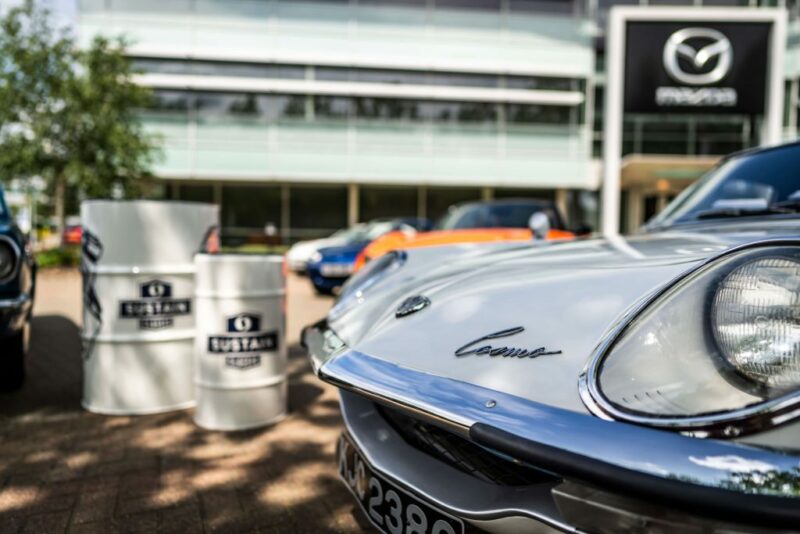
In our mind, regardless of what happens in the future, right now there are millions of ICE cars on our roads. Unless we provide something else for them to burn, they will continue to use fossil fuel until they are too old to be driven. So surely, it’s better to be taking action to tackle those vehicles– even if another ICE car was never made again?
I also see plug-in hybrid vehicles as a strong potential option as they could use battery power for the vast majority of our travel needs, and then sustainable fuel for longer journeys. This could help eliminate range anxiety and would mean batteries could be smaller too, which also has benefits.
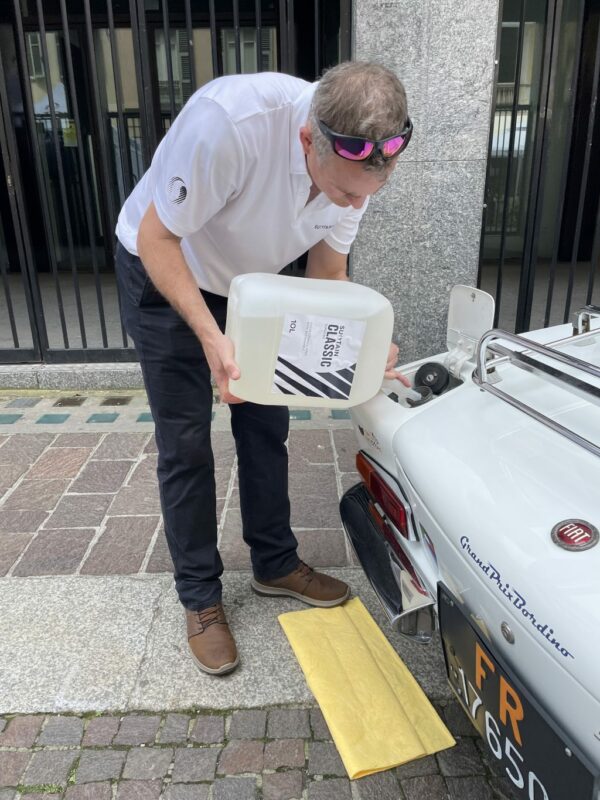
9) Do you envisage us getting to a point with sustainable fuels that we’re currently at with fossil fuels, i.e. a handful of brands supplying a standardised selection of wholly accessible fuels across the board?
With the right support, we’d like to think we could get there. With the government-imposed deadlines on EVs and ICE vehicles due to roll out in the years ahead, we’ll be entering unchartered waters. It will be interesting to see how the industry responds, and the general public of course!
10) And finally, if AI doesn’t destroy us all, how do you see the future of the classic car industry as a whole taking shape over the coming years and what role do you hope Coryton and sustainable fuels will play in that future?
We’d like to see sustainable fuels being pivotal to the continued acceptance of the classic car industry. The classic car sector is full of passionate enthusiasts and it would be great if they were seen as the early adopters, who are then driving (pun intended) other sectors to try something new.
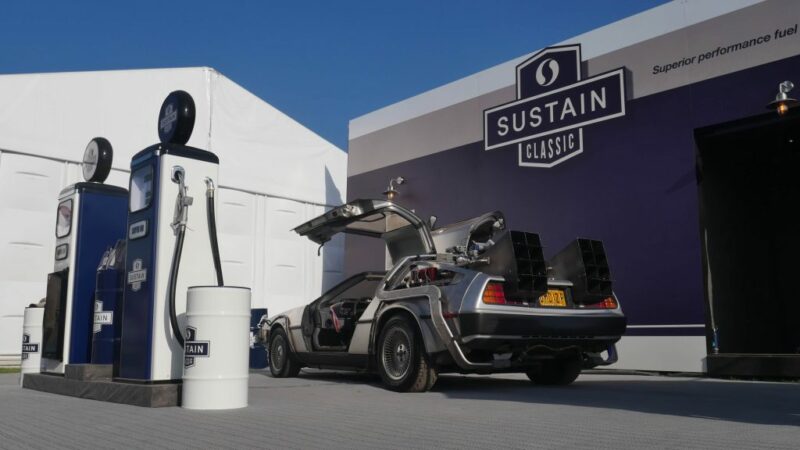
Today’s modern car will be tomorrow’s classic and these should be able to be enjoyed in an environmentally friendly way, for as long as possible.