The Triumph Stag – Five Things You Need to Know

November 13, 2024

We Brits love to give ourselves a good kicking from time to time. Take the Triumph Stag for example (“I wish you would,” we hear you cry). Few British cars of the ’70s not actually called Allegro or Marina have been so utterly and resoundingly verbally thrashed as Triumph’s great sporting hope.
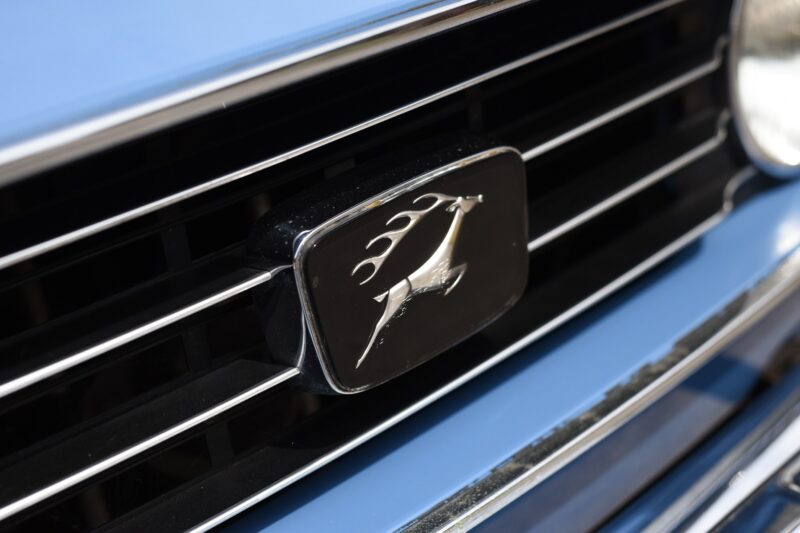
The Stag promised much. It was a clever idea conceived in Michelotti’s design studio and presented to the chaps at Canley. He proposed a premium convertible to beat Mercedes-Benz at its own game using proprietary mechanicals and the structure from the Triumph 2500 saloon. Unlike the R107, the Stag would be a full four-seater and considerably less boxy thanks to Latinate styling. There would also be a V8, a clever evolution of Triumph’s slant four.
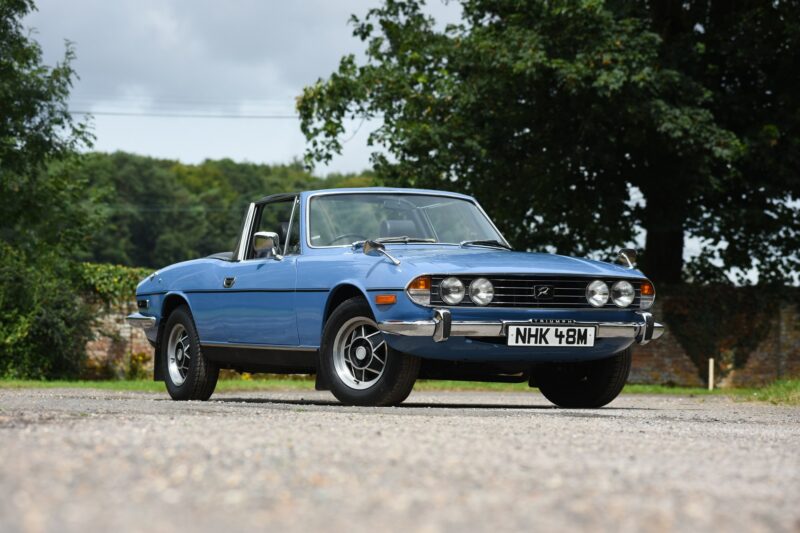
It was launched in 1970. Bodies were built in Speke, Liverpool with final assembly at Triumph’s plant in Canley, Coventry. The Mk2 arrived in 1973 and can be identified by its alloy wheels and coachlines but production ended in ’77 after a paltry 25,000 cars left the factory.

Putting aside the ‘hopeful’ idea of British Leyland producing a car to match German quality, the Stag seemingly had all the ingredients for success. It was a British car built to do rather well “over there” – namely Europe and the USA. Things didn’t exactly pan out that way, however. No, it wasn’t built well. Yes, it broke down quite a lot. Yes, it rusted, yes it overheated, and yes people stole its coolant (apparently). Yadayadayada. We know all this.
The trouble is, that was 50 years ago, and because we do know all this, buying a Stag now does not come freighted with those problems. An army of specialists and enthusiastic owners has found workarounds for the well-known weaknesses of a car that was rushed to market before it was ready and built by people somewhat disinterested in the notion of ‘quality.’ Do your research, check your prospective purchase and you get not a motoring lemon but one of British motoring’s best convertibles. A well sorted Stag handles neatly, burbles delightfully and seats four in comfort with the roof down. Not many classics can do all that, but before you head off to search these fine pages for your very own Stag, here are five things you need to know.
1) Bodywork, Hard Top & Soft Top
Any ’70s classic is going to present some structural red flags. The Stag is no different. As a general rule, early Mk1 cars were better built and used higher-grade steel, so tend to be more durable. But all Stags are susceptible to similar problems.

These cars were not built to last 50 years. So they rot. Sills go, arches go, chassis outriggers disintegrate, front floor pans and inner wings go, inner and outer sills, the boot floor corrodes, drainage channels block, door bottoms rust and water gets into the seams between panels. They rot behind the seats in the roof well. Check all of these areas carefully. It is a long list, but it’s a similar list to most classics of that era.
The chrome trim features were attached using plastic clips fitted into holes drilled in the bodies. Those holes rot out behind the trim, which is not always obvious.
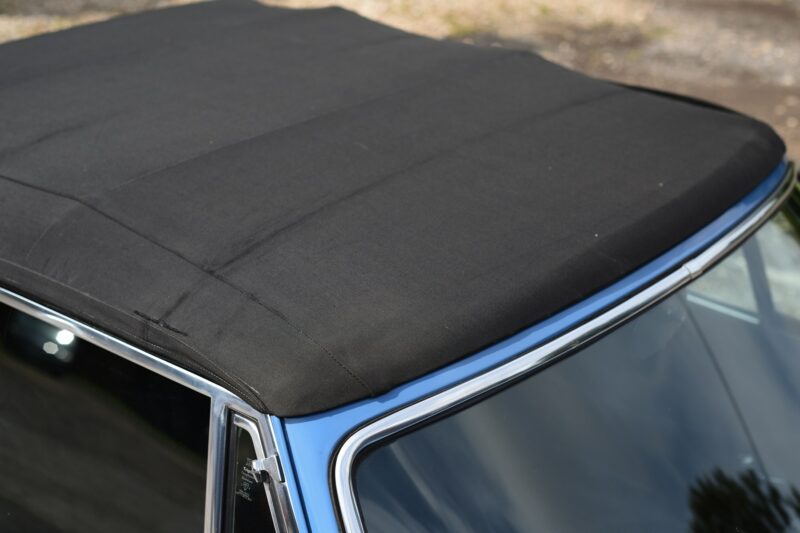
The roof system is based on the one on the R107 SL but is considerably less durable. It twists, resulting in poor fit, which can be exacerbated as owners try to make it fit. Hard tops are little used so can deteriorate at the back of a damp garage. The good news is that all of these problems are well-known to specialists so if necessary find a decent, knowledgeable repairer who can do these jobs efficiently. Parts are relatively inexpensive, too and mostly readily available.

2) Engine
Oh, here we go, you’re probably saying to yourself. He’s going to tell us it’s all rosey under the bonnet and the endless tales of woe around the 3L V8 are nonsense. Well, in a way, yes I am. There is nothing fundamentally wrong with the design of the Stag’s V8. The problems relate to the construction, the quality of the materials and to under-development. Poor maintenance also contributes.
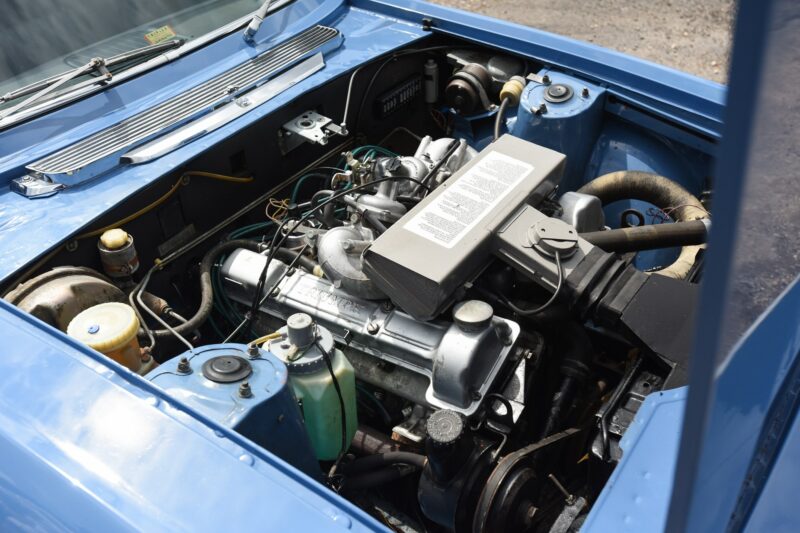
The engines suffer overheating and warped cylinder heads. The former is largely due to an inadequate water pump and the latter due to poor quality alloy. Poor maintenance, including incorrect antifreeze mix, can lead to radiators silting up, which exacerbates the problem. Most regularly used Stags will have had these factory problems rectified and now run improved cooling systems. This is a key check when buying.
Also check the timing chain, which should be replaced every 30,000 miles and the car should be serviced every 3,000 miles. Many Stags are irregularly or rarely used so look for a thick history file indicating the seller has maintained the car irrespective of mileage.
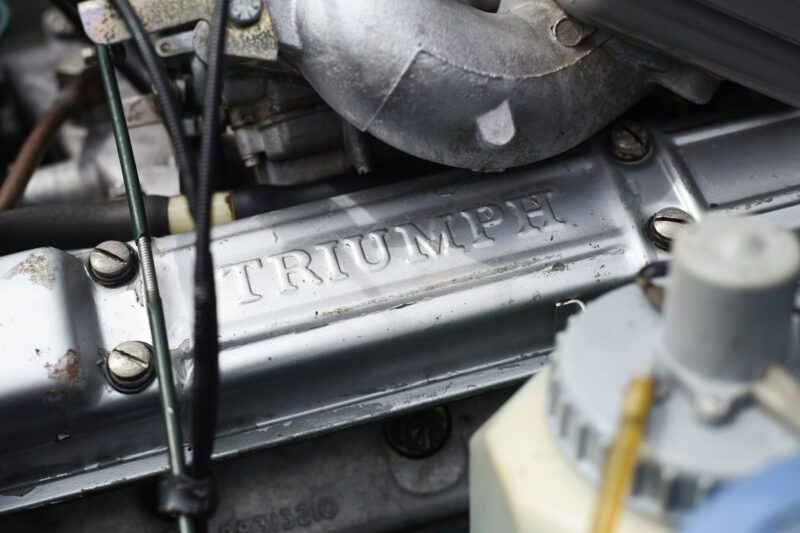
Due to problems in period – and the reputation – many Stags have been switched to Rover power. These cars are less valuable and with good reason – a well-sorted Triumph V8 is a thing of aural wonder, a burbling, charismatic motor that is a key reason to want a Stag so bear that in mind when looking around.
3) Gearbox
The Stag was available with a three-speed automatic or four-speed manual box. Overdrive was optional on early cars and standard on Mk2s but both units are durable. The auto suits the car’s character better but the manual is preferable for high-speed driving. For that reason many buyers opt for the effective – but expensive – Tate & Lewis four-speed automatic gearbox conversion.
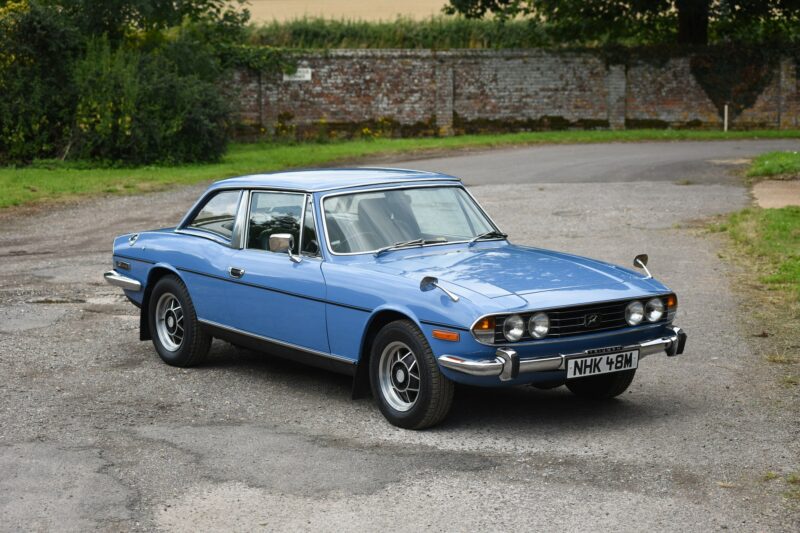
The signs of wear and issues with both mechanisms are common to most auto and manual units. The auto should change smoothly and quickly. The manual should engage slickly with minimal play and no crunching.
4) Suspension, Steering & Brakes
A well set up Triumph Stag should drive well. Really well. Triumph was well versed in creating smooth-riding, nimble-handling sports cars and these qualities are one of the main reasons to choose the Stag over the R107. Poor maintenance erodes all that advantage. Most noticeable of which is wear in the steering rack, which creates a wheel wobble that appears to be a balancing issue but isn’t. Play in the rear suspension can create a characteristic ‘shimmy’, too, when accelerating out of bends.
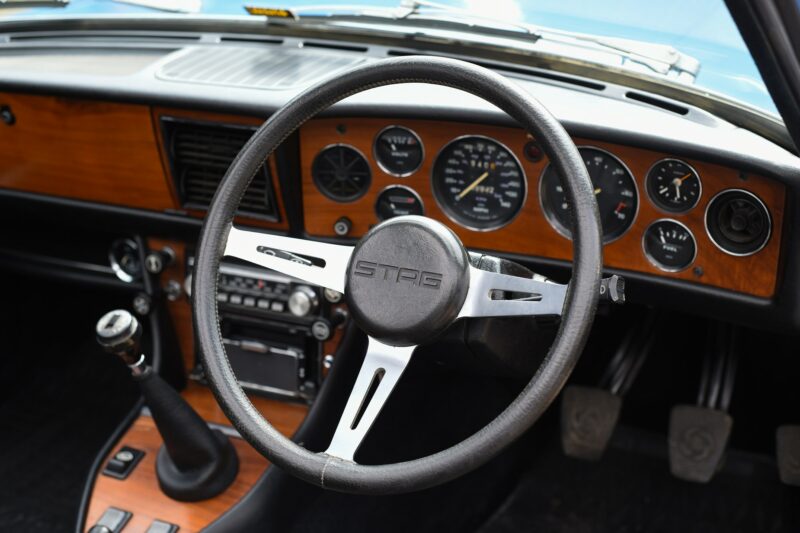
There are many options for upgrading the suspension, including polybushing and lowering, but we’d argue that a well-set-up factory-standard car is all the Stag you need. The brakes use a reliable and simple system and are generally not a cause for problems unless poorly maintained so check for signs of neglect.

Stags should ideally be fitted with Michelin XAS tyres. Due to the problems sourcing correct sizes, many have van tyres fitted. Replacing these should be a priority as they don’t help the ride and handling.

5) Interior & Trim
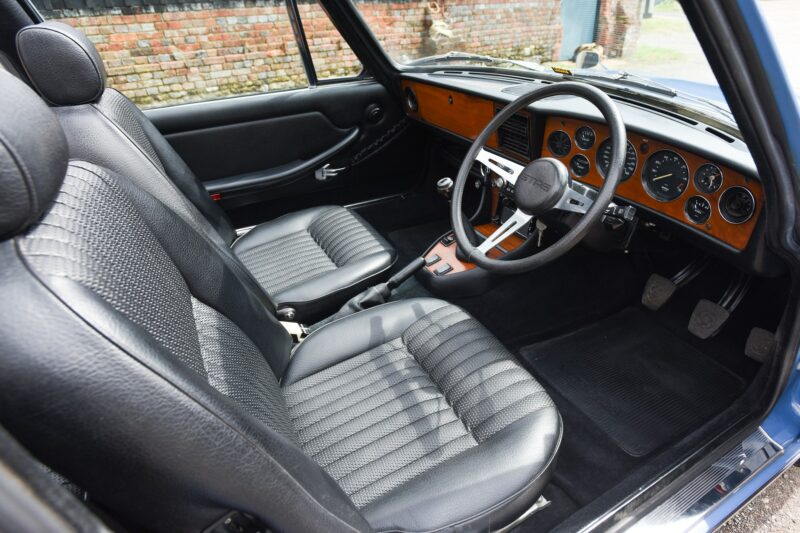
The Triumph Stag was available, in a manner Henry Ford would surely approve of, with vinyl or vinyl. Some press cars were trimmed in leather, but the factory considered patterned vinyl the best solution for Britain’s erratic climate. Stag interiors are, consequently, very hardwearing. Seat foam does tend to collapse – which is easily fixed – and some trim features wear, such as switches and the symbols on the column stalks. Veneers are hardwearing but, of course, will deteriorate over time. Replacement factory fittings are generally widely available though and upgrading to leather and walnut for the dashboard are common improvements that do lift the interiors.
Do you want one? We do. The Stag’s reputation goes firmly before it, but it’s based on a mix of facts that really relate to cars in period and a few myths thrown in for good measure, fuelled by the usual anti-BL mindset. Do your homework, choose a car carefully – ideally one that has been maintained or where someone else has done all the work – and you get one of the most characterful classics of the ’70s. The Stag is a car you can hear coming – that’s a good thing – and gifts access to one of the best owners’ clubs on the scene.