Citroën CX – The Time is Now

December 21, 2024
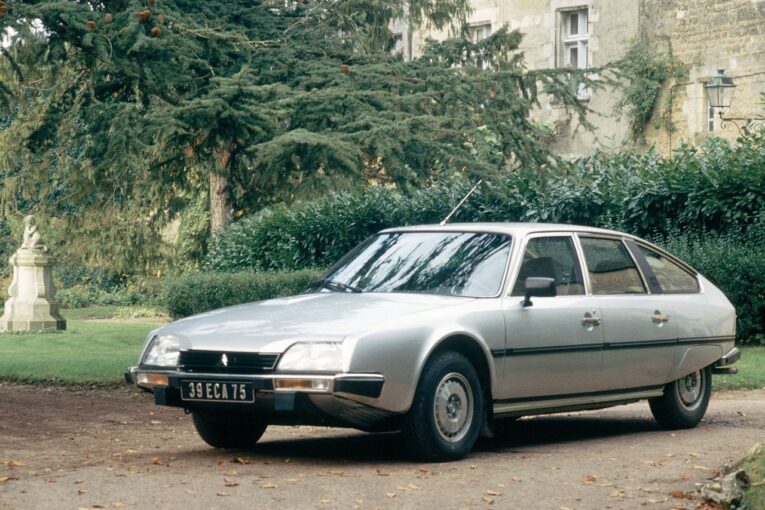
We’d love to know what Citroën’s design team was smoking for much of the twentieth century. Perhaps there was something in the water, or the finance department would sign off anything that landed in their in-tray without reading it. You can imagine the engineers daring one another to add yet more crazy features until one of the higher-ups finally got wise to what they were up to and the CX is no exception.
Regardless of what was behind Citroën’s bout of mad cars, this really was the brand at its best. The list of industry firsts is exhaustive: The world’s first hydropneumatic self-levelling suspension system, the first mass-production cars with disc brakes, swivelling headlamps – the list goes on…
The DS is rightly revered as heralding the start of this golden era, the SM is loved for its association with Maserati, and the smaller GS/GSA and BX seem to be accruing an enthusiastic new fan base. But for whatever reason, the CX has been left behind in people’s affections. You can still pick up a good one for the same money if not less than a 2CV! And when you consider what each car offers, that’s quite remarkable.
Make no mistake, a CX (or any hydropneumatic “Big Citroën”, for that matter) is not for the faint of heart. If you’re the sort of person who winces at the mention of remote-controlled self-centring hydraulic steering that runs off the fan belt, it’s probably not for you. But if you value design, innovation and unpretentious Gallic cool points over reliability and the ability to pay your mortgage each month, we reckon now’s the time to get your hands on this oft-overlooked executive cruiser.
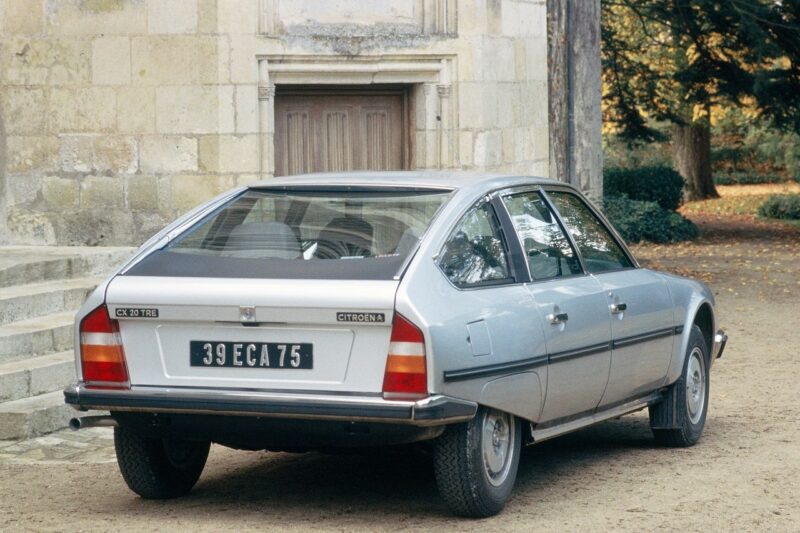
An Introduction to the Citroën CX
It’s impossible to overstate the enormity of the challenge Citroën was faced with when it came to replacing the DS – the firm’s Magnum Opus. It’s said the words of French writer and filmmaker Marcel Pagnol hung on the door of the research department, roughly translated as: “Everyone thought it was impossible, except one idiot who did not know it, and did it.” A glance at Citroën’s current output suggests Stellantis have since taken that sign down, perhaps replacing it with the nauseating “Live, Love Laugh” scribed upon a piece of driftwood in the inevitable Comic Sans. We digress…
A tough act to follow then, to put it mildly, but Citroën undoubtedly went about it the right way. Instead of trying to create something totally different again, they critically examined the DS, identified its shortcomings and sought to fix them.
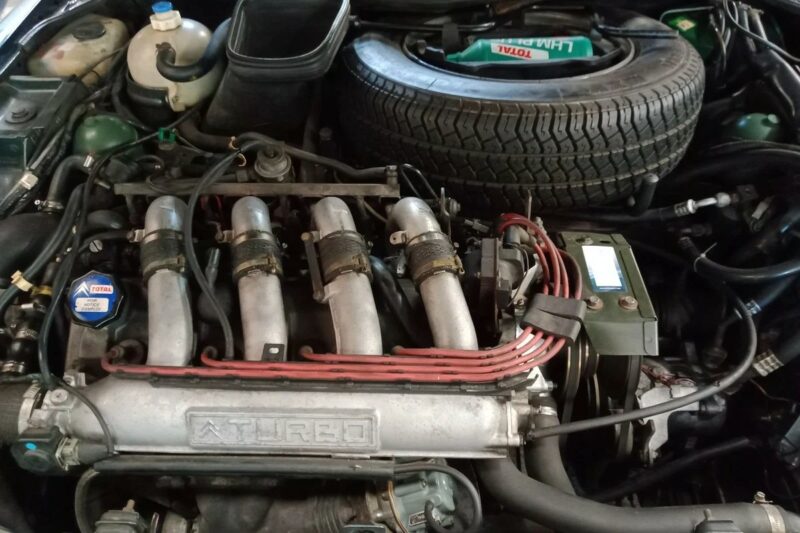
There were plenty of aspects of the DS to improve, chief among which was the engine. It was lumbered with an embarrassingly old-fashioned and somewhat agricultural inline-four, initially borrowed from the Traction Avant and updated little during the car’s production. The story goes that Citroën had originally planned an air-cooled flat-six but ran out of money. They later tried again with a 106hp Wankel unit borrowed from NSU, but again, this never came to fruition, and the brief dabble with Maserati’s quad-cam V6 for the SM showed it was possible to be overambitious…
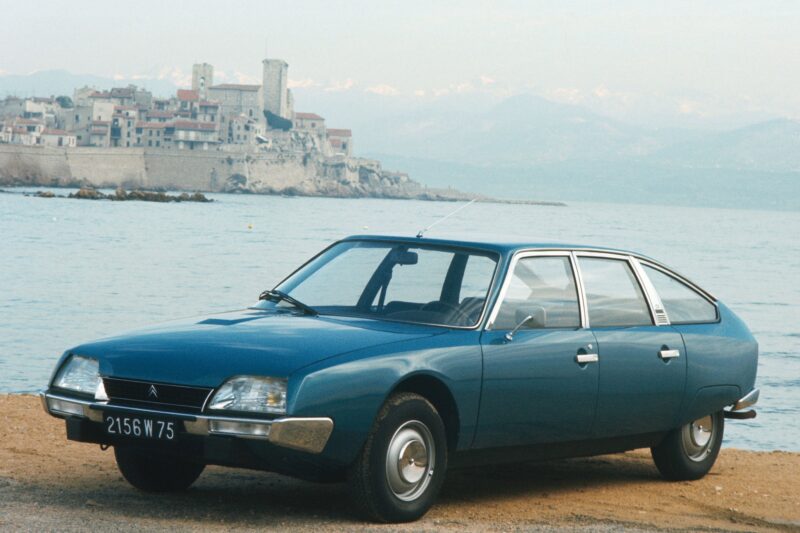
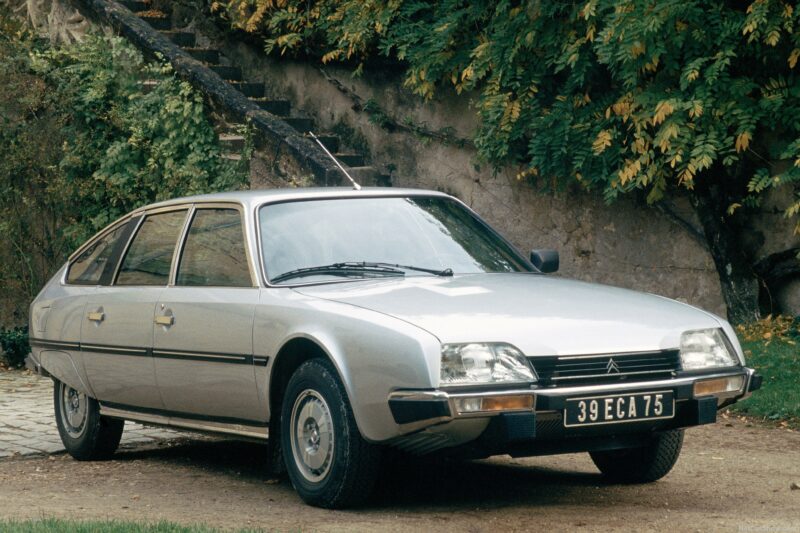
The CX was launched at the 1974 Paris Motor Show and proved to be an enormous success. It looked newer and indeed felt newer to drive than its predecessor, not to mention the fact it was far better equipped, quicker and safer.
The CX introduced a wide range of four-cylinder powertrains, including well-regarded diesel and turbocharged options, which could either be paired with four and five-speed manual gearboxes or a proper three-speed auto, leagues ahead of the DS’ tricky semi-automatic system, which made the car notoriously hard to manoeuvre.

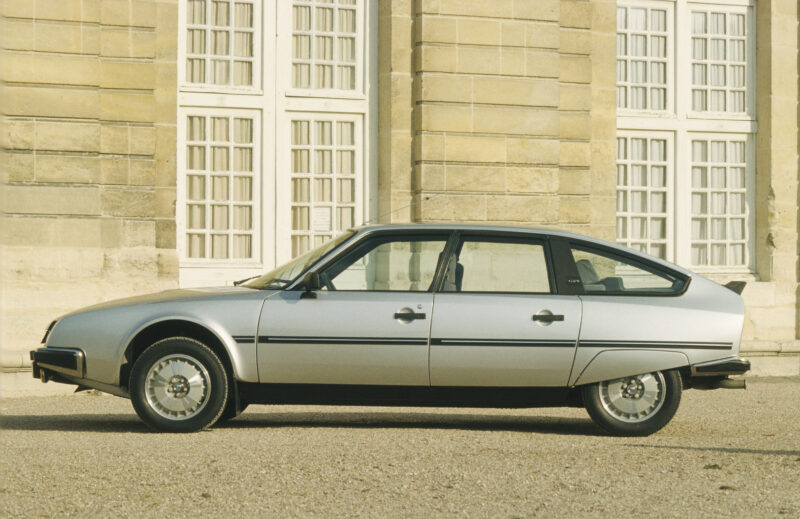
DS influence is clear in the styling, but the look of the CX was brought up-to-date by Robert Opron using advanced aerodynamic testing. ‘CX’ is the Continental unit of drag coefficient, and at a supremely slippery 0.36, you can see why Citroën chose the nomenclature.
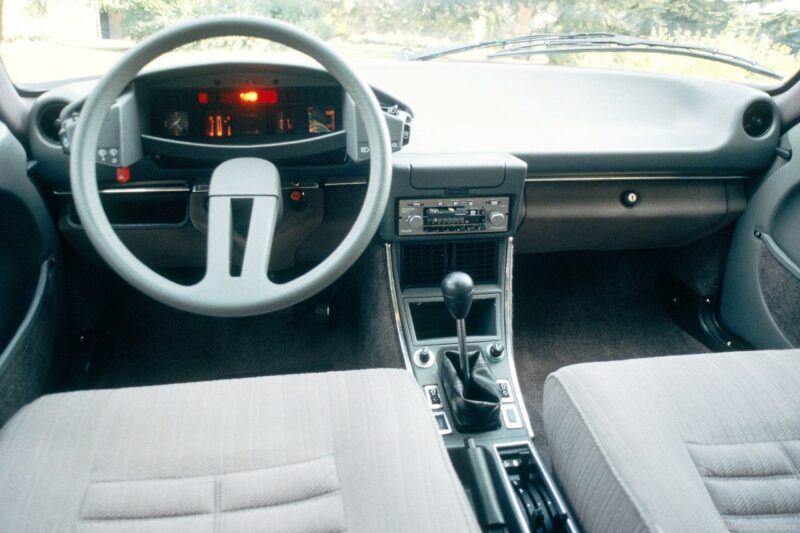
By far the maddest and, to our eyes, most alluring element of the design was the interior. Behind Citroën’s signature single-spoke steering wheel, early examples received the so-called “Spaceship” dashboard with an annotated diagram of the car acting as a warning light system and utterly bonkers instrument cluster with oil-filled rotating drums for the speedometer and rev counter. In lieu of conventional indicator stalks, we find “pods” next to the steering wheel, with computer keyboard-like buttons for key functions like windscreen wipers and indicators – which following the Citroën tradition – did not self-cancel.

As before, an estate car version called the ‘Break’ in France or ‘Safari’ in the UK was also offered. Thanks to a high roofline and self-levelling suspension, this version offered immense load-lugging capacity. It also became the basis for the seven-seater ‘Familiale’. If you fancied an executive limo, there was the long-wheelbase ‘Prestige’, which claimed more rear legroom than any other standard-sized saloon on the market. And lest we forget the Plateau Tissier – an eight-wheeled CX-based flatbed car transporter that would squat down on its adjustable suspension to allow vehicles on and off. Comme c’est fou!
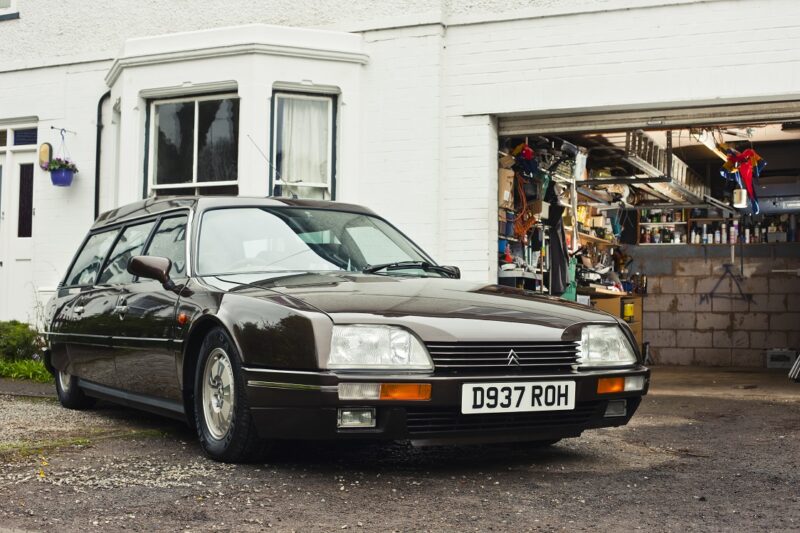
Ride quality was (and still is) unrivalled. Many say this was the best incarnation of Citroën’s legendary hydropneumatic system, offering a so-called “magic carpet ride”. Hydraulics also operate the braking system and ‘DIRAVI’ self-centring hydraulic steering. It’s hard to think of a car better suited to today’s pot-hole-ridden roads, especially here in the UK, but that particular rant is for another day…
What Should I Look For?
To be quite candid, it doesn’t bear thinking about the number of ways a CX can (and most likely will) go wrong. They’re complicated, experimental and unconventional, but it’s these qualities which make them attractive as much as they are troublesome. To save on the bigger bills, look for examples that have been serviced and exercised regularly. Tracing and remedying hydraulic faults is a costly business and requires an expert touch. Fortunately, there are still specialists out there who know how to keep these old Citroëns on the road. As with any ‘70s or ‘80s car, they are prone to corrosion, and it pays to remember that, unlike a DS, the CX has a more conventional monocoque construction rather than DS-style bolt-on body panels that can easily be replaced.
The good news is that we often find that CXs were originally bought and cherished by Citroën enthusiasts. That means many survivors were garaged from an early age and treated to the level of servicing these cars need. There’s an array of such examples on Car & Classic right now.
What Are Prices Like?
As with almost any classic, the very best examples will set you back considerably more, but good, well-looked-after CXs can be bought for under £10,000. Expect to pay £2,000-£5,000 for a decent project, £7,000-£10,000 for a well-sorted driver and anywhere up to £20,000 for the very best cars in the desirable specifications. When you consider how advanced these cars were and benchmark them against an equivalent Mercedes-Benz or BMW, a CX gives you a lot of bang for your buck.
They’re a lot less hard on the wallet than an equivalent DS and as we’ve already established, objectively a better, more usable car.
Why Should I Buy One?
Modern cars are getting duller by the day. It really doesn’t get less dull than a Citroën CX. They’re also supremely usable for their age and can readily be daily-driven so long as they receive the correct level of maintenance.
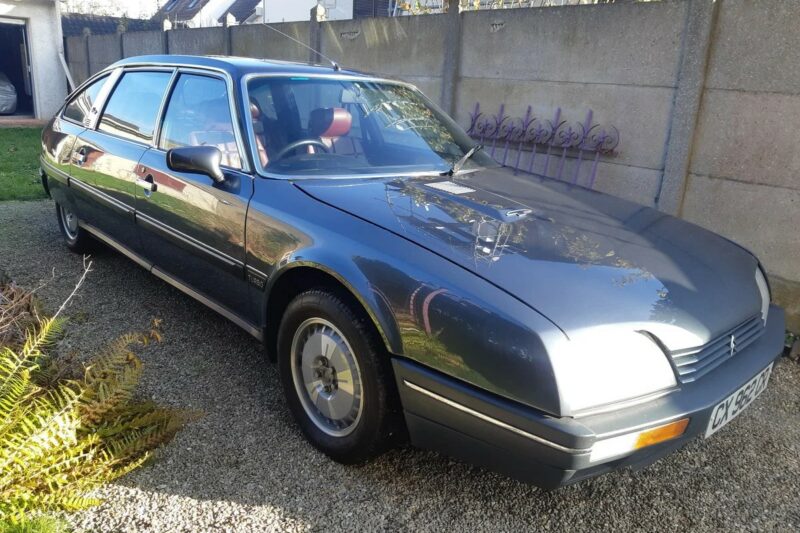
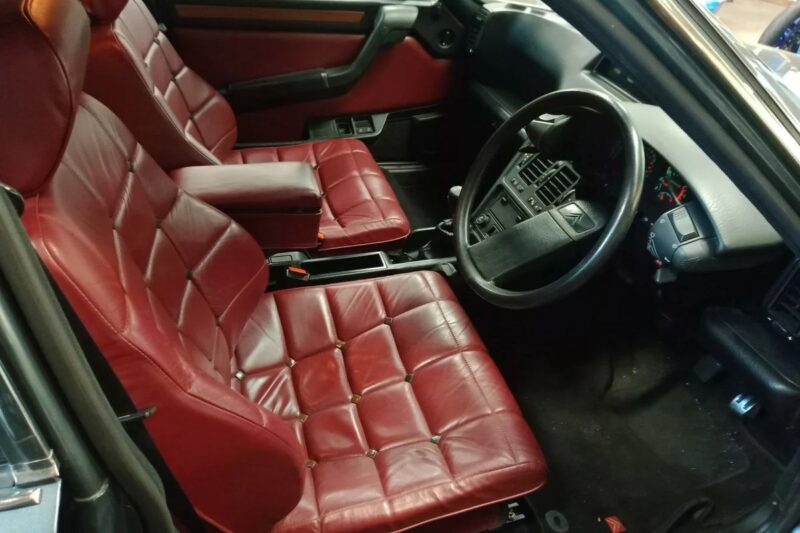
If you’re going to get a CX, why not get the crème de la crème of CXs and buy this one? It’s a beautifully restored example, one of only five surviving factory RHD CX Prestige Turbo 2s built by Citroën in 1986 and 1987. Now in France, it was originally supplied to the UK in right-hand drive, ideal for British bidders looking to re-import. The car comes with a well-documented history from new and was restored to a very high standard in 2011.
It’s one of the best we’ve seen and the specification is about as good as it gets. Don’t miss this excellent opportunity to make it yours and join those in the know who’ve bagged a bargain CX.