Jensen FF – Cult Classic, not Best Seller

January 20, 2025
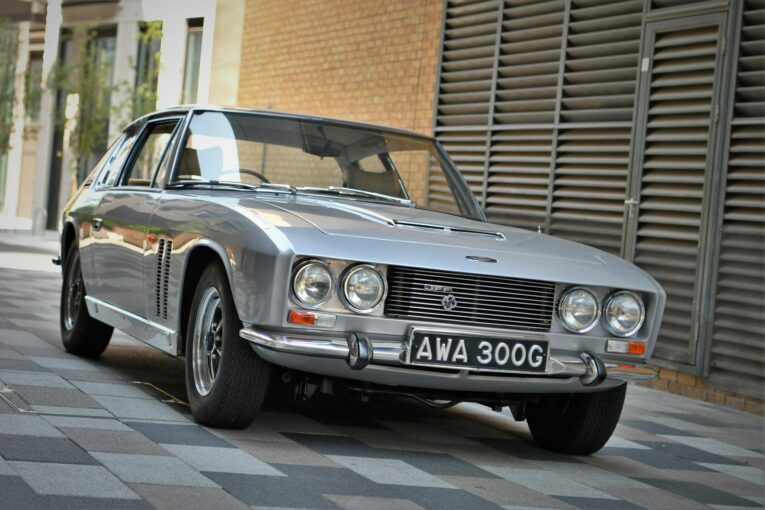
As with art, so it is with classic cars. What nobody wanted when it was new – think Van Gogh – they clamour for today. Sometimes it takes us a while to value the good stuff. Like the Jensen FF for instance. Yes, when it was new it was acclaimed by journalists but when it came to the showroom, nobody wanted it. Contemporary buyers just didn’t understand why they would want a GT that was equipped with tractor technology. They’d be ploughing up and down motorways, after all, not fields and across four years, just 320 were built.
Today, it is a somewhat different story. The handful of remaining FFs are amongst the most sought-after British GTs of the 1960s. It is sort of easy to understand why those contemporary buyers failed to put pen to chequebook when the FF was announced at the Earls Court show in October of ’66. This was a long time before the Audi Quattro began tearing up rally stages or even the Sierra ‘Cossie’ 4×4 started ram-raiding its way across Britain.
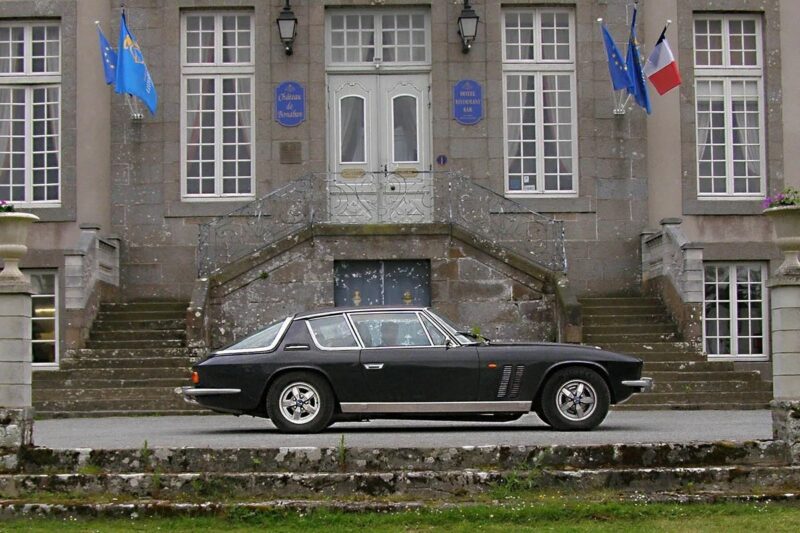
All-wheel drive for road and race cars had been around as an idea for decades. In the 1950s, Harry Ferguson began working with racing driver Freddie Dixon to explore its competitive potential. That led to him appointing ex-Aston Martin engineer Claude Hill and ex-Jaguar Le Mans driver Tony Rolt to create what became the ‘Ferguson Formula’ system, but there wasn’t much interest from Britain’s car industry. Except, that is, from plucky West Bromwich minnow Jensen.

The partnership between innovative Ferguson and the resolutely not that Jensen, was an unlikely one. But it was one born out of the friendship between Rolt and Richard Jensen, one of the car maker’s founding brothers. And there was some sense to it, too – Jensen was pushing upmarket into more powerful cars with bigger engines. A clever system that would make these big cars more surefooted and also stand out in the market. It made logical sense. Except not to Richard’s brother Alan. He couldn’t see the point of this expensive system and disliked the complex engineering issues it threw up. Despite his resistance, in 1962 Jensen signed an exclusive deal to use the Ferguson Formula ‘FF’ system in the UK.
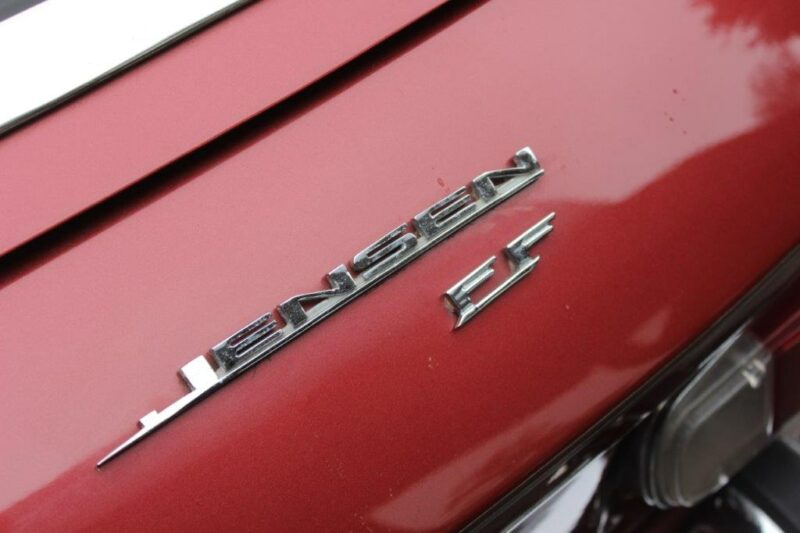
Now you might expect that at this point things happened rather expeditiously for a system that would go on to revolutionise road cars. Except that it didn’t. Jensen was in turmoil, caught up in an internal battle between the directors and their investors over the future of the firm. One side – the directors – championed in-house designed cars like the CV-8 and a proposed smaller two-seater. The other side considered them ugly and unsellable, in which they had a bit of a point. Led by Jensen’s Chief Engineer Kevin Beattie, they pushed for a more radical solution. The latter won and the world, thankfully, got the Interceptor.
It’s symptomatic of this in-fighting and resulting blurred strategy that the FF technology was first seen at the October 1965 Earls Court show featuring the CV-8 bodywork preferred by the Jensen brothers. It would be another year before the version we know arrived, based on the altogether more attractive Latinate Interceptor.
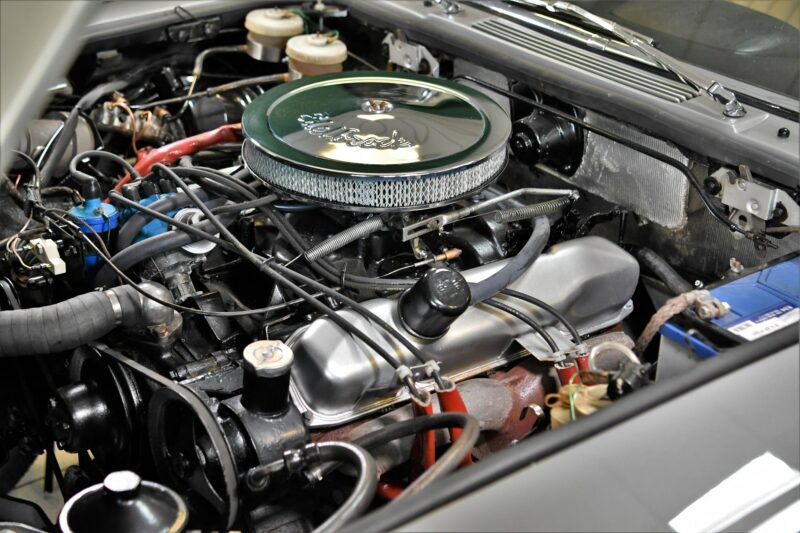
The politics, plus issues with actually building the Interceptor, delayed the development of the FF. Things weren’t helped either by the car’s complexity – this really was envelope-pushing engineering, 1960s style. The main problems revolved around the independent front suspension, featuring double wishbones and twin coil springs on each side. Those issues would continue to cause problems during the first two years of production as increasingly irate customers had their patience repeatedly tested by failing FFs.
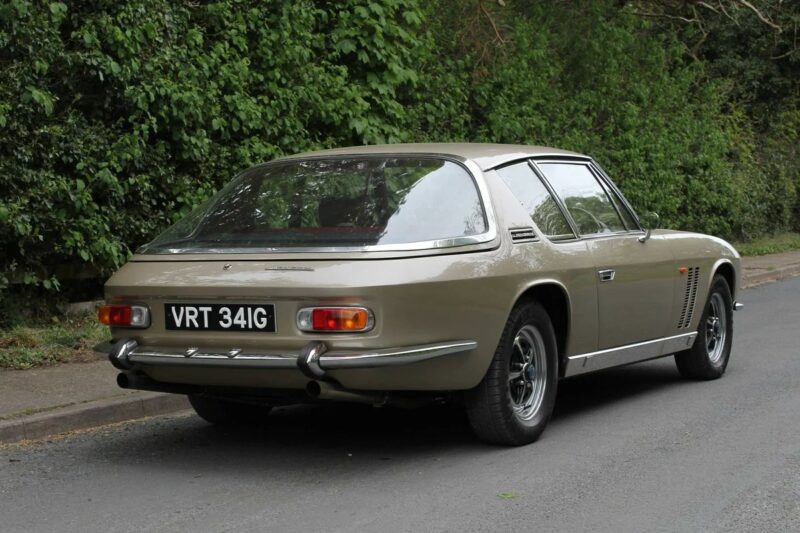
It may look a hell of a lot like the Interceptor, but the FF is a distinct model in its own right. The two cars share architecture, sure, but from the A-pillars forward the FF is an entirely different animal. The wings are four inches longer and contain twin rather than single vents. The bonnet has a central bulge too. The all wheel drive system splits the torque 37% to the front and 63% to the back, giving the FF similar RWD dynamics to the Interceptor. Then there was the Maxaret anti-lock braking system, a world first on a production car.
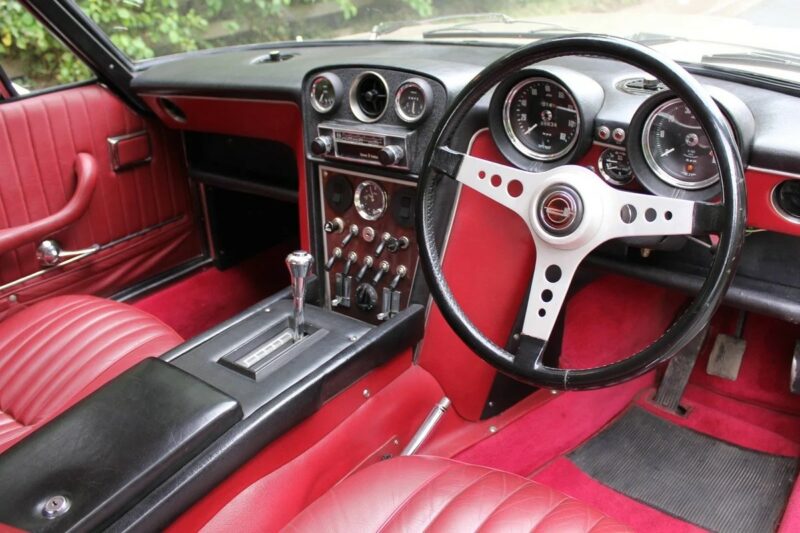
When it worked, the FF was a proper revelation. Reviewers were shocked at just how well this big, lolloping GT could handle corners. It gripped quite unlike anything else that big and that powerful. Then there was the all-weather capability. Snow failed to deter it, wet roads likewise. It’s to Jensen’s credit then that in the face of endless problems, the firm kept trying to get the FF right. Even after its fraught gestation, problems plagued customer cars well into its life. They mainly centred on the front suspension, which proved insufficiently strong on early cars. Production continued until December 1971, the FF evolving with the Interceptor through that car’s three different series.
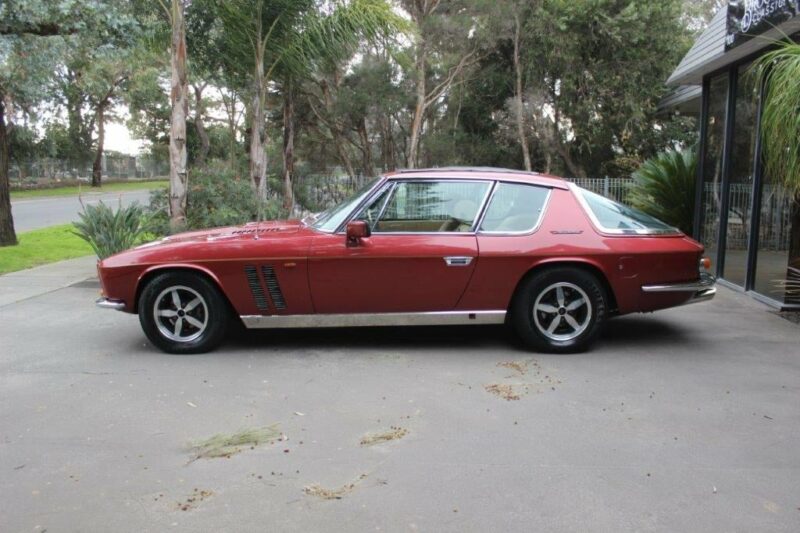
The FF was meant to be Jensen’s flagship, a showcase for the firm’s engineering and a fitting riposte to rivals like Aston Martin and Ferrari. Sadly, not very many people got the chance to discover all that. Just 320 FFs left the factory between 1966 and December 1971. 195 Mk1s – the first of which were built by Vignale – 110 Mk2s and a mere 15 Mk3s left the Kelvin Way works.
Sales were likely hampered by the car’s visual similarity to the far cheaper Interceptor. It was also the solution to a problem nobody had quite grasped yet. Then there were the typically Jensen-esque quality problems. The FF was replaced by the SP, a car that proved equally troublesome, but for different reasons.
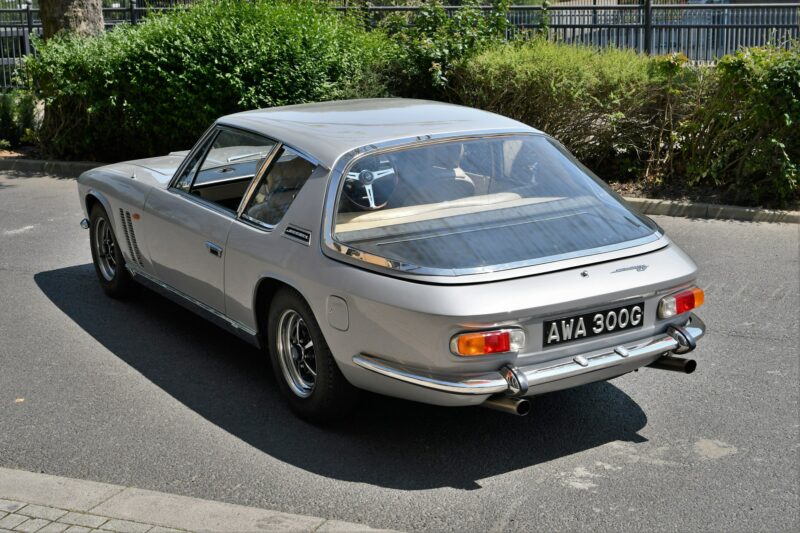

For many years the FF was a forgotten and overlooked footnote in Britain’s complicated motoring history. Not so now. Today, the Jensen FF is rightly acknowledged for the innovator that it is. It took decades for Jensen’s competitors to catch up but between 1966 and 1971, 320 buyers got the chance to see the future. Now, if your pockets are deep enough, you can too.
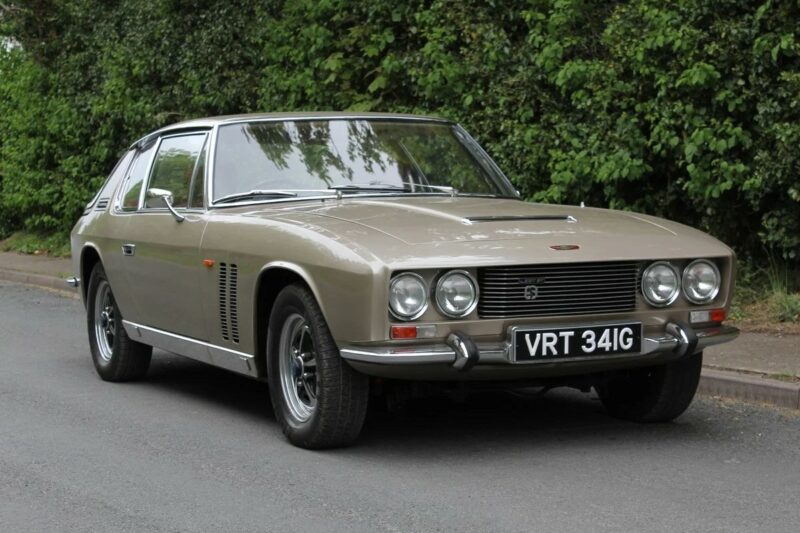
Entry level for a shoddy FF – if you can find one – is north of £40,000. A decent car will set you back twice that. The best are over £100,000. That’s a huge premium over an Interceptor, which to the uninitiated, seems like the same car. But let’s put it in context – you’ll pay much more for a DB6, a car built in vastly higher numbers and one that lacks the kudos of that ground-breaking AWD technology. The FF is far more than a stretched Interceptor – it’s one of the best ’60s GTs money can buy.