How to Start a Car After Winter Storage – An 8-Step Safety Checklist

March 2, 2026
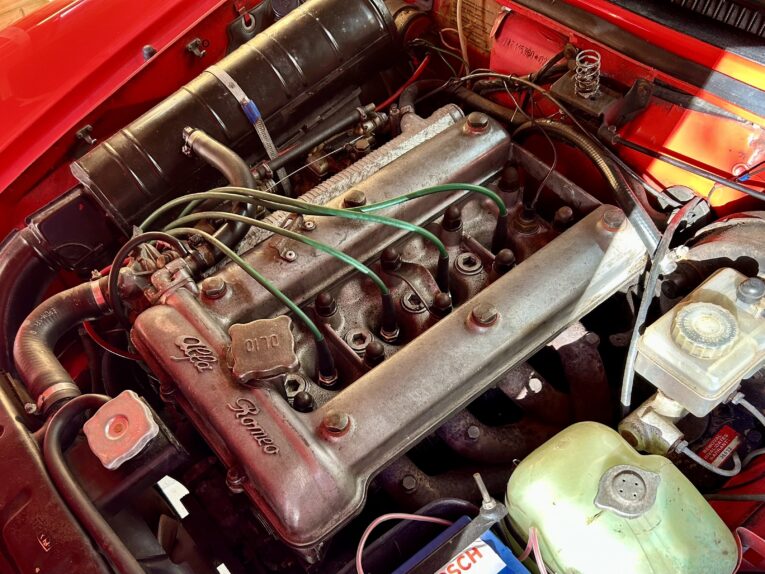
The first mild Saturday of spring signals the start of the driving season. After months of terrible weather, sub-zero temperatures and salty roads, it’s finally time to wake your car from its winter slumber. Eager to hit the road, you want to open up the garage, pull the cover off, turn the key, and hear the engine sputter to life.
But stop. It doesn’t matter whether you’re waking up a classic Morris Minor or a modern 911 Turbo; the first start after a long winter is a potentially dangerous moment for your engine. Follow this expert checklist on how to start a car after winter storage to ensure your first drive of the year doesn’t end in disaster.
1. Inspect For Rodents
Before checking fluids, check for residents. A car is like a penthouse for rodents seeking a warm, dry place to shelter during the winter months. They love to chew insulation and wiring, which can cause catastrophic damage to your vehicle. Look for droppings or food (such as acorns) in or around the car, or signs that anything has been disturbed. It isn’t always obvious where they’ve been, so be thorough in your search.
As a rule of thumb, check the following areas:
– The Airbox: Pop the air filter cover. Mice often use air intakes as sleeping quarters, and starting the car can suck a nest directly into your intake manifold.
– The Wiring: Look for “bright” copper. If you see shiny wires, a rodent has chewed through the insulation.
– The Tailpipe: Check for any material in or under your exhaust(s)
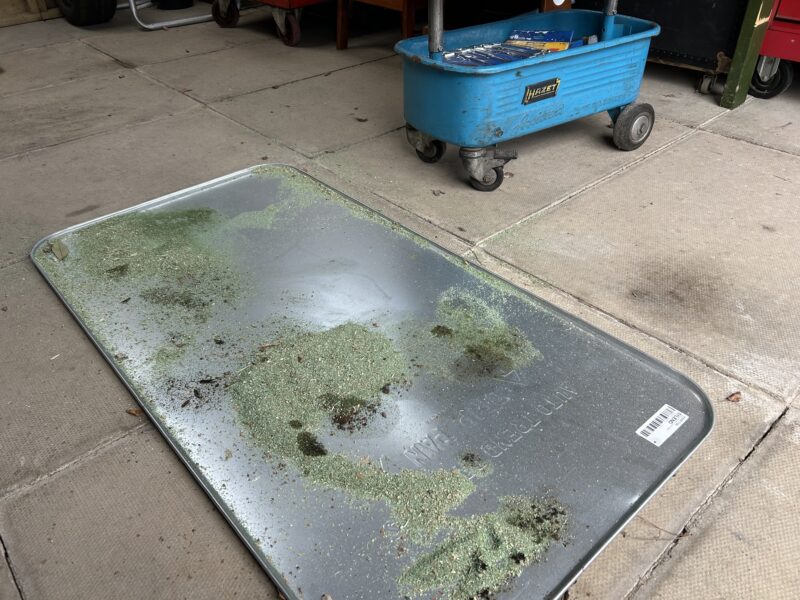
A strategically-placed drip tray is always a good idea
2. Decode any puddles
Don’t move the car yet. Look underneath with a torch.
– Clear/Water: Likely just condensation.
– Black/Dark Brown: Engine oil leak (check levels).
– Bright Green, Pink, or Blue: Coolant leak (inspect the radiator hoses).
– Amber/Light Brown: Likely brake fluid. Do not drive if you see this.
– Top Tip: Keep a drip tray under your car. It makes identifying and clearing up any leakages much easier.
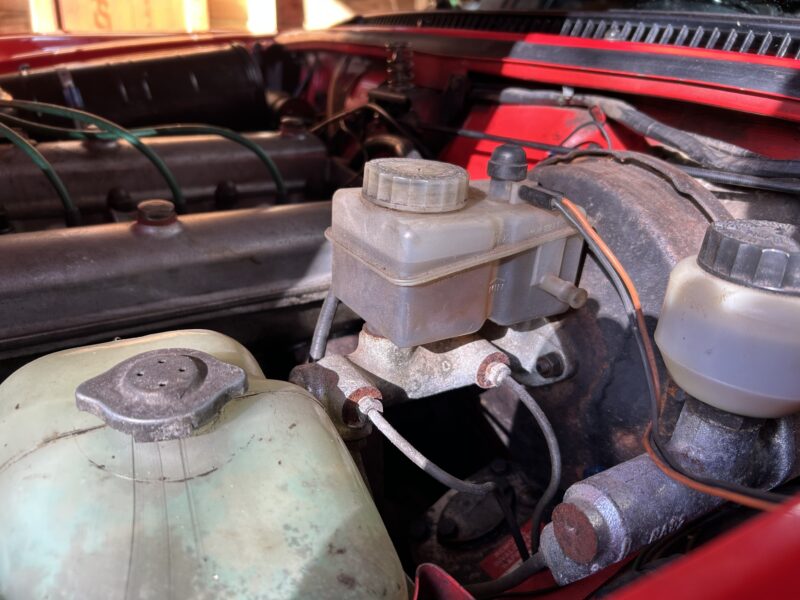
Ensure reservoirs are topped up and fluids look clean
3. Check levels
Your car’s fluids are its lifeblood. You need the right amount of oils and coolant to ensure its mechanicals will work correctly.
– Check your engine oil dipstick: Ensure the oil level is between ‘Min’ and ‘Max’ markers.
– Read the colour and consistency of your oil: The oil shouldn’t be excessively dark, contain debris, or be milky, which would suggest water/coolant contamination. Check under the oil filler cap for any mayonnaise-like deposit, which could suggest head gasket issues.
– Check your coolant level: You should see coolant when you open your radiator/header tank cap. Check your vehicle’s handbook for the correct levels, and also ensure the coolant looks clean. Inspect hoses for any obvious signs of leaks.
– Check brake, clutch, and power steering reservoirs: You may have lost fluid over winter, so it’s essential that you keep an eye on all fluid liquids – not just engine oil and coolant.
4. Be gentle on your battery
Even if your car was on a trickle charger, the battery needs a gentle wake-up call.
– Ensure it’s fully charged: It’s always a good idea to start with a full battery, especially as your vehicle may require some extra cranking for its first engine start-up of the year.
– Clean the terminals: Use a wire brush and a baking soda/water solution to neutralise any white “crust” (acid corrosion).
– Voltage check: A healthy battery should read 12.6V. If it’s below 12.2V, it may struggle to provide the high-amperage surge needed for a cold start.
– Check Lights: Make certain all your lights are working correctly before heading out on the road. Faulty brake lights in particular are very dangerous and often overlooked.
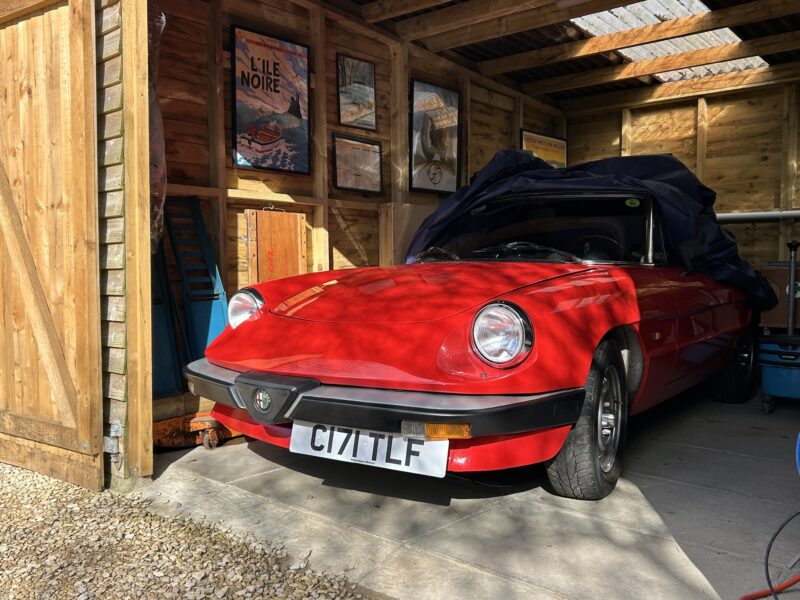
Our demo car – Ed’s 1985 Alfa Romeo Spider Series 3 ‘Aerodinamica’
5. Use fresh fuel
The combustibility of fuel decreases over time, making it less effective.
– Make life easier for your spark plugs: In 2026, most petrol contains up to ten per cent ethanol (E10). Even premium fuels like E5 have up to five per cent ethanol, and that’s bad news for your engine and fuel system. This fuel begins to “phase separate” after ninety days, absorbing moisture and forming a corrosive varnish. If your petrol is over four months old and untreated, add a couple of gallons of fresh, high-octane fuel before starting to boost the volatility.
6. Prevent a “dry start”
After 4 months, all the oil has drained into the pan, leaving your cylinder walls and bearings bone-dry.
– The method: Circulate oil before the engine fires.
– How to do it: Pull the fuel pump fuse or the ignition coil plug. crank the engine for 5–10 seconds. You’ll see the oil pressure gauge rise (or the oil light go out). Reinstall the fuse and then start the car. This ensures your engine internals are lubricated before they are subjected to a thousand-RPM load.
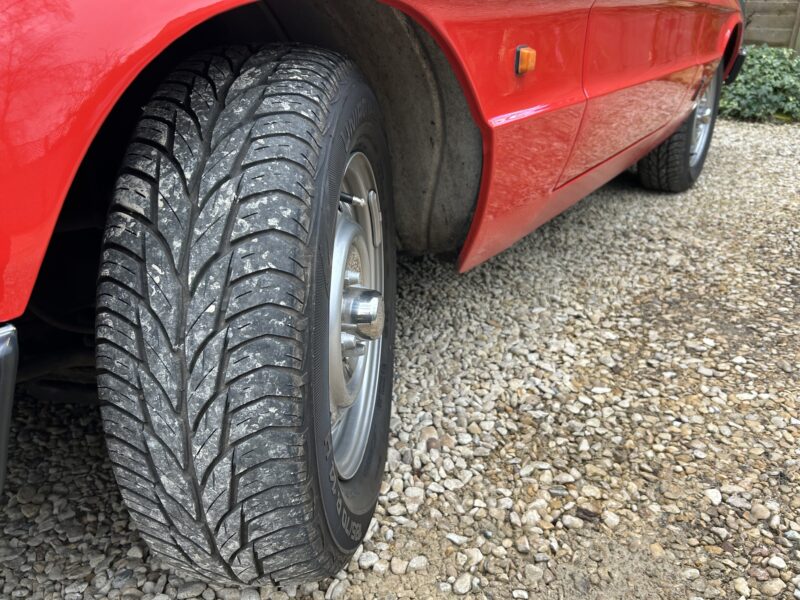
Check for cracking, bulges or any signs of excessive wear
7. Check tyre and brake health
Tyres and brakes suffer most during hibernation.
– Tyres: Re-inflate to recommended pressures. Any “thumping” you hear is likely a temporary flat spot that should disappear after ten or so miles of driving as the rubber warms up.
– Brakes: Remember to check your brakes as soon as possible, ideally before pulling onto a main road. For cars with disc brakes, expect a rough friction sound during the first few stops. This is just flash rust being scrubbed off the rotors. If the pedal feels “spongy,” you probably have air or moisture in the lines. Stop, and bleed the system before continuing.
8. Burn off any condensation
Your first drive shouldn’t be to the end of the road and back.
– The rule: Warm your engine up slowly and then drive for at least twenty to thirty minutes.
– Why? You’re gently bringing your car back to life. Short trips don’t heat the engine oil enough to evaporate any water (condensation) that builds up in the crankcase over winter. You need to reach full operating temperature to “boil off” that moisture and prevent internal sludge.
– Top Tip: Avoid the temptation to thrash your car’s engine and gearbox from cold. There will be plenty of time for spirited driving once you’re back up and running properly. Warm all mechanical systems through as gently as possible, listening out for any untoward noises and.
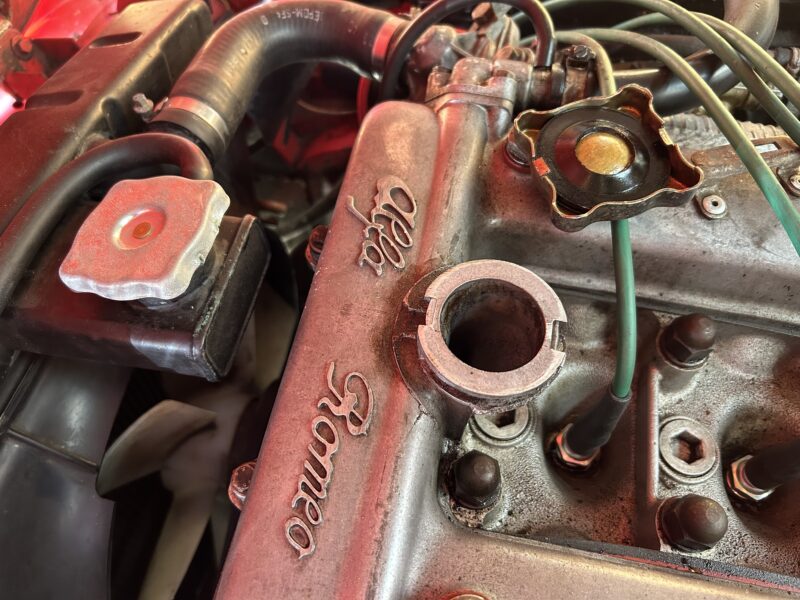
Note no creamy deposits around the oil filler cap
Frequently Asked Questions (FAQs) on how to start a car after winter storage
1. Is four-month-old petrol still safe to use in my car?
The Answer: In 2026, most pump fuels contain ten per cent ethanol (E10), which begins to degrade and absorb moisture after 90 days. If your fuel is four months old and untreated, it has likely begun “phase separation.” To fix this, add at least two gallons of fresh, high-octane fuel to the tank before starting to restore volatility and prevent engine knocking.
2. Why should I pull the fuel pump fuse before starting the engine?
The Answer: Pulling the fuel pump fuse allows you to turn the engine over without it firing. This circulates oil to the dry cylinder walls and bearings that have been sitting for months. Crank the engine for about 10 seconds until the oil pressure light goes out; this ensures the engine internals are lubricated before they are subjected to the heat and friction of a thousand-RPM idle.
3. My car thumps when I drive it for the first time; are my tyres ruined?
The Answer: Likely not. This is usually a “flat spot” caused by the weight of the car pressing down on one section of the tyre for months. In most cases, these disappear after 10–15 miles of driving as the rubber warms up and regains its shape. However, if the vibration persists, inspect the sidewalls for “dry rot” cracks, which indicate the tyre must be replaced.
4. What does a “milky” substance under my oil cap mean?
The Answer: If you see a “mayonnaise-like” depository under the oil filler cap after winter, it is often just condensation that built up during storage. However, if the oil on the dipstick also looks milky, it could indicate a head gasket failure or coolant leak. If the dipstick oil looks clean, simply take the car for a 30-minute drive to boil off the internal moisture.
5. Can I just jump-start my car if the battery is dead?
The Answer: While you can jump-start it, it is better to slow-charge the battery first. Jumping a completely flat battery forces the alternator to work at maximum capacity to “slam” charge it, which can overheat the alternator and shorten the lifespan of a modern AGM battery. Always clean the terminals with a wire brush first to ensure a solid electrical connection.

Winter dampness can cause electrical connections to fur and bulbs to blow
Summary
It’s incredibly important that cars are treated with the utmost care after any period spent off the road. Follow these simple steps on how to start a car after winter storage this spring to avoid damaging your pride and joy, and you’ll have months of enjoyable motoring ahead.
For advice on how to store your classic over winter, read our guide here.