The Volkswagen Type 2 – Five Things You Need To Know

August 4, 2025
It’s hard to think of a harder-working classic than the Volkswagen Type 2. Merge onto any motorway during the summer months and you’re almost bound to see several of them, loaded to the gunwales, perhaps with a surfboard or two atop as they thrum down the inside lane. So many classic vehicles languish unused in garages, but Type 2s can still be found racking up the miles en route to the coast, a campsite, a favourite picnic spot, or one of the very many air-cooled VW meets that take place all over the world.
The Volkswagen Type 2 story begins in 1947, when Dutch importer Ben Pon foresaw a market for a commercial vehicle based on the excellent Volkswagen Type 1 (Beetle) platform. Pon’s sketches formed the basis of the design, and the Type 2’s famous boxy silhouette was honed in a wind tunnel, achieving a surprisingly slippery Cd=0.44.n
Front passengers in conventional cab-over vans of the time share the cabin with the noisy, smelly engine. Most are also rear-wheel drive, so need additional ground clearance to allow for the propshaft, as a flat floor is need to maximise load capacity. Regular vans are also inherently unbalanced when unladen, leading to wayward handling that’s caught out many a weary delivery driver, past and present. As we all know, Volkswagen’s air-cooled flat-four is positioned at the rear, driving the rear wheels. It’s an elegantly simple, uncluttered design that maximises load space, optimises traction and front-rear balance while minimising engine noise and negating the need for a radiator, propshaft, or full-length exhaust system.
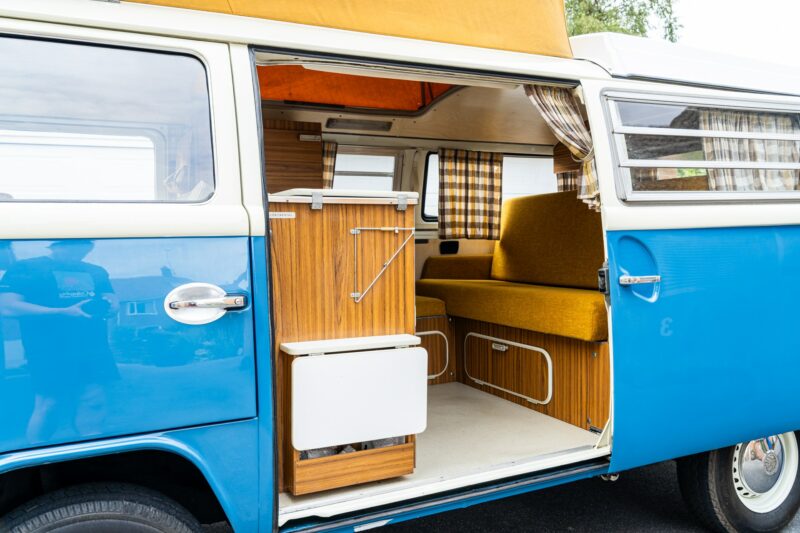
Best known as a basis for several celebrated camper van conversions, many of us have fond memories of holidays and road trips spent in Type 2 Volkswagens. Indeed, most surviving examples are campers; these trusted travel companions were more likely to be cherished and maintained than those used commercially, while others have undergone conversions later in their lives.
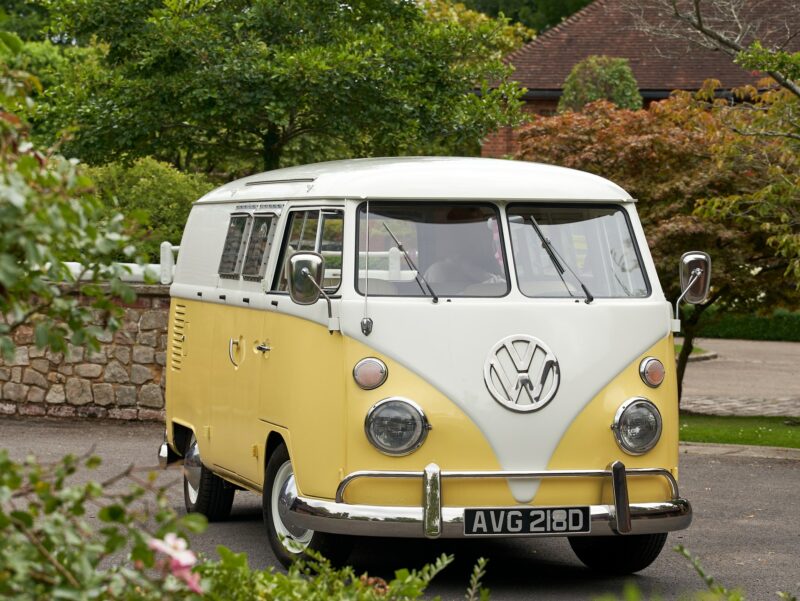
The first-generation Type 2 is affectionately known as ‘Split Screen’ and it’s not difficult to see why. Some would say this is the definitive Type 2, with a design that’s nothing short of iconic. The earliest ‘Barn Door’ examples are highly desirable, as are the 23-Window ‘Samba’ Microbuses. That said, second-generation ‘Bay Window’ Type 2s are noticeably larger and feature more powerful engines. Late examples, especially with their 2.0-litre ‘Pancake’ motors, are especially sought-after for their increased performance. These vans are not exactly rapid at the best of times, so a little extra really does go a long way.
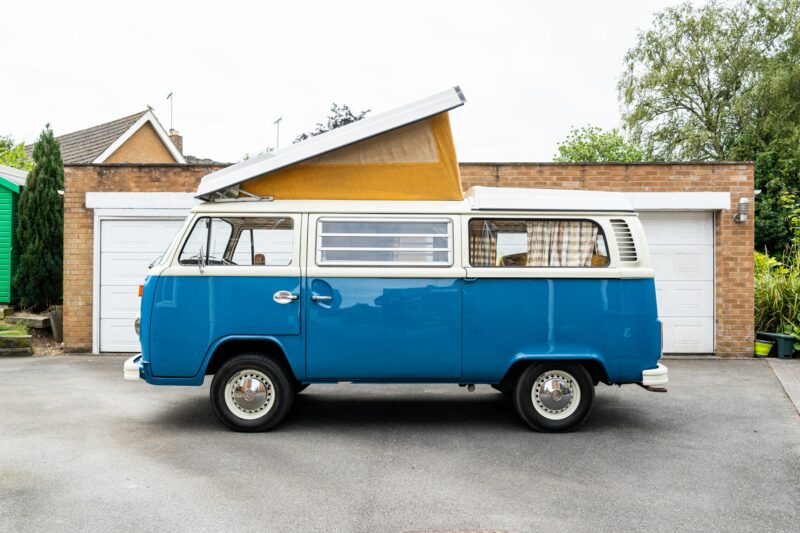
There have been numerous Type 2 camper conversions over the years. Volkswagen patronised fellow German firm Westfalia-Werke, and these conversions are still the most coveted among enthusiasts. In Britain, Devon was the leading manufacturer of Type 2-based camper vans, along with Dormobile and Viking, while American firms included Sundial, known for sometimes fitting double doors on both sides. Most converters started with factory Microbuses, with windows all the way around and a walk-through front bulkhead, whereas other conversions have let windows into a basic panel van.
Whichever Volkswagen Type 2 variant takes your fancy, here are five things you need to know before you join the air-cooled community.
1) Modifications
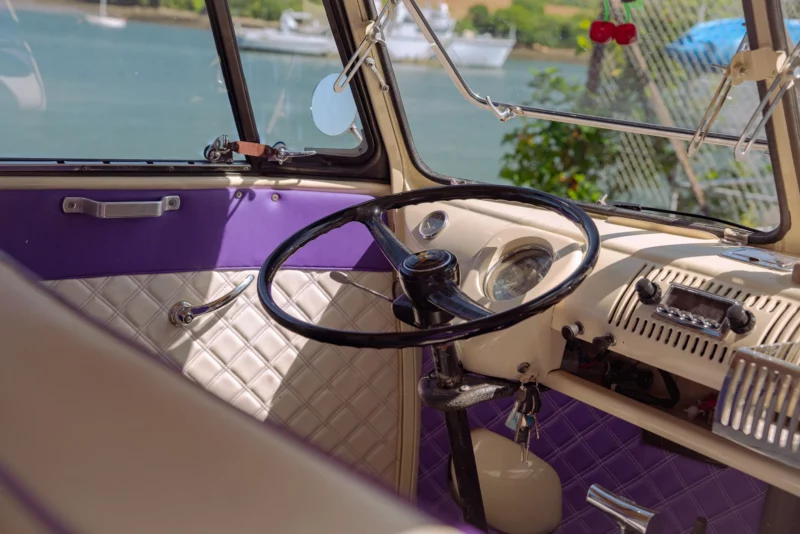
As with any air-cooled VW, there’s a huge modding scene built around the Volkswagen Type 2. Naturally, some vans are modified extremely well. But, unfortunately, a great many have been modified extremely badly. And it’s not just a matter of taste, it’s also a matter of safety.
For example, you’ll find many Type 2s have been lowered to fit that ‘SoCal’ aesthetic. Altering a vehicle’s ride height is not something to take lightly, and when taken to extremes, it can upset the handling and prove highly dangerous. If you are after a lowered VW, consider the potential risks and investigate exactly how the van has been lowered and by whom. If a well-respected specialist was involved in its setup, you should have nothing to worry about.
Likewise, DIY enthusiasts are known to modify their Volkswagens mechanically, often adding more power to the standard engine by upgrading the carburation or increasing the cubic capacity with bigger barrels. Some even ditch the standard engine altogether in favour of one of Subaru’s flat-fours. This could easily triple the horsepower, so be aware the remainder of your Volkswagen Type 2 may not have been upgraded accordingly. We’re talking brakes, in particular.
Fortunately, there’s a sizeable network of knowledgable specialists and enthusiasts who know exactly how to set up a trick Volkswagen Type 2. When buying, be sure to buy a modified example the seller can prove has been done properly, or else be sure to get a specialist to look your vehicle over.
2) Equipment
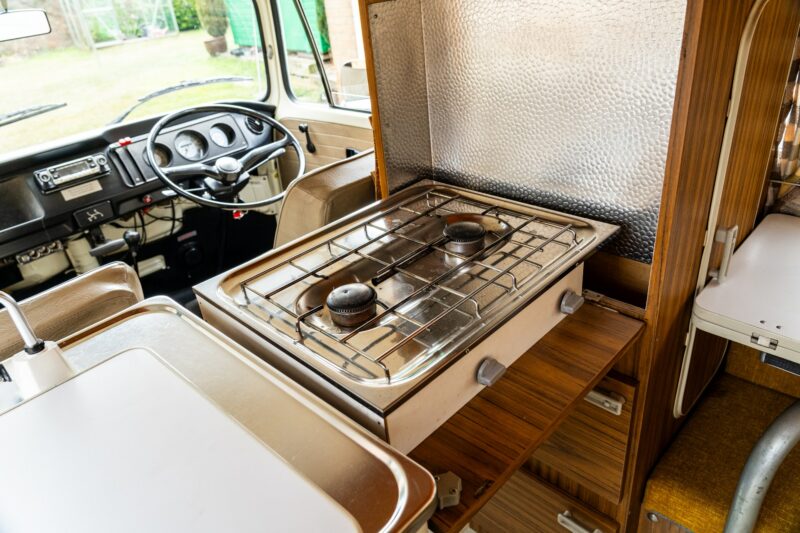
While we’re on the topic of safety, you should also be aware that we’ve come a long way since most of these camper conversions were carried out. Fifty-year-old gas stoves are at best sketchy, and at worst, turn your Volkswagen Type 2 into a bomb on wheels. If the example you’re thinking of buying does still have a delightful period interior, perhaps by the likes of Devon or Westfalia, be sure to have your gas systems checked by trained professionals and, if necessary, upgraded accordingly.
Electrics are equally important. Most camper converted Type 2s feature a separate leisure battery, and due to these vehicles’ age, you’re likely to find said battery is connected to a veritable rat’s nest of wiring that’s been repaired, modified, and generally hacked about with over the years. This elevates the risk of fire, and since you’ll likely have a gas cylinder onboard, along with wooden cabinetry, copious bedding and a petrol tank (right next to the engine), this could make for a very dangerous combination. Know the risks, and seek professional assistance if ever you’re unsure.
3) Elevating Roof
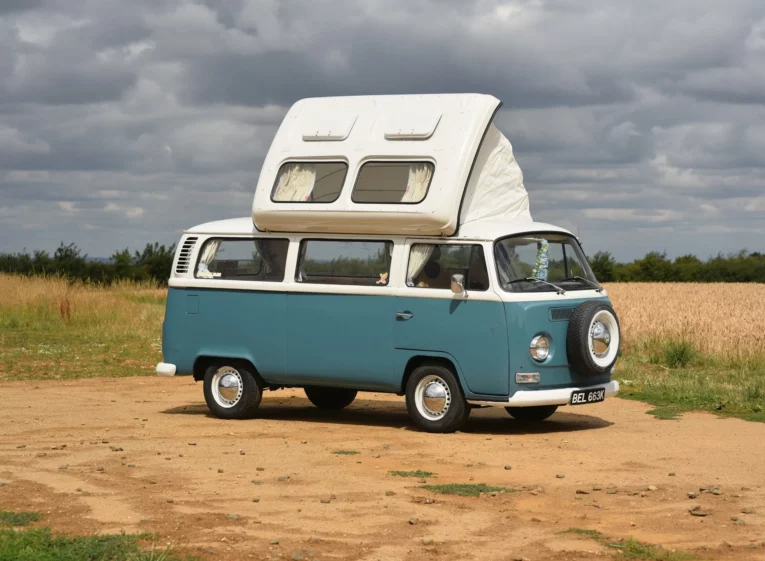
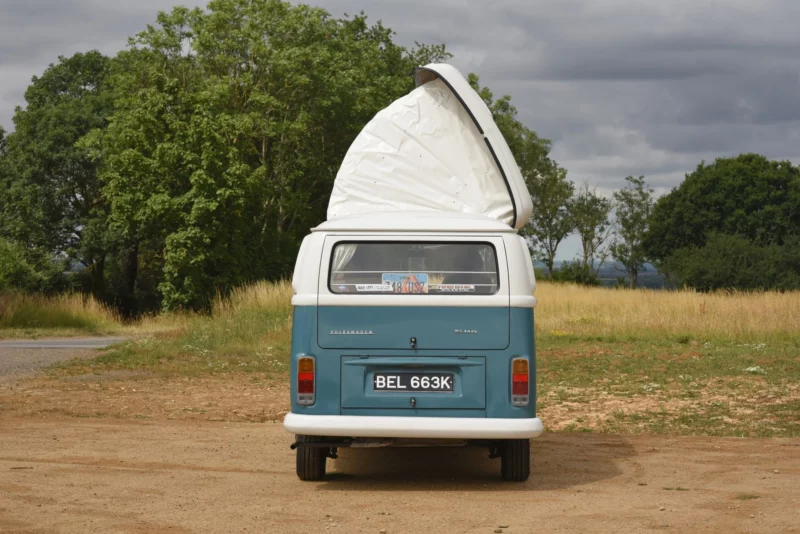
It’s probably a bit of a stretch to call any part of a Volkswagen Type 2 ‘complicated’, however, the various camper conversions often do feature some rather fiddly (and expensive to repair) elevating roof mechanisms. Not a large van by any means, the Type 2 needs a little extra space to make it a usable camper. There’s no standing room in standard form, but add a cantilevered elevating roof panel with fabric around the sides, and the Type 2 seems to grow substantially. Depending on the conversion, these roofs vary in complexity, from the basic Westfalia ‘pop-top’ to the enormous tent-like structure found on a Super Viking.
Unfortunately, these roofs of all shapes and sizes are a habitual source of leaks, the mechanisms themselves are prone to rusting solid from lack of use, while the fabric traps moisture and tears easily. Parts, especially for the rarer conversions, can be hard to come by, and very pricey, so factor this into your budget when buying one of the many Volkswagen Type 2 campers out there currently suffering from a dodgy roof. A handful of campers do not have this feature; a boon for maintenance, but functionality suffers.
4) Rust
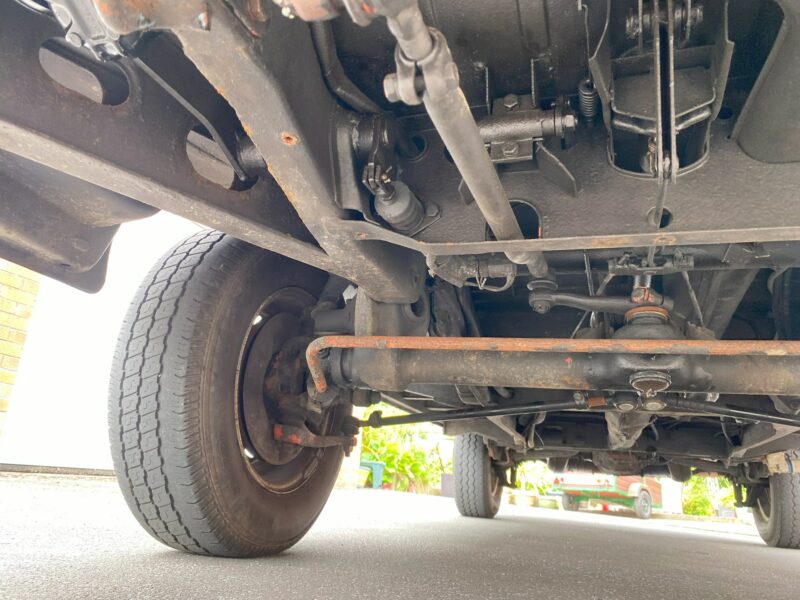
We’re sure a few of you were waiting for this one. Yes, like most classics, the Volkswagen Type 2 is susceptible to corrosion. Sadly, these beloved vans are some of the most rust-prone vehicles around. Beware of wavy bodywork, indicating fistfuls of filler have been plastered down the sides to keep them on the road, while any visible paint bubbles and rust holes are likely far more extensive than they first appear. Key check areas include the cab corners in the footwells and above the front wheel arches, sills, valances, gutters and around the windows. Given the chance, just about any part of a Volkswagen Type 2 will rot, so be sure to carry out a detailed inspection when you’re looking to buy.
That being said, again, the community of specialists and suppliers come to the rescue, ensuring there’s excellent parts availability and numerous skilled fabricators with years of experience stitching these Type 2s back together. It’s not unheard of for the bottom six or so inches of a VW van to be replaced in its entirety. The same goes for the top section, with who new roofs and gutters being welded in during some of the more ambitious restorations. This calibre of work will put a strain on your wallet, but if it’s the van of your dreams, embarking on such a project is worth every penny.
5) Maintenance
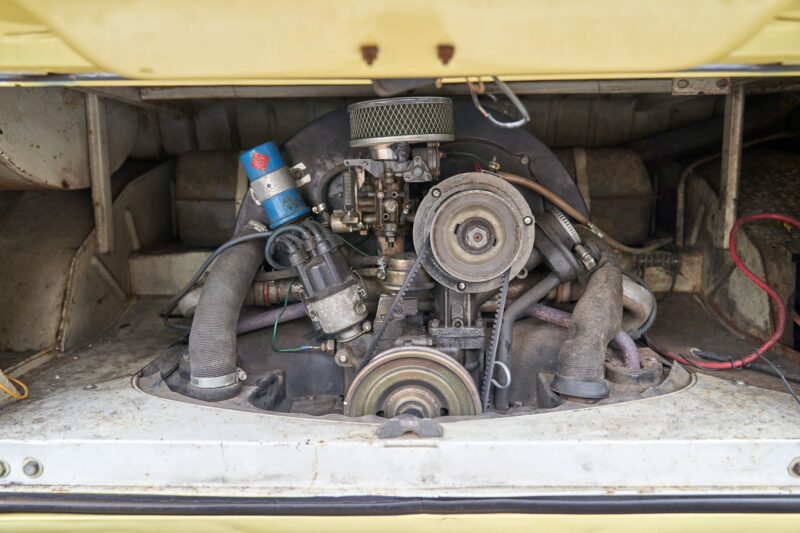
As we said at the start, Volkswagen Type 2s often work hard, which can be a blessing and a curse. On the one hand, frequent exercise keeps these vans (and indeed any classic) in good, reliable working order. And yet, on the other hand, you’ll often find Type 2s are worn out after decades of trucking up and down motorways. With fifty odd horsepower, (on a good day), you have to work these poor old flat-fours quite hard to get any performance out of them. From factory, there’s a primitive rev limiter in the rotor arm, but these are often swapped out as time goes by, so these engines have sometimes been over-revved by overenthusiastic drivers.
Coupled with oil services that ought to have been undertaken every 3,000 miles, but most likely weren’t during the years these vans weren’t worth so much, you may find yourself with a very tired engine. But don’t worry. These simple old lumps are pretty easy and affordable to rebuild, and reconditioned replacement units are readily available.
Due to their long linkages, gearboxes are ‘vague’ at the best of times. (Imagine stirring a bucket of spark plugs with a soggy baguette). But this can be made worse still by worn bushes which in the extreme, can prevent the selection of gears altogether. Don’t miss these areas during servicing. For UK owners, all Wolfsburg-built Type 2s now fall within the road tax and MOT exemption bracket. That’s great for your finances, but beware that many examples for sale will not have been MOT tested for several years, potentially meaning there has been no professional check of the key mechanical and safety elements for some time.

We hope this brief overview arms you with the know-how to buy your dream Volkswagen Type 2 with your eyes very much open. These are fantastic vehicles that are rewarding to own and genuinely usable. Buy the right example for you, keep it maintained properly and you’ll have a wonderful time. Start your search for your dream Type 2 right here on Car & Classic.