Chrysler’s Concept Cars – From Drawing Board to Driveway

September 11, 2023
Concept cars are the stuff of automotive dreams that get us petrolheads all excited. In the olden days, we grizzled veterans would look forward to the next motor show, or a sneak peek at some illicitly imported magazine that might reveal the latest design iteration from Ford, Lamborghini or even Ferrari. These days, you’ll see them popping up as instantaneous, influencer-orchestrated, perfection on Insta, garnering clicks and plaudits in equal measure. As a way of guaranteeing the brand involved a few great headlines for a relatively small fee, they’re simply unbeatable.

As a kid I was obsessed with them, and have an entire bookshelf in my mancave devoted to the subject. As a look forward to the future design language of a brand, or even just the scintillating gadgets and gizmos that we might expect on our next-gen showroom cars, concept cars were the window to tomorrow that made you want to swap your car of today.
What they rarely were, however, was anything like the car you were going to get at your local dealership. No matter how brave, exciting or cutting edge the design language and innovation might have been, you just knew that once the production team, accountants and marketeers had chipped in their twopenneth, that sexy 2 seater would become a coupe, that V8 would be swapped for a diesel, and that chopped roofline and high waistline would get gently tempered back to something more fitting for everyday use. Frustrating, but also understandable and inevitable.
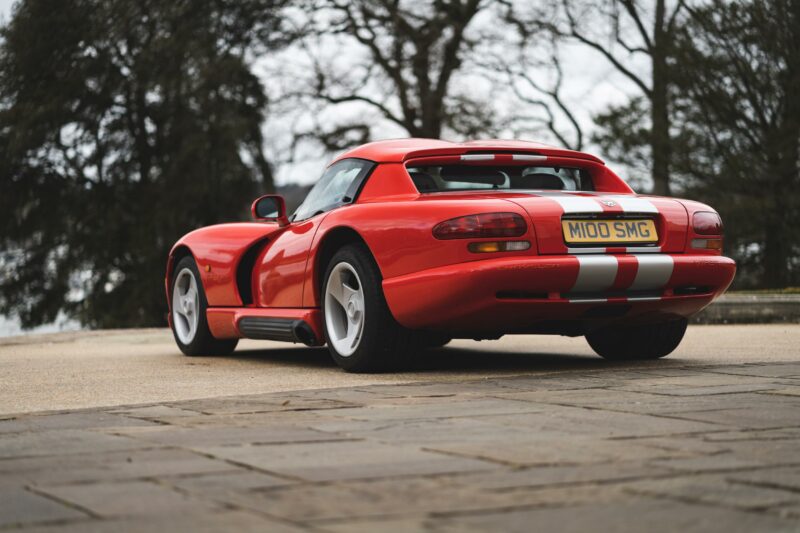
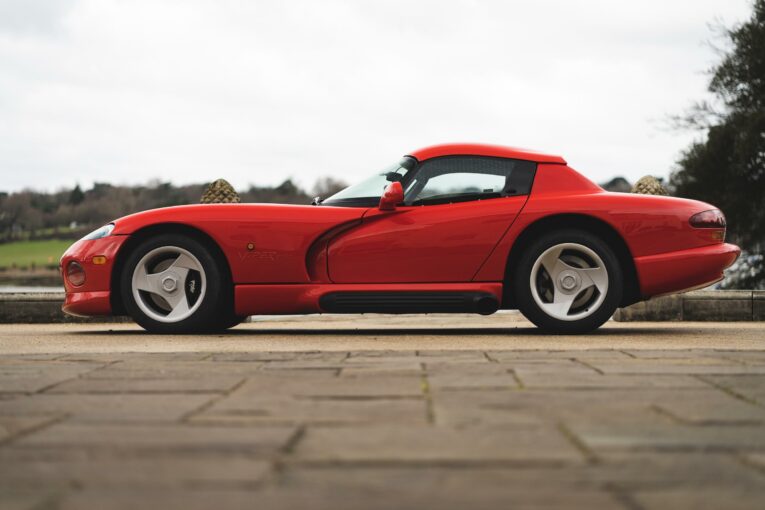
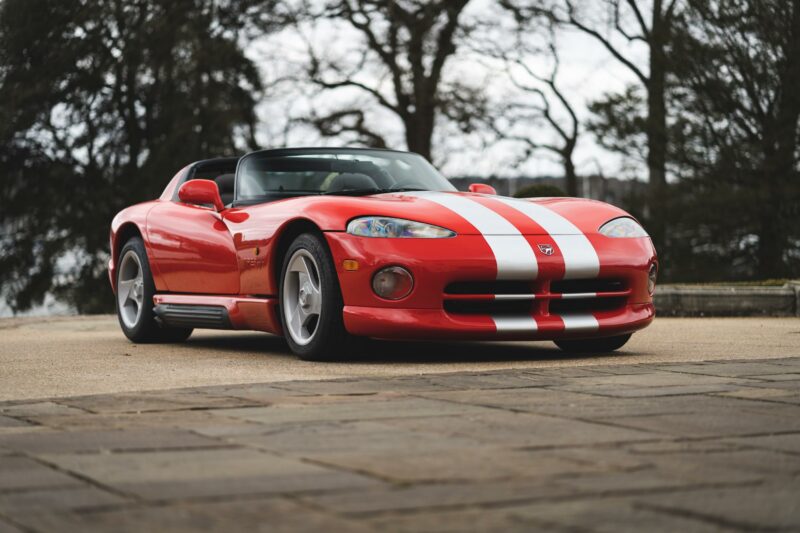
So, when car crazy consumers saw Chrysler’s striking Dodge Viper concept in the late 1980s, everybody had the same thought; ‘It’s awesome – but they’ll never build it…’ But this is where we were all wrong. Because they did, and then created the world’s first production alloy V10 to move it along. This Ladies and gentlemen, was when Chrysler made all its concept cars a reality.
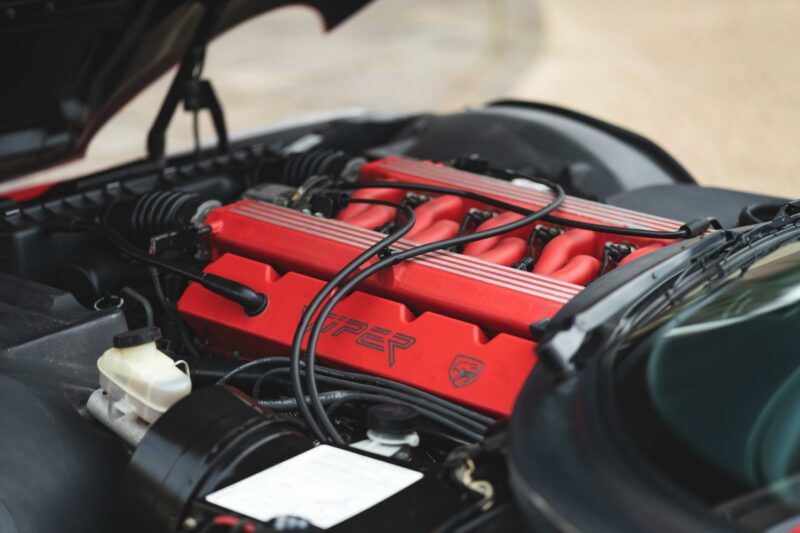
The Viper concept was born at a lucky time for such japery. Chrysler boss Bob Lutz, and ex-Ford and father-of-the Mustang, Lee Iacocca needed something to quadruple stamp their place in muscle car history. Iacocca had done very well for the brand with his Minivans and K-Cars, and while both had put dollars in the bank, neither had added much sex appeal to the brand that had once given us icons like the Charger and Challenger. In a very short space of time, and for a relatively small amount of money (estimates range between $49m and $70M) the project was greenlit, and with Iacocca’s best mate Caroll Shelby also helping with PR and shakedown duties, the marketing team suddenly had the keys to a modern day Cobra that would truly excite the baby boomers who really wanted one the first time around.
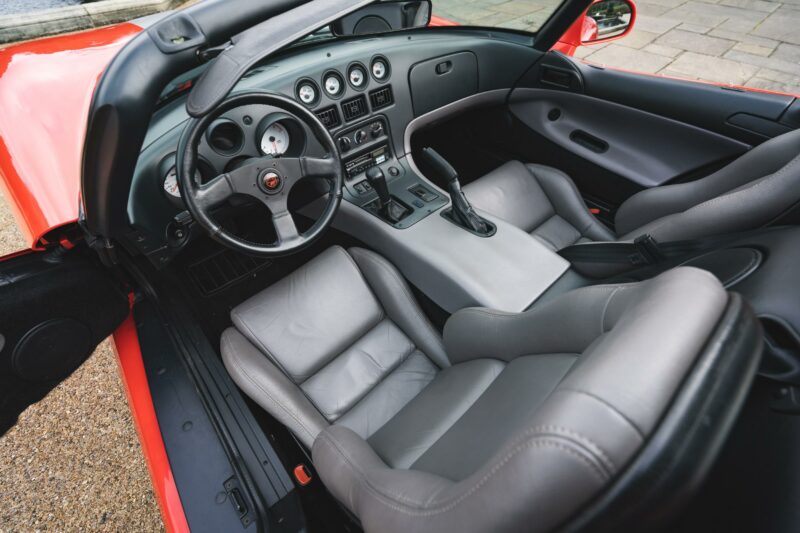
The craziest thing about the first RT 10 generation of the Viper was just how close to its concept car roots it was. No windows, an afterthought of a roof, red hot sidepipes that would burn your leg as you egressed, a complete absence of ANY creature comforts and no driving aids of any kind whatsoever. Sparse doesn’t even begin to describe it, but with a then-heady 400bhp under the shapely bonnet, and a complete lack of options and colour choices, Americans flocked to the showrooms to place their orders – shortly before a large percentage of them fired themselves into the nearest ditch.
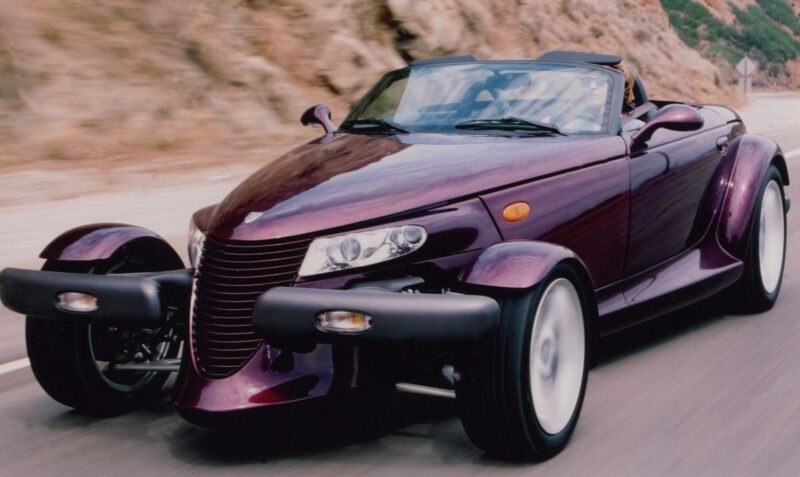
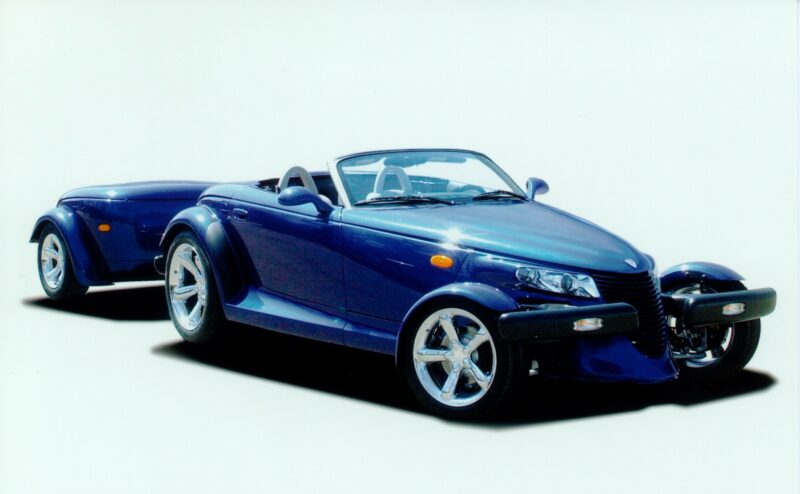
Clearly buoyed by the success of this project, and the immense amount of crash repair parts being sold, Chrysler did it again a few years later with the Plymouth Prowler. A modern day take on a hot-rod that may have dipped way more into the corporate parts bin for small details, but offered a radical new alloy chassis, tub and body combo that allowed Chrysler to really experiment with the art of building aluminium (please note the spelling) vehicles. As with the Viper, the designers offered an utterly bonkers concept, which then somehow managed to get past every department to make it into dealerships. While it may have carried the not-so-exciting V6 engine from the Dodge Intrepid, it really did deliver in every other aspect of the concept promise, right down to the ridiculously low roof height and tiny side windows. Practical? Absolutely not! Stylish and fun? Nothing touched it.
Sadly, since those heady days of the ’90s, manufacturers have become considerably safer in their final designs. Dodge once again delivered the Challenger Concept of the late noughties, and Lexus faithfully delivered with their LFA and LC Coupes, but very few truly bonkers cars have made it through without several, sensible but ultimately boring changes. I for one feel that the car world is a slightly sadder place because of that.
In our latest video I have a closer look at these two icons and ponder just what those executives were passing around the boardroom at the time. One thing’s for sure, they need to start passing it around again! To the left hand side please.