Have You Ever Heard Of – The Swallow Doretti?

August 23, 2024
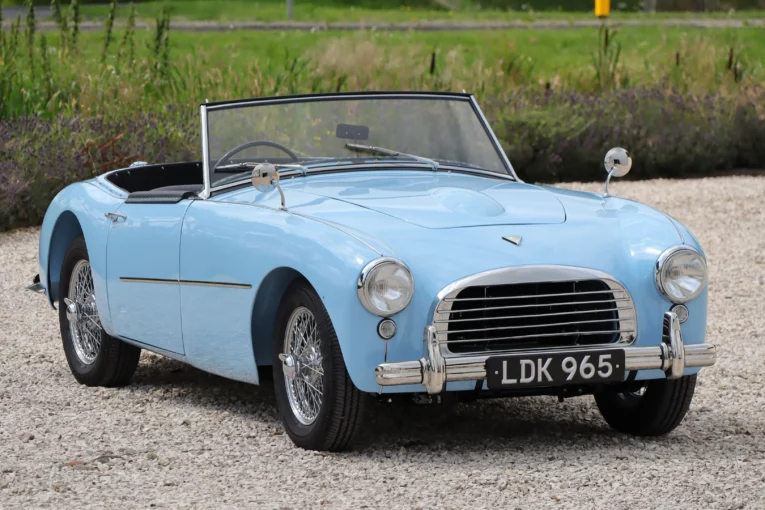
Lyons killed the Swallow. Sir William Lyons to be precise, the fearsome boss of yet another nature-themed manufacturer, Jaguar. It was he who sounded the death knell for one of Britain’s most interesting post-war two-seaters: the Swallow Doretti.
There is irony as well as questionable humour here. The Doretti rejuvenated the Swallow car brand, the one Lyons founded in 1922 and which catapulted him into the car-building history books. In 1946 he decided to concentrate on his big cat car business and sold Swallow to Helliwells – an aircraft and automotive components supplier. A few years later, Helliwells became part of the much larger Tube International (TI) conglomerate. TI then had an idea, and they called it the Doretti.
As far as ideas go it was a clever one. TI was a major supplier to the UK car industry, providing everything from bumpers to chassis components and Lyons’ Jaguar was one of its biggest customers (you may be ahead of us here).
When your business is supplying most of the stuff car companies need to make cars, why not cut out the middle man and do the car building bit yourself? That was the philosophy behind the Swallow Doretti. It made commercial sense too. At the time the British sports car market was booming. The country needed exports and America couldn’t get enough of our light, nimble and low cost two-seaters. The Doretti would be a stylish sports car for exuberant Yanks.
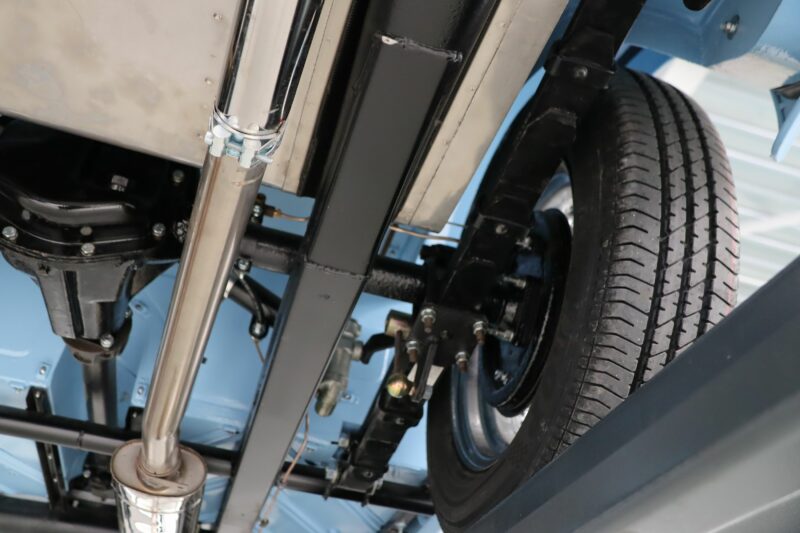
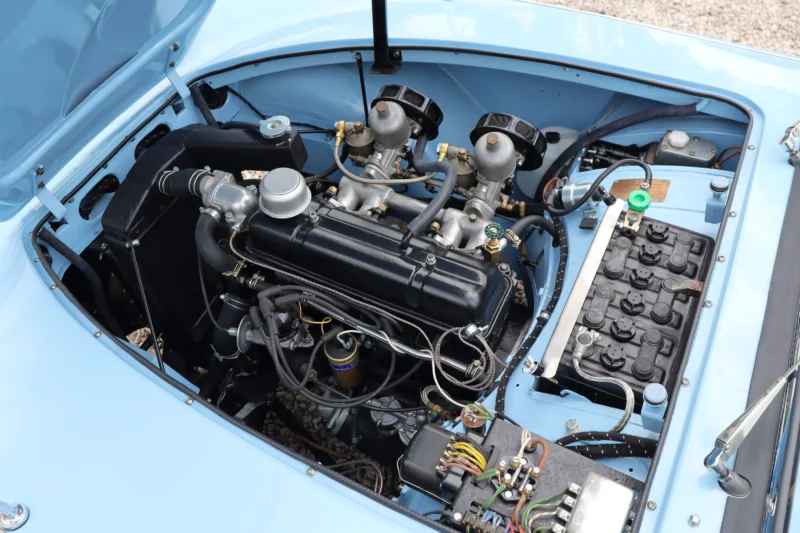
To build it TI would utilise all the bits it made across its conglomerate of 50 companies and buy in those it didn’t. The bits it didn’t make, unfortunately, were quite a lot of bits. Like the engine, gearbox, rear axle and front suspension, which came from Triumph’s TR2. All of which were fitted to a tubular steel chassis, built using in-house tubing.
The design of the chassis and aluminium bodywork was overseen by an ex-aircraft engineer by the name of Frank Rainbow (excellent name – Ed). His only experience of road-going vehicles was a scooter, recently designed for TI and called, and why not, the Swallow Gadabout and we can’t help but feel that there was a missed opportunity here to form a swing band called ‘Frank Rainbow and the Gadabouts’, but we digress. To style the body Rainbow brought in an experienced automotive designer called Norman Hodgetts.
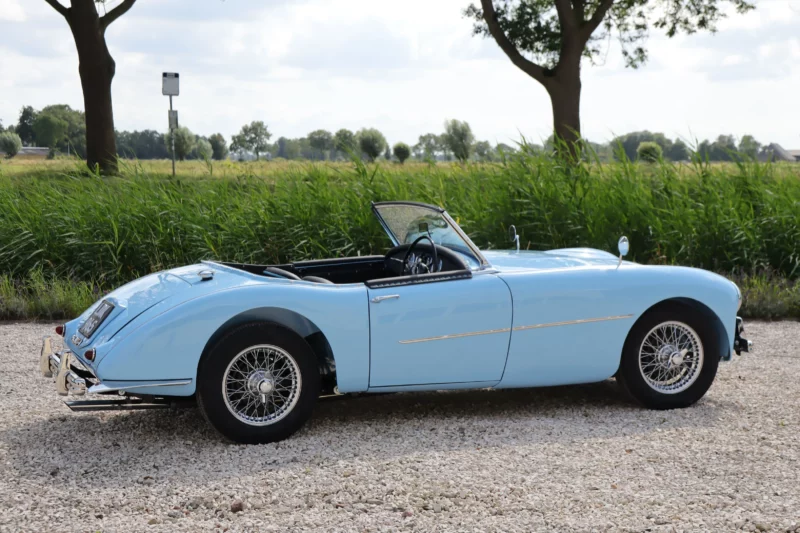
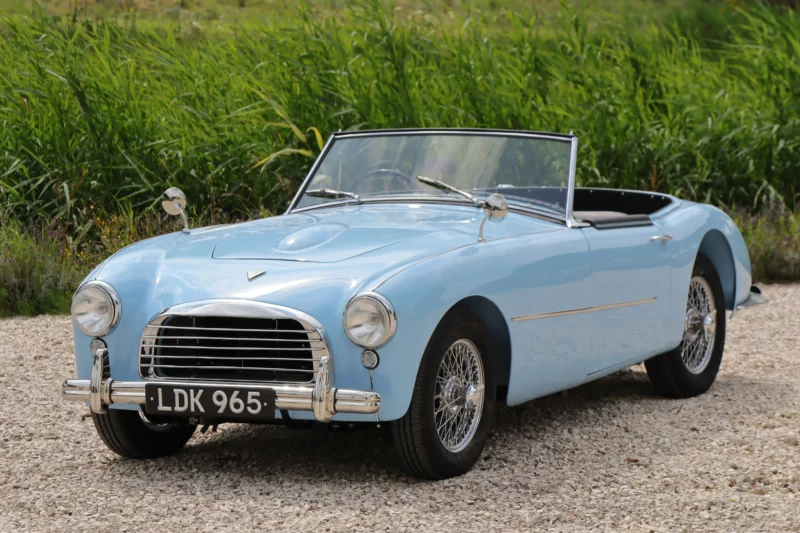
Either because Frank had never designed a car before or because Hodgetts was forced to work at considerable speed, the Doretti took heavy cues from contemporary sports cars. There are hints of the Austin Healey 100 and pre-war Jensen Interceptor in the Doretti’s smooth and handsome lines. Yet it is a pretty and well proportioned car. Perhaps better than the TR2 on which it is based.
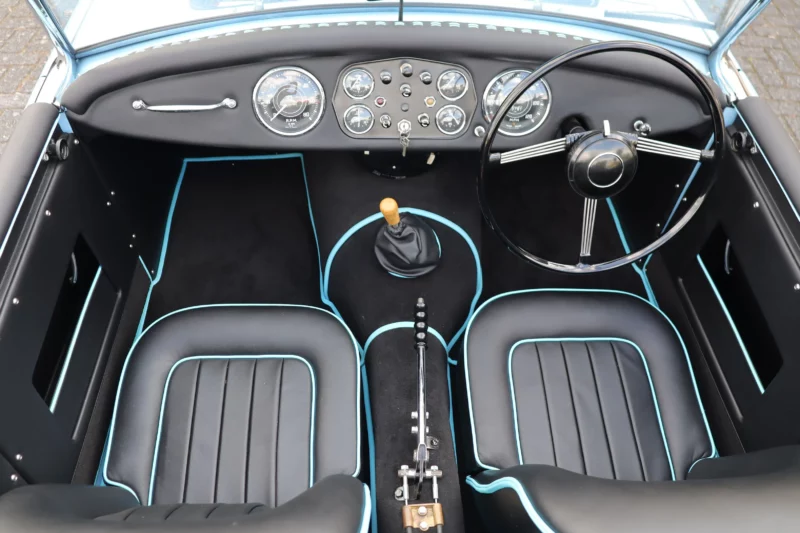
The Doretti was longer and wider than the TR2, giving it a roomier cabin. The handling was better, too, because the engine was set further back. So far, so conventional. Inside, however, convention took a back seat. Rainbow didn’t so much ignore the rulebook of ergonomics as rip it up entirely. Only one of the Doretti’s six dials is placed vaguely in the eyeline of the driver whilst some of them appear to be struggling to stay within the confines of the car itself. One of them is directly in front of the passenger! Perhaps Frank was channelling aircraft cockpit aesthetics. We’ll never know. But the Doretti’s dashboard is just one distinctive aspect of this beguiling little car.
You would imagine, considering that the car was intended to utilise TI’s in-house resources, that TI would actually build it. But no. That job went to Panelcraft because TI lacked the production capacity. And that name? The Italian-sounding moniker is borrowed from an American sports car accessories business run by the daughter of TI’s US importer. Her name was Dorothy Deen and Doretti was a contraction of her name.
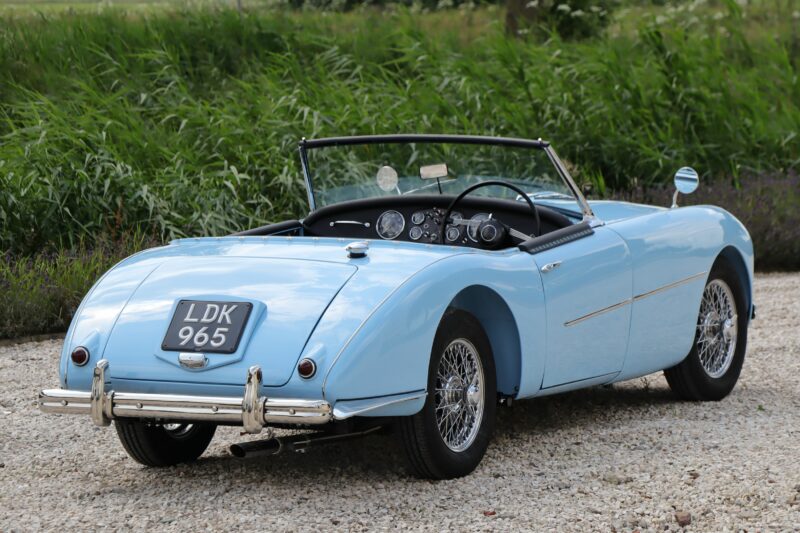
The goal was to get the car from drawing board to showrooms in nine months and amazingly, Frank and his team did just that. The Swallow cost more than an Austin Healey 100 but reviewers loved it. They praised the handling, the comfort and the performance. That it was well built too, in a market not especially known for building things well, certainly helped.
The big myth about the Swallow Doretti is that it was an unparalleled failure. After, all, just 276 left the lines. That is wrong. Time to bring back Sir William Lyons. The rave reviews fuelled orders and that spooked Sir William, who saw a threat to his XK120, despite the Doretti being clearly aimed at a cheaper and very different market. His stance gets even odder when you consider that he sold the Swallow car brand to TI only a few years earlier. Presumably the “risk” of them actually going on to build Swallow cars was self evident.
Whatever his motivation, he had the upper hand. TI supplied Jaguar with components like bumpers and door locks. Lyons threatened to cancel that contract unless the new sports car was killed. TI saw the commercial sense and did just that. There were plans for a Mk2, but perhaps by that point, faced with Lyons’ legendary wrath, the enthusiasm had dissipated. Certainly planning to call it Sabre, after the tiger, seems like a subtle dig at Jaguar. Whatever the mood was in the Swallow offices, it never happened. There would never be another Swallow car.
And so the Doretti, with its tiny production run, has become known as a dud. One of a long list of might-have-been, plucky British sports cars that failed if not at the first hurdle then certainly nearby. Outside an enthusiastic band of collectors, it barely warrants a footnote in motoring history but it could so nearly have been different. Those paltry sales don’t tell the full story. The Swallow Doretti never got a chance to get going. Certainly demand was there – the prototype was hugely popular when it toured the USA. Journalists rated it highly. Lots of the things that usually go wrong for motoring minnows certainly could have gone wrong, but we never got the chance to find out.
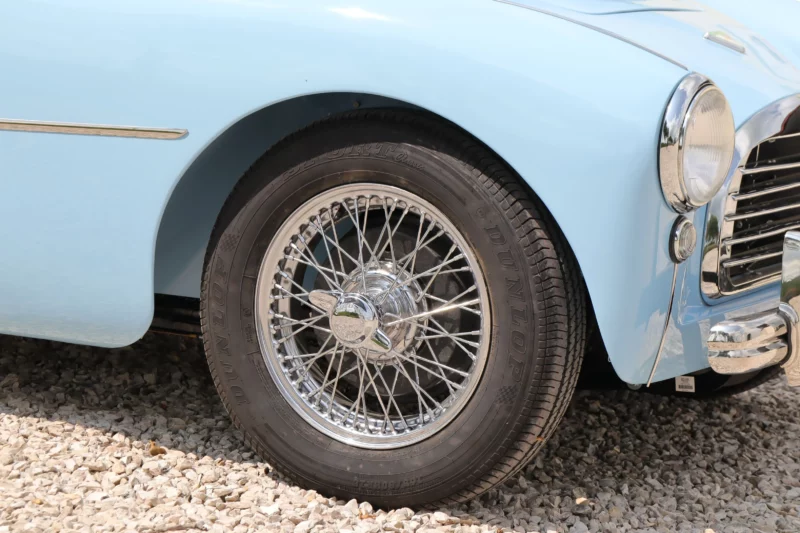
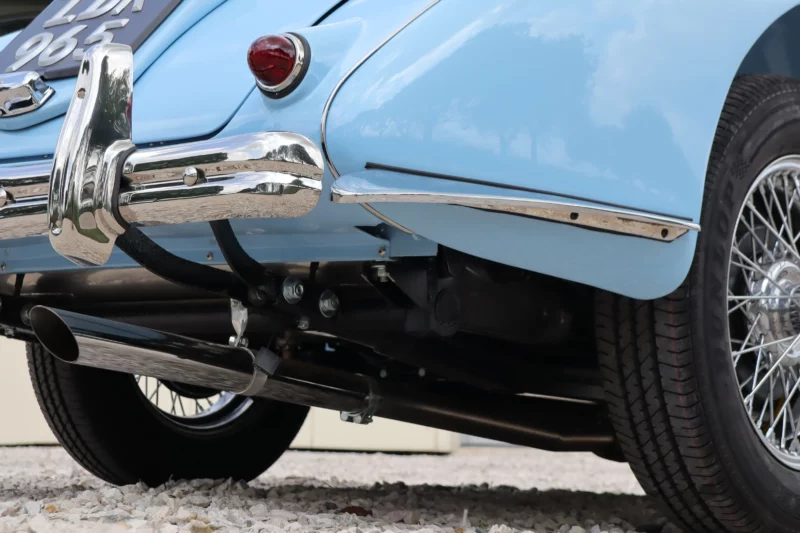
You can surely appreciate the style and exquisite details, including that whacky dashboard, that makes any Doretti stand out.
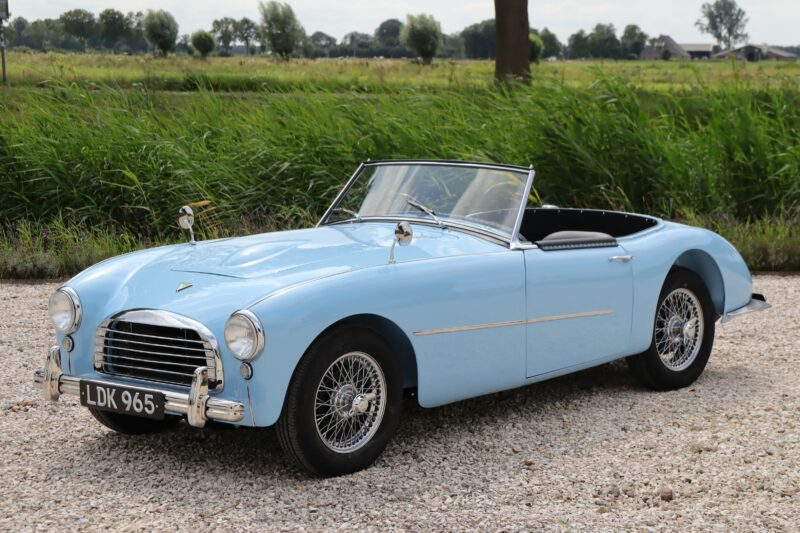
The Swallow Doretti is one of the best British sports cars of the immediate post-war era. They rarely come to market but at the time of writing we currently have two available on site so go and have a browse and hopefully you can see what got Lyons so worked up.