Head to Head – Caterham Super Seven vs Riley Nine MPH

November 12, 2024
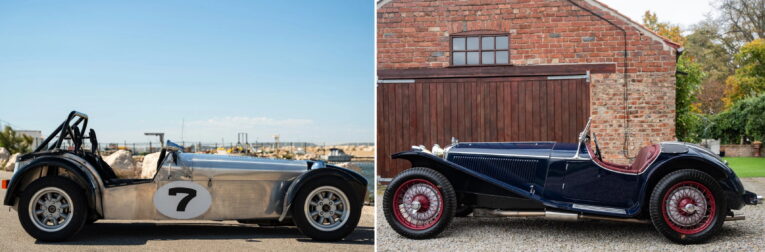
Winter may be well and truly upon us but that doesn’t mean we can’t turn our thoughts to warmer days again, and what better way to enjoy spring and summer than by hooning about in a British open top, two-seater sports car? It’s such an evocative image that’s burned into the grey matter of many a petrolhead and one that is evinced perfectly by the two cars going ‘mano a mano’ this time around in our Head to Head series: the legendary Caterham Super Seven and a beautiful Riley Nine – with a twist…
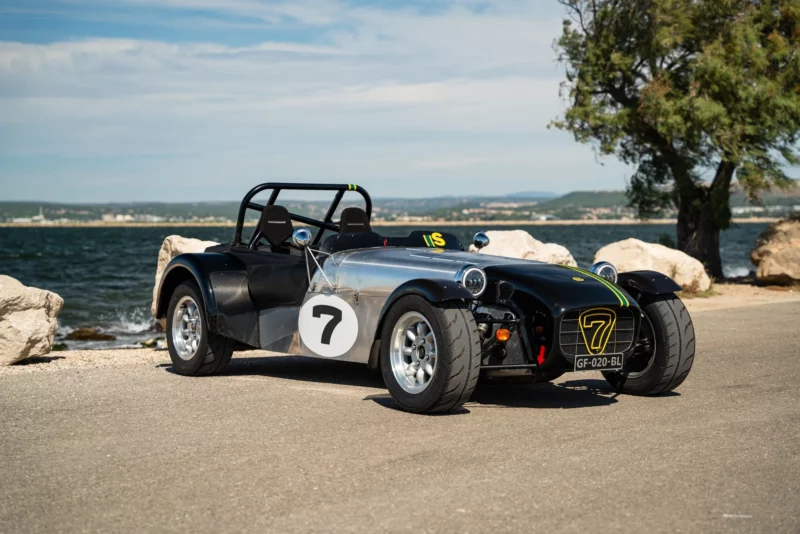
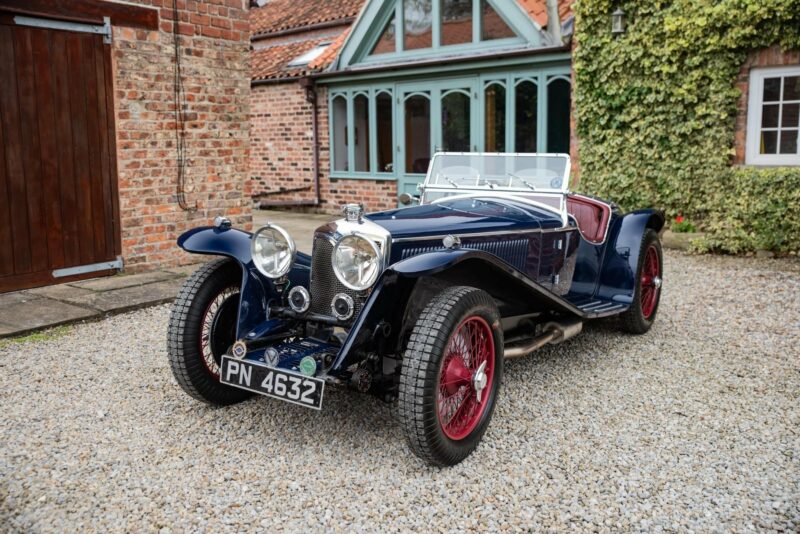
Both are pretty rare, with the Caterham being one of just 377 HPC models produced and the Riley being a rather special one-off build, but we’ll get to that. Both have more than enough performance to put an ear to ear grin on the face of all but the most desensitised speed freaks, and both have been built for the pure and simple joy of driving. Oh yeah, and they both have a number in their name. They may seem worlds apart, both in terms of age and indeed performance, but looks can be deceiving so let’s dive in and see what’s what, shall we?
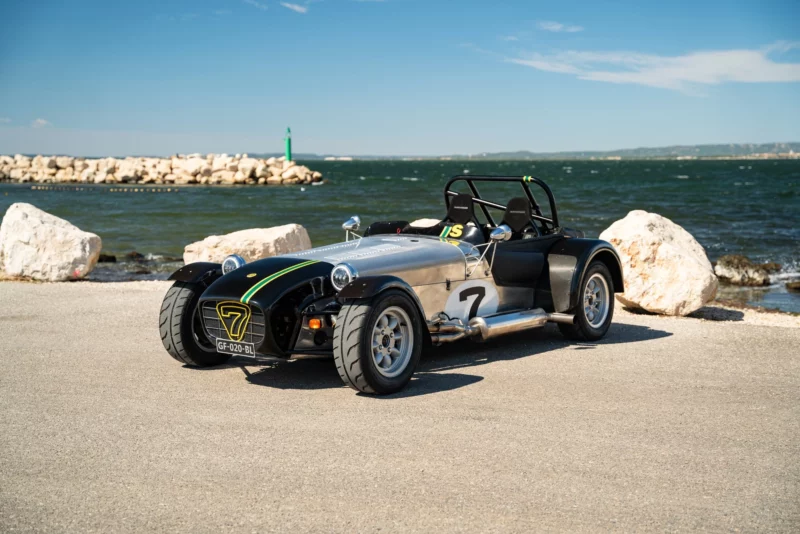
Caterham is a motoring institution at this point and anyone with even a passing interest in cars and motorsport will be familiar with the name. Dating back to the early ’70s when Caterham bought the rights to Colin Chapman’s Lotus 7 after he ceased production, the change in ownership was just that, with the company continuing to produce hugely successful race cars for the road, and to this day Caterham is still going great guns.
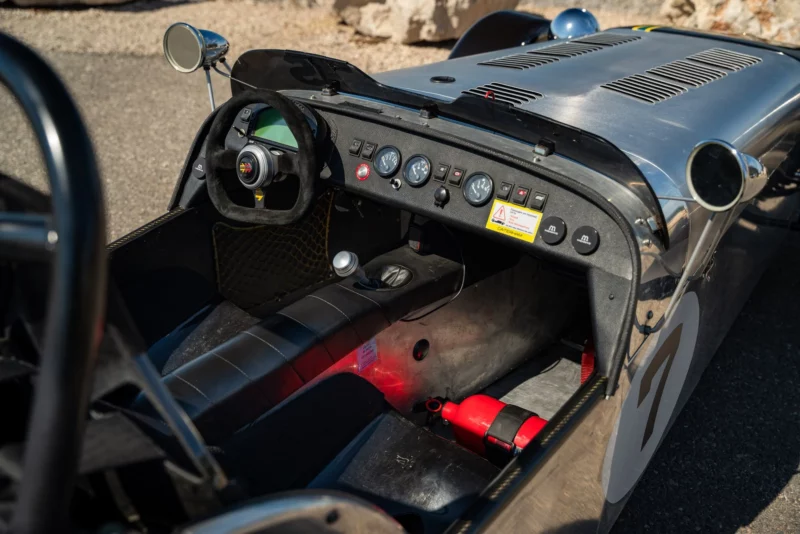
In a wonderful display of “if it ain’t broke, don’t fix it”, the Caterham Seven has remained largely unchanged throughout its life, and that’s because it just works. Yes there have been tweaks and improvements over the years, as well as a whole host of different engine options, but the same basic design of stressed aluminium body panels mated to an incredibly lightweight space-frame chassis has been the standard from the beginning.

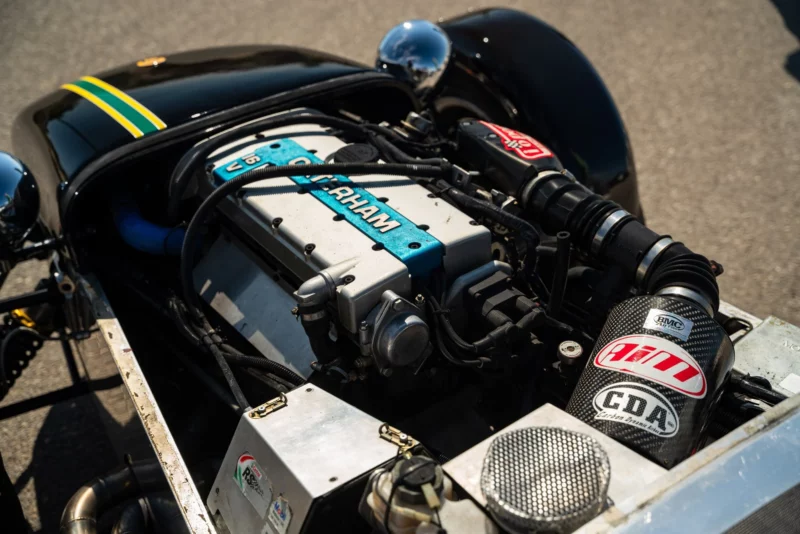
This particular Seven is a 1994 model, which means it comes equipped with the 175bhp 2.0-litre Vauxhall engine as found in the Calibra that Caterham was using at the time. Now 175bhp may not sound like a lot of power, and it really isn’t, but when its only job is to propel a car that weighs about as much as a Shiitake mushroom then it’s more than enough. Yep at around 550kg the Seven is about as light as they come and so achieving 60mph from parked in a standard model will take you just five seconds, and with your bum hovering just a few millimetres from the ground, it feels much faster. Trust us.
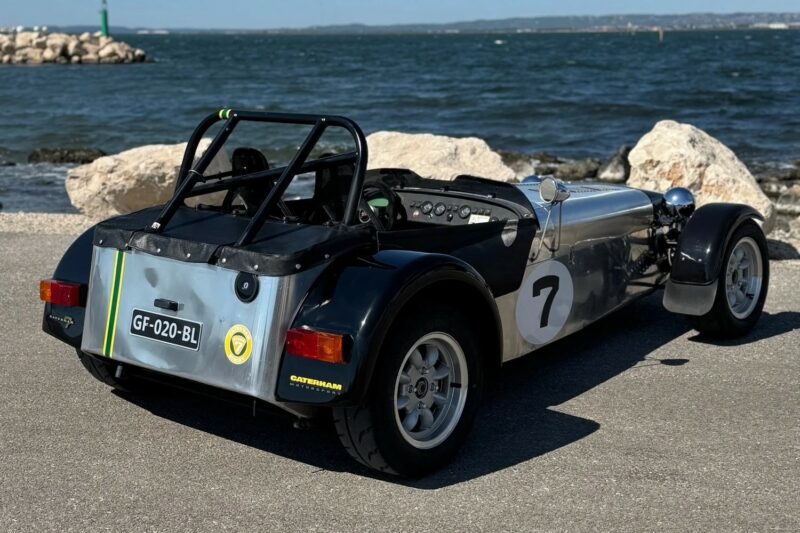
But, dear reader, this isn’t a standard model. Head on over to the listing to see the full spec but suffice to say, as well as relocating your face, as is the norm for a Seven, this one will find a new postcode for your internal organs, too. Well-maintained, fully serviced and with some choice upgrades, this Caterham is ready to rock and roll.
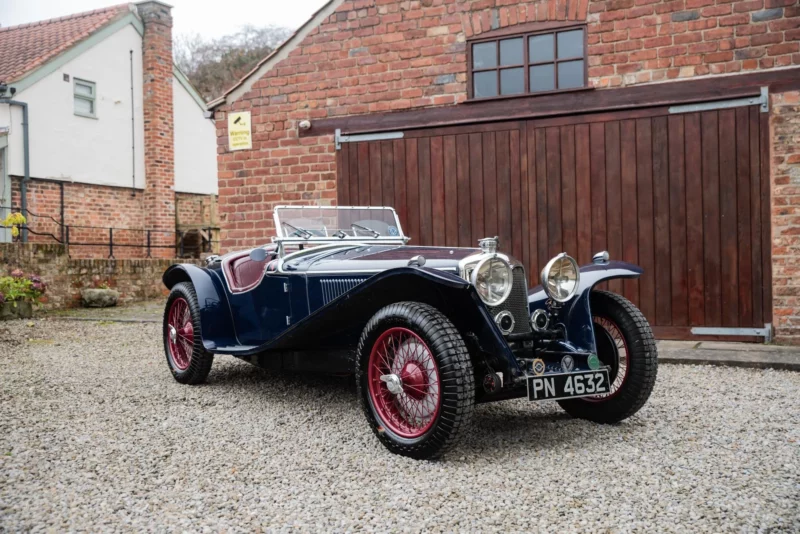
But as lairy as the Seven is, it’s a tempered lunacy that can be unleashed at will with just a dab of the right foot, like a cage fighter who’s just successfully completed an anger management course. In the opposite corner, the Riley on the other hand is more of a gentleman boxer, defending his lady’s honour via Queensberry rules while dressed in the finest men’s fashions.
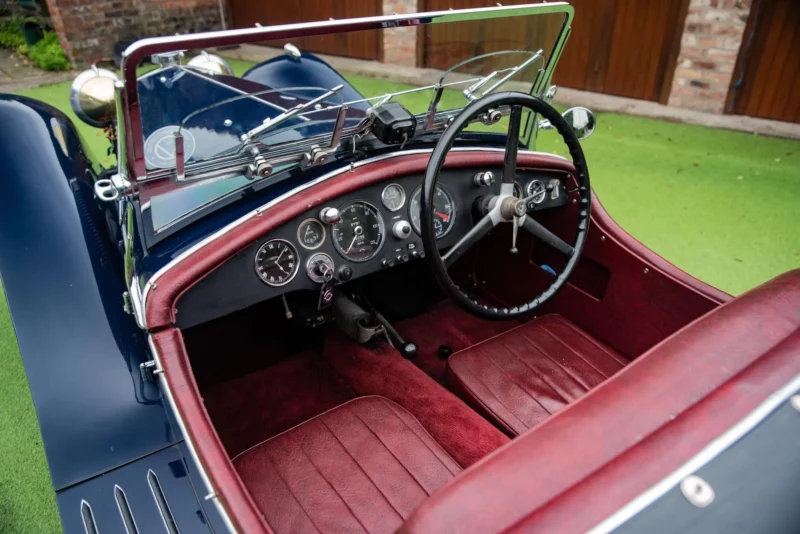
Draped in an exquisite dark blue body panelled by Riley specialist Brian Martin and with contrasting burgundy interior it certainly looks the part, but what of the paltry four-cylinder under the bonnet? Surely that can’t compete with a Caterham?! Well, ladies and gentlemen, while this particular car began life as a standard Nine, it has since been upgraded to MPH spec, which means a 2.5-litre six-cylinder powering the rear wheels via a four-speed Nuffield manual gearbox. The engine has since been rebuilt in 2016 and now produces a very respectable 115bhp, way more than a factory MPH Special.

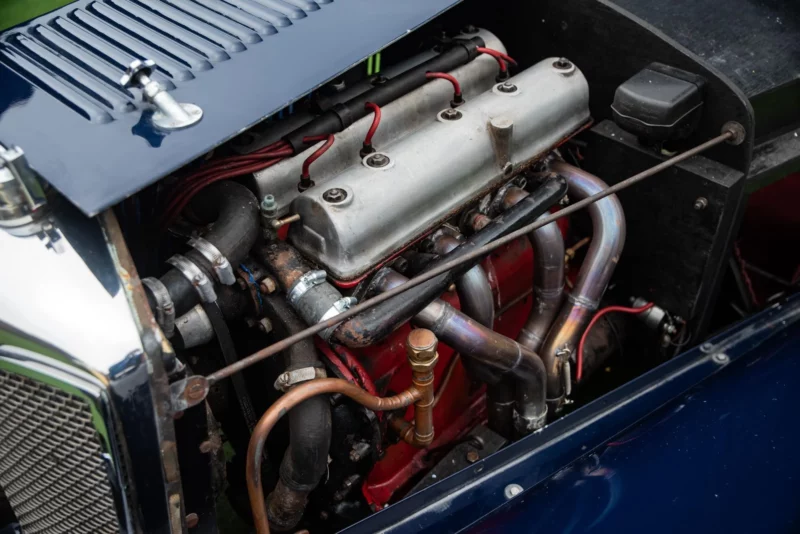
The improvements don’t end there though. Far from it. The car was kitted out as a Nine Special in ’64, which kicked off a 60-year quest to create the ultimate MPH Special, beginning with the Mike Holden MPH chassis which has been lengthened by four inches to improve cockpit comfort, making this a fitting tribute to those factory models whilst arguably going considerably further in terms of performance and spec.
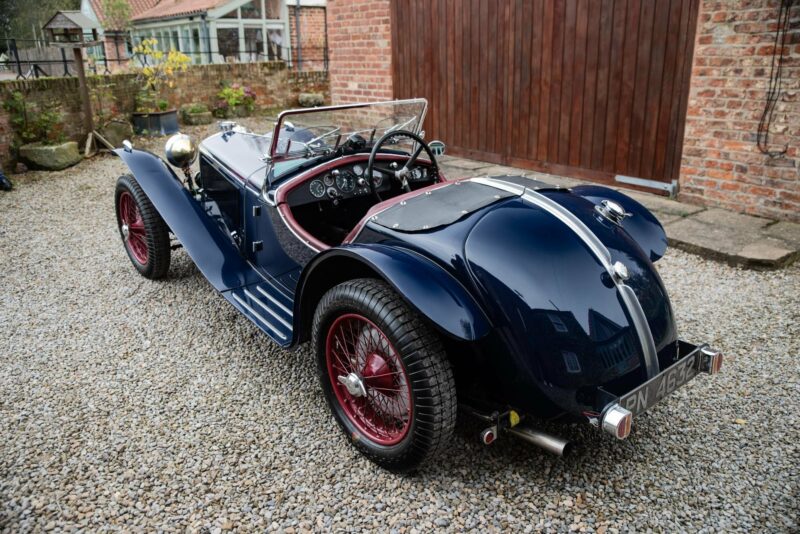
The MPH cars were borne from racing and this particular evocation certainly leans into that heritage, having competed in numerous VSCC events in the ’70s, and it continues to be a usable racer today. Check out the listing for a full run down, spec list and details of the work carried out but for all intents and purposes this Riley Nine has skipped ten altogether and gone straight to 11.
Although seemingly vastly different in terms of engineering as well as the period that spawned them, the great thing about both of these cars is that they’re very much intended to be driven. Forget your concours Corvettes and perfect Pininfarinas, these cars were built to do one thing and we’re all here for it. But which are you choosing, dear reader?