Jaguar – Blink Twice if you Need Help…

November 20, 2024
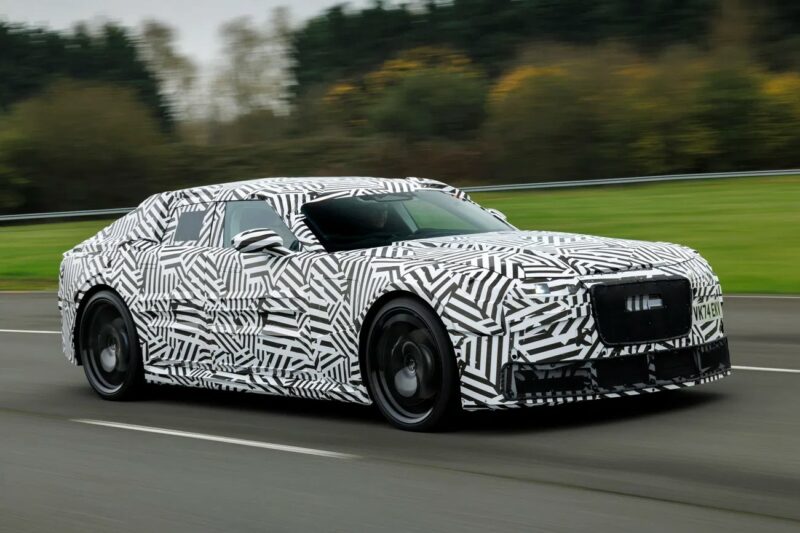
A few days ago, after the first images of Jaguar’s heavily disguised new GT hit the internet, I found myself in the curious position of half-defending it against a near-universal barrage of criticism from the Jaguar faithful. Let’s set the record straight right away though: I’m no fan of EVs. I don’t buy into the idea that they’re the magic bullet for the motoring world, nor do I believe they represent the future of sustainable driving, at least not on their own. That said, I’m not naïve—electric cars have carved out a space in the current landscape and are here to stay, whether we like it or not.
So, when Jaguar announced a few years ago that they were transitioning to a fully electrified line up, I wasn’t exactly thrilled, but I was willing to cut them some slack. After all, the brand has earned a modicum of trust, even if it’s been a little wobbly of late.
We’re no strangers to Jaguars here at Car & Classic. In fact, I’ve owned over 20 of them, and I still can’t bring myself to part with my beloved XJ40. There’s just something inherently naughty about a Jag—something that makes you feel like you’re driving a car that’s a bit of a rule-breaker. If you’re reading this, chances are you’re nodding along like the Churchill dog.
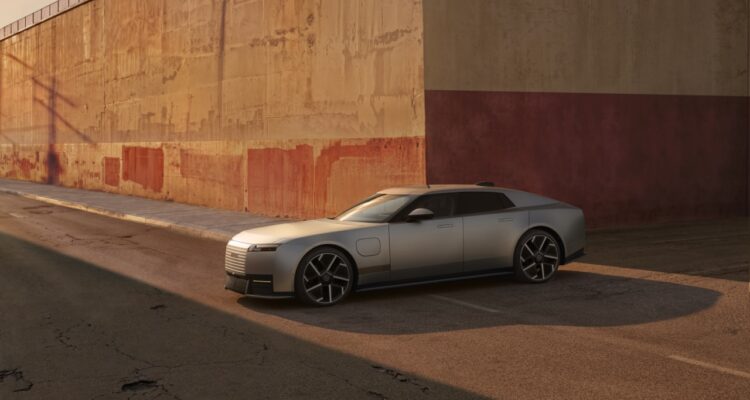
When I first saw the spy shots of Jaguar’s latest creation, I was quick to look beyond the clumsy camouflage and dismiss the “it looks like a Chrysler 300C” comments. What I saw was a potential beauty—an alluringly long bonnet and a dramatically curvaceous roofline. There was hope. Maybe, just maybe, that long bonnet would one day house a glorious straight-six petrol engine, once Jaguar realizes that there’s still a market for real engines, not just batteries. After all, it wouldn’t be the first time Jaguar misjudged a market.
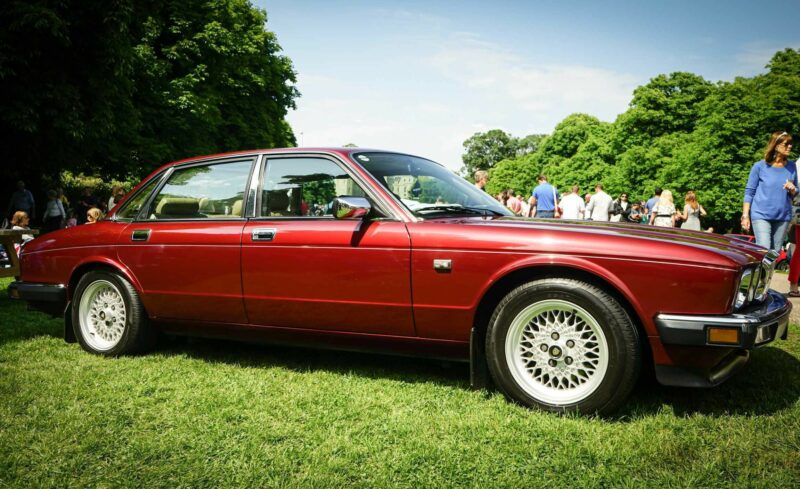
Back in 1986, Jaguar thought the world had moved on from the V12 when they launched the XJ40 saloon, only to discover, too late, that customers still craved twelve cylinders. They ended up keeping the older Series 3 XJ in production until ’93, all while frantically re-engineering the XJ40 to accommodate a V12. But that’s Jaguar for you—often late to the party but always managing to make some cocktails, play some bangers and have a good time.

However, the true shock to the system came on November 19th. What was revealed to the world was something that, quite frankly, no one could have predicted. In recent years, Jaguar has sadly become the neglected cousin of Land Rover and despite their best efforts to remain relevant, Jaguar has simply been ‘kept around’—like the awkward guest at a party. Think of Land Rover as the Happy Mondays, and Jaguar as Bez.
But here’s the thing: if any brand didn’t need a new identity, it was Jaguar. No matter how turbulent the last few years have been, a Jaguar is still a Jaguar. You only need to mention that name to a car enthusiast, and they’ll instantly know what you’re talking about—what it should be, and what it stands for. That, my friends, is brand recognition, and when you’ve got it, you hold on to it. It gives you power.
All Jaguar needed to do was release a new sports car with a beefy V8 or a menacing saloon with ‘XJ’ emblazoned on the back. It could even have been EV only. Just picture the scene: a black screen, distant thunder rumbling in the background, howling wind, and rain pattering against the lens. Suddenly, the unmistakable growl of an actual Jaguar echoes through the storm, and for a split second, lightning reveals the sleek silhouette of the new car. The headlights then suddenly flare to life, cutting through the darkness, flooding the screen with a blinding white light. I don’t know about you, but that would get my heart racing. EV or not, I’d be sold. That’s what a Jaguar should do. Excite you.
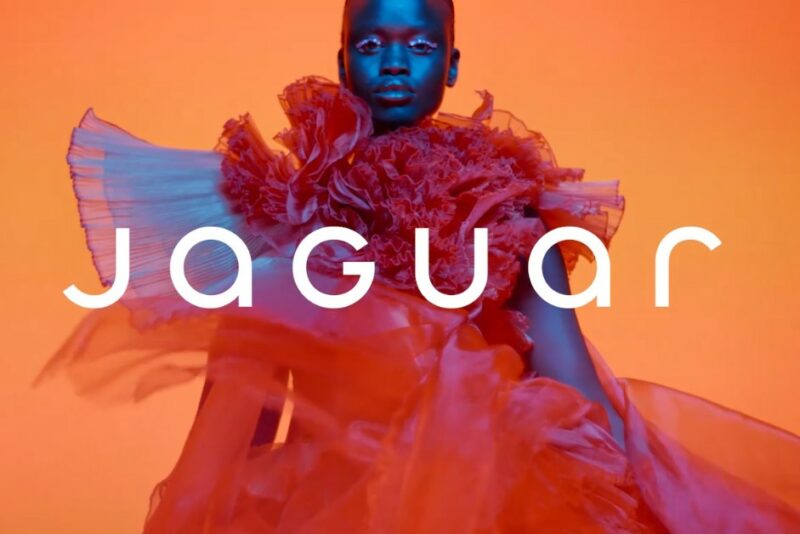
Instead, Jaguar chose to abandon their iconic identity and roll out a marketing campaign that can only be described as a cringe-worthy mess. It’s like they hired a group of fashion students fresh out of a trendy cologne ad, all draped in neon and sporting absurd haircuts. The buzzwords, ‘delete ordinary’ and ‘copy nothing,’ feel less like a rallying cry and more like an exercise in vacuous nonsense.
There’s no hint of actual cars—just an attempt to fit in with today’s culture that’s so desperate it’s embarrassing. It’s as if Jaguar is trying so hard to prove it’s progressive that it’s ended up looking utterly ridiculous. What’s most baffling, however, is that just a few years ago, Jaguar was on the rise. Their sales were solid, held back only by an ageing model line up and tech that was rapidly becoming outdated. Jaguar once carved out a niche where they competed with Rolls-Royce, Bentley, and Aston Martin, but at a fraction of the cost.
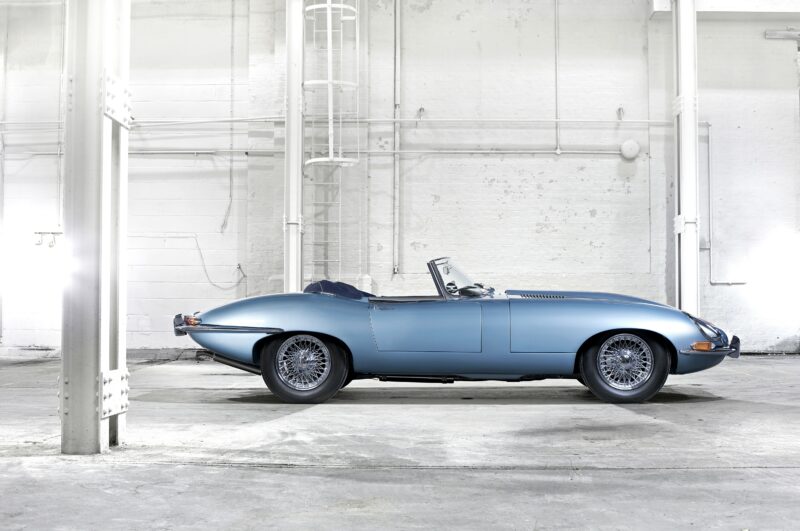
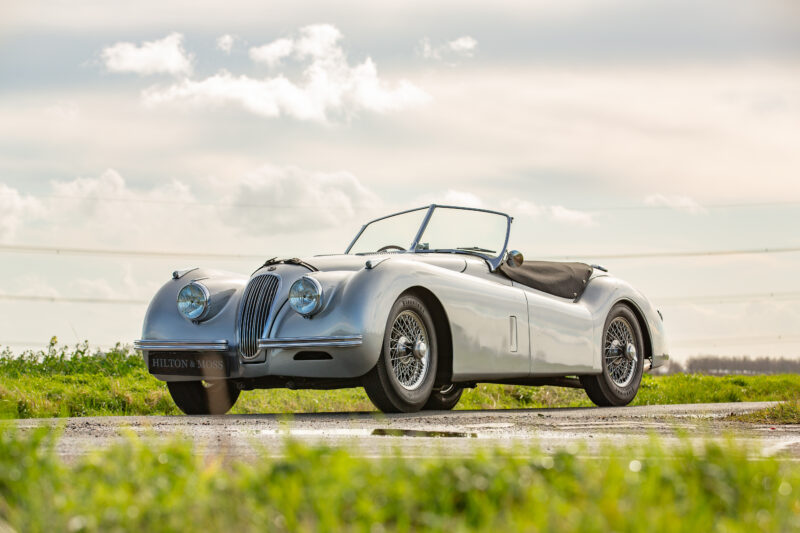
After all, back in 1961, Jaguar offered the E-Type to the world – at a 1/3 of the price of an equivalent Ferrari. Did that affect the cachet of the owners? Well, Brigitte Bardot, Mick Jagger, Frank Sinatra and George Harrison didn’t seem to mind. In its quest to boost volume, though, Jaguar lost its way, diluting the brand and trying to muscle in on a much more crowded market. It found itself offering outdated tech that couldn’t compete with the likes of BMW and Mercedes, while its premium offerings no longer carried the same gravitas due to this dilution of its own identity. Jaguar lost its original audience while failing to attract a new one.

At this point, if Jaguar truly needed a rebrand, it should have been a bold reaffirmation of their old slogan, ‘Grace, space, and pace.’ Cars that deliver high performance, are expertly engineered, and have that quintessential British charm—all at a more accessible price point than the truly elite marques. That’s what Jaguar has always stood for, from the moment William Lyons founded the company over 100 years ago.
But instead of embracing this heritage, Jaguar has opted for a bizarre, avant-garde identity that seems more Paris Fashion Week than Geneva Motor Show. It’s as if it’s trying too hard to be “of the moment,” yet the result feels completely out of sync—much like the issues that led to Jaguar’s decline in the first place. Jaguar have turned up to new wave club in 1983 while wearing platform heels and a fur coat.
The real kicker is the target audience. The new marketing campaign is clearly aimed squarely at the Gen Z crowd, but the reality is that the people who will actually be able to afford Jaguar’s new £100,000+ electric offerings are likely to be over 40 and successful professionals. So, it’s a little odd to market a high-end luxury car to a generation who can barely afford their Starbucks lattes in the city centre.
And then there are the new logos—sorry, ‘device markers’ as Jaguar has so pretentiously called them. They look like the work of a sixth-form design student who’s had a go at Microsoft Paint after a little too much WKD, which, frankly, is an insult to sixth-form students. They deserve better than that.
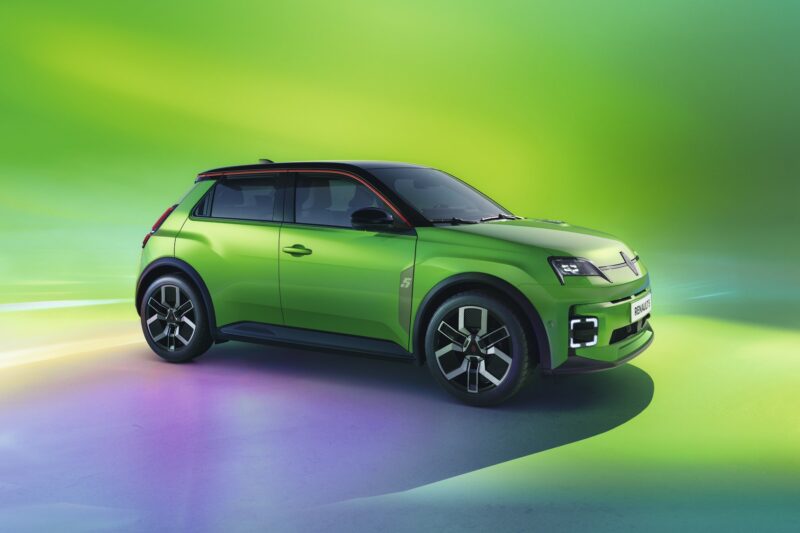
Nostalgia is having a moment right now. Just look at Renault’s new 5, which, despite being a full blown EV, blends the old and the new in a way only the French can. Fiat and Mini have been cashing in on retro since the 2000s, with their 500 and Mini models, to great success. It’s not just cars, either. Pop culture is going through a nostalgia boom, too, thanks in part to shows like Stranger Things. If any brand was perfectly positioned to capitalize on this trend, it was Jaguar.
Instead, they’ve completely fumbled the ball. Remember when Steve McQueen was digitally resurrected in the driver’s seat of a Ford Puma for their 90s ad campaign? Imagine if Jaguar did something similar today—you’d buy one, even if it was an EV, wouldn’t you? But let’s be honest here: none of that really matters.
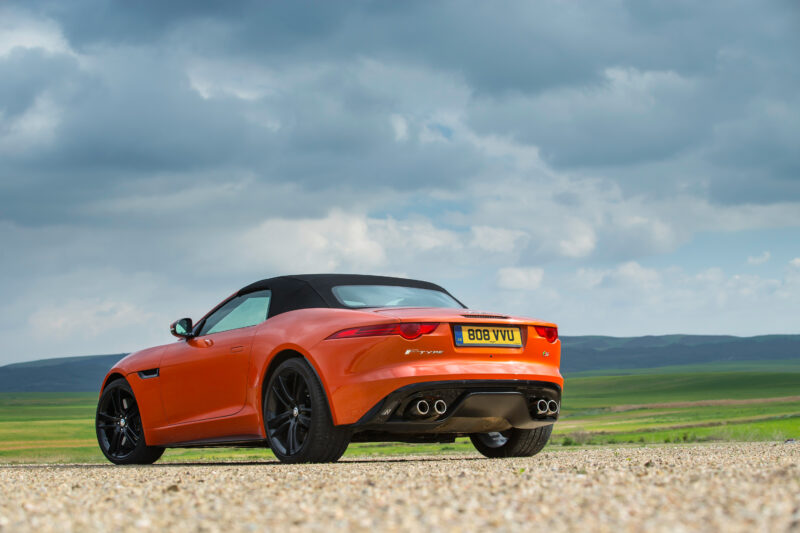
A Jaguar is a villain’s car. They’re for people who break the rules. It should be a little naughty, a little dangerous, but above all, it should be cool. You shouldn’t have to say much more than, “I drive a Jag” and the world should get it. Think back to 2015. Jaguar’s ad campaign featured Ben Kingsley, Tom Hiddleston, and Mark Strong. Helicopters, tuxedos and a V8 F-Type. The slogan? ‘It’s good to be bad’. It was effortlessly cool and said everything about what a Jaguar is.
That was Jaguar’s audience. What it should have done was double down on that. Embrace the rebellious spirit. Celebrate it. Instead, Jaguar has managed to make it uncool to drive a Jaguar, and that, is the greatest crime of all.

As the old adage goes, “There’s no such thing as bad publicity, just publicity.” If we’re going to find a crumb of positivity here it’s at least got people around the globe talking about the brand again, so maybe this shock-and-awe tactic of alienating their traditional customer base wasn’t a misstep, but a masterstroke of marketing genius. Or maybe it’s just one of those “hold my beer” moments in corporate strategy. It certainly seems like they’ve thought this through, since Jaguar has openly acknowledged they’re prepared to lose 85% of their traditional customer base with this new direction. Which, frankly, feels like giving the finger to their history, heritage, and once-respected position in the motoring world.
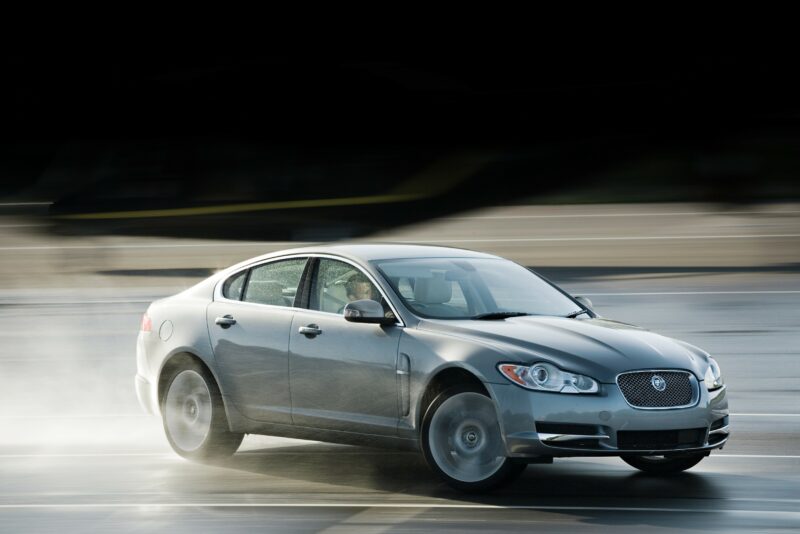
Their justification? Apparently, most future customers “don’t even know about the current Jaguar or its rich history.” Oh, really? Allow me to politely disagree. Pretty much everyone I’ve ever met who’s even remotely interested in Jaguars has either always wanted one or owns one because of some deep, sentimental connection. Maybe a father had one, or a grandmother, or maybe they remember seeing an E-Type as a kid and suddenly developed a lifelong obsession with the British marque. Even in recent years, when Jaguar has put out some rather “meh” offerings—let’s just say they haven’t quite kept pace with the market leaders—the fact remains that people buy Jaguars because they know what they represent. Buying a Jag isn’t just about buying a car, it’s about buying into a story.
My sister drives a 2.2 diesel XF. I have an XJ40. Why? Because our granddad had Jags when we were kids. And here’s the kicker: Every single person I know in the Jaguar community owns theirs for a similar reason. I recently spoke to a young guy who drives a 2.0 diesel XE. His grandad had an E-Type, and that was enough for him to feel like he needed a Jag, no matter the model. So for Jaguar to assume that nobody knows or cares about the brand’s heritage? Well, that’s either a moment of blissful ignorance or, frankly, a bit disrespectful. Either way, it’s a massive misread of their own legacy.