Le Mans Classic 2025 – Driving Vintage Bentleys with Kingsbury Racing Shop

July 16, 2025
“The whole thing is crazy. Nobody will finish.”
So remarked one Mr Walter Owen Bentley upon hearing of the first 24 Heures du Mans in 1923. With an engineering background that had begun aged just sixteen as an apprentice in Doncaster’s railway engine sheds, W.O.’s esteemed career blossomed quickly. He became involved in motorcycle racing from 1909, entered the motor car industry in 1912, and developed aero engines during the First World War. He founded his own firm, Bentley Motors Ltd, in 1919, and W.O.’s cars soon garnered rapturous acclaim for their durability on the road and race track. Suffice it to say, Bentley knew what he was talking about, and so his initial scepticism over the feasibility of a ’24 Hours Grand Prix of Endurance’ at Le Mans was not ill-founded.
Nevertheless, Bentley did go to Le Mans. And while it was far from easy, W.O.’s cars and the remarkable people who drove them went on to become some of the most successful in the history of endurance racing. When it came to reliability and performance, Bentley was the manufacturer to beat, winning the 24 Heures in 1924, 1927, 1928, 1929, and 1930.
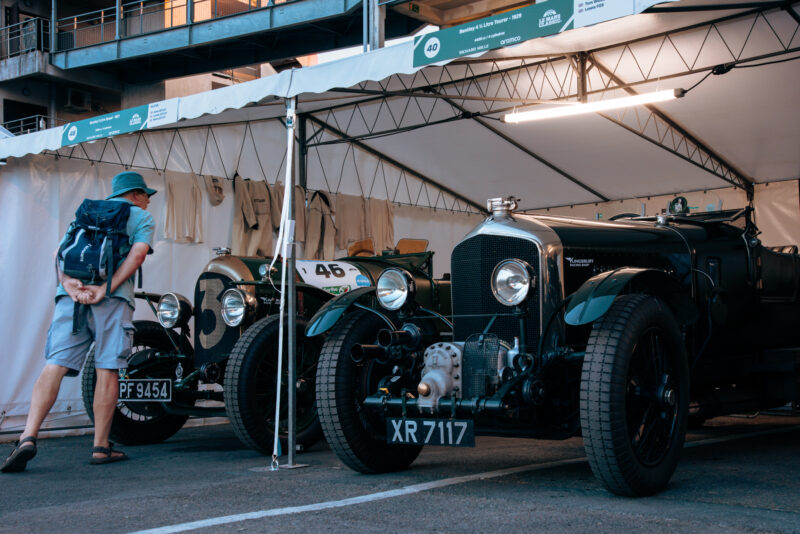
We wonder if W.O. Bentley, who died in 1971 shortly before his 83rd birthday, would have ever predicted that his cars would still be around, let alone racing, a hundred years after they first left his Cricklewood workshops? Indeed, the great man is said to have been astounded and gratified to see his early creations still being raced and enjoyed during the 1960s while he was enjoying his retirement. But another half-century has elapsed since then, and at Le Mans Classic 2025, the Bentley Boys (and Girls) are showing no signs of slowing down.
Thanks to historic motor racing events like Peter Auto’s Le Mans Classic and skilled specialists like Kingsbury Racing Shop, the spirit of early Le Mans lives on into the 21st century.
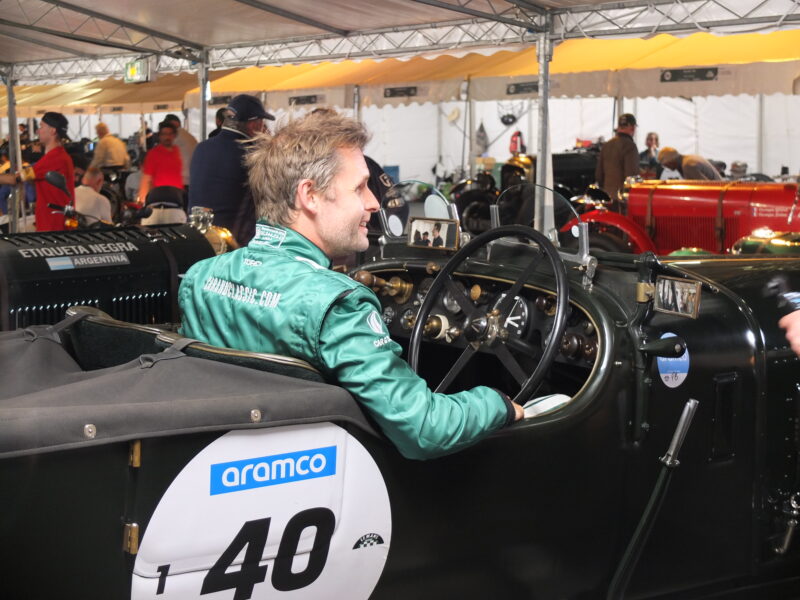
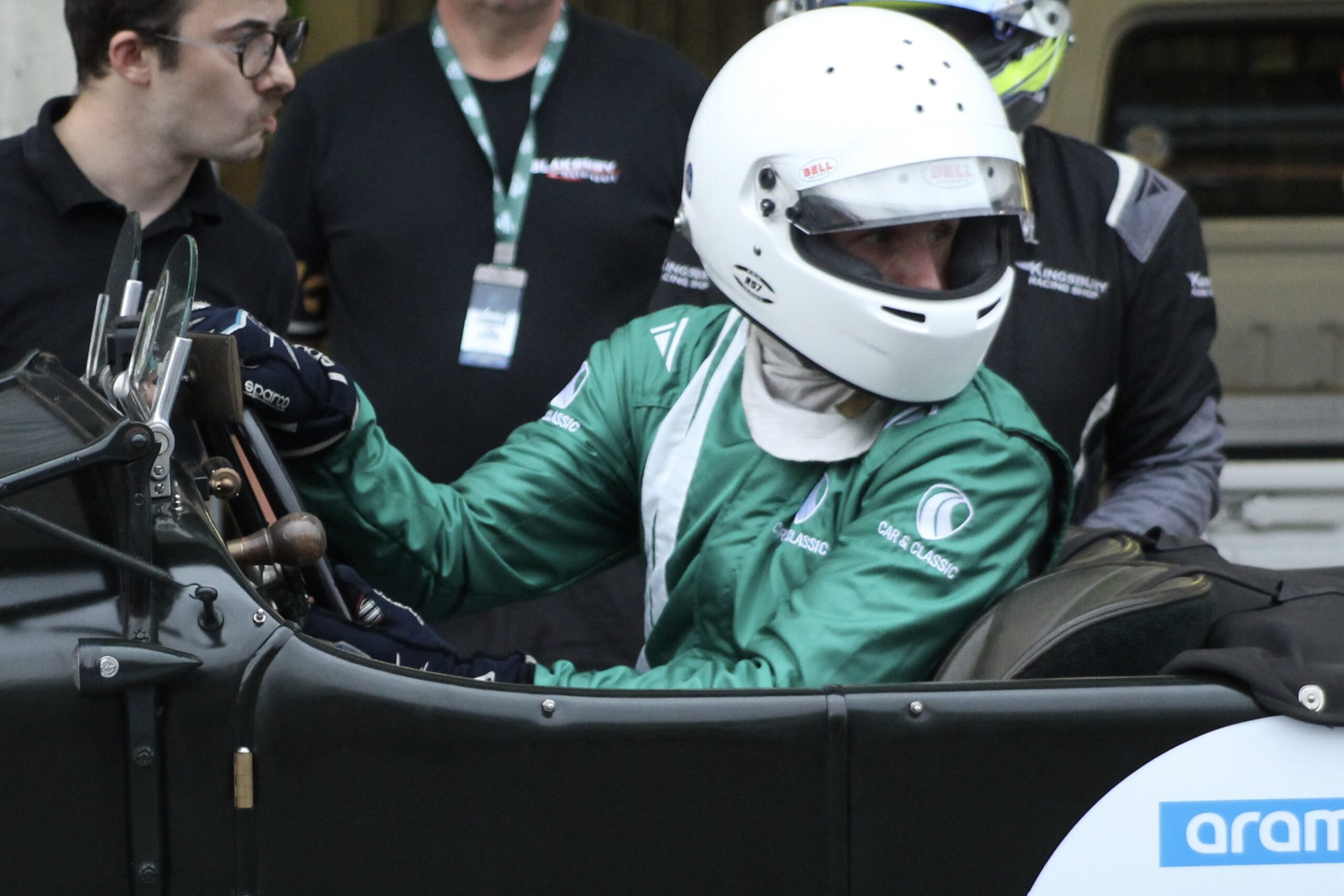
2023 marked 100 years of Le Mans, and so our founder, Tom Wood, raced his own 3/4 ½ Litre car at the Benjafield’s Racing Club’s single-marque race at Le Mans Classic 2023. This proved to be an unforgettable experience for all the right reasons, but Tom also learned that prepping the car himself was a mammoth undertaking. That’s why 2025’s edition of Le Mans Classic saw him behind the wheel of one of Kingsbury’s specially prepared and commendably accurate 4 ½ Litre “Blowers”: one of three cars at this year’s event supported by the Bicester Motion-based firm.
“Use a dab of handbrake. That’ll stop the inside wheel spinning as you exit the corner. It’s like having a limited-slip diff.”
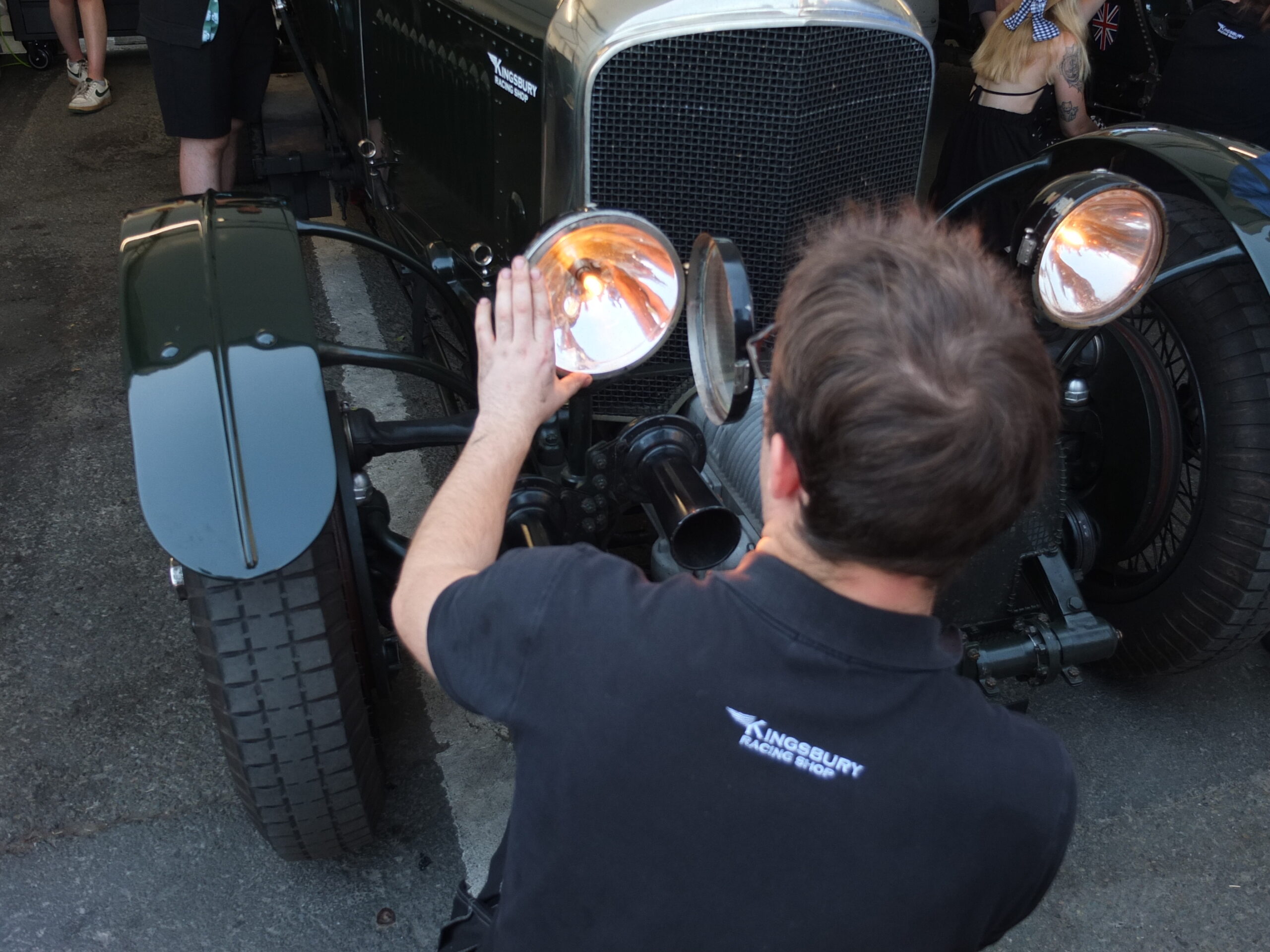
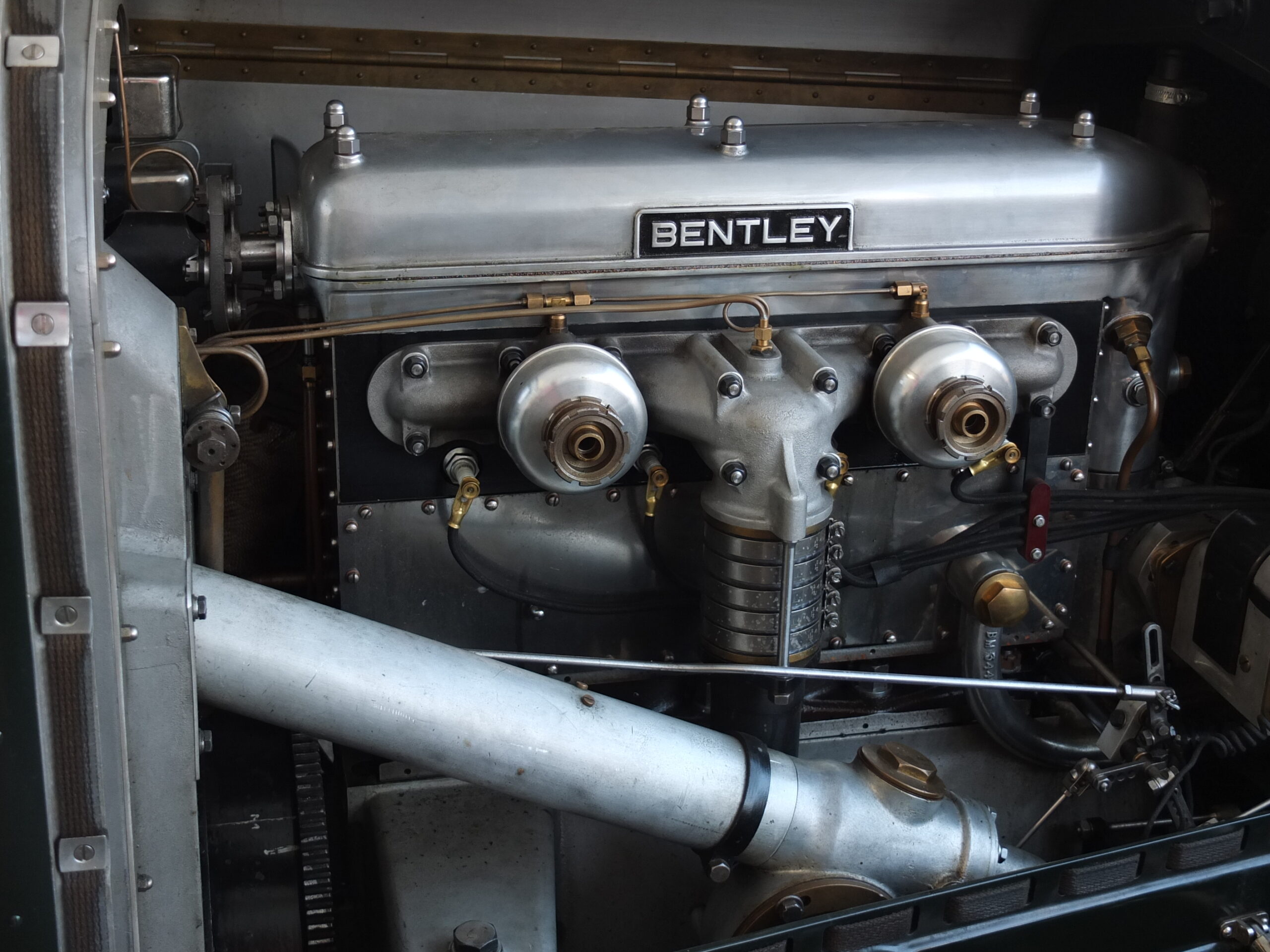
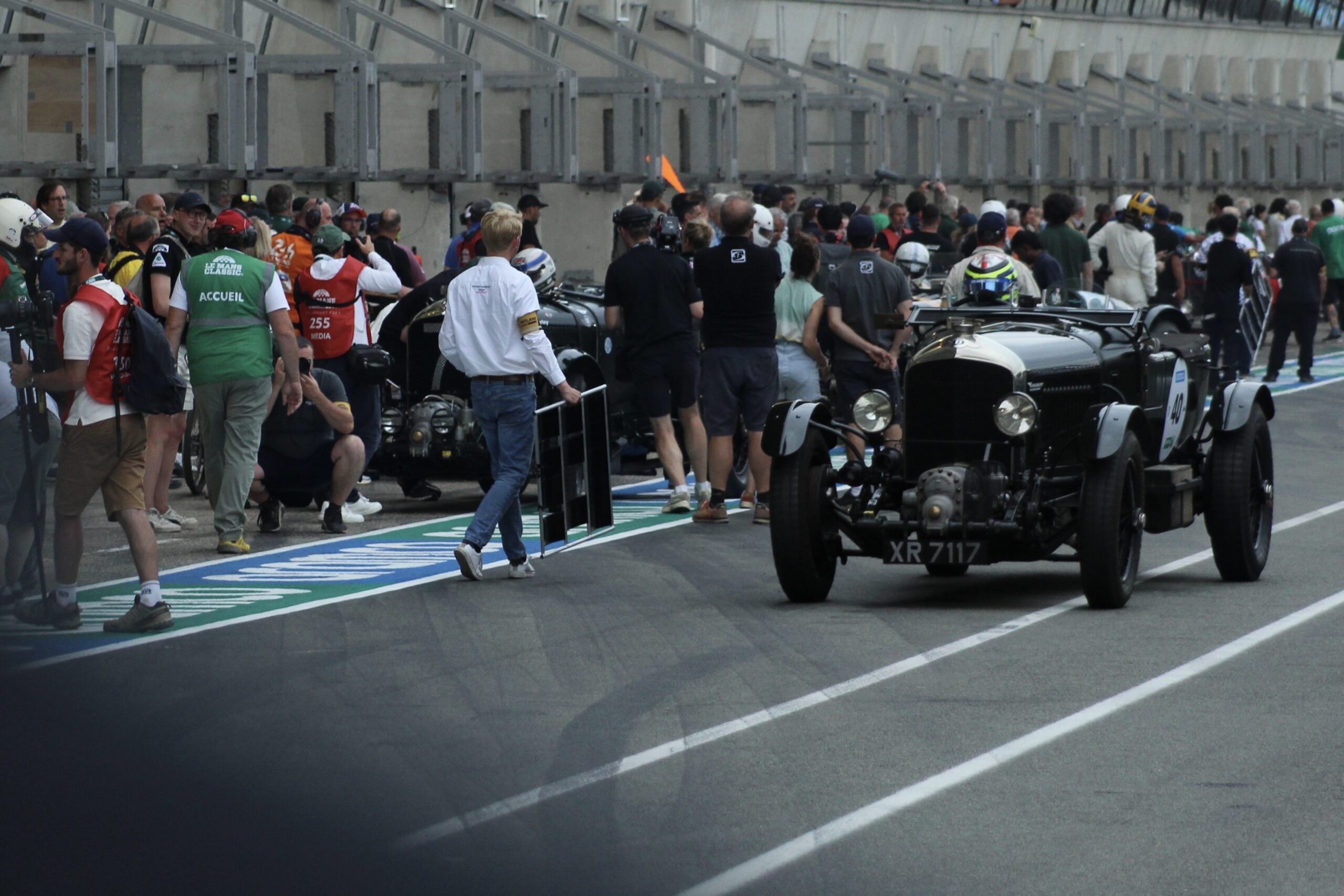
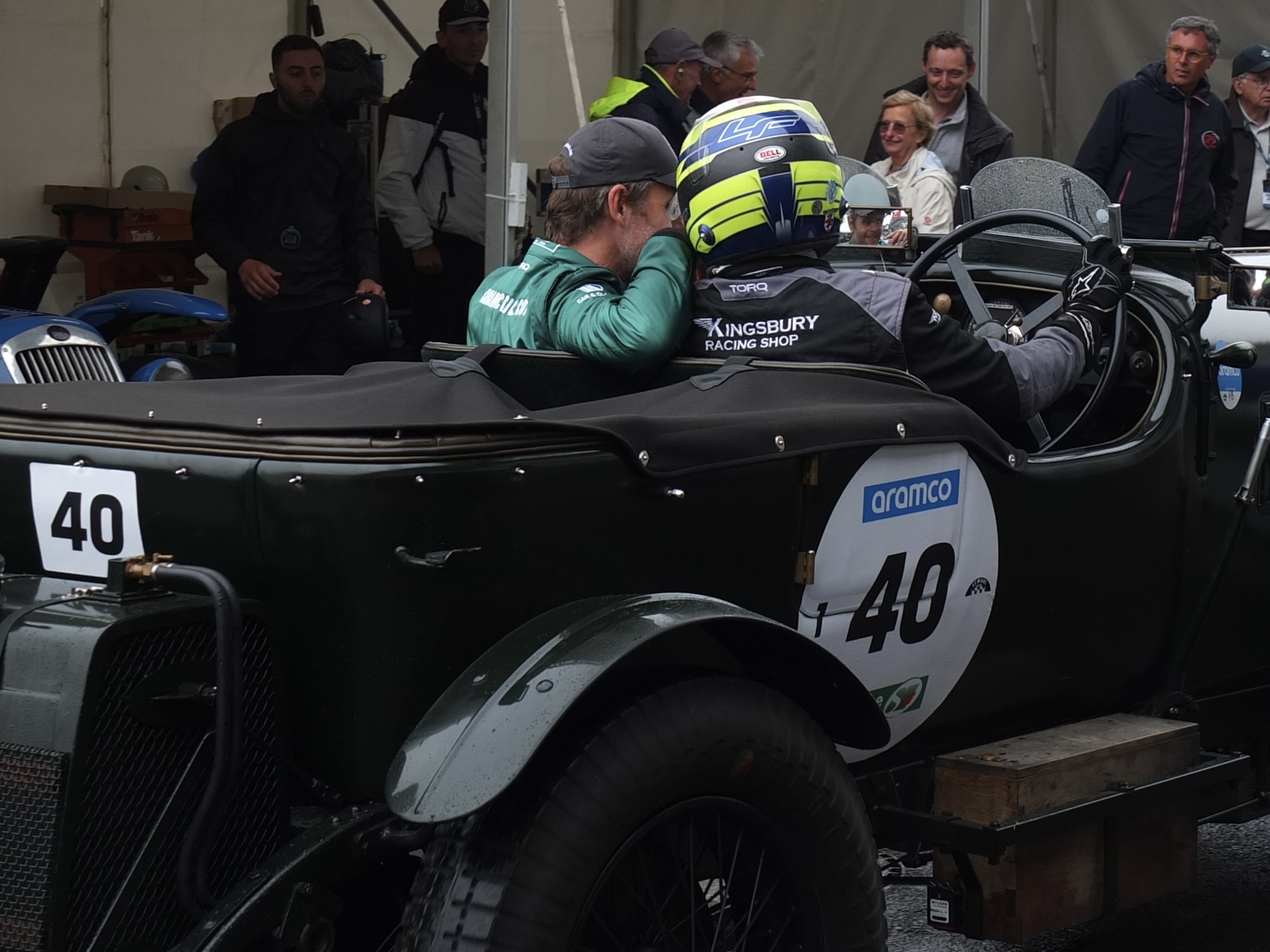
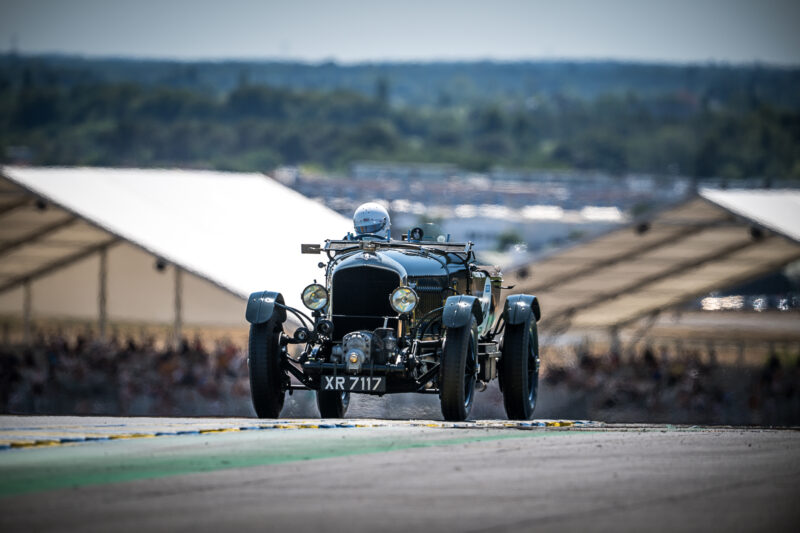
Tom and Kingsbury’s Lewis Fox raced ‘XR 7117’, the aforementioned 1929 Blower, which is a faithful recreation of the original Bentley Supercharged Prototype ‘YU 3250’. It’s well-known that W.O. was initially as scathing of forced induction as he was of Le Mans. Bentley saw the extra strain the supercharger placed on his engines as detrimental to their longevity, a principle his company’s reputation was built on. So he was right to worry. But the fact remained that the rest of the field was catching up, therefore Bentley was eventually persuaded to adopt the technology, which duly saw off the similarly supercharged Mercedes-Benz SSKs at the 1930 24 Heures. ‘XR 7117’ is accurate to the daytime-running spec 1929 Ards Tourist Trophy car. Owner Ewen Getley, Kingsbury Racing Shop’s founder, points out the painted canvas body, short mudguards and small headlamps, the latter feature making night racing somewhat challenging!
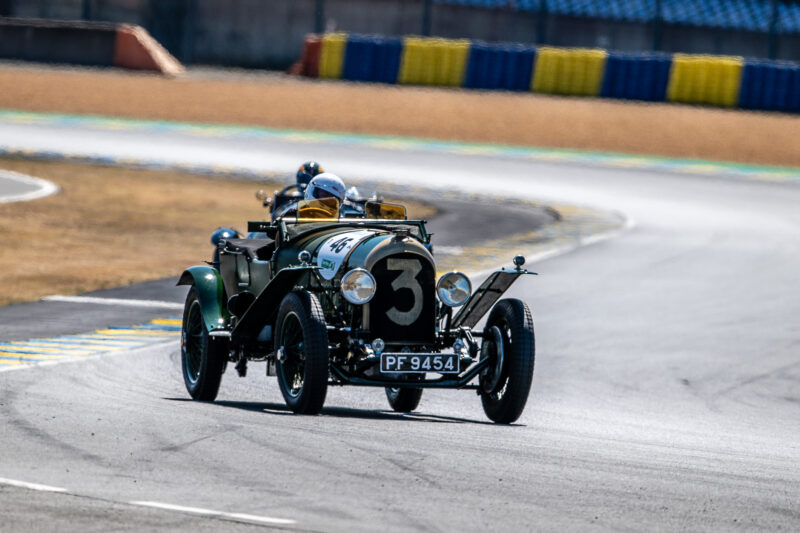
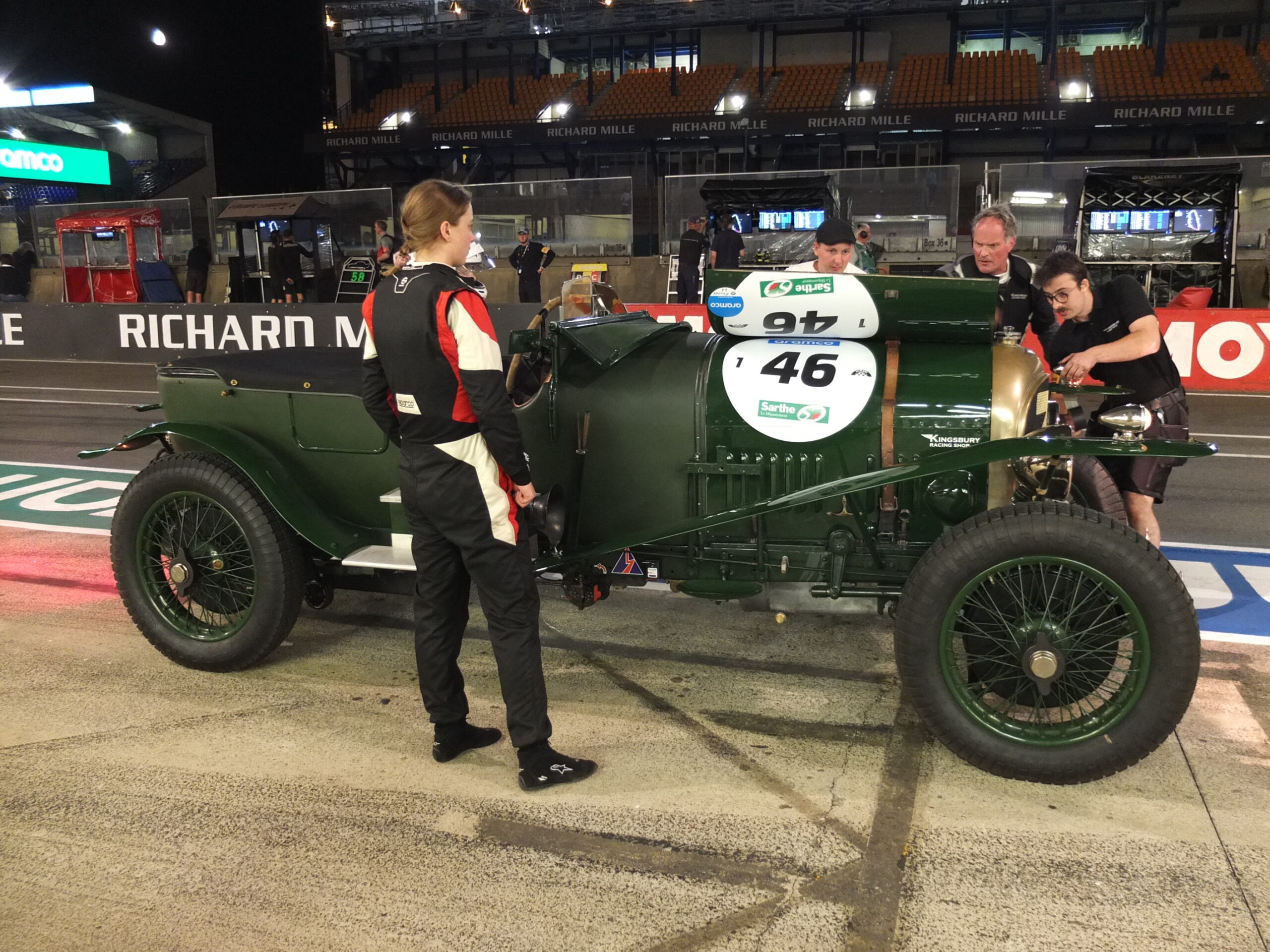
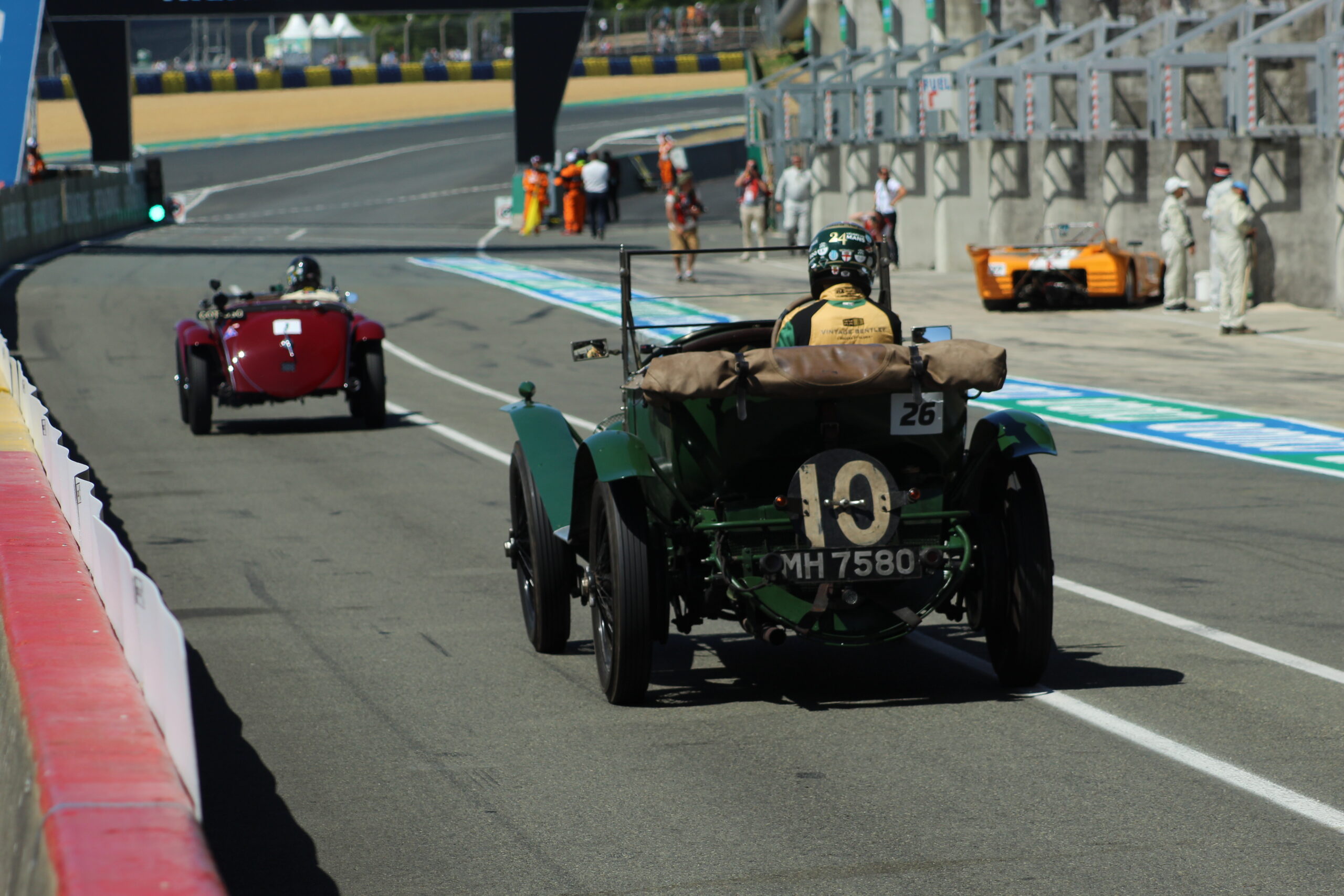
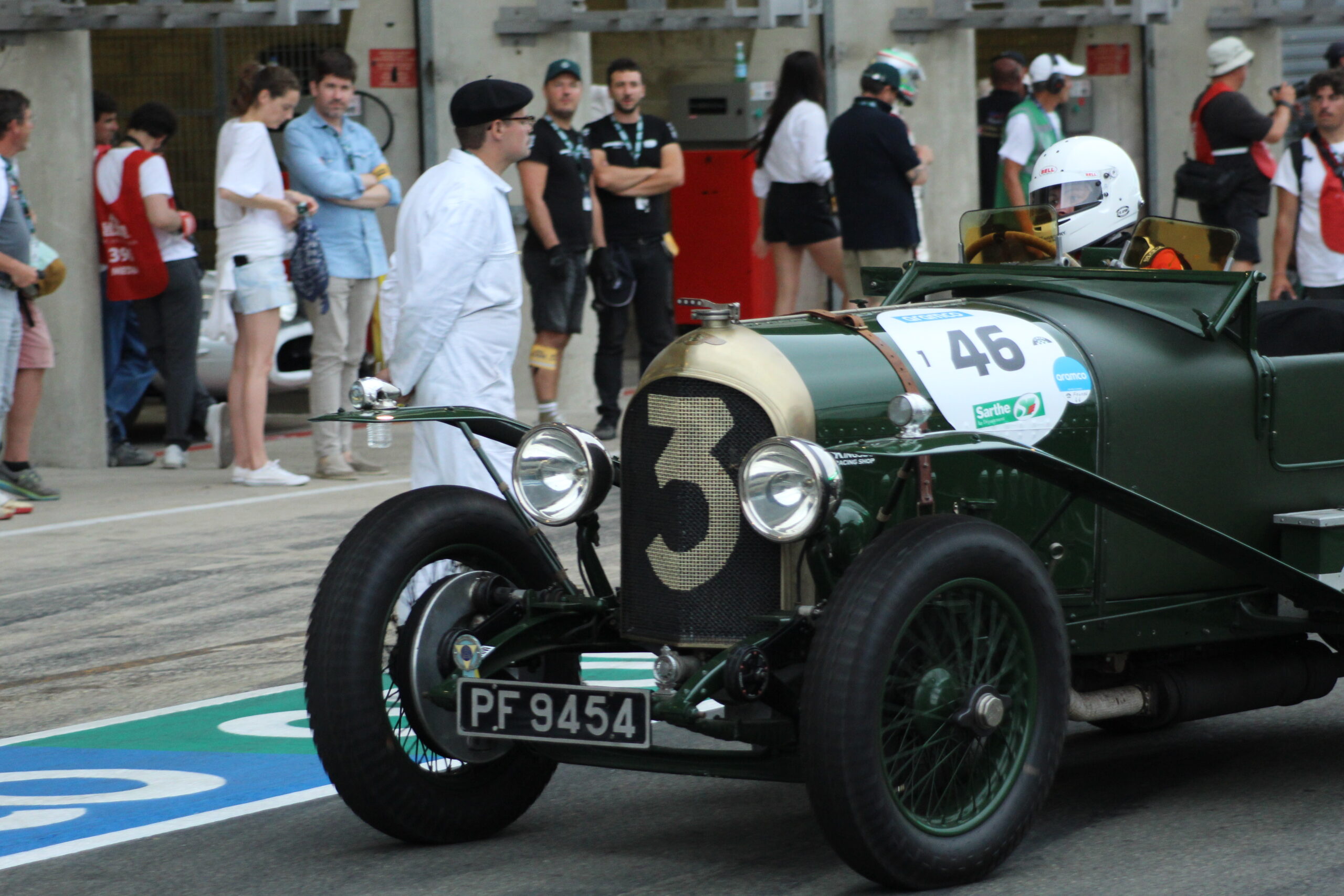
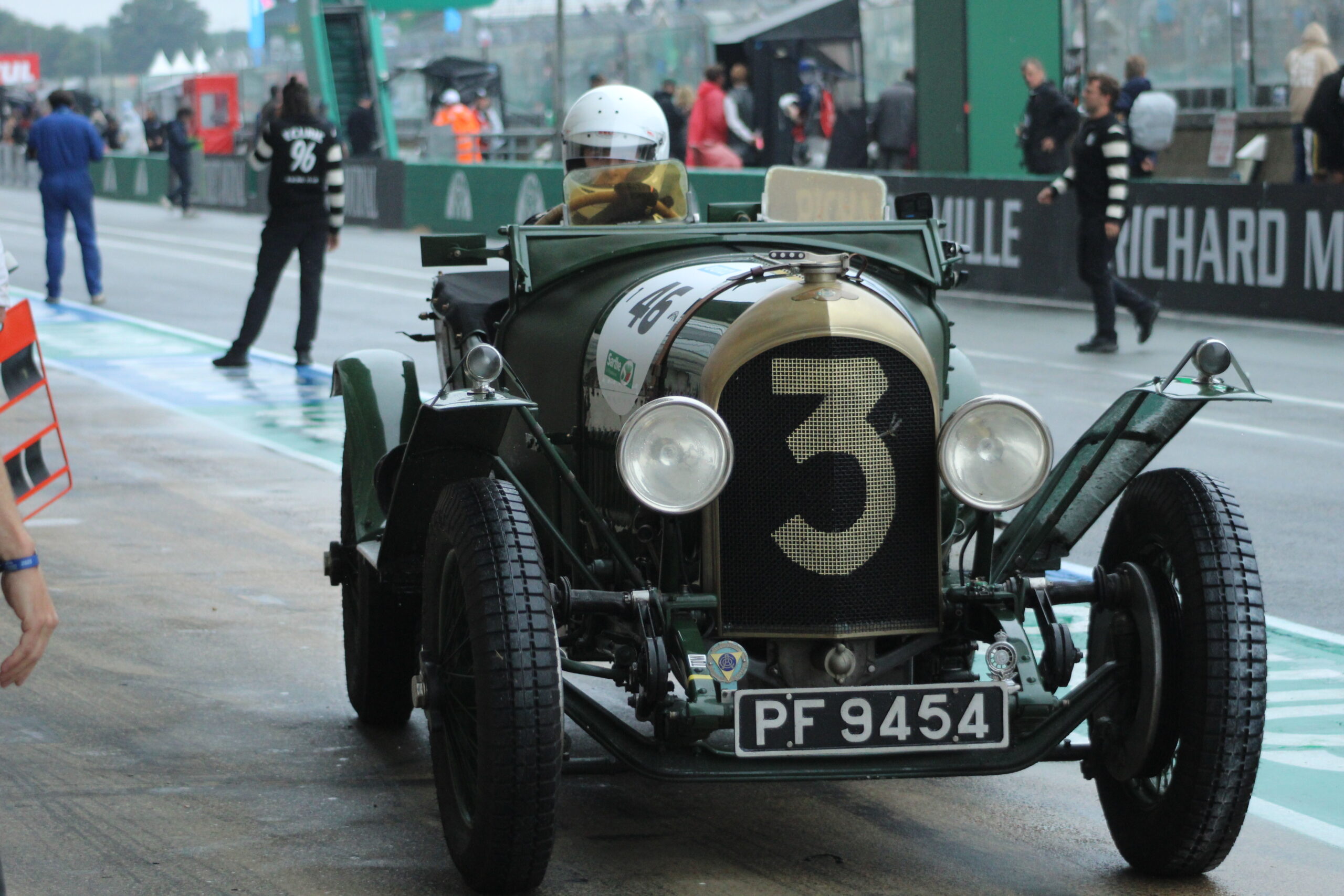
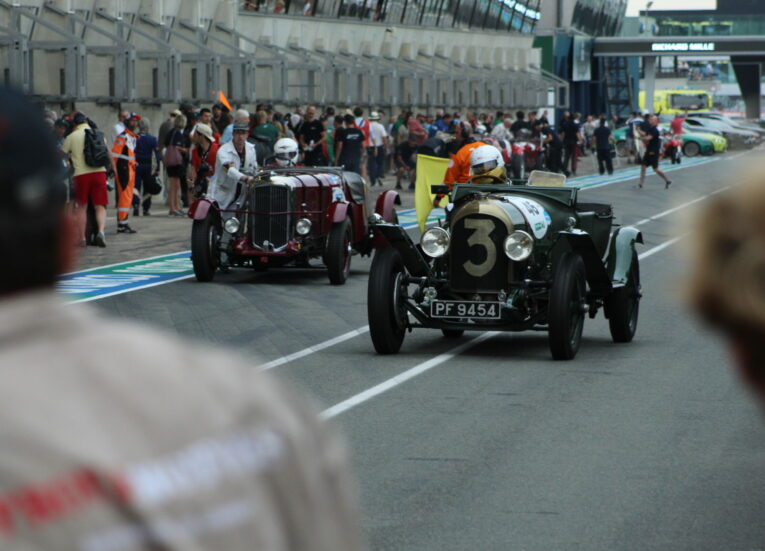
The second Kingsbury car was a similarly exacting near-perfect replica of the 1927 Le Mans-winning 3 Litre car, which was narrowly spared the fate of the two leading Bentleys during the infamous “White Horse Crash”. ‘PF 9454’ was driven by the Kingsbury Racing Sisters, Anna and Louisa Getley and their father Ewen. These cars are not among the so-called “Airfix Bentleys” often seen at such events. They don’t feature the huge headlamps or the Union Flag on the doors. Not that there’s anything wrong with those cars; they’re iconic in their own right, but it’s also wonderful to see historically accurate recreations being raced as they were in period.
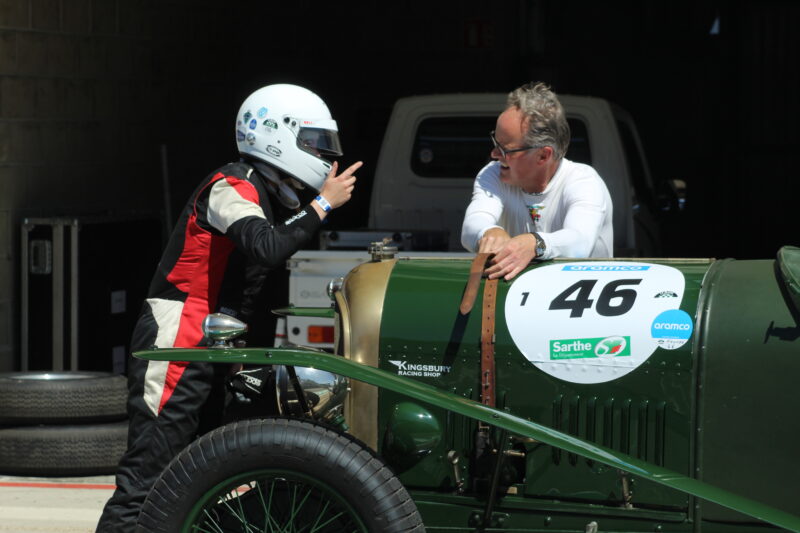
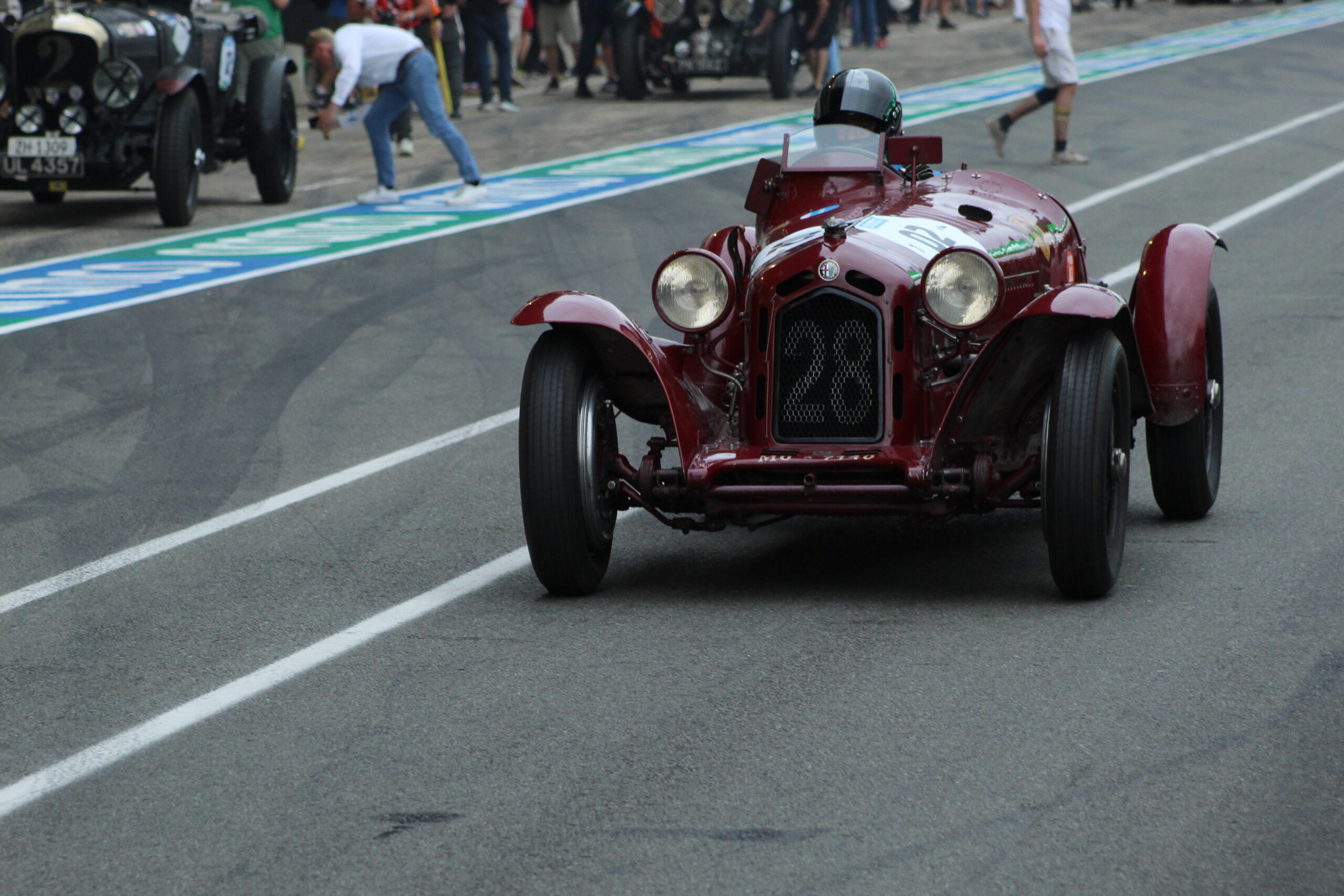
While rain would arrive on Saturday night and make its presence especially well-felt by Sunday morning, the first part of the Le Mans long weekend was warm and dry. Competing in ‘Plateau 1’, a race for cars driven at Le Mans between 1923 and 1939, the ‘20s Bentleys faced strong opposition from cars designed up to a decade later. This was a time of rapid innovation in automotive engineering, meaning an awful lot separates cars built at each extreme of the ‘Plateau 1’ timeline. The likes of Mercedes-Benz, Alfa Romeo and Bugatti made huge technological advances during the interwar years, developing lightweight racing cars that were very much the ‘Davids’ to Bentley’s ‘Goliaths’. “The world’s fastest lorries“, Ettore Bugatti is said to have called them… In short, this wasn’t going to be a walk in the park. But Kingsbury’s beautifully prepared cars were well-placed to be strong finishers, while still being as accurate as possible to the period in which they originally raced.
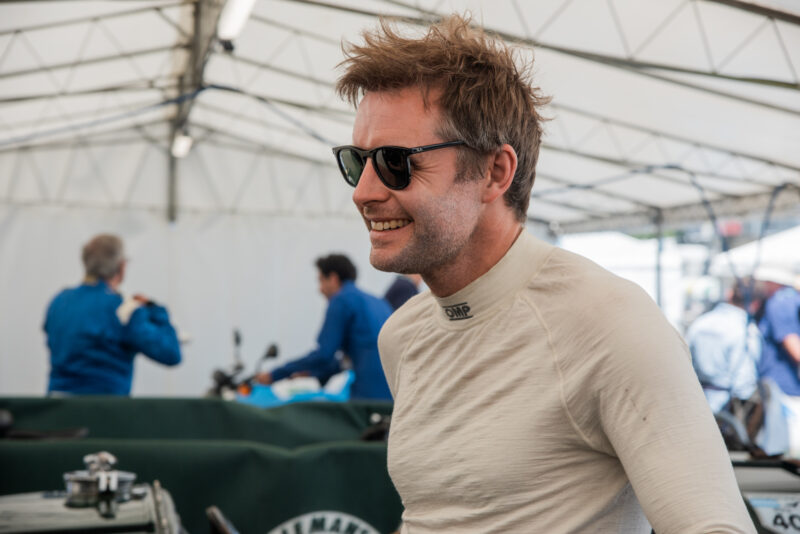
“I saw 120 on the speedo.”
The Kingsbury drivers performed admirably during practice and qualifying, reacquainting themselves with Le Mans’ 13 and ½ kilometres and 38 turns. Unlike the 24 Heures, Le Mans Classic is not a race of endurance, but rather a short sprint to the finish. That means there’s limited opportunity to get into a groove, and drivers have to be even more decisive than usual when planning their overtakes. Slow zones during qualifying made posting quick times a real challenge, but with Kingsbury’s expert team on hand to keep the Bentleys in top form between heats, the cars ran like clockwork.
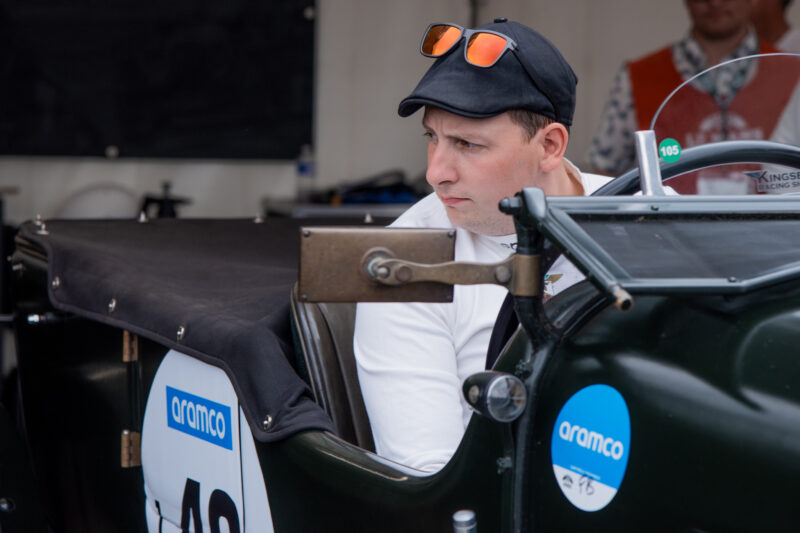
“It’s not a disaster, just rubbish.”
While Tom has raced at Le Mans before, and spent more hours than most at the helm of a Cricklewood era Bentley or two, he notes he’s no match to Kingsbury’s in-house pro Lewis. To Tom’s credit, his first taste of track time in the Blower took place during the practice session – a steep learning curve! Reviewing the action cam footage, something the original Bentley Boys certainly didn’t have access to, Lewis applies the ‘tough love’ school of encouragement to help Tom chip some seconds off his lap times.
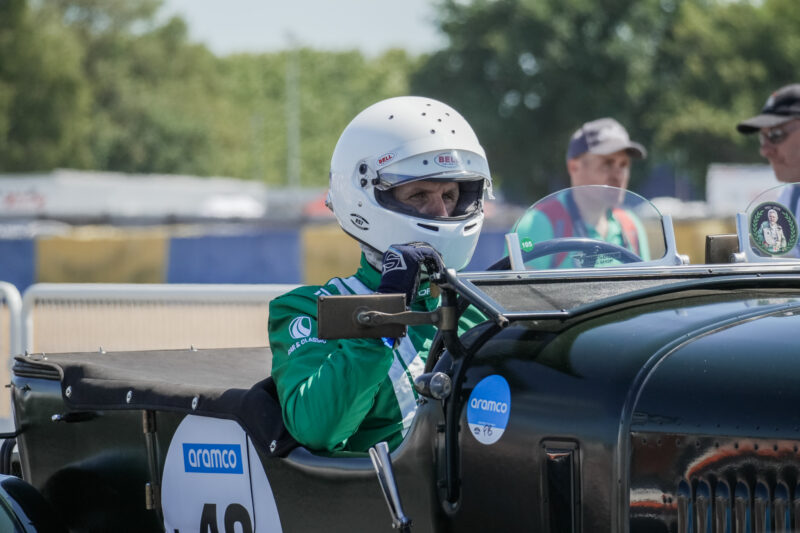
Lewis: “Are you looking forward to the race?”
Tom: “No, not really…”
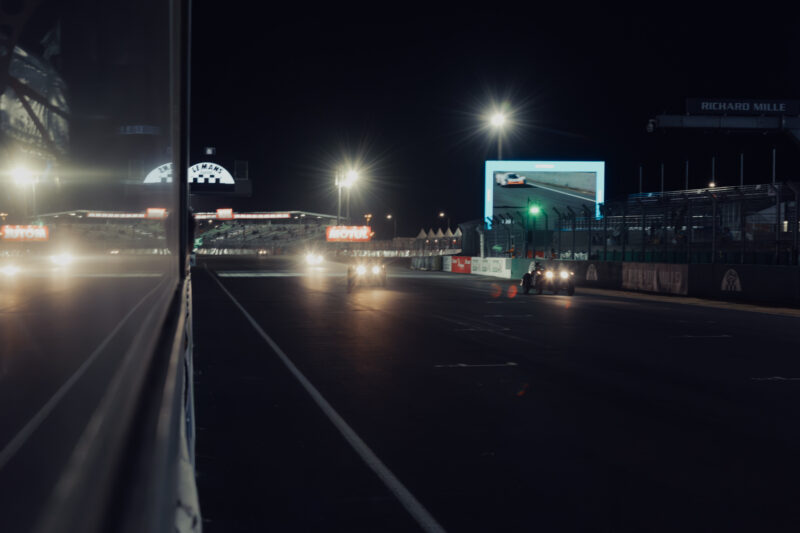
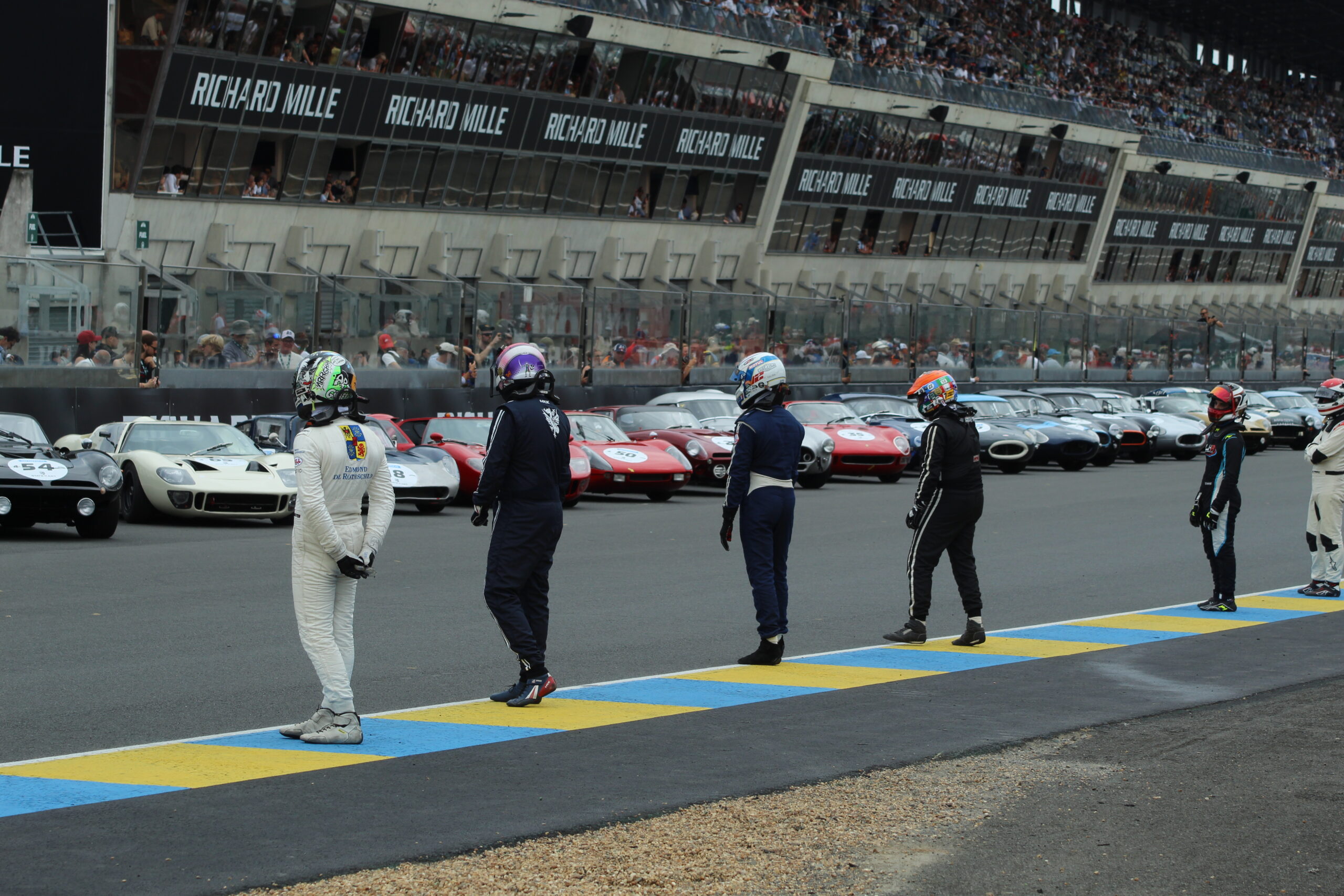
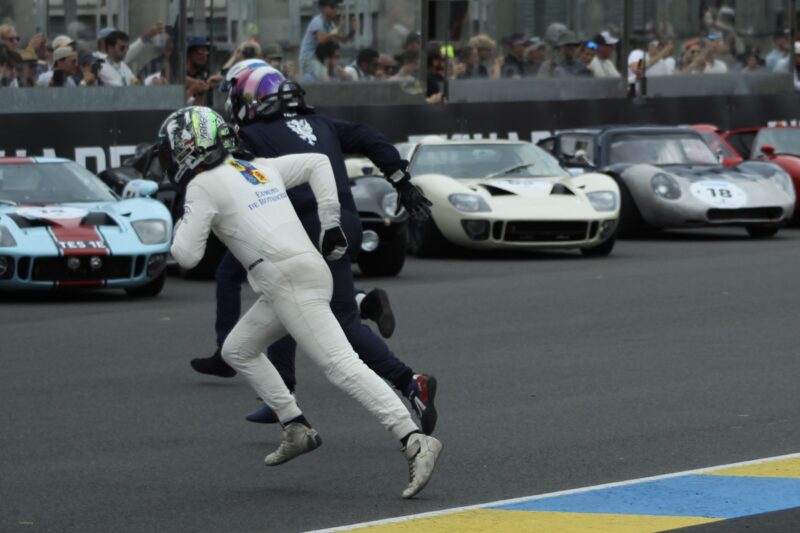
Saturday’s sunrise heralded what was to be the first full day of racing, with the Kingsbury Bentleys entered into Plateau 1 that evening. Since Le Mans Classic comprises numerous short races spread out over the weekend, the teams in each Plateau have to be prepared and waiting in the paddock, ready to be called. Then, there’s a frenzied scrabble to reach the starting grid, with marshals frantically parting a sea of spectators and vehicles to make way for the convoy of race entrants.
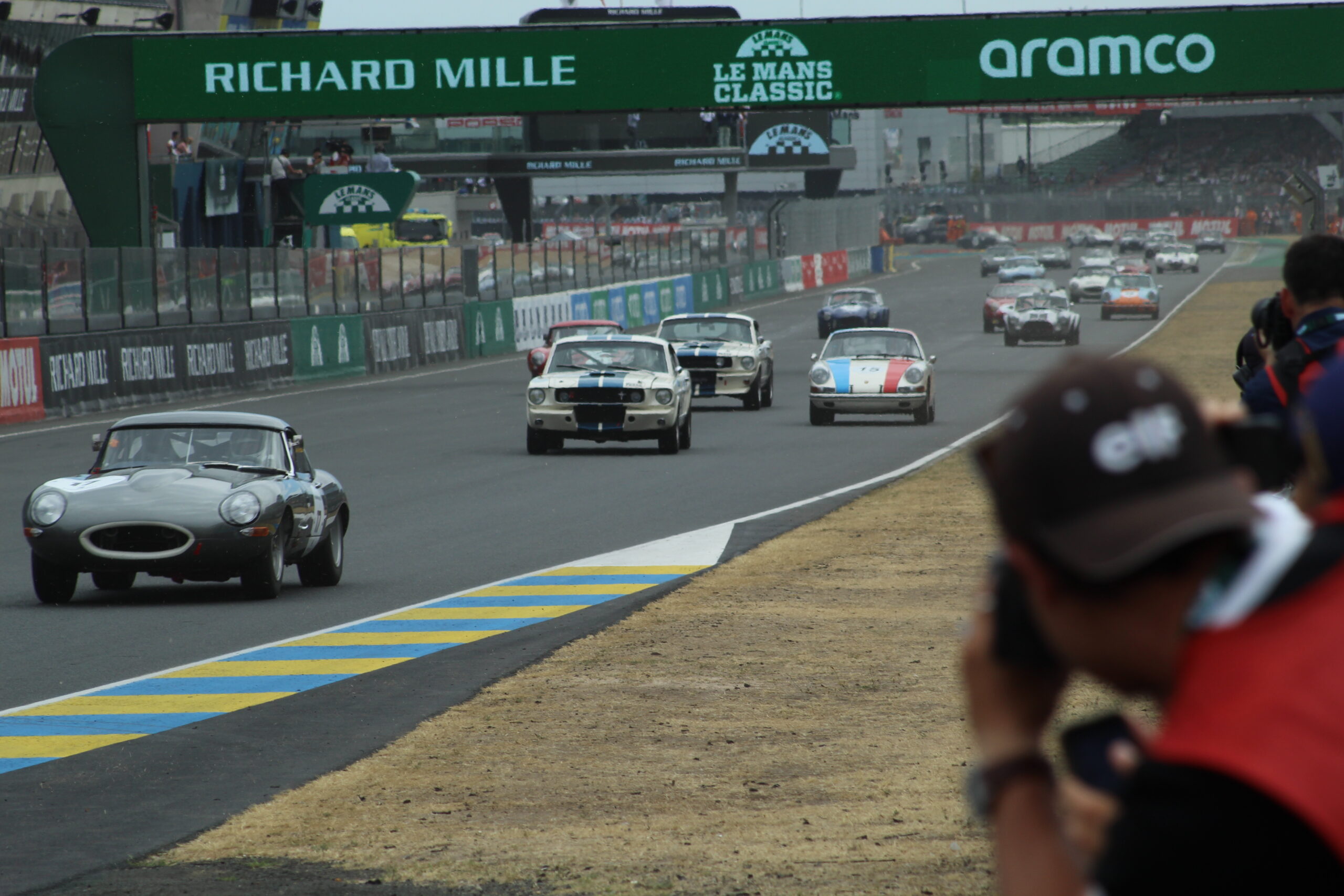
Le Mans Classic runs to a tight schedule and pit lane was still being cleared from the previous Plateau when Kingsbury’s first race got underway. A thunderous roar ricocheted down the start-finish straight the pre-war cars accelerated away, heralding the start of the race. The first laps are always tense, as this is when the field is tightly grouped and accidents are therefore most likely to happen. The Kingsbury Bentleys wasted no time in asserting dominance, and before long, it was time for the mandatory pit stop and, in most cases, a driver change.
Performing a carefully choreographed switch, Anna and Louisa’s 3 Litre was soon away once more. Tom and Lewis made a clean job of it in the Blower too, although soon learned they had accrued a time penalty. This was later overturned by the ACO when it was proved to be an error – very much in keeping with the old spirit of Le Mans!
The next race was due to take place during the early hours of Sunday morning. However, a significant accident during the night meant several races were cancelled (including Plateau 1), meaning the next (and now final) race was to be held at 10:45 on Sunday.
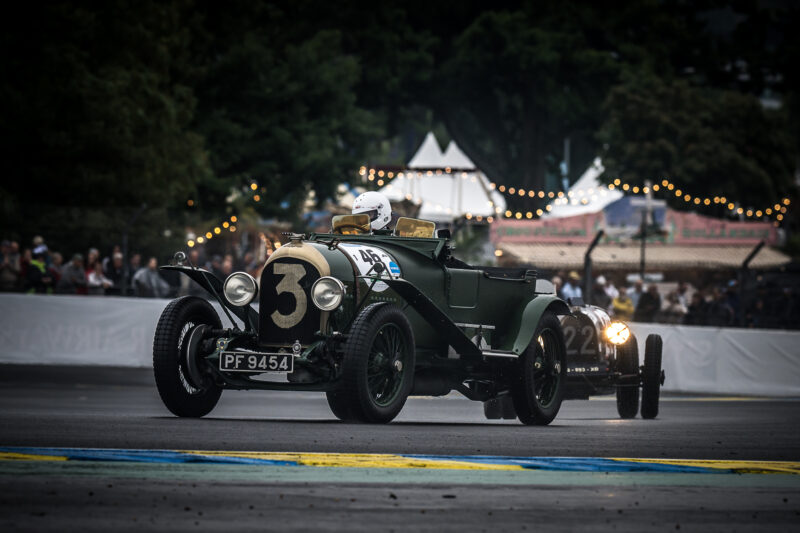
“I’ve never seen a track with so much oil!”
We arose on Sunday to a rather damp Le Mans, and the track wouldn’t start drying out until well into the afternoon. Plateau 1’s final race started on time, and it was soon apparent Lewis was making up places in the rain. Ever the tactician, Tom made the split-second decision to let Lewis finish what he started. ‘XR 7117’ came in an impressive 12th overall, despite such challenging track conditions that the Blower was spinning its wheels at over 100 mph down the Mulsanne straight.
The price of being a stickler for period-correctness is that your competitors may not necessarily share the same priorities. Fan favourites the Getley siblings may have been at a slight disadvantage this year with their commendably accurate naturally aspirated 3 Litre car, but that didn’t stop Anna and Louisa from posting competitive and consistent lap times. Starting 58th from a grid of 77, the Kingsbury Racing Sisters came in an overall 35th; the first 3 Litre Bentley to cross the line in both races.
All in all, an exceedingly successful weekend’s racing: No breakdowns. No contact. Strong finishes. Smiles all round.
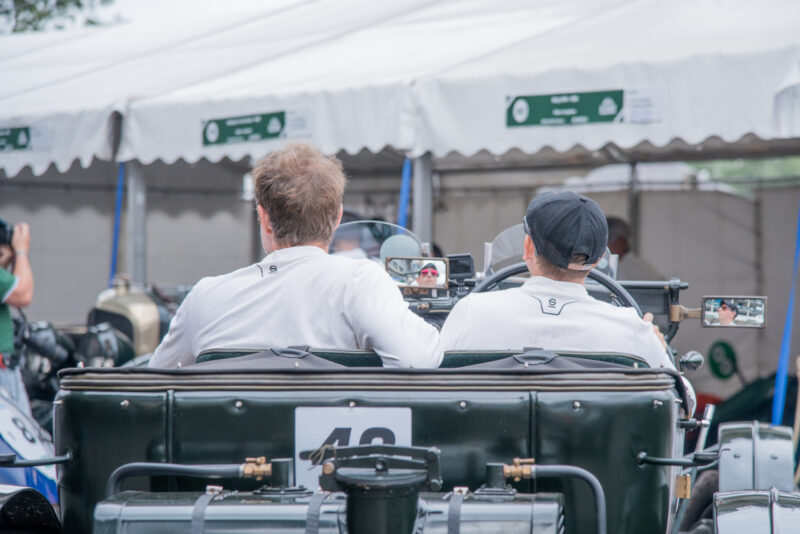
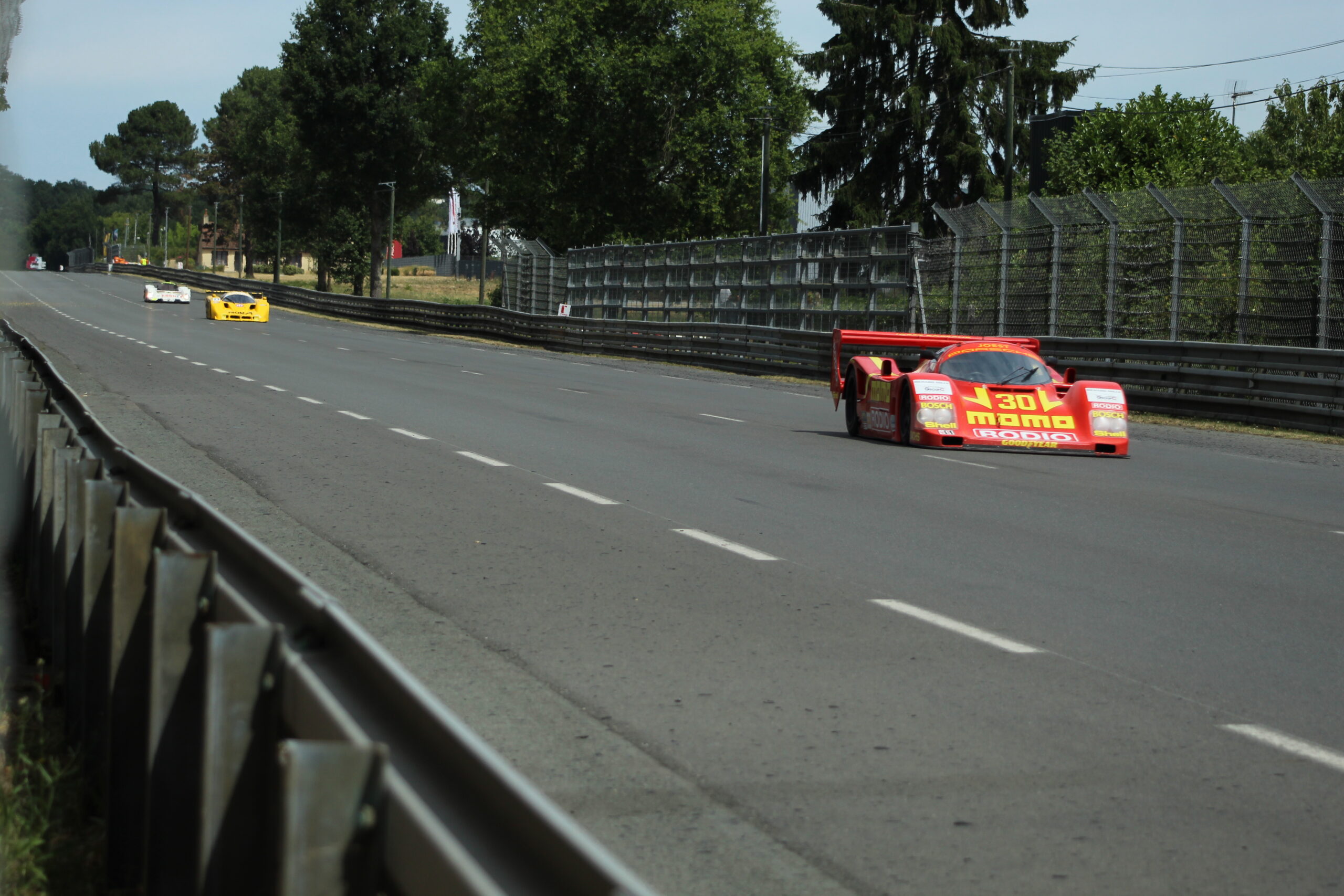
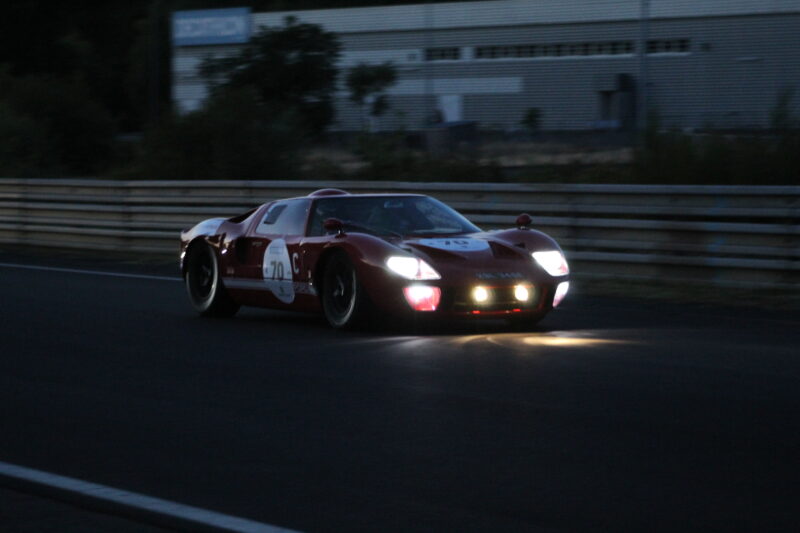
But what of the other races? Well, Le Mans Classic is certainly one of, if not the most, action-packed and historically accurate classic motorsport events anywhere in the world. The atmosphere is inimitable and the spectacle lives with you forever, especially those lucky enough to access paddocks, pit lane and safety lanes. Standing beside Mulsanne at dusk as a pack of GT40s chase each other down is an experience I’ll never forget. Likewise, sheltering in the pit garages as a Porsche 917 comes in for a driver swap is like stepping into the Steve McQueen film.
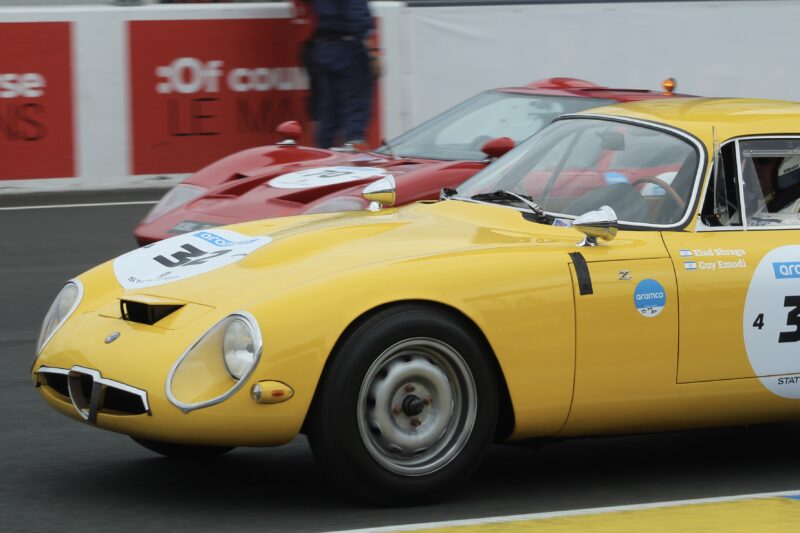
Having competed at Le Mans since the very beginning, Bentley is an integral part of endurance racing history. These Cricklewood era cars evoke an age of daring-do, one that made heroes of its ‘Bentley Boys’ drivers: Woolf Barnato, Sir Henry ‘Tim’ Birkin, Dr J. Dudley ‘Benjy’ Benjafield, Glen Kidston, John Duff, Frank Clement and S.C.H. ‘Sammy’ Davis – to name but a few.
From the outset in 1919, W.O. Bentley’s ambition was “To build a good car, a fast car, and the best in its class.“
We’re proud to be doing our bit to keep that legacy alive over a century after Bentley’s 1923 Le Mans debut. Many thanks to Kingsbury Racing Shop for having us onboard.