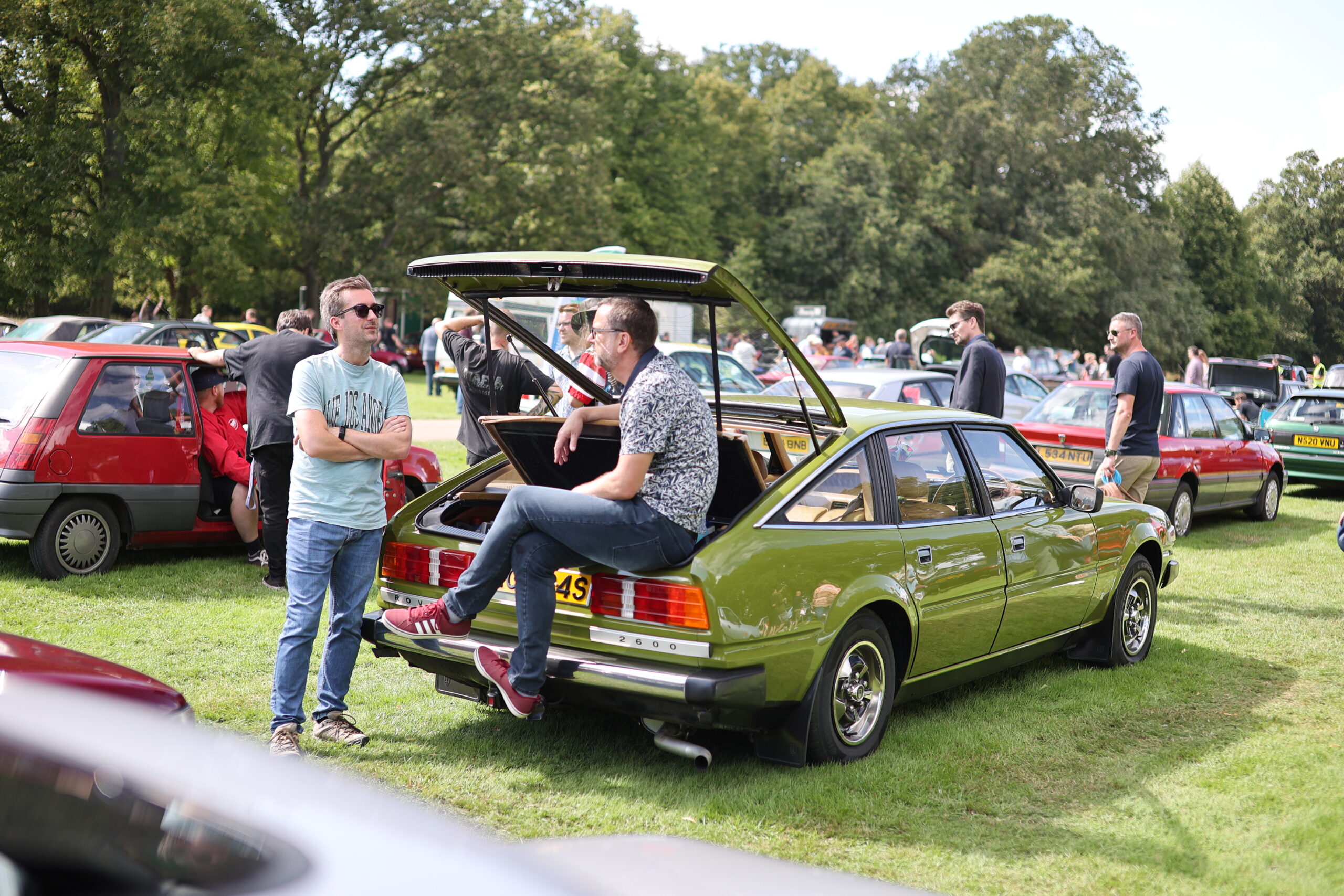
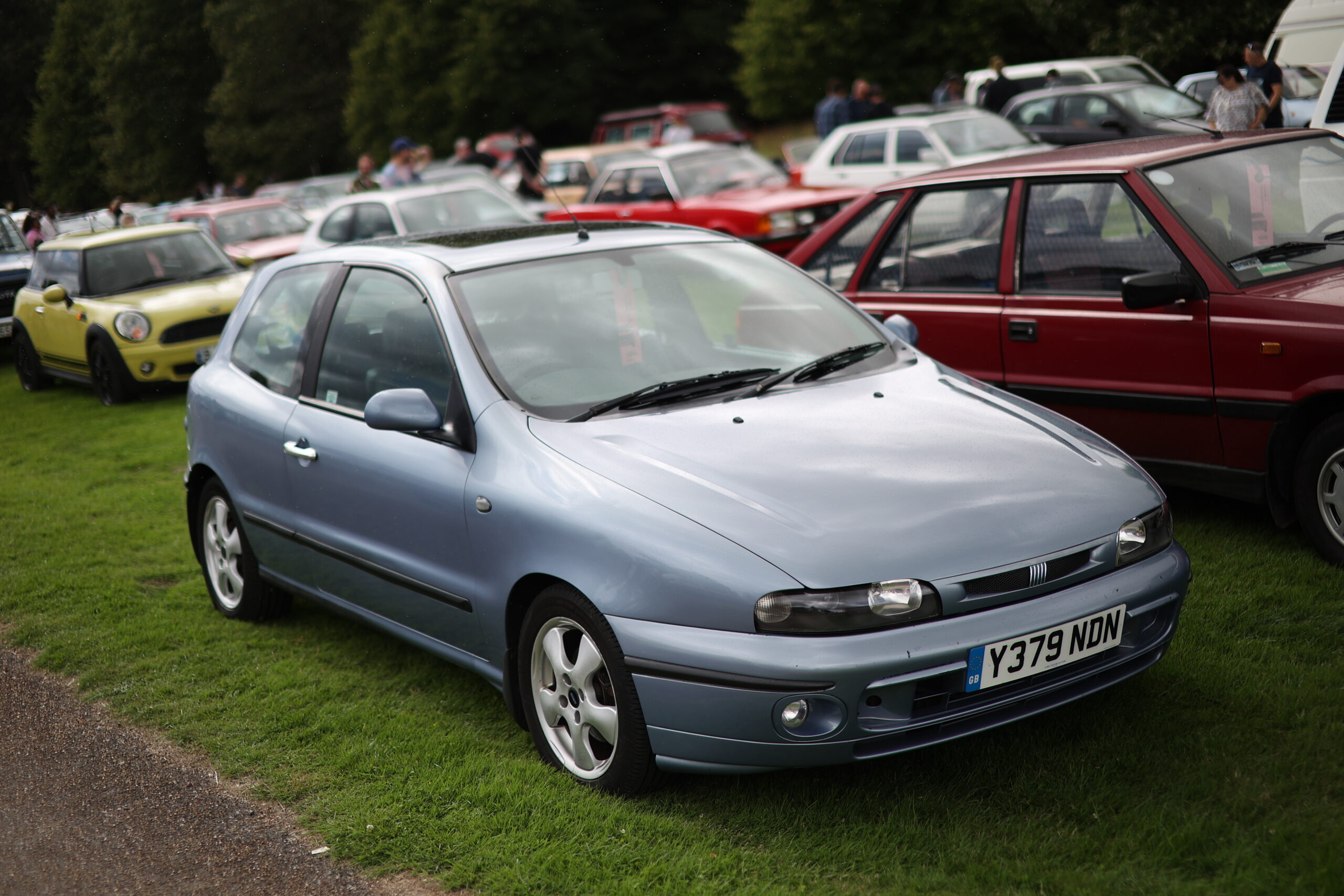
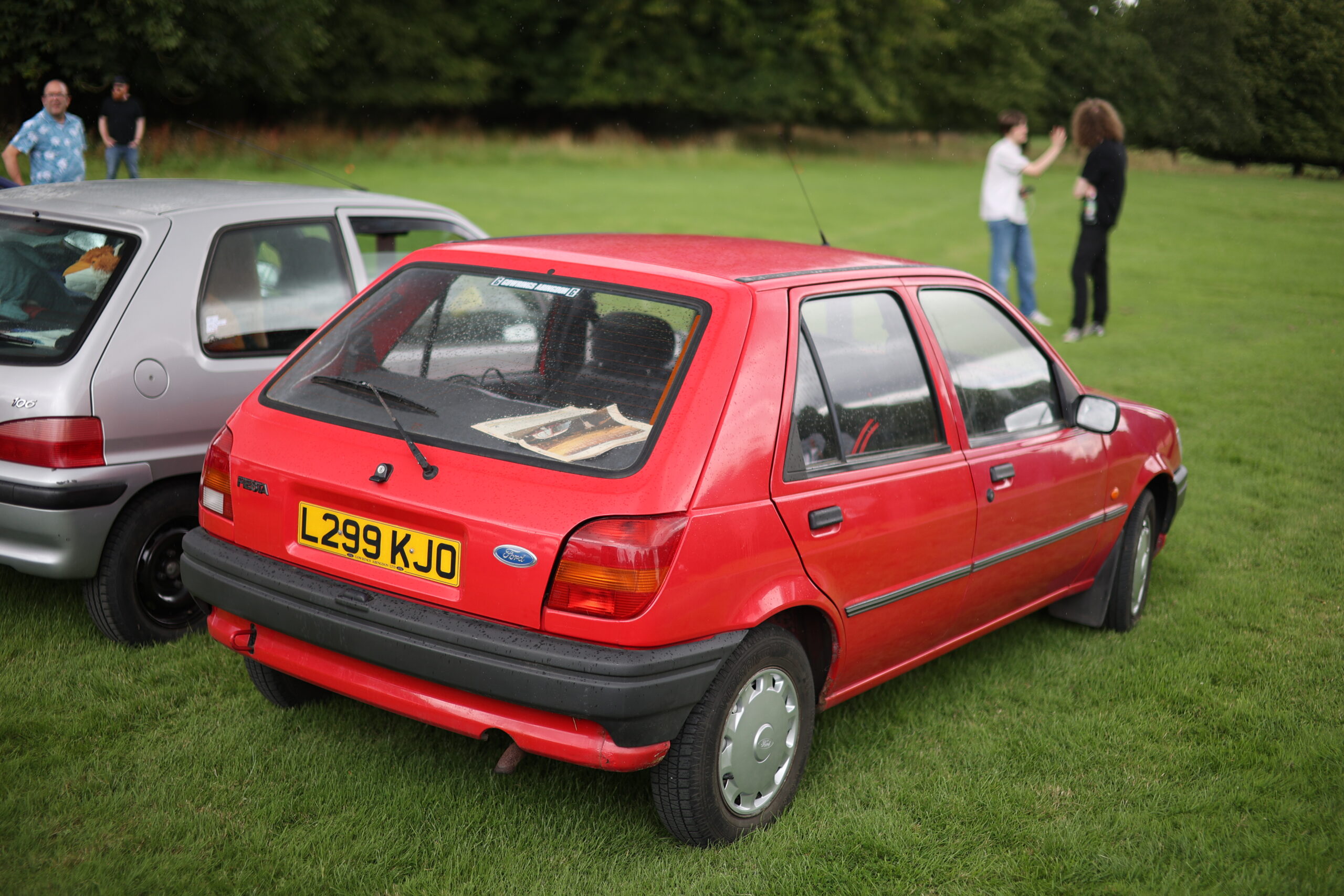
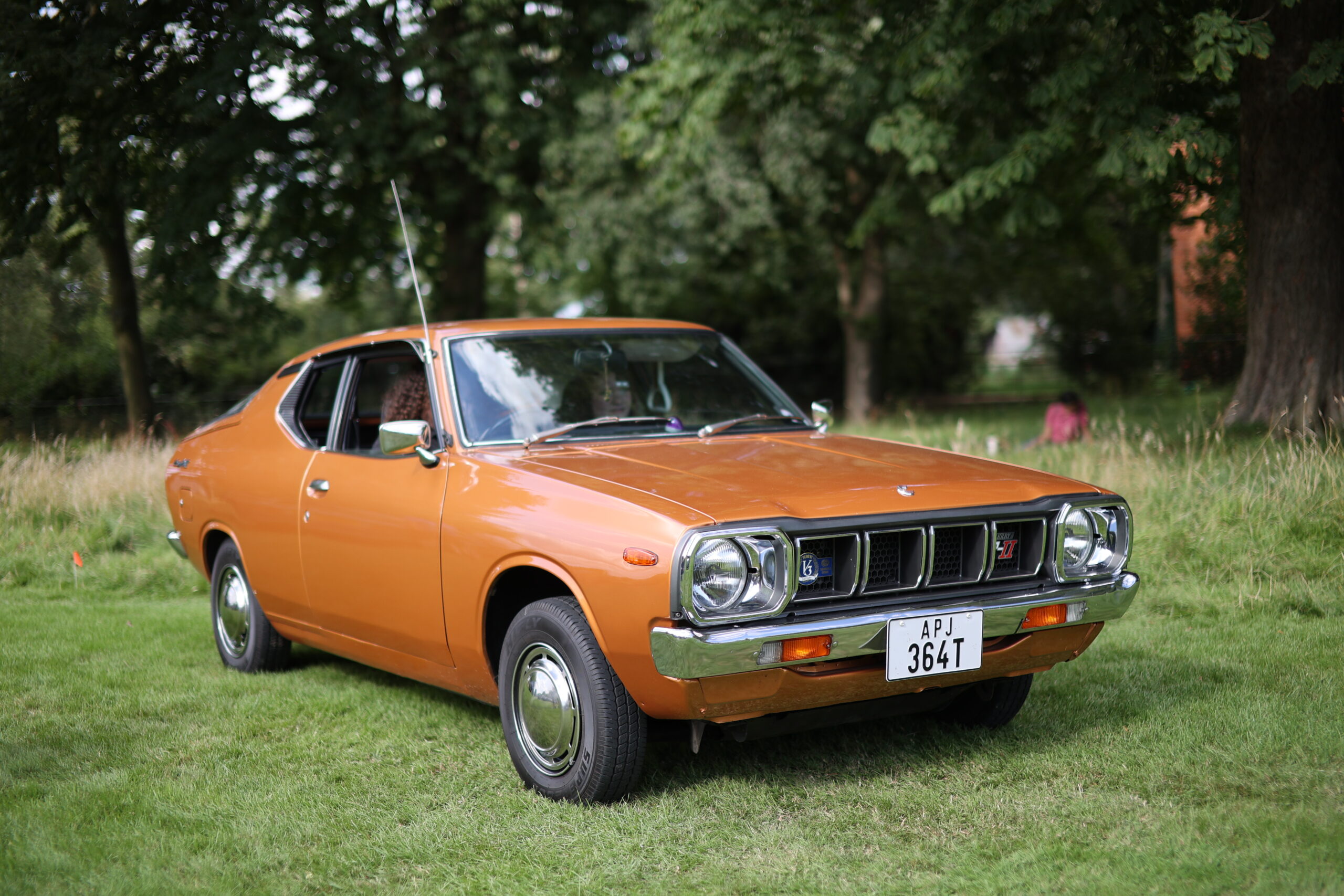
Summon the humdrum! It’s the Festival of the Unexceptional!

August 7, 2023
The word ‘unexceptional’ has taken a something of positive meaning in recent years, particularly when it comes to the world of cars. A gentle semantic shift towards something positive is never a bad thing. Flicking back through car reviews of old copies of What Car and Autocar magazines, you’d often come across damning verdicts such as ‘unremarkable’, ‘average’, and ‘so-so’, but ‘The Festival of the so-so’ doesn’t quite have the same ring to it.
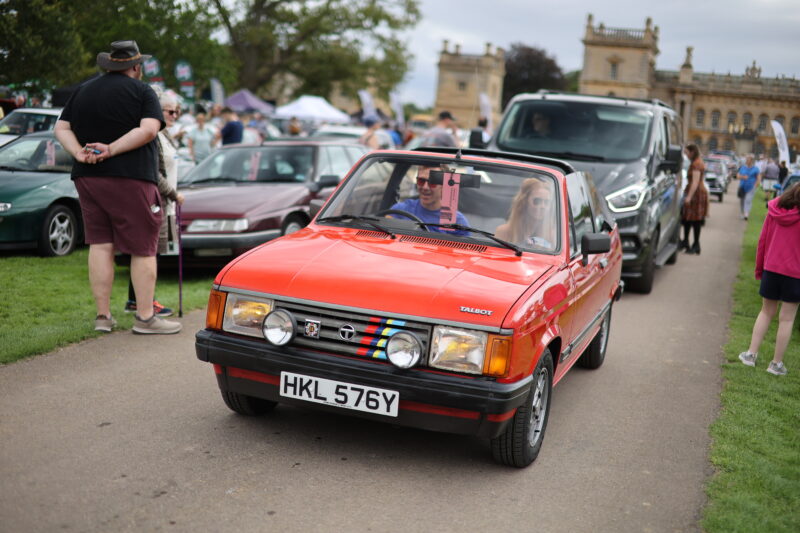
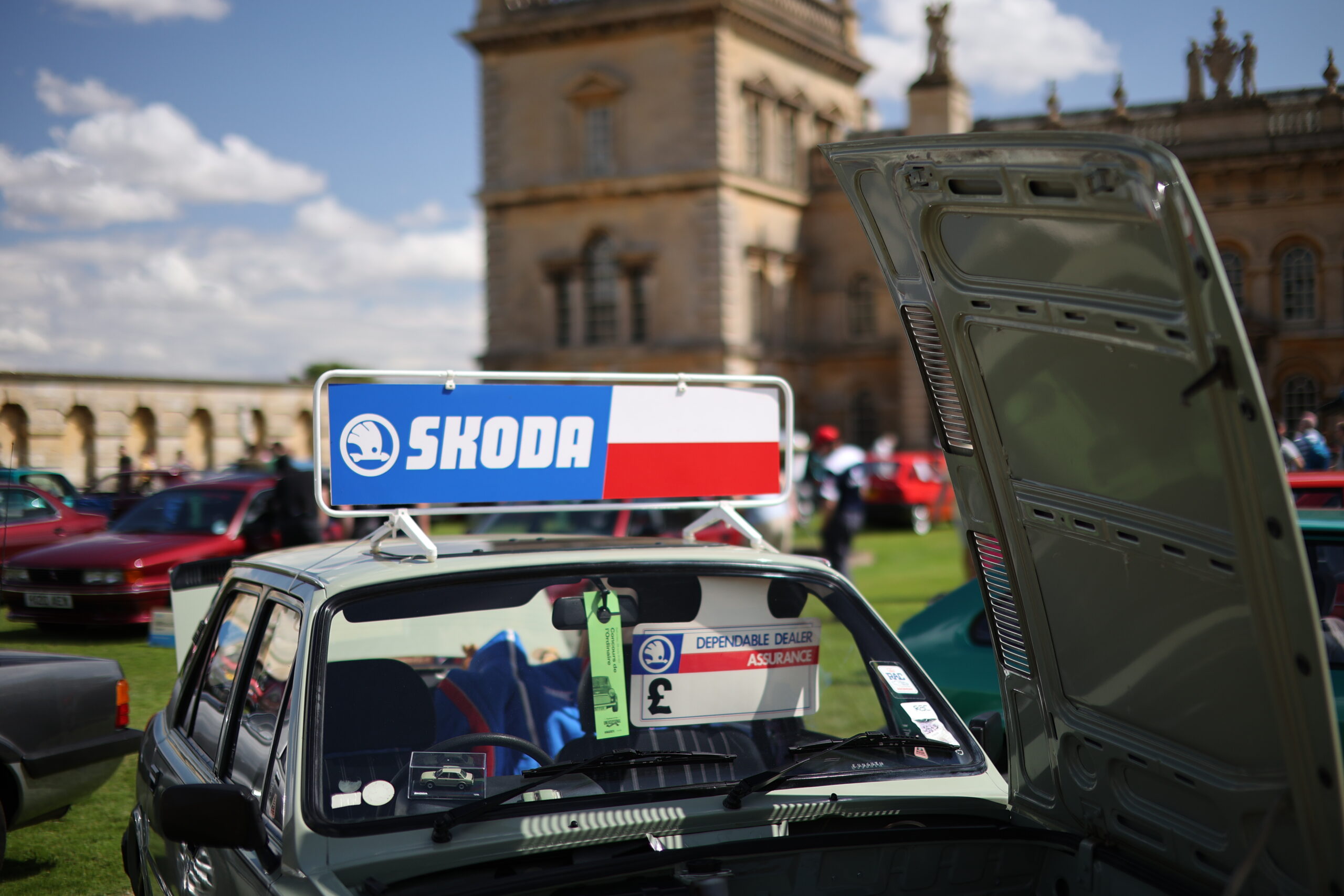
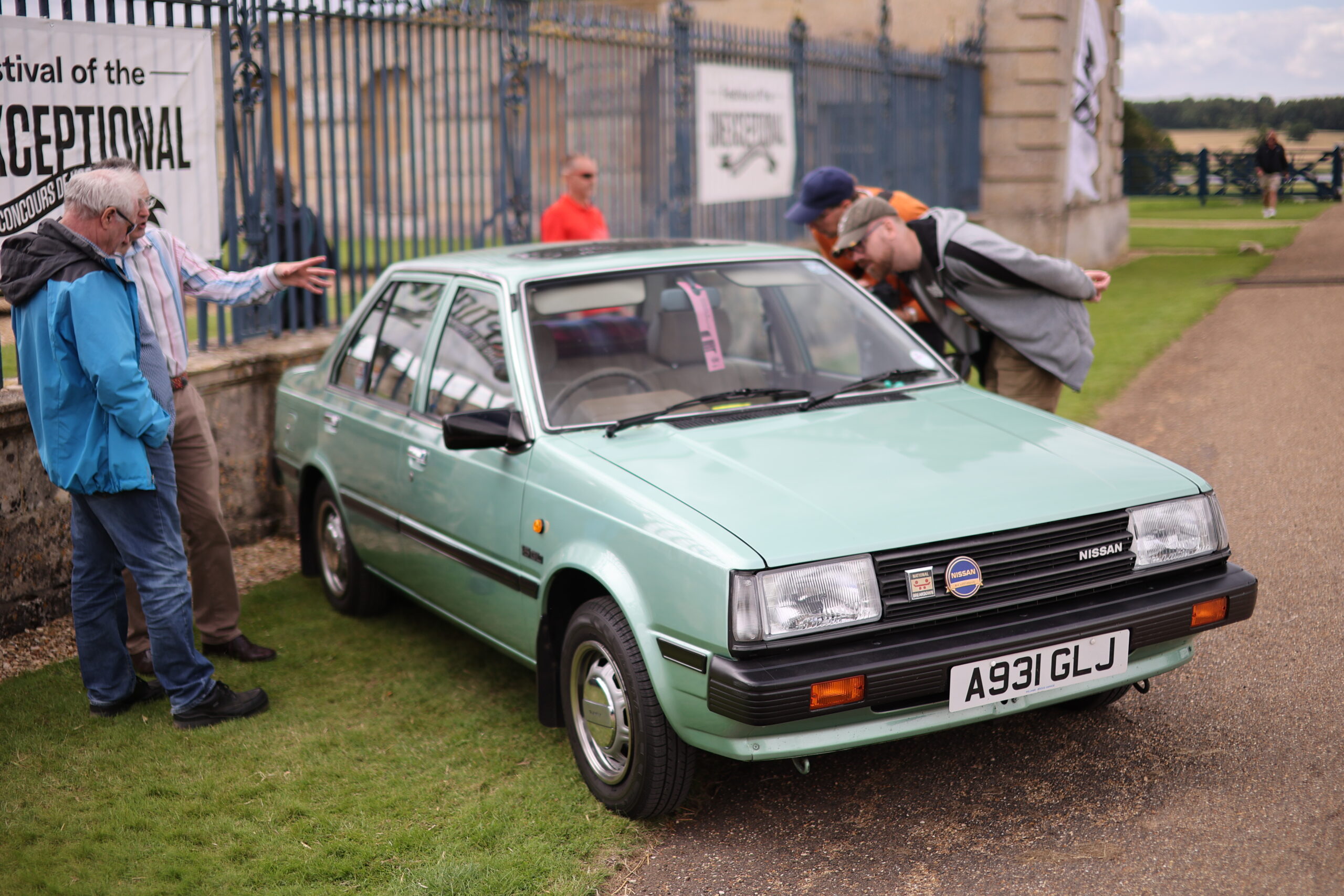
Created back in 2014 by Hagerty Insurance, the first collection of cars under the banner of The Festival of the Unexceptional was held on the Whittlebury Golf Course near Silverstone. As a way of comparison, on that very same day, the nearby County Club hosted a Lamborghini meet. The Simcas and Allegros that passed them must have caused considerable bemusement as they ambled by, searching for the Fairway while holding their maps and thermoses.
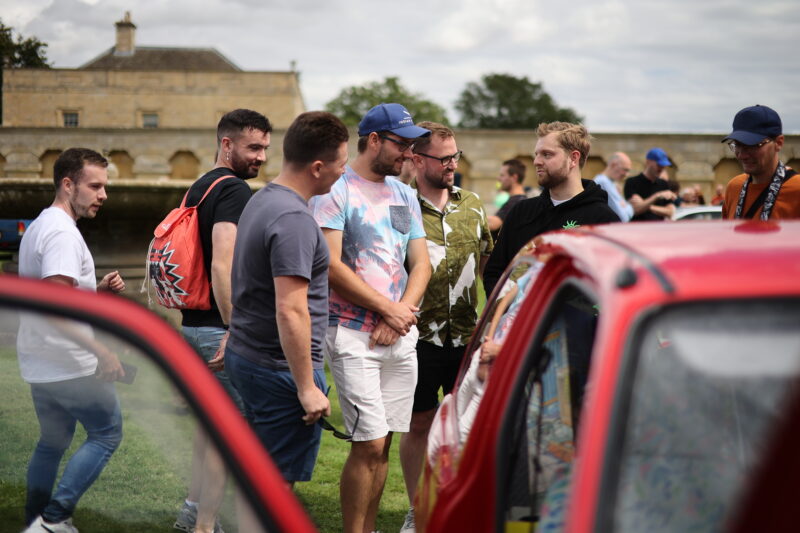
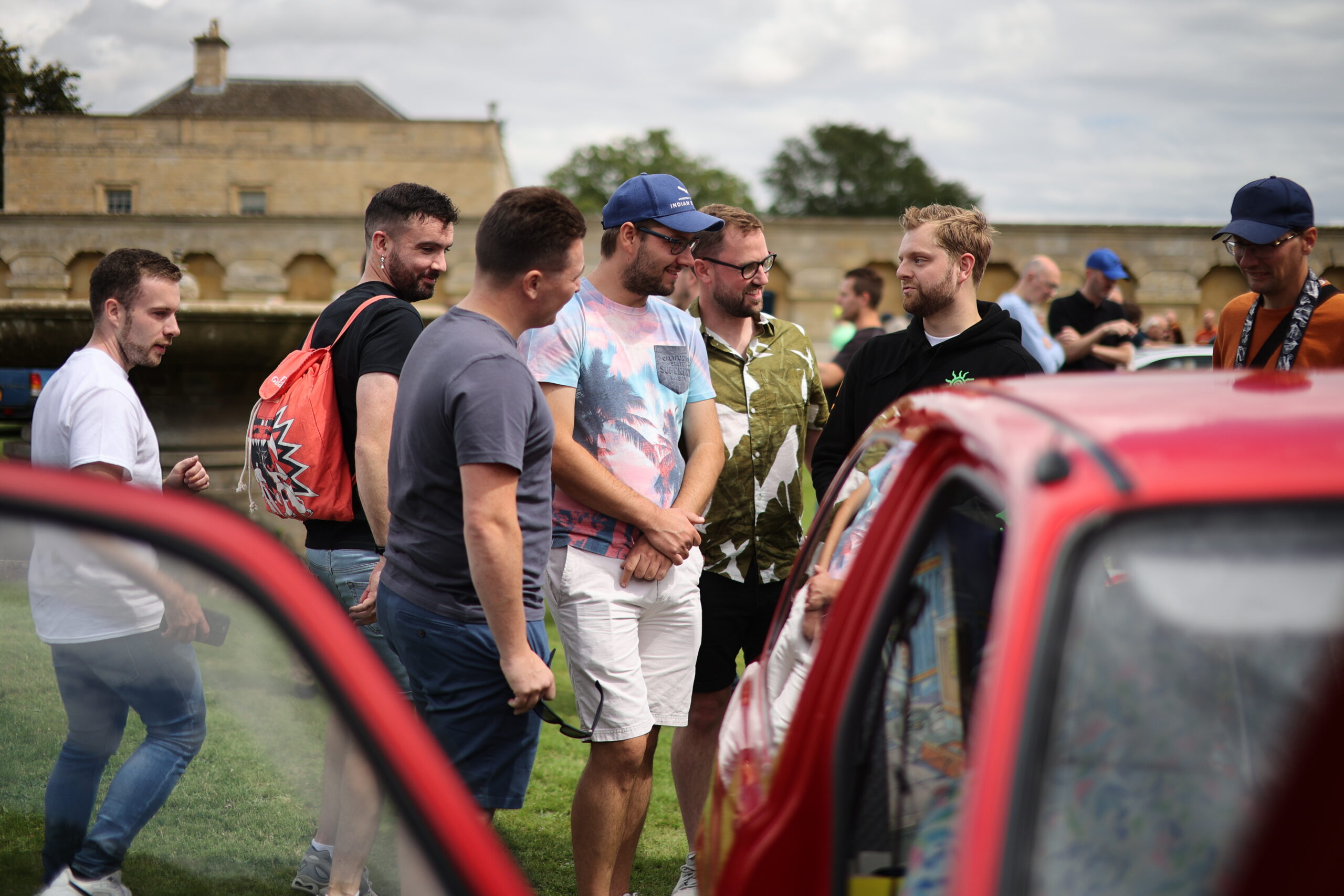
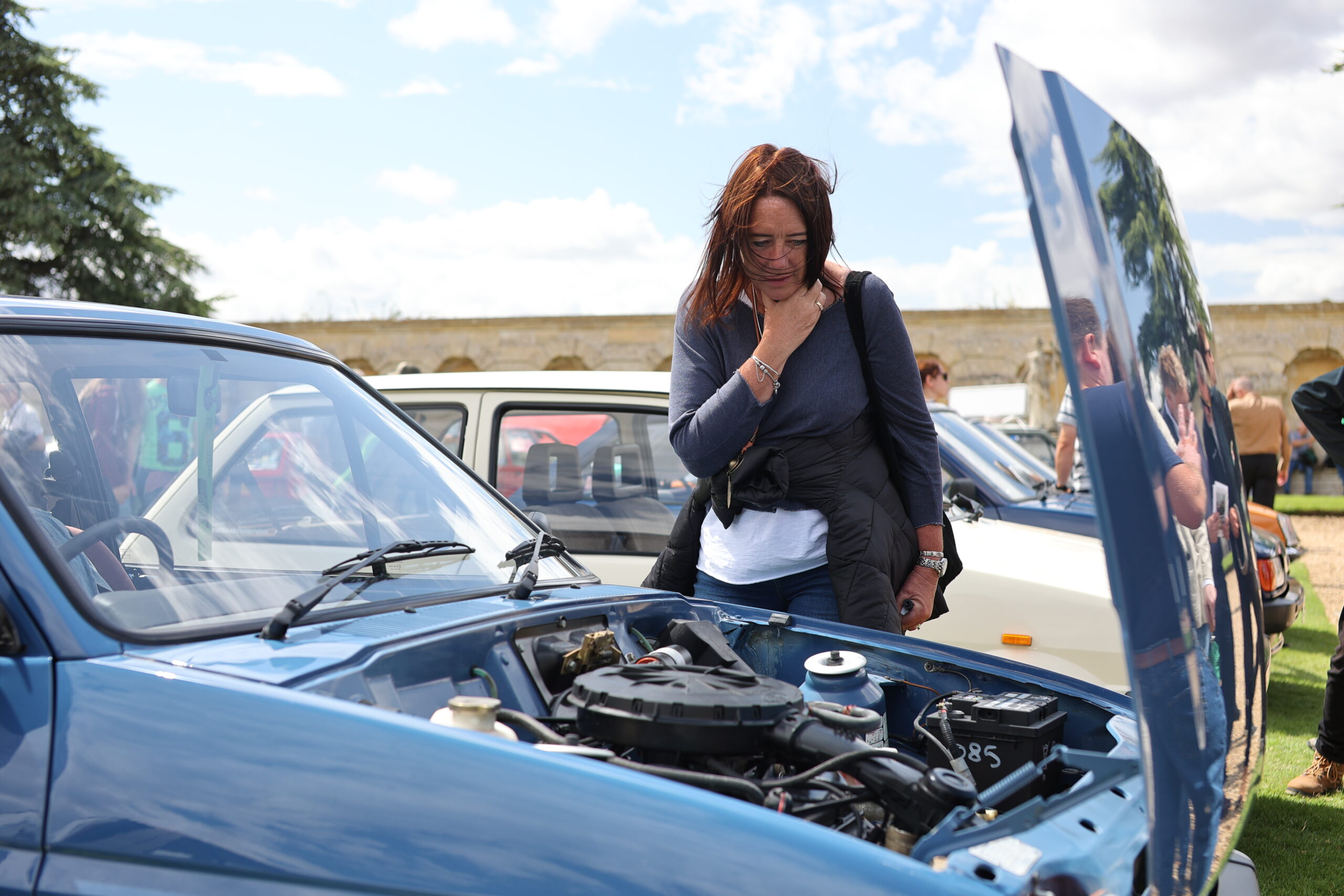
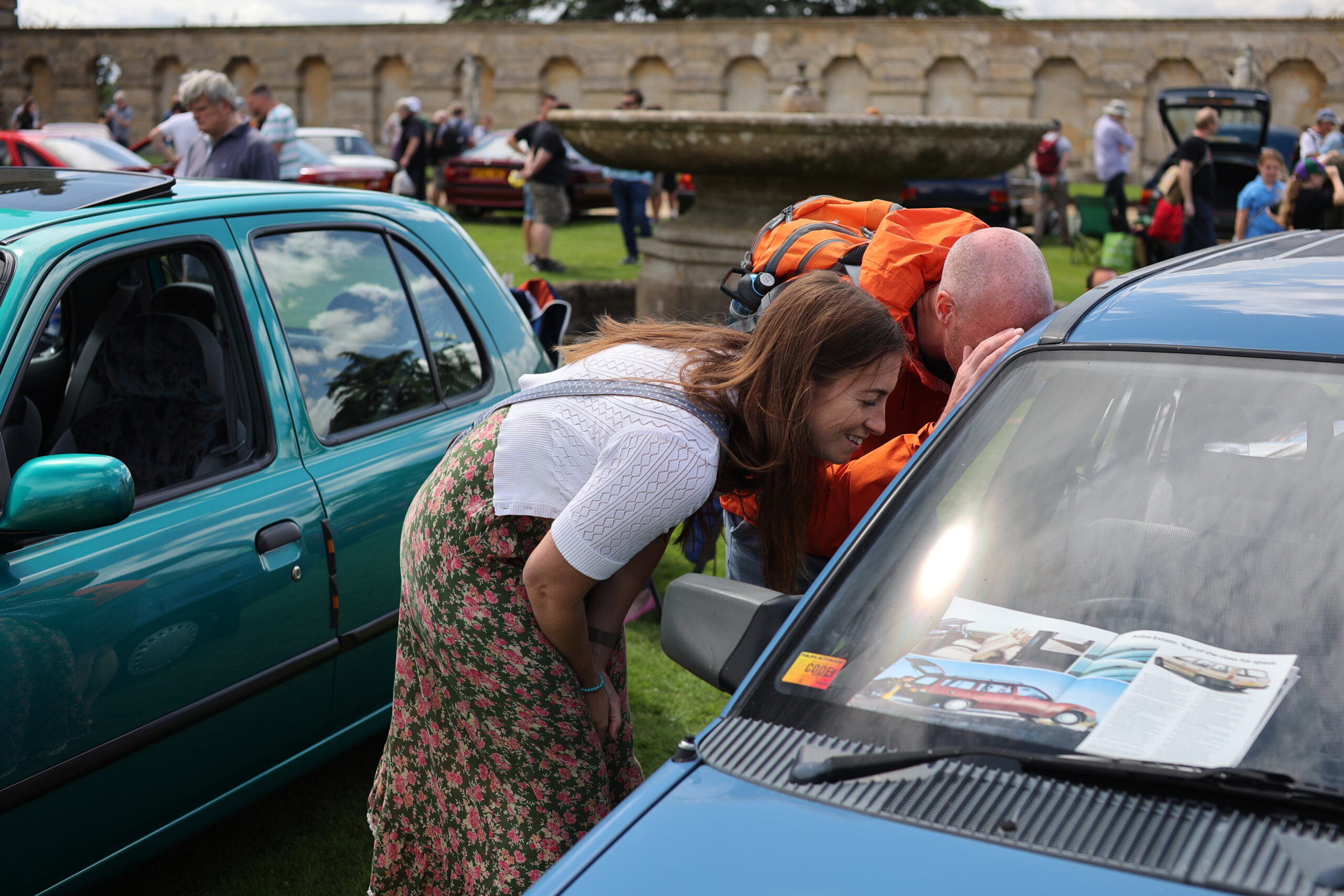
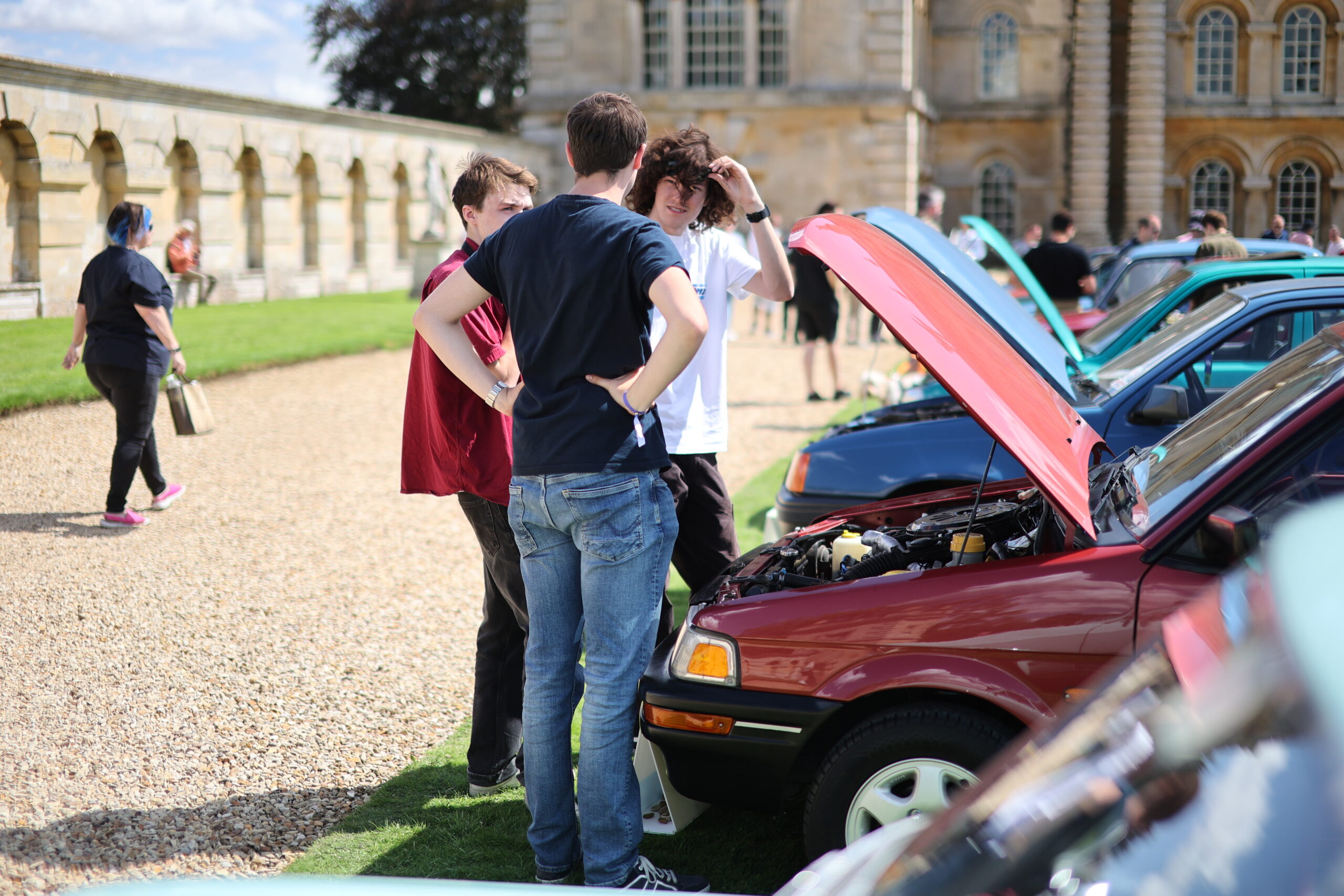
That faithful day in August 2014 was a bit more than fancy dress and drip pans though. It was tapping into the joy of old car ownership, the relationships, and the stories that an ordinary car can bring. Since those nine years have passed, the event has become a staple in the calendar, acting as both a social event and an opportunity to see some truly ordinary cars in an extraordinary set-up.
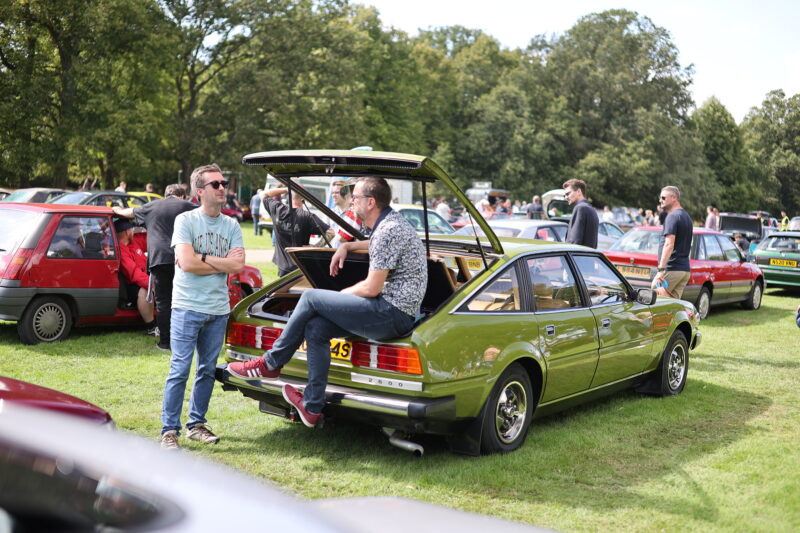
Interestingly the majority of owners are not necessarily overcome by the rosy glow of nostalgia, wallowing in a bygone era of the Walkman and Crossroads. Most of these cars in attendance come with plenty of rogue baggage, ranging from their manufacturer’s sloppy and underfunded development, the reliance on ancient running gear, to a catastrophic reputation for rust – and in some cases all three.
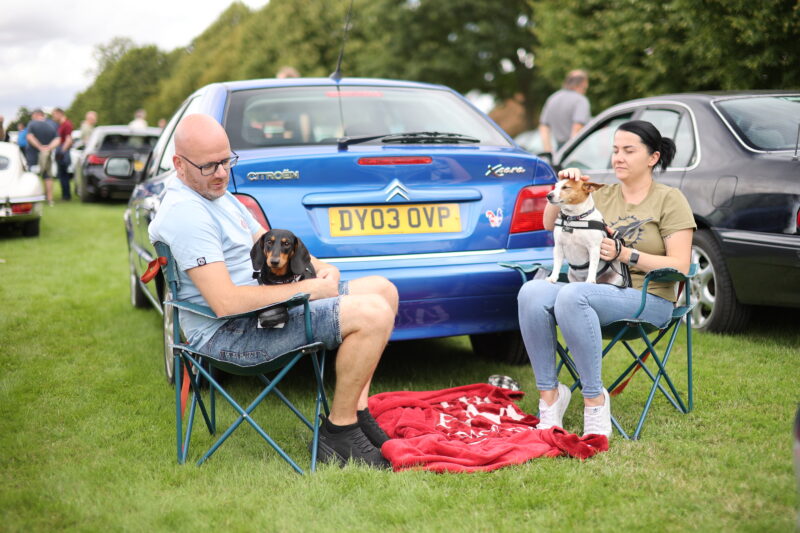
A flick through the back catalogue of ordinary cars from the 1960s to the 1990s offers a colourful if somewhat antagonistic array of flawed gems. And perhaps like a loved pet, you’re willing to put up with everything from unrecoverable finances to making sure you give it plenty of attention. Simply put, that car becomes very much part of the family.
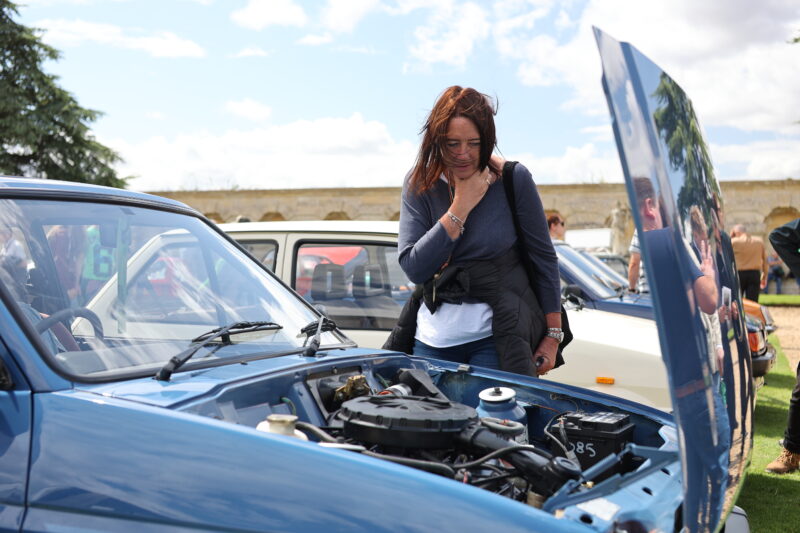
Of course, the majority of these cars on display at the Festival of the Unexceptional are not daily drivers these days and most owners understand how to keep the built-in issues at bay, thanks to the gathered information and owners’ clubs. Covering lower mileage, along with fair weather use, means that it is a very different proposition from when they were new.
What is interesting is to see how the Festival of the Unexceptional has been led, by the owners rather than the organisers. When Hagerty first opened its inaugural event at Whittlebury, the majority of cars on the green were borderline classics owned by 40-somethings driving cars mostly dating from the 1970s.
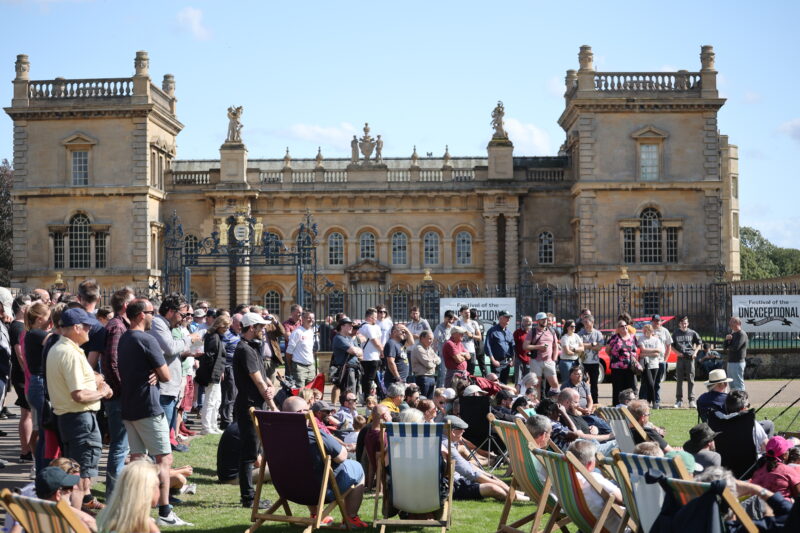
Chief Judge Danny Hopkins, editor of Practical Classics, who was there from the start, gave us an insight about the event conception by asking us to consider when does a car stop becoming unexceptional? Once it passes the 50-year mark? or maybe when its value is pushed up to unrealistic costs beyond the means of the average person?
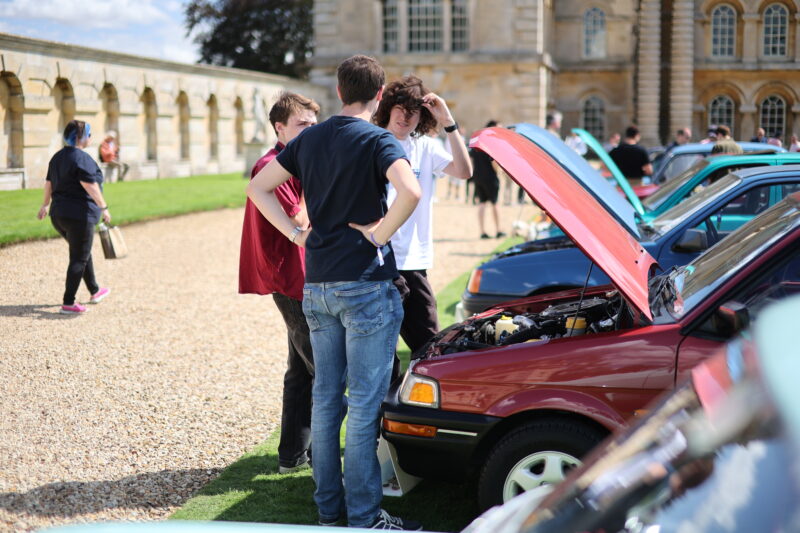
As the owner profiles shift, it’s the youth that appears to be leading the interest in unexceptional cars. This unintentional handing of the baton has genuinely injected a vibrant feel to the festival and in turn, provided a more opened minded approach to many cars that are often overlooked in the classic car world.
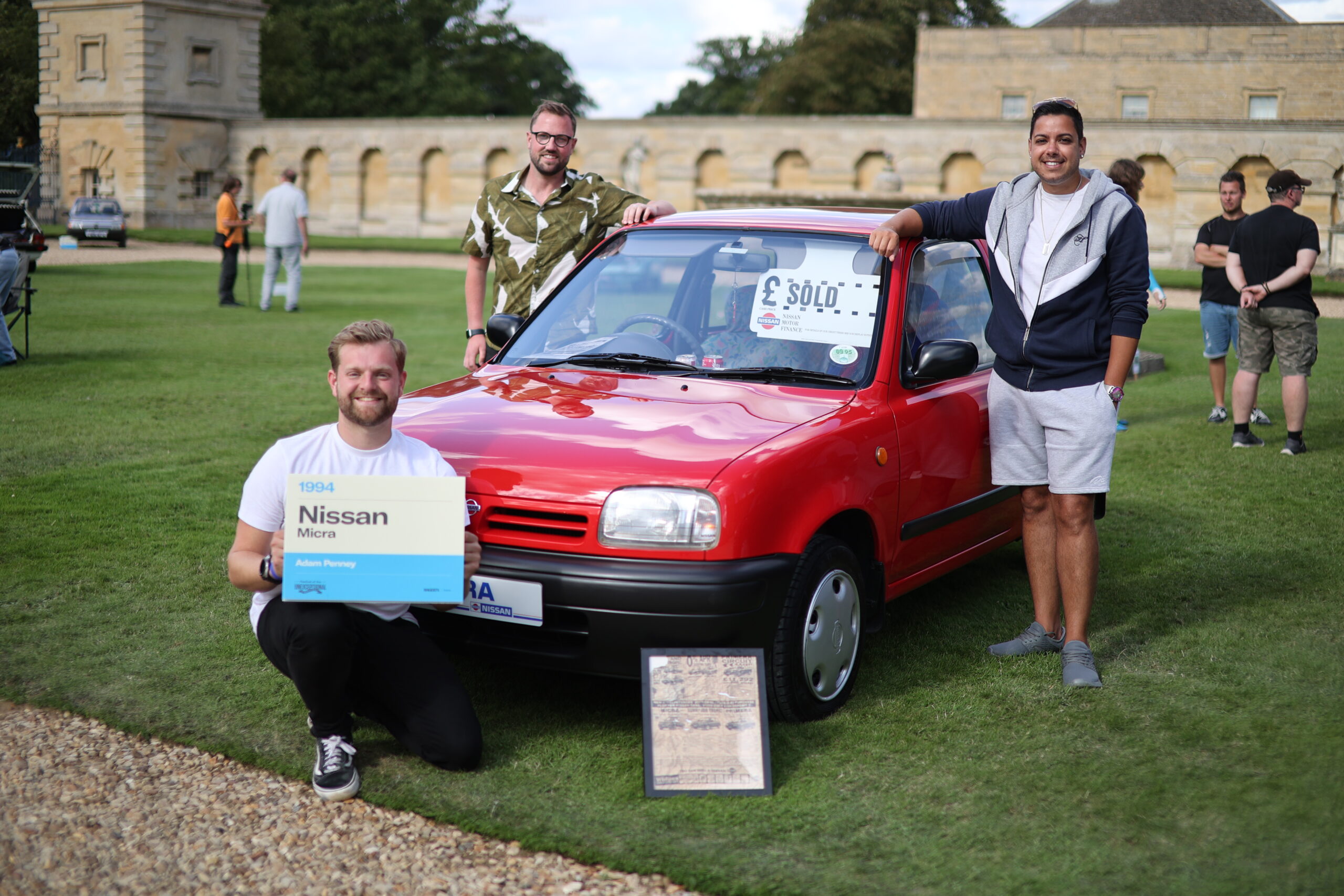
A prime example of this was demonstrated by Adam Penney and his 1994 K11 Nissan Micra. These diminutive little cars have developed a loyal following and it is the younger generations that are showing us why. Beloved by both driving schools and fledgling rally drivers, Adam’s car has fortunately been spared of both pursuits. The car is a tribute to its original owner, a lady called Pat Tibble, who bought the car new and used it sparingly yet still took it to Nissan for a yearly service.
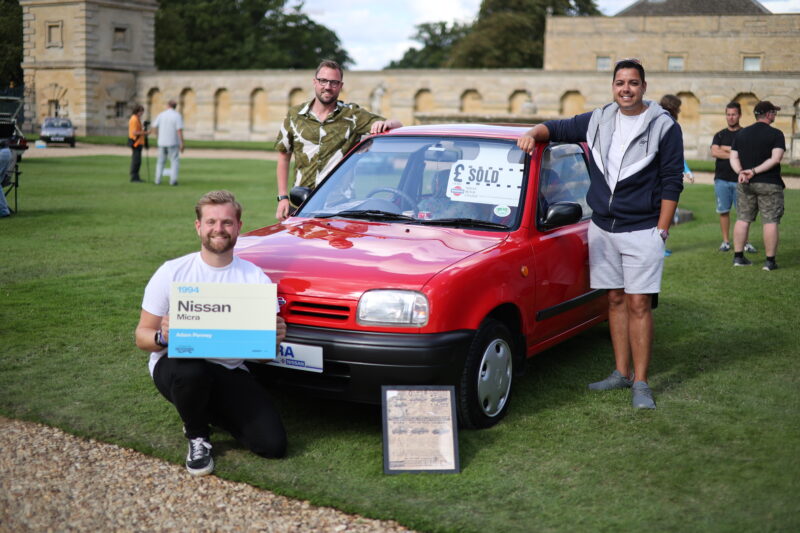
Adam explains that the design process was led by Nissan designers looking into organic shapes to influence the final design. When released, there was not a single ounce of threat in the styling, largely due to its gentle curvatures and hello kitty face. However, there was a lot more than meets the eye beneath that adorable face because Pat and succeeding owners’ actions as well as its sturdy engineering were what allowed it to survive. Cameron Butler bought the car from her, via an intermediary in 2018. He then sold it to James Green, a former FOTU finalist who is no stranger to pristine Nissans, who then passed it over to Adam in 2020. This was the first time that all three had met, and its appearance at the show serves as a fitting tribute to Pat.
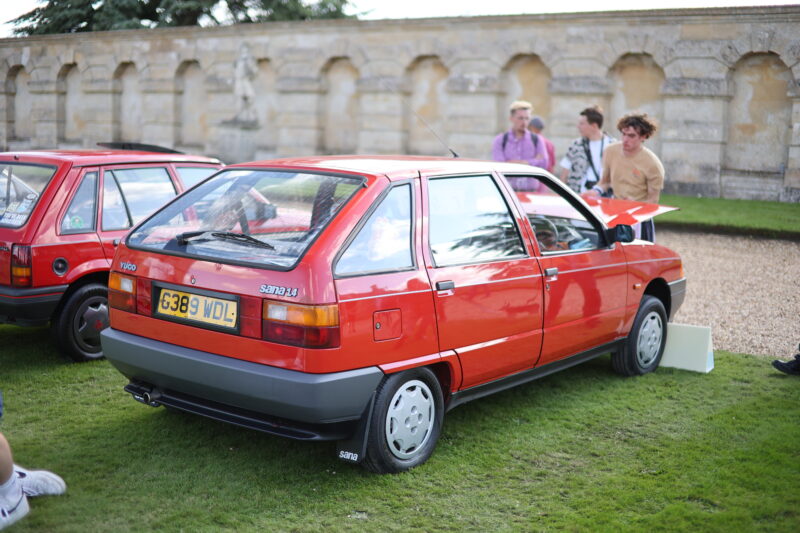
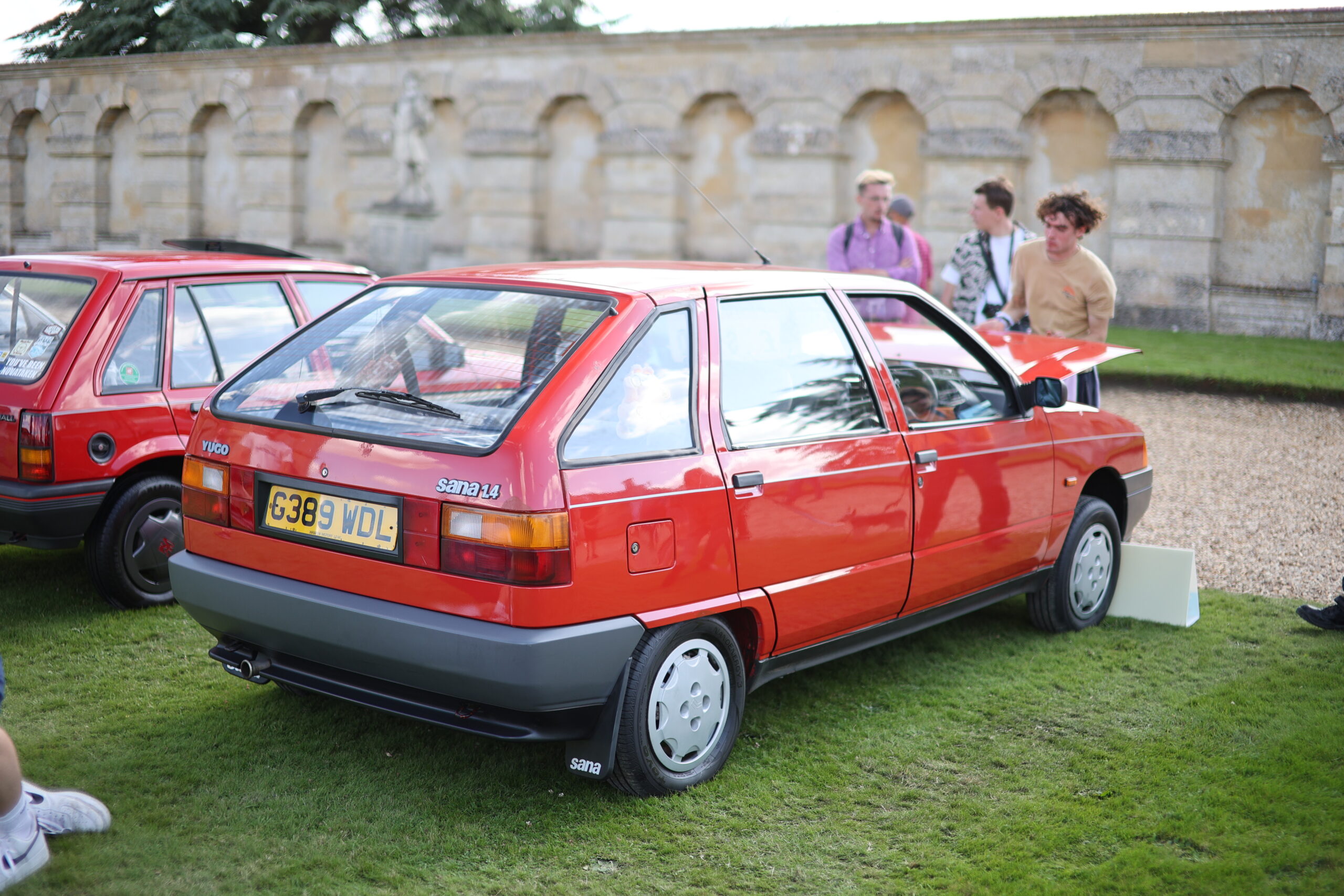
We’ll stay in the main enclosure and review a few more cars that were entered into the Concours de L’Ordinaire. A genuine contender for the rarest car in the UK, with just this example known to be on the roads, Oliver Dacosta Evans appears not to worry about the weight of responsibility of owning such a rare car. His 1990 Yugo Sana was one of the last models to be produced in the former Yugoslavia before war broke out, and the Sana marked the end of Zastava’s export aspirations.
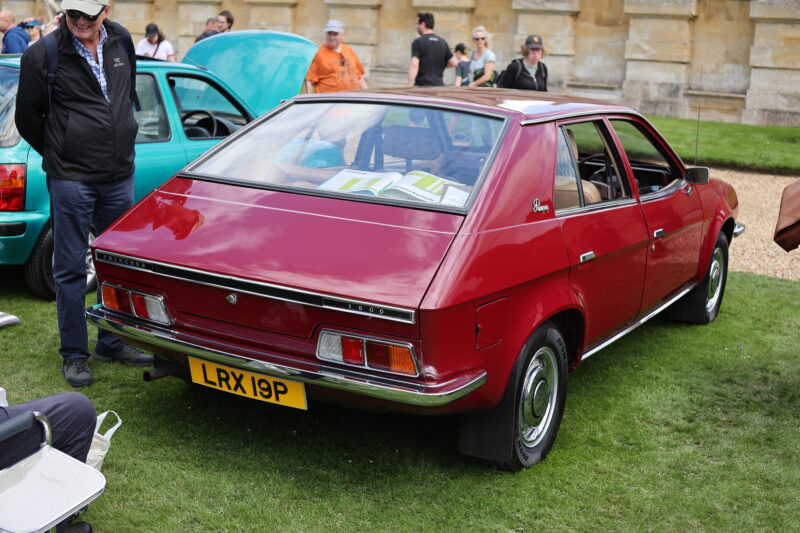
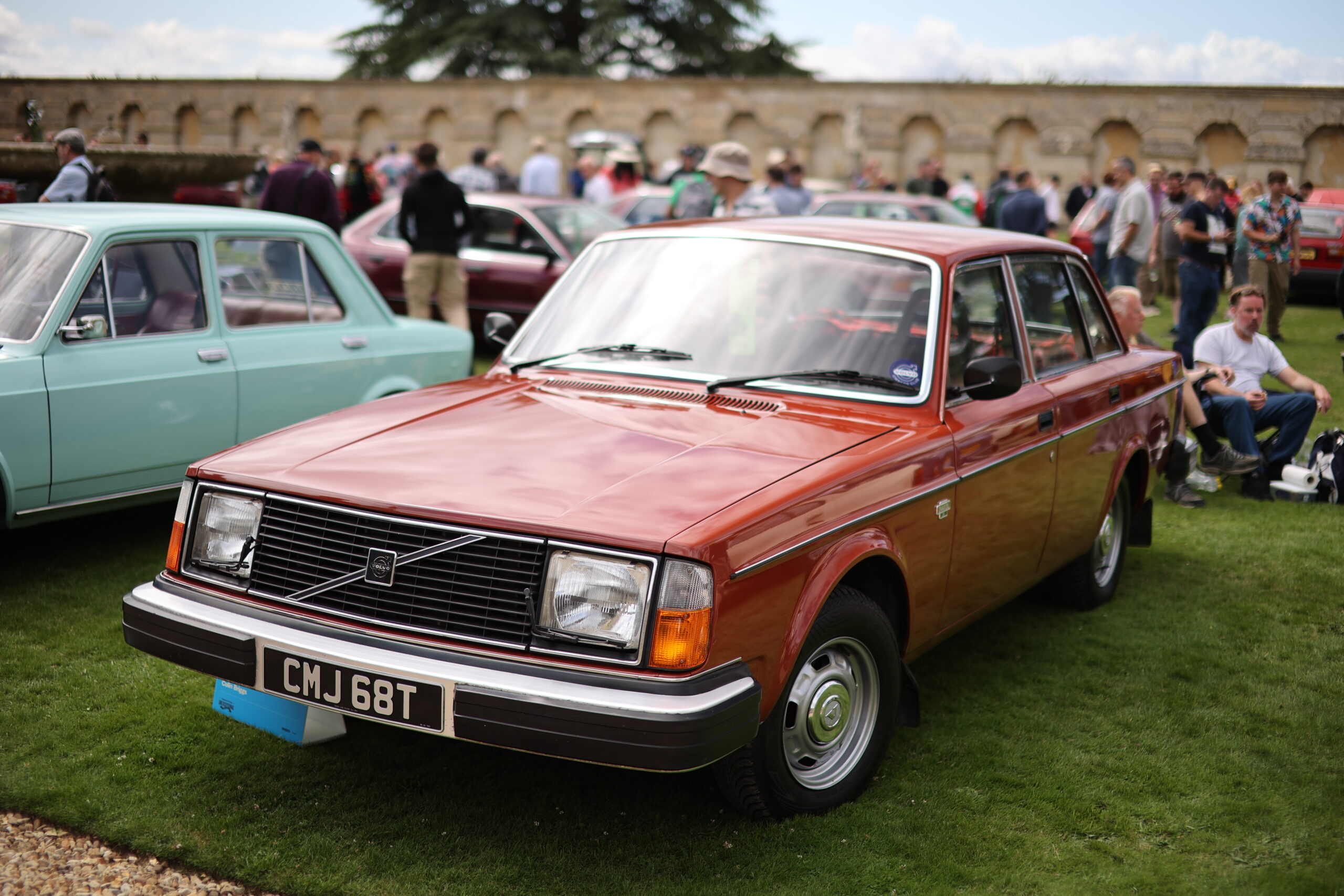
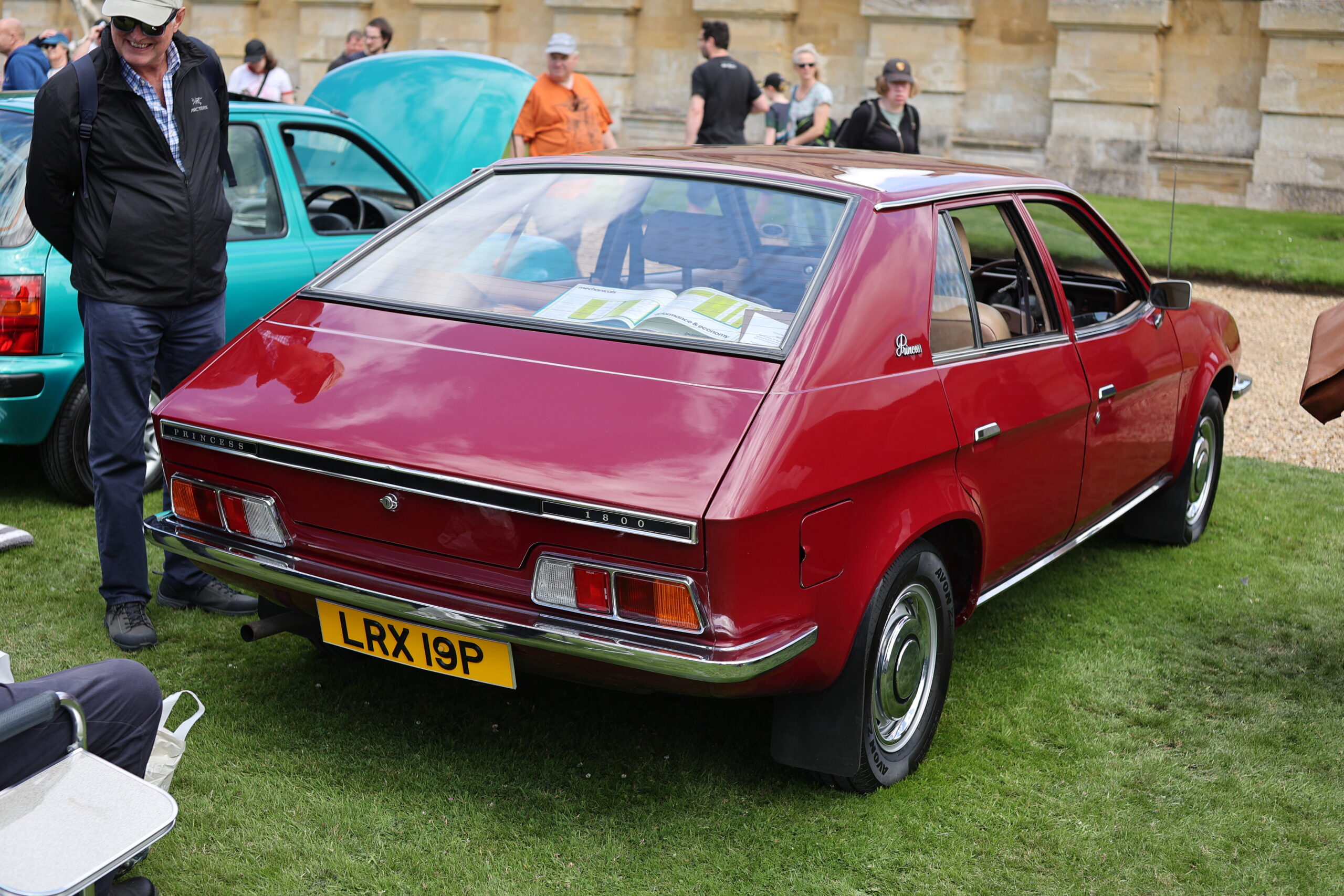
Colin Corke is a founder member of the Allegro Club International club, so is well acquainted with the prospect of unexceptionalism. Originally launched as the 18-22 series, his 1976 Princess 1800 was originally sold under the Austin, Morris and Wolseley badges until BL started rationalising the way they marketed their cars. Rebranded in 1975 as the Austin Princess, it then gained something of a checkered reputation but with a fresh pair of eyes, the distinctive wedge shape holds its own compared to the usual 3-box saloons of the era.
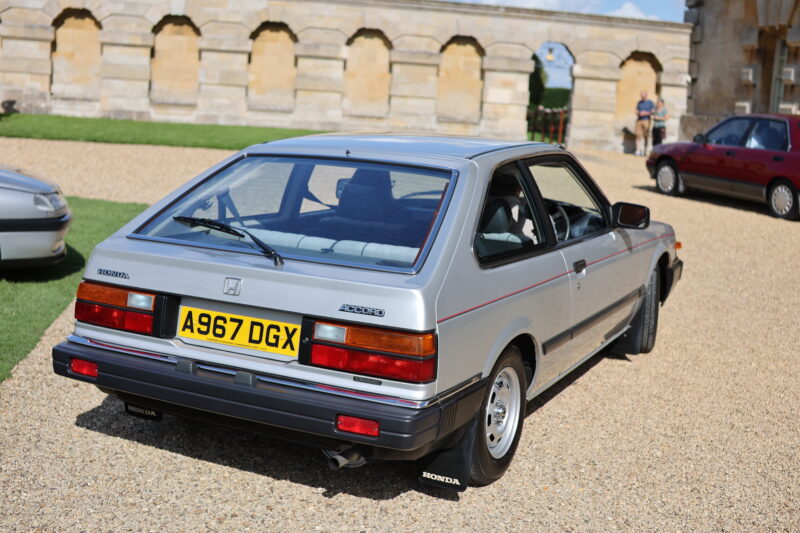
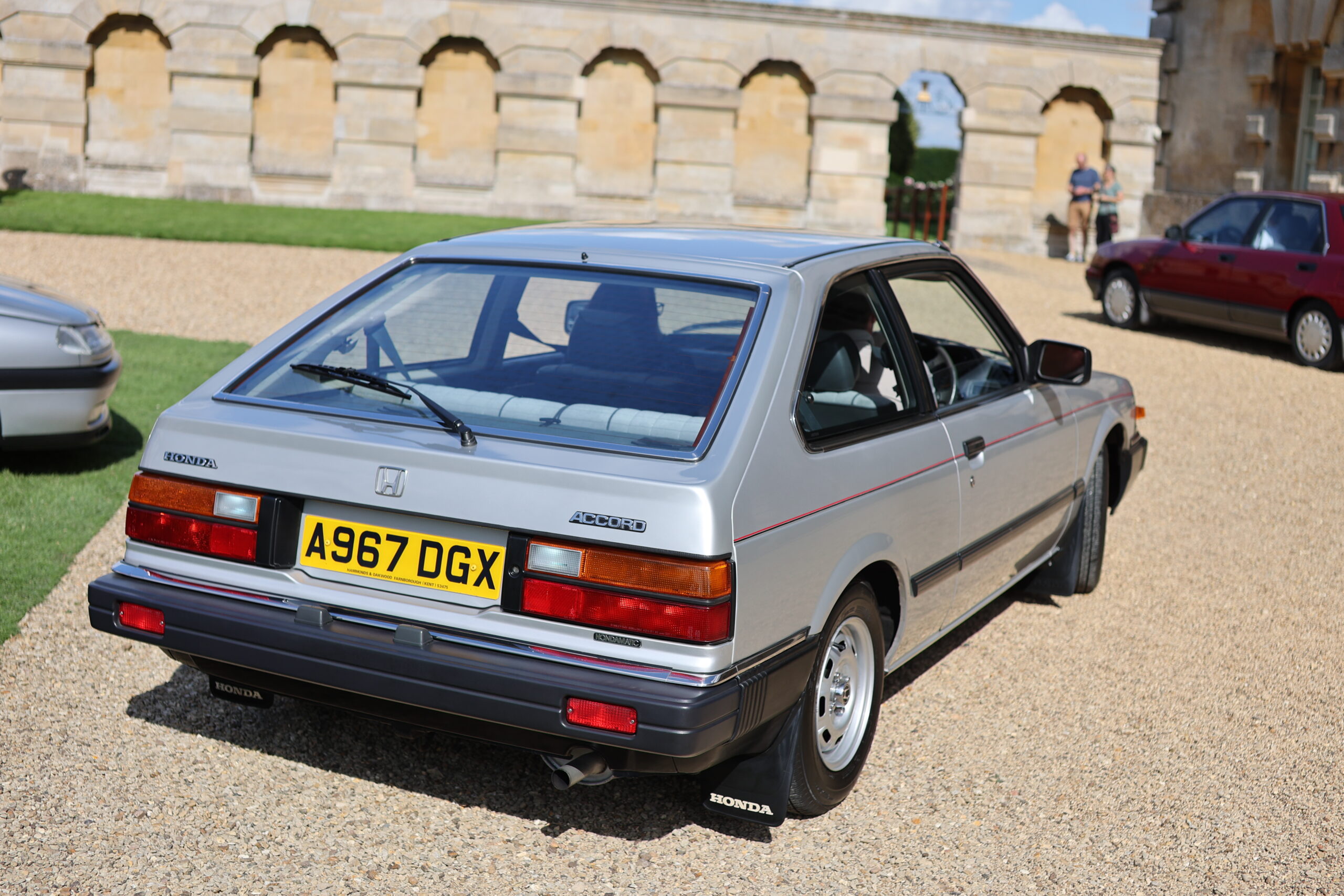
Dave Wilson is no stranger to 1980s Japanese cars, having previously attended the event in his Mazda 929 estate. Dave’s 1983 Honda Accord is another prime example of a car that has been preserved by its first owner, who appears to have kept the car for almost 30 years. These undemanding but exceptionally well-built cars survived in decent numbers in the hands of older and more sympathetic owners. It has since seen a successive number of owners in recent years, all duty-bound to keep the car as original as possible.
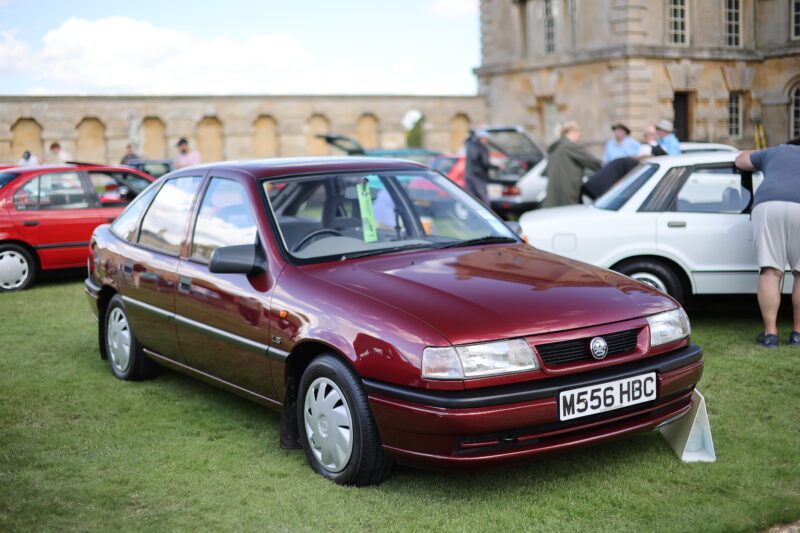
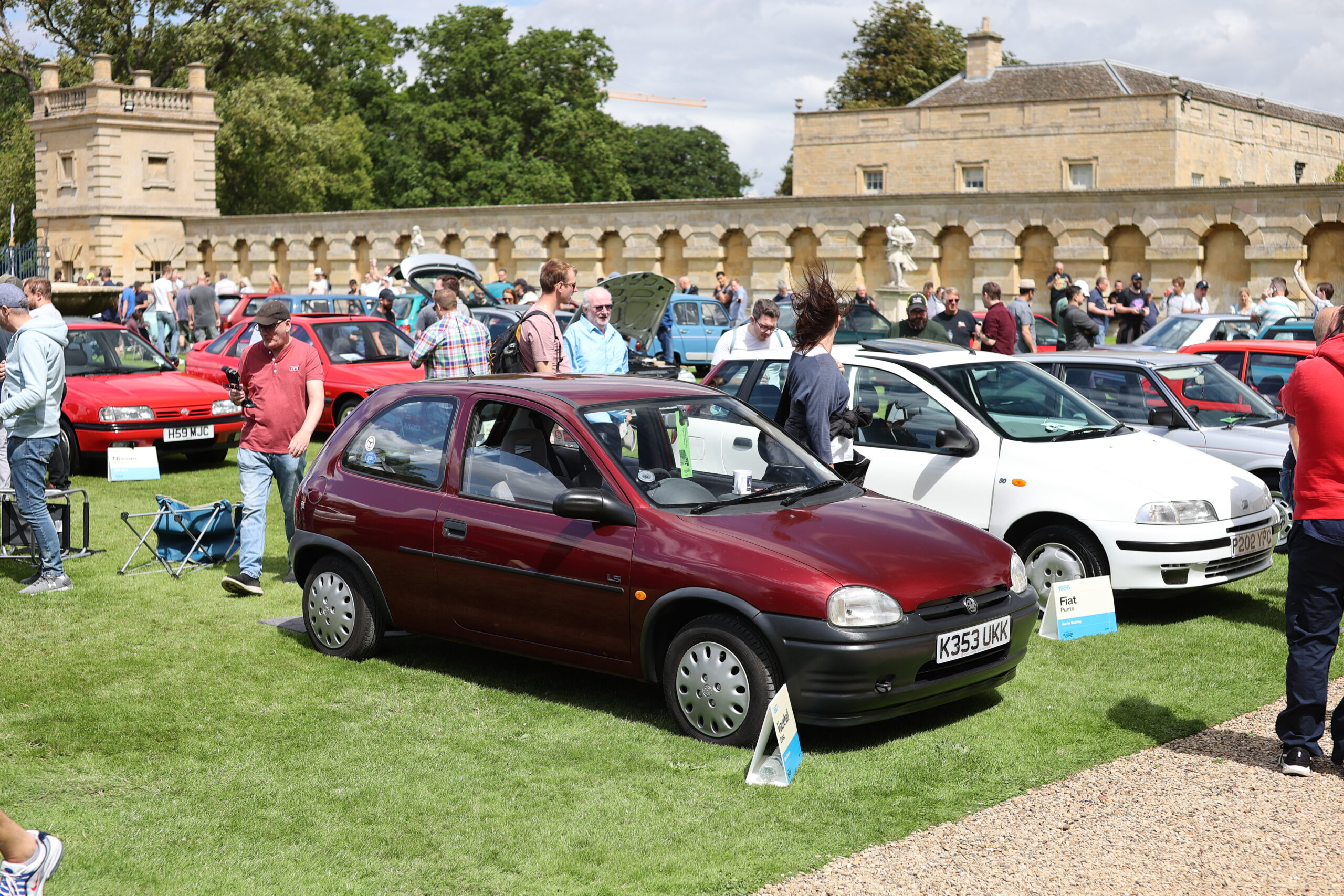
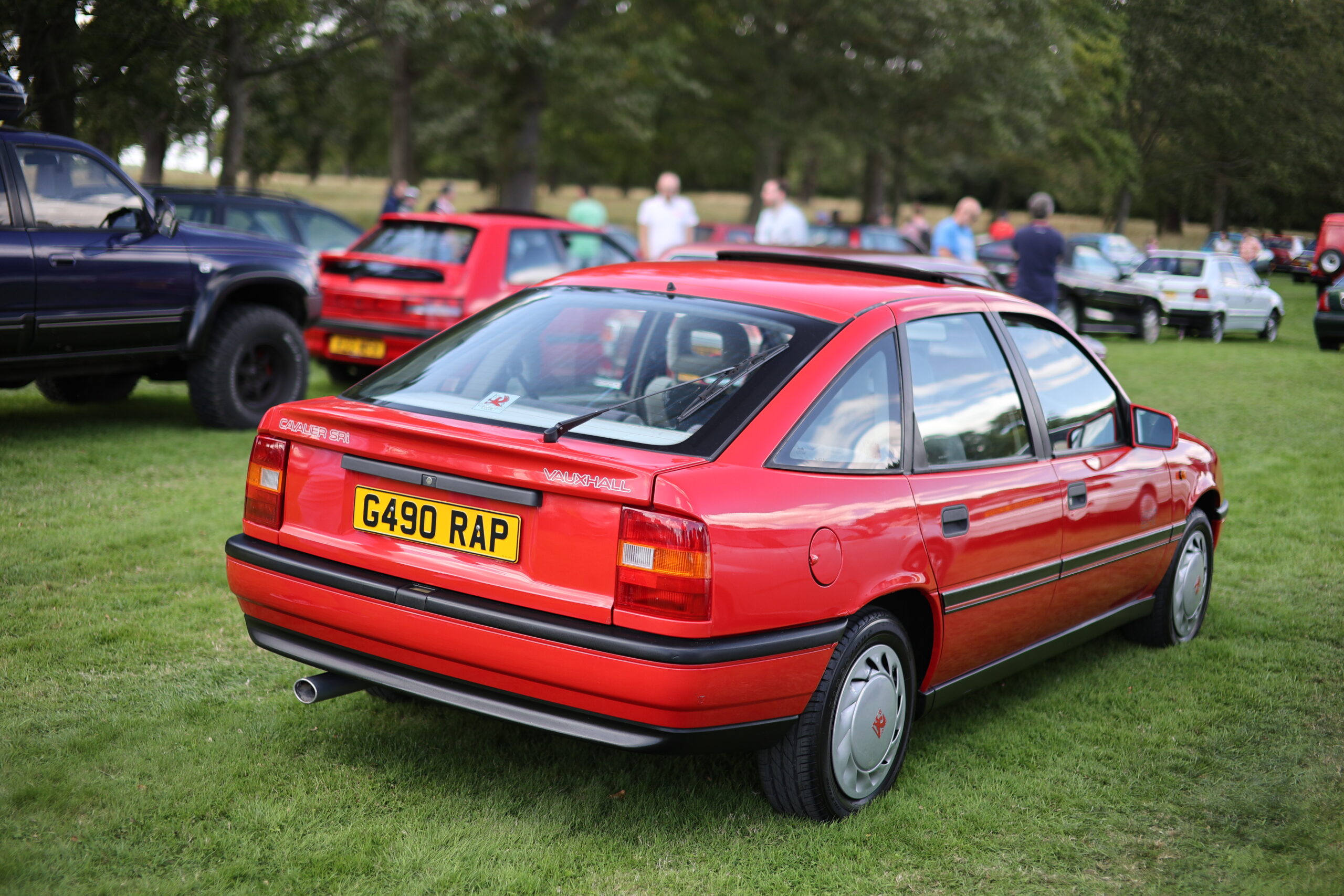
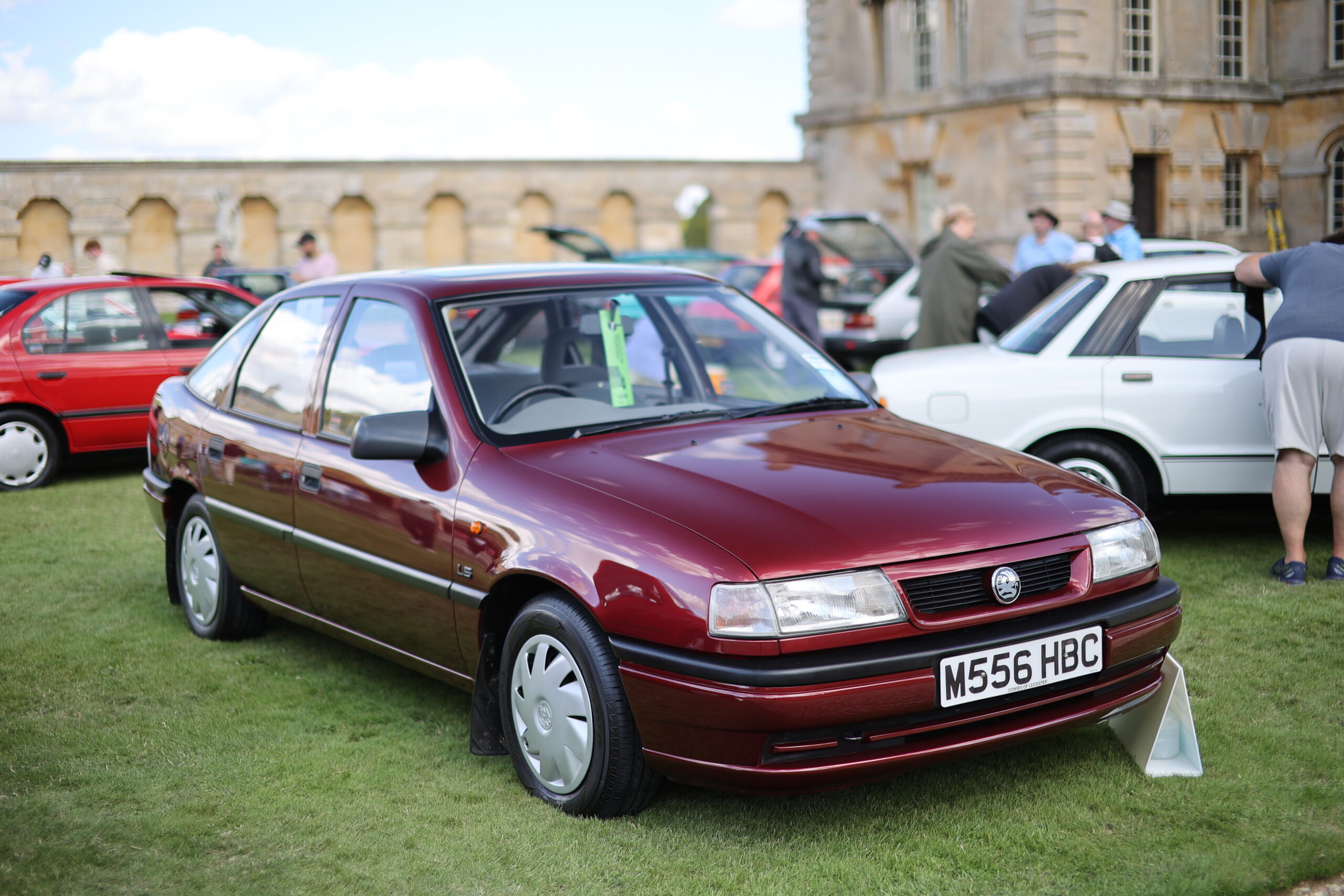
We almost walked past this very clean 1994 Vauxhall Cavalier 1.8 LS, which given the volumes of cars on display is rather too easy to do. A model currently in limbo, not quite fitting into the world of classics, yet still interesting enough to notice if parked in the street. This car has been in storage since 2009 after the untimely demise of its first owner. Adam Pipes took on the car after it languished for 12 years in the previous owner’s family garage. With a recorded mileage of just over 8000 miles, the car has yet to see its first service and has seen just three MOTs over its 29-year lifetime!
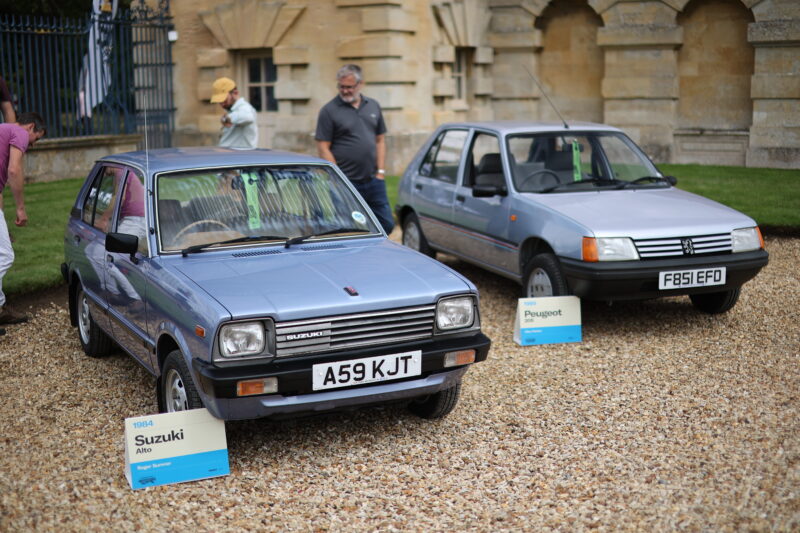
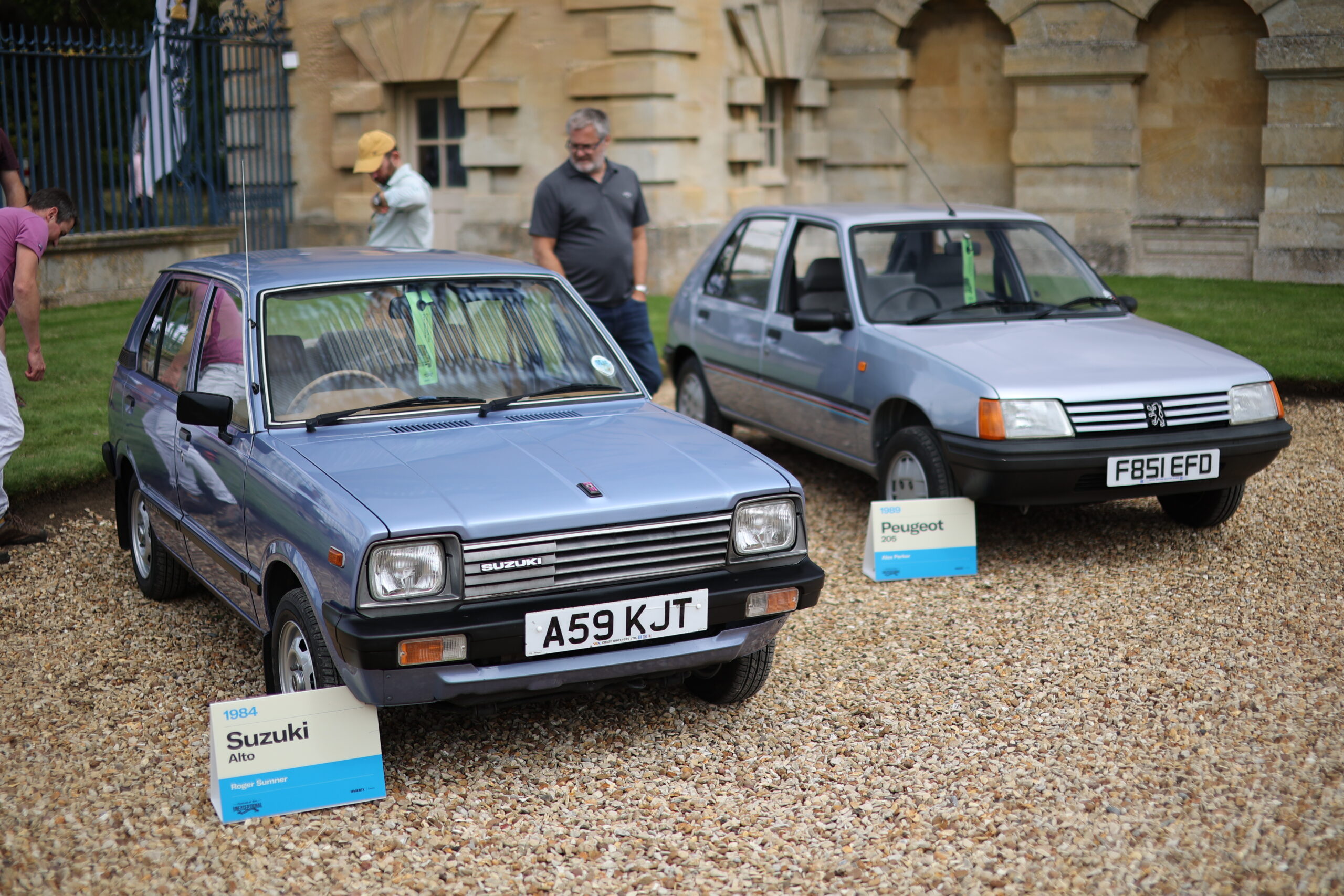
Roger Summer’s wonderful little Suzuki Alto appears to have been another car that has been kept in storage and squirrelled away. Likely to have served as undemanding yet reliable transportation for its first owner, it was another car with exceptionally low mileage. The Alto has its roots as a Kei car, created to capitalise on cheap tax in Japan and therefore fitted with tiny engines. This facelift 1st generation model is powered by a more manageable 796cc engine, appealing to those who appreciate the 5-door practicality with robust engineering and reasonable kit. The original owner clearly did their bit to preserve the car and retained it until 2006. Roger recently took the car for its first MOT in 17 years, and it passed with flying colours.
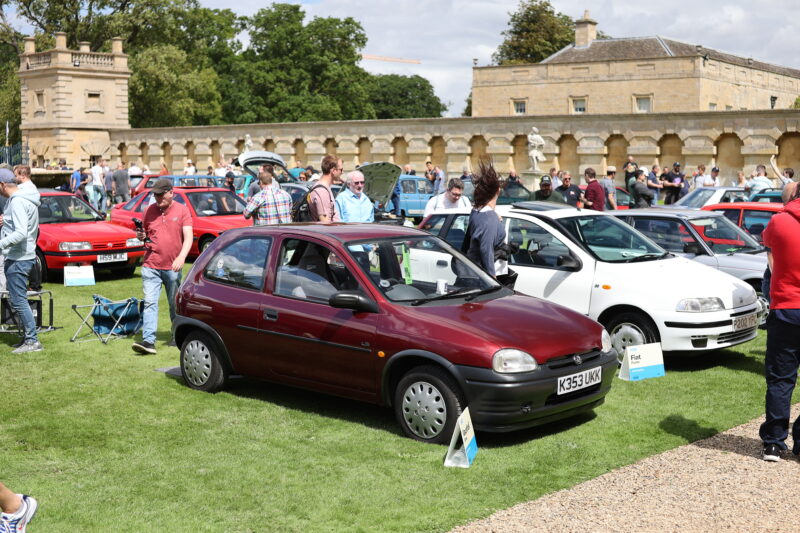
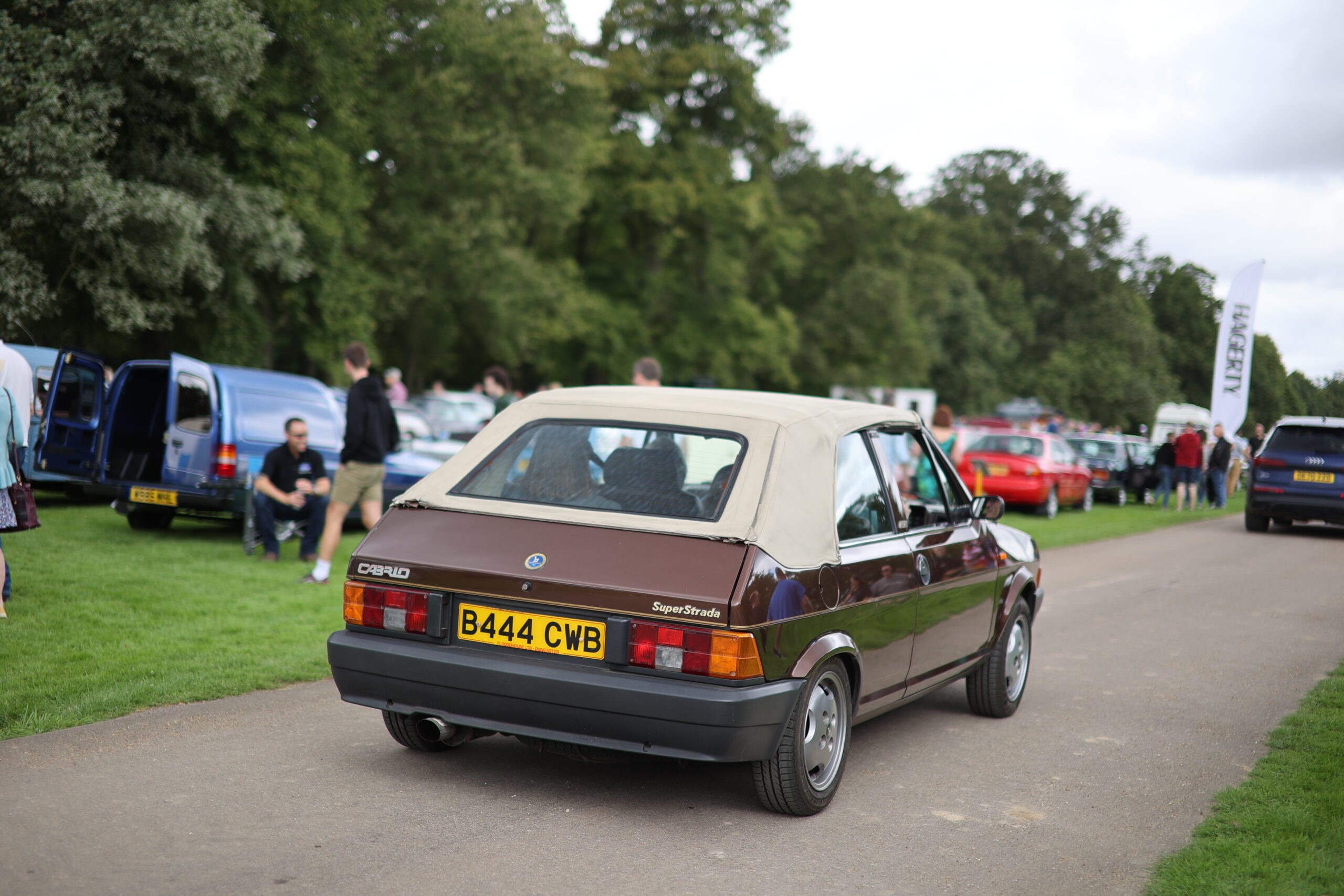
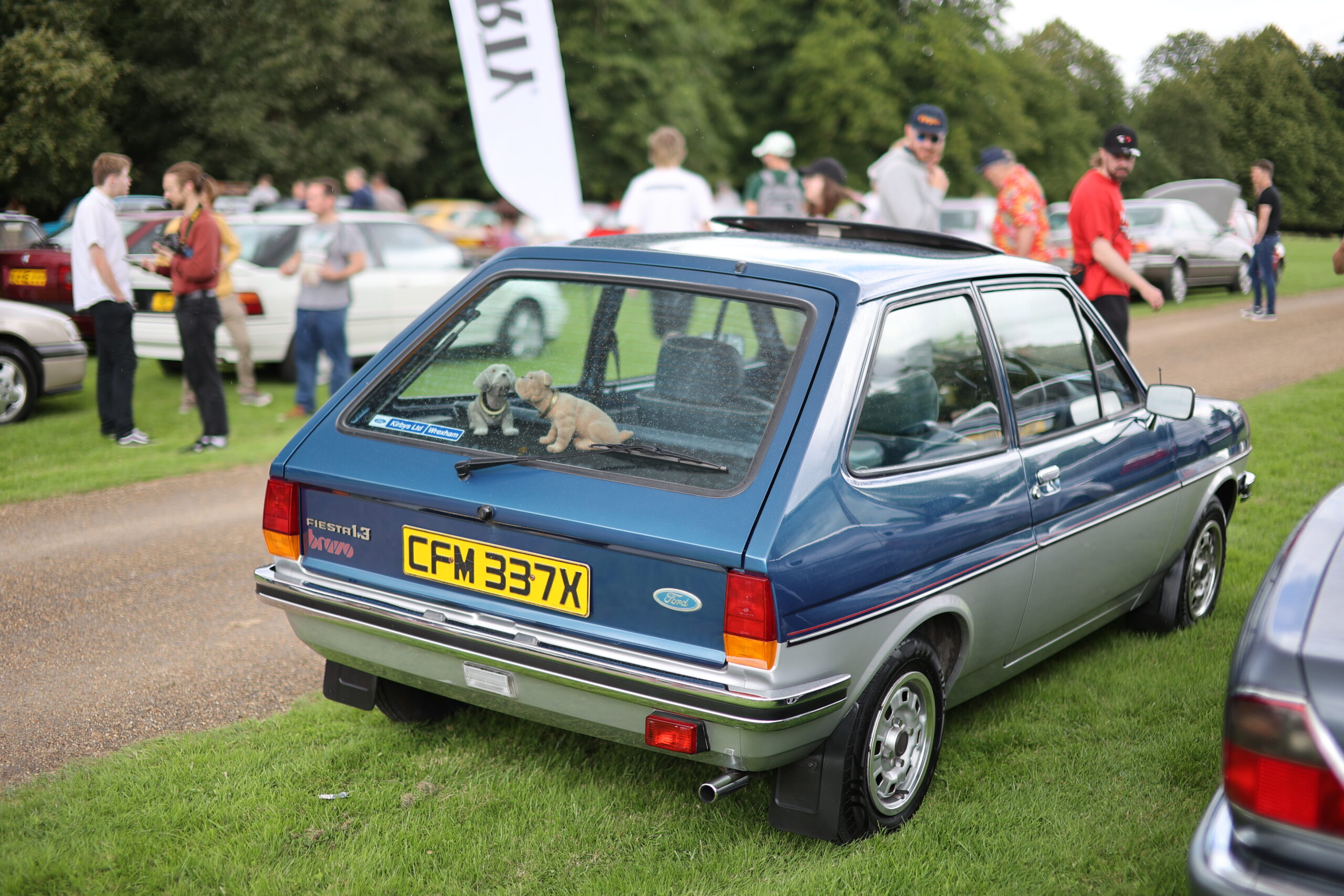
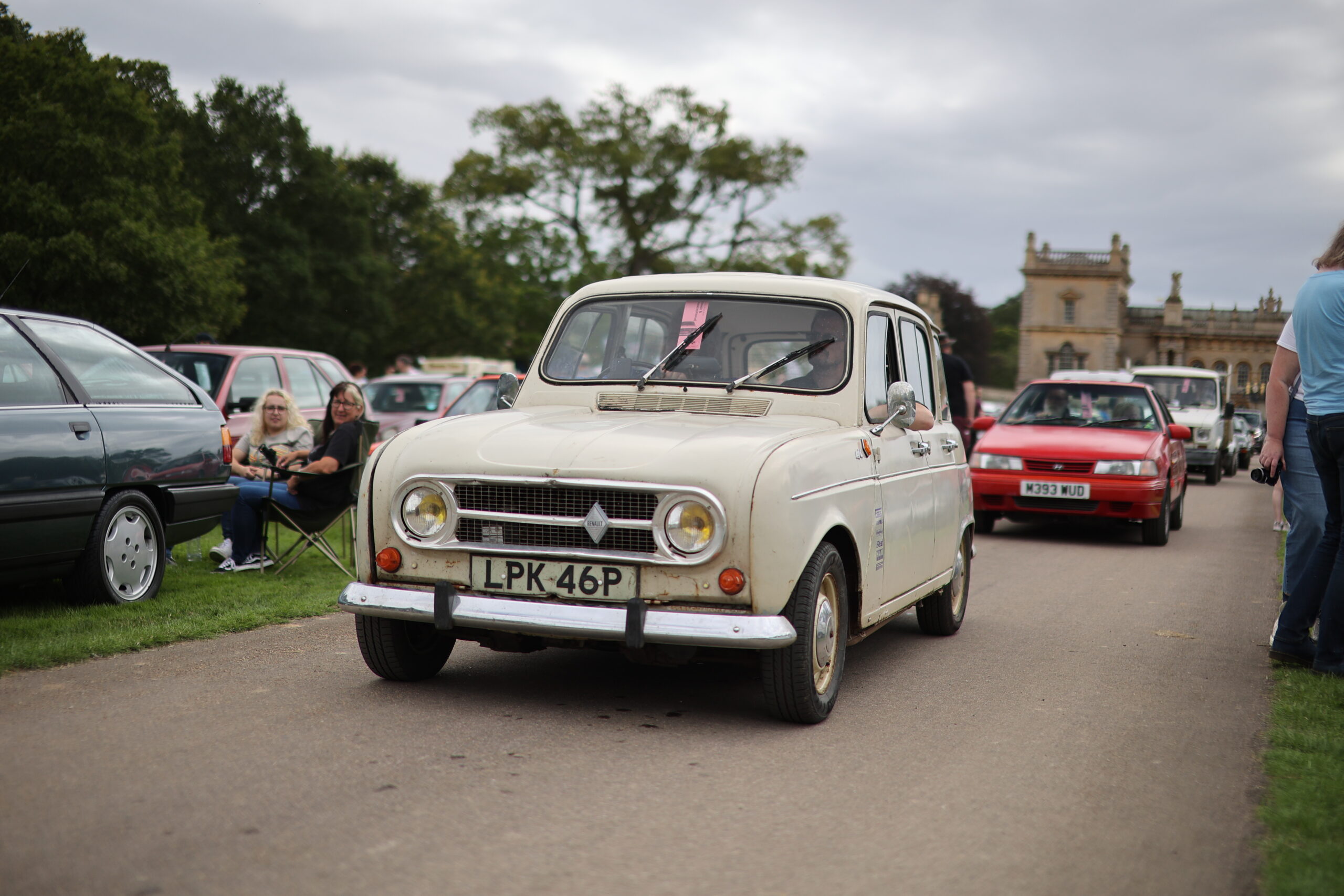
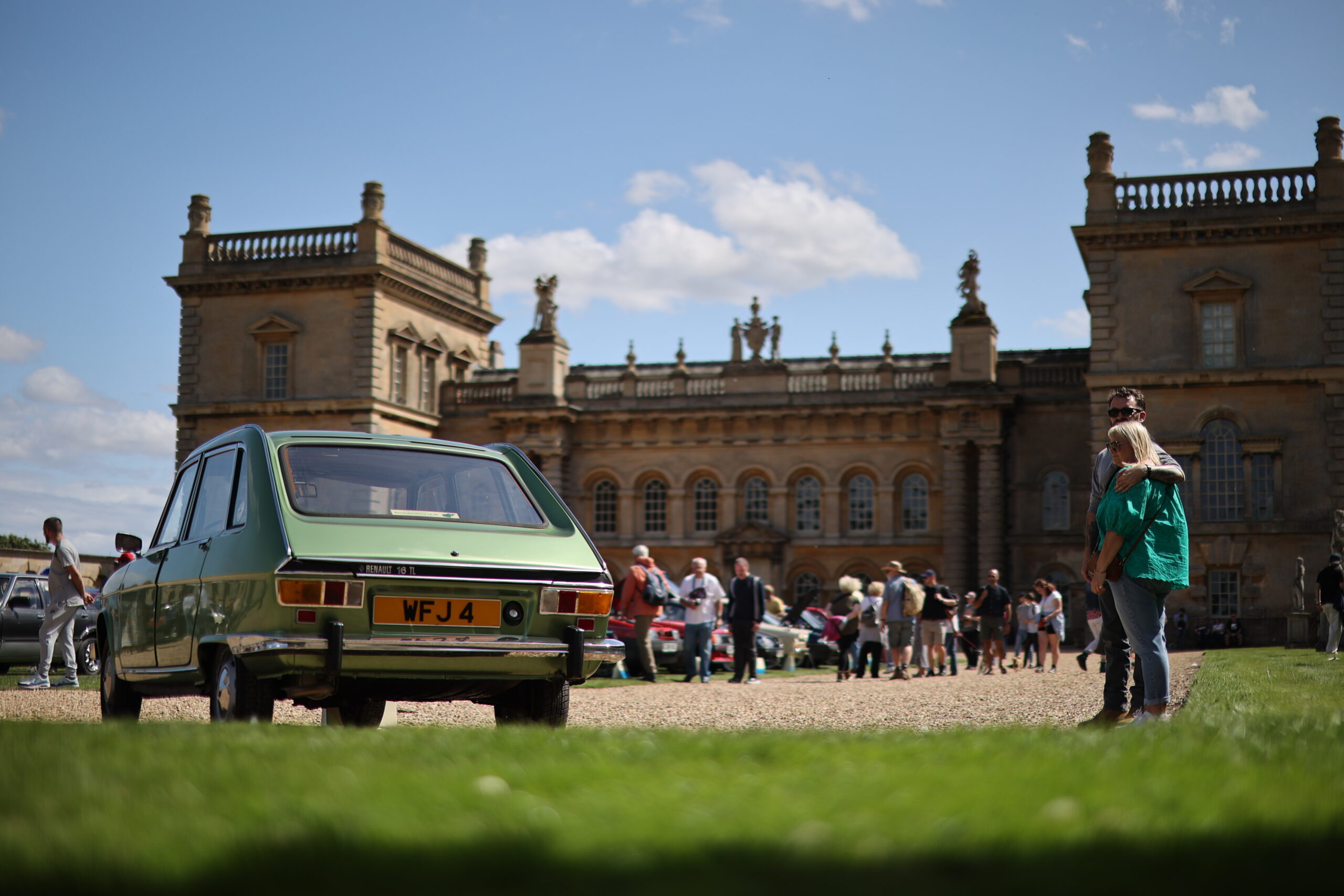
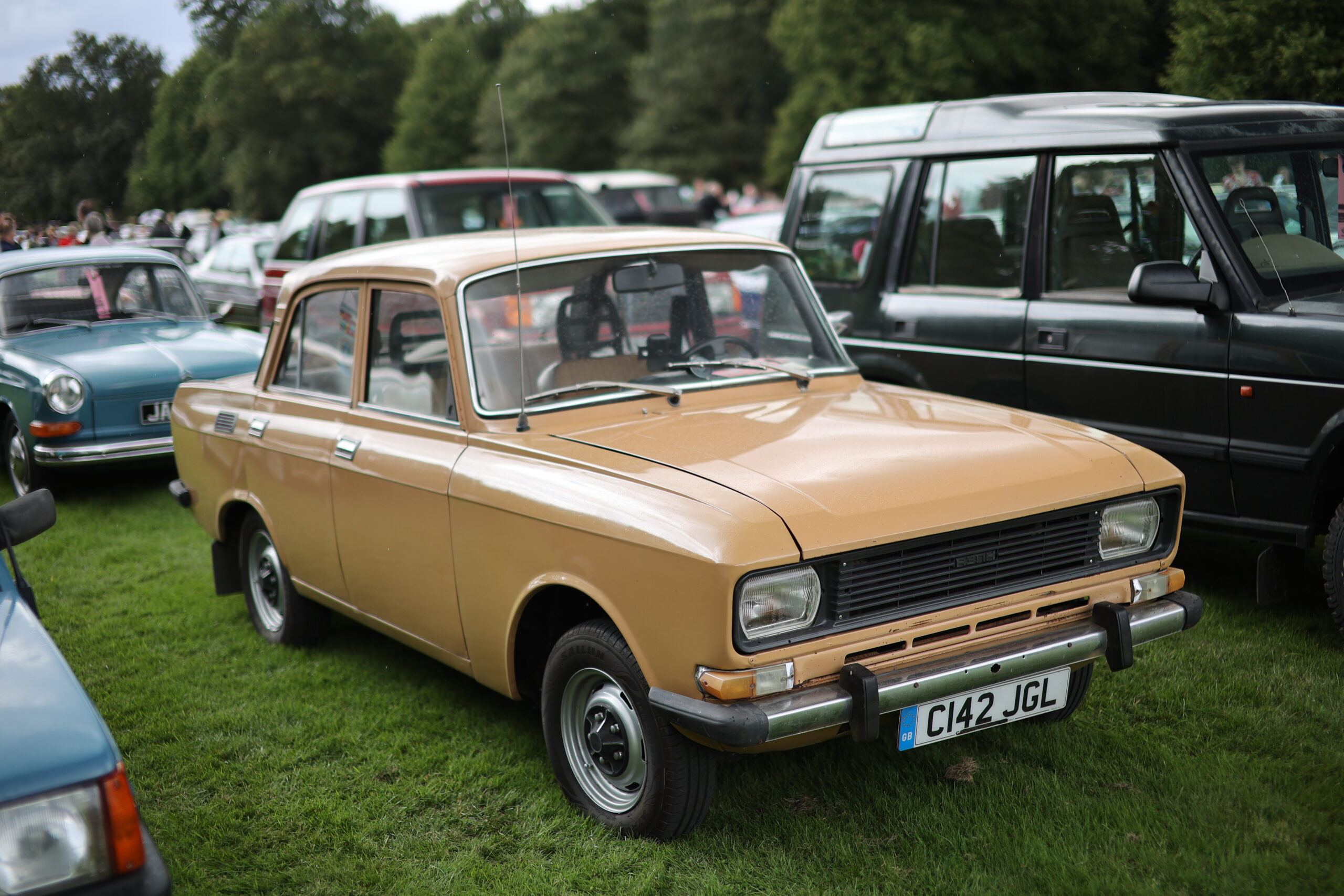
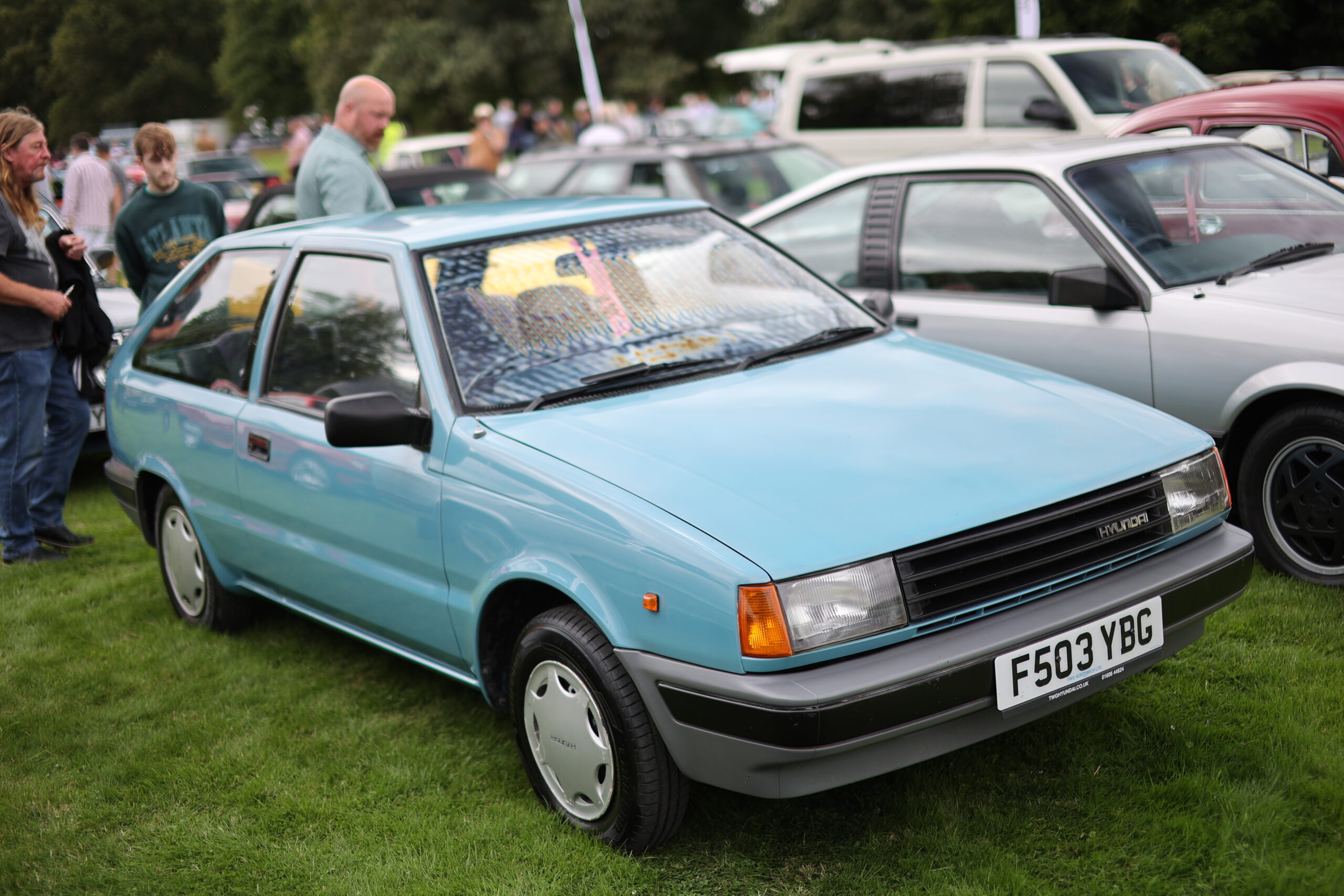
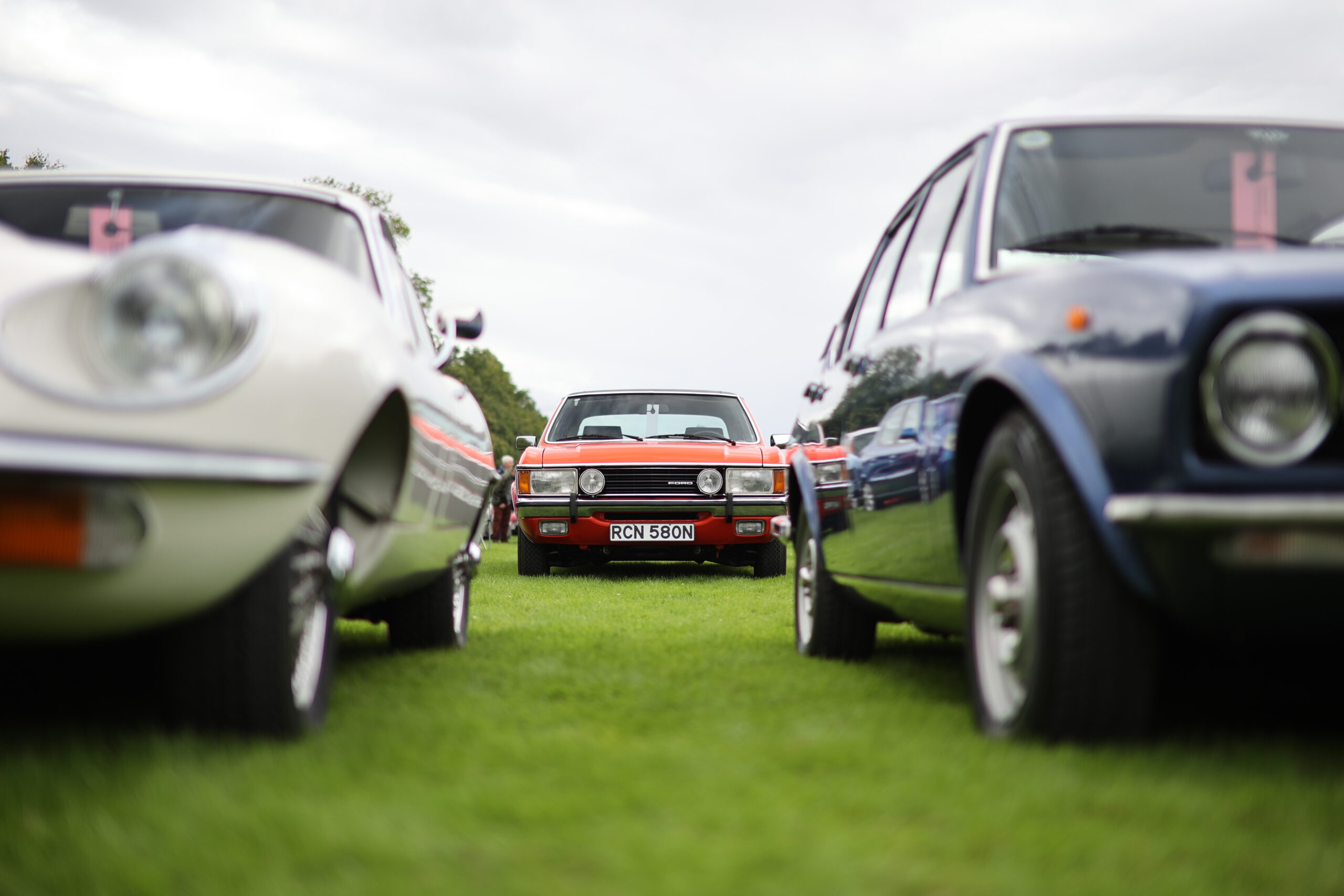
While the Concours area proved to be the focal point for the event, the approach to the house was lined with hundreds of unexceptional goodness. With cars turning up every 5 minutes throughout the day, along with the numerous distractions, it was simply impossible to keep a record of every car that attended. However, we have picked a handful that caught our eye. We’ll start with a couple of French cars, which really have to be considered rare rather than unexceptional but they proved to be too irresistible to not mention here.
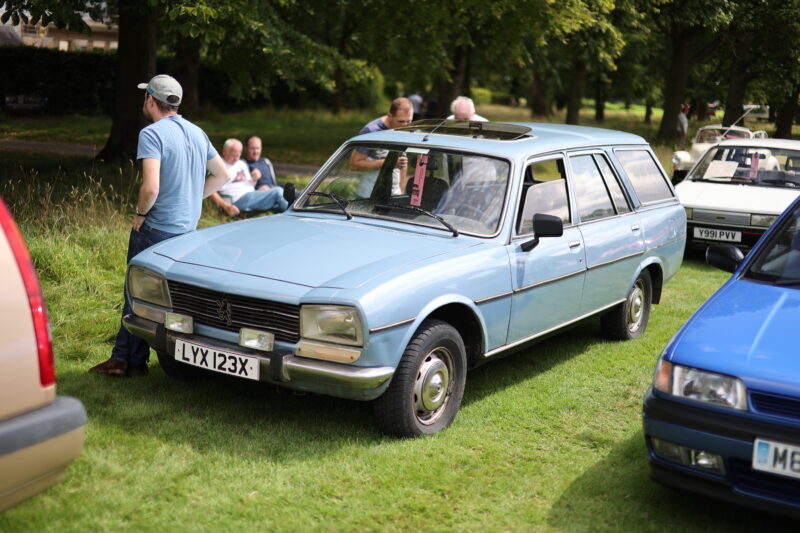
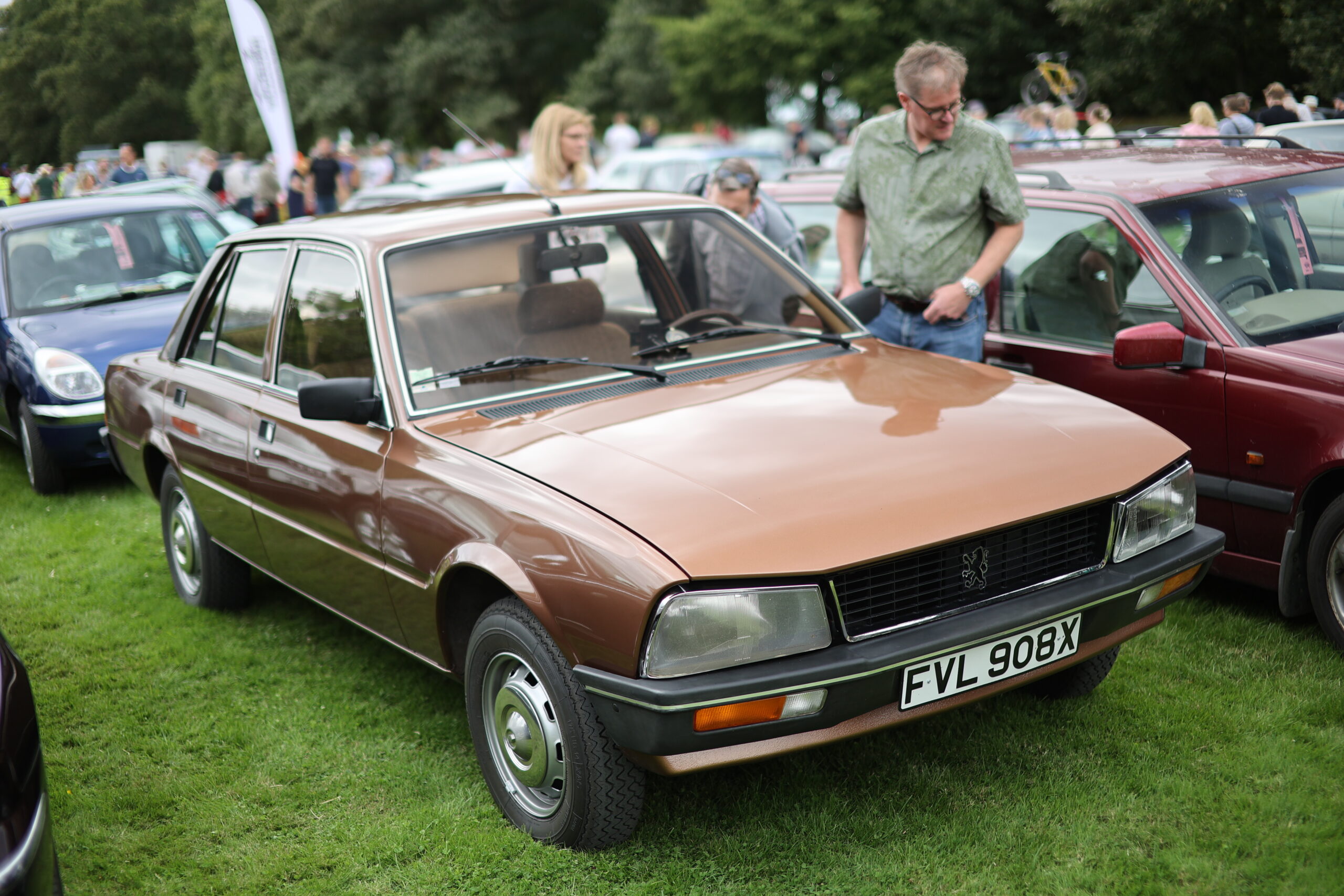
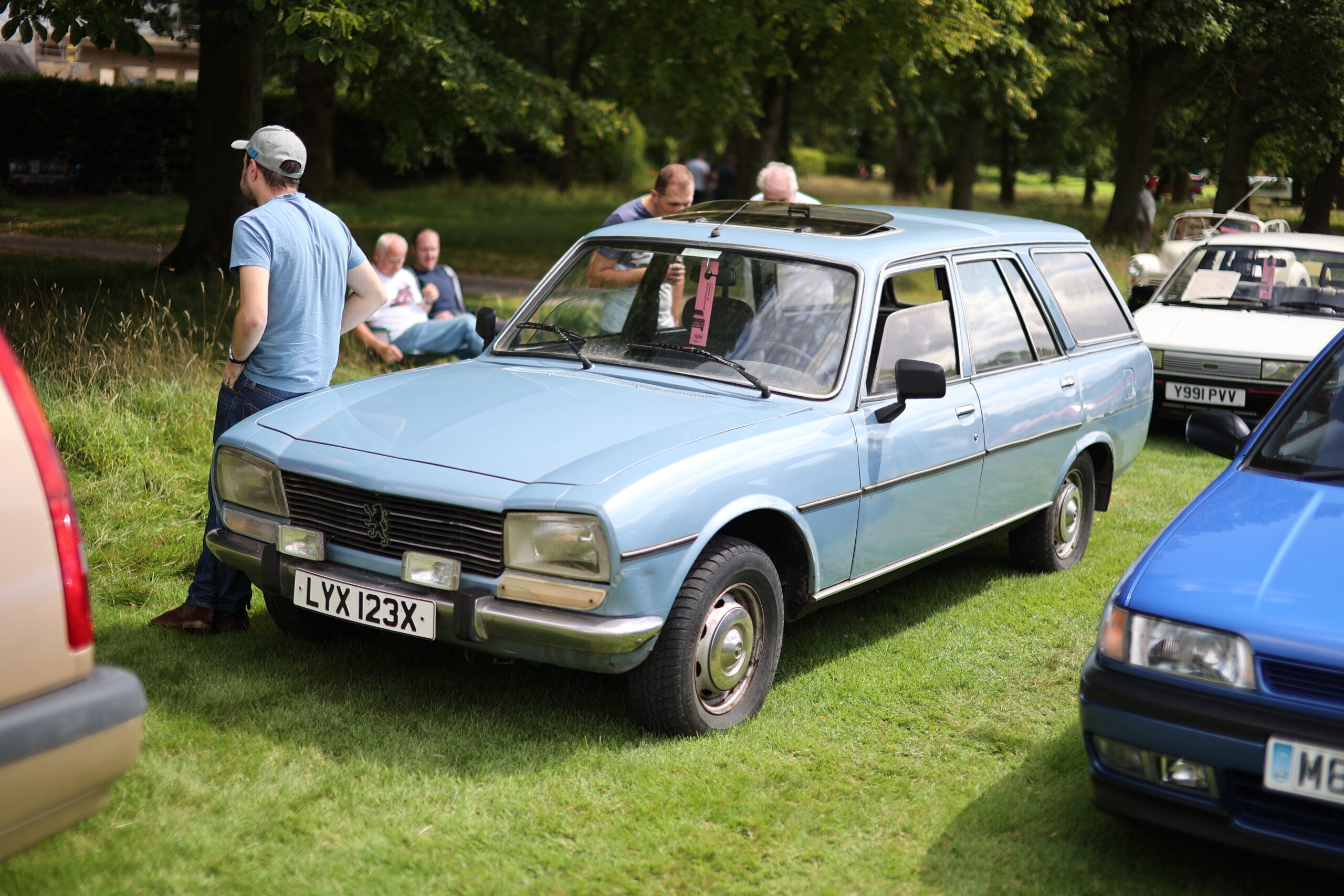
This handsome beast belongs to Peter, who took the car on after the original owner, a Portuguese ex-pat, imported the car into the UK. The Peugeot 504 gained a reputation for its durability and top-notch engineering, while Citroen was the belle of the ball, with frilly knickers and all, Peugeot’s work-man-like approach to technology and durability allowed it to become one of the most trusted brands in Africa. It survives thanks to the Portuguese climate and has just a few cosmetic wounds, but Peter is happy enough to leave the car exactly as it is.
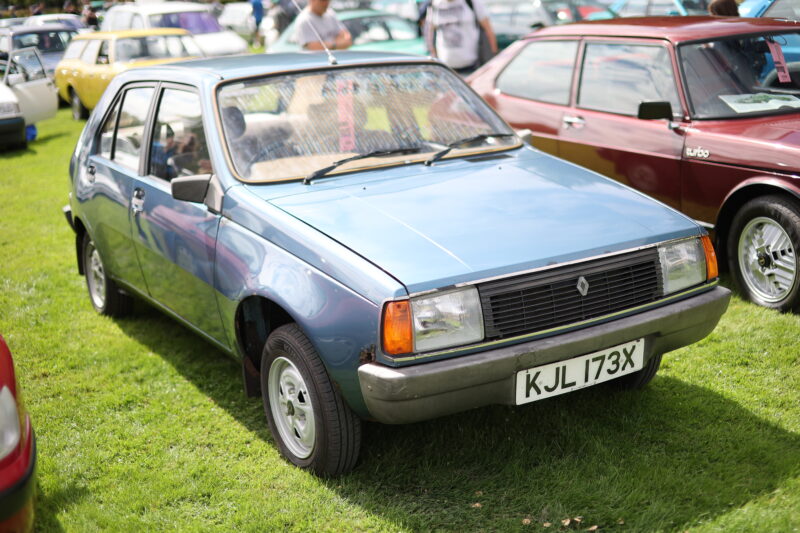
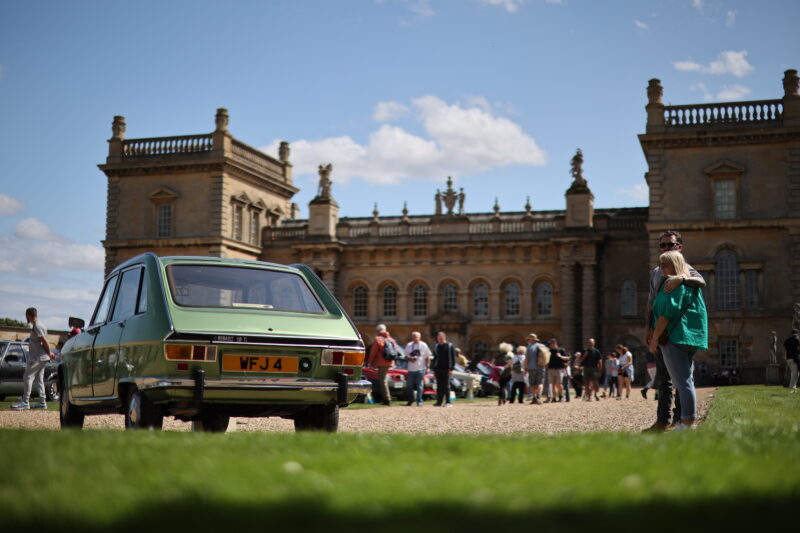
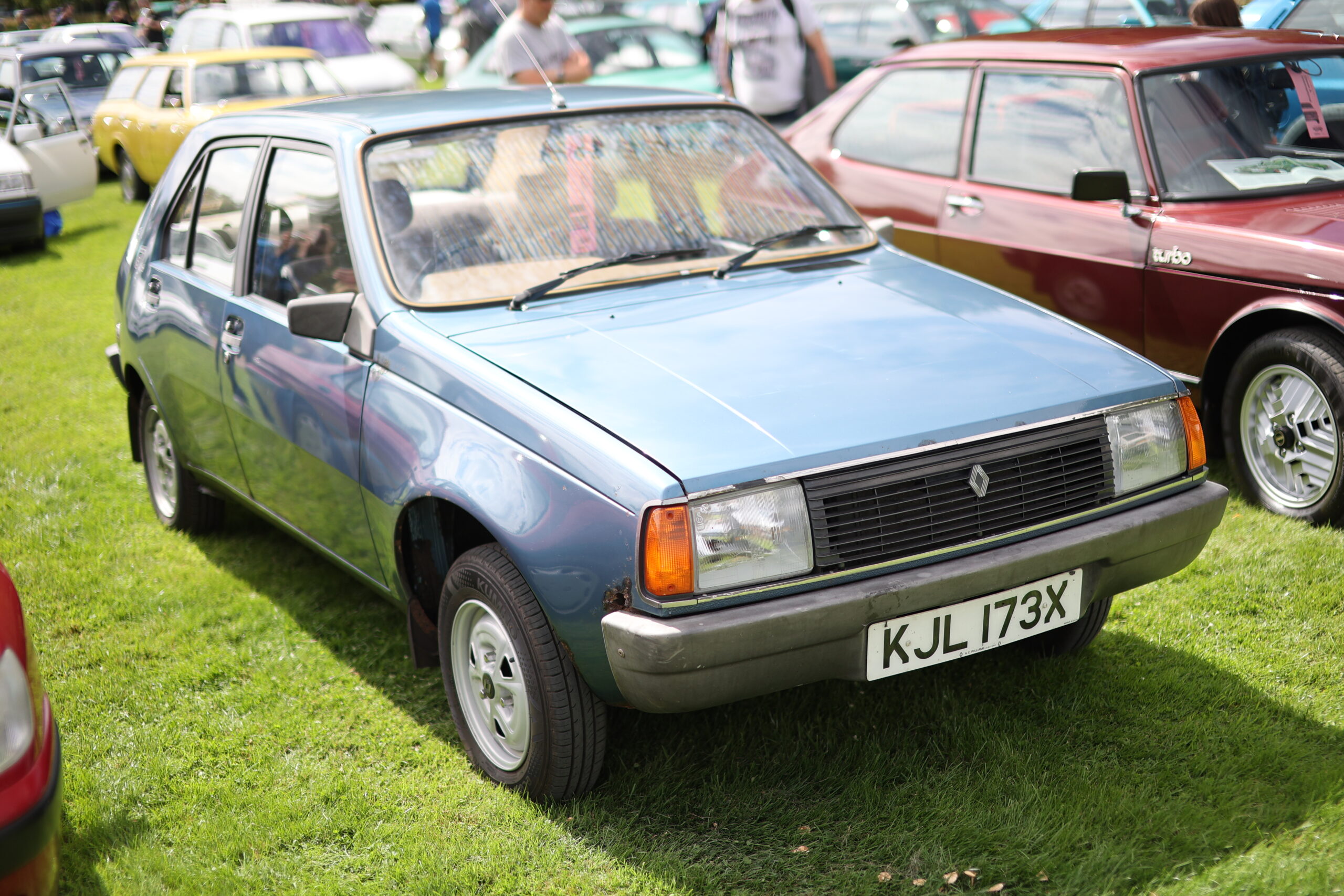
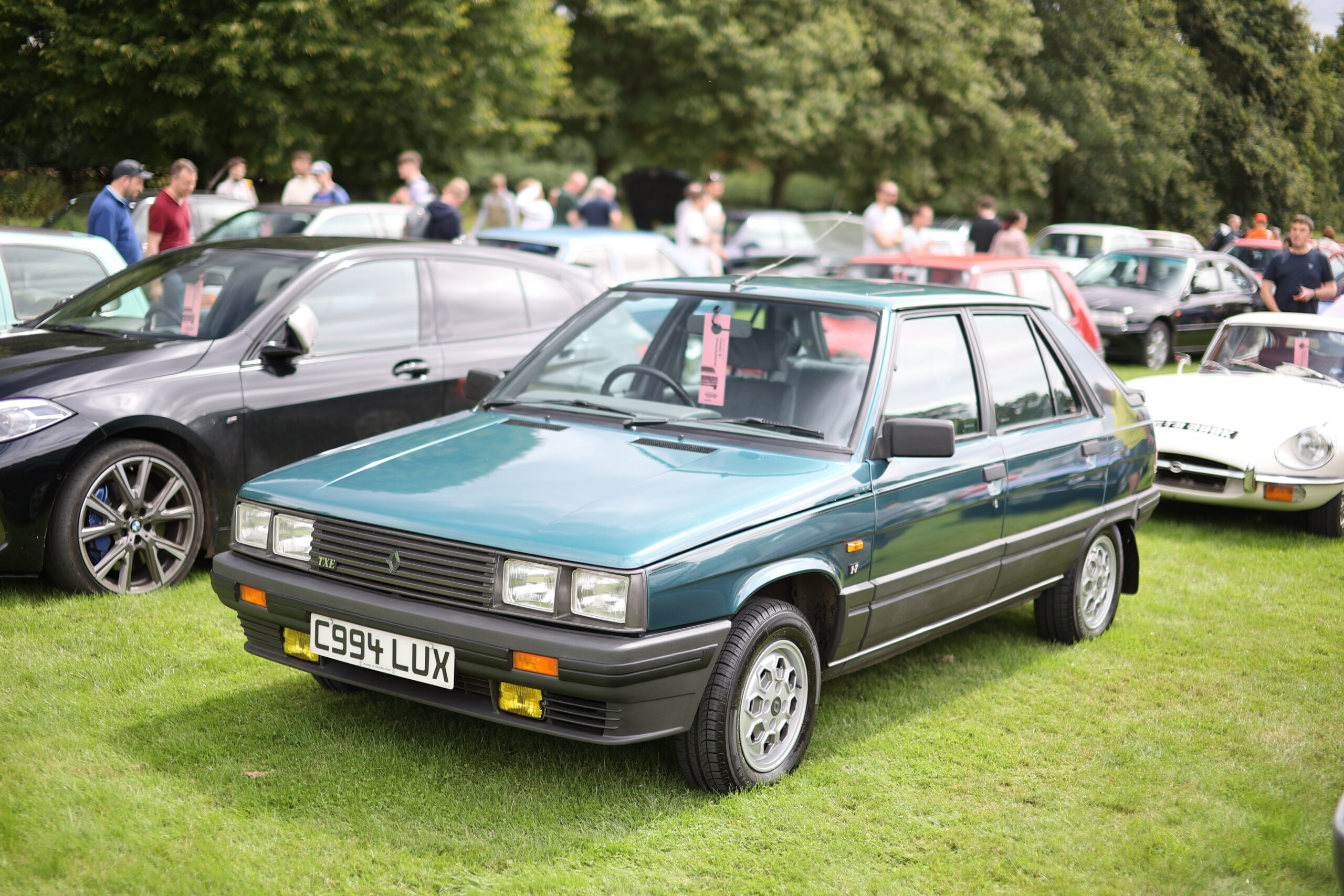
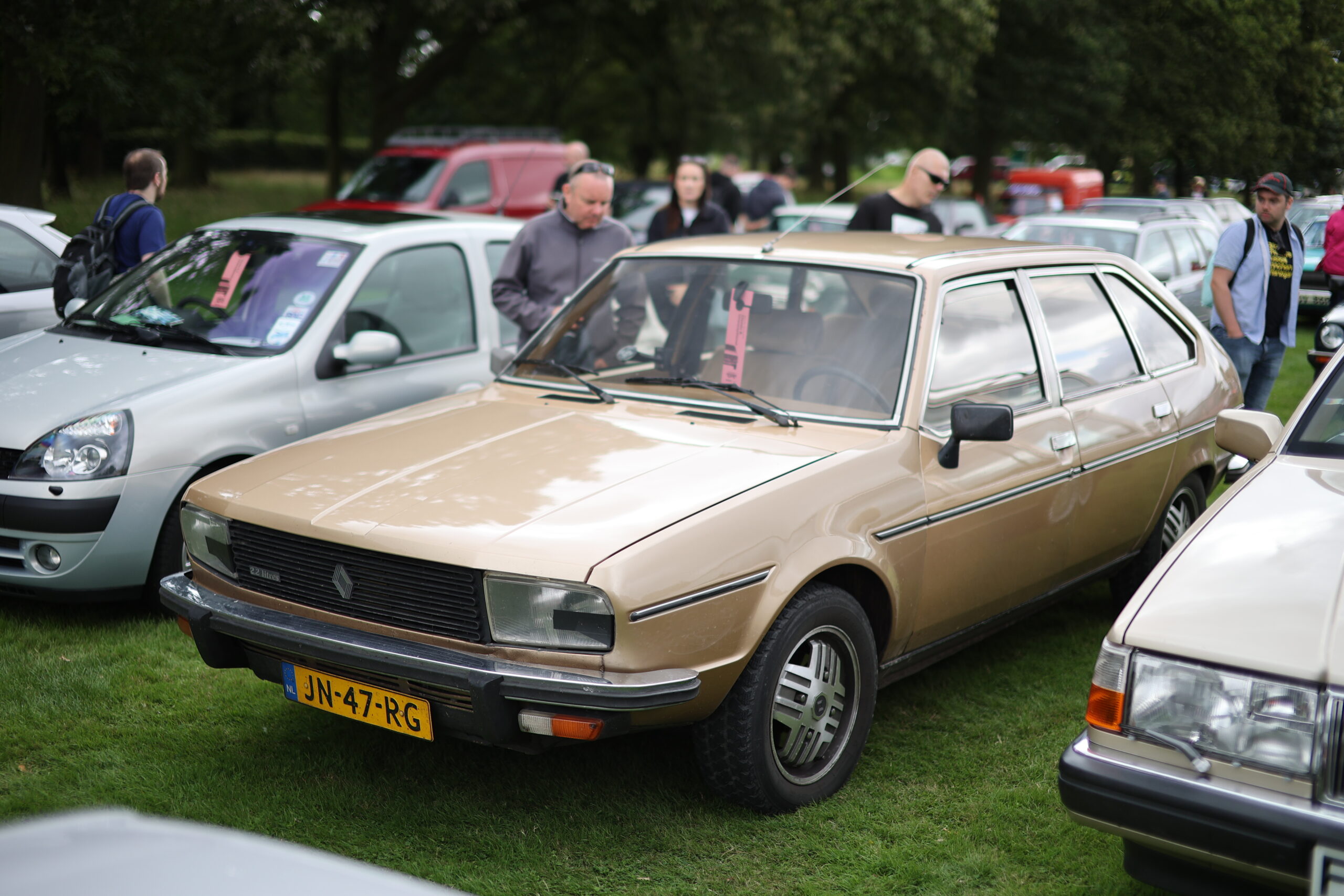
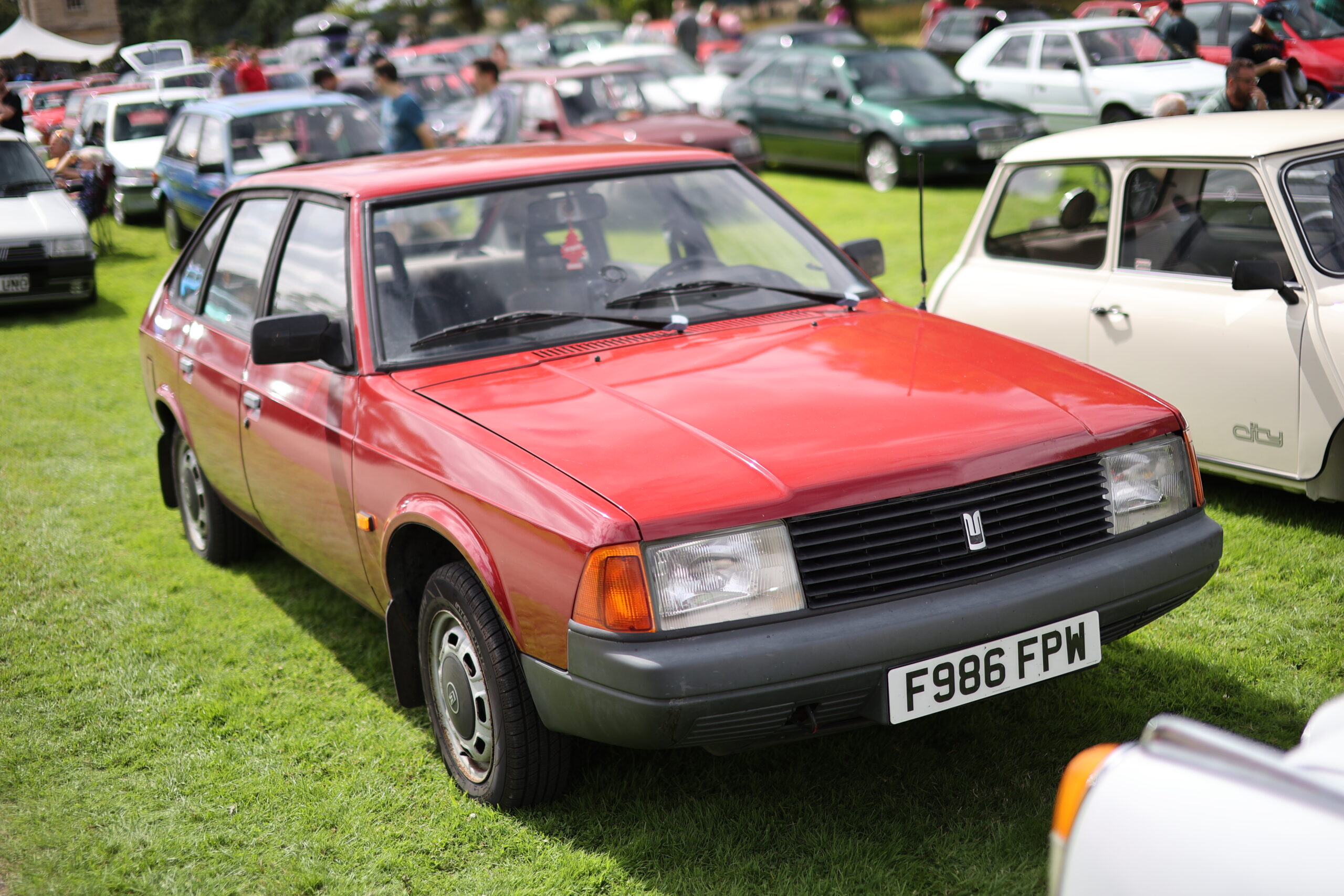
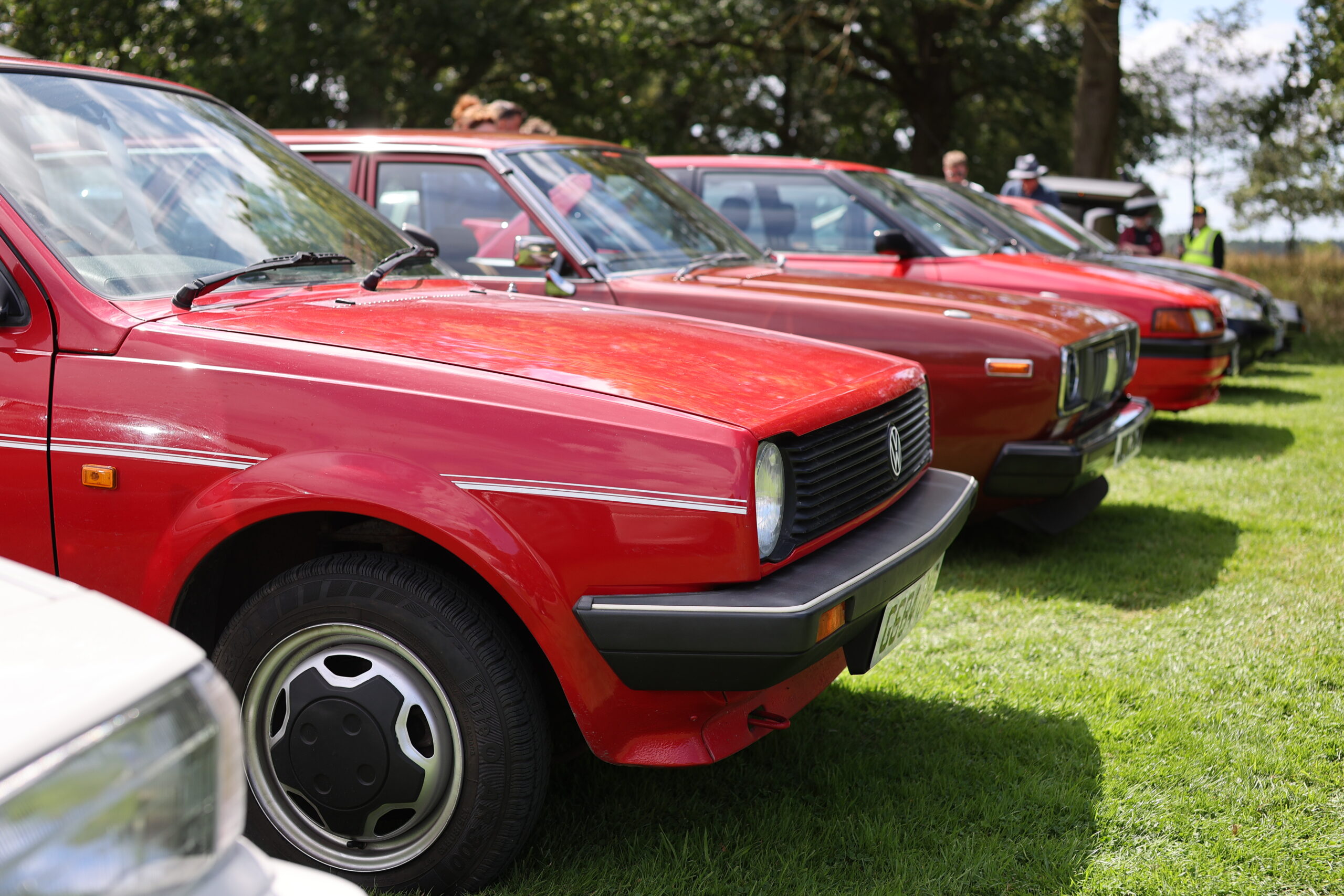
Amongst the legions of French cars, we were absolutely thrilled to see a Renault 14 in the wild. Even by 1970s French car standards, this is one exceptionally rare beast. Designed to tackle the VW Golf, upon its release in 1976, Renault’s marketing team quickly got to work and the car initially matched UK sales of the Golf. A car that was nice to drive and comfortable, its star soon faded as a reputation for corrosion overwhelmed the positives. Virtually extinct by the 1990s, the car has been largely forgotten, so to see one in the flesh after many decades was a genuine treat.
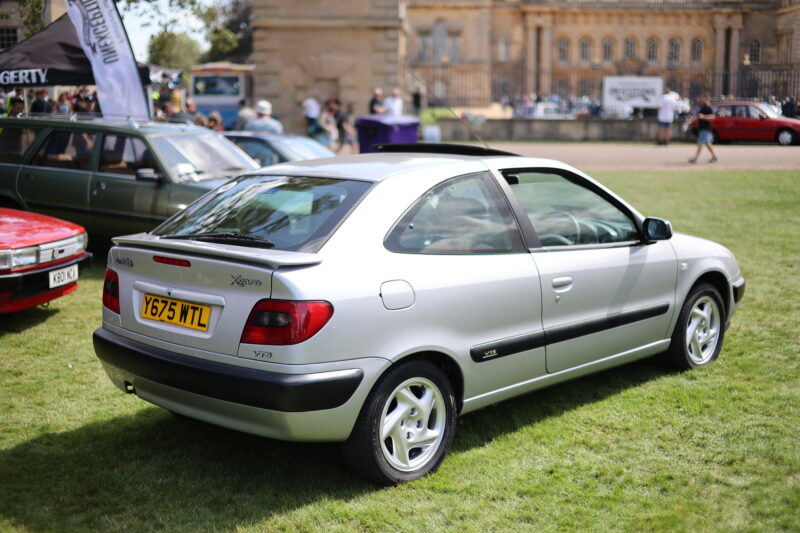
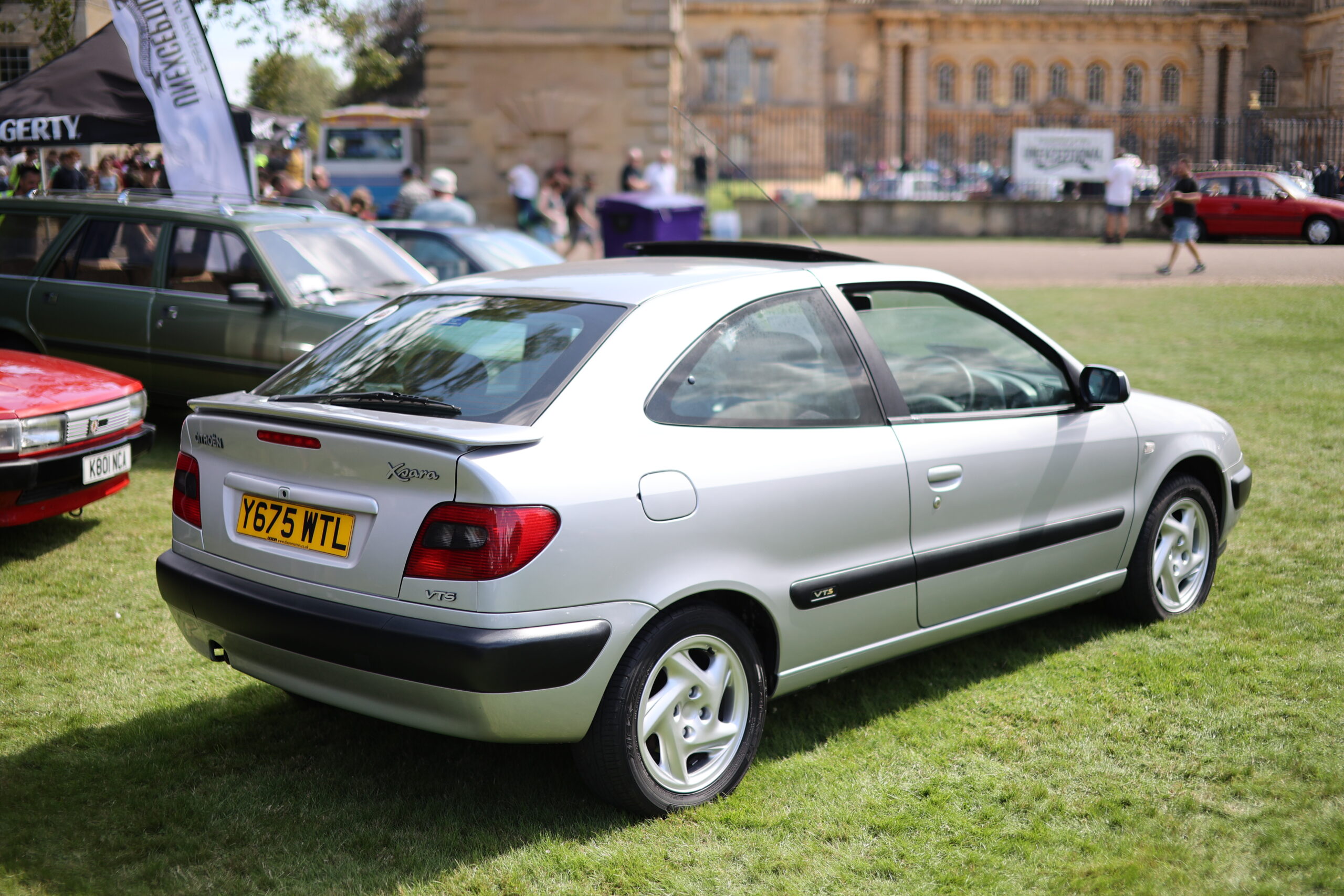
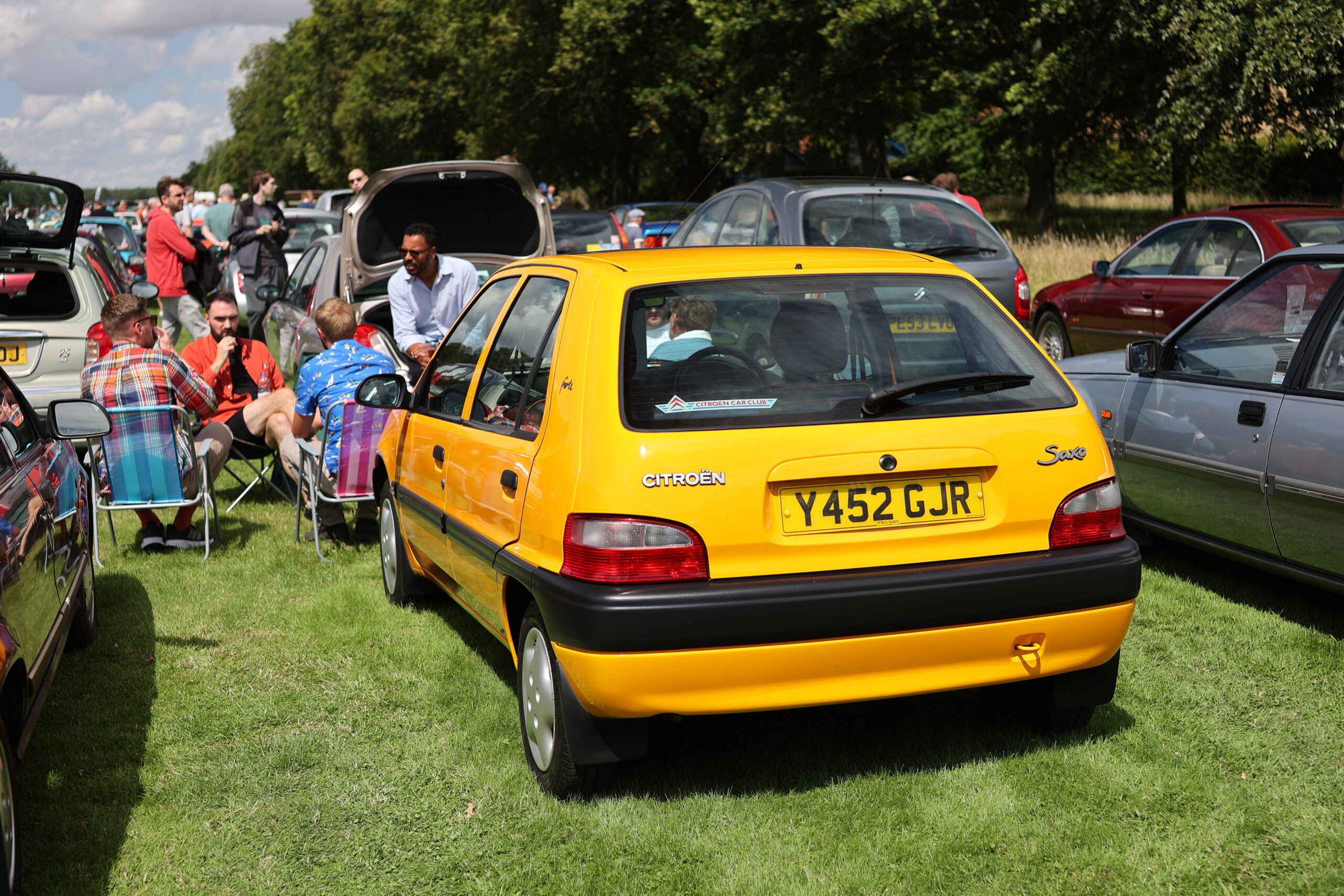
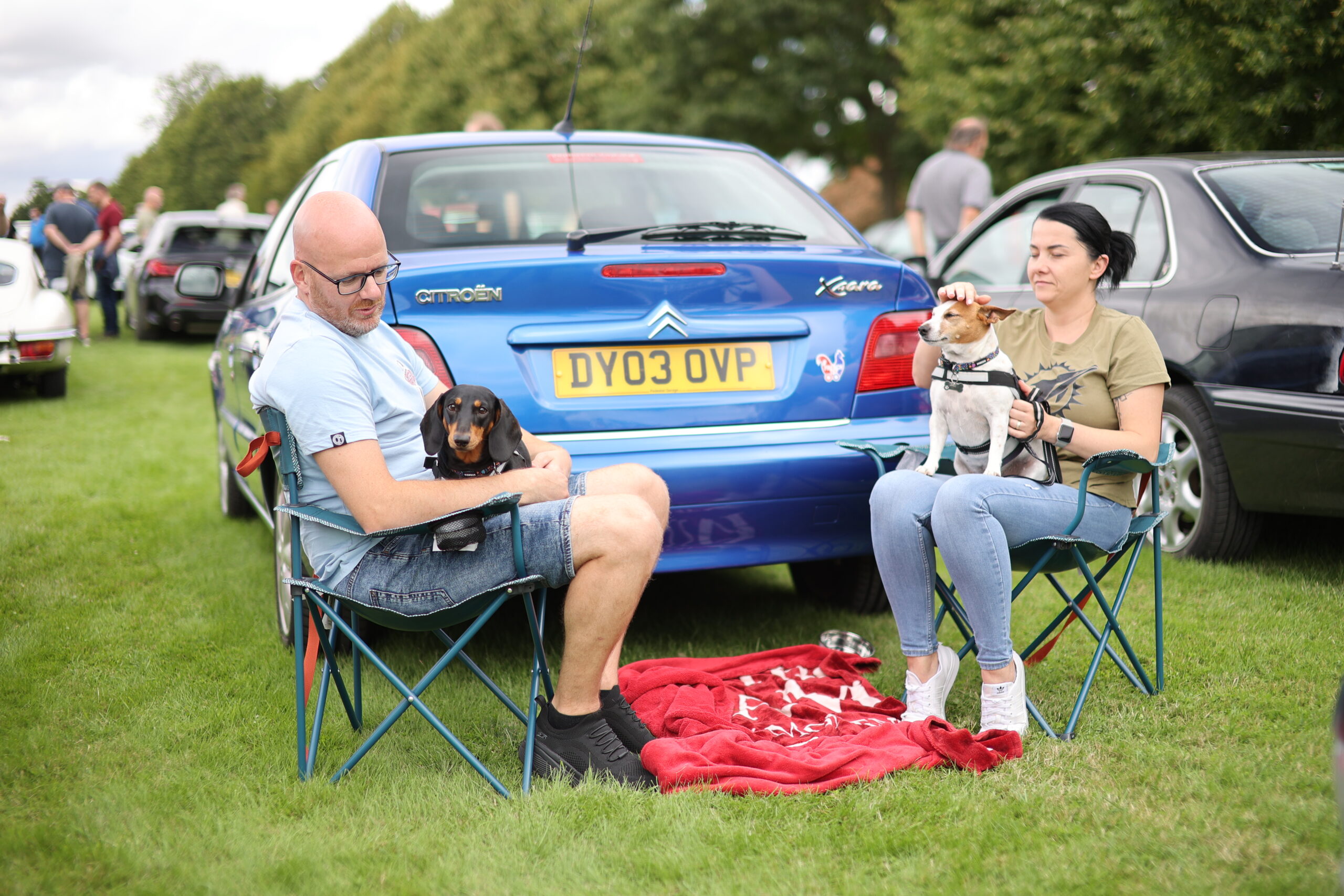
To finish off a trinity of French goodness, we have to come up to date with another car that has disappeared off the roads very quickly indeed. Hugely popular in its time, Citroen imported hundreds of thousands of the Xsara from 1997. Propped up by the attractive pricing of the Picasso people carrier, they soon became one of the most popular Citroens to be sold in the UK. Overshadowed by the prettier but mechanically identical Peugeot 306, the hatchback and estate variants sold to those with a keener budget. While not massive sellers, you’d be rather surprised how few of the top-of-the-range VTS models are still on the roads.
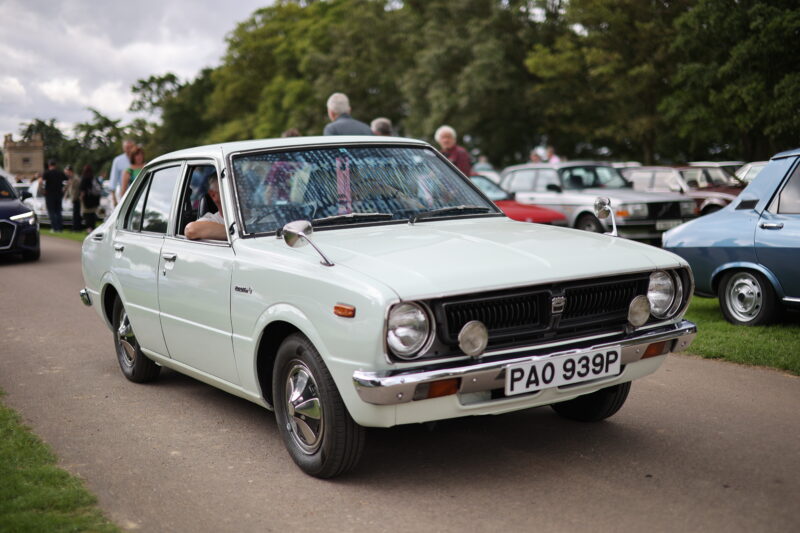
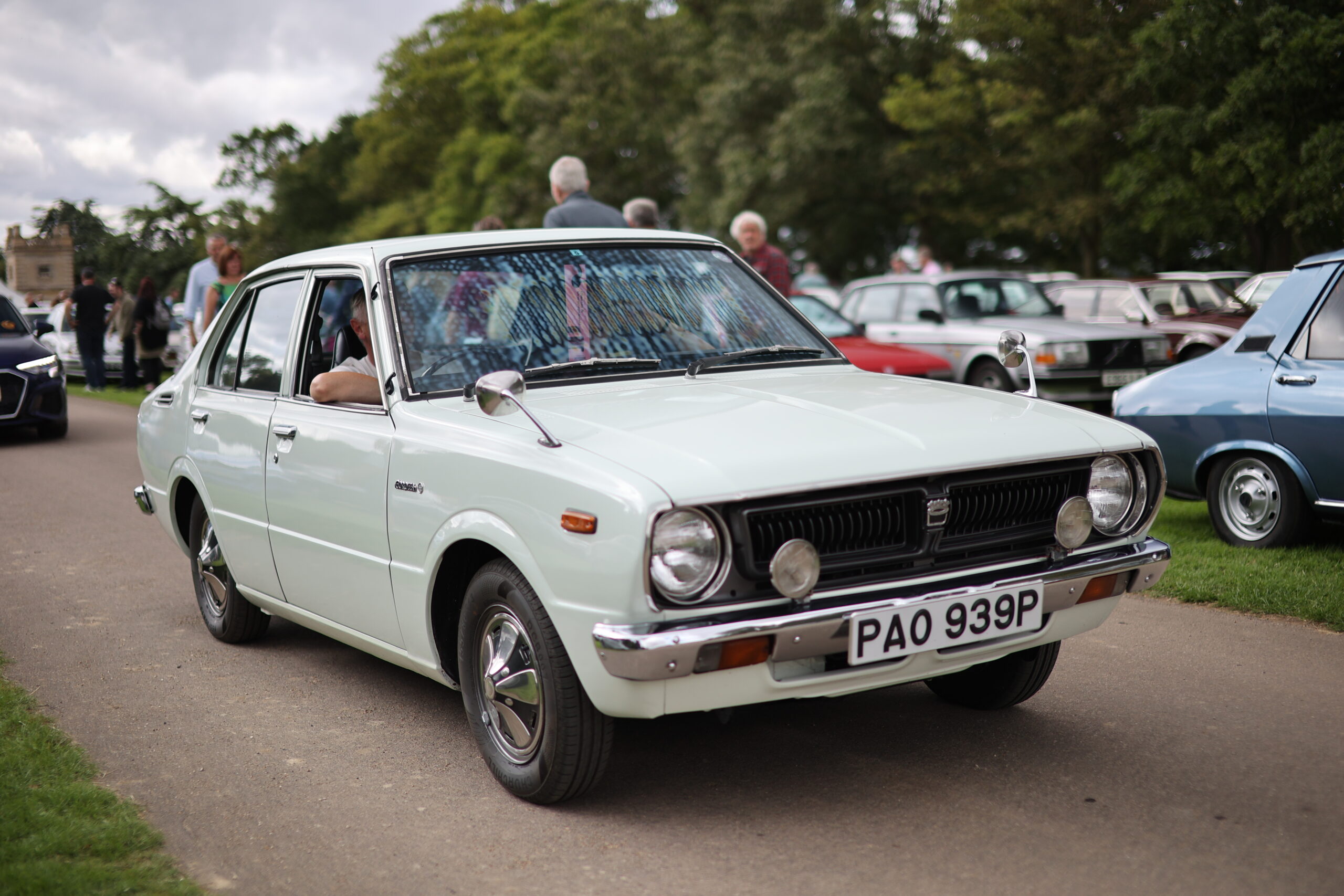
Another extraordinary survivor was this 1975 KE30 Toyota Corolla. It sums up the appeal of Japanese cars of the era, dependable with a slick gearbox and an unstoppable engine. Graham Silverton, came across the car only last year and owned an identical model 42 years previously, even down to the spotlights. It appears to be a well-preserved JDM model that found itself in the UK in recent years and even has air-conditioning as part of its equipment. As Graham stated, “try finding that on an Escort!”.
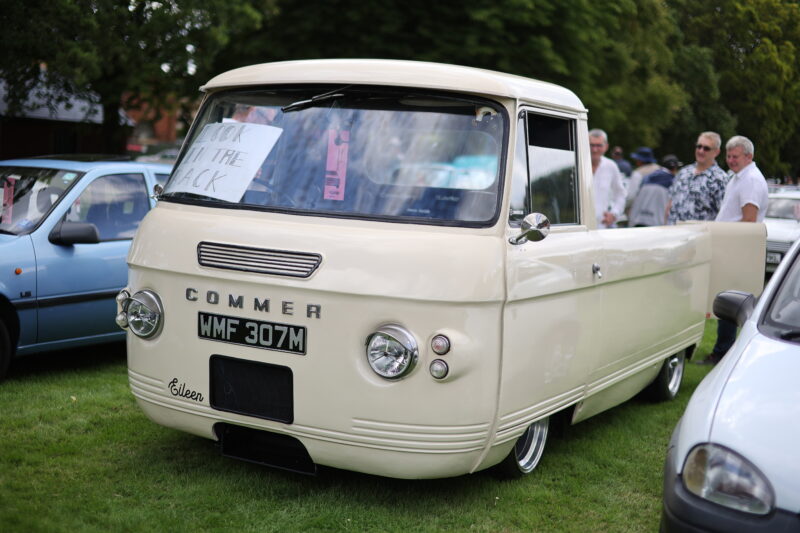
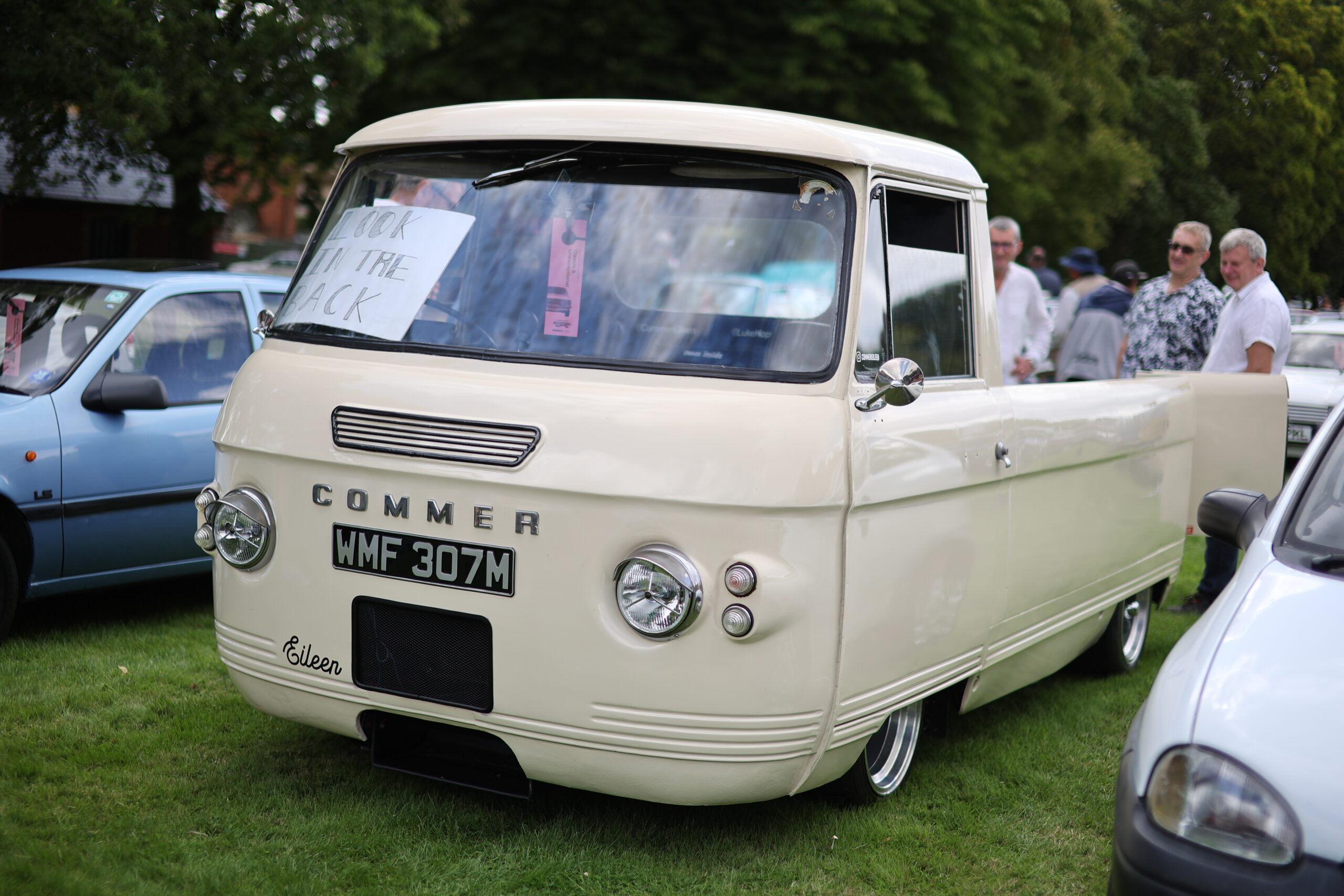
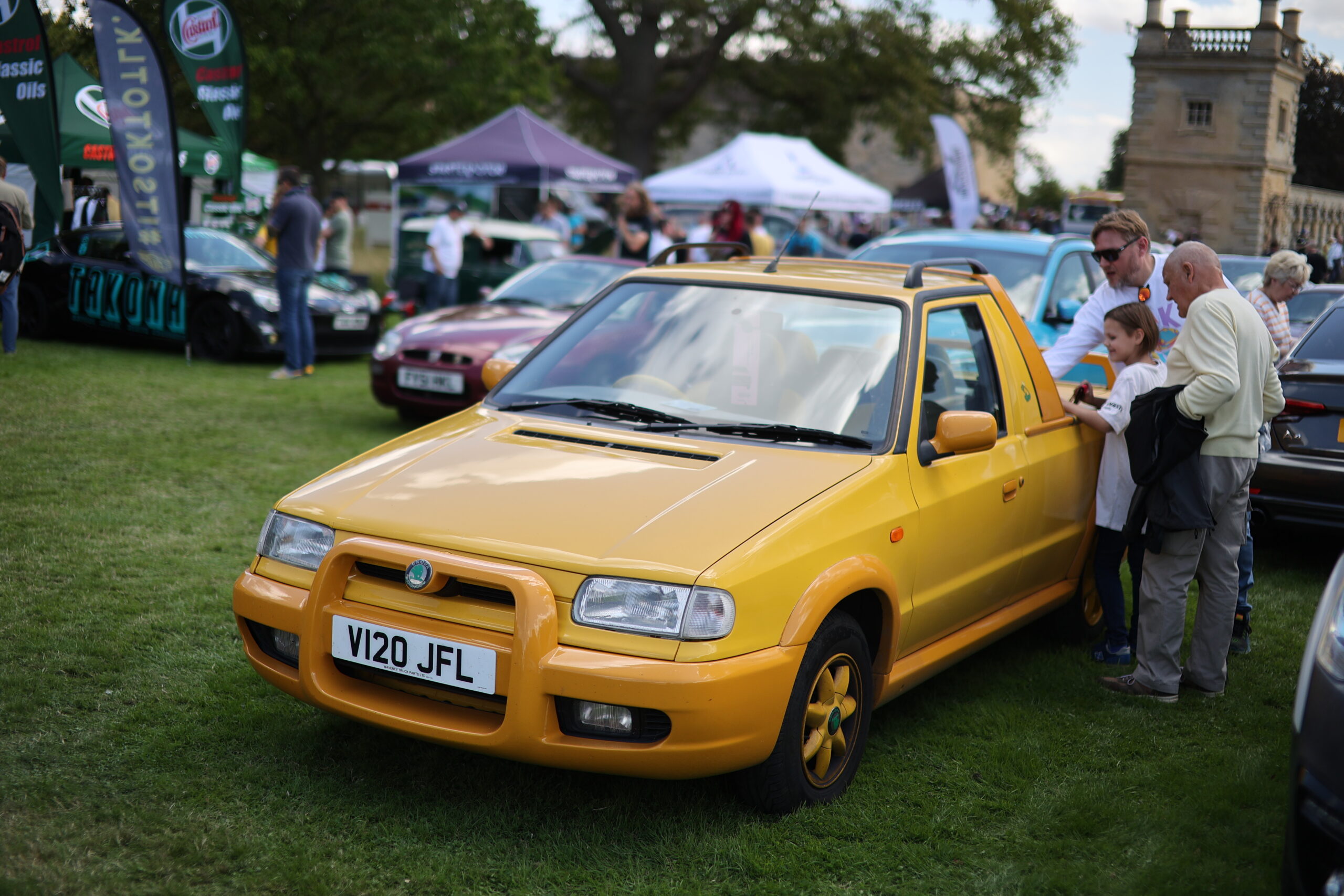
There were also a few commercial vehicles that were worth investigating, such as this insane Commer pickup truck. Powered by a turbo-diesel Mercedes engine, with Sprinter running gear, this 1974 Commer PB started life as a camper van. An unusual sight amongst so many standard cars, but a lovely distraction nonetheless.
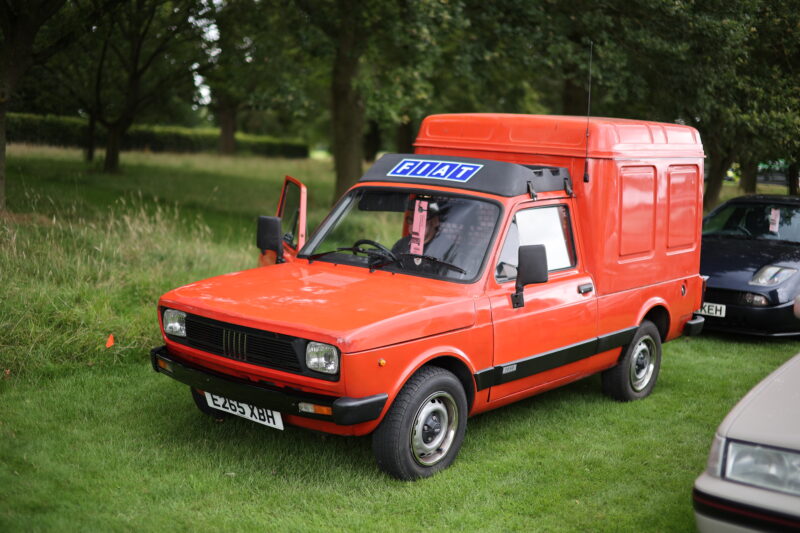
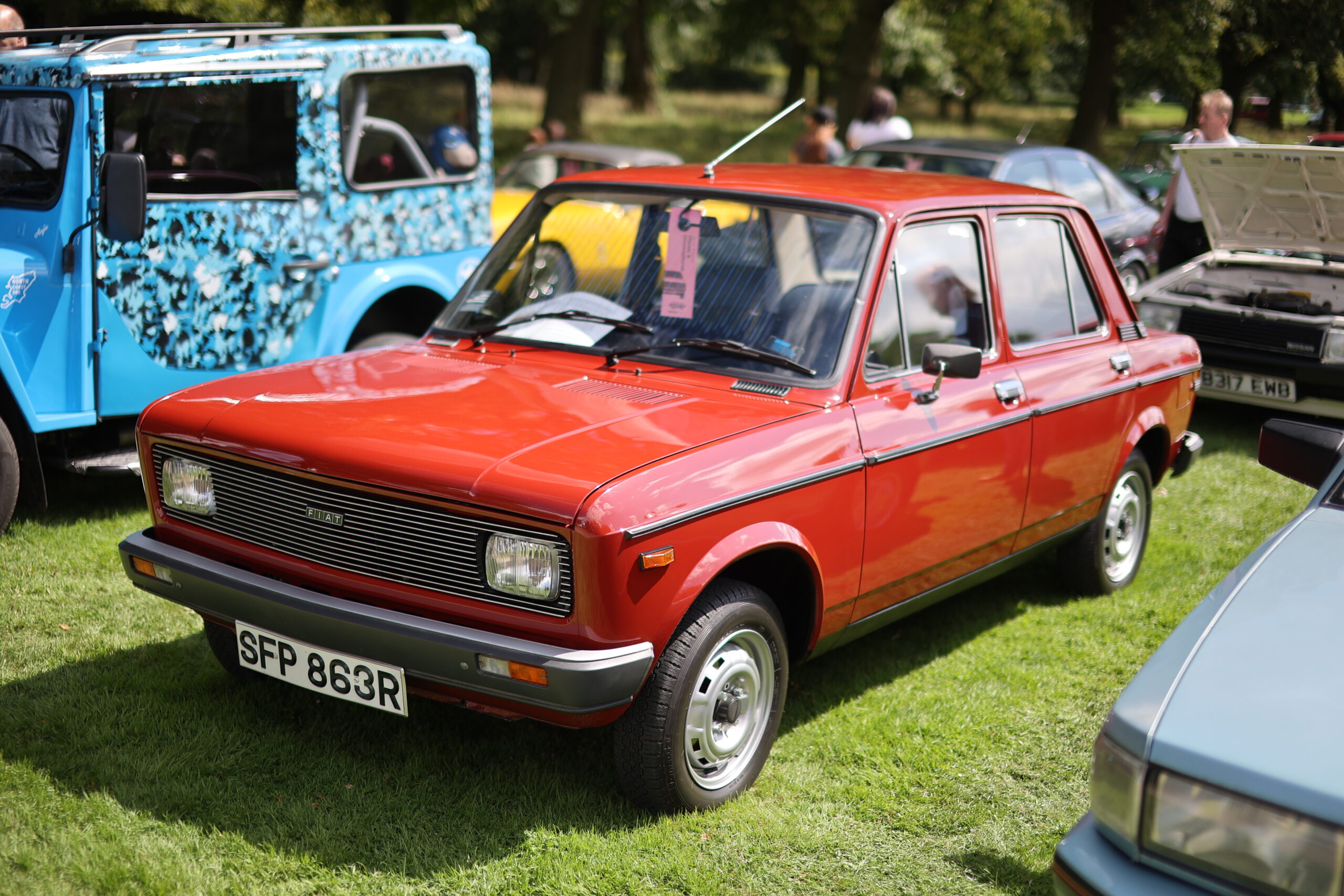
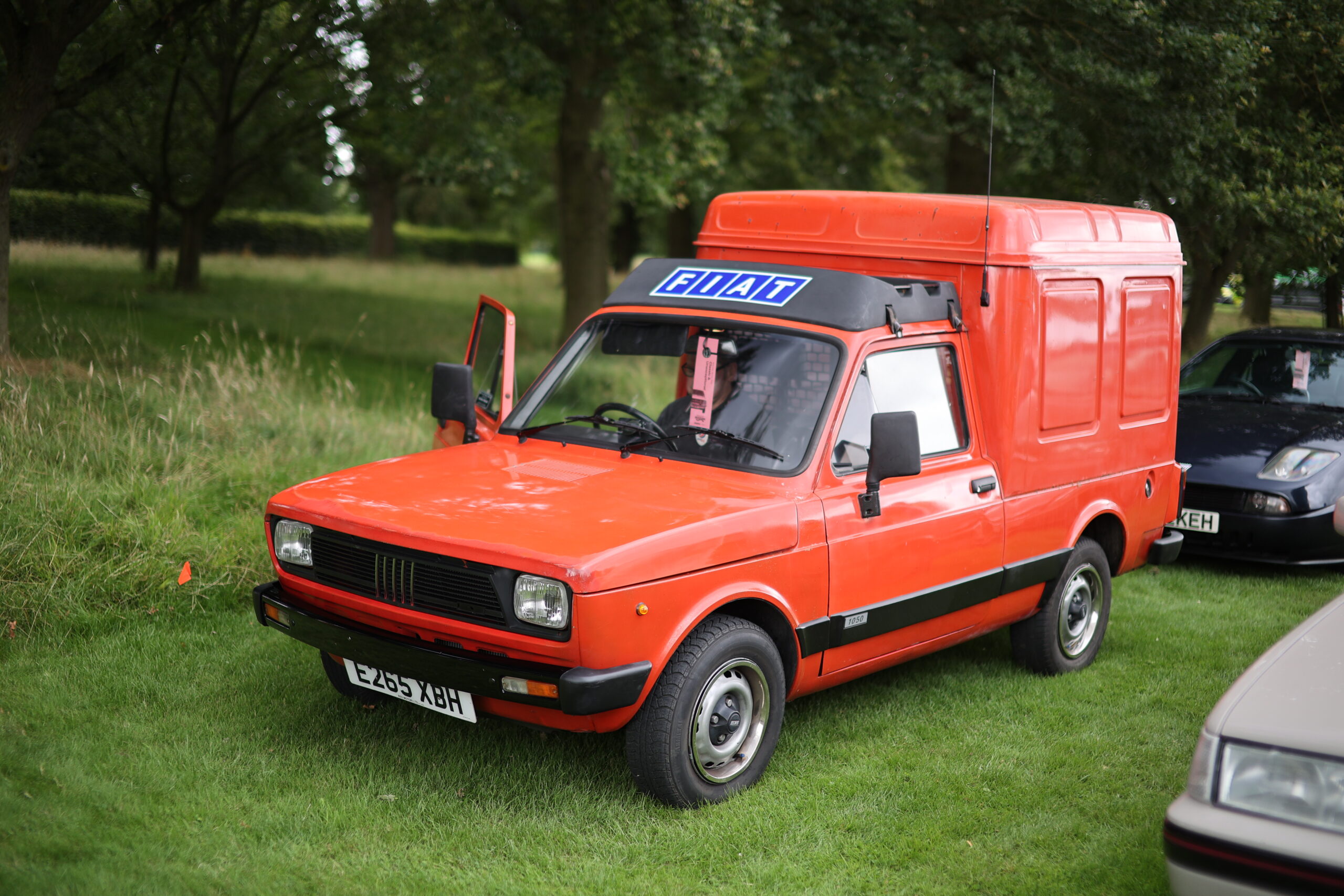
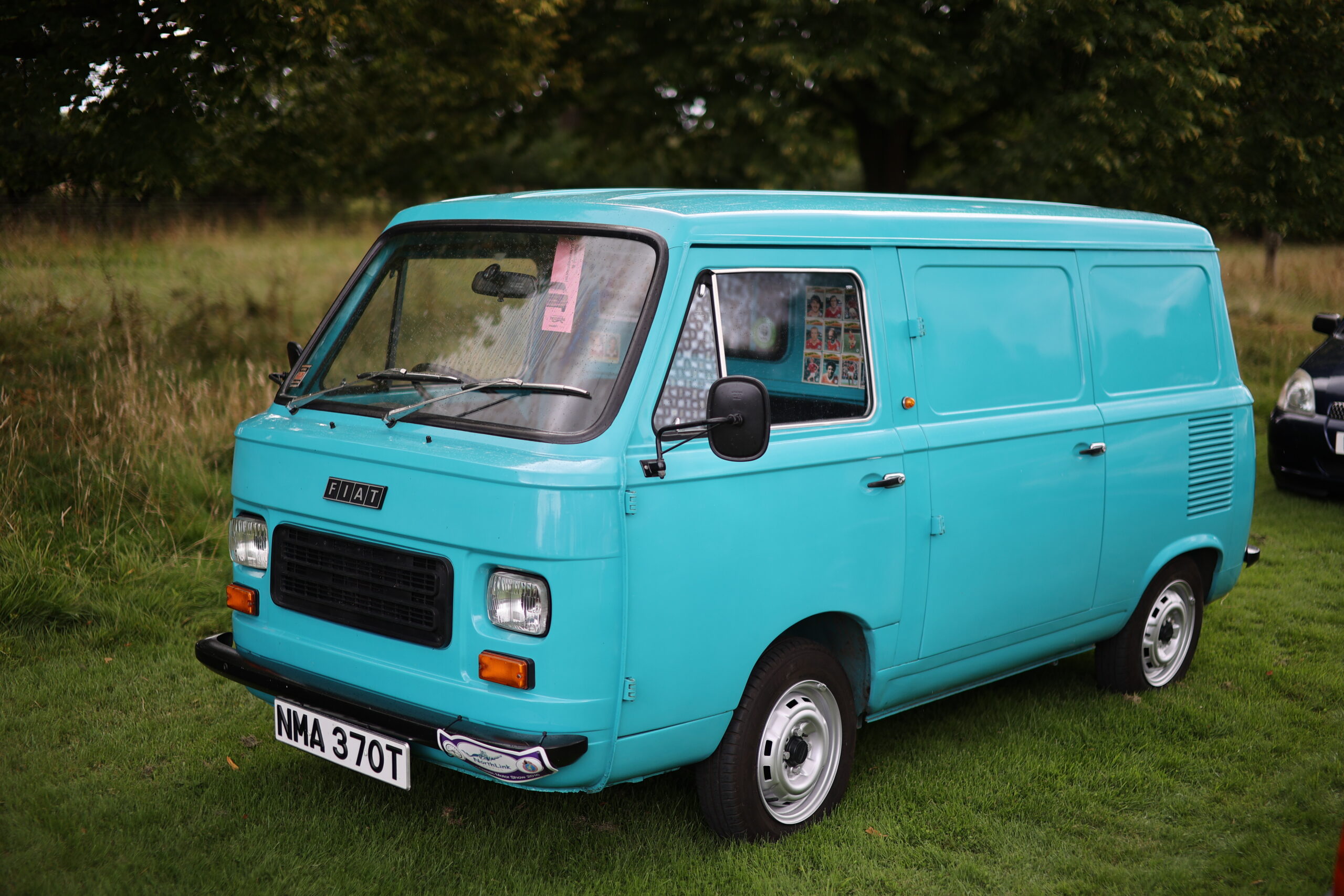
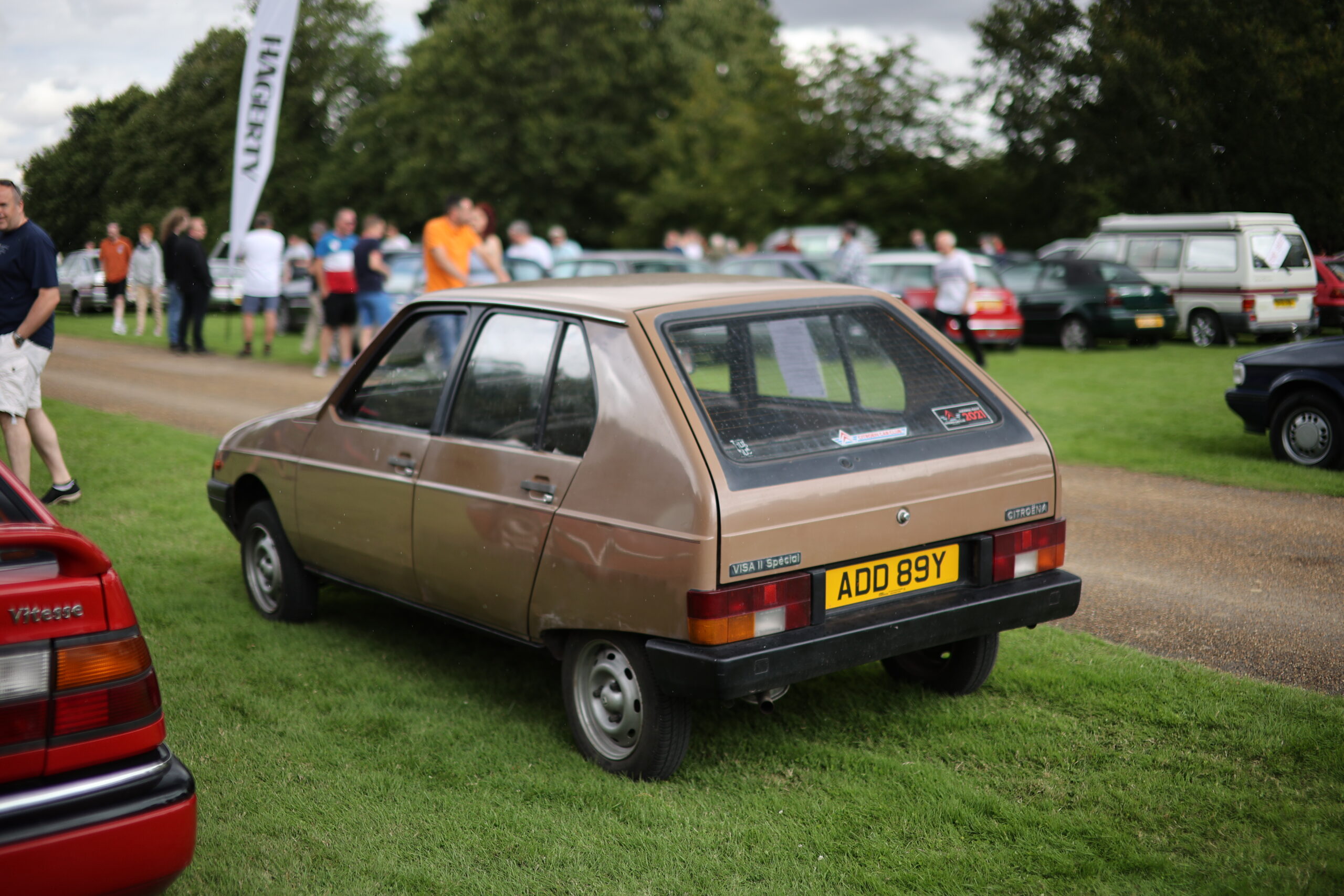
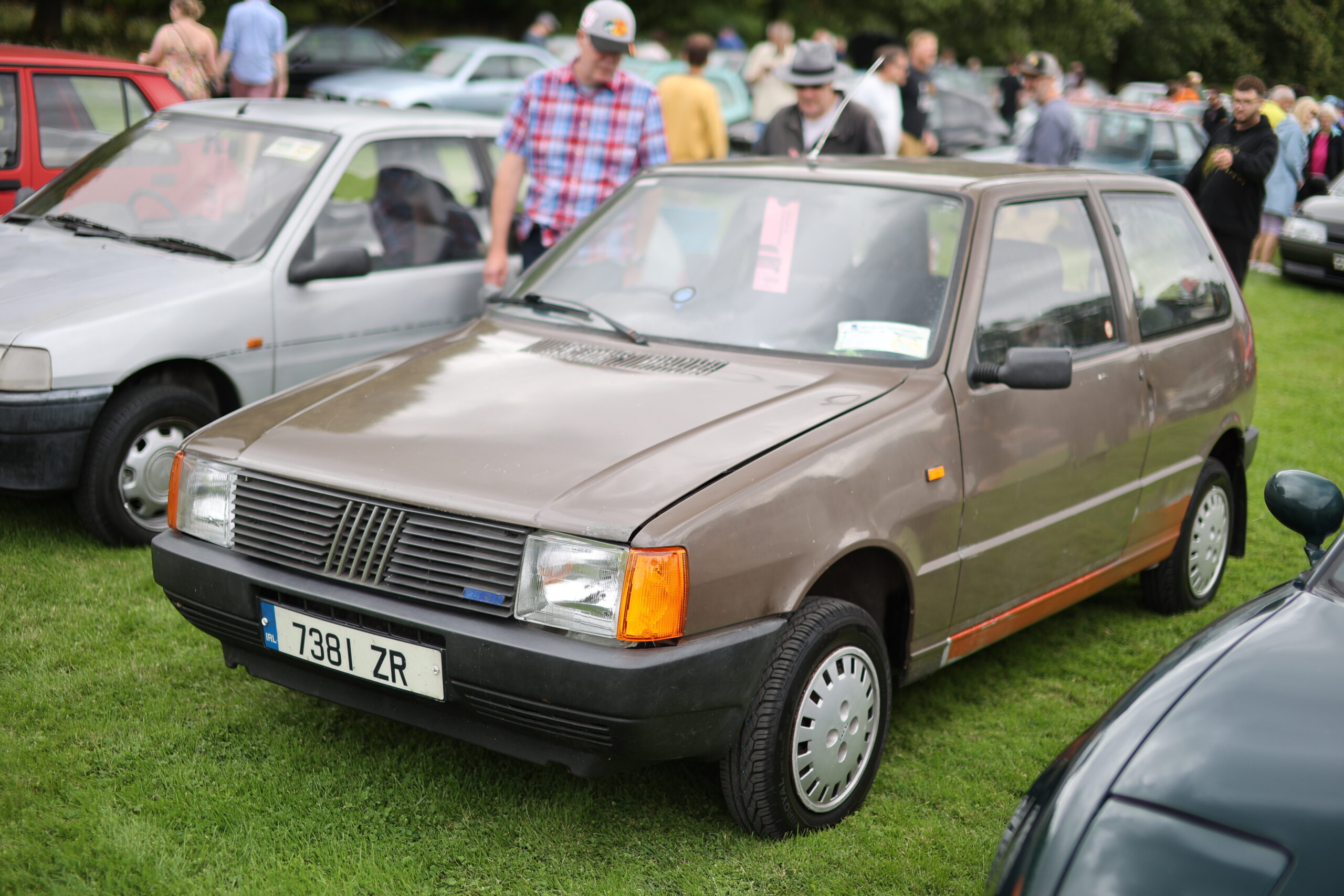
Another load-lugger came in the form of this 1987 Fiat Fiorino. It used the Fiat 127 as its base with obvious styling elements inherited from the car, but there were enough changes behind the front seats to justify the renaming of the van. Similar in concept to the Citroen C15, which used the Visa as its base, the Fiorino also outlived its donor by years, with this example likely to be one of the few surviving examples.
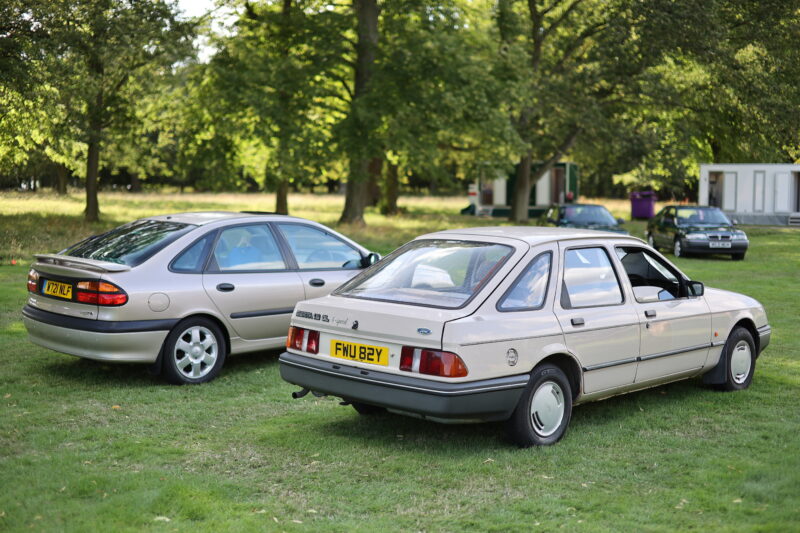
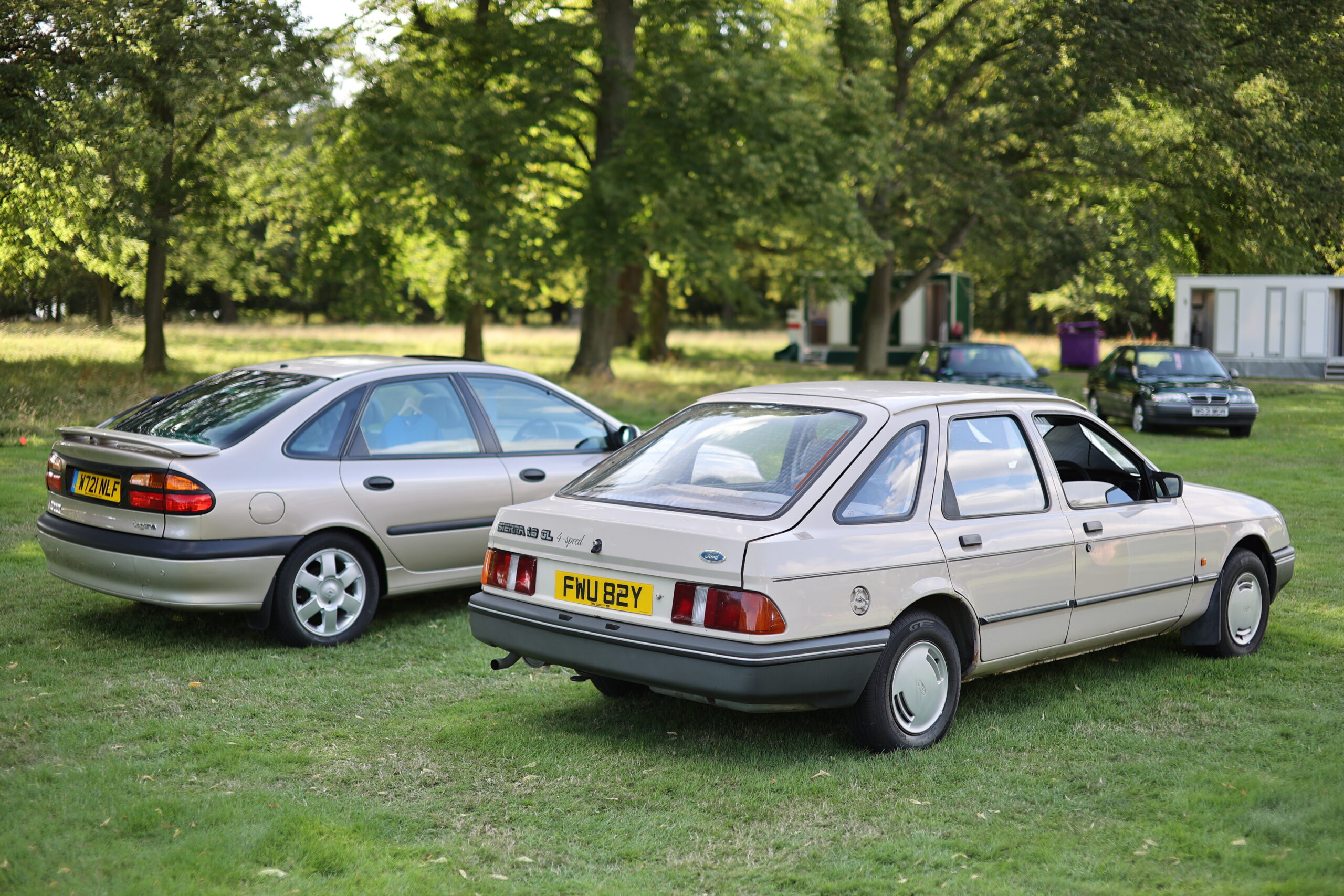
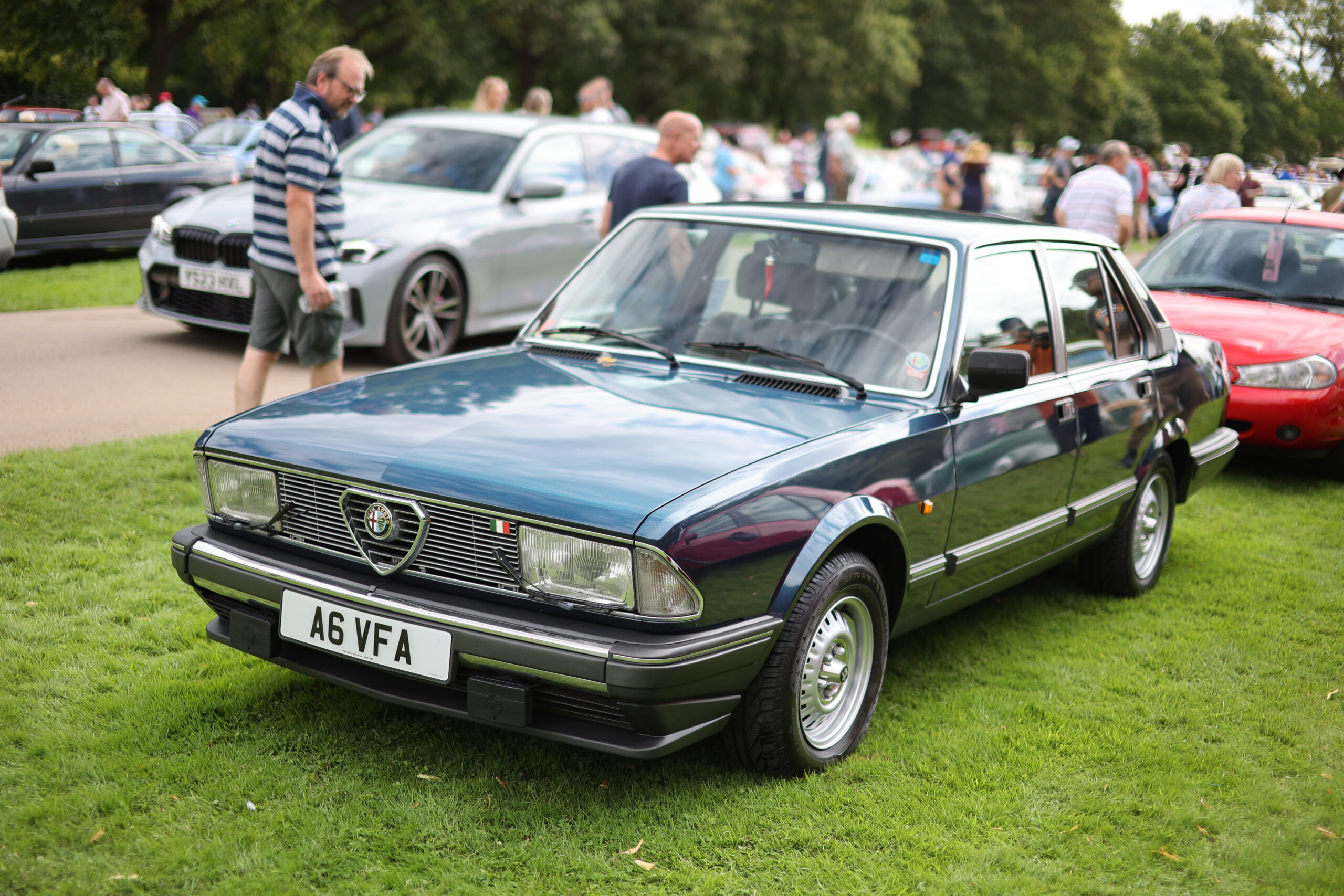
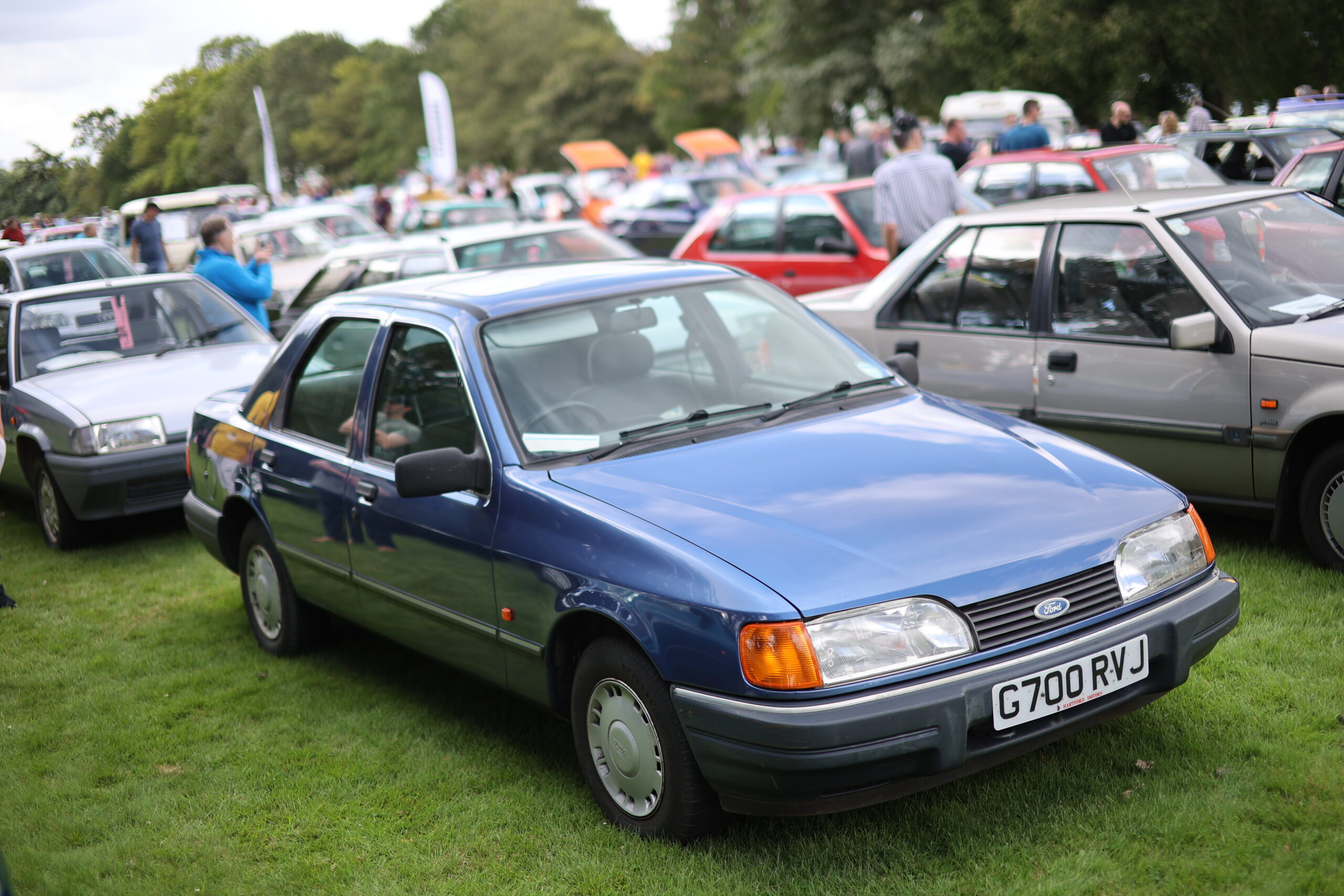
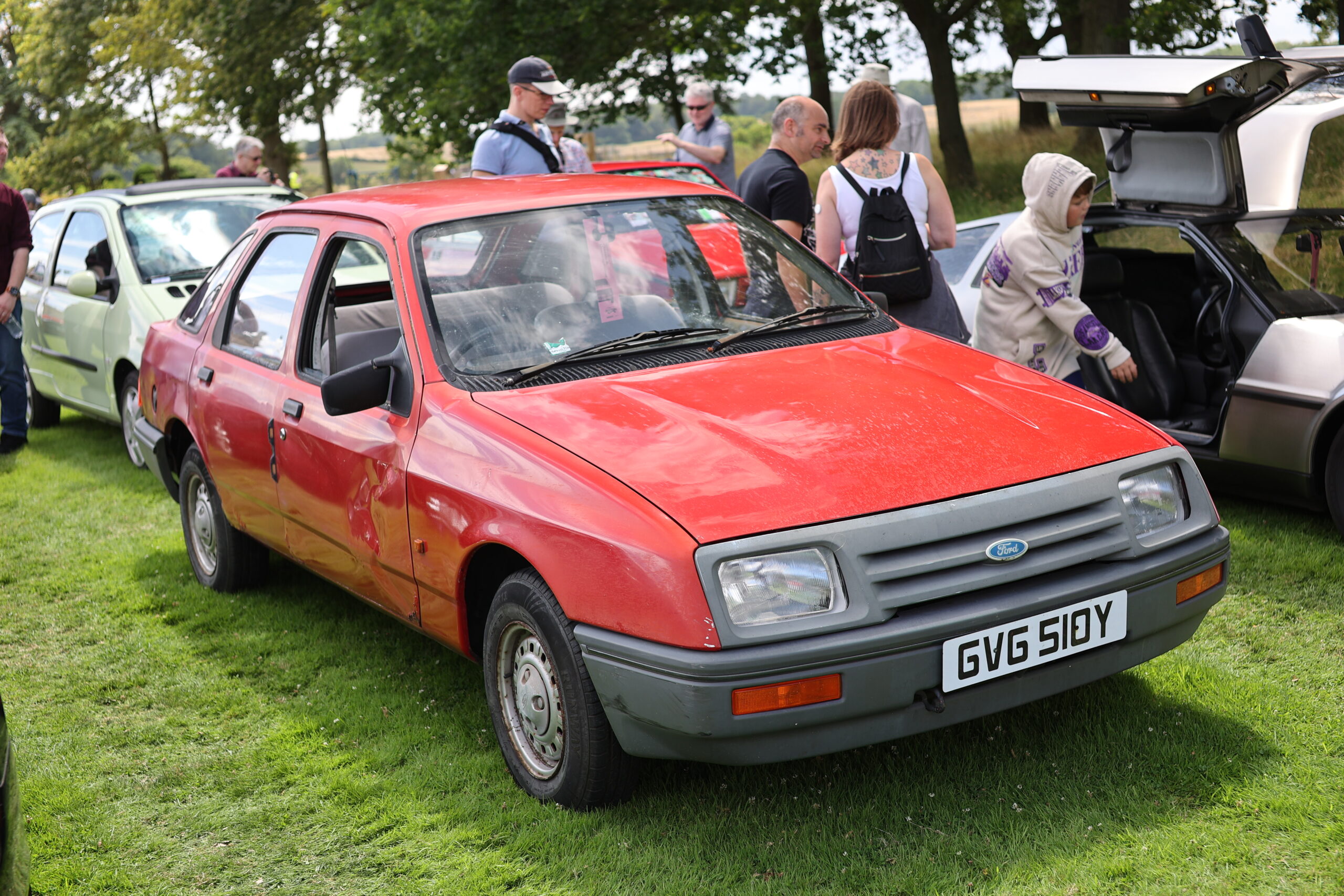
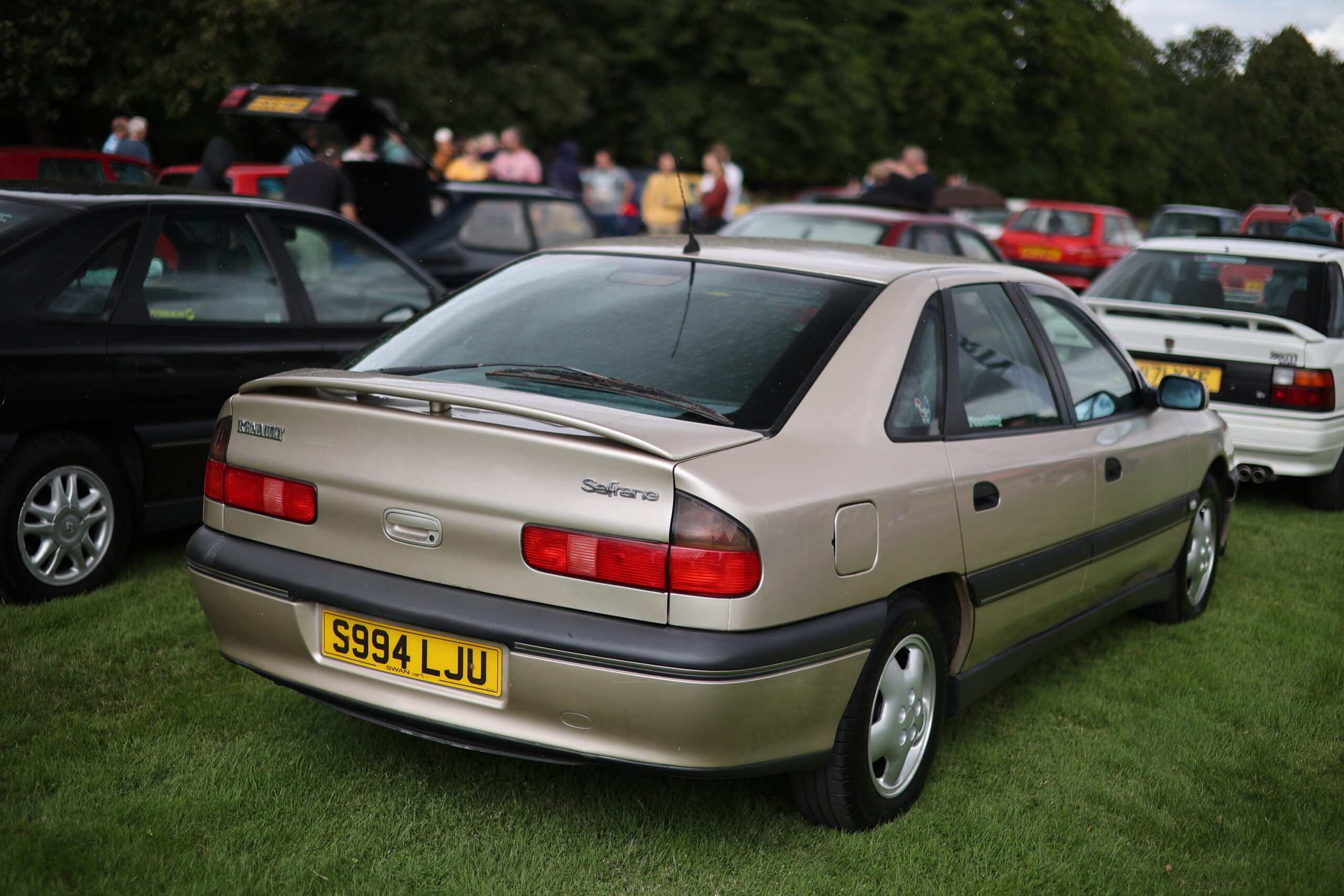
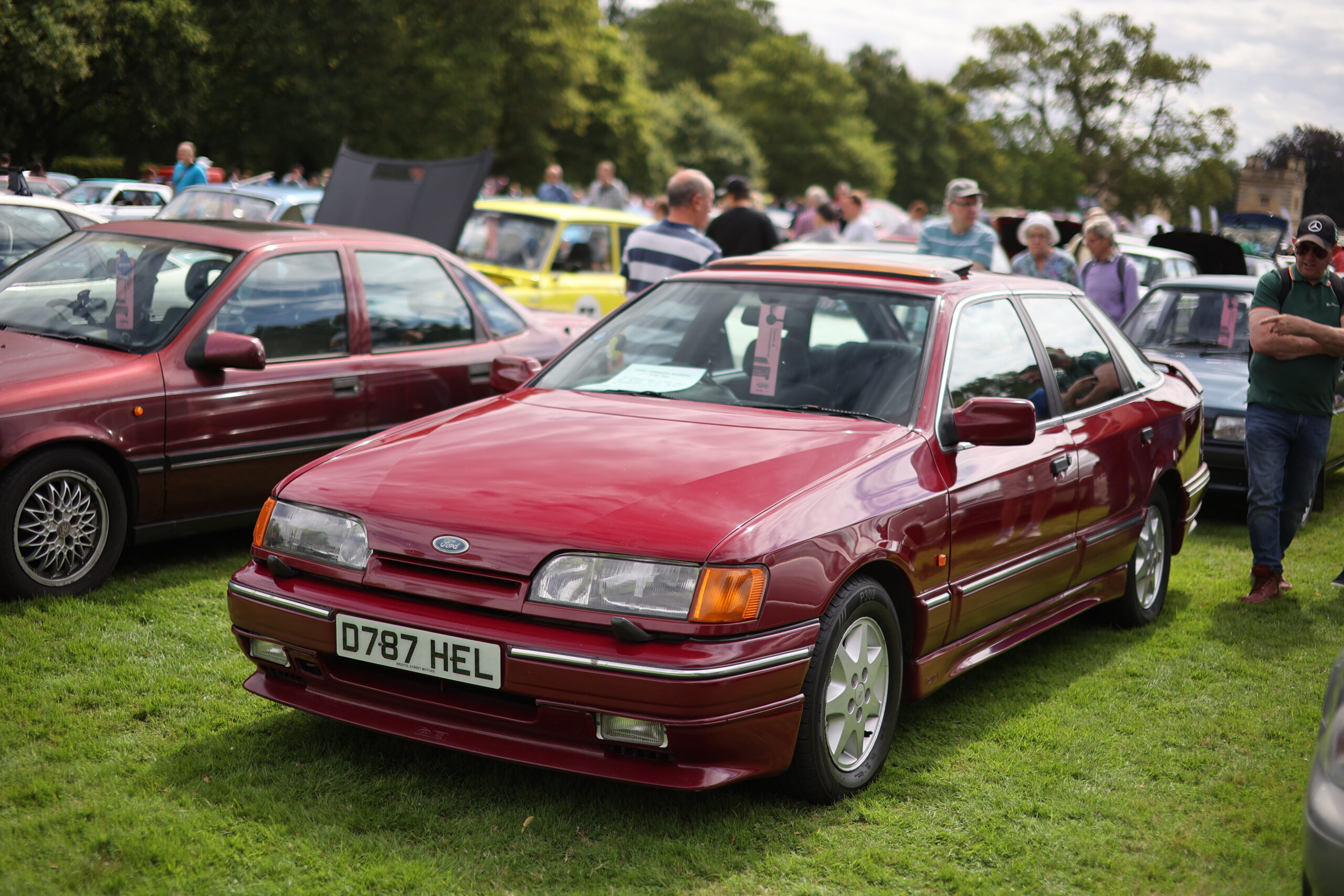
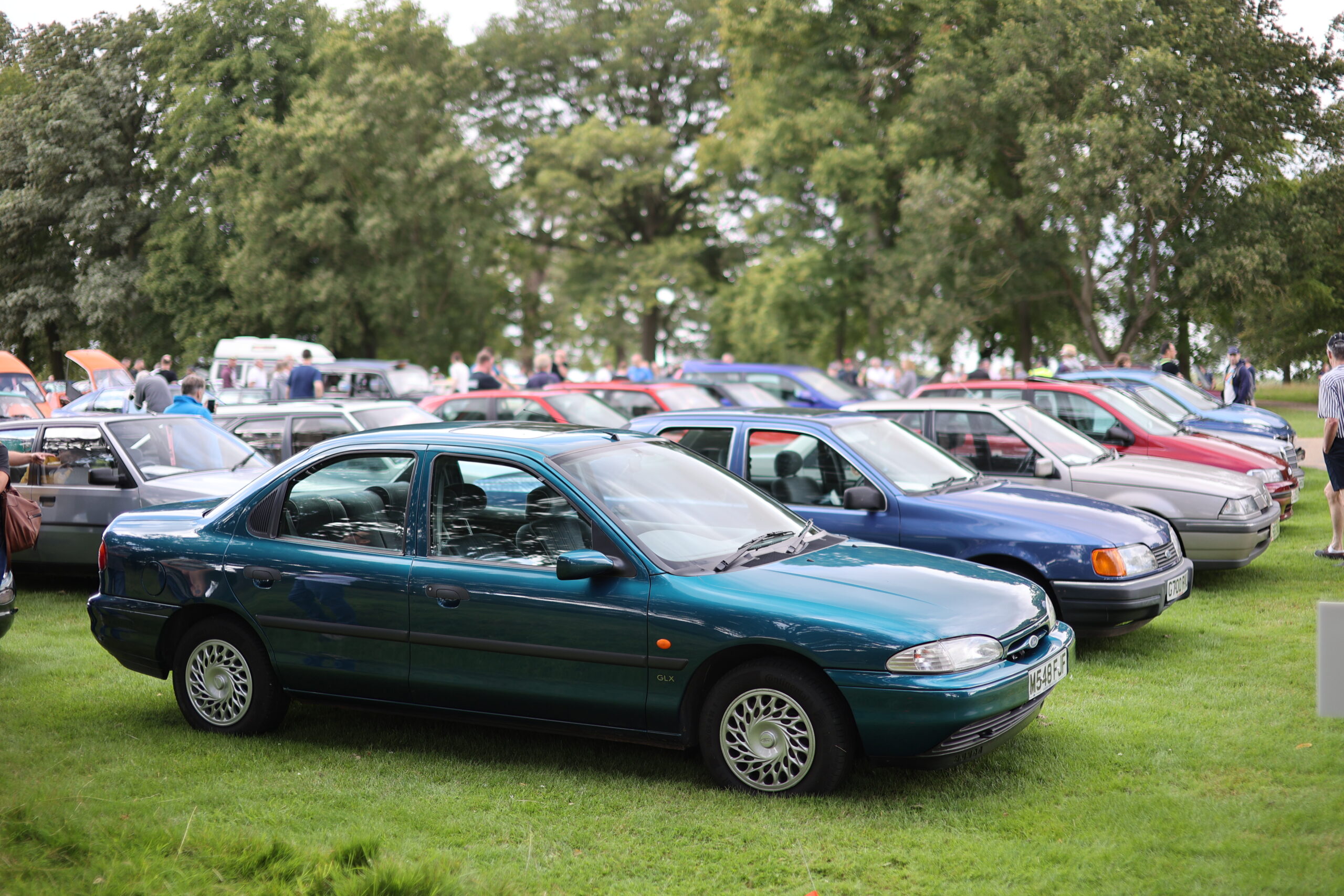
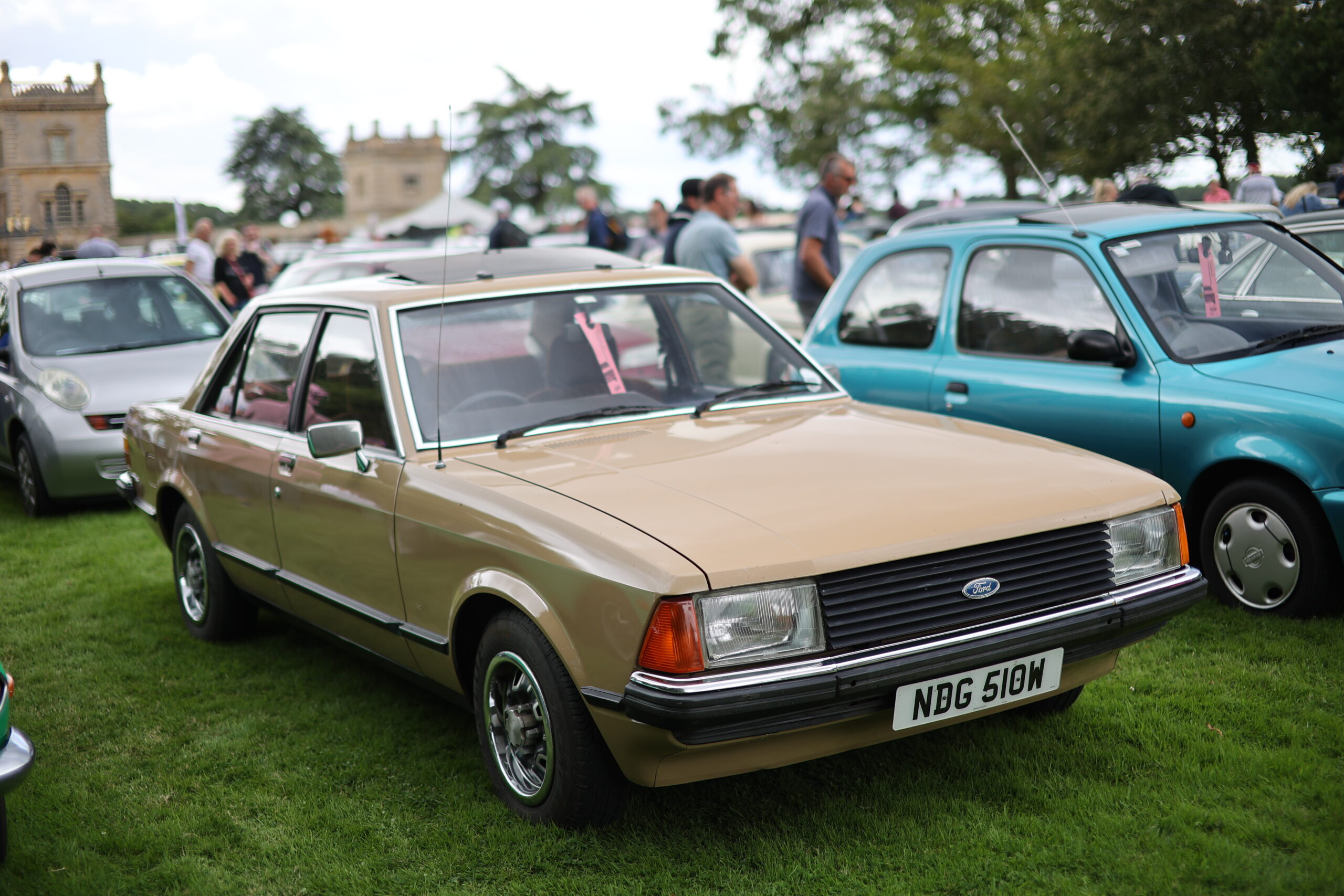
A fascinating comparison between the Ford Sierra and Renault Laguna, in which there is a connection that is more obvious than first meets the eye. The Sierra was designed by a committee of stylists, one of which was the future chief designer for Renault Patrick le Quément. Taking on the top job at Renault in 1987, he revolutionised the design language at the French company, adding the Twingo, the bold Megane II and the Avantime to his portfolio, but showed restraint for the Laguna’s design.
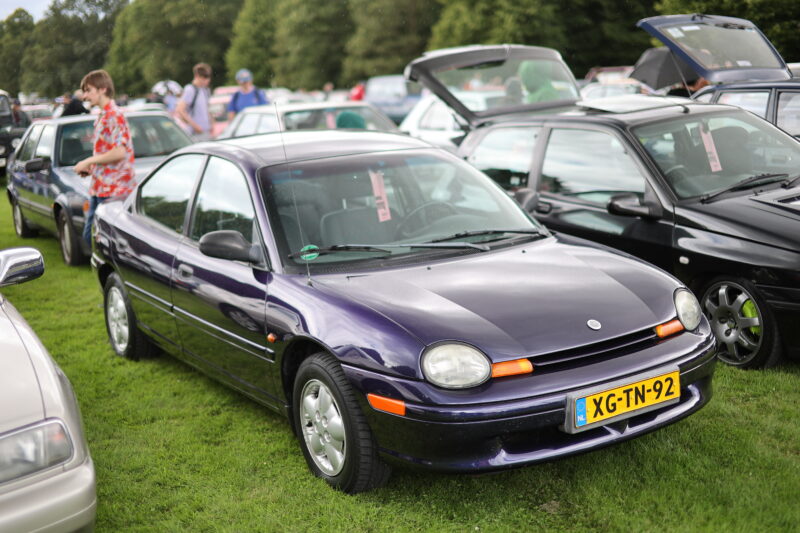
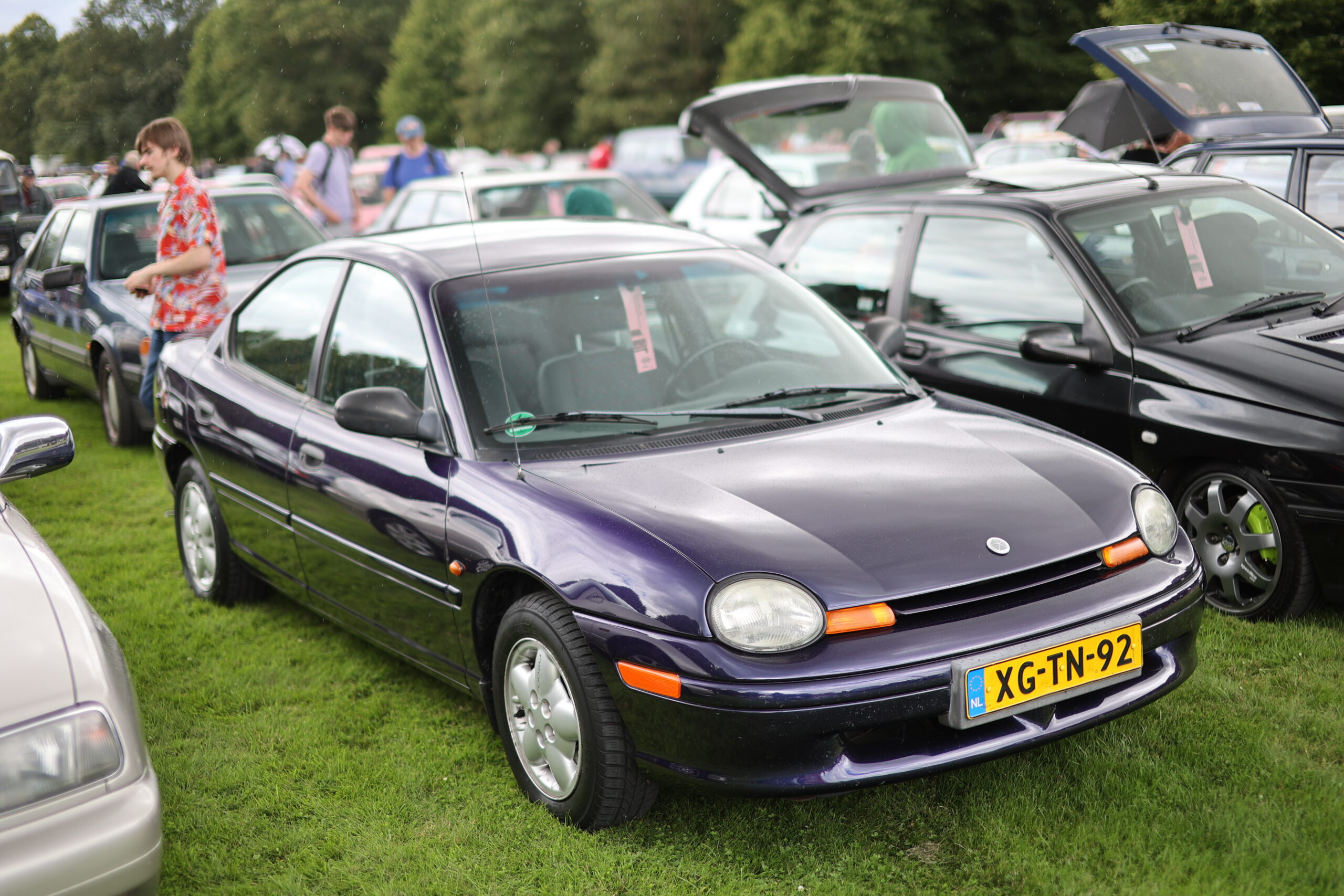
American cars have been slightly unrepresented at the event, with a handful of Jeeps and the occasional US-built Honda lurking around, so it was a welcome opportunity to re-evaluate the Chrysler Neon. American cars, particularly in the family car sector were a genuine novelty in the UK. When the Neon first made it to the UK in 1995, it was not only a perfectly able car with plenty of attributes but the well-equipped car was priced very keenly against its rivals. Surprisingly it was the lack of imports, that scuppered any chance of it doing well. We hope to see one in the Concours next year because the Neon certainly seems to tick all the right boxes.
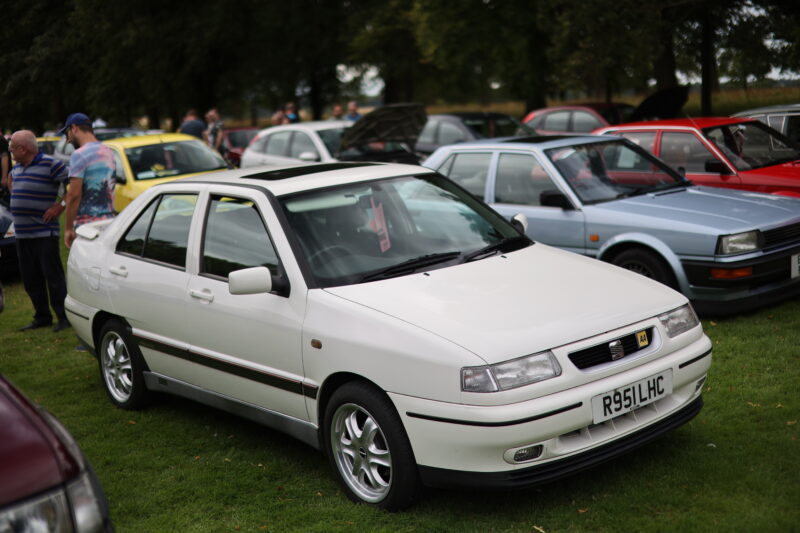
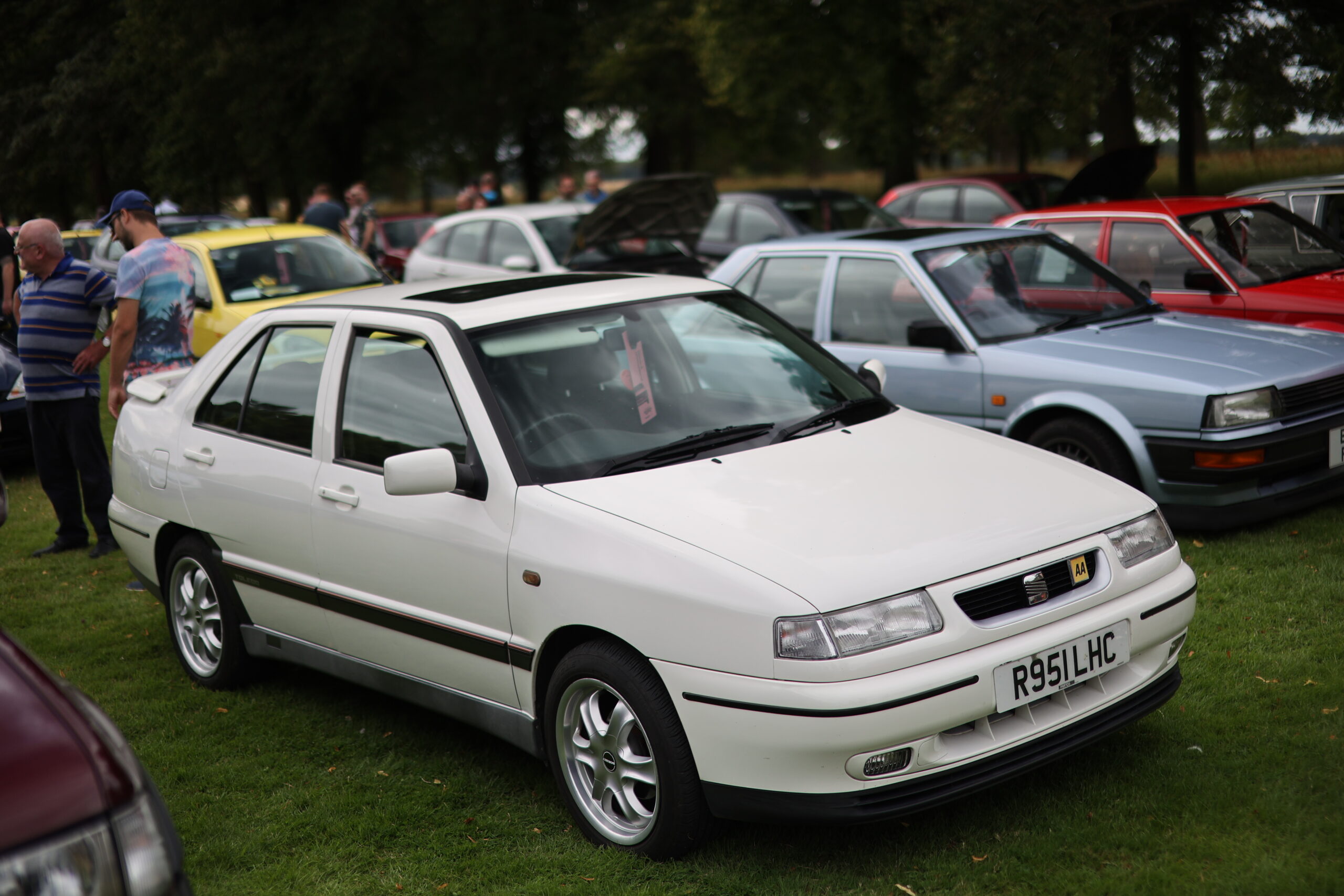
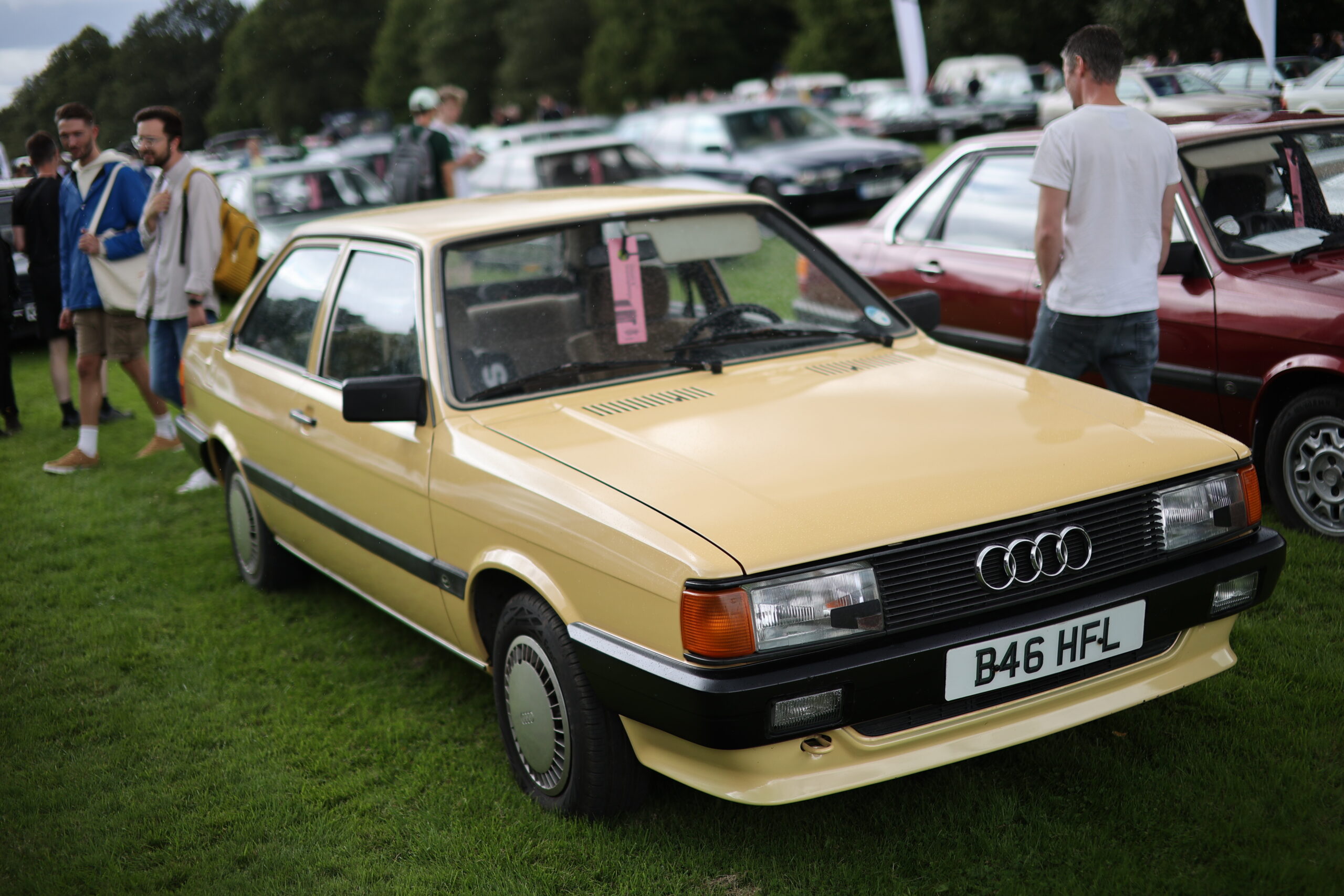
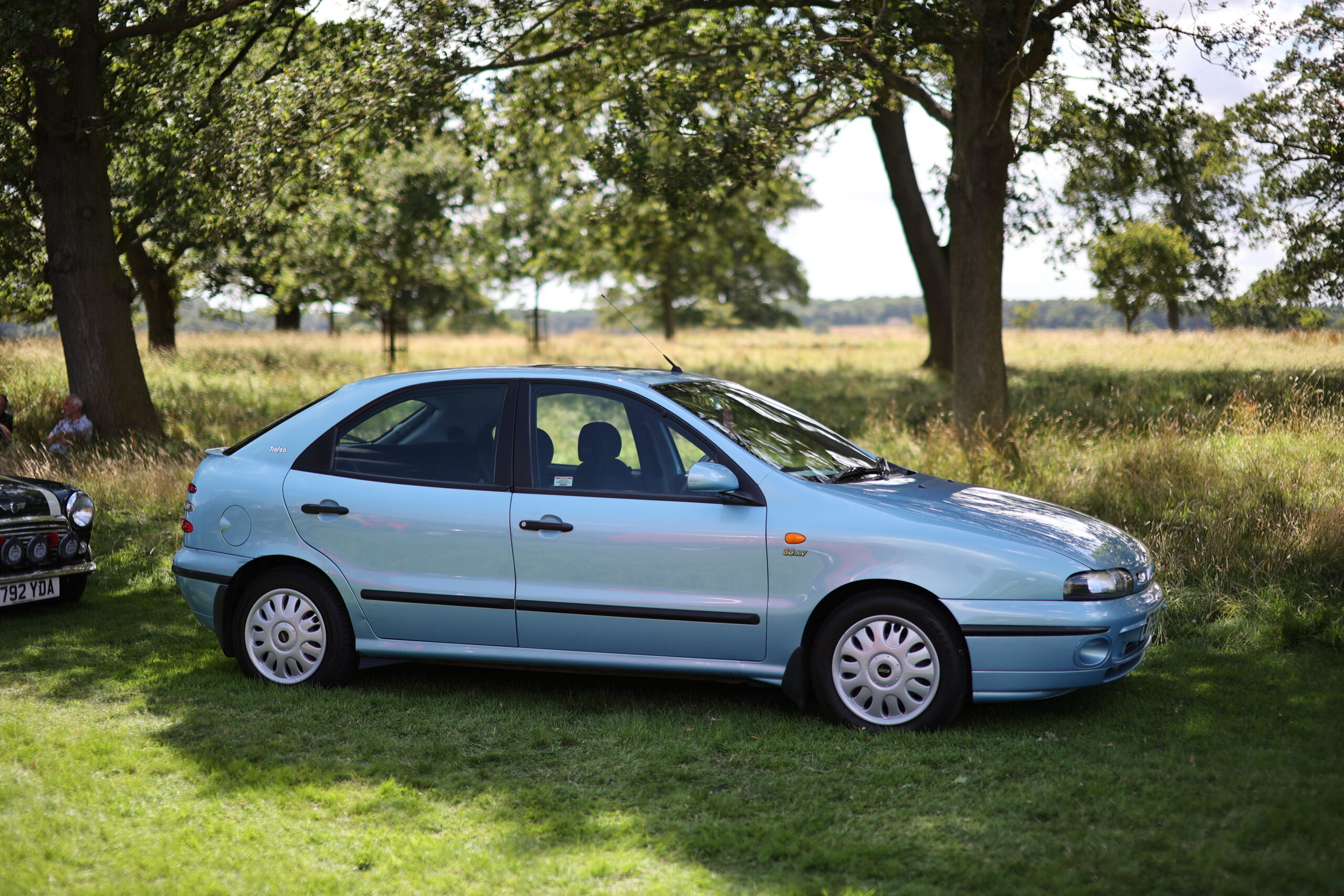
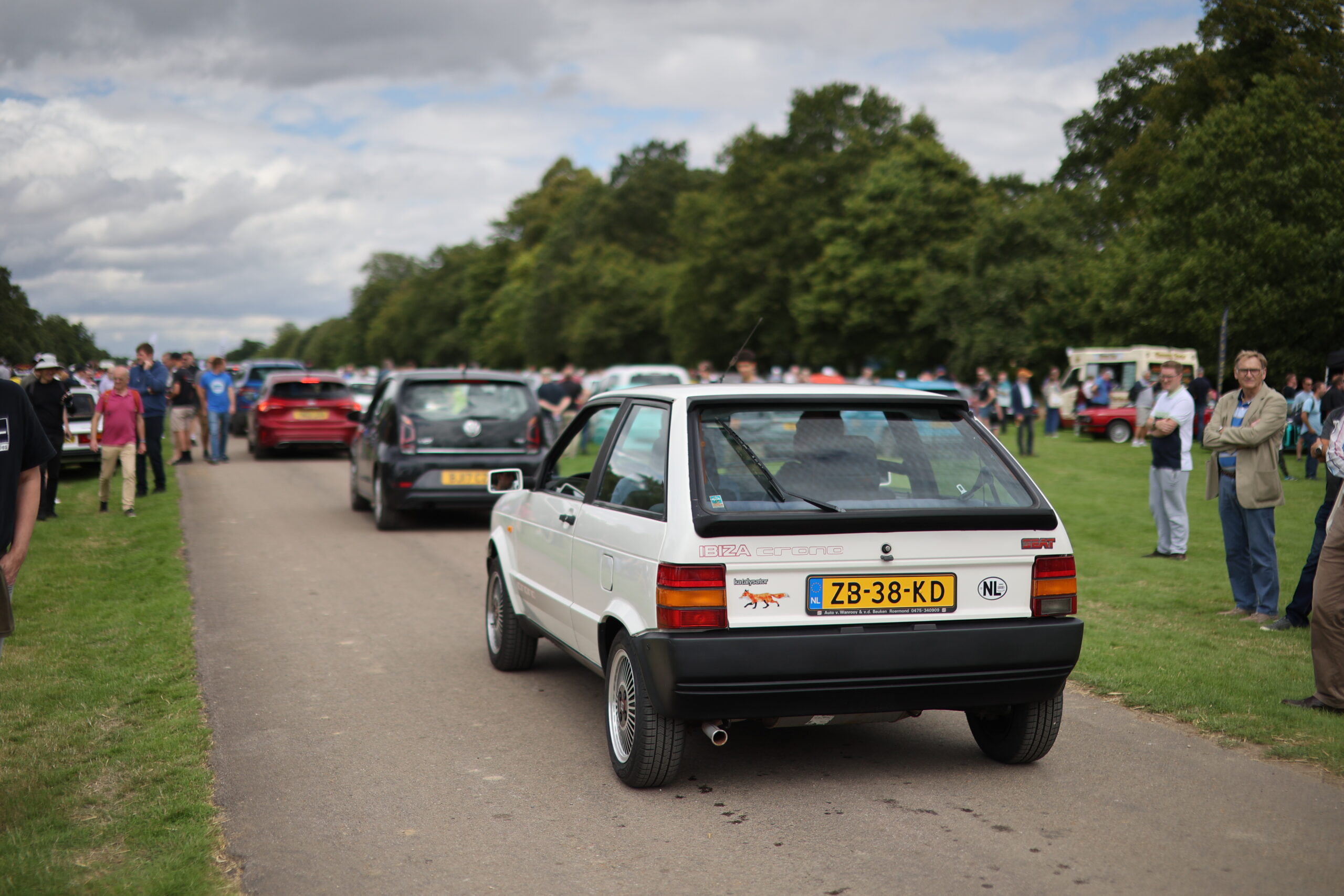
A brand that has yet to attract classic car stardom, is the Spanish Seat company. With a long connection with Fiat, several Seat badged cars were imported in the 70s but it wasn’t until Ibiza’s arrival in 1985 did the brand become better known. As time went on, Seat’s reputation improved and by the time Volkswagen took over, Seat were well established as a maker of quality cars. The first generation of Toledo can take much of that credit, thanks to its direct development from VW.
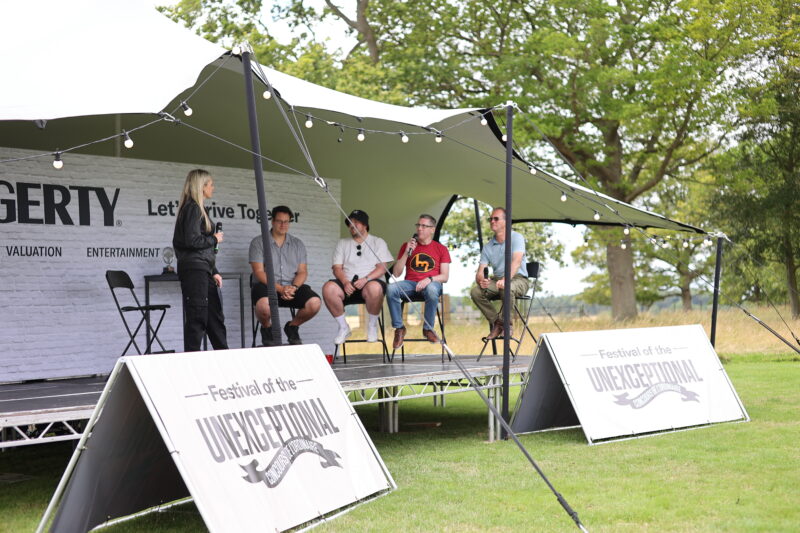
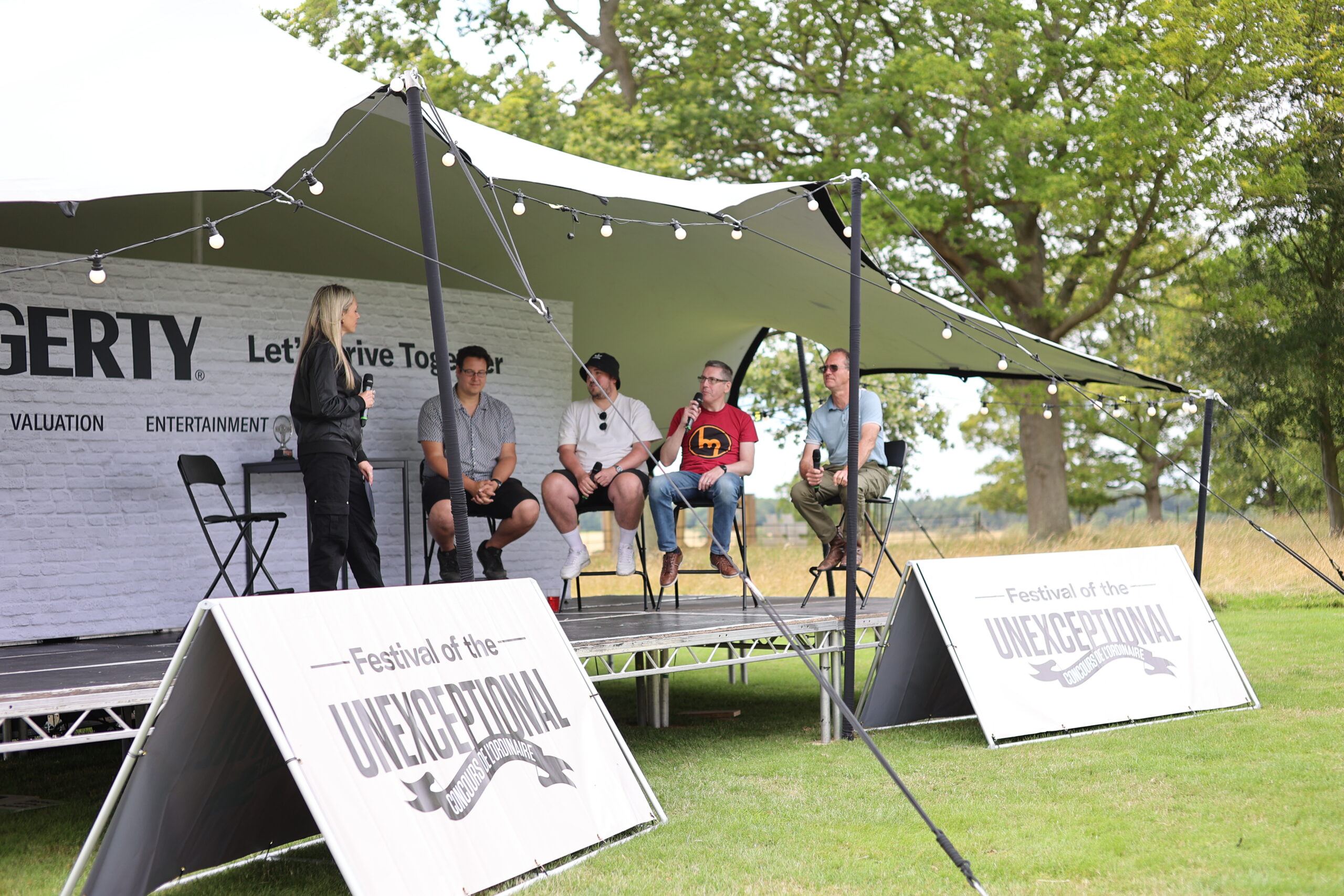
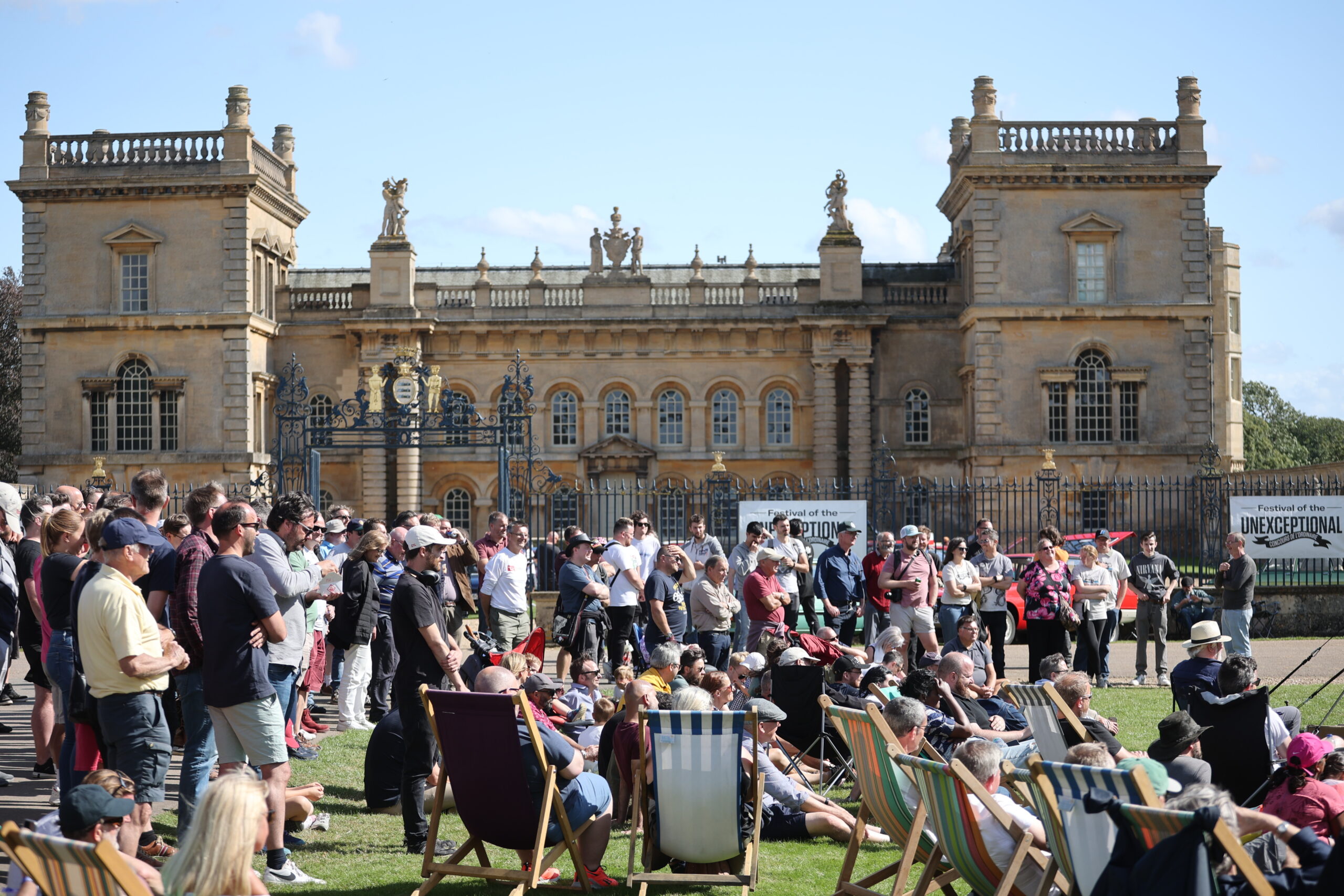
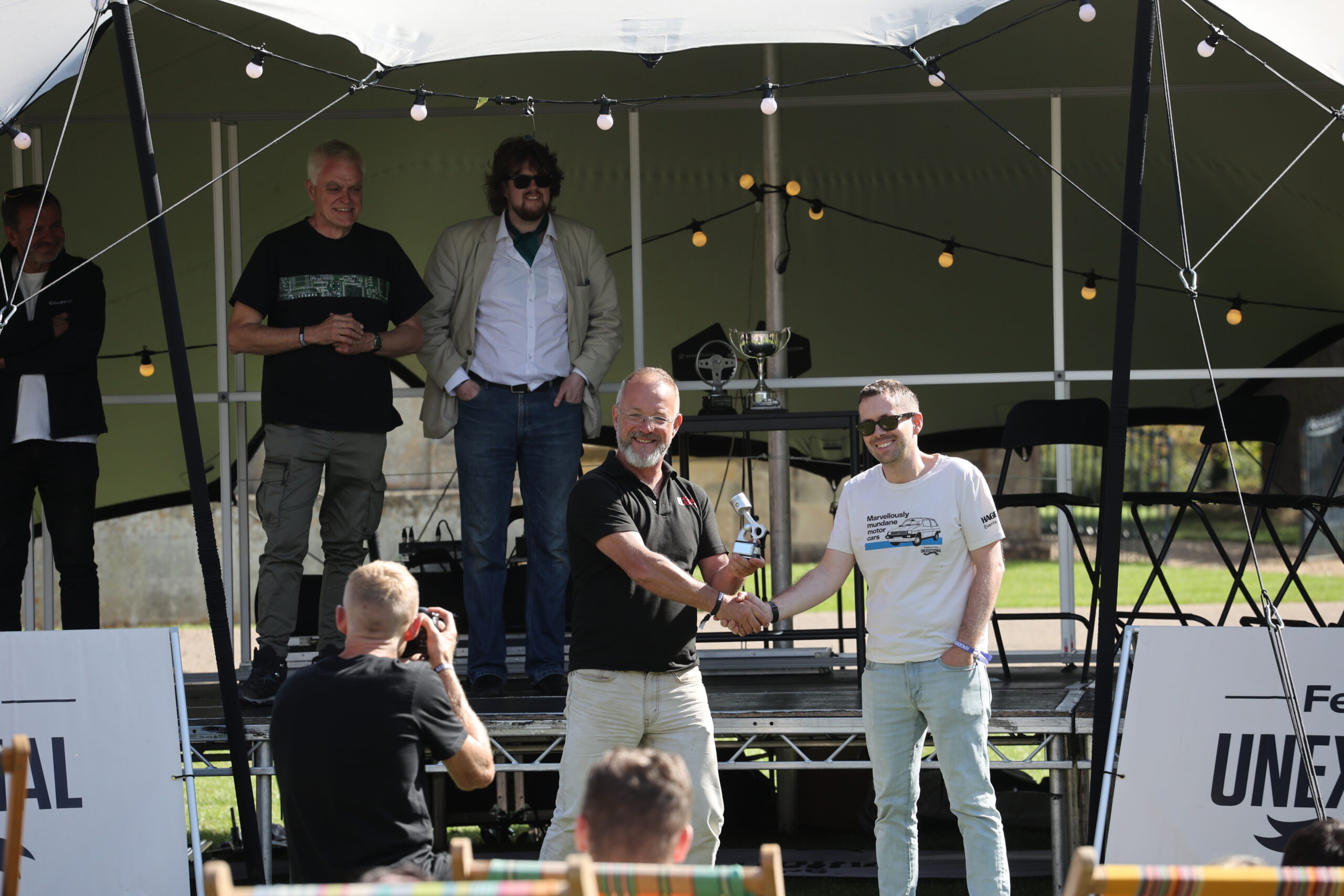
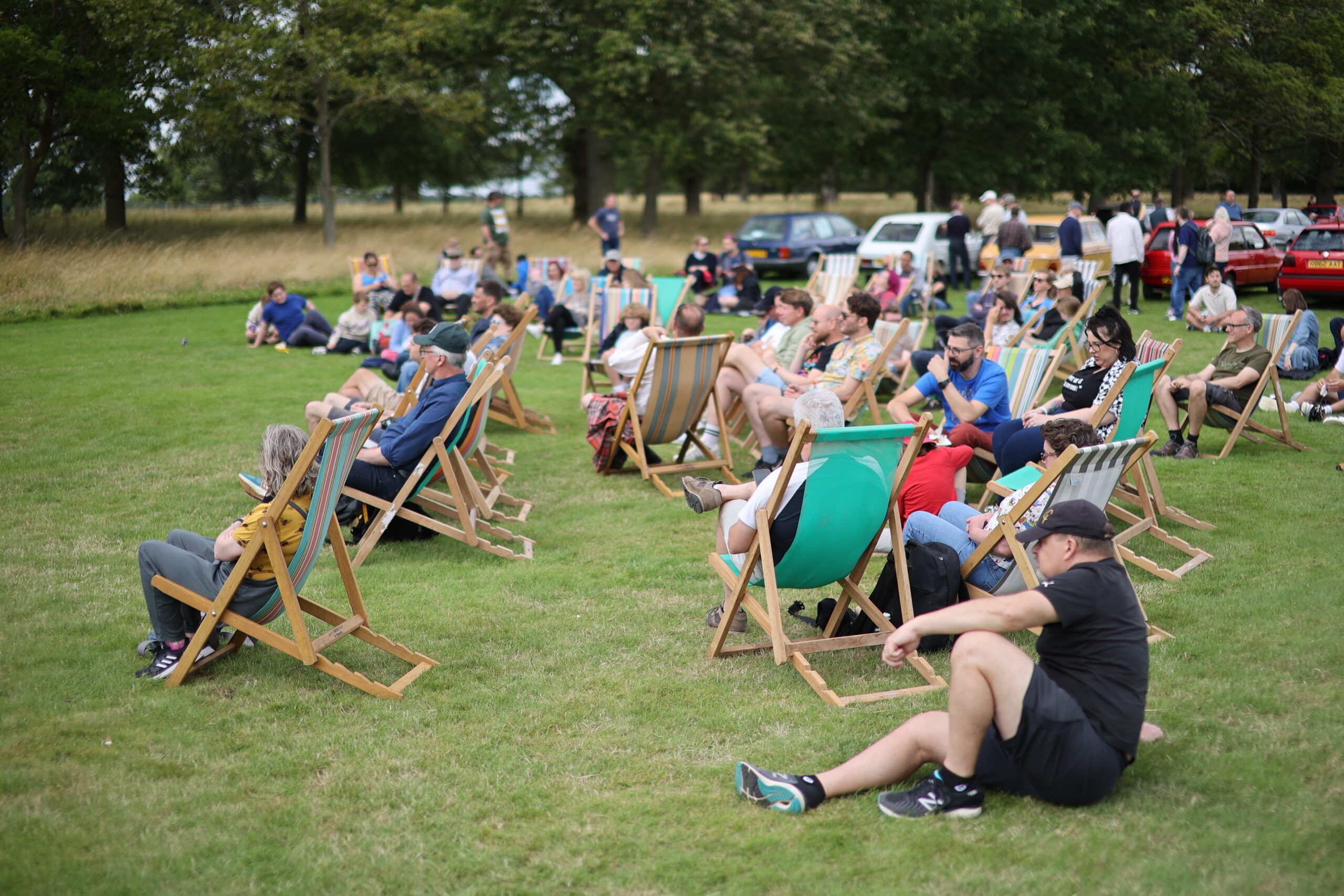
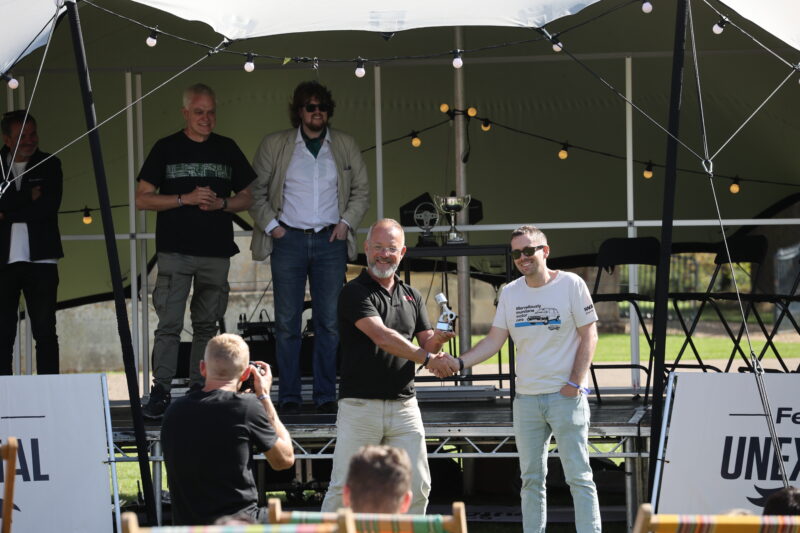
The stage area, complete with deckchairs, offered a little respite to those who wanted to take a break and hear what the previous winners of the Festival of the Unexceptional had to say. Charlotte Vowden welcomed four guests to the stage to discuss what it means to them to own an unexceptional car.
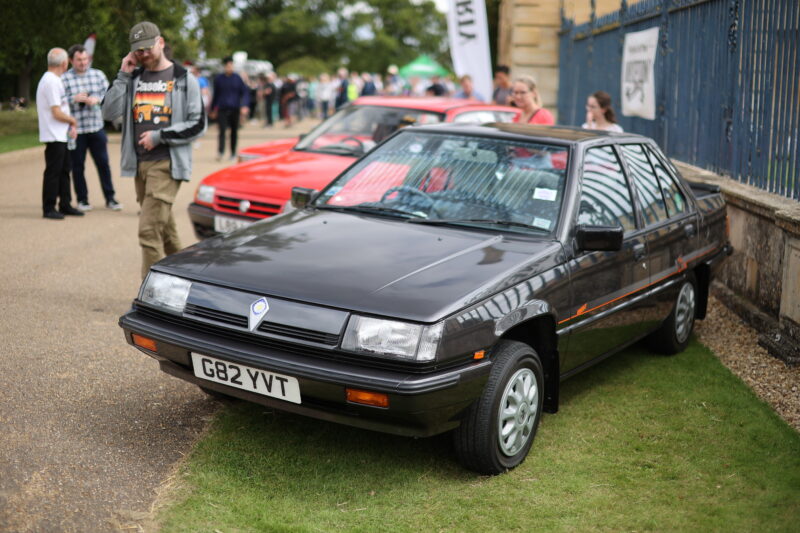
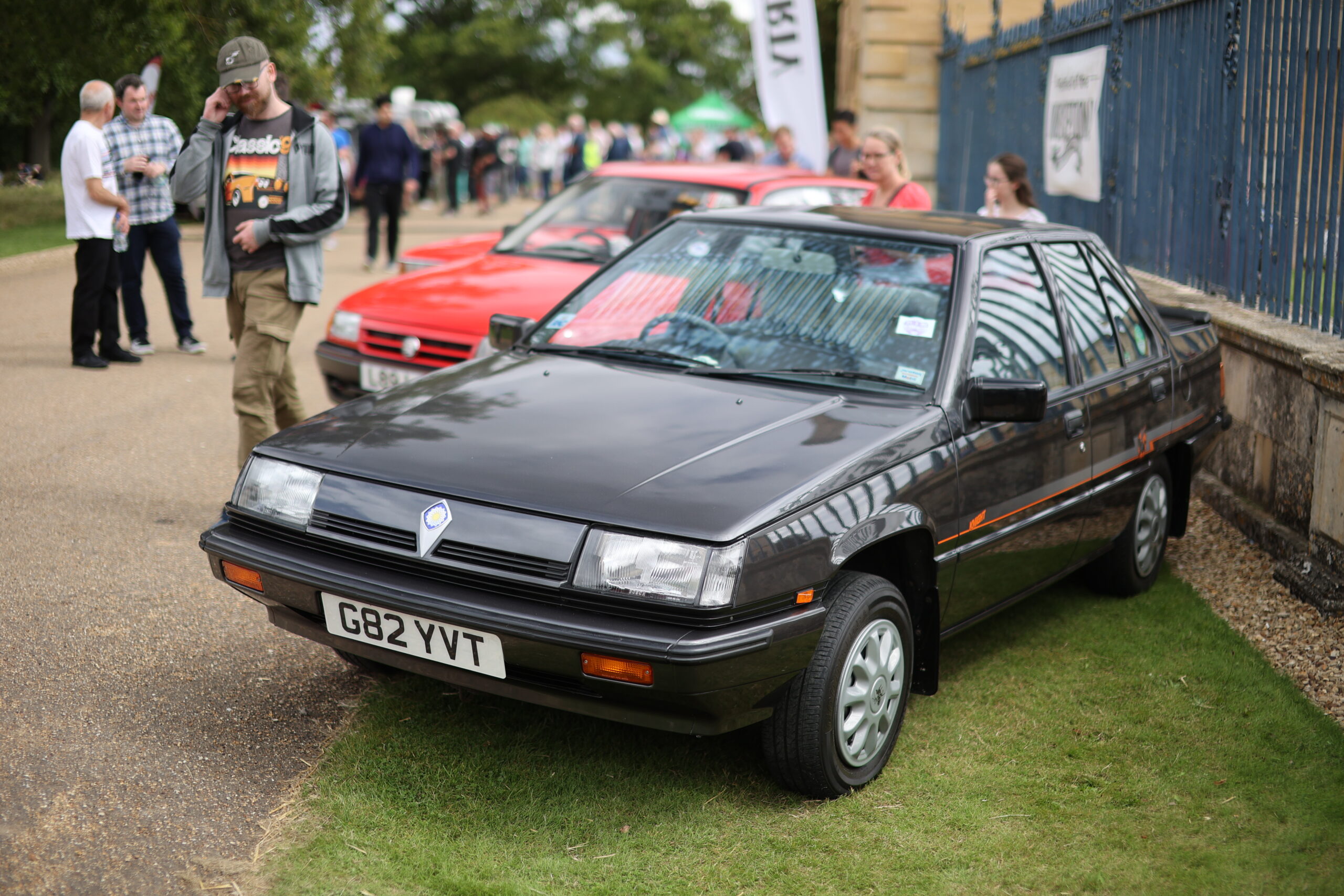
Jon Coupland won the 2021 event with his 1989 Proton Black Knight, which is believed to be the sole remaining example of this trim level. After a period of being stored by its previous owner, it saw the light of day in 2017, with just 3600 miles. Jon has worked tirelessly doing his bit to preserve as many examples as possible.
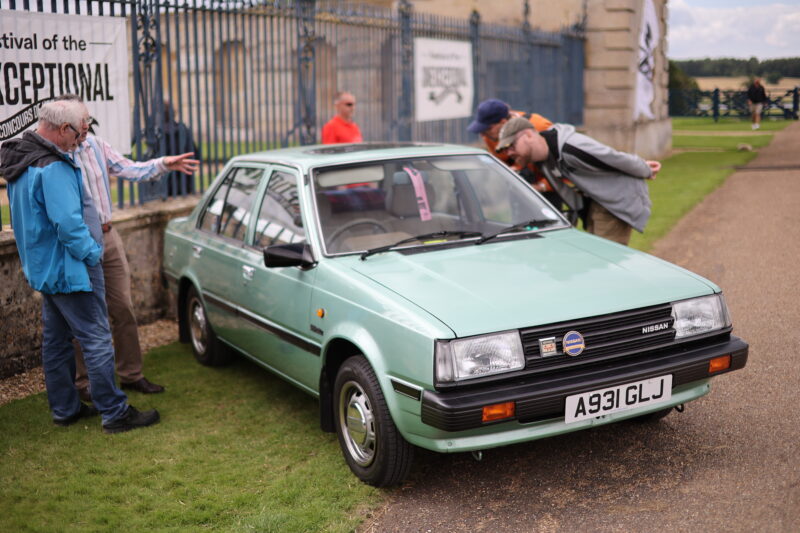
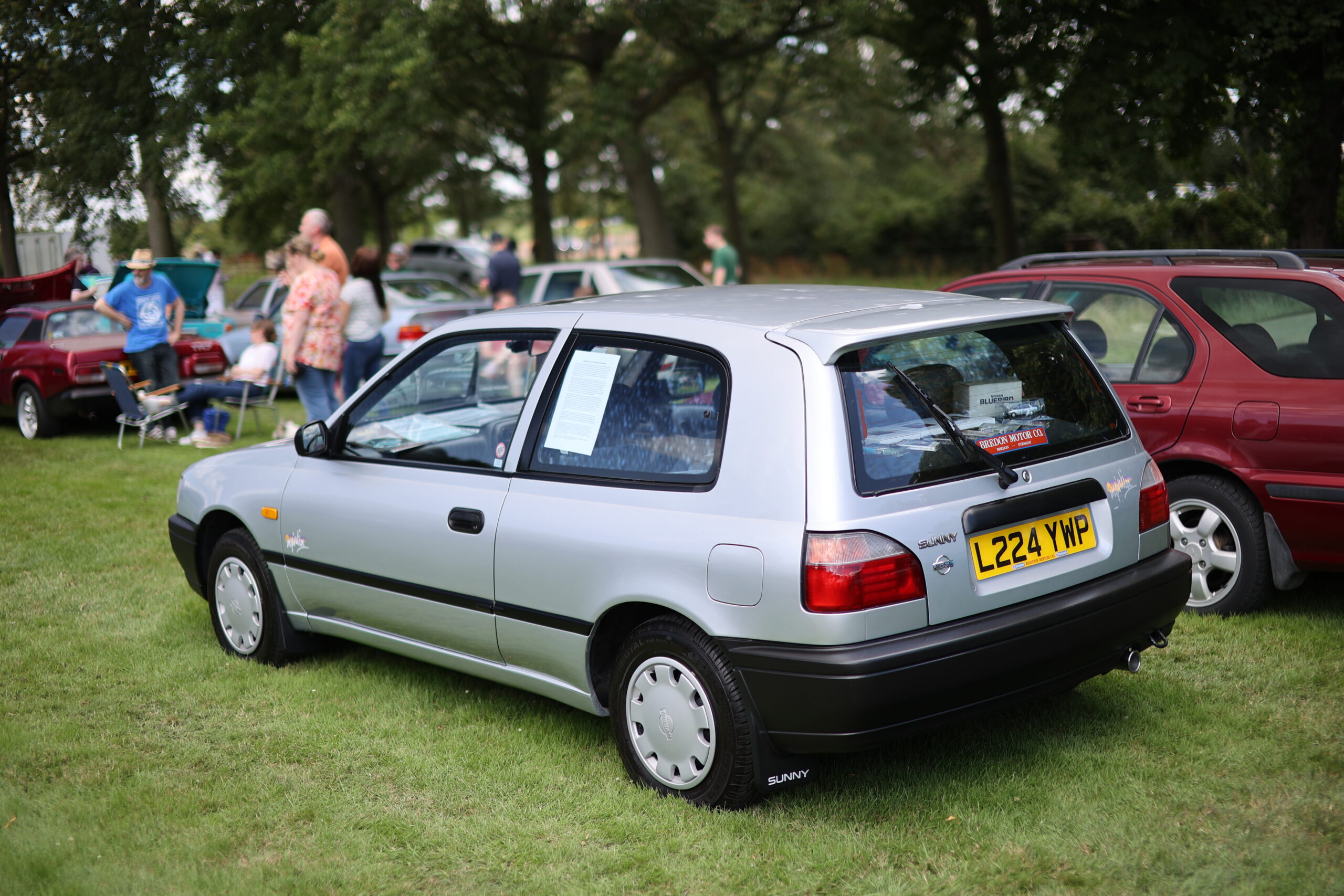
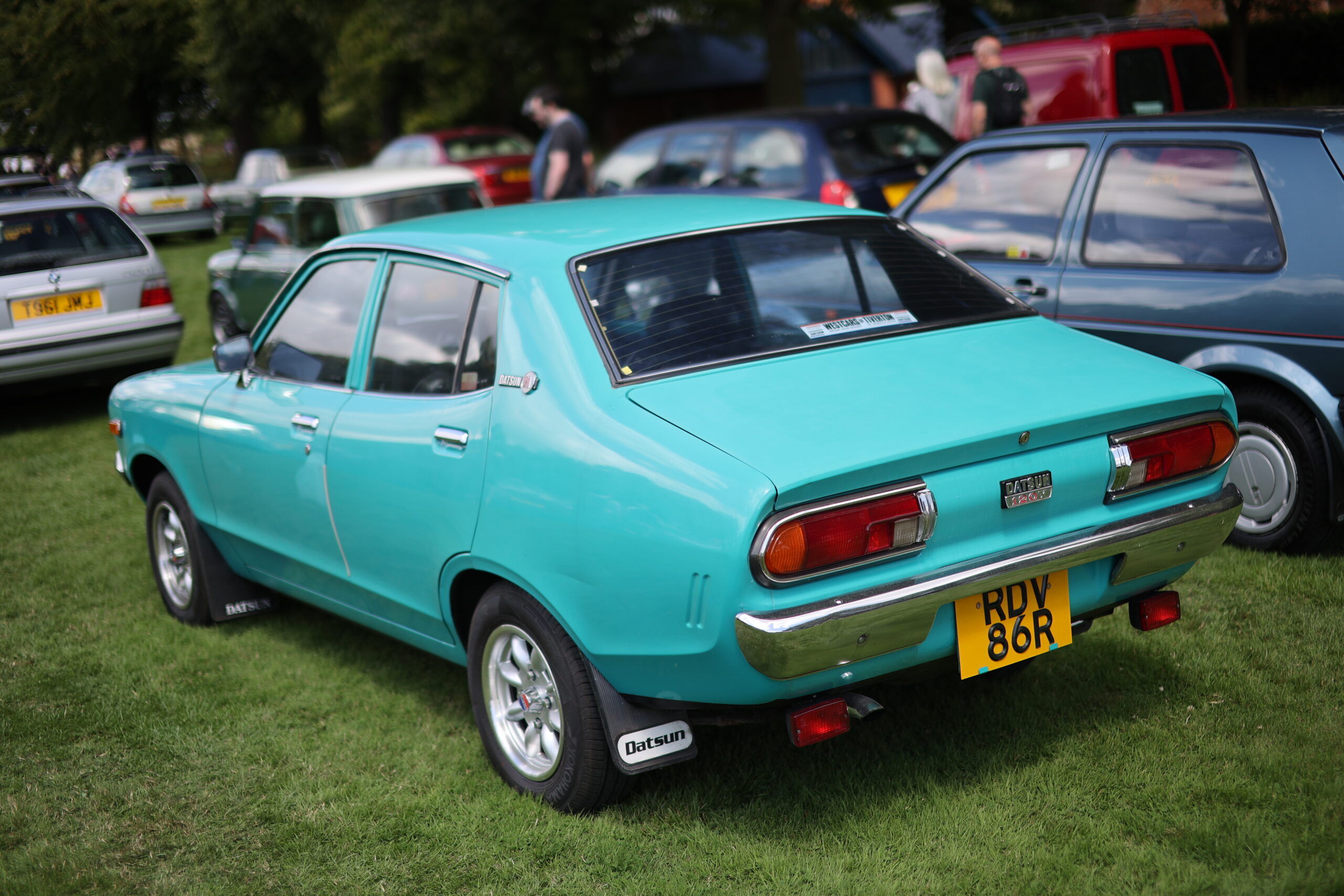
Mark Ashbridge won the 2017 event in his 1983 B11 Datsun Sunny. Having originally learned to drive in a Triumph 1300, which amazingly is still with him, he soon became attracted to the appeal of Japanese cars. As the owner of several interesting machines, including the UK press car for the original Datsun Sunny and a Mazda 1800, he has his own collection of unexceptional motors. Amusingly, Mark, who has a fastidious character embarrassingly admitted to host Charlotte Vowden that has mislaid his trophy!
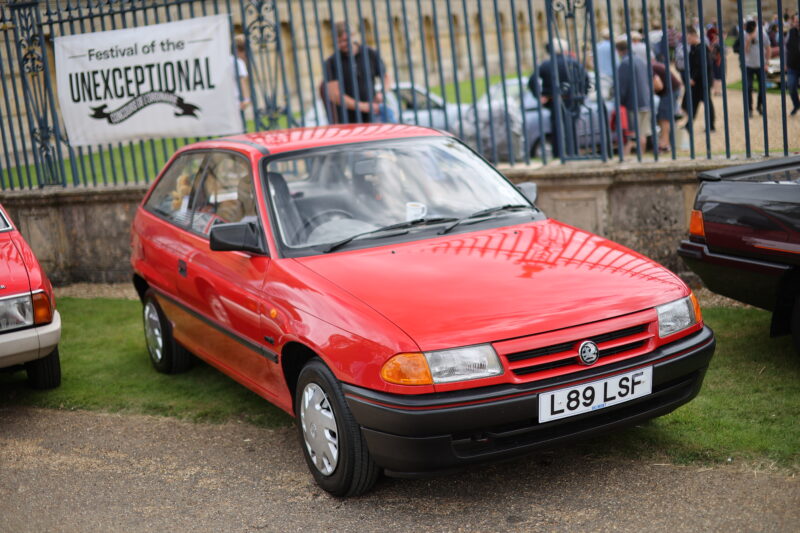
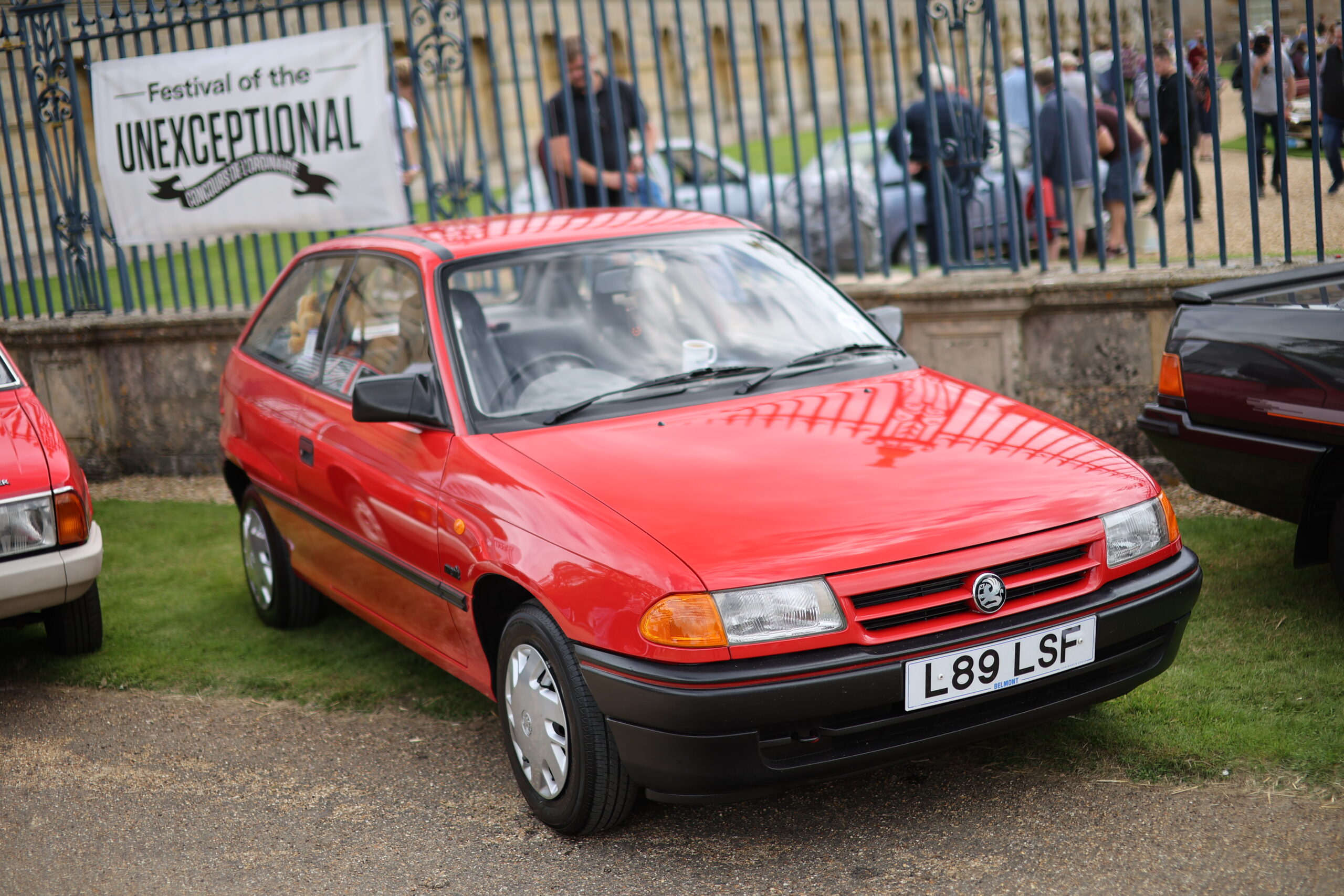
Last year’s winner, Samuel Allan made the return journey from Edinburgh, driving down again in his 1994 Vauxhall Astra Merit. Still bemused by the prospect of winning the event, he credits the original owner who did everything he could to preserve the car from the harsh Scottish climate. Having owned the Astra since 2019, Samuel has vowed never to sell the car.
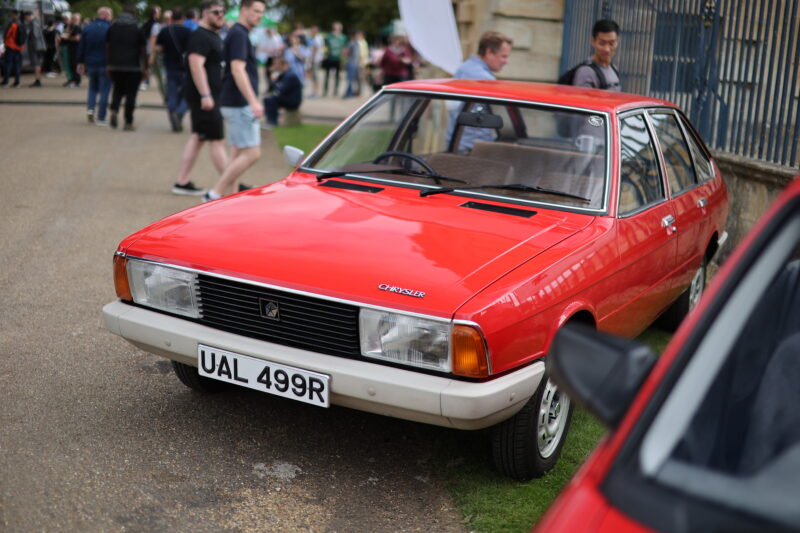
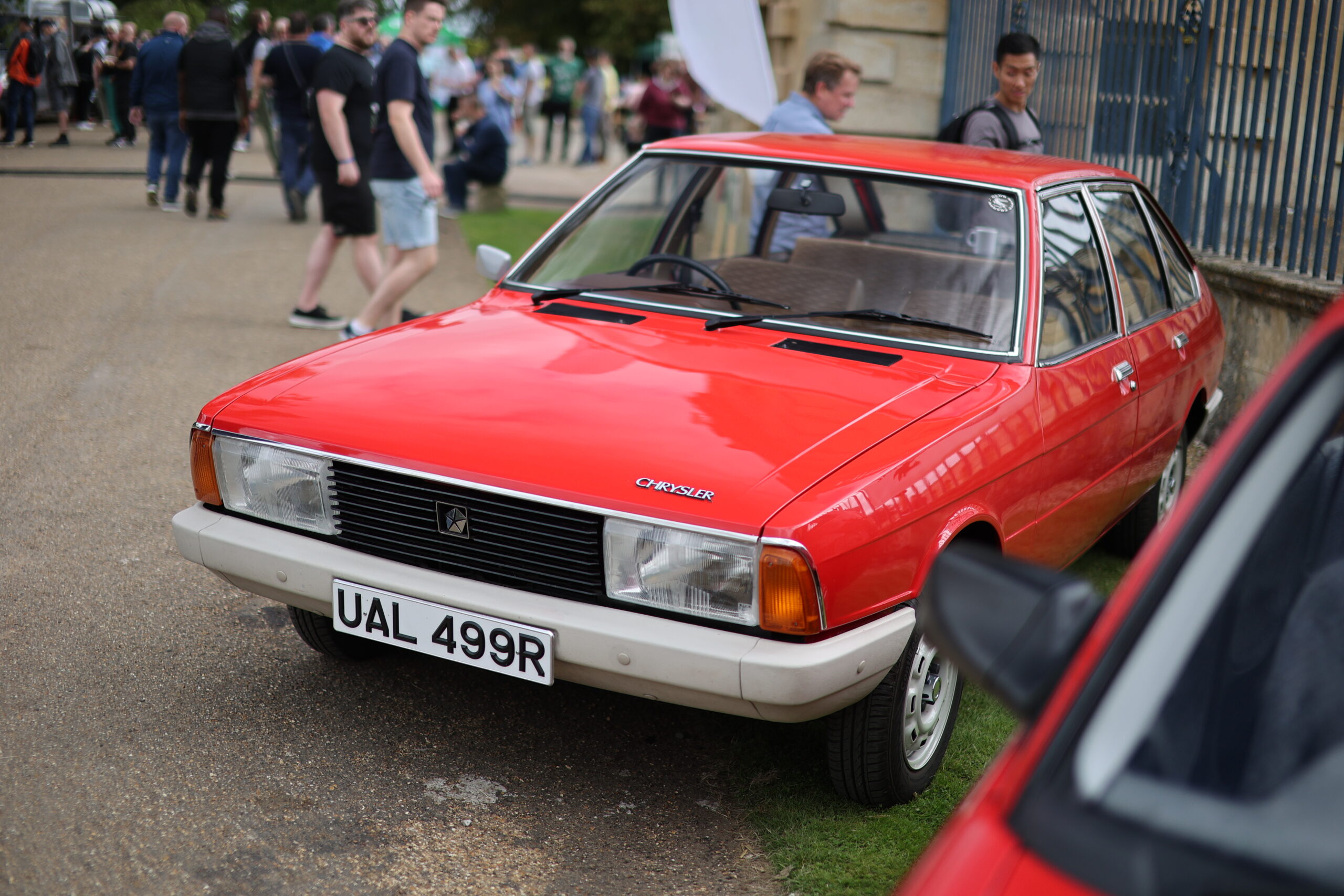
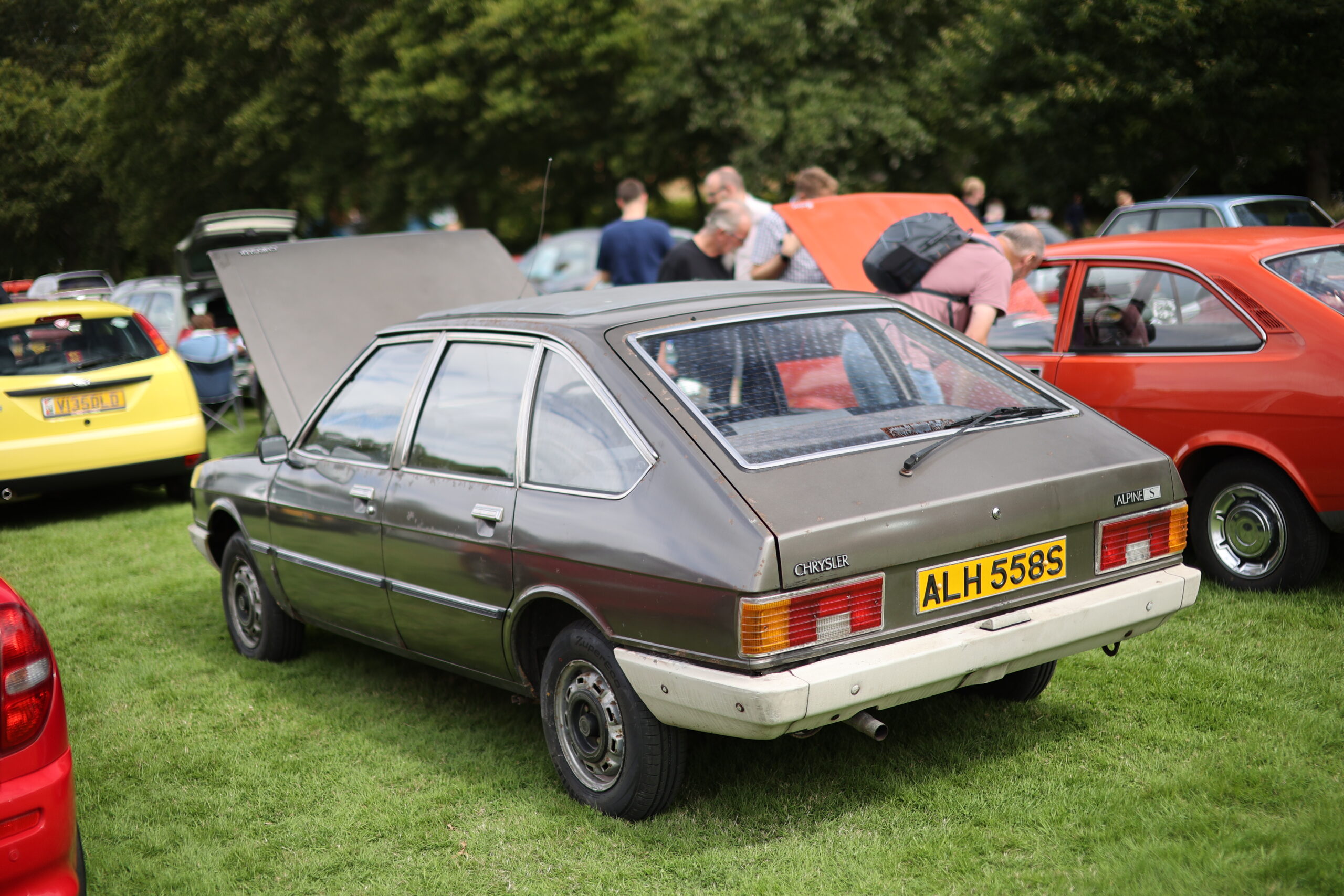
Finally, on stage was Guy Maylam and his completely rebuilt 1977 Chrysler Alpine which took the top award in 2018. Taking a slightly different approach to the other three winners, Guy, with help from a loyal network of friends, spent a considerable amount of time on rebuilding the car. Literally from the roof down, the car needed extensive work but managed to get the car at the event just a few days after finishing the restoration.
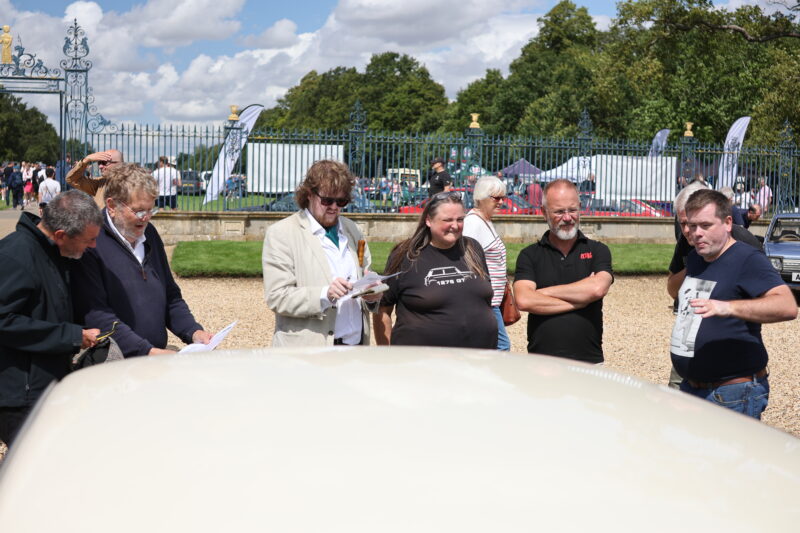
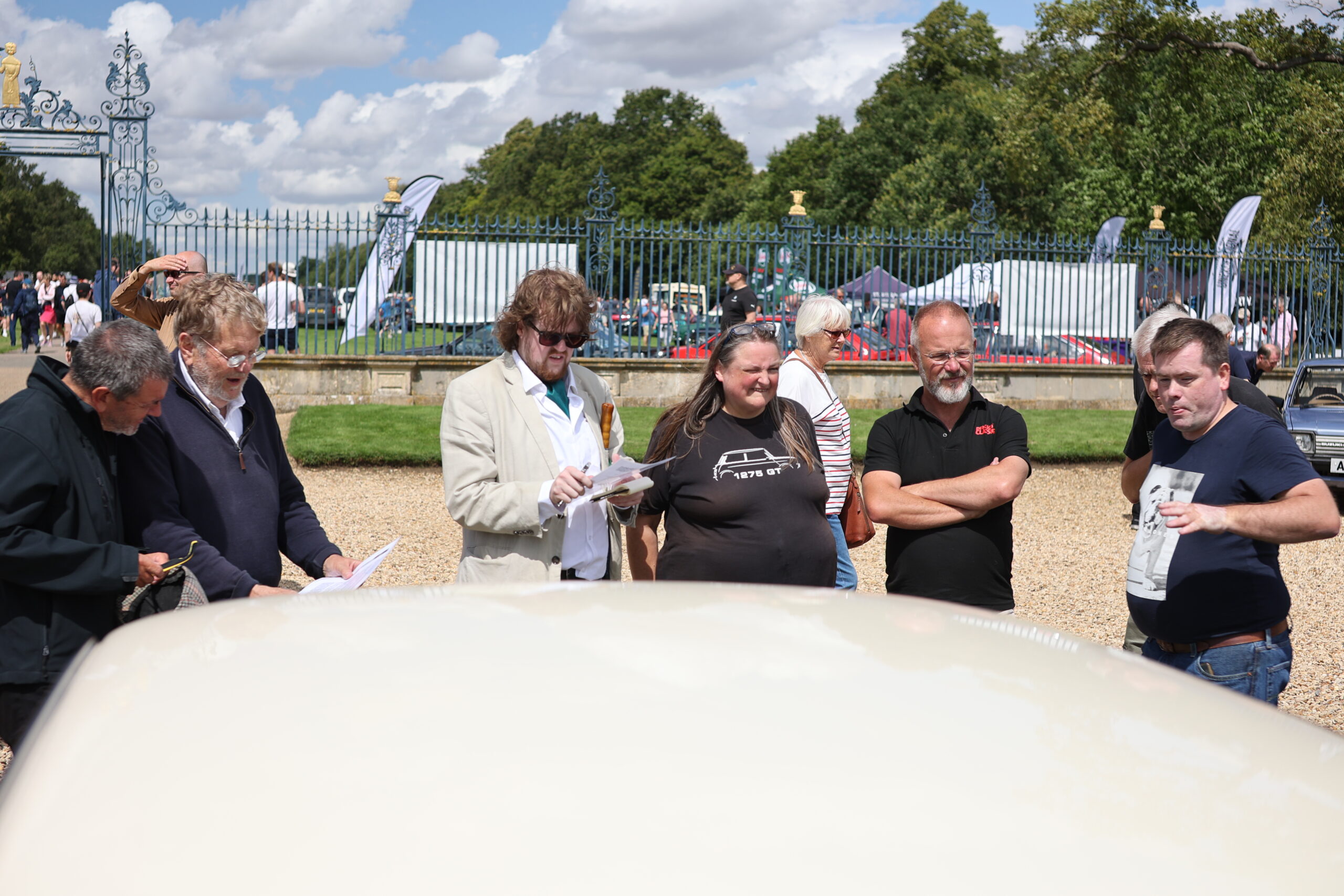
This lines us up nicely to announce who won this year’s awards. The judging team spent the day reviewing each of the 50 cars in the Concours de L’Ordinaire, allowing owners to share their stories with them.
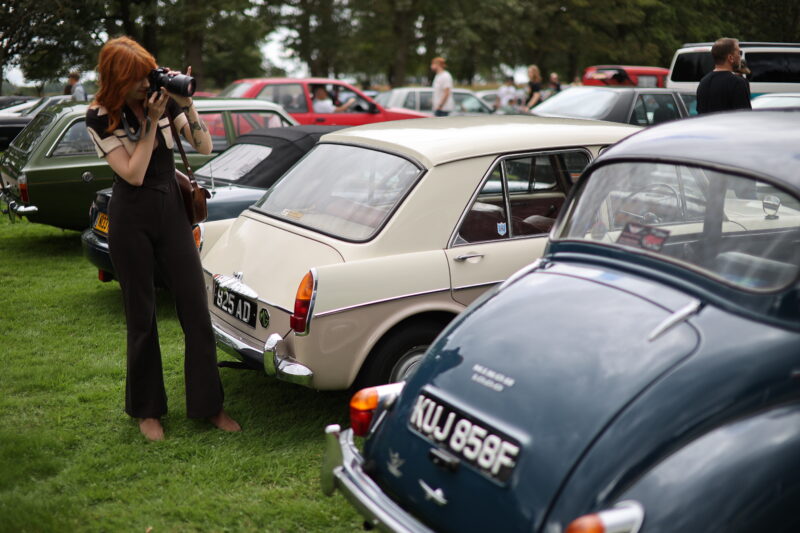
These are the cars you drive to work in, the ones you go on holiday with, and the ones that remind you of both happy and sad events in your life. The car captures an essence of emotion and freedom, locking in a memory, a story and a feeling in our memories.
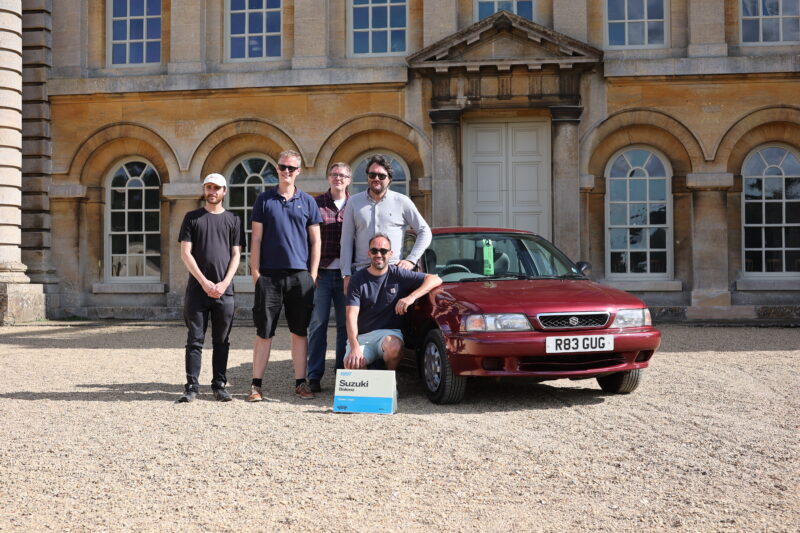
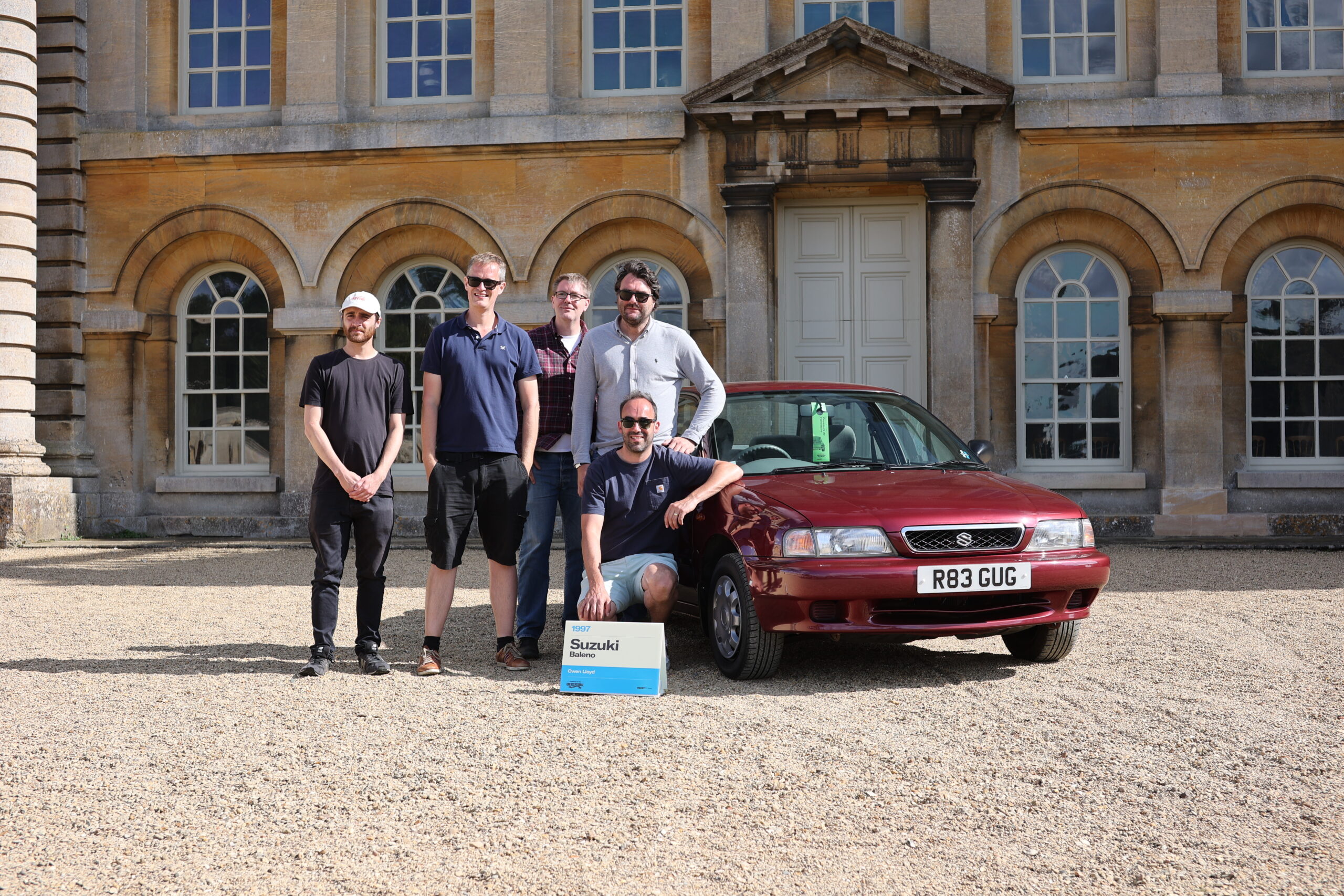
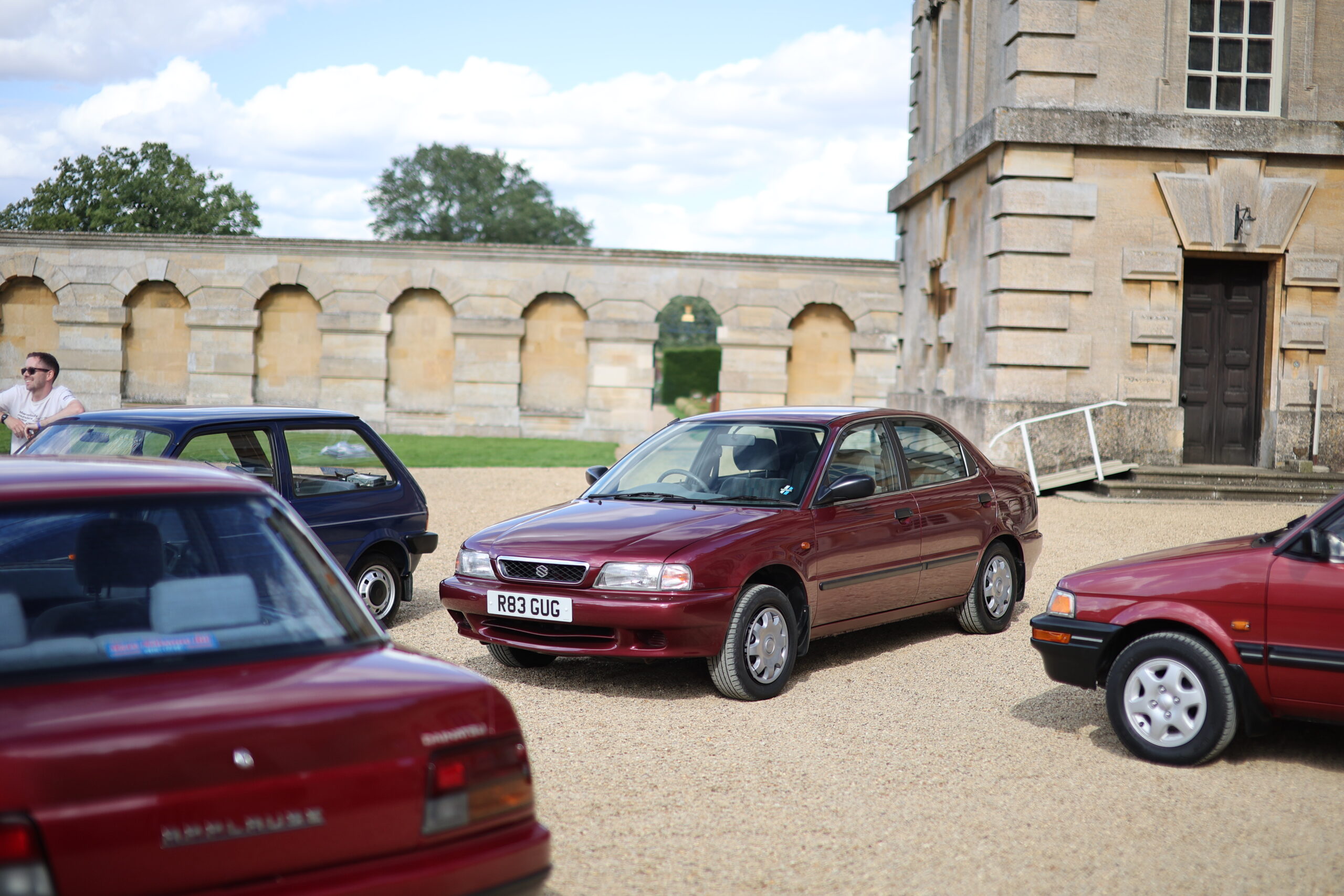
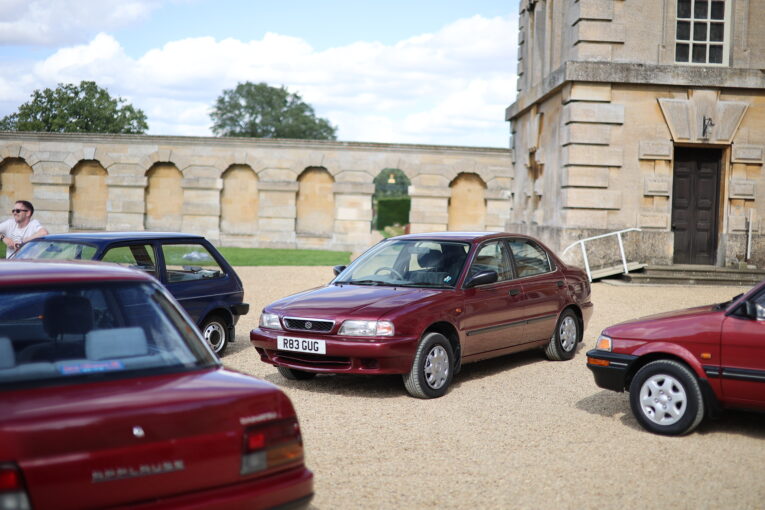
Picking a winner out of the 50 finalists is clearly not straight forward as one might think, which is possibly why an 4th category was devised on the fly to recognise the effort made by four gentlemen. They collectively won the Chairman’s Award for their 1997 Suzuki Baleno.
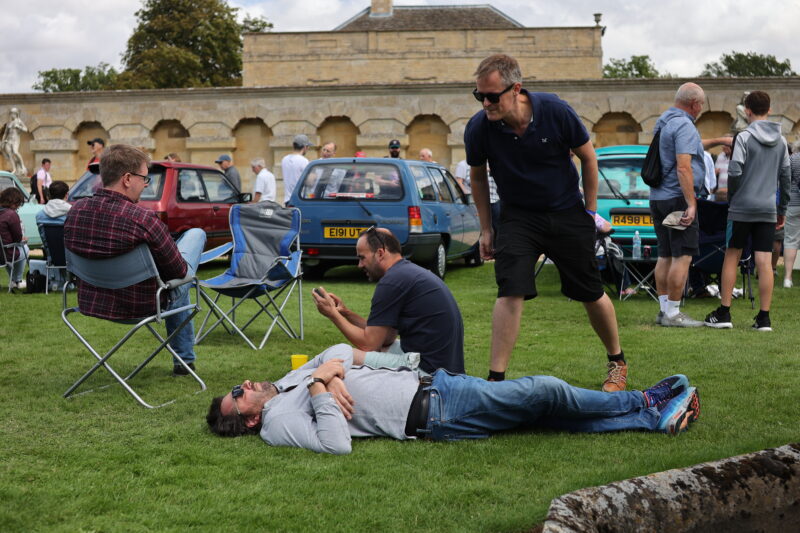
Rather cleverly, James Delevingne, Chris Duggan, Owen Lloyd and Dominique Head, applied mathematical algorithms and calculated the least interesting car possible. Asides from also being bribed by biscuits, Danny concluded that the guys deserved recognition for ‘gaming’ the system but also for the fact that a Suzuki had never won a classic car award in a major show before. Well played lads!
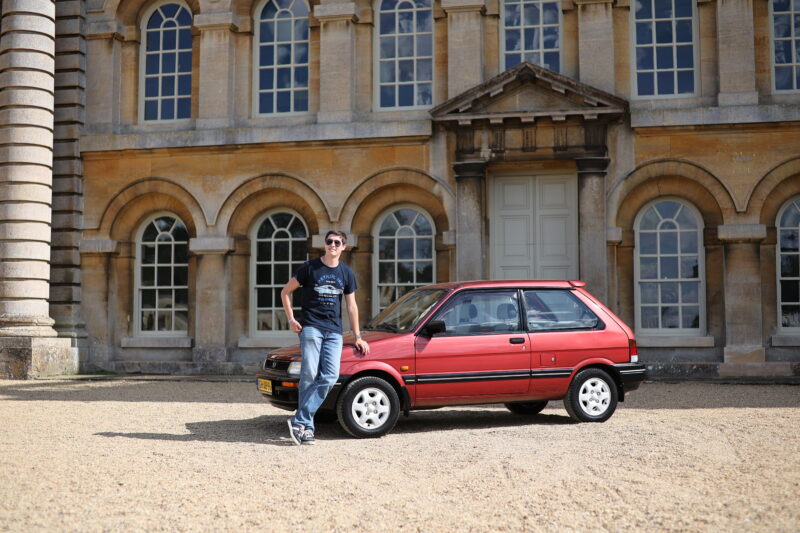
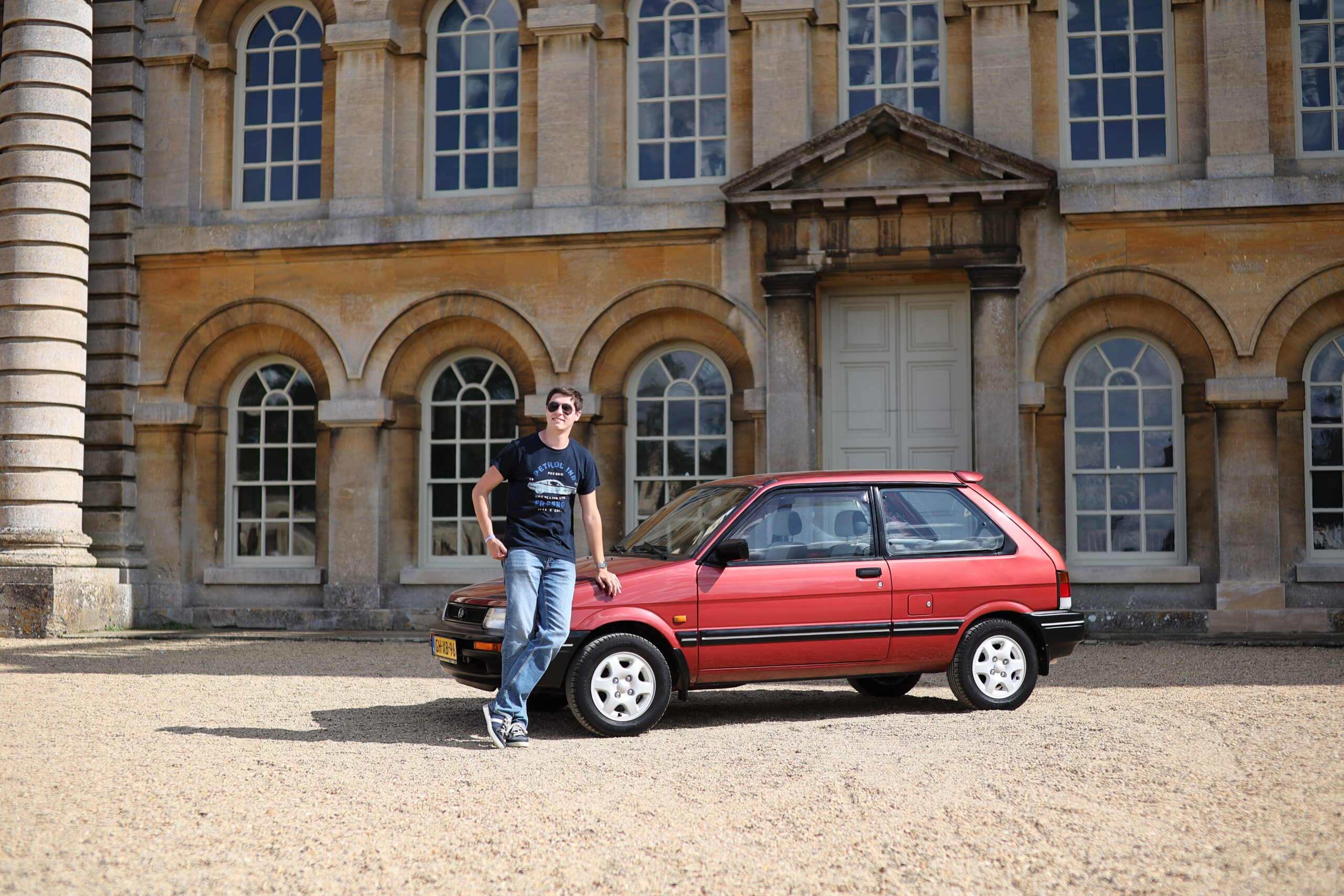
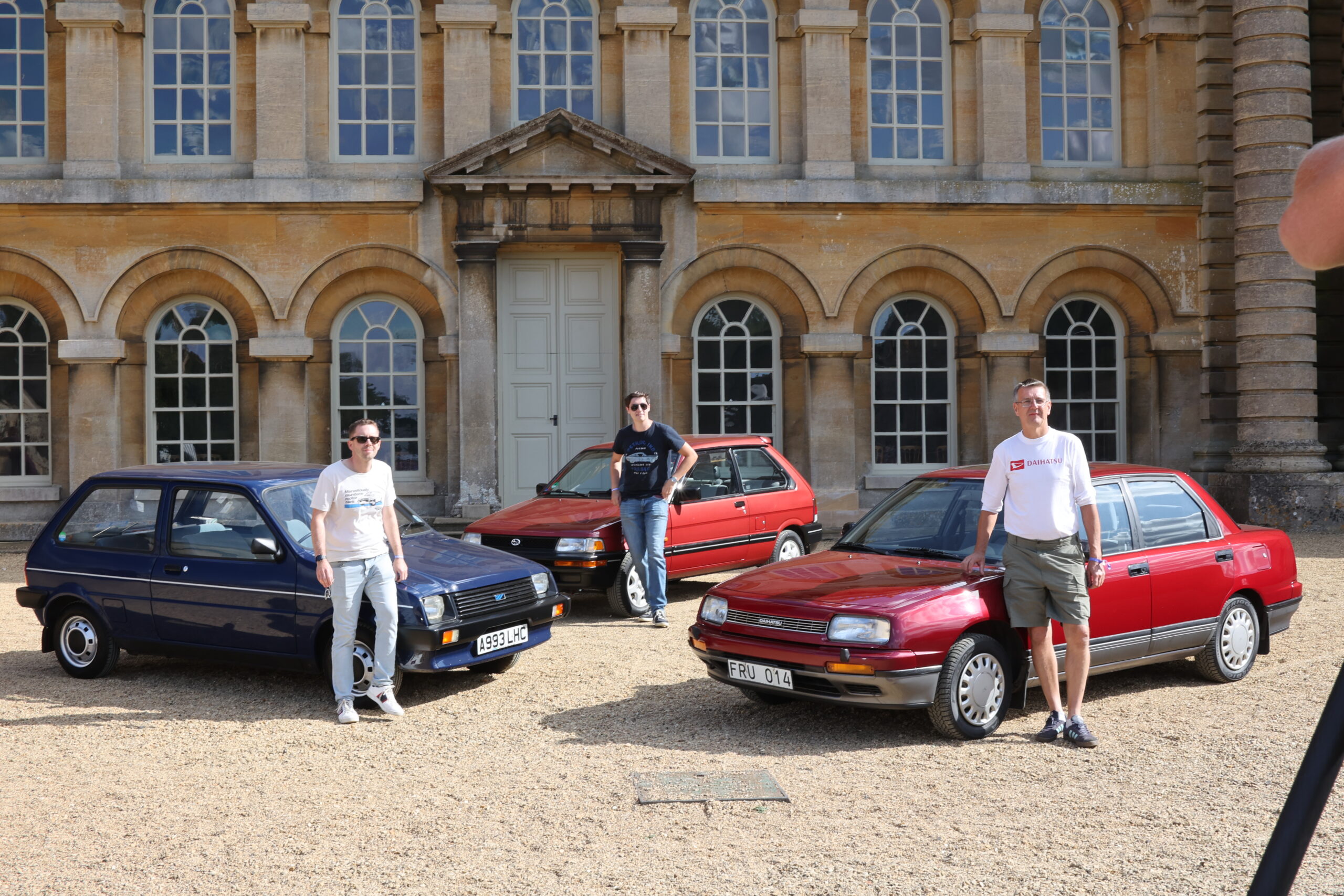
Hugo Maaijkens has recently passed his driving test in his 1993 Subaru Justy, not only that, but he drove the car across from the Netherlands with his partner to attend the show. As a recognition of the enthusiasm and commitment of the younger participants, Hugo while overcome by the recognition, gratefully accepted third place.
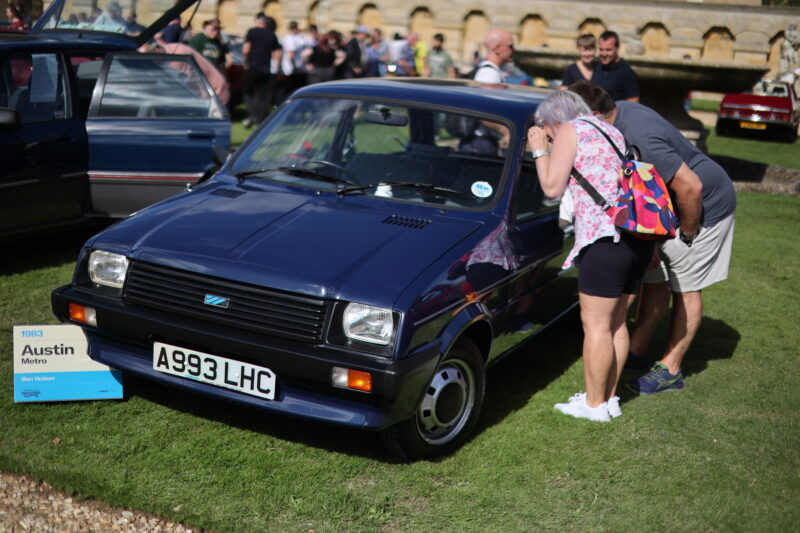
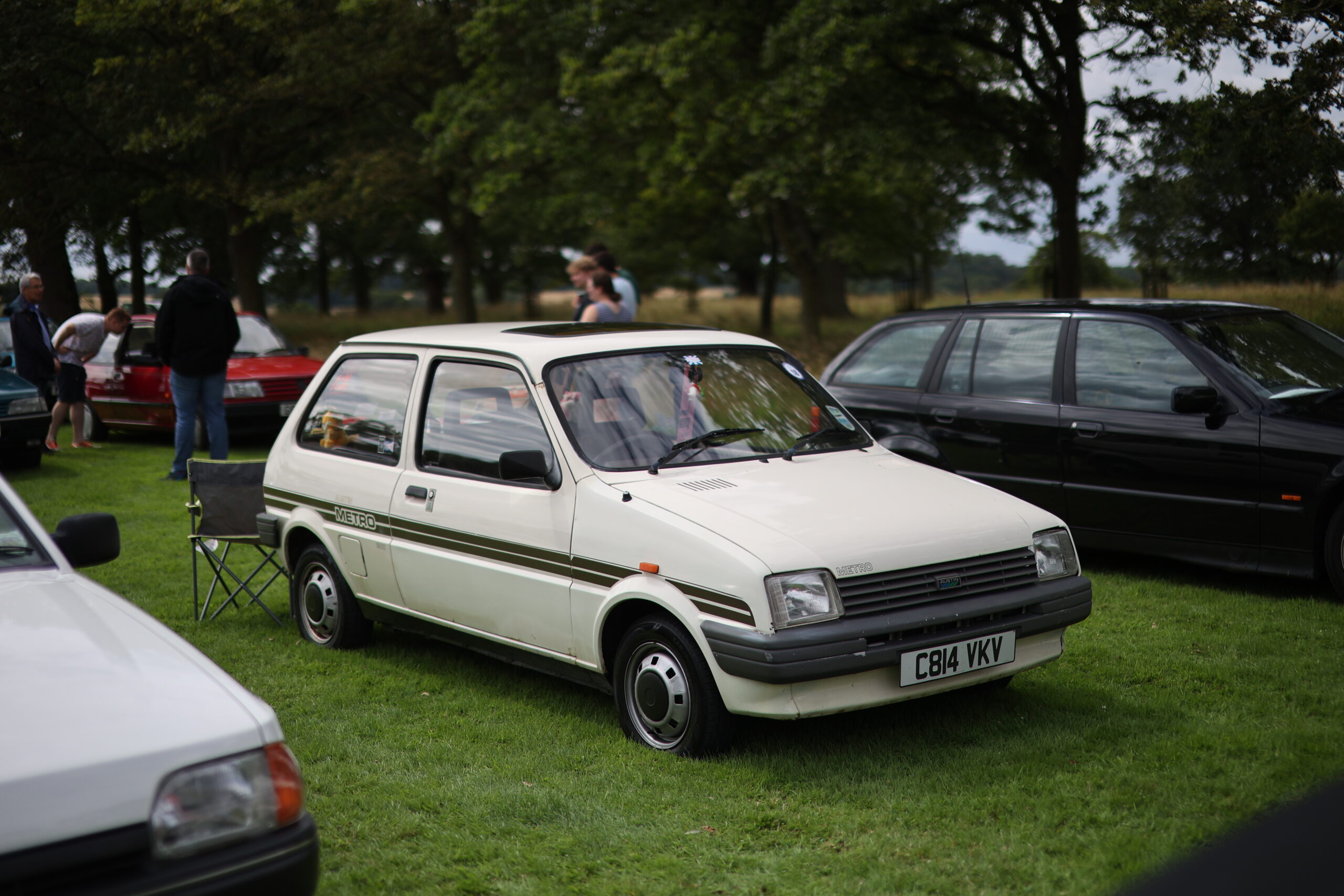
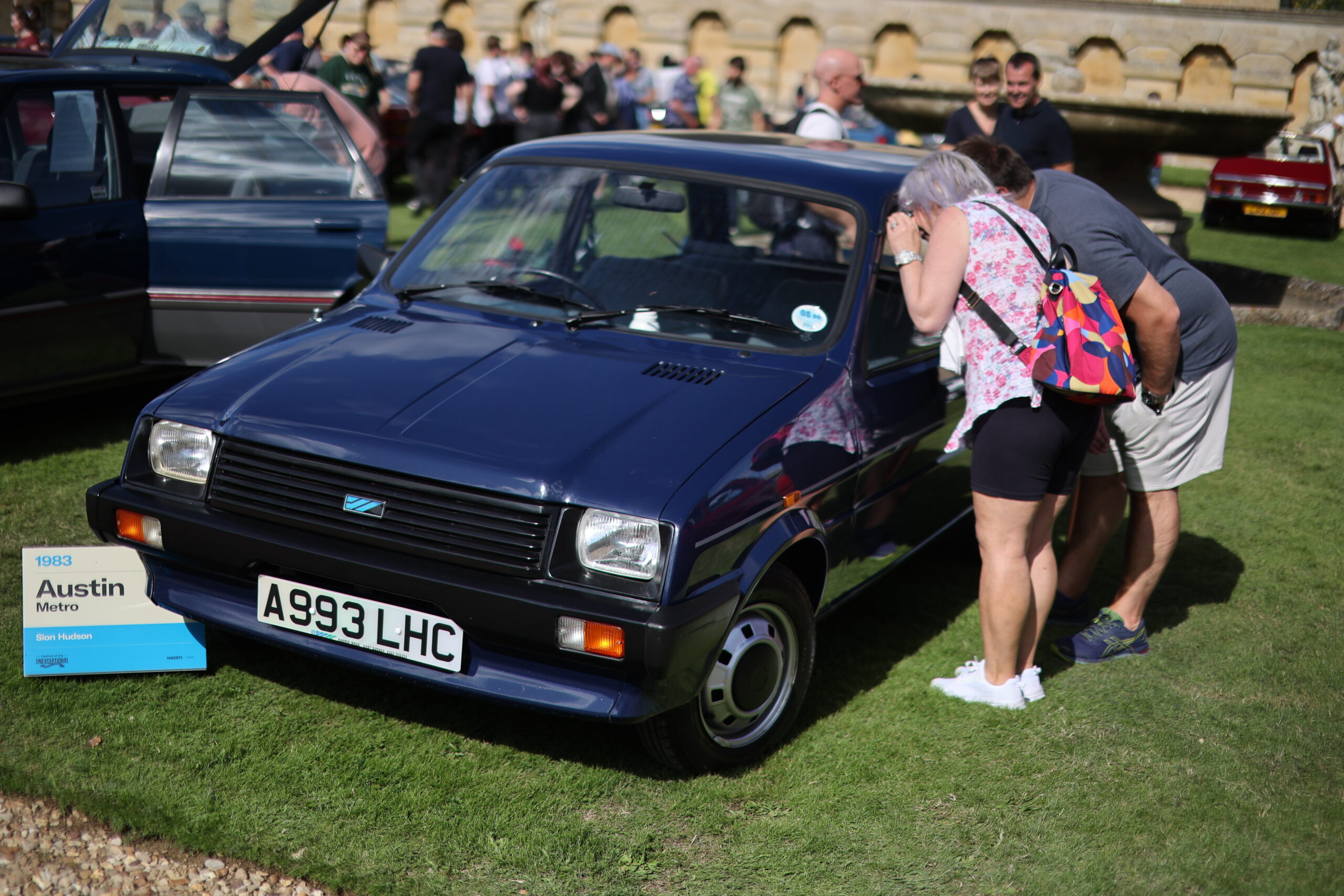
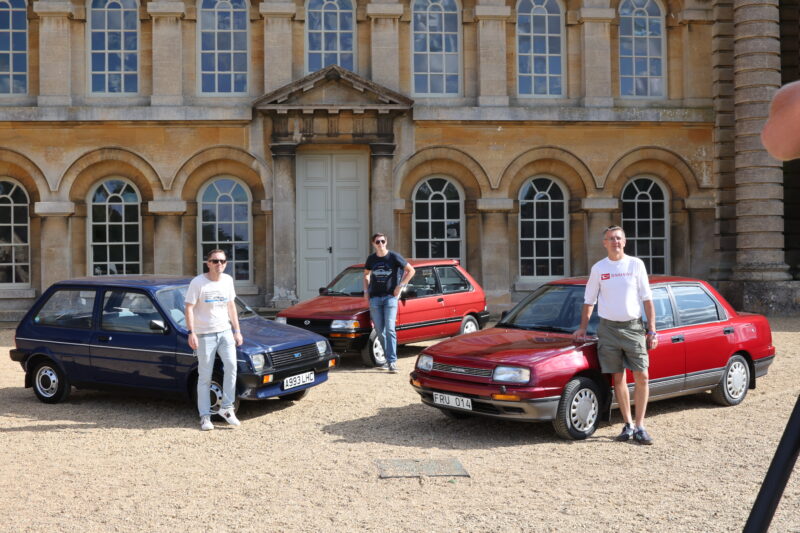
In second place was a more familiar specimen, in the form of a 1983 Austin Metro owned by Sion Hudson. Originally built in Longbridge with ultra-basic specification, Sion discovered shortly after buying the car it had been upgraded by the car’s previous owners and went on his way to remove the radio, passenger door mirror and side repeaters.
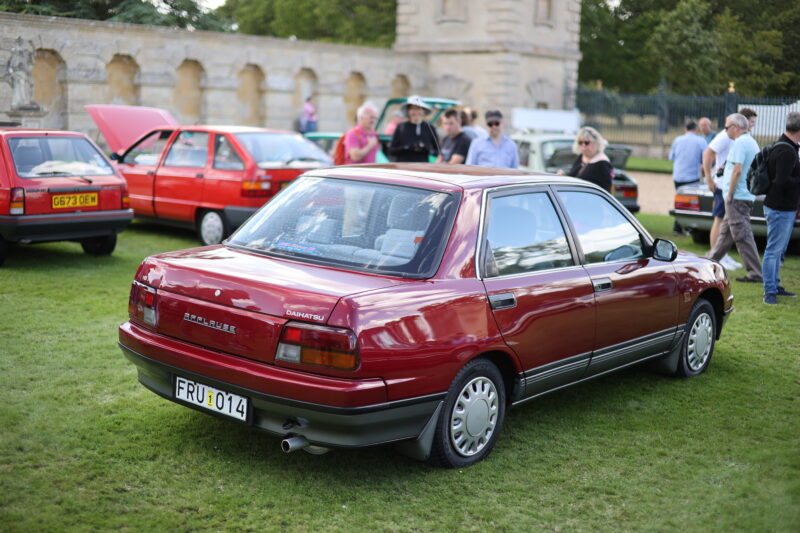
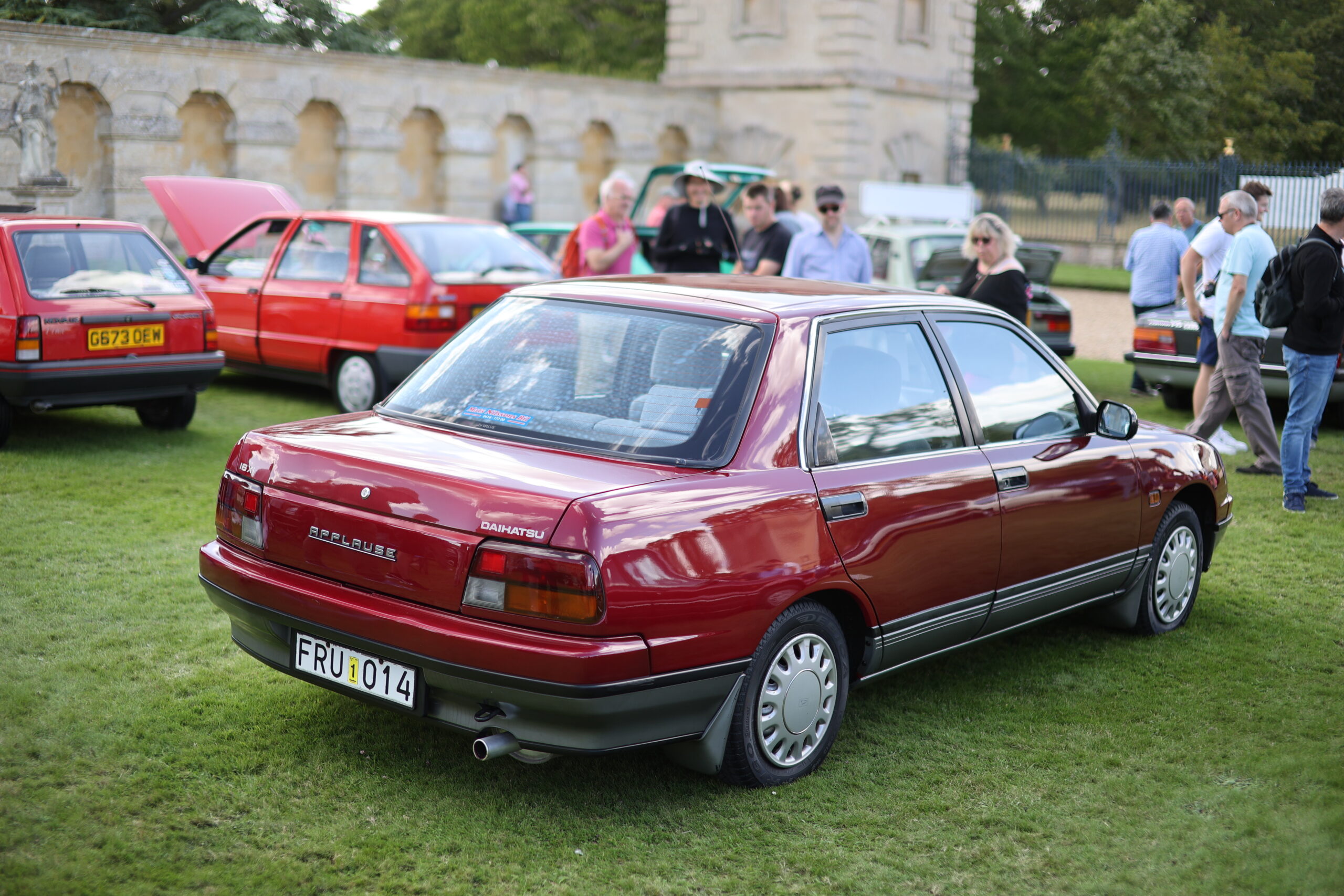
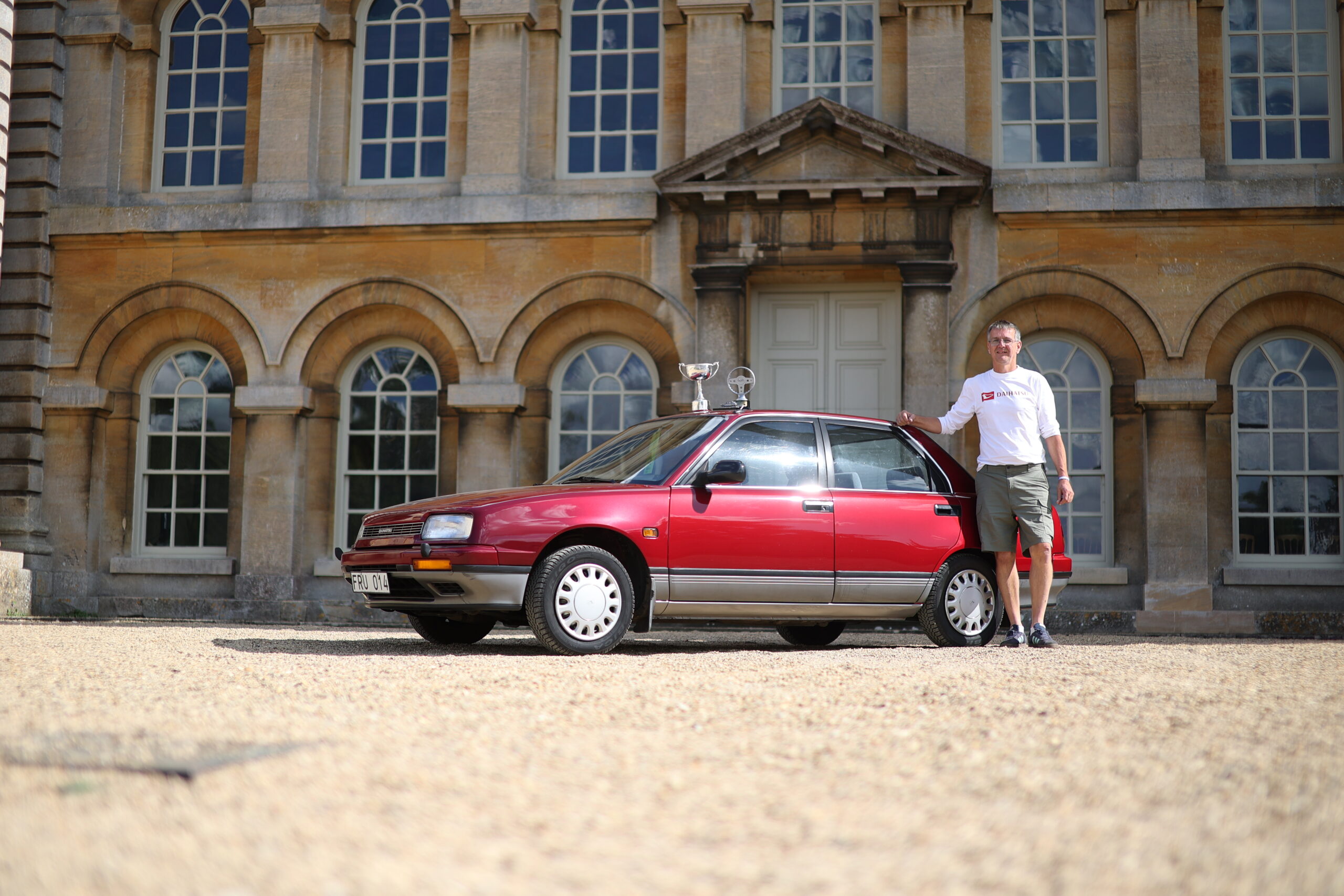
The top accolade for the 2023 Festival of the Unexceptional Car of the Year reflects the owner’s serious dedication to his car and therefore a very suitable choice as a worthy winner. It was a car that was introduced to the public in 1990, who were largely ignorant of its presence. Usually bought by undemanding drivers, who wondered in the Daihatsu dealership, walking past the better-known Charade hatchbacks and the off-roaders and settled on this 5-door hatchback, which outwardly looked like a saloon.
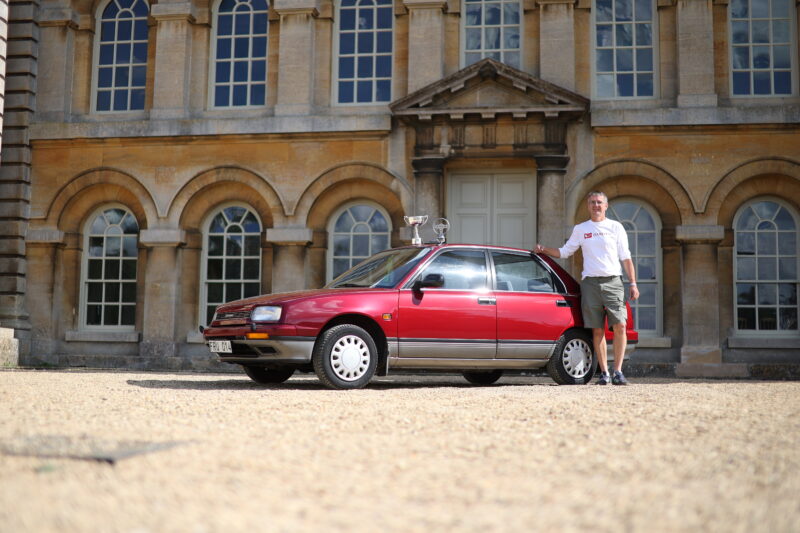
This alone was not the reason why Steven Pikes’ 1991 Swedish-registered Daihatsu Applause won, he brought the car back to life simply because he thought it was unusual. It took him two years to rebuild, which included him fabricating much of the metalwork. Driving the 900 or so miles from Sweden, he noticed the timing was not quite right, so a couple of days before the event, he went about replacing the timing belt on his parent’s driveway in Hampshire. He admits the car is still a work in progress, and he was genuinely surprised to have won the event.
These remarkable machines journey through life and they find a way into our hearts, this is more about rare or unloved cars, it’s about the parts they play in our lives. The event celebrates 10 glorious years next year and it promises to be extra special. With this year’s event attracting around 1,200 cars and 3,000 enthusiasts, the bar for next year’s event has never been higher. Hand on heart, if in the unlikely event, that I could only attend one car show next year, then this would be the one.