The VW Mk1 Golf GTI – Five Things You Need To Know

August 7, 2024

Any Golf, as long as it’s been looked after, will likely be all the car you’ll ever need. Practical, reliable, easy to maintain and still cutting a dash in any guise the VW Golf is all things to all people, but there will always be stand out tracks, iterations of the Golf that shine a little brighter and shout a little louder, not least of which is the Mk1 Golf GTI. Revered and respected in equal measure there’s a reason the mighty GTI has endured since that original incarnation and continues to be offered as a staple in the range, albeit sans stick shift nowadays. Booooo.
When the GTI arrived way back in ’76 it was a seminal moment. Not just for the Germans but for the entire motoring community. We’re talking Moses coming down from the mountain, Rutherford splitting the atom and Scott and Charlene tying the knot in Neighbours levels of transformative importance. Life simply wasn’t going to be the same after the fact.
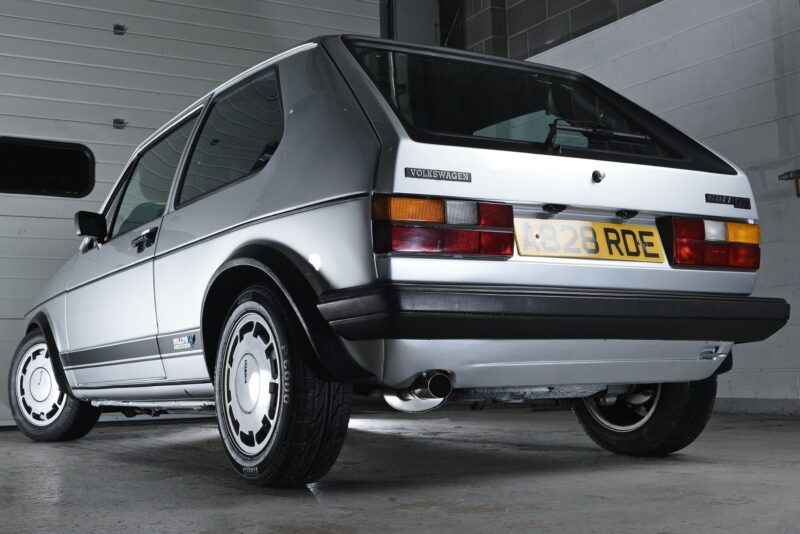
There was now a new benchmark for sporty family runabouts. It may not have been the first hot hatch but it certainly popularised the genre and has set the standard ever since. Featuring a normally aspirated, 1.6-litre fuel injected four-cylinder engine that increased the original Golf’s power to 108bhp, along with beefed up suspension and a protein-enriched body, the original Mk1 Golf GTI hit the ground running. Fast. And it hasn’t stopped yet.
Yes, there have been ups and downs across the Golf GTI’s long and distinguished lifespan but it has always retained the inherent qualities that made the original so damn good and those three little letters have long been synonymous with a car that effortlessly combines everyday usability with entertaining and engaging performance.
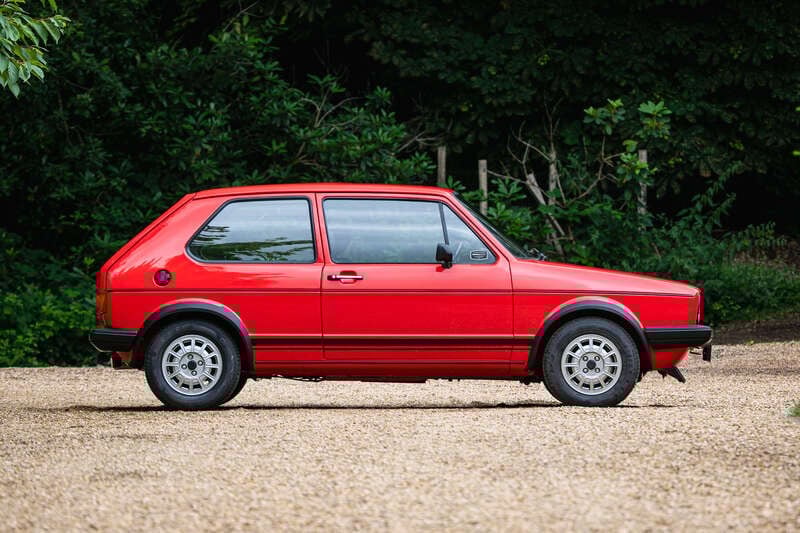
We want one, you want one, but, before you pick one out for yourself from among the numerous examples currently for sale here at Car & Classic there are five things you need to know – one for each decade of the Golf GTI’s illustrious career to date.
1) Rust
Come on now, you all knew this was going to be number one. Even the youngest Mk1 GTIs are over 40 years old now and that’s plenty of time for the old tin worm to take hold and wreak havoc. Whilst post-1980 cars did feature better rust protection overall there are still beaucoup areas to scrutinise when it comes to corrosion and the car has plenty of angles where water and dirt can sit and fester.
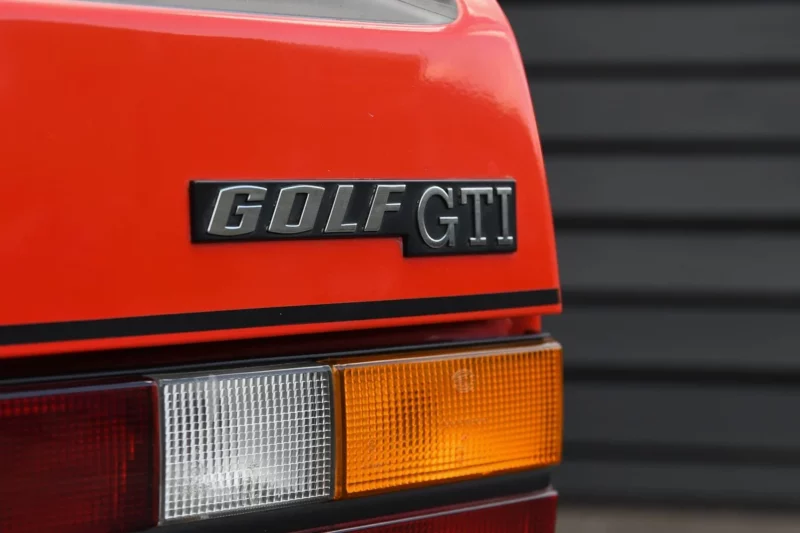
The inner wings are particularly susceptible, as are the A-pillars and it’s always a good idea to check under the windscreen rubbers too. In fact, have a look at all the rubber seals to make sure water isn’t getting trapped and doing the dirty on the metalwork. Inspect the sills and door bottoms as well as the wheel arches and front valance. Lift up the carpets and have a look at the floor pans and turf the boot out and check the spare wheel well. The fuel filler neck is also a trouble spot – rust here can get into the fuel system which is bad, bad news.
2) Engine and Gearbox
The Mk1 Golf GTI was available with the aforementioned 1.6-litre as well as a later 1.8 from ’82 and while both engines utilise Bosch K-Jetronic injection and have similar performance credentials the larger displacement lumps have a more even torque spread. The 1.6 is considered more characterful, however, due to its revvy nature and you have to wring its neck a bit more to get the most out of it, which is no bad thing.
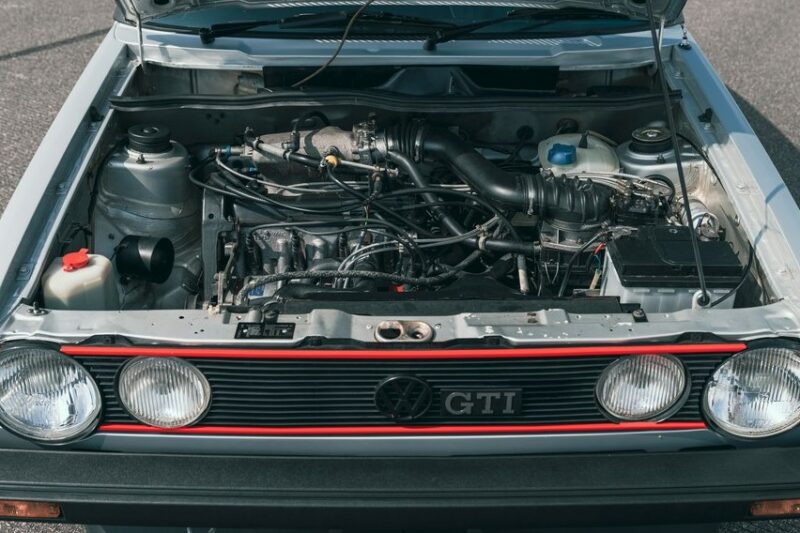
Whichever engine you choose though both are hardy and reliable as long as they’re well maintained but smoke from the exhaust, especially on higher mileage cars, could be indicative of worn piston rings (smoking when under load), hardened valve stem oil seals (a puff at start up) or worn valve guides. The cambelt should be replaced every 40,000 miles so check the car’s history.
Much like the engines, GTI gearboxes (both the earlier four-speed and later five-speed that was standard from ’79) are tough with only second cog synchro being a potential issue so keep your ear out for crunching when changing gear. Check the linkages too as a worn or misaligned setup can cause slop as well as engagement problems.
3) Suspension and Steering
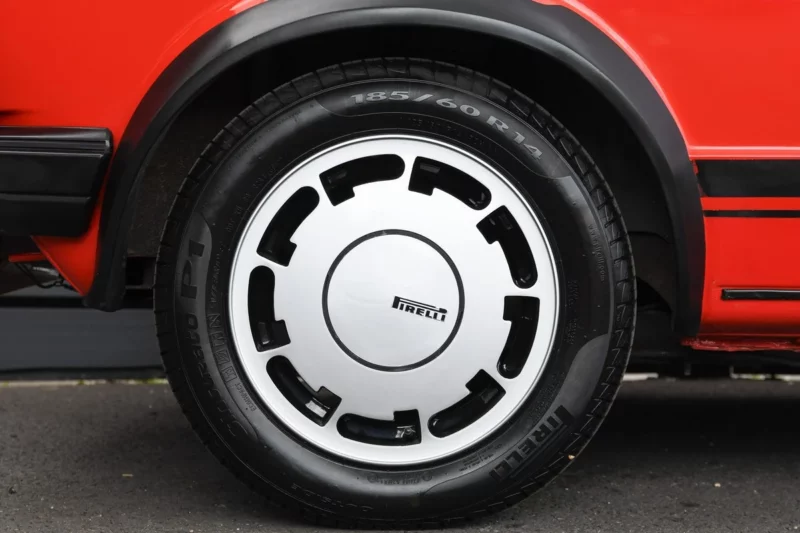
Although upgraded from the standard Golf the GTI’s suspension is still pretty soft in the grand scheme of things. Lot of cars will have seen some modification to the suspension, whether that be uprated dampers, stronger anti-roll bars or shorter springs so if the car has been modified then make sure it has been done properly without negatively impacting the car’s ride or handling. A good indicator of a correctly set up suspension system is how evenly the tyres are wearing so inspect the rubber.
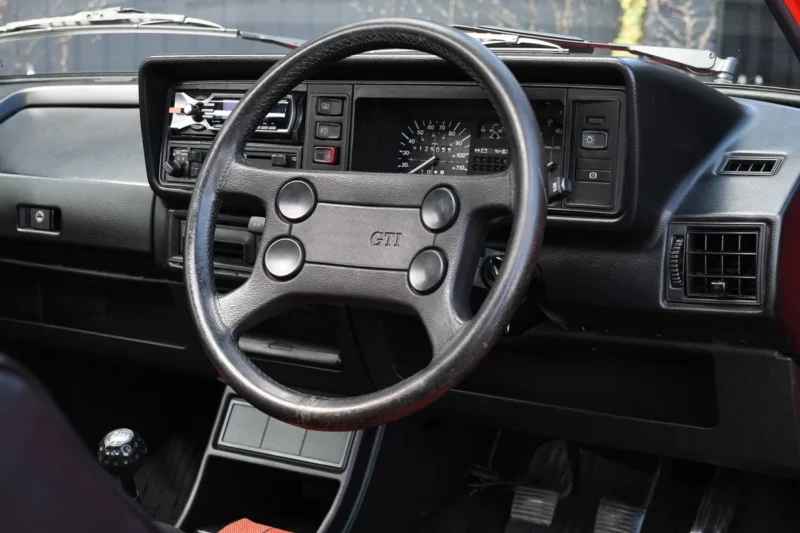
The GTI’s steering comes courtesy of an unassisted rack and pinion setup. Steering bushes can wear which will cause woolly feedback so if the steering is anything but sharp and precise then something is wrong. The GTI’s direct steering is one of its assets so make sure it goes where it’s told.
4) Brakes
Many will argue that the Mk1 GTI’s brakes are a bit rubbish but that’s because they probably drove one with poorly configured anchors or they’re simply not used to the feel which is due to the pedal and master cylinder being on opposite sides of the car (on RHD models).
The standard setup, if working correctly, is more than adequate so make sure that the cross linkage we just mentioned, as well as the rubber hoses, aren’t tired. Brake pipes can corrode too. Larger discs and better pads can easily be installed so even if the brakes do feel a little lacking it’s not the end of the world.
5) Interior and Electrics
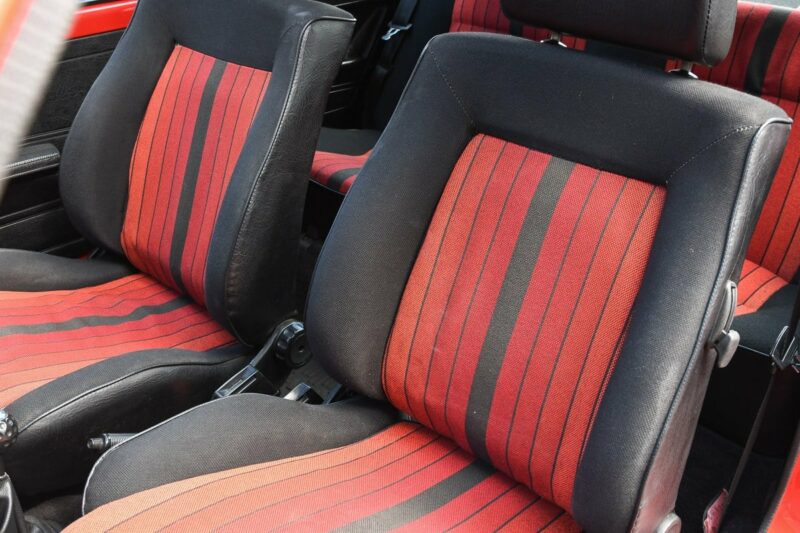
The cloth interior is fairly hard wearing but high traffic areas are still likely to carry some form of deterioration so keep in mind that replacement trim is almost impossible to find nowadays. A good GTI interior is a huge boon and will also be a good indicator of how well the car has been cared for in general.
Electrics can be temperamental, especially if the loom has been bastardised by previous owners fitting stereos, alarms and whatnot. The fuse panel is located under the dash on the passenger side so get the cover off and take a look. Water can also make its way in so check for signs of any leaks.
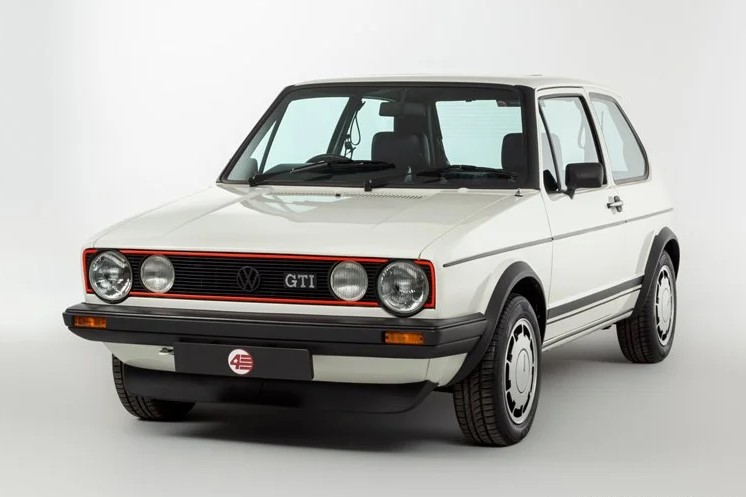
Due to their age now and scarcity of some parts (mainly interior) it’s best to buy on condition but there are clubs and specialists out there who can help should you need to carry out any restorative work. Unless you’re a true purist it doesn’t really matter whether you go for a 1.6 or later 1.8, whichever you choose you’ll be the proud and enviable owner of a true hot hatch legend that remains as dependable and exciting now as the day it broke cover in Frankfurt. So what are you waiting for? Get searching for your Mk1 Golf GTI today.