Land Rover Range Rover Sport SVR: Models and Specs
2014–2022, 5.0-litre supercharged V8, 542–575 hp, front-engined/four-wheel-drive, 0–60 mph 4.3–4.5 sec, 174 mph top speed
Overview
The Range Rover Sport SVR represents Land Rover's flagship performance variant, delivering supercar-rivalling acceleration and handling while maintaining genuine off-road capability and SUV practicality. Compared to the more luxury-oriented HSE and Autobiography variants, this Special Vehicle Operations model has a wealth of engineering enhancements including a 575 hp supercharged V8, upgraded suspension and massive Brembo brakes. The SVR is a direct competitor for the Porsche Cayenne Turbo and Mercedes-AMG GLE 63, and like those cars, it retains its manufacturer’s core values. In this case, that means all-terrain versatility combined with premium accommodation.
Price
- Starting price
- 7.476 €
- Average price
- 48.049 €
- Price range
- 7.476 € - 122.800 €
Specifications
- Engine
- 5.0-litre supercharged AJ-V8
- Power
- 542 hp (2014-2017), 575 hp (2018-2022)
- Torque
- 502 lb-ft (2014-2017), 516 lb-ft (2018-2022)
- Wheelbase
- 115.1 inches
- Length
- 192.7 inches
Land Rover Range Rover Sport SVR in Detail
Performance compared to HSE variants
The SVR's 575 hp supercharged V8 delivers 75 hp and 56 lb-ft of additional output compared to the HSE Dynamic's (hardly weedy) 518 hp supercharged V8, translating into 0-60 mph acceleration of 4.3 seconds (versus 5.2) and a 14 mph higher top speed. This power advantage is reined in with SVR-specific suspension tuning featuring stiffer anti-roll bars, bespoke damper calibration and lowered ride height.
Unique engineering solutions
Special Vehicle Operations engineering extends beyond engine output, incorporating active exhaust valves, an electronically controlled rear differential optimising torque distribution for circuit driving, and massive 395mm front brake discs with Brembo calipers delivering fade-resistant stopping.
Driving character transformation
Where HSE variants prioritise refined cruising, the SVR provides instant throttle response, muscular power delivery from 2,500 rpm and steering which weights up noticeably in Dynamic mode. It’s a bit heavy for daily traffic but perfect for B-road blasts, and the chassis maintains surprising agility through corners despite those tall proportions.
One point of note - although Land Rover's sophisticated Terrain Response 2 system is still fitted, the SVR’s lowered suspension reduces ground clearance by 15mm versus standard Sport models, which necessitates more careful line selection over obstacles.
Specification | 2014-2017 SVR | 2018-2022 SVR (facelift) |
Power | 542 hp @ 6,000 rpm | 575 hp @ 6,000 rpm |
Torque | 502 lb-ft @ 3,500 rpm | 516 lb-ft @ 3,500 rpm |
0–60 mph | 4.5 sec | 4.3 sec |
0–62 mph | 4.7 sec | 4.5 sec |
Top speed | 162 mph | 174 mph |
Gearbox | ZF 8HP70 automatic | ZF 8HP70 automatic |
Factory weight | 5,137 lbs | 5,093 lbs |
Combined economy | 18.4 mpg | 18.0 mpg |
Braking (60–0 mph) | 110 ft (est.) | 108 ft (est.) |
Performance differences between pre-facelift and 2018-onwards SVR variants reflect a philosophy of continuous development among the Special Vehicle Operations team, liberating 33 additional horsepower whilst improving throttle response. Both iterations share identical ZF 8-speed automatic transmissions calibrated for aggressive shifts in Dynamic mode whilst maintaining refinement during urban driving, with launch control enabling 4.3-second acceleration runs - perfect for the school run.
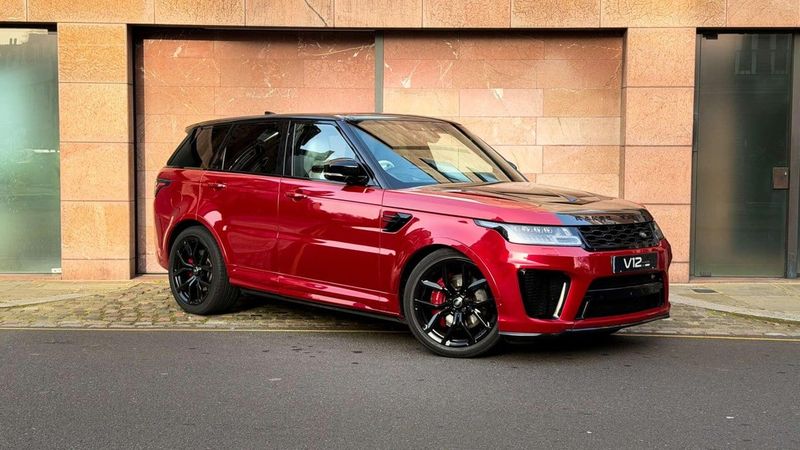
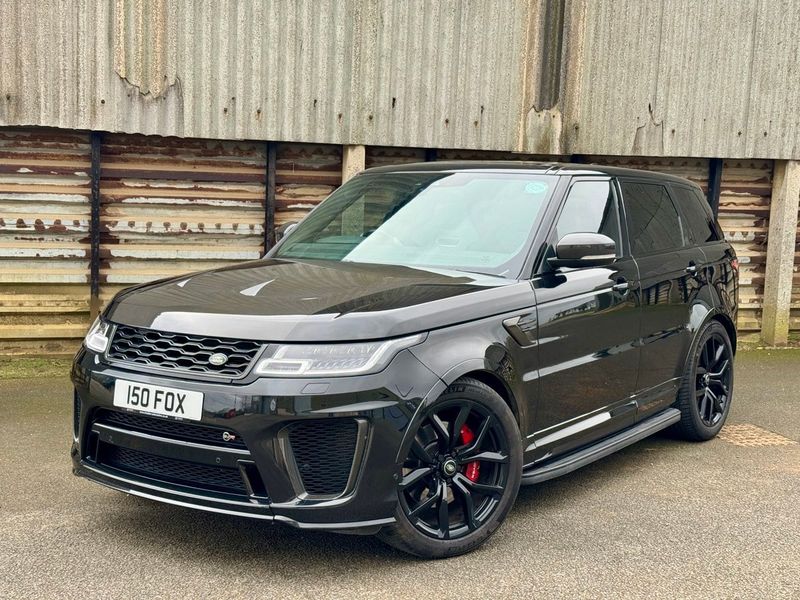
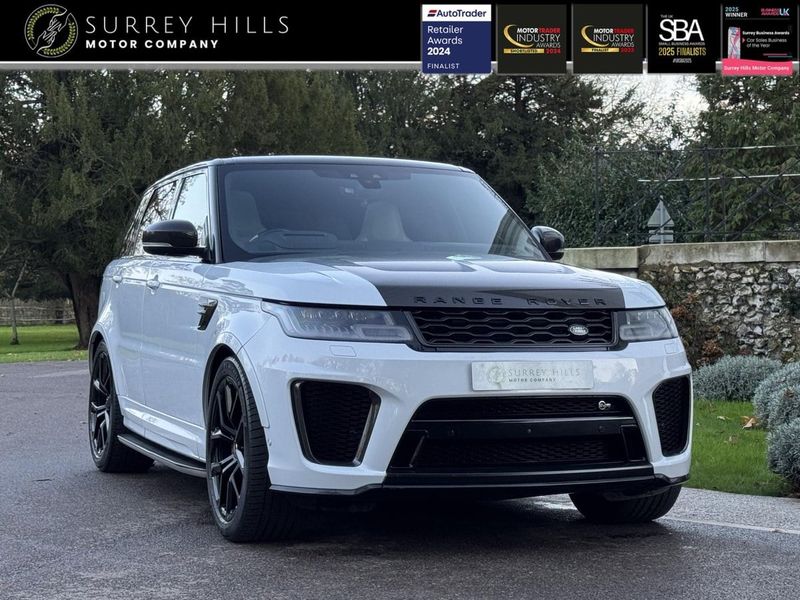
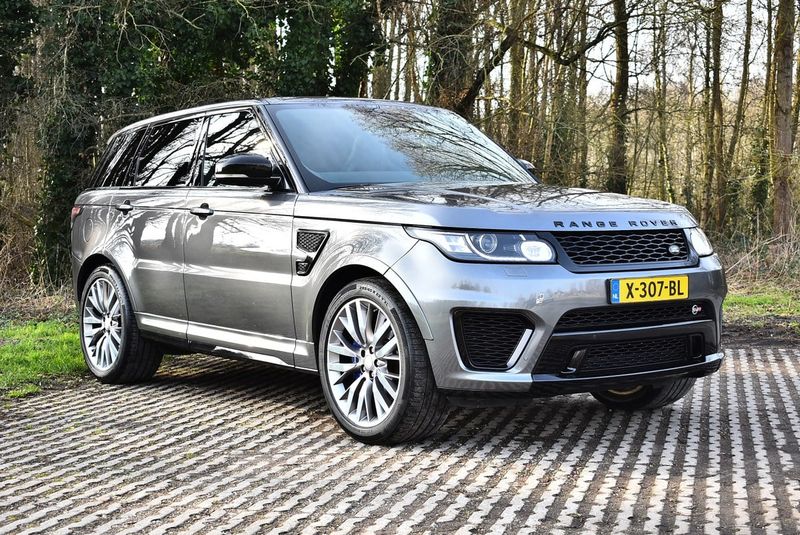
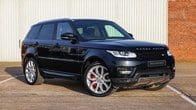
SVR variants feature comprehensive bodywork modifications including enlarged front air intakes feeding the intercoolers and brakes, carbon fibre bonnet vents (standard from 2018) extracting engine bay heat, sculpted side sills incorporating larger cooling ducts, and quad exhaust outlets with 100mm diameter tips. Functional aerodynamics include a deeper front splitter generating additional downforce at speed, side skirt extensions managing underbody airflow and a larger rear spoiler (deployable or fixed depending on specification).
The SVR sits 15mm lower than standard Sport models, courtesy of revised suspension geometry. Wheel options span standard 21-inch five-split-spoke designs through to optional 22-inch forged items in gloss black or diamond-turned finishes. Beyond functional elements, SVR badging appears on the front grille, tailgate and side vents, while unique LED headlight signatures and SVR-specific grille meshes distinguish this variant from standard Sport models even at a distance.


SVR-specific front seats feature enhanced bolstering, perforated leather facings improving grip during spirited driving and embossed SVR logos on headrests. The seats have 16-way power adjustment and heating/cooling. Interiors incorporate unique aluminium trim pieces, optional carbon fibre dashboard inserts, contrast leather stitching and illuminated metal treadplates. The steering wheel features perforated leather with contrast stitching and paddle shifters finished in anodised aluminium - these are plastic on normal Sports.
The SVR’s standard specification matches HSE Dynamic. That means dual-zone climate, a Meridian sound system, dual-screen infotainment and configurable digital instruments. SVR-specific displays include boost pressure, oil temperature and stopwatch functions. Unlike hardcore performance variants from competitors, the SVR still packs luxury equipment including powered seats and comprehensive sound insulation. Rear seating accommodates three adults comfortably, though there’s less legroom than in a flagship Range Rover, while the optional third row is suitable only for children or adults of restricted verticality.


The SVR shares its passive safety roster with standard Range Rover Sport L494 models. That means multiple airbags, robust aluminium monocoque construction and crumple zones optimised for crash energy management. SVR-specific safety enhancements centre on the car’s braking performance, with 395mm front and 365mm rear ventilated discs paired with Brembo six-piston front calipers. The electronic stability programme calibration allows more slip angle before intervention as well.
Standard driver assistance equipment on SVR models matches HSE Dynamic specifications. That means autonomous emergency braking, lane-keeping assistance, blind-spot monitoring and adaptive cruise control with queue assist. For more detailed generation-wide safety specifications and crash test ratings, check out our Range Rover Sport second-generation buyer guide.
The Range Rover Sport SVR suits performance enthusiasts who are willing to trade higher running costs and a firmer ride quality for supercar-challenging acceleration and aggressive character.
Key advantages:
Exceptional performance: a 4.3-second 0-60 time and 174 mph top speed rival dedicated sports cars, which don’t also offer practicality and go-anywhere versatility.
Comprehensive engineering: Special Vehicle Operations enhancements extend beyond power to upgraded suspension, brakes and active differential.
Distinctive presence: Aggressive styling, quad exhausts and SVR-specific details collectively give good rear view mirror.
Daily usability: Unlike track-focused variants, the SVR retains a generous roster of luxury equipment and refinement.
You’ll pay up to a £40,000 premium over HSE Dynamic while enduring a firmer ride quality (this car is actually quite unsuited to poor road surfaces) and higher insurance/maintenance costs, not to mention 18 mpg fuel consumption.
Price trends
Venta más reciente
59.990 £
2019 Land Rover Range Rover Sport SVR L494

Actual en venta
95
0 subastas en marcha
95 anuncios


Total vendidos
540
Precio de venta más alto
122.800 €
Precio promedio
48.049 €
Precio más bajo
7476 €
FAQs
The SVR delivers sharper throttle responses, a more aggressive exhaust note and a noticeably firmer ride quality that transforms B-road engagement at the cost of comfort. Its 75 hp power advantage proves marginal in real-world conditions; both variants feel rapid, but the HSE Dynamic's superior refinement, better economy and lower pricing make it more appropriate for daily driving unless extra performance justifies the means.
SVR ownership requires deep pockets. It only runs on premium fuel, while annual servicing costs can reach £2,000 at specialist workshops familiar with supercharged V8 maintenance, and insurance premiums may be 50 per cent higher than on HSE models. Budget £1,200 for four replacement tyres, while brake component longevity suffers despite Brembo quality. Budget £6,000-9,000 a year in maintenance costs (not including depreciation) if you’re covering eight thousand miles.
The SVR reprises Land Rover's Terrain Response 2 system (managing traction across varied surfaces), electronic air suspension which adjusts ride height for obstacles, and permanent four-wheel drive with an active differential optimising torque distribution. For serious off-road use, Sport HSE specifications are superior, whereas the SVR prioritises on-road performance.