35 Greatest Supercars Of All Time

September 24, 2025
Nobody needs a supercar. They’re expensive, impractical, and awkward to live with. But anyone with so much as a hint of petrol in their veins can’t help but be wooed by their speed, exclusivity and the sense of drama they create.
Supercars represent the pinnacle of road-going performance from their respective eras. The best of them are fast, loud and achingly beautiful. Powerful engines, styling by the world’s best design houses, and cutting-edge technology come together to create the most exquisite automobiles money can buy.
The Car & Classic team has got together and compiled this list of our 35 Greatest Supercars Of All Time.

1) Mercedes-Benz 300 SL ‘Gullwing’
Believed by many to be the world’s very first ‘supercar’, the genre-defining 300 SL represented a quantum leap in automotive design and engineering, with its iconic vertically opening ‘Gullwing’ doors, ‘super-leicht’ space-frame chassis and fuel-injected OHC straight-six engine.
Famed American importer Max Hoffman recognised US buyers’ appetite for a high-performance sports car, so he urged Mercedes-Benz to develop a version of its W194 racing car for the road. Hoffman was so sure of himself that he committed to buying 1,000 SLs in order to justify his pitch to the factory. The gamble paid off, and Mercedes sold 80% of the 1,400 300 SLs built to the United States.
2) Lamborghini Miura
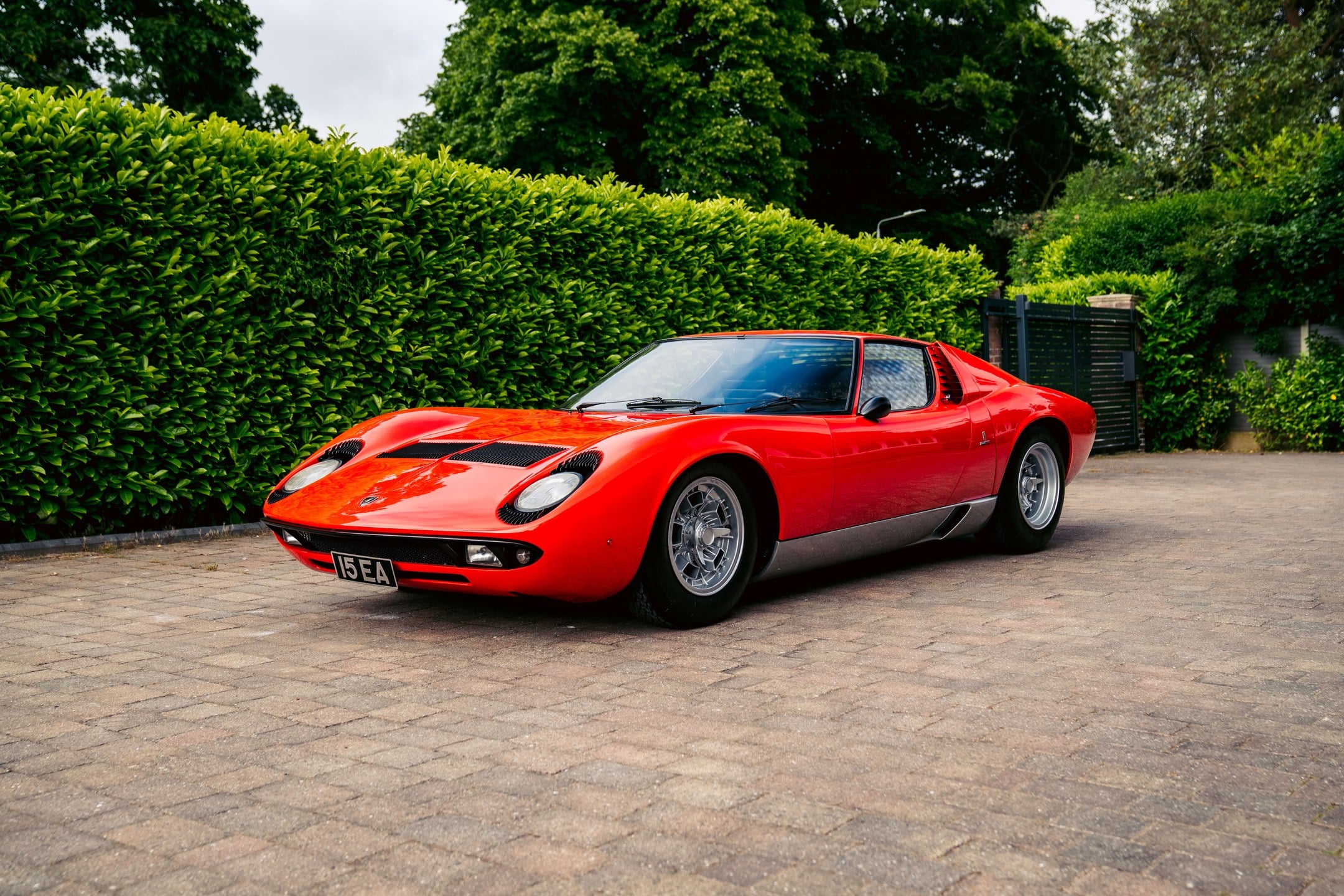
Cue Matt Monro, an Alpine pass and hopefully an absence of bulldozers…Upon launch in 1966, it was the fastest production car in the world, but the Miura would never have been built without Lamborghini’s engineers working away secretly behind Ferruccio’s back.
Inspired by the Ford GT40, the Miura was Lamborghini’s first mid-engined car, featuring a transversely-mounted V12 with its gearbox mounted in the sump – much like the Mini. But what really left an impression was the way the Miura looked. Styled by Marcello Gandini of Bertone, it’s often cited as one of the most beautiful cars ever made. With a starring, albeit brief, role in the opening credits of the ‘Italian Job’, the Miura was the supercar the whole world wanted.
3) Ferrari F40
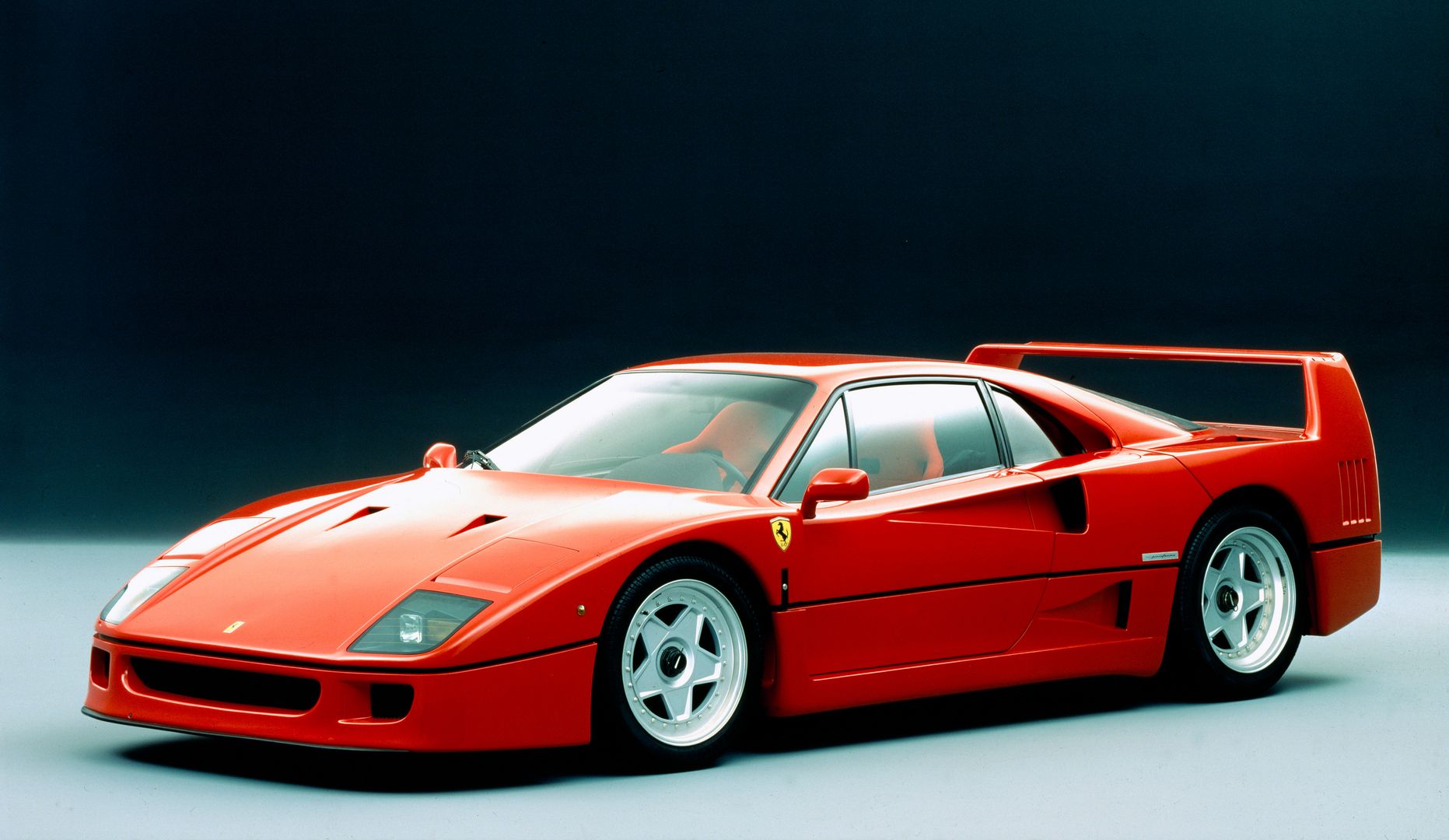
Built to celebrate forty years of Ferrari, the F40 is among Maranello’s most spartan no-nonsense supercars of all time. It was so powerful, Pirelli had to develop a new tyre specially for it. There are no carpets, no creature comforts, no traction control. In short, if it isn’t strictly necessary to make the F40 go fast, it isn’t included. Even the red paintwork is kept as light as possible; you can still see the carbon fibre weave underneath it! The
F40 was designed as an open-wheel racing car, to which the clamshell bodywork was fitted over the chassis. Styling was entrusted to Ferrari’s favourite carrozzeria – Pininfarina. Today, it’s still one of the most desirable and indeed exciting supercars the world has ever witnessed.
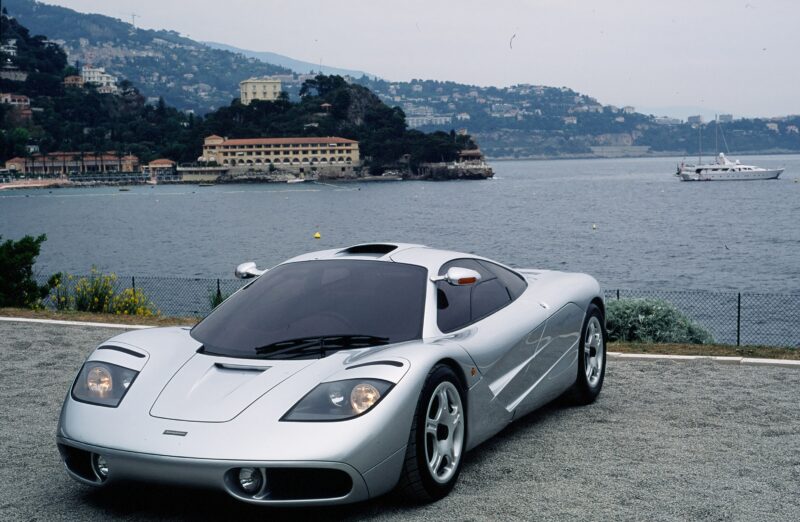
4) McLaren F1
As the last road-legal production car to win the 24 Heures Du Mans outright, and the world’s fastest production car at the time of launch, the McLaren F1 is still regarded by many as the greatest supercar of all time. The brainchild of engineering guru Gordon Murray, the F1 featured the world’s first carbon fibre monocoque chassis. The use of exotic materials didn’t stop there, with Kevlar, magnesium, and even gold being used extensively in the car’s construction.
Murray was adamant that it would be naturally aspirated to make the F1 as controllable as possible, so a 6.1-litre V12 courtesy of BMW was mounted amidships. The F1’s unusual three-seater layout, with the driver sitting centrally, gave the F1 the feel of an open-wheel formula car – and it had the performance and handling to match. Famous McLaren F1 customers included Rowan Atkinson, George Harrison, Nick Mason, Jay Leno, and Ralph Lauren. Even Tesla founder Elon Musk was seduced by one of these V12 monsters.
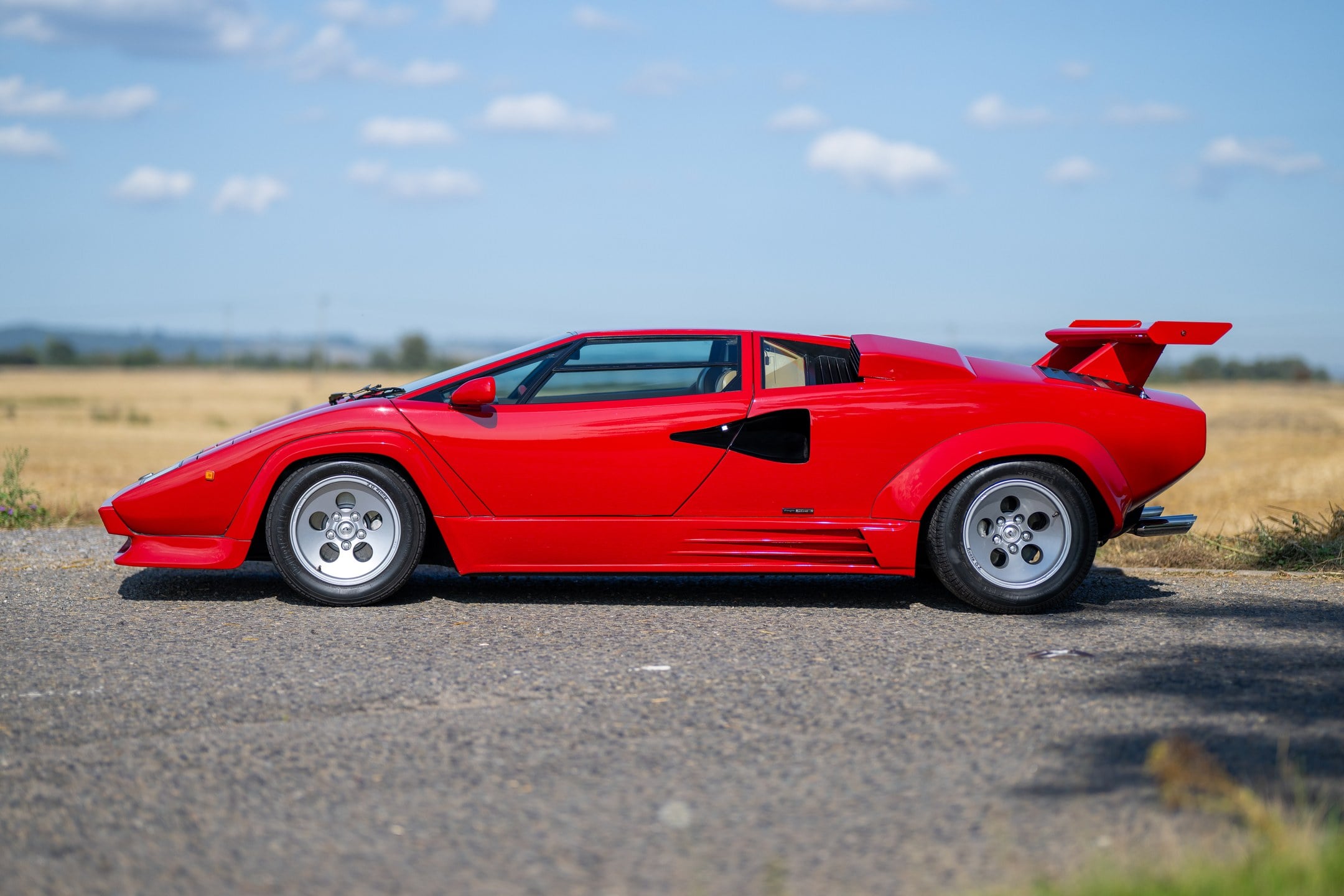
5) Lamborghini Countach
Arguably a bigger ‘80s icon than even Madonna, the Lamborghini Countach was originally commissioned as a successor to the Miura. To do so, it would really have to make an impact, and with the benefit of hindsight, we can certainly confirm that the Countach did just that. Unashamedly angular in its proportions, the Countach was styled by the very same man who penned the Miura – Marcello Gandini. On the face of it, the two cars look very different, but both are equally striking. With a fire-breathing V12 at its heart, and often a striking yet entirely superfluous wing at the back, the Countach was ’80s excess at its finest.
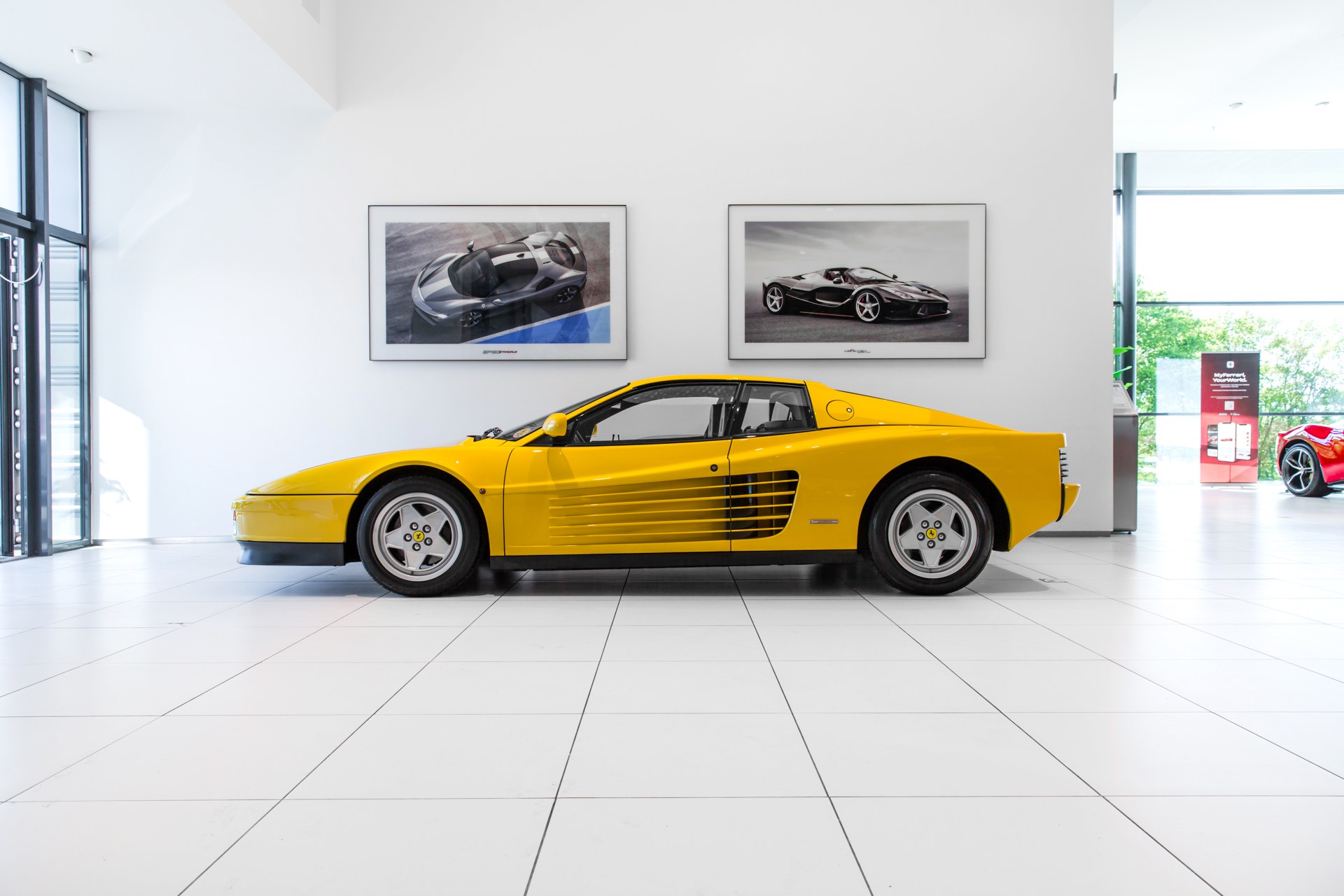
6) Ferrari Testarossa
With its dramatic, wide-hinded styling courtesy of Pininfarina, the twelve-cylinder Testarossa is an all-too-fitting reaction to the Countach. The two were fierce, space-age rivals that took up as much space on ‘man-cave’ manifestation walls as they did the best car rankings of their day, with famous owners ranging from Rod Stewart to Mike Tyson.
They’re still achingly handsome, still brutally fast, and those signature side strakes have become an aftermarket inspo for any car with wide arches.
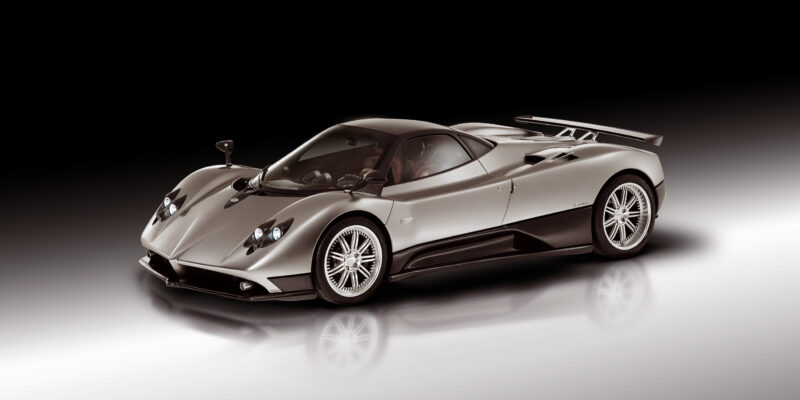
7) Pagani Zonda
In the late ‘90s, the world of supercars and hypercars didn’t have a natural, unfulfilled niche. Not many people had the deep pockets required to buy one, and if they did, they went straight to Ferrari or Lamborghini to satisfy their high-speed urges.
Pagani changed that. The 6L C12 and then the 7.3L C12-S combined cutting-edge composite technology with viscerally quick Mercedes powerplants. Clever, but perhaps not entirely new. The firm’s twist was to make the Zonda as much of a design masterpiece as a road warrior. It looked quite unlike anything else, whilst inside, the interior had a designer’s eye for detail. Horacio Pagani knew that his cars would spend more time being admired in static collections than actually being driven, and he conceived them accordingly.
That is not to say that driving a Zonda isn’t brilliant. Reviewers have been frothing about them since the first cars were produced over 25 years ago. Just 150 were built, and they rarely appear in public or on roads, which tends to suggest Horacio was right.

8) Spyker C8
From time to time, a group of enthusiasts and investors gets together, likely in a ski lodge, probably involving a lot of Dom Perignon, and decides that the best way to burn through their fortunes is to build their dream supercar. The rest of us grab the popcorn, admire the daring first fruits of their endeavours and sit back and wait for the inevitable implosion. Spyker is different. Despite the bold goal of building a new supercar from scratch, it has endured since 1999 and produced a steady flow of cars.
To create its boutique V8-powered supercar, the team rejuvenated the name of a historic Dutch carriage maker and turned every single dial up to 11. The C8 is like a high-end designer watch, a beautiful and exquisitely detailed car that is as much an aesthetic triumph as four-wheeled transport. Tellingly, it was the first car in the world to offer Louis Vuitton luggage as an option.

9) Honda NSX
Back in the 70s and 80s, if you bought a supercar, you’d better have a mechanic with you at all times. Ideally, a trailer too. Make that a mobile workshop, if funds allow. Most of these cars emanated from Italy, and the products of Maranello, Sant’Agata, and Modena were rather stronger on Latin verve than reliability.
Step forward, Honda. Just like Ford with its GT40 two decades earlier, the Japanese outfit had a point to prove, and that was that a lowly builder of humdrum shopping trolleys could be more than a match for Maranello et al.
The resulting NSX is the supercar you can buy with head and heart. It was utterly reliable and devastatingly good. Ayrton Senna was heavily involved in its development and loved the result so much that he owned several. The car has evolved through generations, but it doesn’t matter whether you buy one from 1990 or 2022; you’re getting a supercar that proves you really can have it all.

10) Shelby Cobra
If you come across muscle car madness in the 1960s, chances are that Shelby is to blame. The AC Shelby Cobra was the result of Carol Shelby shoehorning a Ford V8 into a svelte British AC sports car. With an excellent power-to-weight ratio and handling honed by some of the best chassis engineers of the day, the Cobra became practically unbeatable on the US race circuit, cementing the reputation of Shelby American and paving the way for the GT40.
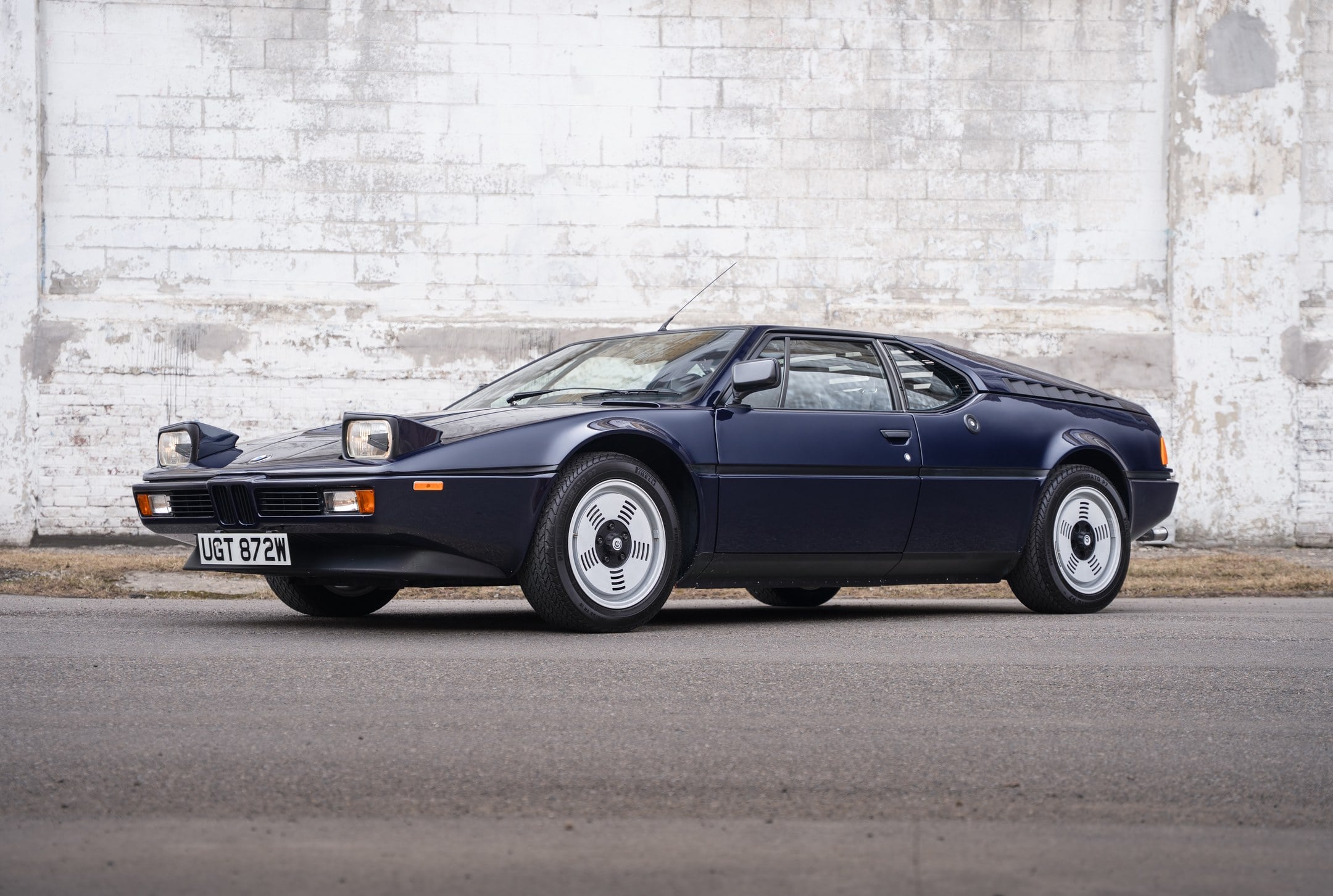
11) BMW M1
In case the name wasn’t a giveaway, the M car tradition began here. BMW wanted to challenge Porsche in Group 5 racing, so it asked Giugiaro and Lamborghini to engineer a fresh-sheet car to do exactly that.
As perhaps could have been predicted, just one part of that plan worked. In the 1970s, the chaps at Sant’Agata operated a less positive balance between lunch time and work time, a balance that later improved with Volkswagen ownership, and the M1 project rather went off the rails. The car was completed by Italengineering and went on sale in 1978, equipped with a brand new M88 3.5L straight six engine.
Racing homologation required 400 to be built, and in the end, 453 left the works. A dedicated race series ran alongside the 1979 Formula One season and was won by Nikki Lauda. In the 1980s, the car ran at Le Mans, proving successful.
For years, the M1 has been viewed as an unusual departure for an otherwise highly focused car company. Today, its crucial role in the development of M cars is indisputable.
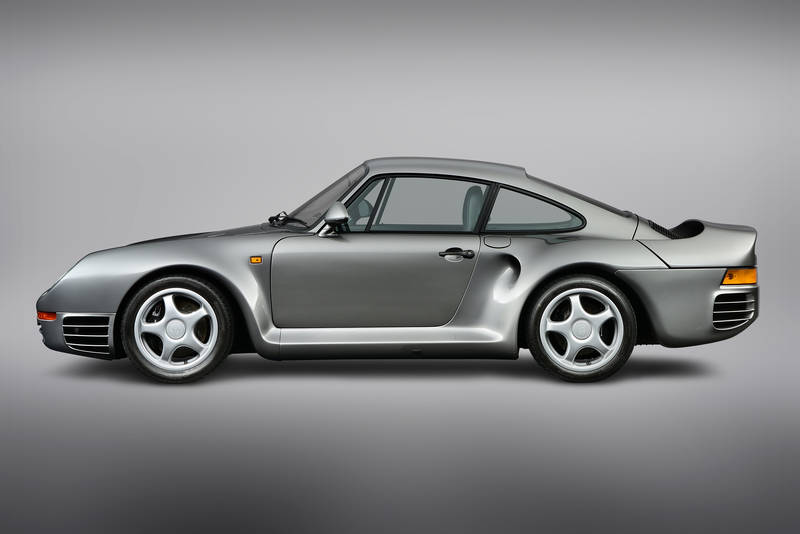
12) Porsche 959
In the early ‘80s, everyone was learning from tractors and trucks. Harry Ferguson’s Ferguson Formula had paved the way in the ‘60s, and in the late ‘70s, Audi popularised it with the Quattro. Porsche saw the future and wanted in on the action.
The 959 was developed to exploit the 911 format in combination with the firm’s fledgling AWD technology. Naturally, because 4WD obviously meant rallying, Porsche would take its new supercar rallying. Of course it would.
Of course it did. A pre-production 959 would snatch the title on the ‘84 Paris-Dakar-Paris rally and go on to take a ‘one-two’ victory in 1986. It made the Martini-liveried 959 world famous.
Sadly, only the famous could actually buy one because they cost $225,000 new, equivalent to $640,000 now. Bill Gates had one, so did Jerry Seinfeld. Just 292 were sold. Today, they trade at upwards of $1 million. Which, when you consider the rest of this list, is a bit of a supercar bargain. No need to thank us now.
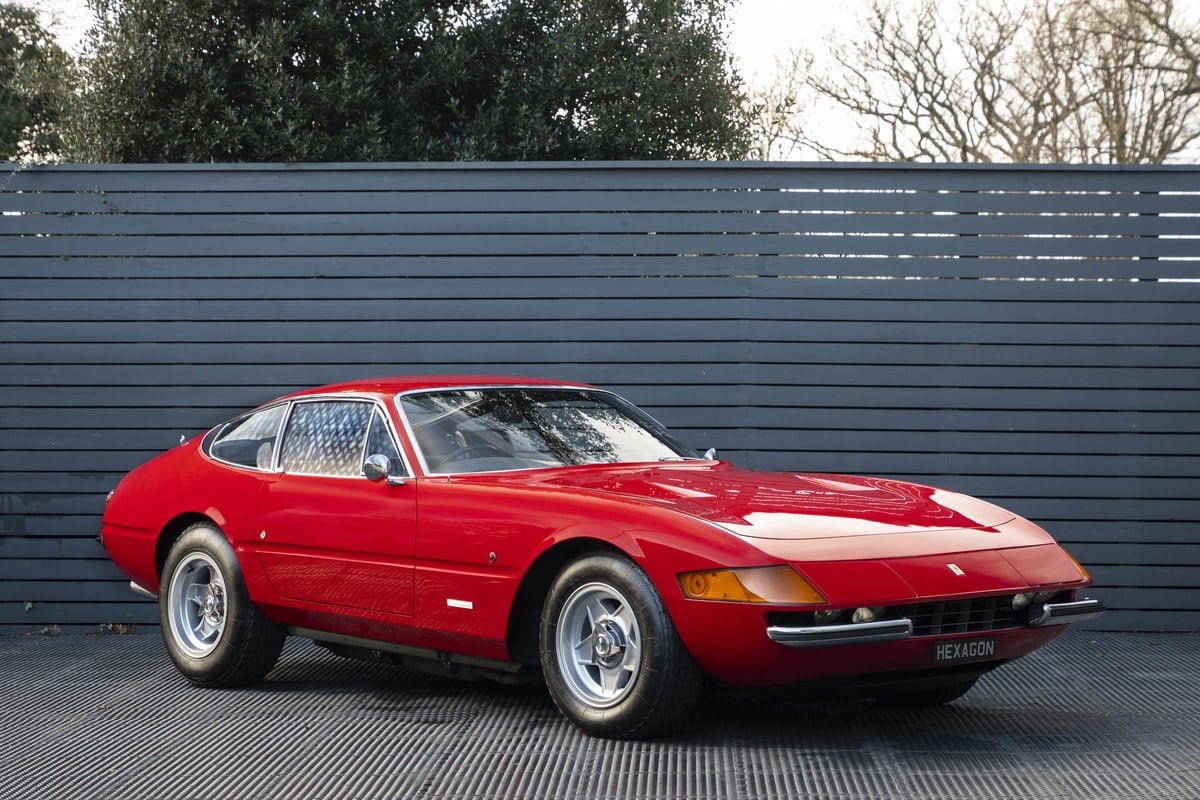
13) Ferrari 365 GTB/4 ‘Daytona’
In the 1960s, Enzo saw his road cars as a means to an end, with that end being funds for racing. There had been pretty Maranello GTs before the 365, but the Daytona was in a different league.
Styled by Pininfarina’s Leonardo Fioravanti, who had cut his Ferrari styling teeth on the Dino, the Daytona was the classic fastback-styled, front-engined V12 riposte to Lamborghini’s Miura. Whether the mid-’60s Ferruccio-Enzo rivalry and the beauty of the Miura, launched two years earlier, made the Daytona better than its predecessors, we’ll never know.
The Glitterati, including Frank Sinatra and Peter Sellers, queued up to buy Daytonas. Just 1,406 were built. It set the GT style template and influenced hundreds of copycats, most famously the Rover SD1. Ferrari has never officially acknowledged the Daytona name, but it has tried to ‘re-imagine’ the shape. The original will always be the best.

14) Dodge Viper
The Shelby Cobra was, and still is, brilliant. So brilliant that many replicas and evolution models have arrived in the decades since the original was built. But they have all concentrated on recycling and evolving. Nobody has ever asked, ‘What would a brand new, modern Cobra be like?’
Except Bob Lutz. Bob, as head honcho at Chrysler, was in the fortunate position of being able to ask the question and demand an answer.
Result: the Dodge Viper, a snarling, spitting, 8.0-litre V10-powered supercar monster. Just like the Cobra, it took the simple idea of putting a big engine in a light car and made it as good as possible.
The Viper is the sort of car you can’t imagine going anything but sideways in a cloud of tyre smoke. You can hear the rumbling V10 just by looking at a photo. It might not have quite the iconic style of the Cobra, but it was certainly a credible, brilliant update.

15) Ford GT40
Perhaps it’s reassuring to discover that, between the dull number-crunching and waffling about strategy, synergies, thinking outside the box and low-hanging fruit, the world’s boardrooms occasionally descend into mere score-settling. Certainly, without it, there would be no Ford GT40.
This car only exists because Ford couldn’t buy Ferrari. In a fit of pique, it commissioned a car that would beat Enzo at its own game, namely, win Le Mans. So-called because it was 40in high, the GT40 did exactly that, helped by a team of blue-chip racers. The car won every year from 1966 to 1969 and fundamentally changed how its competitors designed cars. Only around 100 were built, all for racing use, but the car has inspired a huge number of replicas and evocations, as well as modern retro-inspired official models.

16) De Tomaso Pantera
Much like the big cat that gives the car its name, the Pantera is sleek, fast and aggressive. Designed by the American-born Tom Tjaarda, though, there’s something here well beyond the Pantera’s more traditional continental counterparts. The muscle-car influences can be seen throughout, from the big Hollywood chin to its wide stance.
The Pantera had American ambitions from day one, too, and was packed with luxury features and tech that were rarely seen in a European car at the time. Everything from electric windows to cigarette lighters adorned the cabin, while the seats felt laid-back and comfortable.
Clocking up 7,260 units between 1971 and 1992, they’ve become a real taste of exotica since. You won’t see them come up to market often, but when you do, we’d advise you to get in there!
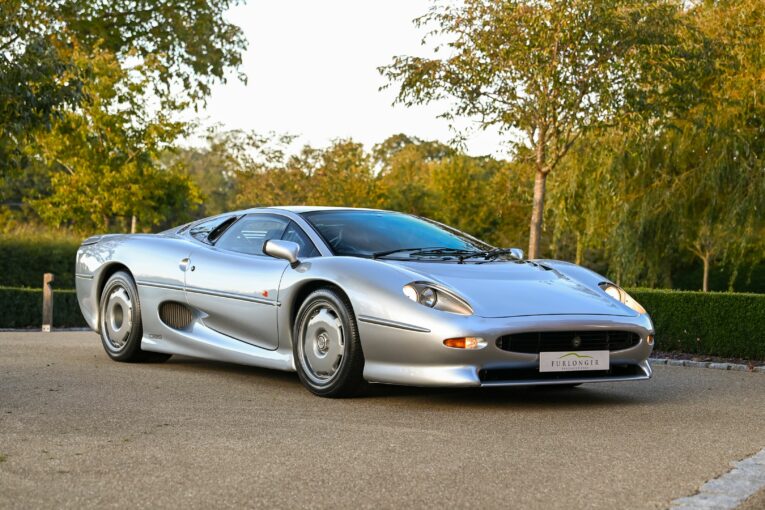
17) Jaguar XJ220
Flush with Ford money and egged on by long-term egger onner TWR, Jaguar decided to build a Ferrari F40-rivalling ‘halo’ car. Not an obvious idea, we’ll admit, but this was the early 90s, and chutzpah pervaded the Browns Lane board room after decades of underinvestment.
The story of the XJ220 is all about the yawning gap between plans and reality. It was meant to be a V12-powered AWD technological tour de force. After a very long wait, what the eagerly expectant buyers got was a V6 RWD car, albeit one that looked fantastic and went just as quickly as any V12. Orders were swiftly cancelled, and Jaguar struggled to shift them, with just 282 being produced. The car has never quite shaken off that disappointment. That is a huge shame because it is one of the best-looking, innovative and boldest supercars built by a firm too often associated with recycling its design heritage.

18) Lotus Esprit
It’s been 53 years since Guigiaro wowed visitors to the Turin Show with his simply named ‘Silver Car’ concept. It went on, little changed, to become the Esprit of 1975. Wedgier than a warehouse of pre-packed Stilton cheese and lighter than anything built on the Apennine Peninsula, the Esprit catapulted Chapman’s Lotus into the supercar league.
There would be many evolutions of the Esprit. It gained turbos and more cylinders that kept production rolling for 28 years. But whether you’re here for the underwater Bond-based antics, the JPS liveries, the rumbly V8s or the forced induction, the Esprit remains one of the most distinctive and influential British supercars of all time. Heck, it even made the DeLorean possible.
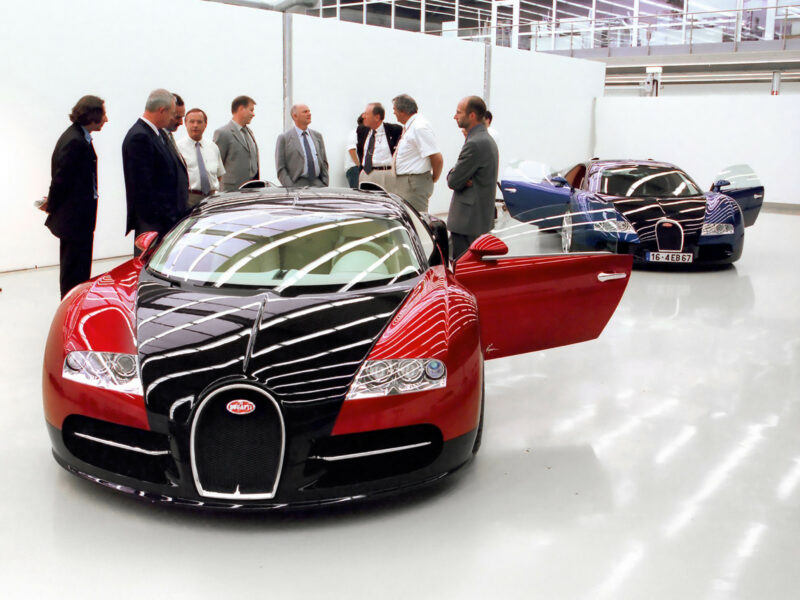
19) Bugatti Veyron
Never has a paean to the word ‘no’ been so beautifully rendered. The Veyron was the brainchild of Ferdinand Piech, who, for perhaps personal as well as professional reasons, wanted to build the best car in the world. To do that, he had to say ‘no’ a lot. Every time any of his engineers said something couldn’t be done, he said that short, simple word.
The result is unquestionably one of, if not the, greatest supercar of the petrol-powered era. 1001bhp – that extra 1bhp feels crucial – from its W16 8L engine puts over 200mph in reach. Its performance was so ‘out there’ that special tyres had to be made.
There are different flavours of Veyron, but any Veyron is worth savouring. It celebrates its 20th birthday in 2025, and yet it is still a performance and driving benchmark. To many, it remans the ultimate supercar.

20) Aston Martin V8 Vantage
For too long, Porsche had the supercar mid-market sewn up with the 911. Its evolution into the 996 made it the default choice for anyone who wanted a premium-badged sports car. It was a surprise, then, when a tiny British builder of hand-crafted GTs decided to get in on the act.
That company was Aston Martin and the car was the V8 Vantage. Channelling the styling of the DB9 into a more compact sports car was inspired, using proven Jaguar V8 mechanicals likewise. The new car retained the sense of a boutique, hand-built sports car, which made the 996 immediately look common and mass-produced in comparison.
That it was also very good to drive and devastatingly quick helped cement the V8 Vantage’s reputation. It’s probably not the sort of louche GT Bond would favour, but perhaps that’s all to the good. There are many flavours of V8 Vantage, but any example will reward the buyer on the road and, of course, in the garage whenever you take a sneaky peek.
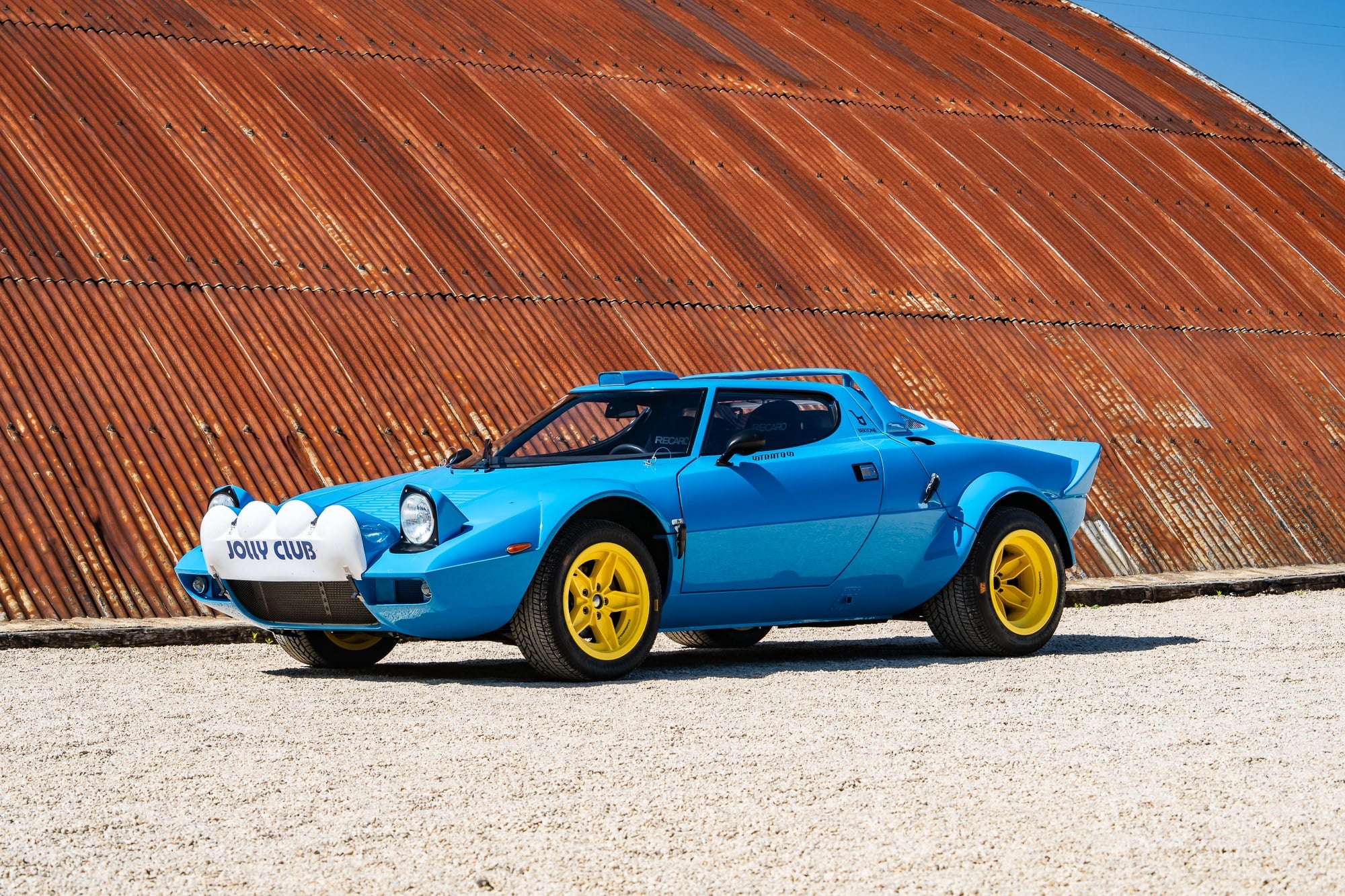
21) Lancia Stratos
Open a dictionary for the definition of ‘blue sky thinking’ and likely you’ll find a picture of the Lancia Stratos. It wasn’t, and still isn’t, an obvious idea, namely a rally car that looks like a supercar that just arrived from outer space. But desperation is the breeding ground for invention.
The desperation in this case was Bertone’s. It wanted a way to work with Lancia, which had always worked with Pininfarina. A chink of opportunity came in the form of the ageing Fulvia, for which cash-strapped Lancia needed a rallying replacement. Bertone tasked Marcello Gandini, fresh from the Miura and busy with the Countach, to pen a replacement.
What he created was based on the Fulvia chassis, but there the similarity ended. Chiselled, wedgy and with an abruptly curtailed rear, the Stratos looked unlike any other road or rally car and, thanks to its Ferrari Dino V8, went unlike them either.
Bedecked in iconic Marlboro, Alitalia and Martini liveries, the Stratos took podium after podium from 1974 to 1981, by which time the arrival of Audi’s Quattro put paid to its reign. The German was better, but was it more beautiful and characterful? Nope. Few, if any, rally cars before or since have been.
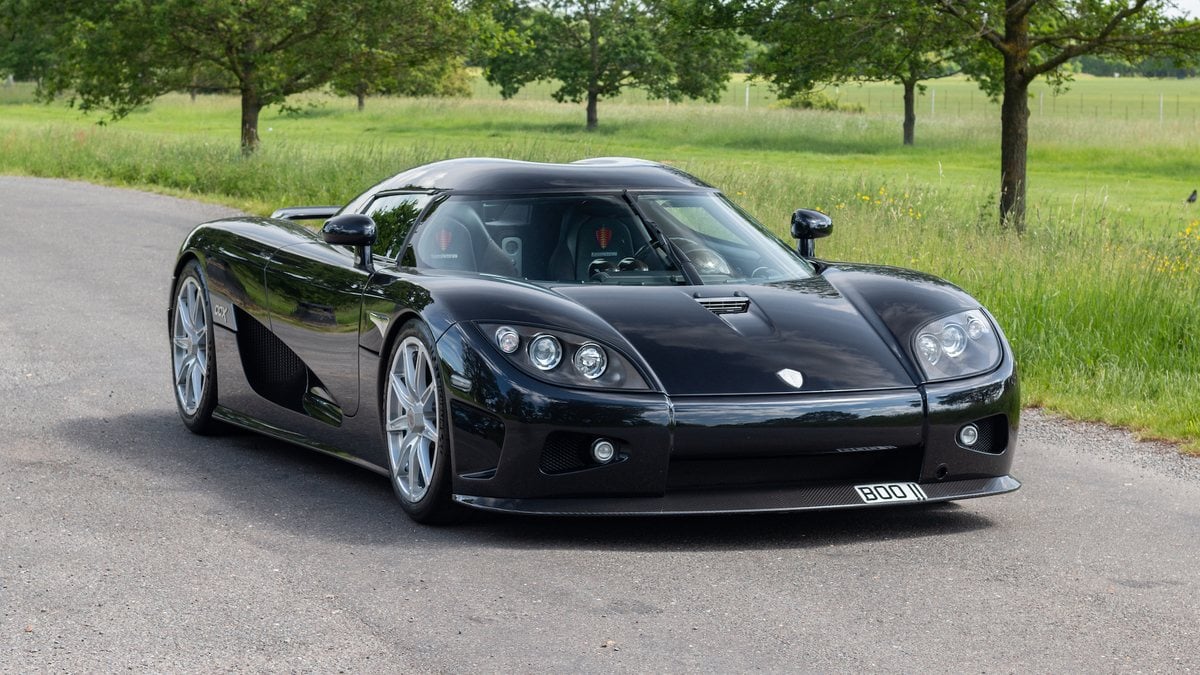
22) Koenigsegg CCX
Most 22-year-olds are still emerging, fresh-faced, into a bright new world of possibilities. Perhaps those possibilities involve a shift at McDonald’s, maybe an apprenticeship with PriceWaterhouseCoopers in the fascinating world of counting money.
Then there’s Christian von Koenigsegg, the 22-year-old who founded the erstwhile hypercar maker. Choosing to found a car company is the riskiest of risks; choosing to found one that aims to build the fastest supercars in the world is a whole other league of step-off-cliff craziness.
First Christian created the CCR, which made rivals and reviewers sit up and take notice. It was ridiculously quick. Then, in 2006, still aged just 34, he launched the CCX, the firm’s first global car. Here was a car with everything dialled to 11, including an engine hand-built to Formula One levels of engineering and tolerance. Its twin supercharged V8 delivers over 800bhp.
Only the Veyron is faster, and it is practically mass-produced compared to the 29 CCXs so far built. Not bad for a young chap from the automotive backwaters of Sweden.
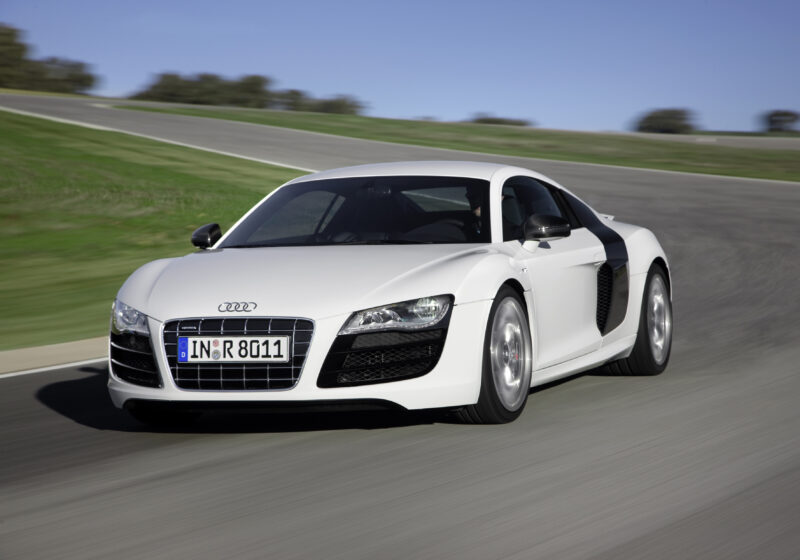
23) Audi R8
The official line is that the R8 was created to leverage Audi’s Le Mans success. But perhaps the real reason lies closer to home. Because until the R8 arrived, Porsche really had no rival in the ‘supercar that works as an everyday car’ niche. Until the R8 arrived, with its impeccable Audi engineering, if you wanted a supercar you could use daily, the only option started with a 9.
It helped that the VAG could share the development cost with Lamborghini, whose Gallardo is closely related to the R8. Where the Italian was a little more, how shall we say, ‘handbuilt,’ the R8 was constructed to the same standard as Audi’s regular road cars. There was also a wide range of engines and that classic Quattro drivetrain, all wrapped in the sort of mid-engined show-stopping bodywork that instantly made the 911 look ordinary.
Production ended in 2024, so in a sense, the 911 won. But when you consider how planted and dramatic any R8 will always be, did it?
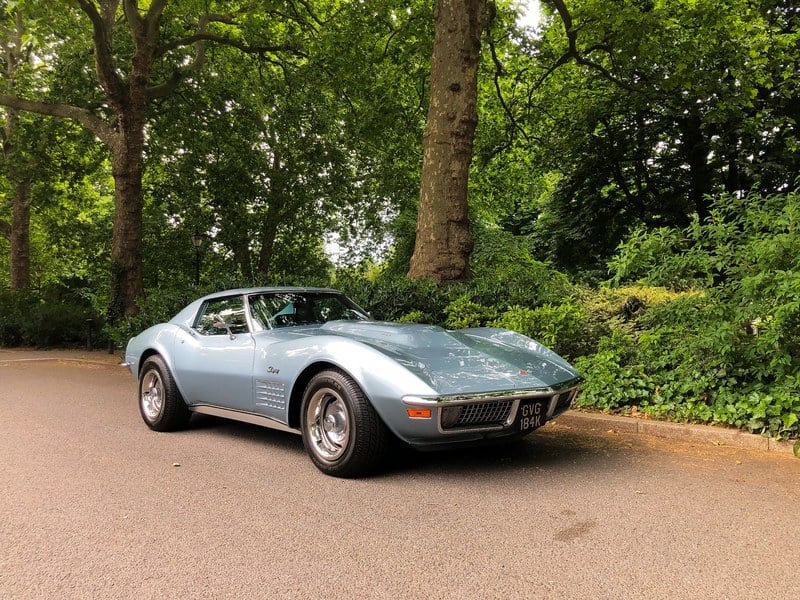
24) Chevrolet Corvette
In the immediate postwar years, Europe was in an ‘export or die’ drive. That meant selling cars to the only country with a burgeoning economy – America. Instead of slapping tariffs on these British and Italian upstarts, Detroit responded by playing them at their own game.
Sort of. The original Corvette was conceived as a European-themed sports car, but bigger, more comfortable and certainly more chrome-oriented than those ‘old world’ rivals. The first cars weren’t very quick, but Chevy’s new small block V8 quickly fixed that.
Almost every subsequent generation of Corvette has been era-defining. If you want your movie to evoke a certain place and time, dump a Corvette in shot. Ditto imbuing your character with a certain louche, tyre-smoking flair, put them in a Corvette.
That Chevy has continued to keep the Corvette relevant over eight generations and close to 75 years is, frankly, one of motoring’s greatest achievements. It was and still is America’s supercar.

25) Jaguar E-Type
Some supercars on this list are the result of marketing bods and engineering types spending hours in a hot room talking about ‘product cycles’ and ‘market niches.’ Not so the E-Type. The car that has become an icon began life as an after-hours styling exercise designed to win Jaguar back the Le Mans crown.
Events, namely the Browns Lane factory fire, changed all that and put the E-Type on the path of showroom greatness. The E-Type evolved through three ‘Series’ into the car it was arguably always meant to be, a louche V12 grand tourer, along the way garnering plaudits from Enzo Ferrari and celebrity customers like George Best.
Although it probably never could reach its claimed 150mph, the E-Type is regularly voted the world’s most beautiful car, and few cars deliver a windscreen view quite like it.

26) Bentley Continental GT
Before the Continental GT, there was a whiff of Bentley’s mojo returning. The arrival of the Conti GT signalled that said mojo was firmly back.
The statistics speak for themselves: a sophisticated W12 engine delivering 550bhp thanks to twin turbocharging. Then there’s the AWD drive chassis that owes its genesis to Audi’s Quattro. This was a car that those illustrious Bentley Boys would recognise, and one that was so quick that it might just induce a squirmy moment from even those most committed of bescarfed pre-war racers.
The Bentley’s party trick was to deliver supercar performance without the usual histrionics. It was as comfortable as an exclusive London club and as practical as a Mondeo thanks to its big boot and spacious cabin. But we bet a Mondy couldn’t be trimmed exactly the way you want using the finest natural materials available.
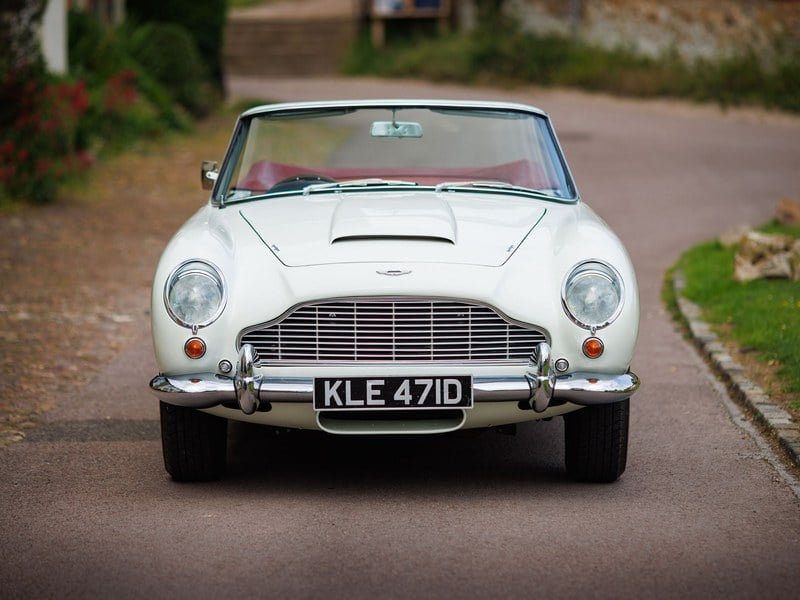
27) Aston Martin DB5
No car comes attached to a certain four-letter word quite like Aston Martin’s DB5. But no, we’re not going to go there. Instead, we’re all about why the DB5 is one of the ‘60s most stylish and capable GTs, which were supercars before the word entered circulation.
Today, Aston Martin is as British as warm beer and fish and chips, but back in the ’50s and ‘60s, it was an arriviste interloper, a jazzy brand for the nouveau riche. The DB5 epitomised the era. It sat at the vanguard of a new celebrity-infused lifestyle promised by films and music, one defined by trans-continental trips on the new-fangled autoroutes to warm beachside boulevards, or perhaps the roulette table at the Casino Royale.
Dammit.

28) Noble M600
Leicester may lack the motoring kudos of Maranello, or even Molsheim, where Bugatti built the Veyron, but it is certainly right up there with Woking, home of McLaren. Because it is in Leicester that Lee Noble conceived and built his Veyron, F1 and F40 slayer – the M600.
Just 30 of these 555bhp hypercars were built, likely because at £200,000 they were about four times more expensive than any previous Noble. Yet they were really something of a bargain. The 4.4L V8 may have originated in Volvo’s XC90, but it was massively upgraded by Noble and built by Yamaha to deliver Veyron-esque performance. Thanks to Noble’s experience designing his own cars, plus Ascaris and Ultimas, on the road, the M600 drove like the F1 and F40, and it looked sensational.
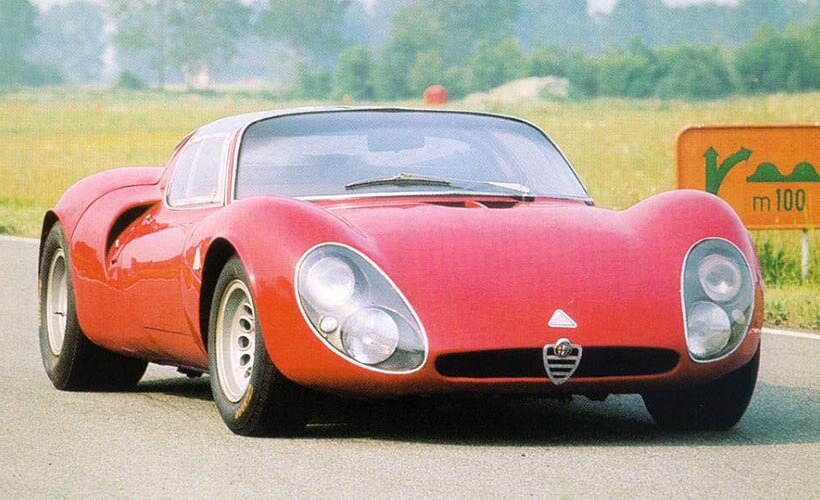
29) Alfa Romeo 33 Stradale
There are two 33 Stradale, the original from 1967 and the remake from 2025. Both are beautiful and brilliant.
The story starts with the Championship-winning Tipo 33 race car. To parlay track success into showroom sales, Alfa built 18 road-going versions, or ‘Stradale.’ They were designed by Scaglione, built from lightweight aluminium and powered by a 2L V8 that was closely related to the race car engine. In 1968, it was the most expensive car in the world.
Spool forward nearly 60 years, and Alfa is in the supercar market again. The new Stradale is less about race heritage, more about recycling heritage. But no matter, because it is still brilliant. Priced at £2m, just 33 are available, each one powered by a 3L 621bhp twin turbo V6 and fully bespoked and personalised for each buyer.
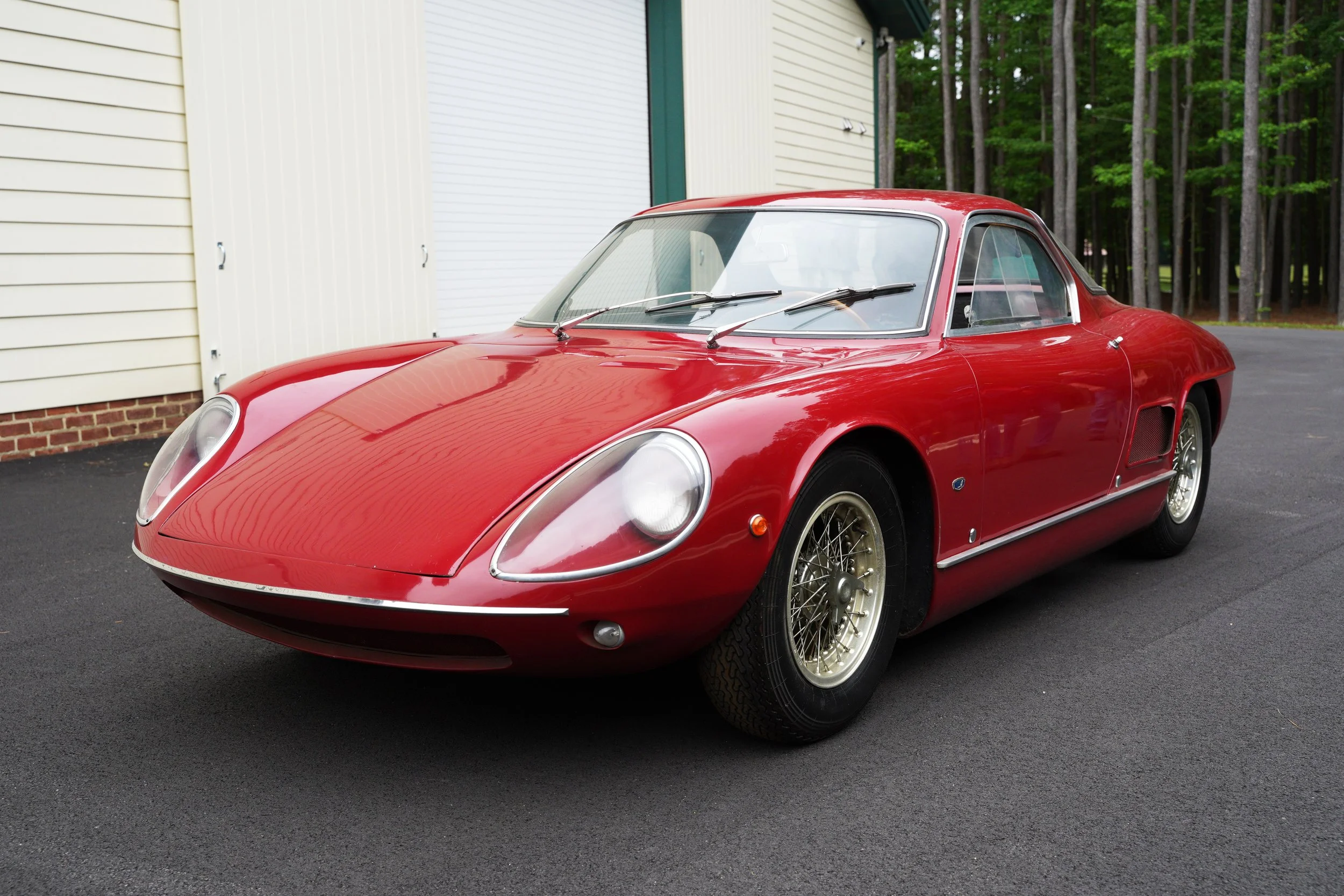
30) ATS 2500GT
Il Commendatore was not a man to be messed with. But while it may have upset his employees, we car enthusiasts can be thankful for Enzo Ferrari’s truculence. It gave us Lamborghini, Monteverdi and, less well known perhaps, ATS.
ATS is what happened when, in 1962, most of Enzo’s engineering team, led by Carlo Chiti and Giotto Bizzarini, downed tools and walked out. Fuelled by oodles of funding, they quickly founded Automobili Turismo e Sport (ATS). Their goals were ambitious – create a road car and a Formula One team within 12 months.
ATS managed to do both before the funding dried up and the whole shebang collapsed. The F1 results were dire, but the road car wasn’t. Just 12 ATS 2500 GTs squeezed their way out of the struggling factory, each one achingly beautiful and hugely capable thanks to that blue-chip engineering input.
Chiti would go on to make Alfa Romeo successful on track, and Bizzarini would gift the world a succession of cars, like the Iso Grifo, under his own name and that of others, most of whom he fell out with.
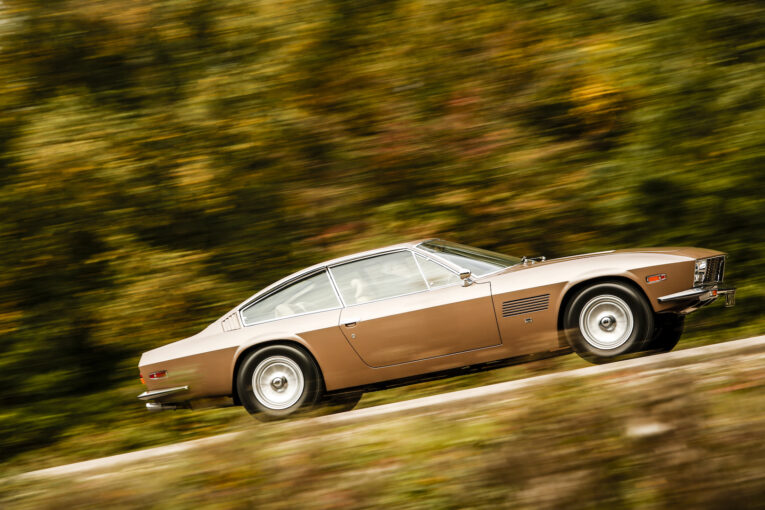
31) Monteverdi 375 High Speed
The story goes that Peter Monteverdi decided to build his own GT because he fell out with Enzo Ferrari. It’s a fable that definitely rings true, because everyone fell out with Ferrari, but it probably isn’t. Instead, it seems Monteverdi always had high motoring ambitions and for confirmation, you just need to look at a 375.
With a crisp design by Pietro Frau and a big block MOPAR V8, the directly named High Speed was built to tackle the new European autoroutes, at the heart of which, conveniently, sat Monteverdi’s Swiss factory. Badly built and yet absurdly expensive, not very many were sold, despite the model spawning 2+2, convertible and even saloon variants. Eventually, Peter packed in the GT lark and turned to the more lucrative pastime of inventing the five-door Range Rover.
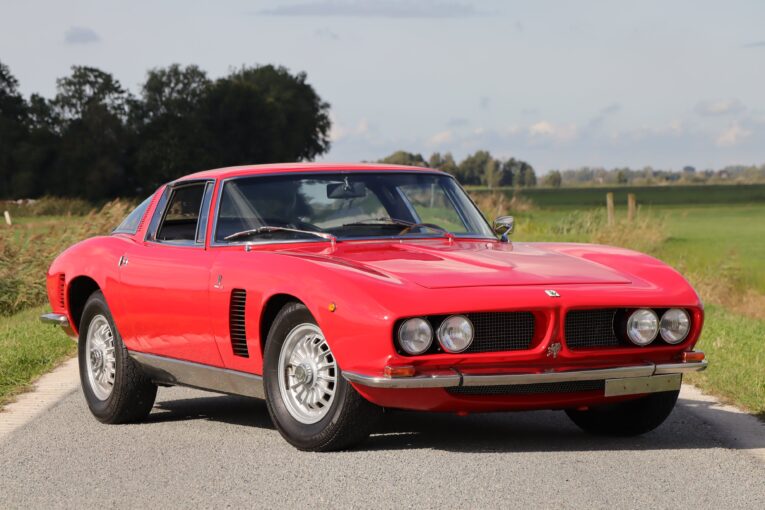
32) Iso Grifo
We may need a beige raincoat and a ludicrous French accent here, but nobody, and we mean nobody, expected the Grifo. Iso founder Renzo Rivolta invented the microcar and called it the Isetta, which then found fame and many customers as a BMW.
Pivoting to build big, expensive GTs was, therefore, not an obvious idea. The Grifo wasn’t Renzo’s first foray into grand touring, but it was arguably his best. Styled by Giugiaro, engineered by Bizarrini and powered by Corvette engines, the Grifo was and is one of the most beautiful and capable supercar GTs of all time.
Naturally, this being the world of boutique car building in 1960s Italy, not many were built. Even a monster 7L version couldn’t push production past 413. But, like many on this list, it’s the Grifo’s rarity that is key to its appeal.

33) Bizzarini Strada
The Strada is another one of those cars born out of Italian car makers’ tendency to get stroppy with one another. Giotti Bizzarini and Renzo Rivolta worked together at Iso, but one wanted to go racing and one wanted to build GT cars.
The result was a falling out and the creation of two cars with common architecture. The Bizzarini Strada is essentially a track-focused Iso Grifo. When that architecture was conceived by ex-Ferrari engineer Bizarrini, you know you’re in the presence of greatness.
Like Enzo, Giotti’s real passion was racing, but racing means bills to pay. So 133 Stradas were built for, most of which have then become evocative historic racers.
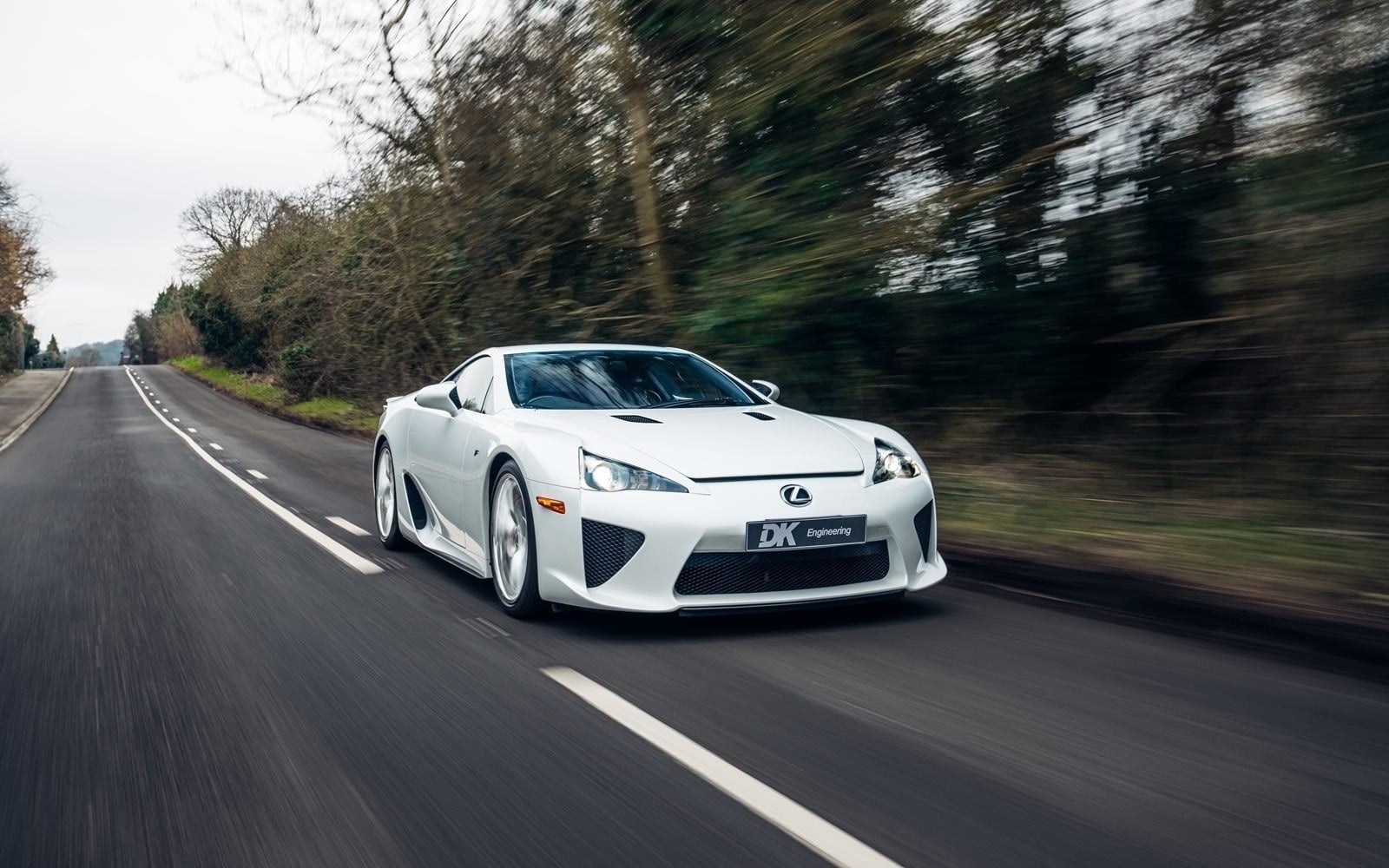
34) Lexus LFA
Evo magazine has called it ‘the ultimate Japanese supercar’, but even that feels unfair. Because the ‘Lexus Future Apex’ is much better than that, it can lay a fair claim to being the ultimate supercar.
Like the Veyron, the LFA was the pet project of the man in charge, in this case, Toyota CEO Akio Toyoda. With sales flagging, he wanted both a flagship and a technological showcase. Thanks to the sort of exacting standards that Ferdinand Piech would admire – in itself something of an achievement – it took nearly a decade to happen, but the LFA was and is utterly brilliant.
At £340,000, this 555bhp, V10 engineering marvel was rather expensive for a Lexus but arguably pretty cheap for a car that was better than any Ferrari. Just 500 were built and, today, 15 years on from its introduction, it remains one of the best ways to experience four-wheeled transport.

35) Jensen Interceptor
Motorways, autoroutes and interstates have a lot to answer for on this list. The arrival of high-speed roads in the 1960s gave rise to high-speed cars and the genesis of modern supercars.
As is often the case with new ideas, it’s small, often unlikely innovators that lead the way. So it was that West Bromwich motoring minnow Jensen created one of the first supercars and, we think, the one with the greatest name.
The Interceptor was really a Jensen CV-8 in a party frock. But it was a frock swiftly styled by Touring, so it looked great. It also pioneered the ‘fastback’ GT design that would become de rigueur amongst these early supercars.
The new car went from drawing board to prototype in three months. It would stay in production, gaining bigger MOPAR motors, for a decade. It’s proof of the Interceptor’s enduring appeal that in the years since, many have tried to rejuvenate this icon, including a ‘restomod’ with Corvette power.