Lotus Elise S1 – The Time is Now

June 26, 2024
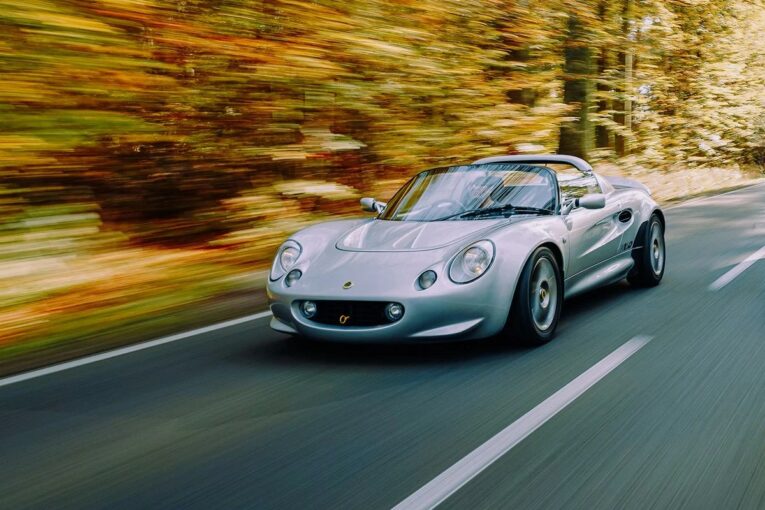
Like a particularly lively Jack Russell Terrier that’s just been let off the lead in a field full of badgers, the Lotus Elise S1 comes hot on the heels of the TVR Cerbera and Honda S2000 as the latest classic to consider in our The Time is Now series, three cars that are essentially cut from similar cloth. It’s a fitting analogy for such a brilliant little car, one that’s world-renowned for its lithe dimensions, svelte curb weight and inane ability to change direction quicker than a shady politician on BBC One’s Question Time. The fact that we’ve featured all three cars in this series recently is proof indeed that we see demand for sporty, well-built classic two-seaters on an upward trajectory, with values rising alongside that clamour.
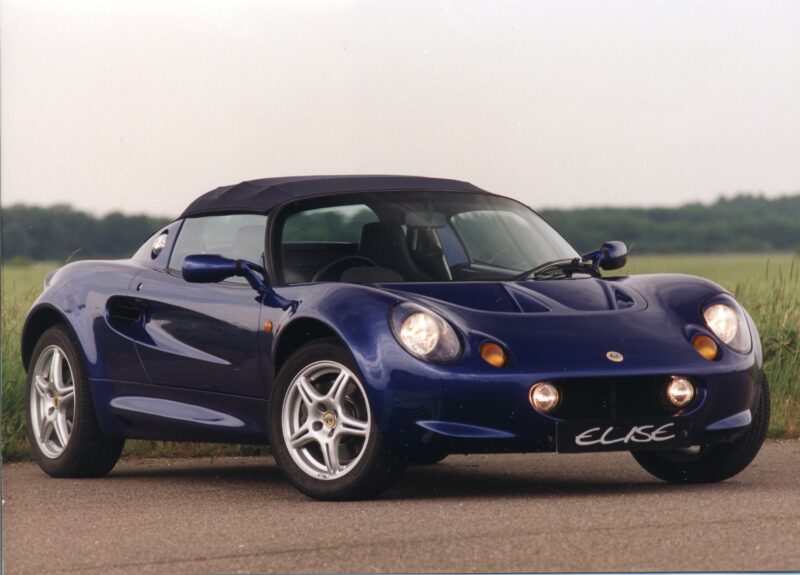
An Introduction to the Lotus Elise S1
The Series 1 Lotus Elise remains one of the best to ever play the game and has already gone down in the automotive history books as pretty damn iconic. We still find it hard to believe that the earliest examples are now almost 30 years old! But back when Oasis’ (What’s the Story) Morning Glory? was blasting out of stereos across the country the chaps at Lotus were about to drop their own chart-topping smash hit in the form of a brand new mid-engined, rear-wheel drive two-seater.
Unveiled at the Frankfurt Motor Show in September of ’95, in Lotus’ own words the Elise: “was a genuine pioneering car that rewrote the rule book on lightweight automotive engineering and is thought by many to be a once-in-a-generation achievement, creating a more accessible entry point into sportscar culture and Lotus ownership”. And to be fair to Lotus, that’s a pretty damn accurate description.
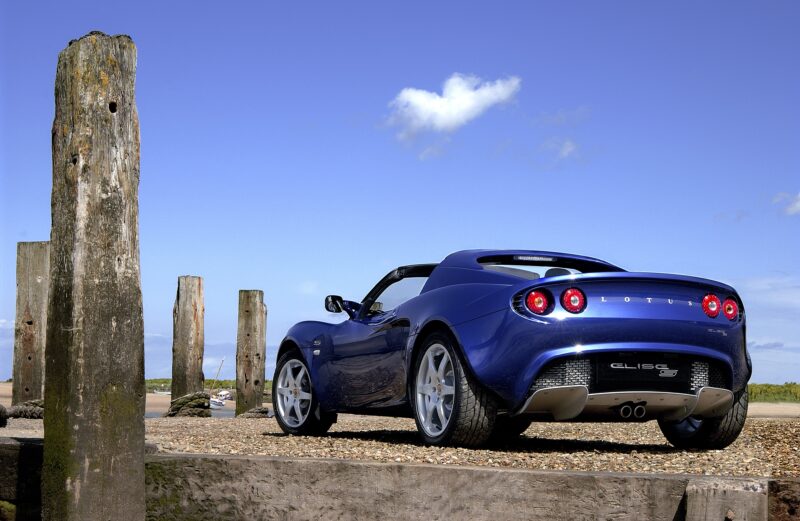
With a firm focus on handling and performance the Elise S1 was constructed using an incredibly rigid extruded and bonded aluminium chassis mated to a lightweight fibreglass body which meant it weighed a total of just 725kg – approximately the same as a bag of Monster Munch. This super slender package allowed for some impressive performance figures despite the 1.8-litre Rover K-Series, mounted transversely behind the driver, producing just 118bhp. Chapman’s ethos of ‘simplify, then add lightness’ has never been more apparent and the Elise could accelerate to 60mph from standstill in 5.5 seconds. Couple this with an incredibly low centre of gravity and for those of you who aren’t dog people, the scalded cat analogies abound.
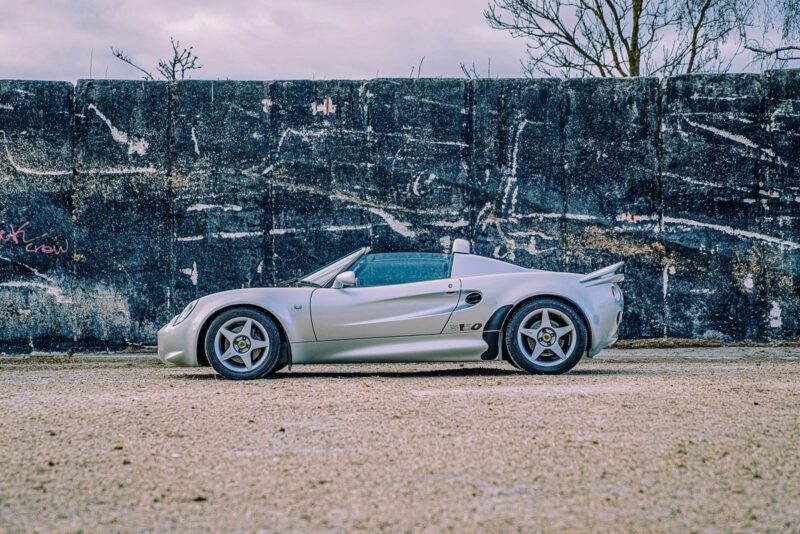
Satiating the desires of weekend B-road blasters and full on track-a-holics alike the Elise ticked a lot of boxes. Granted, you couldn’t get much shopping in the thing but then that really wasn’t the point. Here was a car designed for the unadulterated pleasure of driving, with a five-speed manual gearbox and free from any of the modern driver aids that water down the majority of today’s sporty numbers, giving enthusiasts an incredibly visceral driving experience. It was the right car at the right time and its affordability made it a popular choice among racing enthusiasts and hobbyists and it remains the most popular car Lotus has ever produced, with around 35,000 leaving the factory over the course of its 25 year production run.
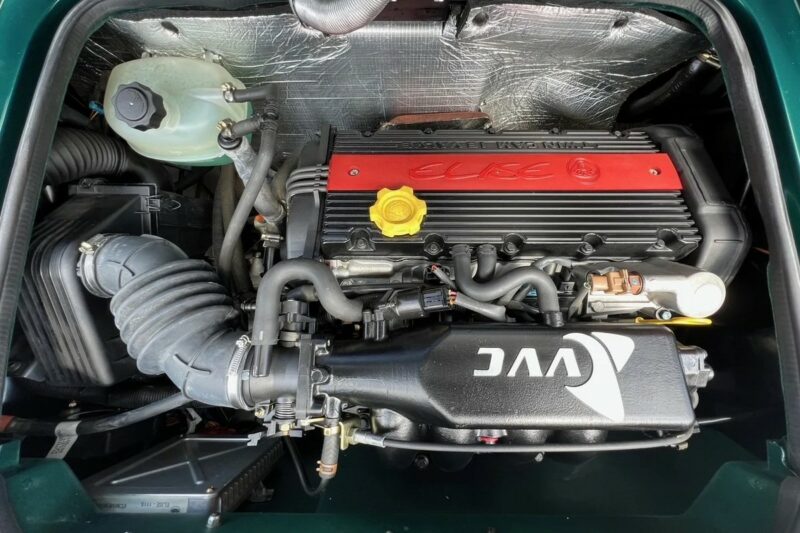 Two further iterations would follow the Elise S1 (aptly named the Series 2 and Series 3), along with numerous special additions, all with more power and sports suspension, including the faster 111S that had an additional 25bhp thanks to improved variable valve jiggery pokery and of course the hard top Exige. The Series 1, whichever version you choose, remains arguably the purest and most desirable of the bunch.
What Should I Look For?
What with its fibre glass body, rot isn’t really going to be an issue but that’s not to say damage and repairs aren’t potentially going to be, such is the nature of the beast. As eminently controllable as a Series 1 Elise is, in the hands of less experienced drivers they can still very much be bush-seeking missiles so check suspension mounting points for signs of wheel impact and make sure body panels are aligned correctly. Check for any cracks or bubbling in the paintwork which may be indicative of poor repairs.
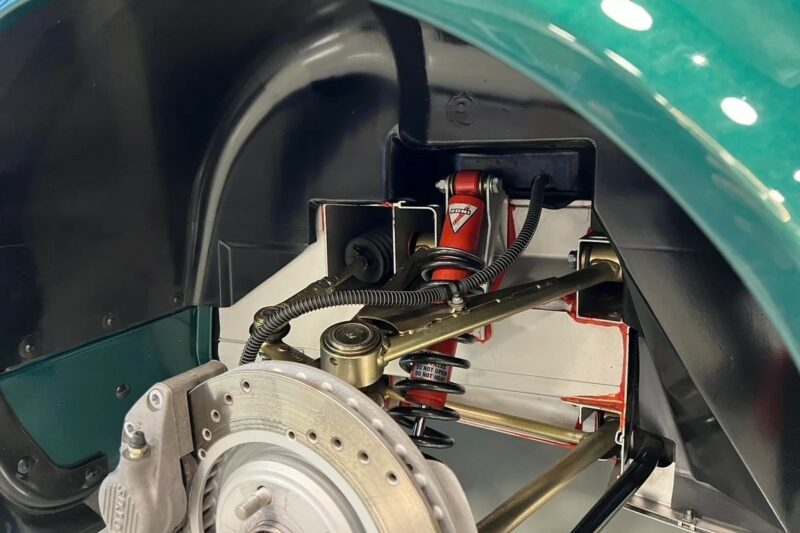
Being so lightweight the suspension and steering components aren’t as stressed as on heavier cars but still, these sportsters are generally driven hard and so a correct setup is imperative when it comes to the world-beating handling for which the Elise is known. Tired bushings, incorrect alignment and crap tyres will all make the car feel as disappointing as watching Scotland play football in the latest international tournament so ensure that everything is on point. These cars are pretty easy to work on in the grand scheme of things and upgrades are available – from quicker steering racks to stiffer springs – so dialling in your ride shouldn’t be too taxing.
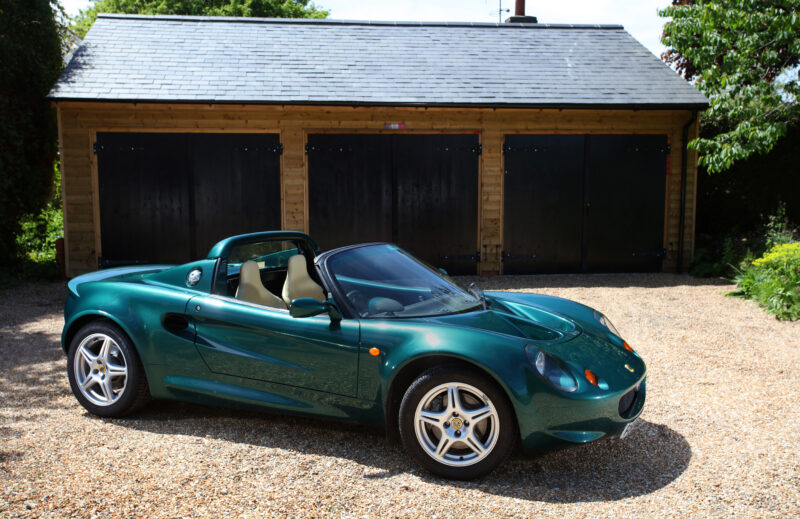
Yes it’s a Rover K-Series providing the forward motion and yes we all know about the head gasket issues but most of these should have been remedied by now, and uprated, more durable options are available. Still, it’s worth checking for the usual signs of failure and overheating, as well as having a Scandinavian flick through any paperwork to check maintenance schedules and evidence of regular servicing. Having said that, a healthy K-Series shouldn’t provide any real problems and is perfectly suited to the S1.
What Are Prices Like?
See for yourselves. Do a search right here on Car & Classic and then sort the results by lowest price first and you’ll soon discover that S1 models start at around the £16K mark with our data showing an average price that’s in the £18,000 to £20,000 range. Brand new these were just under £19,000 and while we have seen values dip lower than the mid teens we very much doubt that they’re going anywhere but up from here on out.
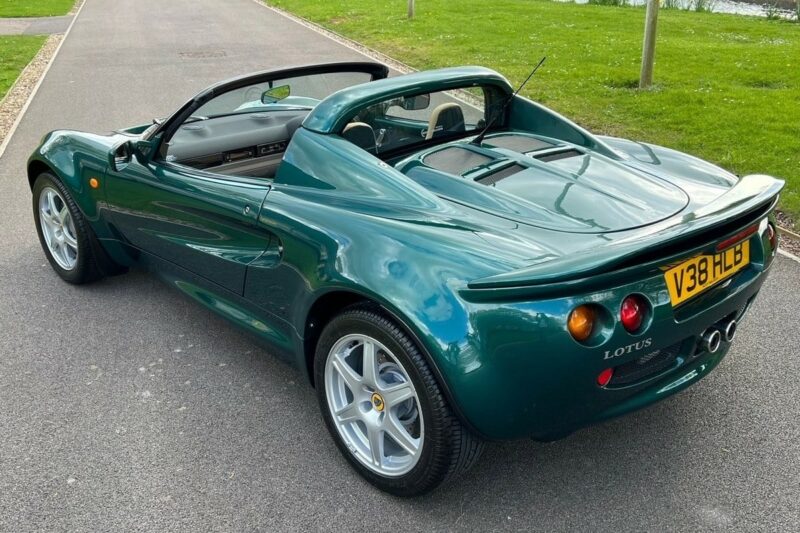
Now if you switch to highest price first using the same search criteria you’ll see just how much a decent, low mileage first-gen Elise 111S can fetch. This particular example with only 925 miles on the clock is up for just shy of £43,000, but that’s a special case. Expect to pay anywhere from £18,000 to £30,000 for a good S1 depending on spec and condition but the aforementioned 111S is genuinely considered to be smack dab in the sweet spot in terms of performance and actual usability.
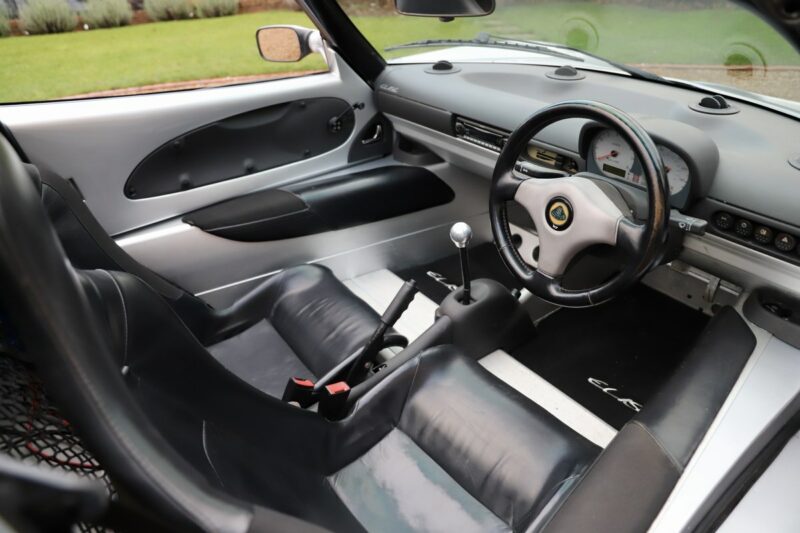
With any classic or modern classic though, as long as you’re not after a project then buy the best you can afford. Any Series 1 Elise is going to put a huge grin on your face every time you drive it regardless of what engine is behind your head so buy on condition and history rather than anything else and try not to let that initial test drive sway you too much – even a rather tired example is still going to excite, despite our rather hackneyed football jibe earlier, it’s just important to be able to spot any inconsistencies.
Why Should I Buy One?
For many, the Lotus Elise S1 is the benchmark for driver engagement and is universally considered to be one of the very best driver’s cars around. It’s a precise instrument, more akin to a master Italian Renaissance painter’s brush, expertly bringing a canvas to life rather than a South East London vandal’s spray can tagging an underpass. Even driven conservatively the Elise is guaranteed to make you feel like Senna at Estoril in ’85 and that, my friends, is an incredibly rewarding and intoxicating feeling indeed.
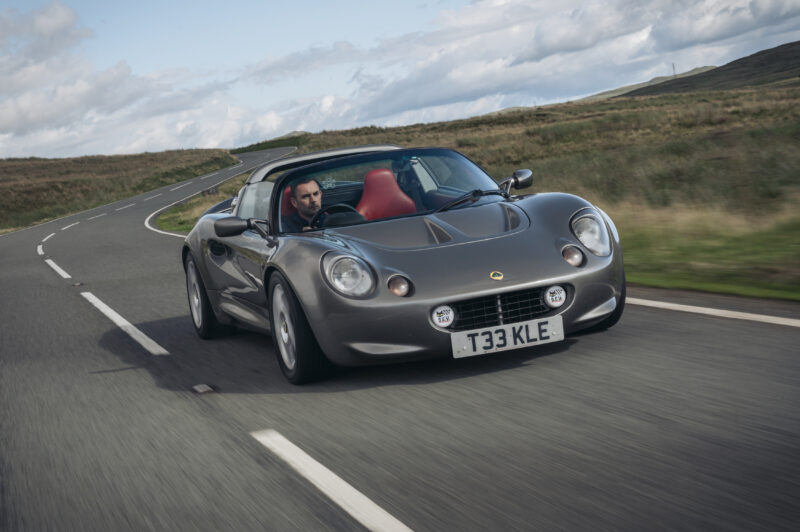
As much fun as a Caterham but with slightly more practicality (and a roof) the Series 1 Elise is also pretty cheap to run. Parts are readily available and due to its low weight and relatively meagre power output it’s an under-stressed and hardy little machine. Granted, it’ll likely be a second car but the more the merrier if you ask us. Grab one now, get out there and enjoy life.