The Jaguar E-Type – Five Things You Need To Know

September 20, 2024
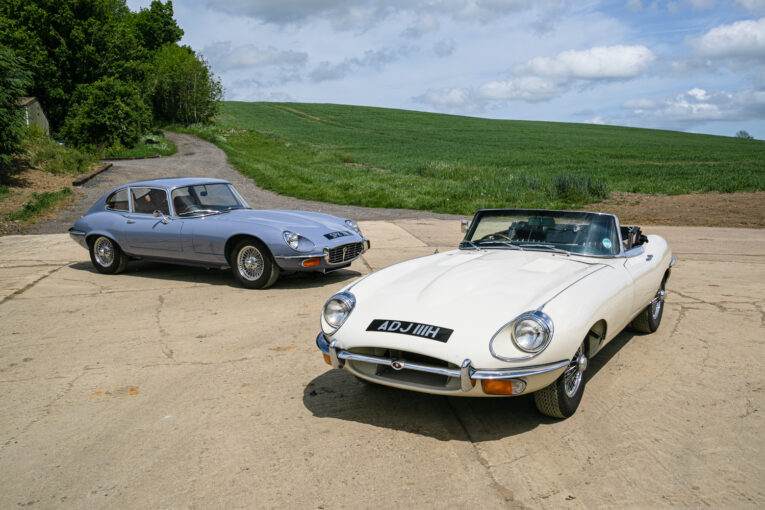
The E-Type is the exotic ’60s sports car that you can still – just – buy on an everyday budget. And the car about which likely more has been written than virtually any other classic. An indication, perhaps, of just how desirable it is.
Let us add to that mountain of information, but in a way that we hope might be helpful. Instead of a deep dive into buying one, here’s a quick guide to the top things to look for and think about when buying the car Enzo Ferrari, memorably, described as the world’s most beautiful.
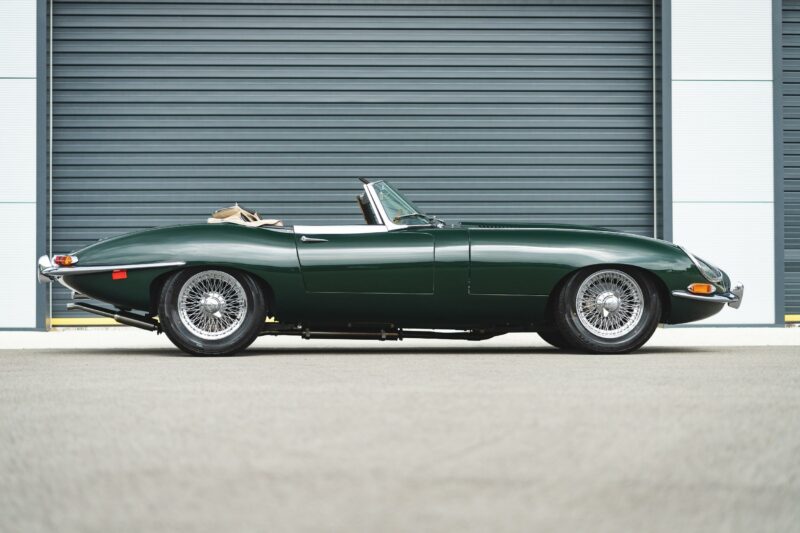
The E-Type began life as Jaguar’s solution to the problem of maintaining success at Le Mans. Changing rules – focussed on reducing speed after a catastrophic accident in 1955 – meant a switch to smaller engines. To maximise the performance of lower power outputs, Jaguar turned to streamlining. Led by aerodynamicist Malcolm Sayers and very much an ‘after hours’ project, a small team evolved a light and very sleek sports car. It was very different to the Le Mans-slaying XKs, but shared the same purpose – to meet the challenge of the Mulsanne Straight. The name was functional but contained the kernel of genius: Experimental Type 1 Aluminium, or E1A for short. Hence E-Type.
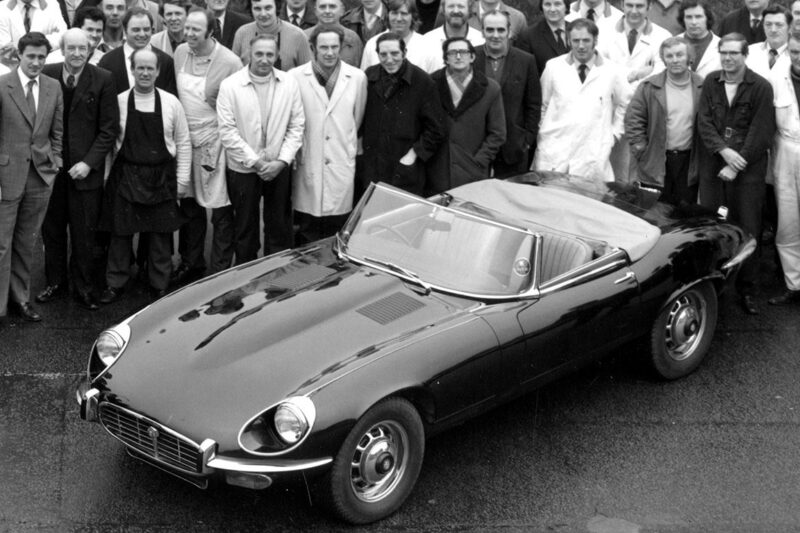
That goal changed following a factory fire at the Browns Lane works. Mercurial Sir William Lyons quickly realised that he could sell every car he made without the hassle of racing at Le Mans. So he switched focus and the Le Mans project became the basis for a new, small open-top sports car.
Jaguar didn’t plan to sell many of these cars. Instead it would be a low volume ‘halo’ model like the XKSS. A hard top wasn’t even planned until very late in the day. That all changed when the car was unveiled at Geneva in 1961. Such was the response – fuelled by Norman Dewis’ illustrious overnight drive from Coventry to the show – that Jaguar quickly quintupled (that’s five times don’t you know) production projections. This meant continuous alterations to E-Type production as the firm struggled to make the car both profitable and suitable for the wide range of markets it would be sold in. The first ‘Series 1’ car evolved through innumerable changes, resulting in the unofficial ‘Series 1.5’ and later the Series II.
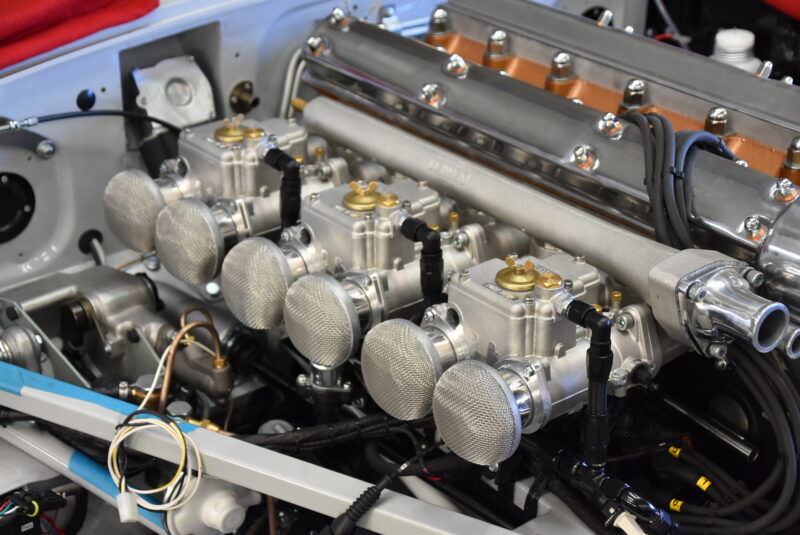
The first cars had 3.8L XK engines with ‘Moss’ gearboxes. This evolved to a 4.2-litre unit with a more modern, fully synchromesh gearbox. Other changes included alterations to the front and rear lights. A 2+2 built on an extended chassis arrived to primarily serve the USA market, where most E-Types were destined.
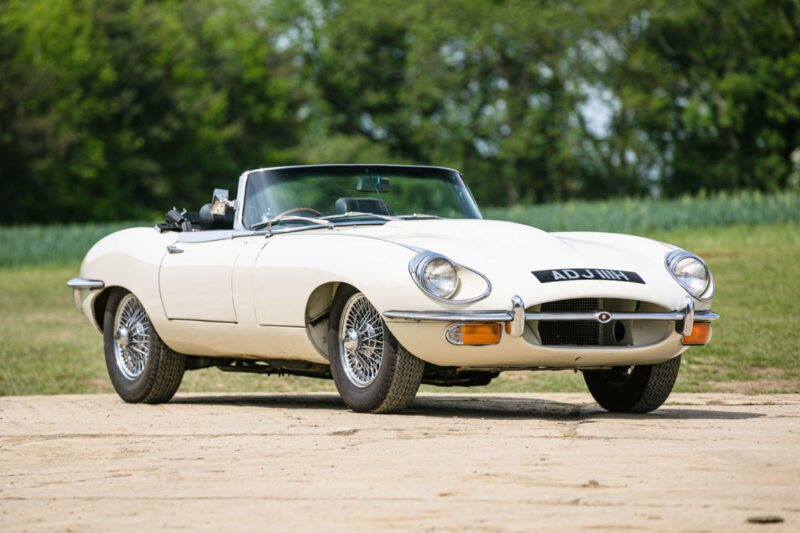
The Series II arrived in 1967, the first official update of the original car and incorporating many of the changes unofficially introduced in earlier years. These cars made way for the V12 Series III of 1971. This was a significantly updated car – in roadster and coupé formats – based on the longer 2+2 chassis and the test bed for the firm’s new V12 engine. It is an interesting side note that the Series III killed plans for an entirely redesigned, brand new E-Type: at the time Jaguar didn’t have the funds for the V12 and a totally new design.
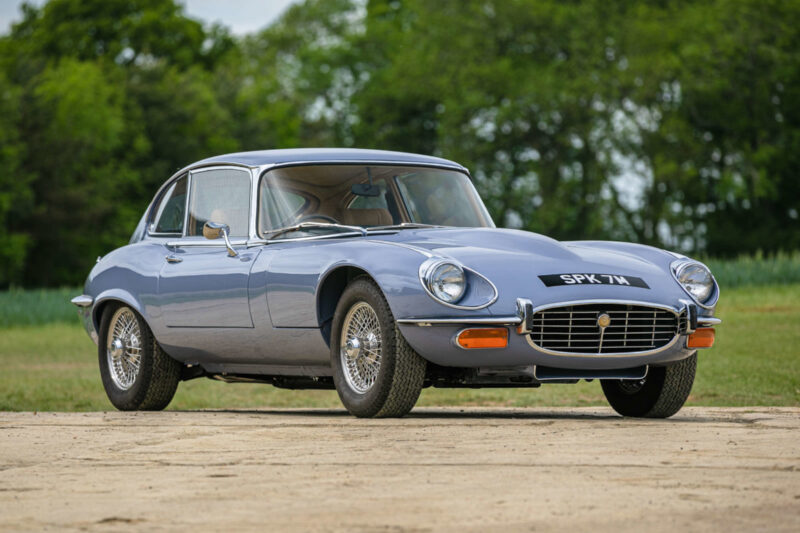
The Series III ran to 1975 before being replaced by the XJ-S. Modern enthusiasts revere these cars because they lean into the E-Type’s GT character. They’re also easier to use thanks to bigger doors and cabins. But at the time they were hard to sell and spent long months – sometimes years – in Jaguar showrooms.
Although a sales success, the E-Type was never a great profit generator for the company. It shared few components with other Jaguars and was notoriously difficult to produce – a fact that restorers have been bemoaning ever since. This likely explains why its replacement, the XJ-S, relied heavily on the XJ saloon for its mechanicals and running gear. A big plus when buying an E-Type nowadays, however, is the excellent parts supply and army of experienced specialists available to work on these cars.
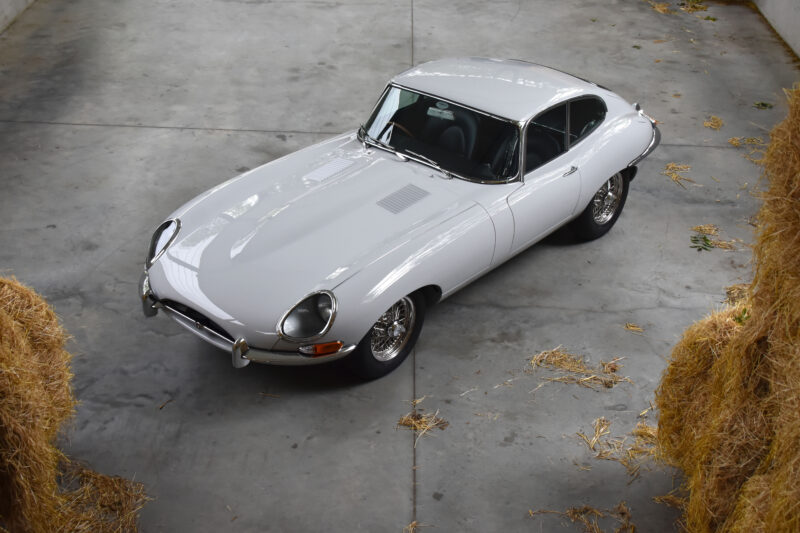
1) Bodywork
The E-Type was available in three Series and three main body styles. The Series I and II are largely similar, the Series III was heavily modified with wider track and arches. The firm offered FHC coupé, OTS roadster and LWB 2+2 body styles for the first two Series and roadster or coupé – based on the 2+2 chassis – for the Series III.
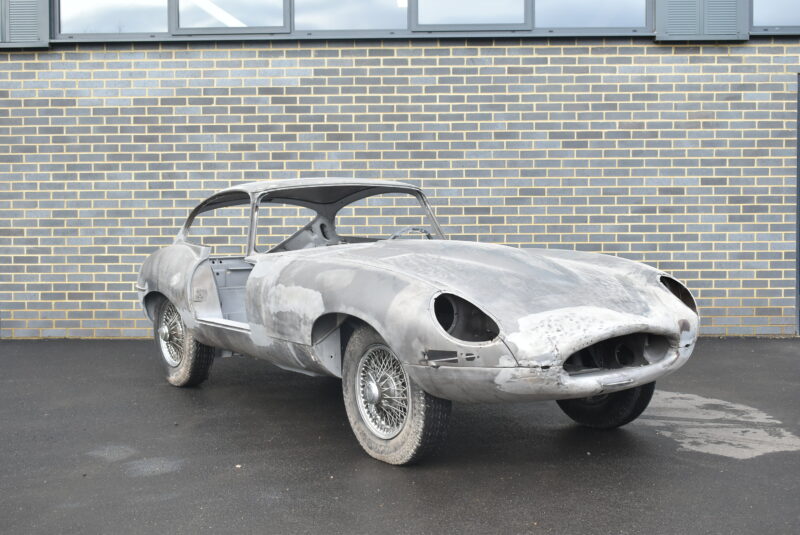
All cars share a common theme: when buying an E-Type, buy it first on bodywork. These are complicated cars with innumerable curves and shapes to the panels. They rot badly, particularly in places where you cannot see. Repairing rot is notoriously involved, with a simple-looking issue quickly evolving into a far-ranging restoration.
Parts supply is very good, but that complicated structure can quickly make the list of parts you need – and the cost – escalate. Due to the complexity of the shape, Jaguar hand-finished most cars so even brand new pattern parts rarely fit correctly without considerable reworking. Typical estimates are that a brand new factory-supplied bonnet requires 40 hrs to make fit. It’s easy to tell a well-restored car from how the panels fit and the various compound curves line up across the body so bear that in mind.
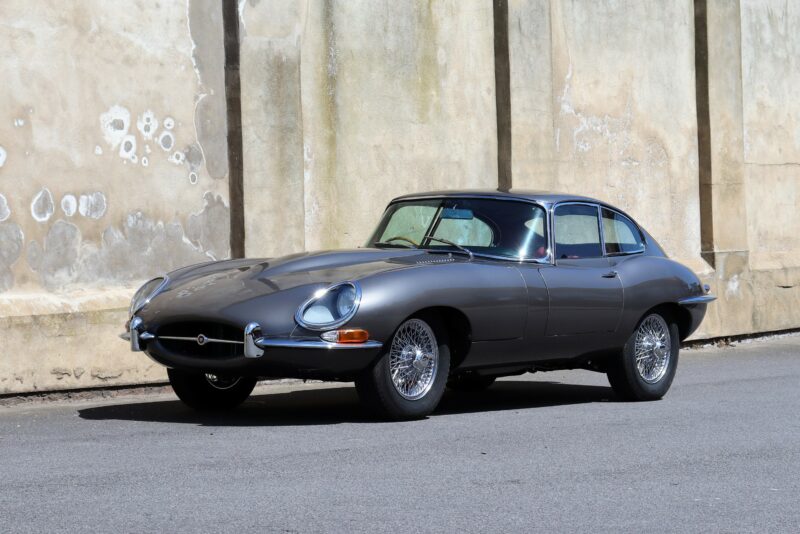
When buying, check the panel fit – particularly the doors – and obvious areas like the sills, rear arches and floors. A-pillars and screen surrounds are also weak spots. Here rust can look small and easily repaired but may hide more significant problems underneath. Think Icebergs, with a seemingly innocuous patch of bubbling paint being just the tip. All of a sudden your potential E-Type purchase begins to look a lot like the Titanic. The spaceframe at the front of the car is simple and robust, the bonnet less so. It is also very prone to accident damage – even a light parking nudge can kink the panel. Rot in the bonnet tends to hit the seams, eventually necessitating a new panel costing £6,000 or more. Ouch.
2) Engine
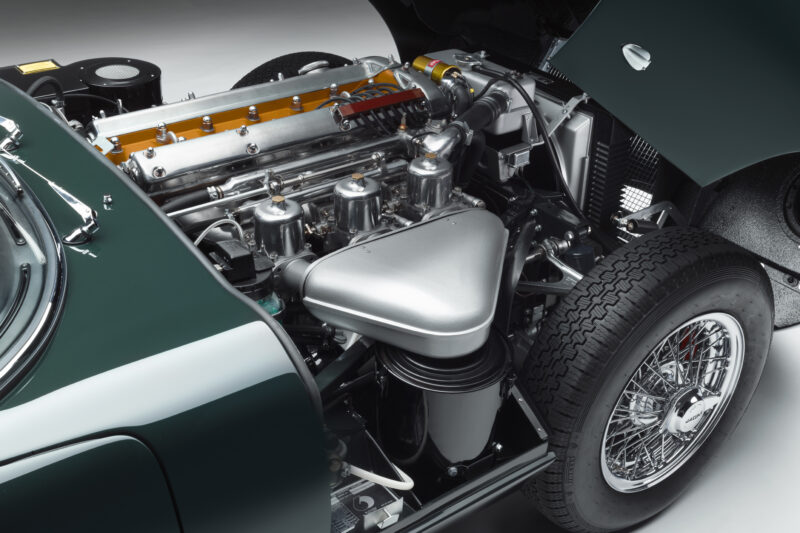
E-Type enthusiasts are generally split into two camps: XK or V12. The straight six, originally developed for Le Mans, was only fitted to the Series I and II. There were plans to fit it into the Series III – Jaguar even produced adverts for that car – but they never materialised.
Both engines are very robust. The XK unit was in production for decades so parts supply is easy and generally inexpensive. It is an engine that thrives on regular maintenance and good quality oil. Bores will wear out, blue smoke will appear and oil consumption skyrocket if the unit is tired. You can identify a genuine E-Type XK by the serial number – several different letter and number prefixes were used and easily checked online. Otherwise it is virtually identical to the one used in all other Jaguars. Matching numbers tends to be a critical issue on Series I cars, much less so on the later models. All E-Type XKs were factory supplied with triple carburettors.
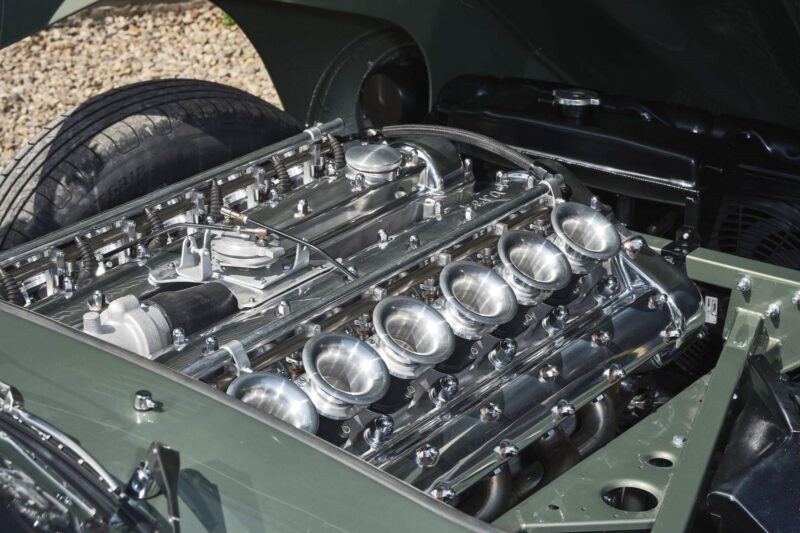
Jaguar used the E-Type Series III as a test bed for the V12 engine before introducing it in the XJ12. It is a big and complex unit, which sounds like it should put you off these cars. But don’t be. The V12 is not a temperamental unit. It was built in volume to be reliable.
The key with V12 longevity is maintenance. It needs regular oil, filter and plug changes – ideally every 3,000 miles – and the correct water/antifreeze coolant mix. The engine – in fact, any engine – should also be properly warmed up before exercising it. A well maintained and set up V12 will be so smooth that you can balance a £1 coin on its top.
E-Types nowadays tend to be very sparingly used, which can lead sellers to assume that mileage rather than time is a guide to servicing. Not so. These cars use mineral oil and should be serviced at least once a year, irrespective of mileage.
3) Clutch And Gearbox
The E-Type was available with three types of gearbox – two manuals and one automatic. Although both manual boxes were available elsewhere in the Jaguar range with overdrive, they were never fitted to the E-Type.
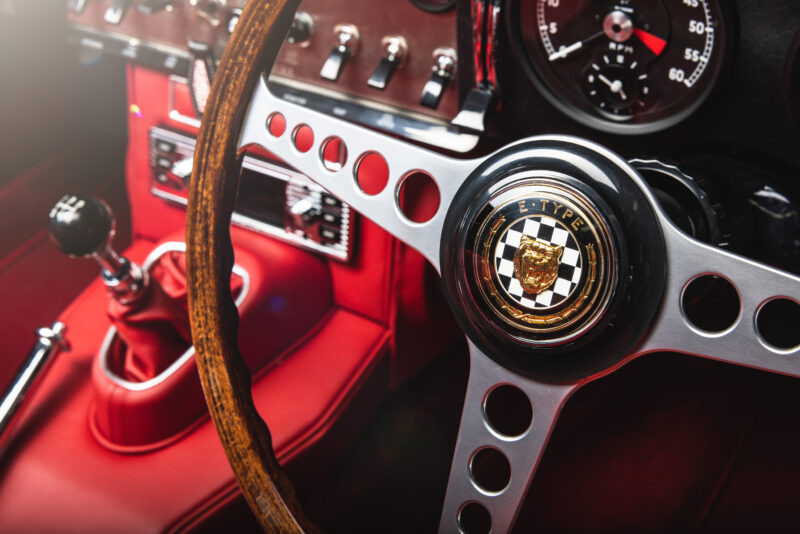
Early cars received the ‘Moss’ four-speed manual unit as used on the XK. This robust gearbox delivers a clunky, slow change and there is no synchromesh on first. It takes time to master, but once done has its admirers. Used with respect and a little mechanical sympathy, it’s a very durable gearbox. The trouble is that its slow change and synchro-free first can lead to abuse. The change should be slick with firm engagement. Crunching on reverse, 2nd or 3rd are early indications of wear.
Later cars got the fully synchromesh four-speed ‘box used widely on other Jaguars. It’s a great unit with a very good change, but prone to wear in the gate to engage reverse. Both units rely on a clutch that, thanks to the narrow transmission tunnel, can only be changed by removing the engine. This makes it an expensive job, although engine access is straightforward.
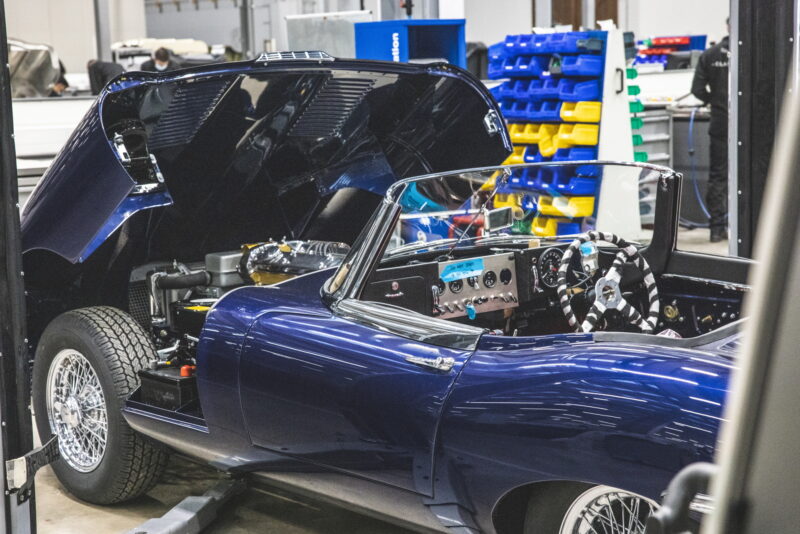
From 1966, with the introduction of the GT-themed 2+2, a three-speed automatic gearbox was available. It remained in production, virtually unchanged, until the end of E-Type sales. Although its three speeds are not entirely suited to the tractability of the XK and V12 units, it’s a decent, solid and smooth gearbox. As with any automatic though, buyers should check for regular fluid changes.
Parts supply for all gearboxes and clutches is very good and although second hand parts for refurbishment are drying up, new or reconditioned parts are readily available.
4) Suspension, steering and brakes
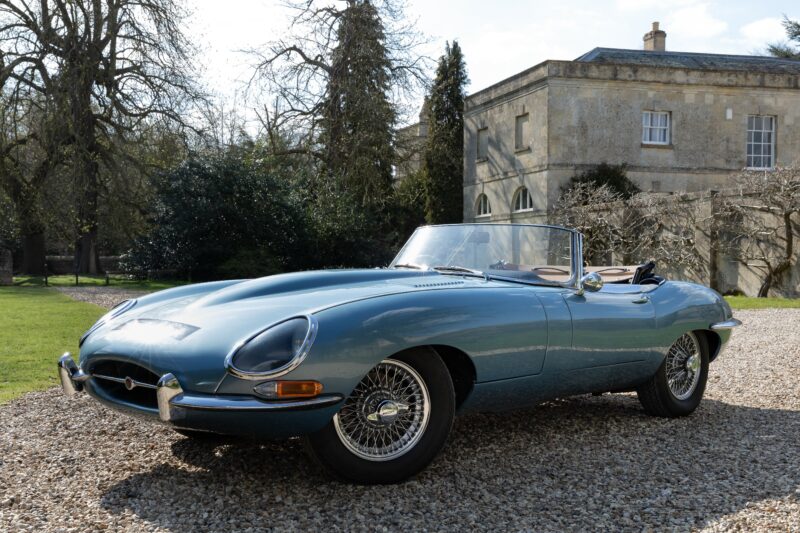
The E-Type’s running gear is a curious and dichotomous mix of ‘easy access’ and very much the exact opposite of that. The issue lies at the back with the clever independent set up introduced with this car and then used extensively for the firm’s saloons. It features inboard brakes with the setup held within a ‘cage’ suspended beneath the boot floor. This arrangement makes access for simple, routine maintenance difficult. The cage also tends to rot out and be expensive to repair because the complexity of those brake means it’s a job often put off, so the area doesn’t always receive the regular attention it deserves. This can lead to the cage deteriorating badly to the point of replacement.
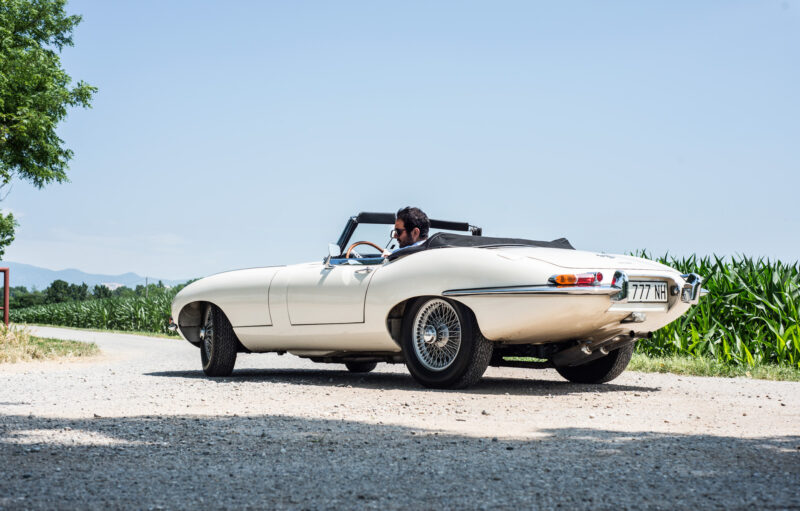
The upside is that there are many E-Type specialists familiar with these jobs. Through experience they can execute the work efficiently. Parts are not prohibitively expensive either. The key issue when buying is that these problems can be hidden – particularly so now that all cars are MOT exempt – so require careful checks.
5) Interior & Electrics
Not for nothing was electrical components supplier Lucas nicknamed ‘the Prince of Darkness.’ Fitting the firm’s parts to a car – and most British cars were so-equipped – was like infecting them with an electricity-disrupting demon.
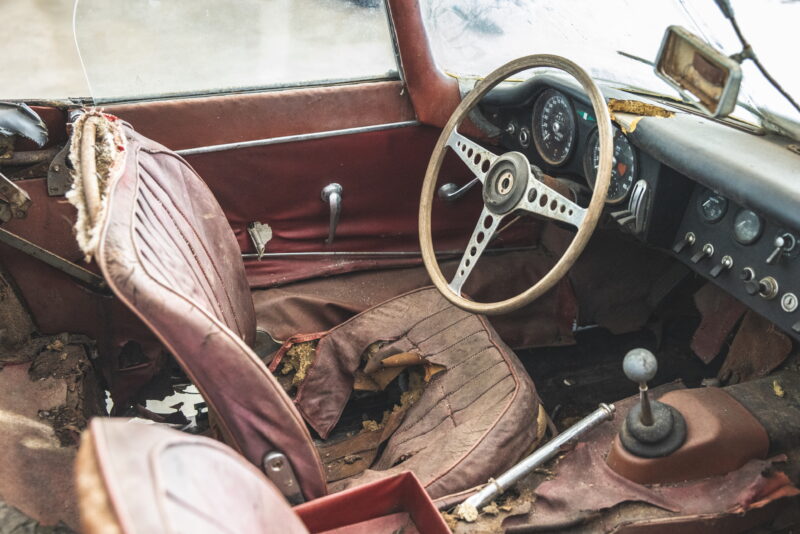
Electrics were an E-Type gremlin when these cars were new but that reputation is perhaps not really deserved now because most have been restored or rewired. The ‘make do’ approach to the car’s early production resulted in a very simple and not entirely appropriate electrical system that is prone to problems. Unless the wiring has been renewed, elderly wires can be troublesome. The fuses and wires hidden behind the dashboard central dials are also a weakness. Any rewiring needs to have been professionally done and any alterations from standard correctly recorded and checked on purchase.
Interiors changed little throughout the car’s production. The main changes were some extra luxury features like better seats and a centre console. The trim is mostly robust but can be expensive to either replace or retrim – window trims are complicated shapes that need a specialist trimmer to perfect. Dashboard rolls tend to deteriorate, headlinings sag, sun visors droop (these are common problem with age, so I’ve heard… ahem. Ed) and there are a lot of complicated boot features to rework and retrim. It is easy for a lightly tired interior to become an expensive restoration project.
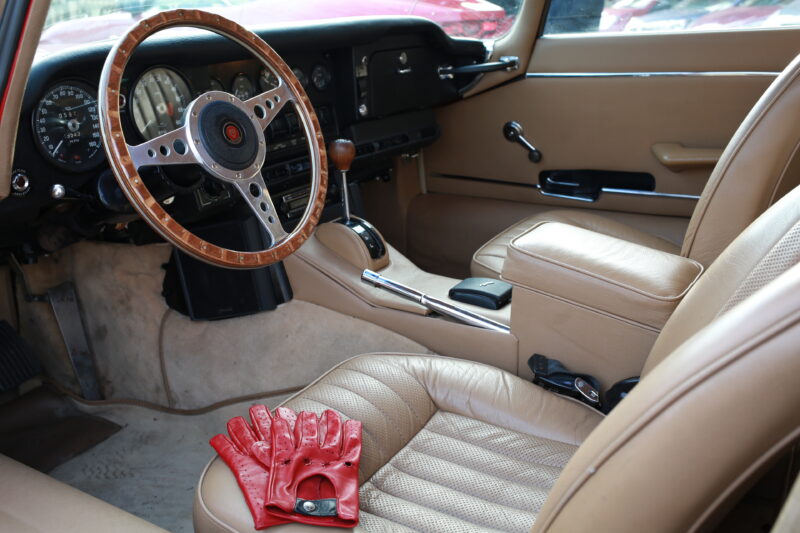
Buying an E-Type can be the fulfilment of a dream. Before diving in, think carefully about the specification you want. Early cars were built for youthful frames, later cars have ‘wider appeal.’ Beware cars that look lightly deteriorated. If you’re not sure, get an expert to check the car and think about lining up a knowledgeable specialist to look after it, someone like William Heynes or S.E. Jags Ltd, for instance.
As with any classic, spend as much as you can and keep a budget back for unexpected repairs. Approached with your eyes wide open, the E-Type is a classic experience like no other – the view down that bonnet is worth the price of admission alone so get searching for your very one right now, right here on Car & Classic. And remember, in the words of French novelist and playwright Françoise Sagan: “Money may not buy happiness, but I’d rather cry in a Jaguar than on a bus”.