Trump’s Automotive Tariffs and their impact on Classic & Collectable Cars

March 27, 2025

Update 3rd April 2025: The White House have now confirmed that there will be an exemption to these tariffs for vehicles over 25 years old, allowing classic and collectable cars to be imported to the US tariff-free (with just the previous 2.5% import tax to pay). Great news for US classic car fans and the European market alike. Clearly despite his mate Musk, Trump is a bit of a petrolhead
In a move that has sent ripples across the global automotive industry, US President Donald Trump has announced sweeping new tariffs on imported vehicles entering the United States. As of 2nd April 2025, a 25% tariff will be levied on all “finished vehicles” not manufactured domestically. While the details remain sparse, the classic car community on both sides of the Atlantic is already bracing for impact.
Though the announcement does not explicitly mention used or classic vehicles, historical precedent and trade policy experts suggest that these imports will almost certainly fall within the scope of the new tariff. For collectors, dealers, and enthusiasts, especially those in Europe who export to the U.S., this policy could mark the beginning of a new—and more expensive—era.
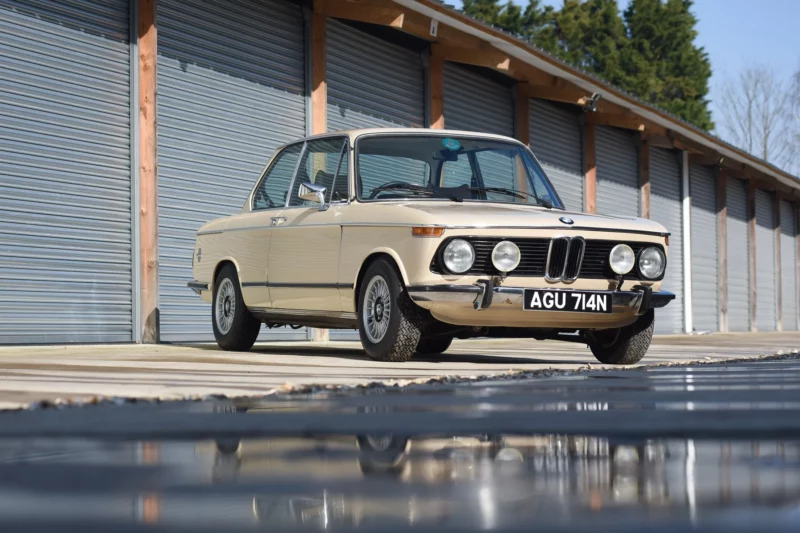
A New Era of Uncertainty
The classic car trade between Europe and the United States is well established. The U.S. appetite for European classics—from Jaguar E-Types and Porsche 911s to Alfa Romeos, Citroëns, and early Mercedes SLs—is well known and many of our dealers and private advertisers trade “across the pond”. Conversely, the flow of American muscle and chrome from the States to European buyers has added diversity and depth to collections here.
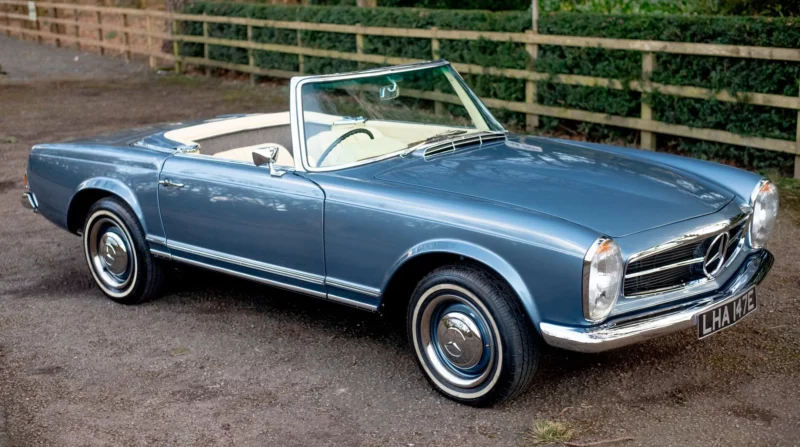
But the new 25% tariff threatens to disrupt the balance
Announced yesterday, Trump framed the move as a means to “revive American auto manufacturing” and punish nations he claims engage in “unfair trade practices.” The language was clearly directed at countries like China, Japan, Germany, and South Korea—global automotive powerhouses with strong export ties to the U.S. Yet the blanket term “finished vehicles” raises critical questions for classic car exporters, who are now caught in a cloud of ambiguity. It also requires clarification – is a US built Mustang that now resides in Europe exempt from the tax on re-import?
The U.S. Customs and Border Protection agency has historically made little distinction between new and used vehicles when it comes to duty. Under previous rules, a 2.5% tariff applied to imported passenger cars, whether new or classic. Without explicit exemptions, the current consensus among trade analysts and customs attorneys is that the new 25% tariff will apply across the board—classic vehicles included.

Classic Cars: Collateral Damage?
If confirmed, this policy could have far-reaching consequences for the European classic car sector.
First, the U.S. remains one of the largest buyers of European classic cars. In 2023 alone, the U.S. imported over €600 million worth of classic and collector vehicles from Europe.
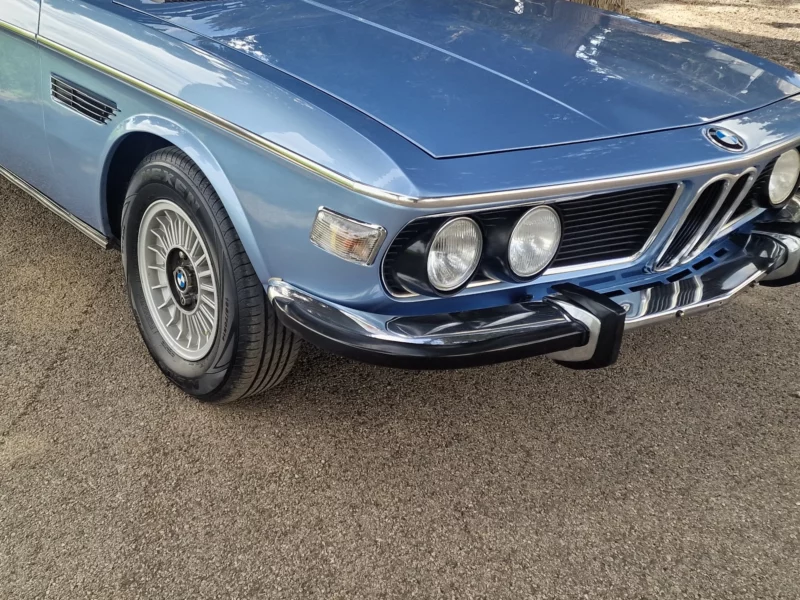
A 25% tariff on top of purchase and shipping costs would sharply increase the overall expense for U.S. buyers. For example, consider a buyer in California importing a restored 1971 BMW 3.0 CS from Germany for €80,000.
With the new tariffs, they would face an additional €20,000 in import duties—before even factoring in transport, insurance, and registration.
For many mid-range collectors, that premium will simply be too high.
More pressure on the Classic Ecosystem
The recent EU tax changes on imports have already made US stock acquisition more challenging for European dealers and this new development now impacts the other side of the coin on supplying export grade cars to the US.It’s well known that the 25-year rule on imports can have a significant impact on European classic prices when cars not originally sold in the US become eligible, whilst there’s a chance that this price bump could now soften, US collectors searching for impossible to find models are still likely to be prepared to pay a premium to add something unique to the garage.It will also be worth watching the price changes in European classics already present in the US domestic market.
If supply now becomes 22.5% more expensive (current import rates are just 2.5%) then already-landed cars are likely to become more attractive to the US buyer.
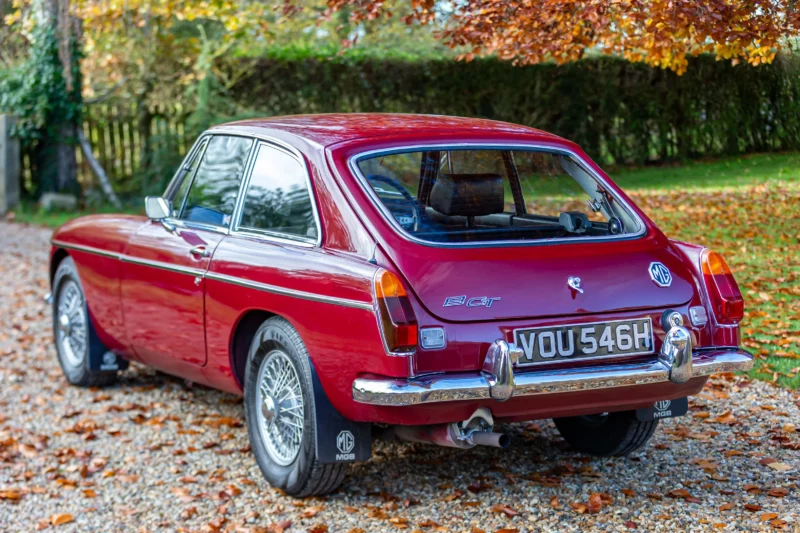
Legal Challenges
Of course, much can change in politics—and quickly. Several industry associations in the U.S., including the Specialty Equipment Market Association (SEMA) and the Historic Vehicle Association (HVA), have already signaled their intent to lobby for exemptions or clarifications.
There is precedent: when the U.S. last imposed tariffs on steel and aluminium under the Trump administration, exemptions were carved out for specific industries and allied nations. If the current administration changes after the 2025 election—or if legal challenges succeed—the policy may be rolled back or modified.
Until then however, uncertainty rules. We’ll be keeping an eye on developments from the White House and clarifications on these new tariffs with baited breath.