New DVLA Policies Affecting Classic Car Owners

August 22, 2025
We classic car owners can’t help but feel a little marginalised at times. Sure, there are some notable benefits to classic ownership here in the UK, like road tax and MOT exemption for vehicles over forty years old. However, we also face challenges such as accessing affordable classic-friendly fuels, dealing with ULEZ expansion, and being assigned an undesirable Q plate by the DVLA.
Organisations like our friends at the HCVA have long been battling against polices and processes that are woefully out of date. This often takes time and doesn’t always yield the desired results despite our community’s best efforts. However, we’re pleased to report that there’s some good news for Britain’s classic car owners.
Coming into effect from the 26th August 2025, the DVLA have announced landmark policy changes designed to make it significantly easier for enthusiasts to register vehicles that have undergone extensive repair, restoration or modification.

The DVLA says this is a red tape-cutting exercise, implemented to help those with “rebuilt and radically altered vehicles” register them with fewer obstacles.
The DVLA states that key changes include:
– Like-for-like repairs and restorations will no longer require notification to DVLA, providing the vehicle’s appearance is the same as when it was originally manufactured and there are no changes to the log book (V5C)
– Vehicles that have been subject to significant structural modifications will be able to keep their original Vehicle Identification Number (VIN) and registration number, but the registered keeper must notify DVLA of the changes
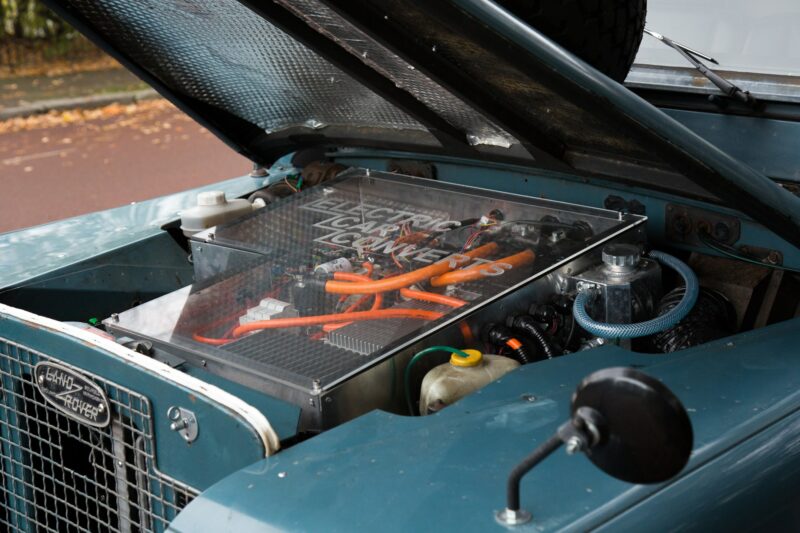
– Vehicles that have been converted to electric will also be able to retain their original identity, but the registered keeper must notify DVLA of the changes
It appears that these changes will have a positive impact on all kinds of classics, no matter whether you’re a restorer with an eye for originality or, at the other end of the spectrum, a custom car builder looking to push the boundaries of what’s possible. Rightly, the former group should be able to go about their business unhindered by the DVLA, while it’s gratifying to hear that modified cars are now far less likely to be assigned a dreaded Q plate. Interestingly, the final clause mentions the electrification of classics, acknowledging a growing (albeit divisive) trend which aims to future-proof classics for generations to come.
All too often, the difficulties and fear of penalties associated with reporting changes to the DVLA have deterred owners from doing so, creating problems down the line when registration information displayed on a car’s V5C does not necessarily match the current specifications of the vehicle in question. The fact that the DVLA is making an effort to understand the needs of classic car owners is encouraging.
Minister for the Future of Roads, Lilian Greenwood, said:
“We know how much love, time and effort goes into keeping classic cars – and we’re right behind the community.
“These changes are about cutting red tape and making life easier for enthusiasts, whether you’re restoring a vintage gem or converting it to electric. It’s all about celebrating the UK’s amazing motoring heritage and helping the industry thrive well into the future.”
DVLA Chief Executive, Tim Moss, said:
“We recognise the time, passion and care that keepers of classic vehicles invest in keeping their cars on the road. That’s why we’ve worked closely with the community to shape these changes.
“These updated policies support historic vehicle keepers, and the wider industry, with clearer registration processes that reflect modern restoration and modification practices, helping safeguard the UK’s rich and wonderful automotive history. These changes will allow enthusiasts to focus on what they love most: preserving and enjoying these remarkable vehicles.”
CEO of the HCVA, Dale Keller, said:
“The policy changes by the DVLA encapsulate how industry and government working collaboratively can deliver better outcomes. It is testament to the hard work of the HCVA, and others, that the government has listened and acted with pragmatic changes that place the retention of historic identity at the forefront of registration policy, a move that will be welcomed by all historic vehicle specialists, owners, and historians.
“The DVLA should be applauded for its engagement and commitment to deliver new policies that now recognises new technologies, techniques, and improved materials.
“The positive impact these changes will have should not be underestimated in how they will support specialists and owners in protecting the UK’s historic vehicle industry, enabling over three million historic and classic vehicles to be kept roadworthy, relevant, and enjoyed by future generations.”
We’re immensely pleased to see the DVLA is listening to classic car owners and organisations like the HCVA, implementing changes that will hopefully benefit the whole industry. Long may it continue.