The Best 70s Cars

January 8, 2026
The 70s were the best and worst of motoring, with the best 1970s cars enduring for their nostalgic appeal, for their poster-car status and for introducing us to new ideas like the hatchback and the innumerable possibilities of brown. Here we celebrate the cool 70s cars, the saloons, estates, coupés, convertibles and even kit cars that made the decade so pivotal to the car’s development.
Best 70s Saloons
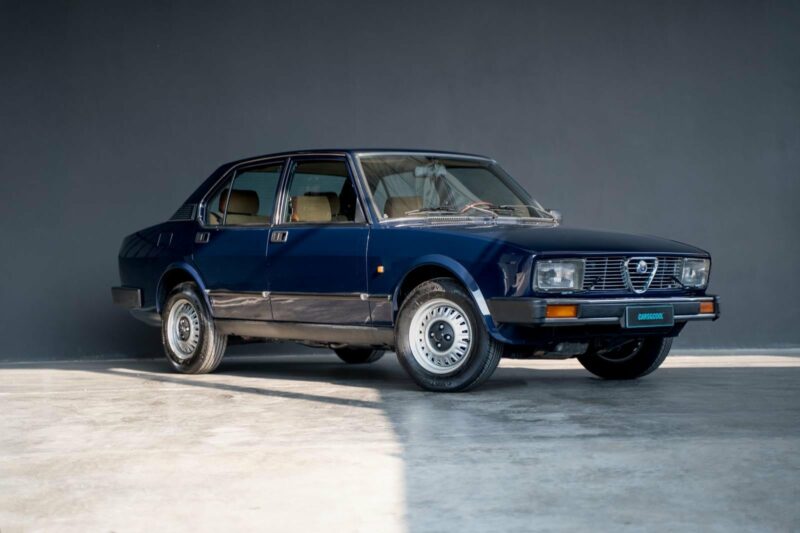
Alfa Romeo Alfetta
- Average Price Range: £4,800 to £10,000
- Production Run: 1972-1984
- Number Built: 448,417
- Horsepower: 122-130
- Top Speed/0-60mph: 115mph/9secs
In the 70s, executives with a stylish cut to their Burton’s Draylon suit were swapping their Zephyrs and Farinas for fancy European saloons like the E21 BMW and Alfa Romeo’s chiselled new Alfetta.
The transaxle Alfetta is the kind of car Alfa Romeo specialises in making, namely one that is balanced and brilliant, with oodles of Latin brio, and yet is also as fragile as frangipane. And yet, somehow, the Alfetta’s persistent ability to fall apart is part of its appeal. If it was robust and durable and dependable like the BMW, would we like it as much?
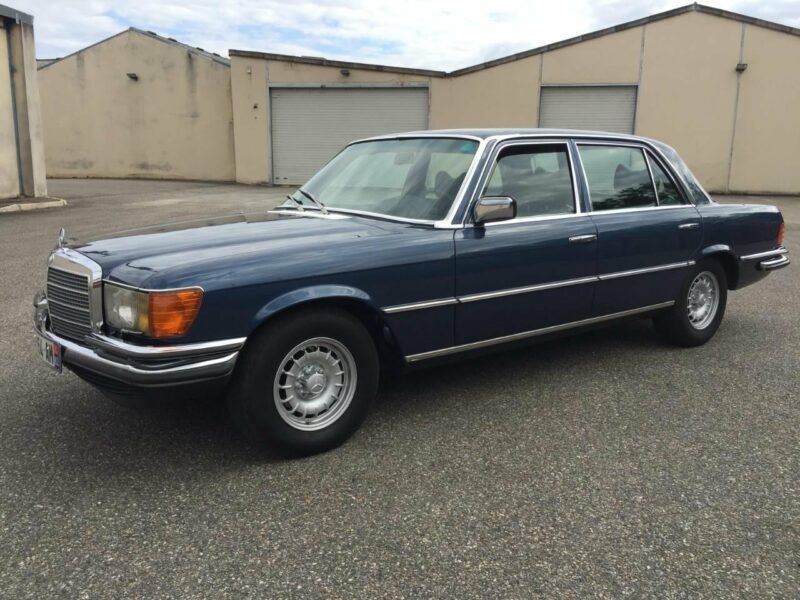
Mercedes W116 450SEL 6.9
- Average Price Range: £26,000-66,000
- Production Run: 1975-1980
- Number Built: 7,380
- Horsepower: 286
- Top Speed/0-60mph: 145mph/7.2
Apart from Jean Reno, it’s not entirely clear who the 450SEL 6.9 was aimed at. Here was a 282bhp super saloon that could out-drag a Ferrari, out-muscle a Camaro and still get four sober-suited executives to a Board meeting without involving anything approaching fluster.
Despite a 50% premium over the nearest-priced W116, 7,380 6.9s found homes over five years. Our best guess is many of those buyers had people and places they needed to get away from and to rather quickly. In which case, probably best for us not to ask too many questions.
Best 70s Convertibles
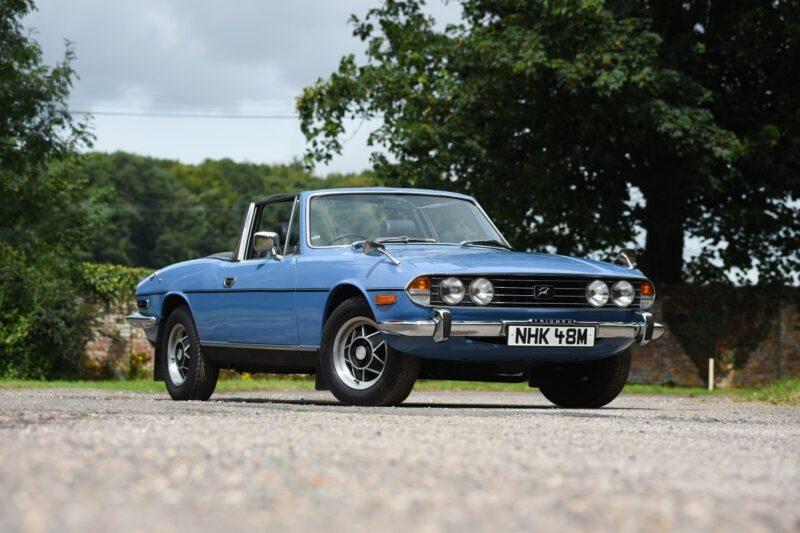
Triumph Stag
- Average Price Range: £8,000-35,000
- Production Run: 1970-1977
- Number Built: 25,939
- Horsepower: 145
- Top Speed/0-60mph: 121/9-10secs
Picture the often yawning gap between imagination and reality and you’re likely seeing a Triumph Stag. This is, after all, the car that even the people who made it nicknamed The Snag.
The Stag had everything. Crisp Michelotti styling, proper four seat layout, comfortable ride, engaging handling and a brand-new V8 engine. Move over Mercedes R107, there’s a new king in town.
Except not. Under-developed and badly built, the Stag was an object lesson in how not to design and build a car. Few cars epitomise the British motor industry’s brilliance and stupidity like the Stag. Fortunately, in the intervening 50 years an army of enthusiasts and specialists has ironed out those issues. Find a sorted one now, though, and you buy a motoring gem.
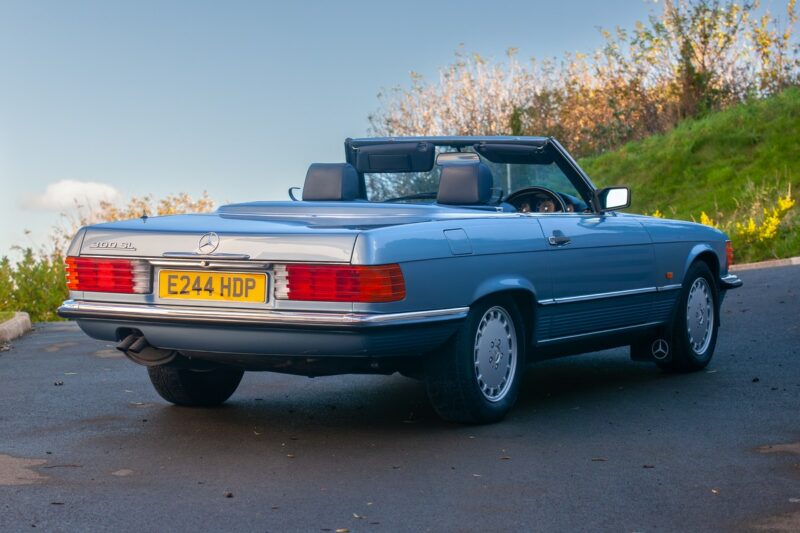
Mercedes-Benz SL R107
- Average Price Range: 12,000-45,000
- Production Run: 1971-1989
- Number Built: 237,287
- Horsepower: 182-245
- Top Speed/0-60mph: 124-140/7secs-11secs
And here it is, the template for how to get a two seater roadster absolutely right. The R107 is the daddy of classic convertibles, a handsome, well-built open top car that can still reliably munch miles despite the earliest cars being over 50 years old.
The R107’s trick is to appeal to head and heart equally. It is comfortable, spacious and practical, a Teutonic machine that won’t let you down. And it is stylish, the strong lines drizzled in chrome and with that aspirational three-pointed star to admire at the end of the long bonnet. V8 or straight six, every variation of R107 remains one of the most popular 70s cars for sale, over 40 years after the last ones left the line.
Best British 70s Cars
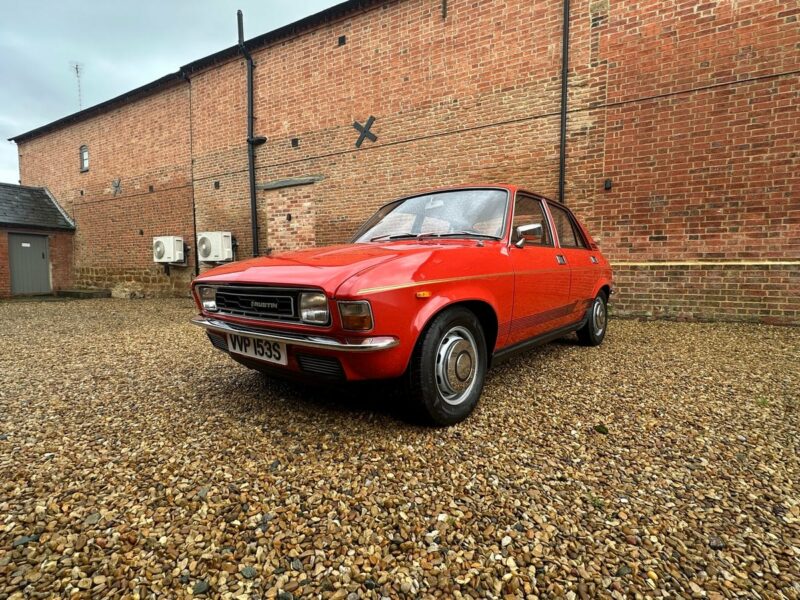
Austin Allegro
- Average Price Range: 3,000-35,000
- Production Run: 1973-1982
- Number Built: 642,350
- Horsepower: 48090
- Top Speed/0-60mph: 79-103/10-22secs
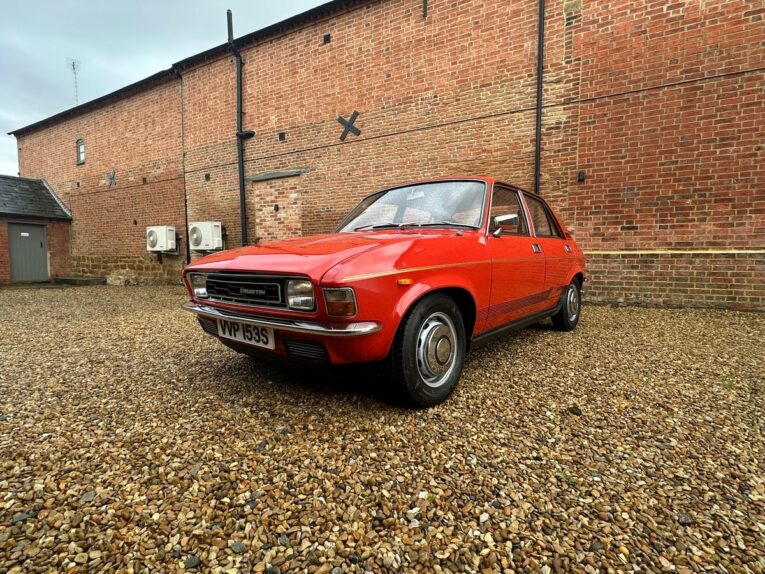
Hahahahaha you’re saying. Best British 70s Car – the Allegro? Hold with. The Allegro is perhaps the most British of British cars. We’re a nation of imaginative thinkers, of ‘out of box’ ideas that have given the world the Mini, the Lotus Seven, the E-type and the McLaren F1.
And the Allegro. British Leyland conceived a stylish, wedgy car to wow the Europeans, a cool saloon to compete with the best from Citroen and Fiat. For a company on its knees, taking on the best of Europe was the ultimate in chutzpah. On paper it worked: the Allegro was as innovative as the Mini. We’re thinking Quartic wheel, compact dimensions and spacious cabin and Hydragas suspension. Naturally, in true British style, the delivery was somewhat lacking.
The Allegro makes this list because it was a car intended to break the mould, even if that mould turned out to be made of jelly. It’s a car that splits opinion, one that drives emotion and emotion is what drives the enthusiasm we all have for classic cars. That’s why we love it.
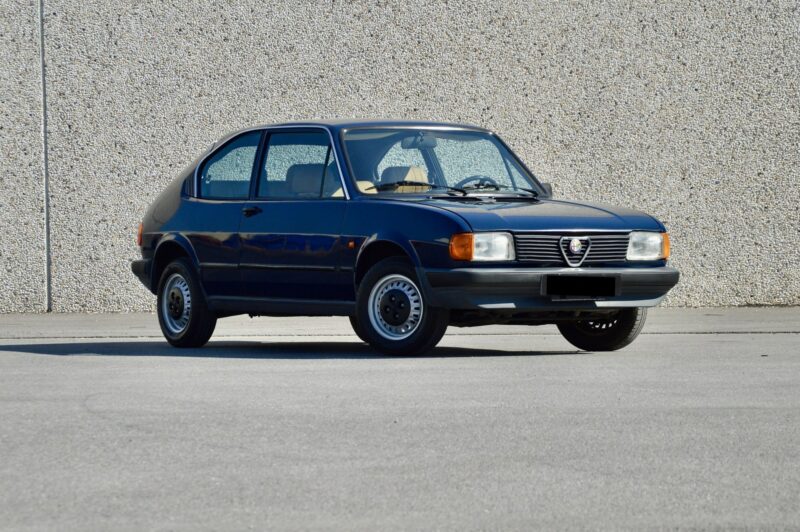
Alfa Romeo Alfasud
- Average Price Range: 5,000-35,000
- Production Run: 1971-1989
- Number Built: over 1m
- Horsepower: 63-115
- Top Speed/0-60mph: 94-114mph/9-14secs
We make no bones about including the Alfasud on both our 70s and 80s lists. This is the car that CAR magazine voted the best of the 70s, and with good reason. Designed by Giugiaro and developed by ex-Porsche engineer Rudolf Hruska, the Alfasud was a marvel of innovation that made its closest rival, the Golf, look utterly pedestrian. Boxer engines and inboard brakes made it handle while clever packaging meant it was a proper, spacious four seater family car.
Of course, there’s a but, and it’s a big one. There was no hatchback. Oh, and it rusted, which you may have forgotten about. It was badly built too. Overlook all those minor trifles, the nimble, charismatic Alfasud was, still is, one of the best cars of the 70s and beyond.
Best 70s GTs
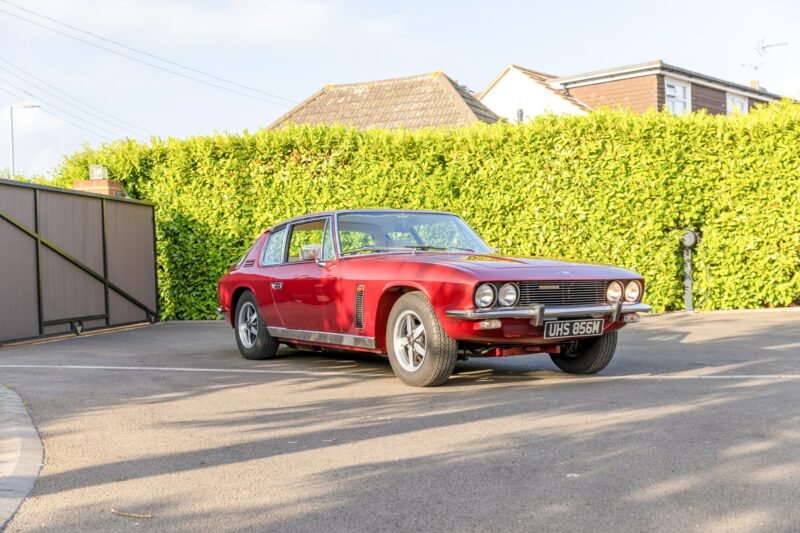
Jensen Interceptor
- Average Price Range: 12,000-50,000
- Production Run: 1966-1976
- Number Built: 6,408
- Horsepower: 325-385
- Top Speed/0-60mph: 133-143mph/6.4-8.7 secs
If this was a list of the best car names, the West Brom Wonder would still be on it. Despite being designed and engineered in just four months, Jensen’s sleek Touring-penned fastback set the template for what a classic GT should be. Burbling soundtrack, big comfy hand-tooled seats, acres of bonnet and a strong sense of exclusivity.
Even at standstill the Jensen looks like it’s about to power down to Cannes. Shorn of the Bond connection and saddled with a reputation, in period, for not being entirely well built, the Jensen has always lagged behind its Newport Pagnell rival. But canny buyers know a bargain when they see one, and a well-sorted Interceptor today is certainly that.
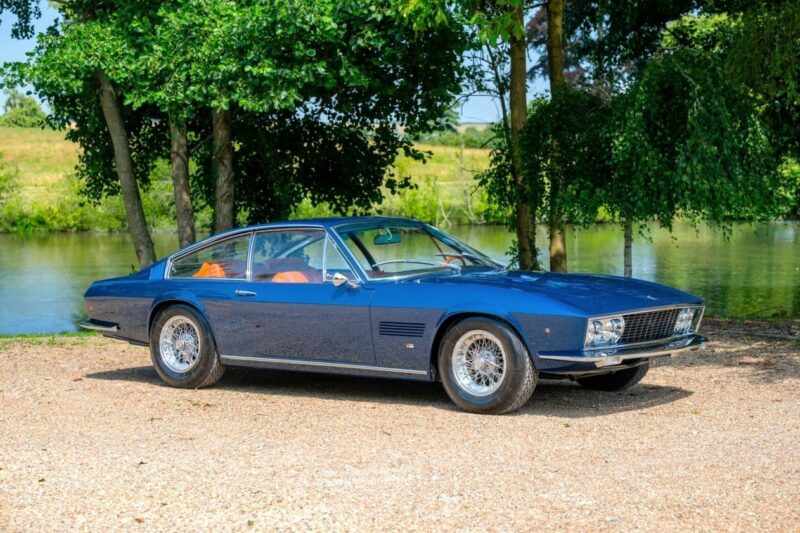
Monteverdi HiSpeed
- Average Price Range: £220,000-450,000
- Production Run: 1967-1976
- Number Built: 200
- Horsepower: 375-450bhp
- Top Speed/0-60mph: 142-152mph/5-8.2secs
It was Europe’s evolving high-speed road network that begat the GT, a car perfectly orientated for long-distance, three-figure cruising. Sitting at the heart of all this, Switzerland was both an obvious choice to develop a GT, and very much not. The not part being because that the Swiss, unlike their near neighbours, had never shown much interest in car manufacture.
Peter Monteverdi, however, bucked the Swiss trend. He loved cars. Alongside designing and racing them, he sold Ferraris and other high-end marques. Legend has it that the HiSpeed was the result of his souring relationship with Ferrari, but that’s unlikely. What is true is that the HiSpeed was exactly what it said on the tin – a long, low and certainly lithe GT with, like the Interceptor, serious MOPAR muscle. That powerplant made it reliable where a Ferrari wasn’t. The issue lay with everything else. Badly built and extraordinarily expensive, the HiSpeed floundered. But when a car looks this good and goes so well, it makes this list.
Best 70s Coupés
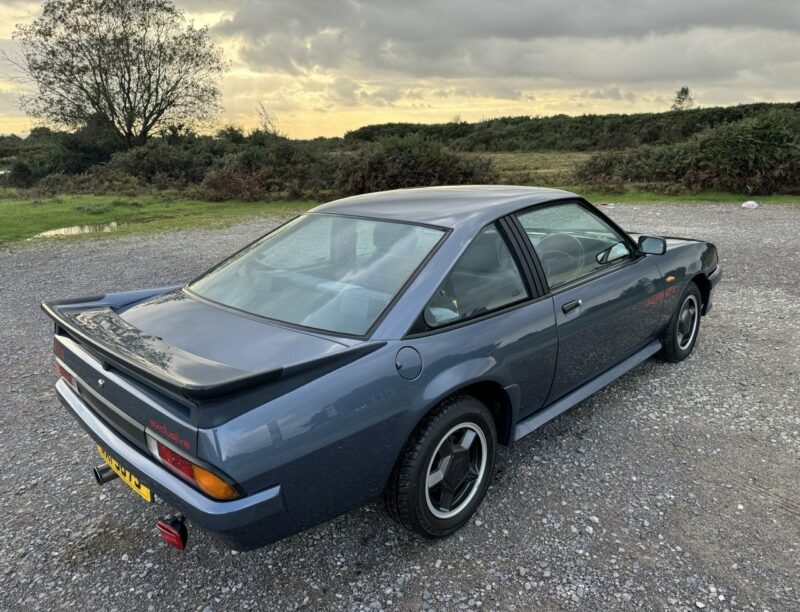
Opel Manta B
- Average Price Range: £9,000-60,000
- Production Run: 1975-1988
- Number Built: 557,940
- Horsepower: 60-174
- Top Speed/0-60mph: 110-130mph/7.1-11 secs
Before the Quattro, Europe’s car makers battled it out on a much simpler rallying tableau, one centred on light, nimble and decidedly rear-drive family cars. We love the Manta A, with its Manta Ray concept car infusions, but it’s the more populous Manta B that makes this list. Mainly for its performance on gravel.
The Manta B rally car was lauded for its handling and took titles in Germany and on the Paris-Dakar, but it never quite fulfilled its rally potential, despite being piloted by names such as Jimmy McRae, Russell Brookes, Rauno Aaltonen, Guy Fréquelin, and Ari Vatanen. Yet as road drivers discovered, it was a better-engineered, arguably more stylish and certainly more nimble alternative to its Dagenham rival.
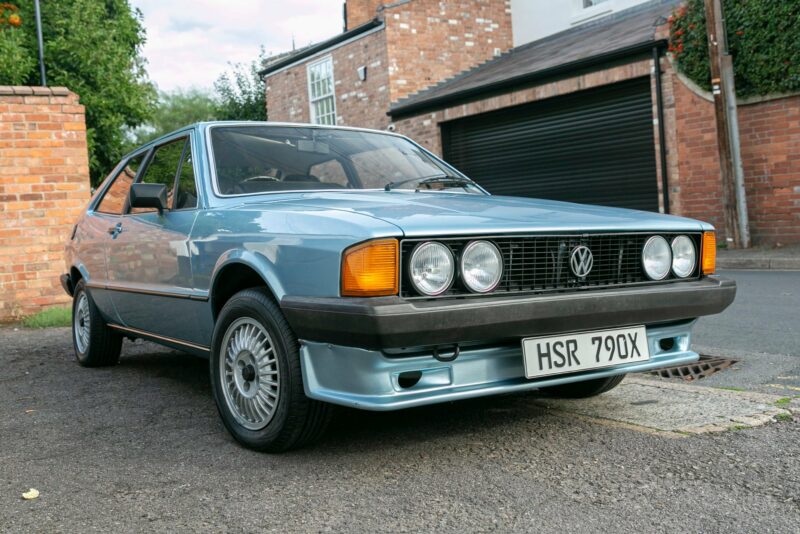
VW Scirocco Mk1
- Average Price Range: £3,000-20,000
- Production Run: 1974-1981
- Number Built: 504,153
- Horsepower: 50-110bhp
- Top Speed/0-60mph: 90-115mph/9-11secs
The 70s was the era of coupé spin-offs of humble family wagons. The Scirocco, despite being one of Giugiaro’s finest designs, has always been overshadowed by the Golf GTI. Contemporary buyers wondered why it was worth bothering buying the coupé when the 3dr hatchback did all the same stuff, but more practically.
As a classic buy, the roles should be reversed. The Scirocco is a Golf GTI in a party frock, a crisply styled car that is one of the prettiest coupés of the era. That it also shares the GTI’s agility and verve surely seals the deal. And that’s all before we mention the brilliantly named Storm.
Coolest 70s Cars
Bond Bug
- Average Price Range: £4,000-18,000
- Production Run: 1970-1974
- Number Built: 2,268
- Horsepower: 29-34
- Top Speed/0-60mph: 76mh/14.4-23secs
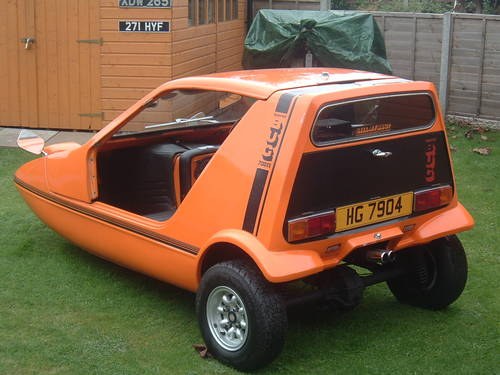
Whatever Tom Karen was smoking in the late 60s, we can only assume it wasn’t straight Marlboros. When asked to come up with a ‘fun, sporty’ new car for Reliant, he dusted off his old designs for a ‘Reliant Rogue’ and, well, the result was extremely orange in every sense.
Even if it had had the full complement of round rubbery things, the Bond Bug would have still been extraordinary. Wedgier than Wensleydale, more orange than Outspan, the clamshell Bug was practically the legal definition of blue sky thinking. It wowed everyone who saw it. A Bug chassis even reputedly formed the basis of Luke’s Skywalker’s Landspeeder.
When it came to parting with hard-earned cash, the Bug’s practical shortcomings were its undoing. Today drive a Bug anywhere, and we recommend you do try it, and discover attention of the sort Influencers seek but never quite achieve.
Dodge Challenger
- Average Price Range: £15,000-£1m
- Production Run: 1970-1974
- Number Built: 165,437
- Horsepower: 145-425
- Top Speed/0-60mph: 110-150mph/4.7-11secs
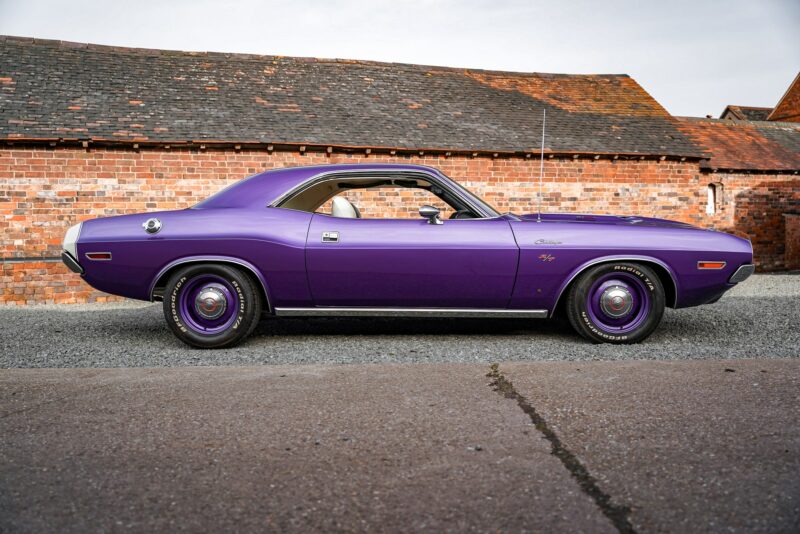
The early 70s was the swansong of the muscle car era and we could have chosen any number of cool alternatives for this list. But the Challenger makes it because of Vanishing Point. If any movie defines motoring cool, it’s that one.
From the thrilling opening scene, as it outsmarts an E-Type across the desert, and for the next 98 minutes, the Challenger is the true star of the film. It’s the ultimate symbol of freedom, speed and rebellion. And if that isn’t cool, we don’t know what is.
The Brownest 70s Cars
British Leyland Princess AD071
- Average Price Range: £4,000-18,000
- Production Run: 1975-1982
- Number Built: 224,942
- Horsepower: 50-110bhp
- Top Speed/0-60mph: 88-100mph/11-18secs
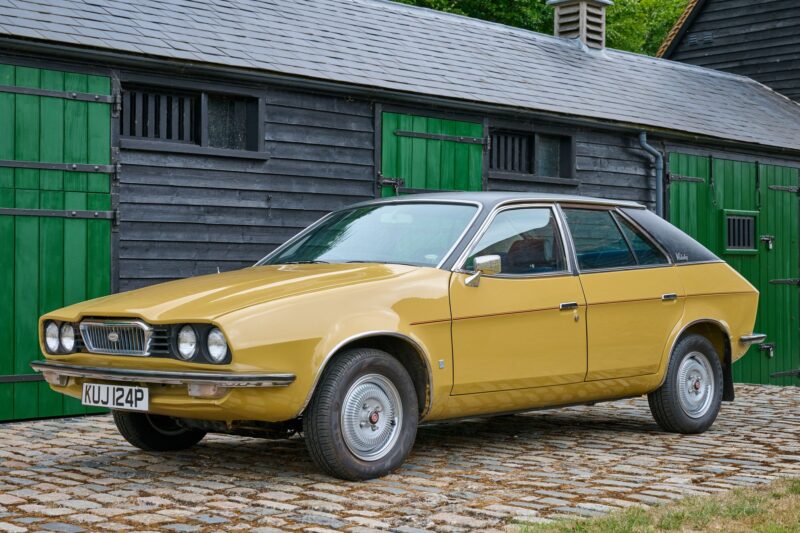
Whether you call it brown, beige, russet, chocolate, umber, burnt sienna or plain old sludge, the 1970s was the decade of dirt-coloured cars. And few were available in quite so many varied hues of weather-beaten earth than the ill-fated Princess.
For a car that was, thanks to its Harris Mann wedge, so distinctive, the Princess was forever a car in search of an identity. It started life under a trio of different brands united by the odd ‘18-22 Series’ monicker. Then it lost all the brand names and became merely a Princess. All this was against a background of British Leyland strikes, bankruptcy and a general refusal by anyone involved in the process to actually build a single Princess properly. No car was as embroiled in this utter mess quite like the Princess, and it sullied what was on paper a clever, innovative and stylish car. It was all very sad and, quite simply, merde.
Citroën GS
- Average Price Range: £4,000-19,000
- Production Run: 1970-1979
- Number Built: 2,473,499
- Horsepower: 55-107bhp
- Top Speed/0-60mph: 92-113mph/13.5-18secs
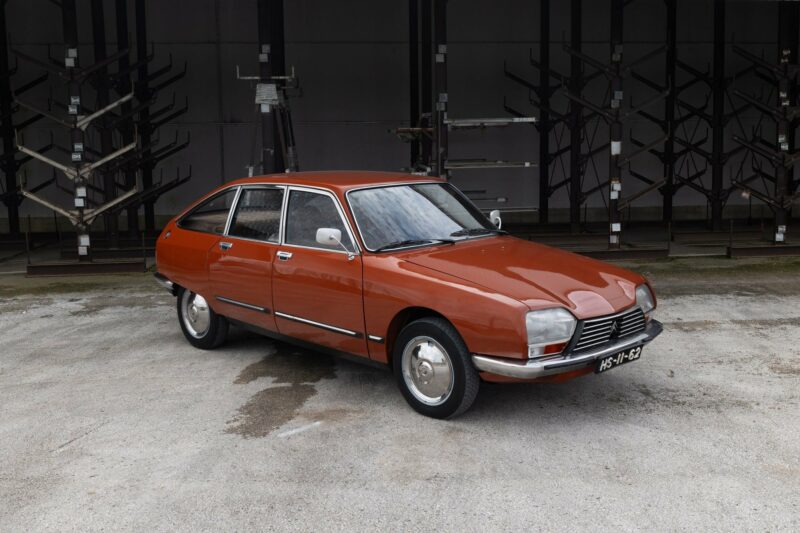
We like to think that British Leyland had a thing about brown, but in fact every 70s car maker did. Some even ran with it for longer and further than Longbridge. Eg Citroën.
For a while in the 70s, you could specify your GS in Vesuvius Brown, Santal Brown Metallic, Brun des Andes and Cigale Metallic. All of which sound considerably more beguiling than Harvest Gold, Sienna, Russett Brown, Bedouin, Antelope, Sombrero and, of course, Sandglow. Just like a GS is considerably more beguiling than an Allegro.
Best 1970s Hatchbacks
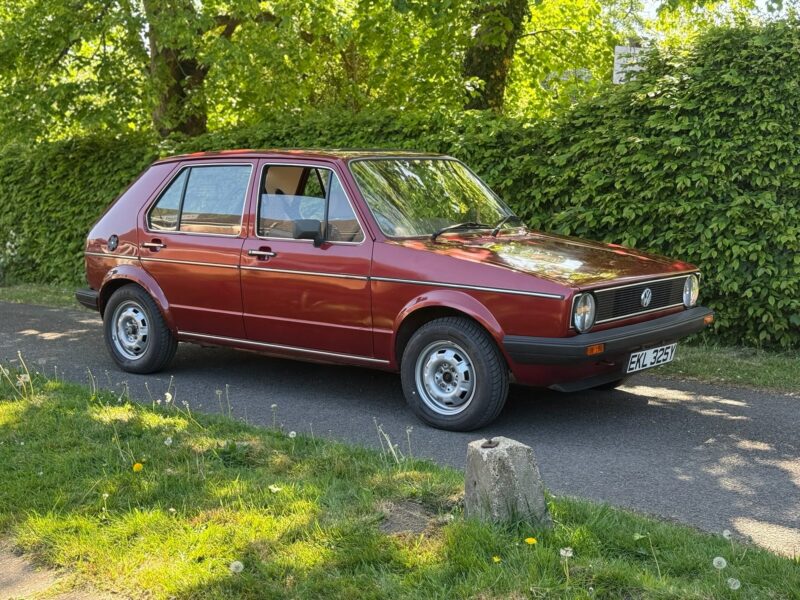
Volkswagen Golf Mk1
- Average Price Range: £3,000-30,000
- Production Run: 1974-1983
- Number Built: 6.7M
- Horsepower: 49-112bhp
- Top Speed/0-60mph: 87-119mph/8.1-20secs
Well, it had to be. The Golf wasn’t the first hatchback, but it certainly put the idea on the map. Yes, it was practical and versatile, but perhaps it’s the Golf’s sheer ability to do everything so well that made it so successful and so enduring.
There was also a Golf for everyone, from the parsimonious and the fuel-orientated, to the sort of luxurious and the quite quick. The Golf’s trick was to be very good at everything, but not brilliant at anything, which turns out to be what most car buyers actually want.
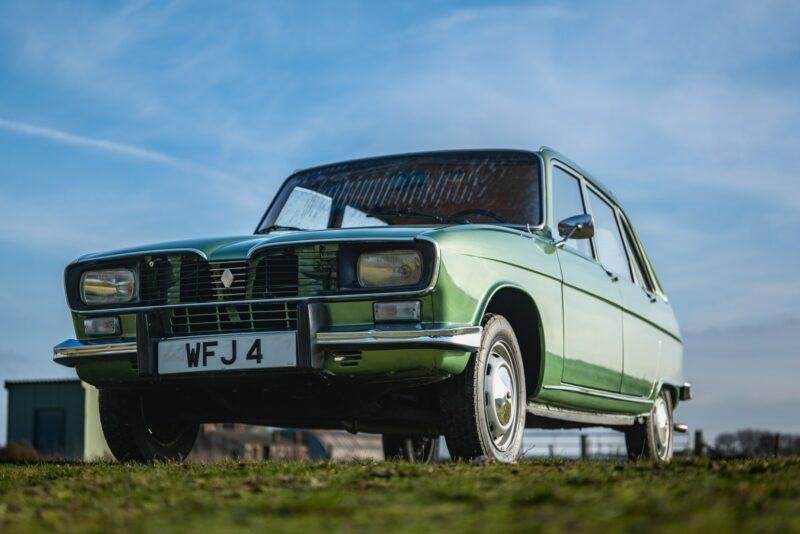
Renault 16
- Average Price Range: £4,100-16,000
- Production Run: 1965-1980
- Number Built: 1,851,502
- Horsepower: 55-93bhp
- Top Speed/0-60mph: 90-110mph/1.5-20secs
The 16 wasn’t, officially, the first hatchback, but it put the idea into the mainstream, so it has to be on this list. Renault was clearly aiming for Golf-like everyman status, but thankfully didn’t quite manage to give a full Gallic shrug to character and quirkiness.
Renault channeled its typically innovative approach into the 16. Front wheel drive, transverse engines and the sort of spacious interior that made a Golf seem cramped all made the 16 one of the best family cars of the 70s. Price and a general sniffiness about all things European meant that few made it to British shores. Instead, we made do with the Maxi. And make do we certainly did.
Best 1970s Kit cars
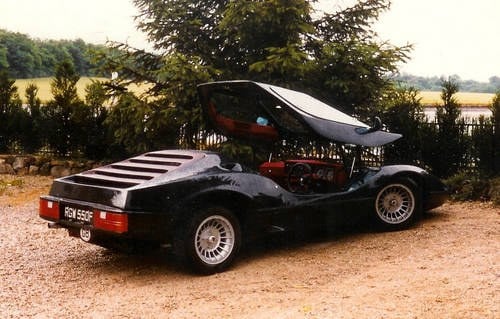
Nova
- Average Price Range: £5,000-20,000
- Production Run: 1971-1996
- Number Built: 2,268 (approx)
- Horsepower: 49-100bhp
- Top Speed/0-60mph: 100-115mph/9-14secs
In the 70s esoteric car makers like Lamborghini and Ferrari were discovering something called ‘the supercar.’ For those with less deep pockets, an engineering bent and a warm garage, there was The Kit Car.
No kit car was quite so supercar-themed as the Nova. It looked fantastic, it had a barmy lift-up clamshell roof and, well, that’s sort of it. All the roof stuff and the chiselled bodywork hid what was actually a Beetle with Beetle running gear. But when you’re parked up in Tesco fielding wowed admirers, nobody needs to know that.
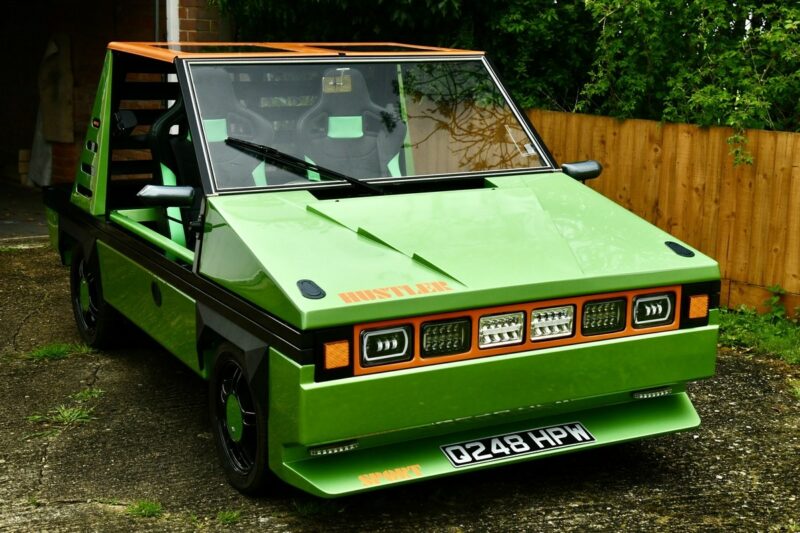
Towns Hustler
- Average Price Range: £2,000-14,000
- Production Run: 1978-1989
- Number Built: 500
- Horsepower: 34-75
- Top Speed/0-60mph: 70-90mph/14-20secs
William Towns was one of motoring’s true travelling troubadours. He designed lots of cars you know, like the Aston Martin Lagonda, some you maybe don’t, like the Railton F28 Fairmile, and some that are quite unlike either of those, like the Hustler.
Conceived as a very simple modular kit, the Hustler was designed to take the complexity out of assembling your own car. Think motorised Meccano, or Lego. Towns imagined it would work quite well in developing countries where tools and technology were lacking. The Hustler did all that whilst exhibiting his usual design flare. Aspirations never quite matched reality, with just 500 built. If you’re ever in North Berwick, you’ll discover a Hustler still in use as an ice cream van. Not quite what Towns had in mind, but it certainly fits his eclectic approach to design.
Best 1970s Supercars
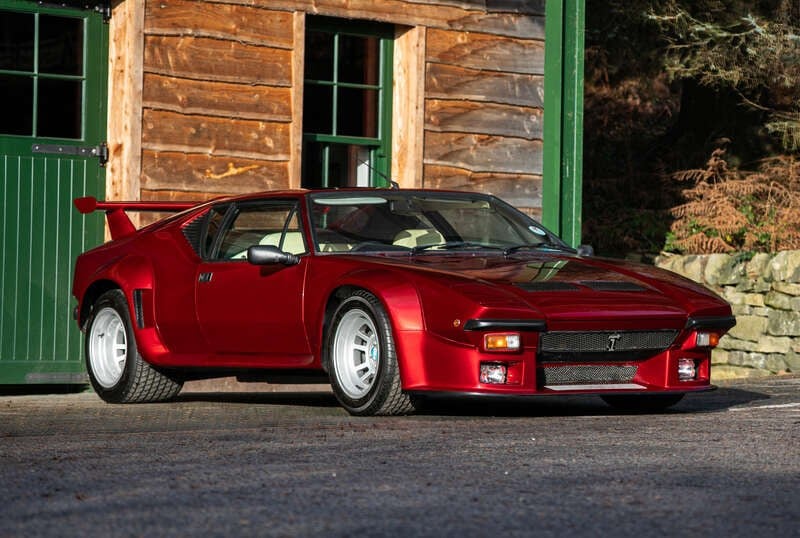
De Tomaso Pantera
- Average Price Range: £70,000-400,000
- Production Run: 1971-1992
- Number Built: 7,260
- Horsepower: 305-355bhp
- Top Speed/0-60mph: 15-165mph/5.4-6secs
The Pantera was the result of the sort of circumstances that Alessandro De Tomaso thrived upon. He wanted a Ferrari rival, Ford wanted a Corvette competitor and Tom Tjaarda delivered the magnificent Pantera.
It had the makings of brilliance: Italian thoroughbred credentials, reliable Ford power. Of course, in time-honoured Italian tradition, things didn’t quite work out that way. The Pantera was not so much built as thrown together and General Motors carried on churning out Corvettes largely unbothered. Thankfully, Alessandro being Alessandro, he didn’t let defeat defeat him and carried on developing and improving the Pantera, giving enthusiasts a range of increasingly outlandish and quick alternatives to the conventional Italian supercars.
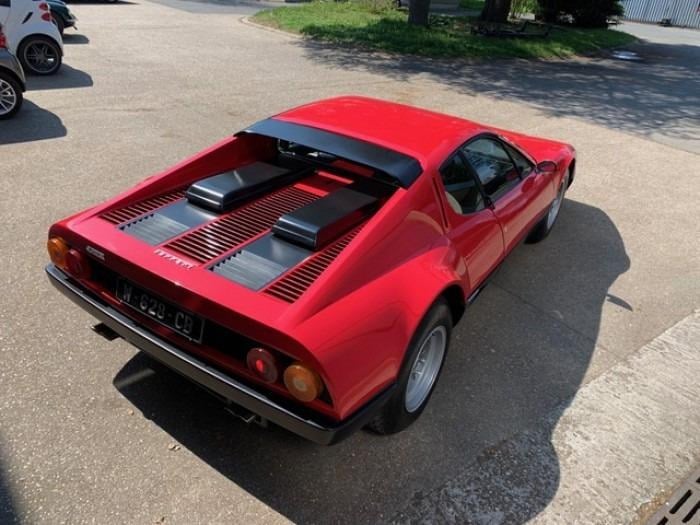
Ferrari 512 Berlinetta Boxer
- Average Price Range: £70,000-400,000
- Production Run: 1973-1984
- Number Built: 2,323
- Horsepower: 335-380bhp
- Top Speed/0-60mph: 170-188mph/5.1-6.1secs
The BB, or more accurately the earlier 365GT4 BB, set the template for what would become Ferrari’s subsequent supercars. Powered by a mid-engined ‘flat 12’ – in reality, a very wide angle V12 – the BB512 is a Pininfarina masterpiece. The car’s otherworldly looks and performance pushed the idea of Ferrari into the rarified stratosphere and helped cement the brand’s modern reputation.
There are many flavours of Berlinetta Boxer, from that first 365 to the final BB512i. Just 2,323 were built over 11 years and today you’ll pay upwards of £300,000 to nab one. Considering the value of later Ferrari supercars, that feels like something of a bargain.