De Tomaso Deauville – Coventry Copy Cat

July 1, 2026
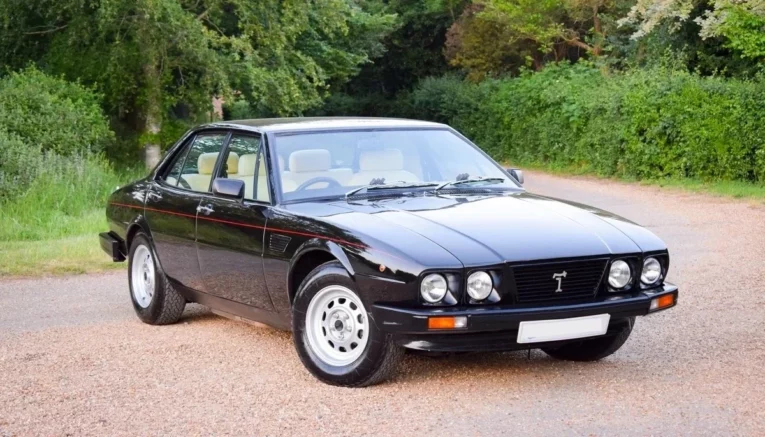
The arrival of a De Tomaso Deauville Series 2 for auction is a chance to reflect on one of those weird and wonderful car tales that very often seem to involve motoring’s most famous maverick magpie, Alejandro De Tomaso.
The Deauville was an idea cooked up by De Tomaso and Ford’s Lee Iacocca to conquer the European and American executive car markets. In the late ’60s, both men seemed to spend their days looking at competitors and trying to beat them. The GT40 was built to best Ferrari, the Pantera to trounce the Corvette and, rather less famously, the Deauville to put Jaguar’s new XJ firmly in its place.
De Tomaso was keen to chase volume to keep his expensive factories busy, and Iacocca saw the profit to be made selling plush European executive cars to American buyers. They became obsessed with arguably the best car in the class, the new Jaguar XJ. Rather than using William Lyons’ sculptural four-door E-Type as the jumping-off point for their own class-leading saloon, they instead headed to the metaphorical photocopier and got busy.
Borrowing ideas is an established principle in car design and engineering. Think Elan, think MX-5, or Ferrari Daytona and Rover SD1. The Deauville, however, took that magpie thinking to extremes. The established story is that De Tomaso and Iacocca saw the XJ6, loved it and asked Tom Tjaarda at Ghia to design them a copy. The designer’s narrative is that he designed a saloon that pre-dated the XJ and then tweaked it for the dynamic duo. Another line of thinking goes that struggling Ghia saw the XJ, decided to pitch Jaguar for a replacement using Tjaarda’s sleeker, simpler design, got rebuffed and sold the idea to De Tomaso, who was looking for a car he could get to market quickly. It’s perhaps not unconnected that Iacocca saved Ghia from bankruptcy by buying it for Ford in 1970, just before the Deauville arrived on the market.
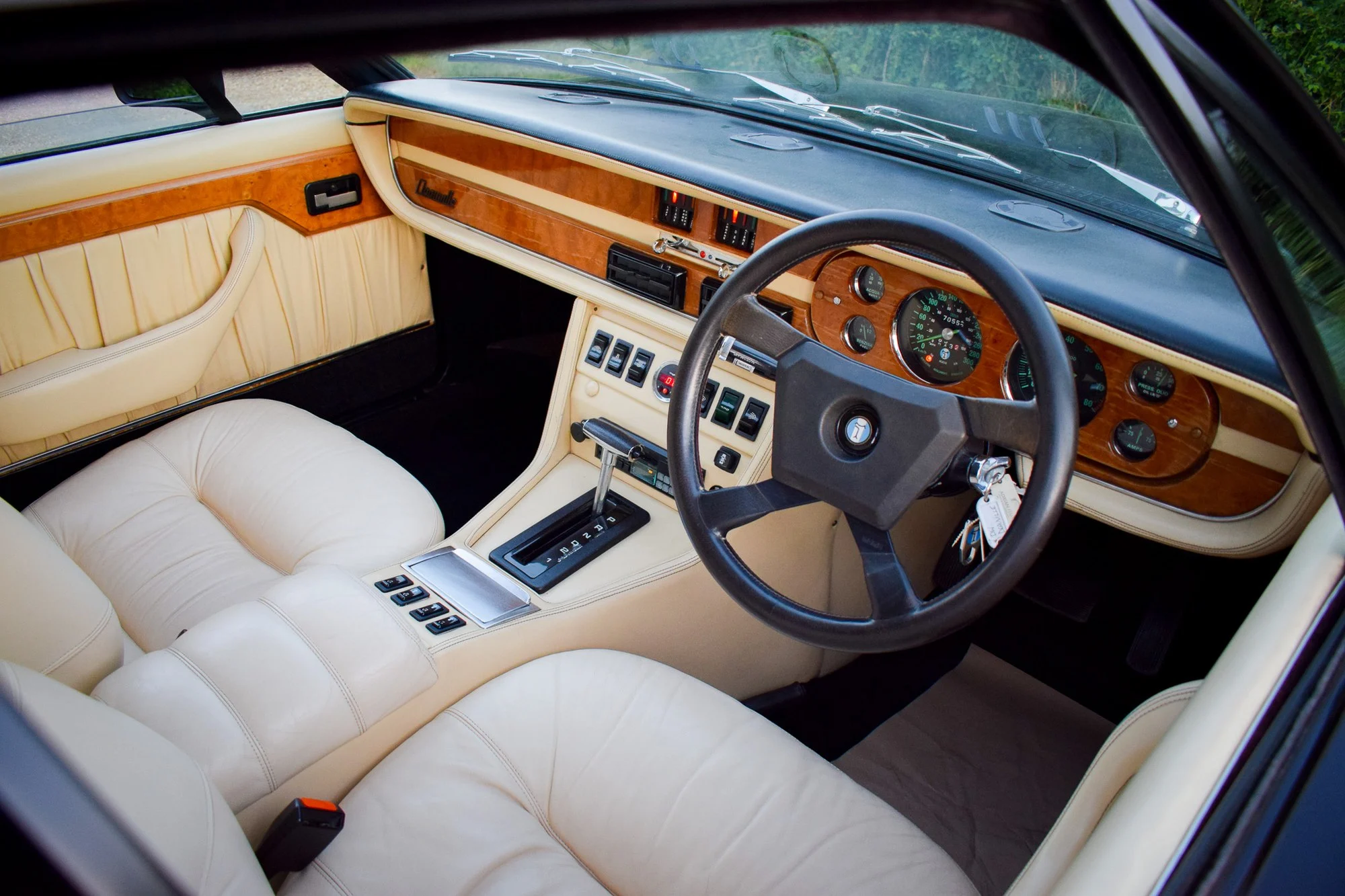
Whatever the truth is, the result is a car that couldn’t be more XJ-themed unless it had a leaper on the bonnet and was parked outside Sir William Lyons’ home at Wappenbury Hall. Check the photos of our beautiful 1983 Deauville auction car, and you’ll notice the XJ profile, the pinched rear end and even the similar dashboard. The proportions are so similar that it’s a wonder there aren’t some shared panels between the two cars. Beyond the looks, the Deauville nicked the independent rear suspension design from the XJ and even went to Salisbury to source an identical rear differential.
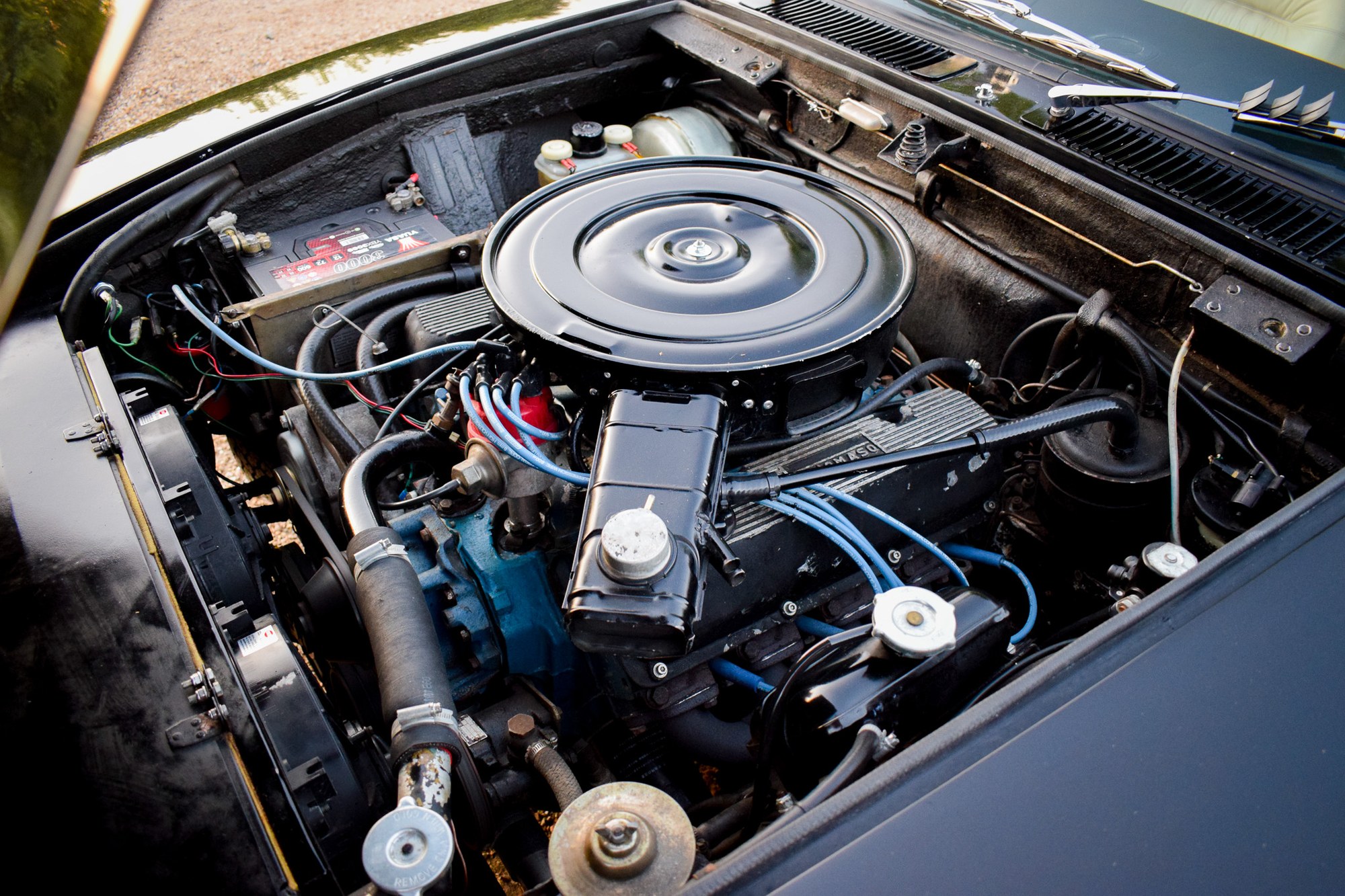
On paper, the Deauville’s trump card was its rumbly Ford Cleveland 5.8L 351CI V8. More powerful than Jaguar’s V12 and also much simpler, it offered the prospect of better reliability and easier parts supply. The De Tomaso would also be pitched at a price 50% higher than the Jag – equivalent to around £100,000 today – to give Iacocca and Alejandro a profitable saloon somewhere between a Jaguar and a Rolls-Royce.
It’s fair to say that the duo’s dreams of success and riches didn’t quite work out. The Deauville arrived in 1971 and bowed out 14 years later, after just 244 cars were built. For context, that equates to about one day’s production of Jaguar XJs.
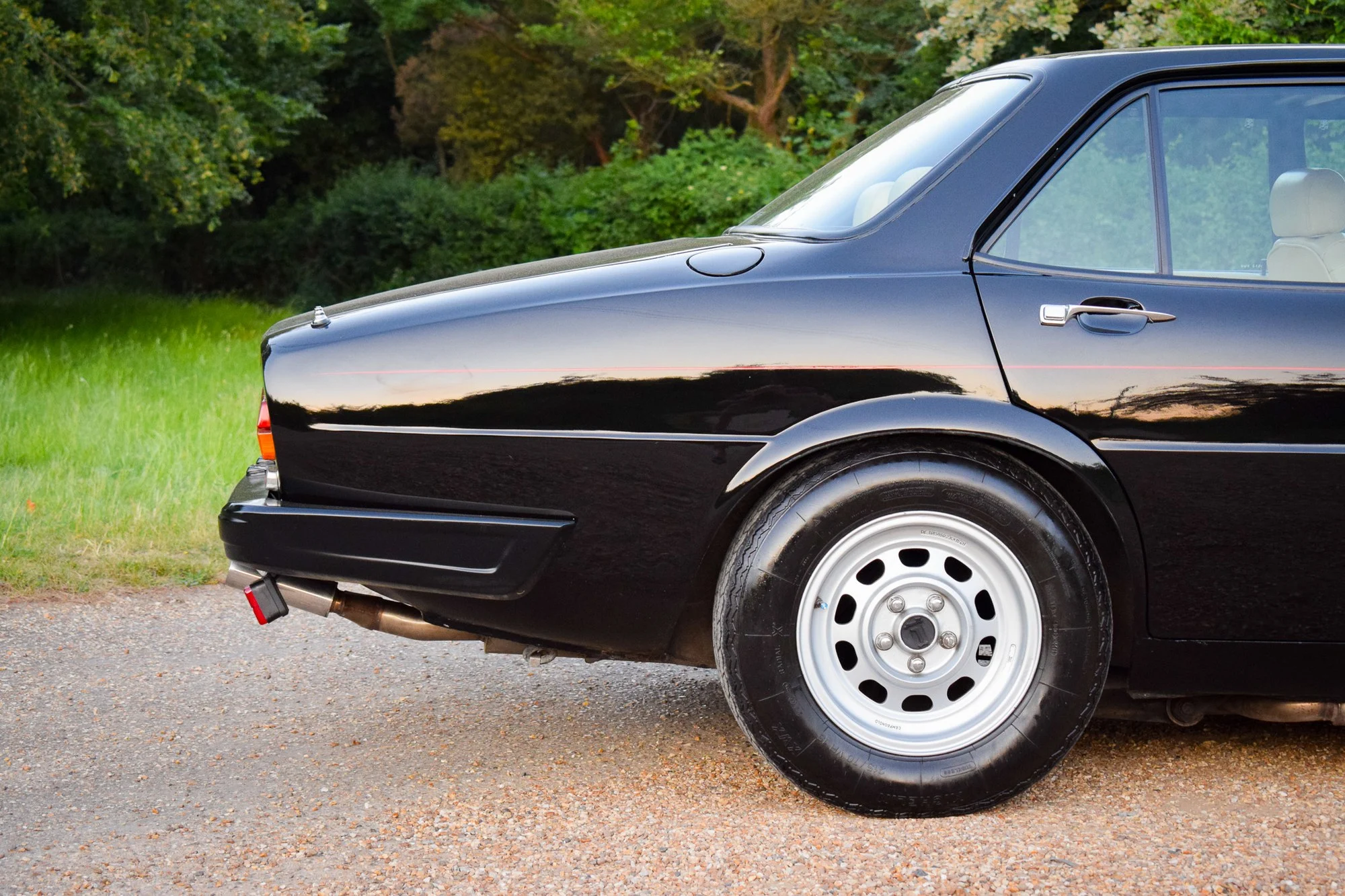
Our car is one of the last built, chassis number 2148, first registered in September 1983. It is a Series 2 car, which was introduced in 1978 with a number of detail tweaks that make these cars more comfortable, engaging and agile. The engine was moved back 10cm, the power steering revised, and the interior redesigned with a heavy emphasis on ruched leather. The revised car would go on to form the basis of the Maserati Quattroporte III, another low-volume rival from within the De Tomaso empire. Around 100 Series 2 cars were built, of which only seven were configured in RHD like this one.
With under 44,000 miles amassed by its handful of keepers, this beautifully presented black over cream Series 2 Deauville makes a discerning alternative to its Coventry rival and even certain rarified Italian saloons like the Quattroporte. The car has been in the hands of a marque collector since 2012 and has been carefully dry-stored during that time. In the intervening years, it has received £18,000 of work by specialist Three Point Four and, more recently, over £2,000 of recommissioning repairs, including a big service. It comes to market in fine shape and with a useful voluntary MOT to provide transparency.
The Deauville has a backstory that trumps most cars of the last 50 years. That illustrious badge, the Tjaarda connection and the extreme rarity of this car make it hugely compelling. That it is also the sort of hidden gem that collectors are only just beginning to latch onto means there is no better time to catch this one before it goes.
Find out more about our De Tomaso Deauville auction car.