The Lost Art of the Grand Tourer

April 13, 2026
A few days smoking around northern France in an aged grand tourer does wonders for one’s sense of perspective. For some people, driving old cars reminds them just how far modern cars have come. The more I drive old cars, the more I’m convinced that they stopped getting better a long time ago.
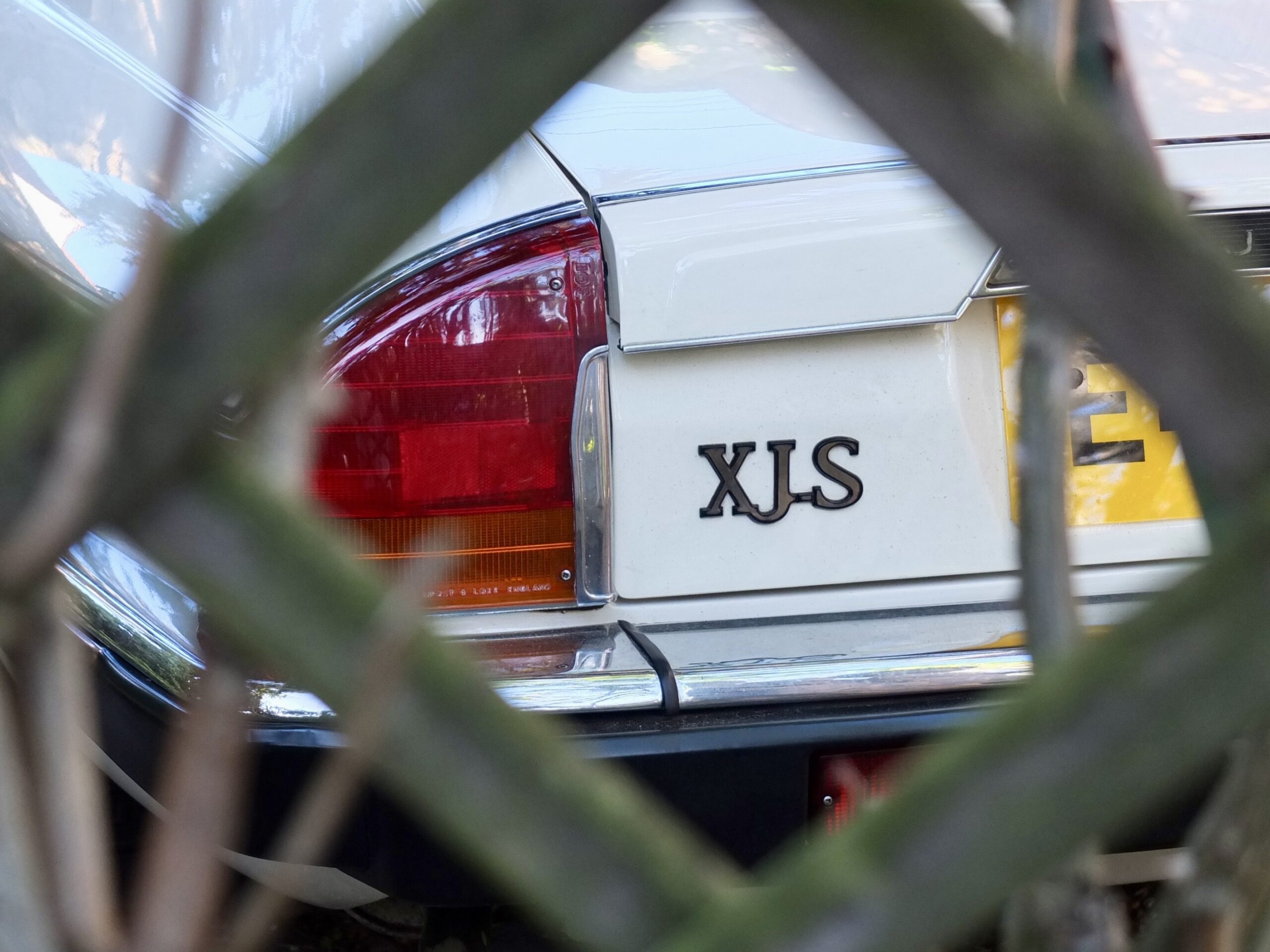
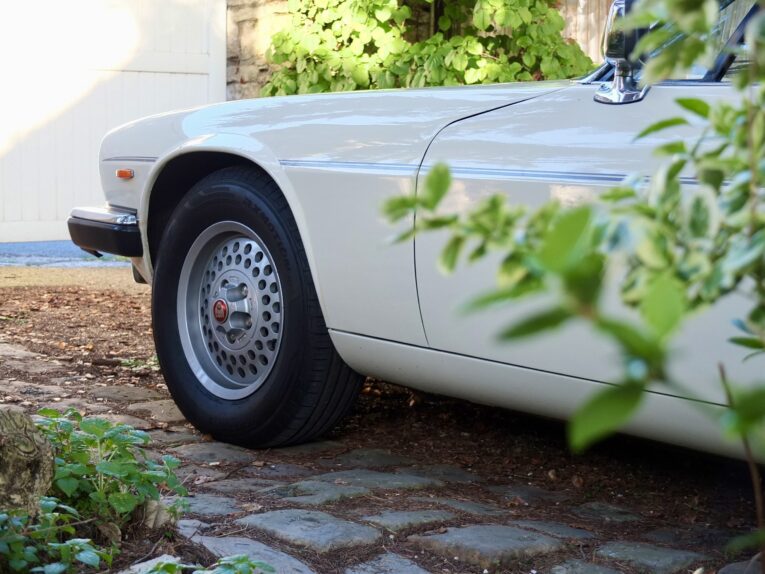
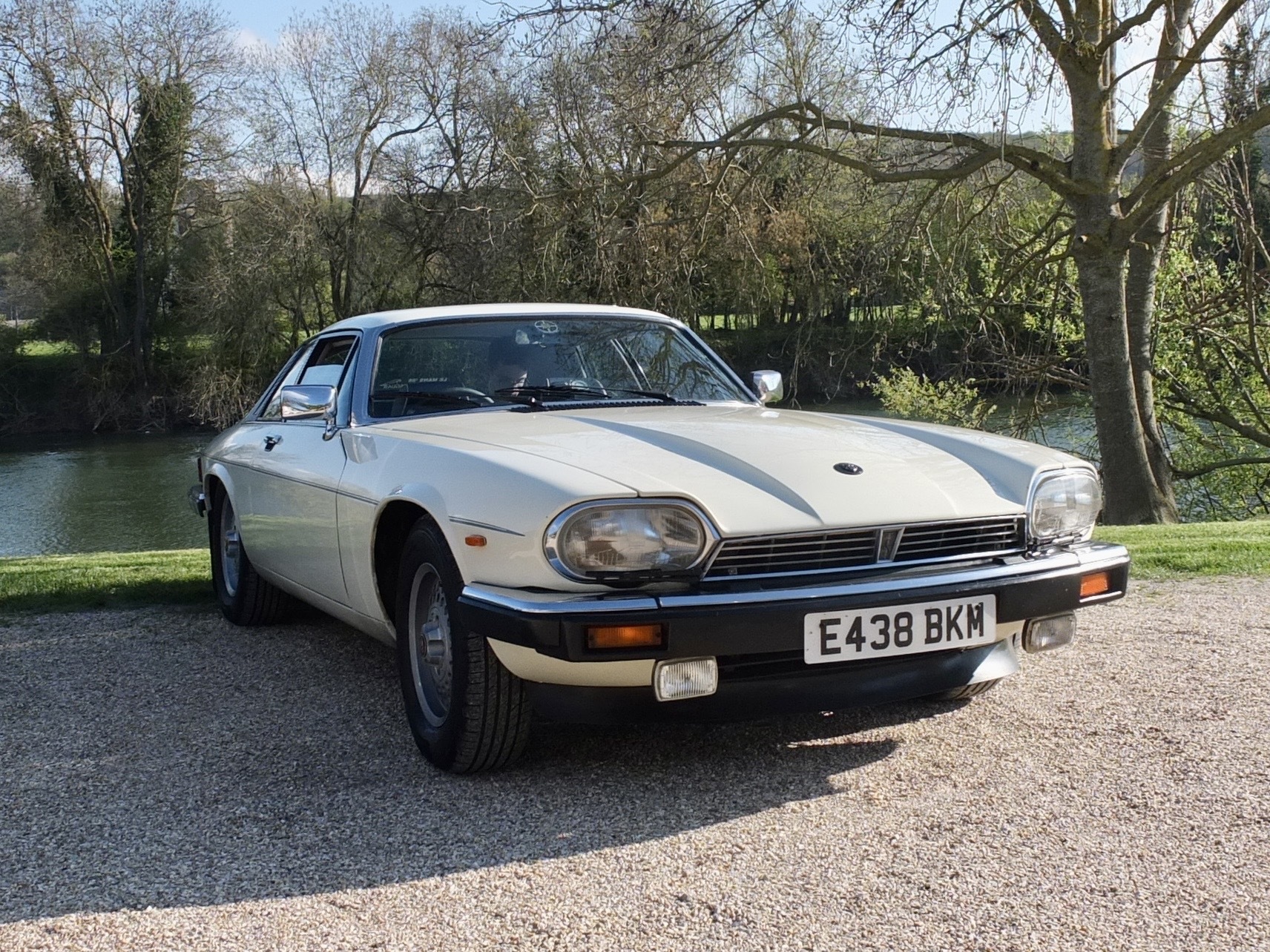
Regular readers will be aware that I recently acquired a 1987 Jaguar XJ-S 3.6 Coupé. I wouldn’t for one minute suggest it falls anywhere remotely near ‘peak car’. On the contrary, it’s deeply flawed in a great many ways. It’s a monumental pain to park, comes equipped with the single most useless pair of wing mirrors I’ve ever experienced, my knuckles hit the windscreen every time I turn the steering wheel, and it drinks petrol like it’s going out of fashion.
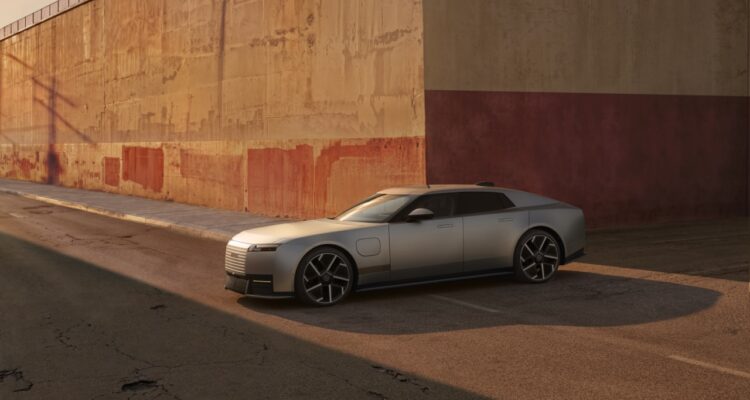
I could name a dozen more shortcomings, but I must say that this trip got me thinking rather hard about where carmakers seem to be going so wrong. Here I was in a vehicle that costs less than the down payment on a four-year PCP deal for practically any hateful electric ‘crossover’ you’d care to mention. Yet it’s infinitely more refined, easier to use, a more comfortable, and certainly doesn’t lack performance.
There are no touch screens with convoluted sub-menus in an XJ-S. If I want to adjust the heater, there’s a knob for that. If I’m bored with Roxy Music, I can put another CD in. There is no lane keep assist to wrestle the wheel from my grasp for no reason, no automatic braking feature to give me a heart attack, nor an incessant bonging sound whenever I venture within a gnat’s crochet of the speed limit. Malcolm Sayer and Norman Dewis didn’t have to contend with ADAS. They could put their time to much better use, developing a car that was actually nice to drive. It’ll never catch on…
A quick break beside the Seine
It was one of those sun-dappled mornings you experience in early Spring. A veneer of frost covered the ground, a light mist hung in the air, and the dawn chorus was in full session. I’m not the habitual early riser, but today was different. I hoped to catch the M25 at its least congested to make Folkestone in time for my LeShuttle crossing to Calais.
It was with some trepidation that I lowered myself into the low-slung grand tourer’s leathery embrace and slid the ignition key into its slot. The last time I had set off for the Continent in an old car, my journey ended somewhat prematurely when the Alfa Romeo Spider I was driving reverted to type with an electrical malfunction no more than twenty minutes into what was intended to be a thousand-mile jaunt across France.
And here I was trying to do exactly the same thing, this time in a car just as old, just as infamously unreliable, and likely far harder to repair on the roadside. To make matters worse, I had acquired the Jag just two months previously; little time to iron out any gremlins, of which I was sure there’d be many.
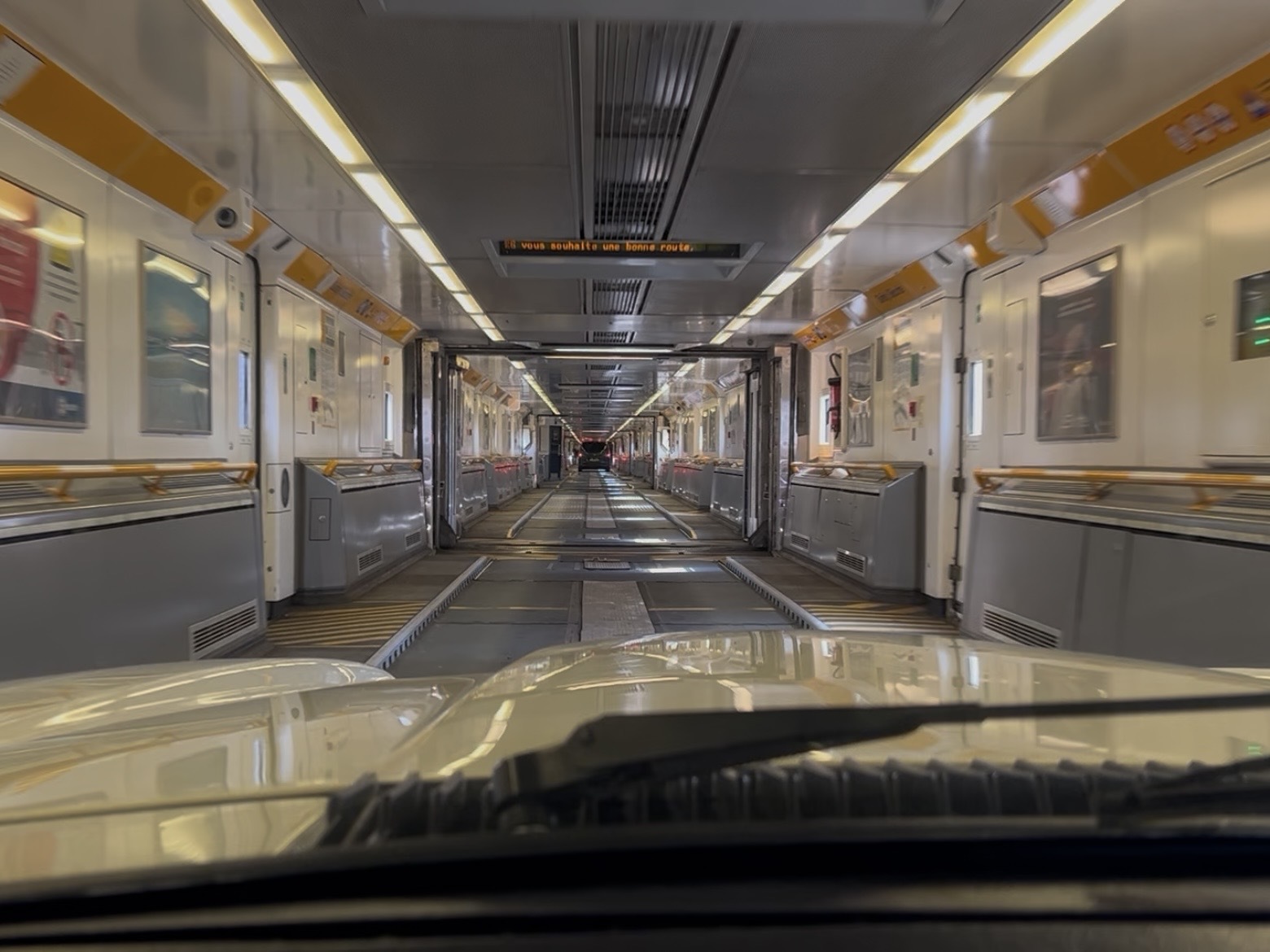
Boarding LeShuttle
The irony of buying an ‘80s Jaguar on the eve of a global oil crisis is not lost on me. XJ-S owners seldom leave a fuel station without a three-figure dent in their credit cards, but at least you can carry plenty of it about, with a twenty-gallon bowser in the boot.
President Trump’s meddling in the Middle East has not been the only complication during my brief foray into XJ-S ownership. As with any car that has seen limited use in recent years, there were a few jobs outstanding: I discovered that the front brakes were well past their best, prompting the fitment of new discs, pads, callipers, and a new wheel bearing. Power steering fluid was leaking from somewhere, nearly as quickly as I could top it back up, but it turned out to be a loose pipe fitting on the reservoir, easily remedied. After a somewhat costly two days at a Jaguar specialist, the XJ-S was as ready as it would ever be.
The silken whirr of the 24-valve AJ6 did little to interrupt the dawn stillness, scarcely masking the steady tick of the absurdly old-fashioned dash-mounted quartz clock. Selecting drive with a reassuring ‘clunk’ from the ZF auto gearbox, I coaxed the XJ-S out onto the road and began what would surely be one of my more ambitious motoring adventures.
Mercifully, the M25 was kind to me, and I soon found myself boarding the train bound for France. Better roads (and better cheese) were to be found on the other side of the channel. Gliding down the A16 into Normandy, the XJ-S, and indeed the whole idea of owning a grand tourer, all started to make sense.
This is precisely what the XJ-S was destined to do. Jaguar benchmarked the Jensen Interceptor, Aston Martin DBS and Mercedes-Benz SLC during the model’s development. Where it ranks in that list is open to some debate, but the XJ-S certainly has an uncanny ability to make journeys seem much shorter than they would in practically any other car.
It strikes a ride and handling balance that today’s crop of luxury motor cars can’t even come close to replicating. The rear end feels immensely planted thanks to a limited-slip differential, and handling remains predictable even past the limit of adhesion. Most Jags are best enjoyed when driven somewhat roguishly.
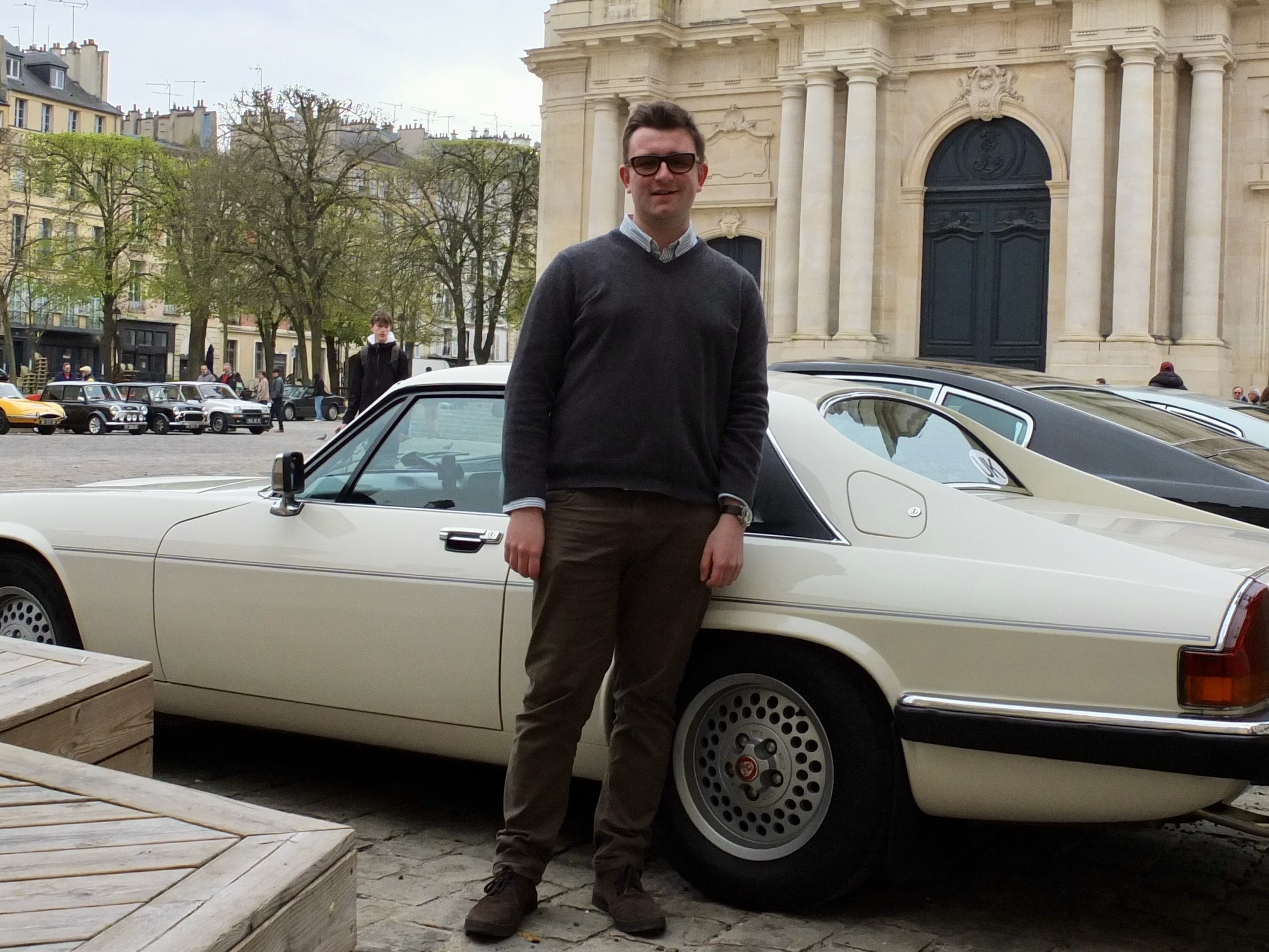
Englishman abroad
My XJ-S is quieter at motorway speeds than any EV I’ve experienced, largely thanks to excellent sound deadening and its balloon-like tyres. While V12s offer the ultimate in refinement, the six-cylinder car doesn’t seem bereft of half its pistons and feels wholly understressed, seldom straying above two thousand revs in normal use. That means an eight-hour stint behind the wheel is not nearly so tiresome as one might imagine. The cabin is tight; most of the car’s length is taken up by bonnet and boot lid, but it’s comfortable enough once you’ve sunk down into the generously padded seats.
The plan for the week was to take in some of Normandy’s most charming towns and villages, including the home and gardens of pioneering impressionist (and keen early motorist) Claude Monet. We would also visit Paris’ famous antique markets and attend a classic car meet in Versailles.
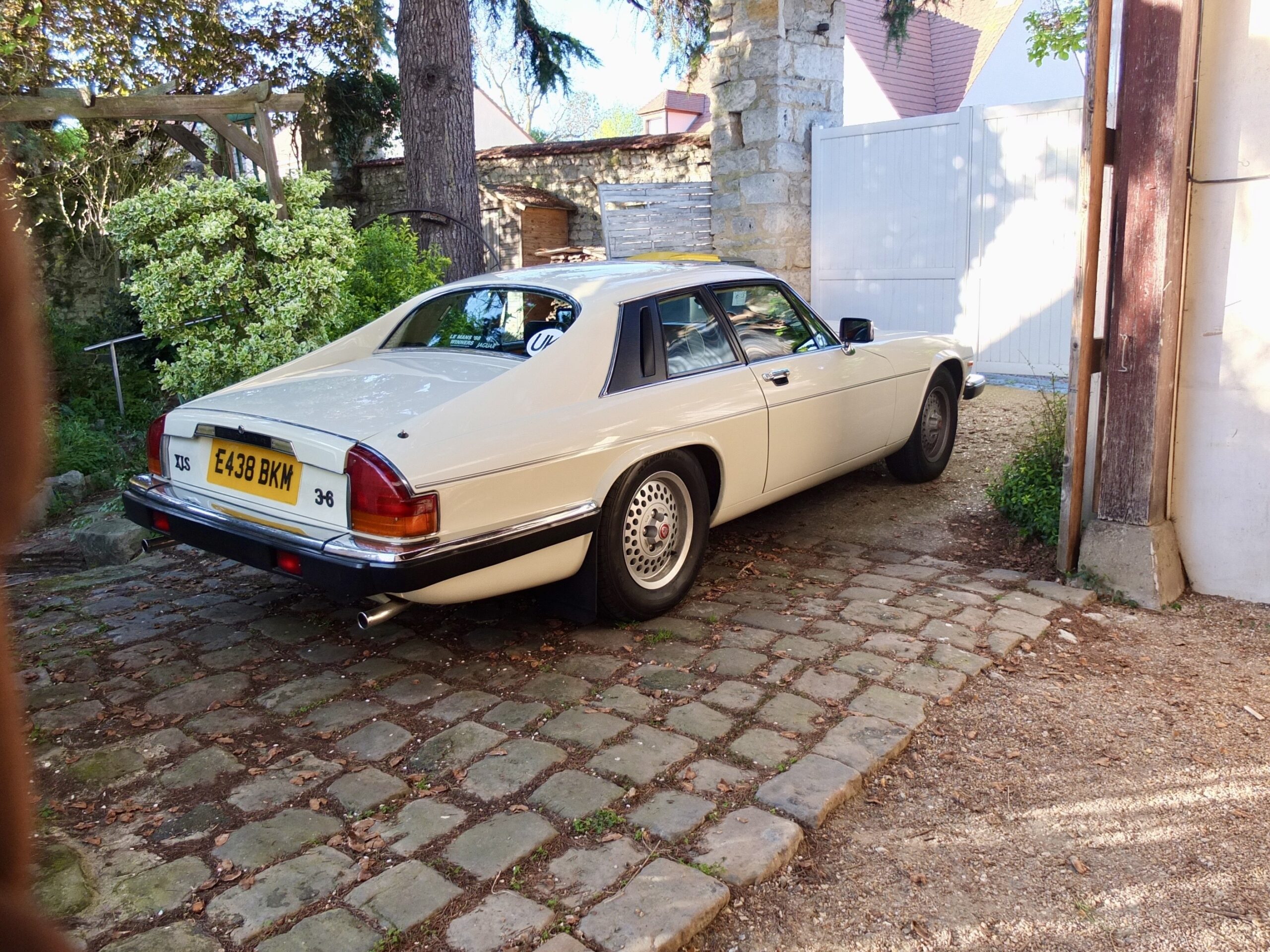
The XJ-S charged on through France with renewed fervour, evidently enjoying its hearty lunch of SP98 petrol. After some eight hours of near-continuous running, we arrived at what would be our base for the next few days: the well-to-do village of Bennecourt, situated about an hour outside of Paris. The Jag had done very well. There were the usual old car eccentricities to contend with along the way: the occasional warning light came and went, and the fuel pump started grumbling after a while, but nothing so serious occurred to interrupt the car’s progress.
The next few days also passed without incident. I won’t bore you with the details of my holiday, other than to say that the Jag performed admirably. It proved especially popular at the AVAVA’s monthly meet at the Place de la Cathédrale Saint-Louis, Versailles, where the organisers and attendees were deeply impressed that an old British car had travelled so far in order to take part.
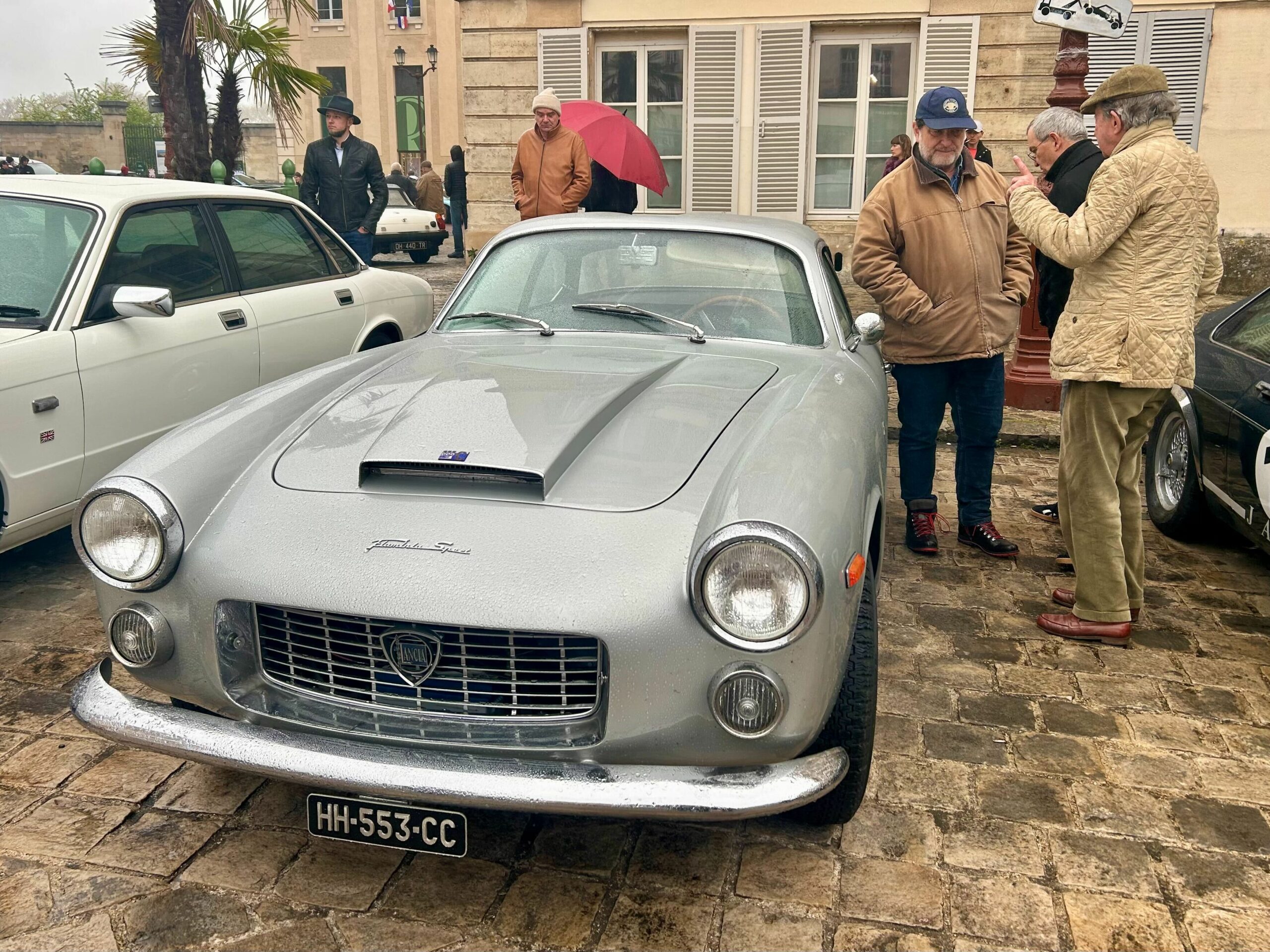
Paris in the spring
The journey home was as uneventful as the journey out. The only issues were entirely of my own creation. Laden with a full complement of passengers and a case of wine, the XJ-S was sitting even lower than usual and so ground out on nearly every one of France’s decidedly aggressive and annoyingly frequent speed bumps. This considerably slowed progress through the villages, much to the chagrin of the locals following behind. One wonders if the French designed these roads purely to show off their home-grown hydropneumatic suspension?
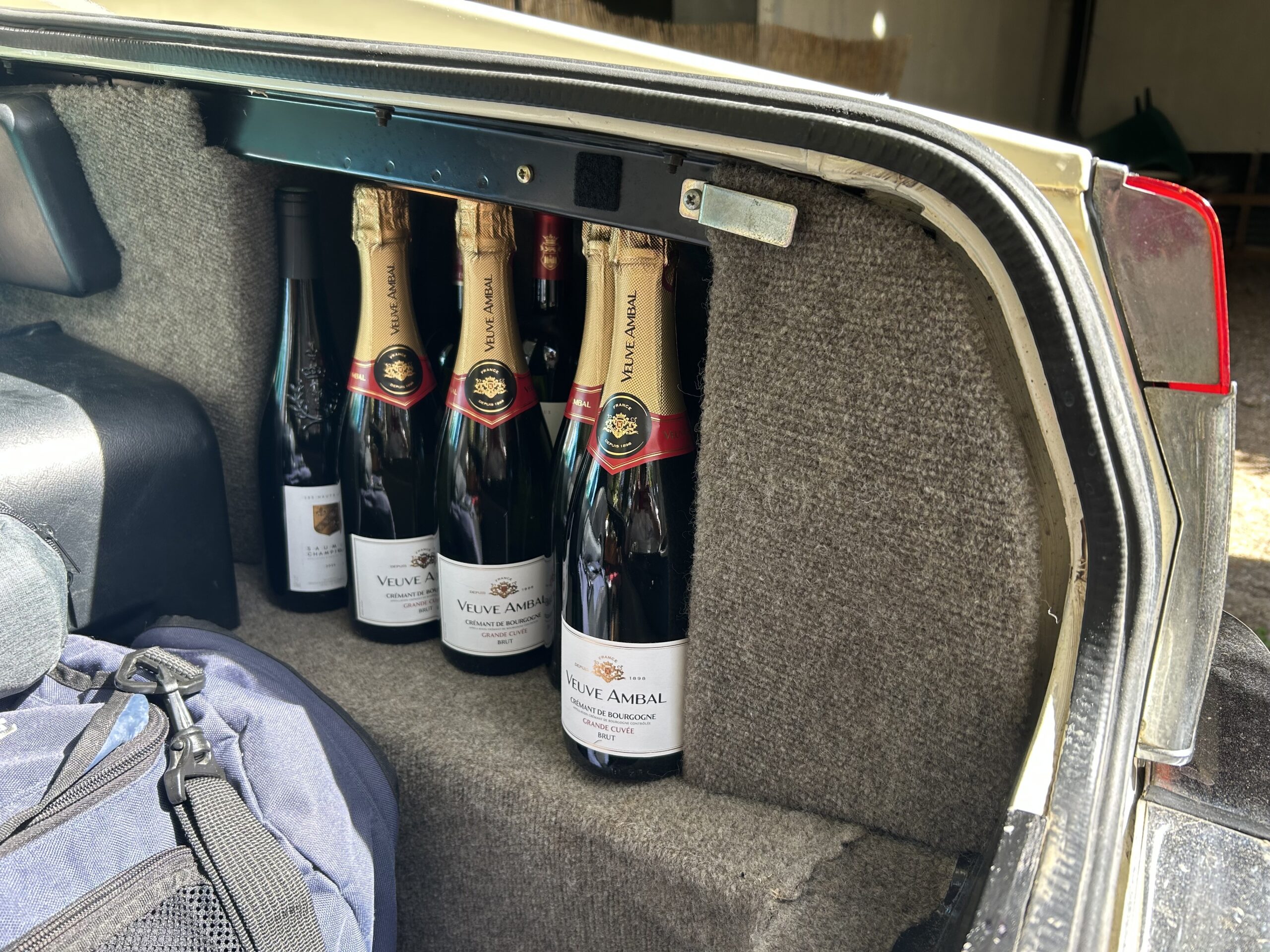
Mobile drinks cabinet
The road trip was approximately 750 miles in all. Hardly a feat of endurance in the conventional sense, but still a considerable distance for a forty-year-old car from the West Midlands. I’m pretty chuffed with how the Jag performed. I didn’t have to add a drop of oil or coolant throughout the entire trip. Pretty good. I also calculated that the car averaged 27 miles to the gallon, which isn’t too bad either. I wouldn’t mind so much, besides the fact that E5 now seems to cost more by the litre than a vintage Macallan.
A proper old-school GT, the XJ-S is one of those cars that comes alive on a longer journey, and it amuses me just how well it drives versus how little it costs to buy one. I’ll be off again on another adventure just as soon as I’ve saved up enough to buy some more petrol.