Car Body Types – Identification, Explanation & History

February 23, 2026
Words Born from Horse & Carriage
Understanding the various car body types, old and new, can be confusing. The history behind some of these terms is also fascinating, in some cases dating back to long before the dawn of the automobile when horse-drawn carriages ruled the roads.
If you’ve ever wondered where these body types originate or are deciding which one is right for you, this definitive guide will help you identify car body types old and new, explain their features and learn their history. We explore the body types we’ve gained and lost along the way, and how different terms are used around the world.
We’ve also included a fact file, and we’ve answered your most frequently asked questions.
Without further ado, let’s get into it.
Body Styles – The Dictionary
The Saloon (UK) / Sedan (US)
The Definition: A fixed-roof car with at least four seats and a distinct boot (three-box design).
Key Identifiers:
– The term ‘saloon’ originates from the French ‘salon’, meaning a large room. You’ll find the French are to thank for many of the body type terms we still use today.
– The term ‘saloon’ was adopted by automobile manufacturers during the early 20th century to denote motor cars with fully enclosed, comfortable, and spacious passenger cabins, having previously been used to describe luxurious locomotive carriages.
– Saloons typically have four doors, which distinguishes them from a two-door ‘coupé’. That said, the two terms are used interchangeably. A good example of this is the Rover P5B, which was offered both in ‘saloon’ and ‘coupé’ form, both with four doors and the same number of seats, while the latter’s roof line is 2 ½ inches lower. Confused? We’re not surprised.
– The benefit of saloon cars is that you’re typically getting practicality and decent handling in the same package.
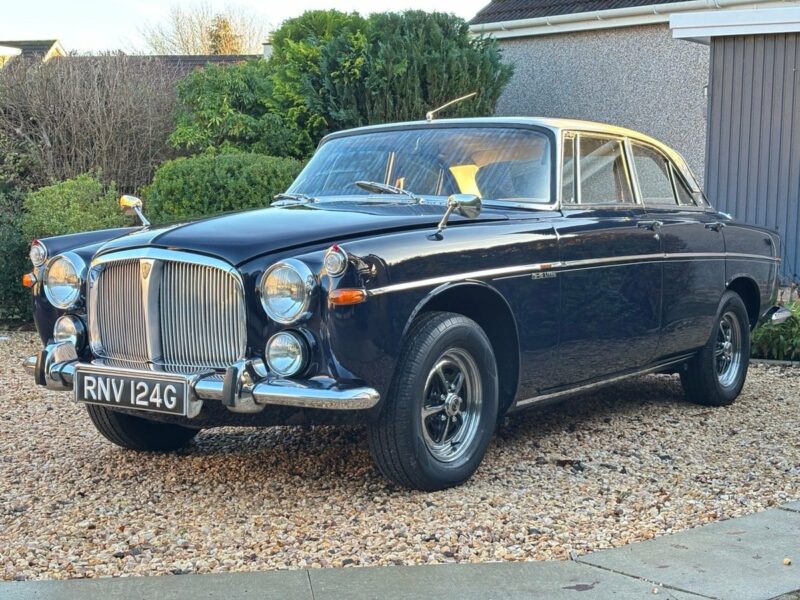
Rover P5B Coupé, which happens to be a saloon…
History & Evolution:
– During the early days of motoring, saloons were predominantly the preserve of the wealthy elite. They would purchase their new car in rolling-chassis form and entrust it to a coach and motor body builder to complete it to their specifications.
– ‘Saloon’ vs ‘Sedan’? In the US, saloons are known as sedans. The word sedan comes from the Latin ‘seat’ or ‘to sit’.
– Early saloon bodies are often lost during restorations, as open tourers are now more sought after than they were in period. For example, many of the Cricklewood era Bentleys were, much to W.O.’s dismay, ordered with heavy saloon coachwork. These were often branded ‘sports saloons’. Whereas now, you’d be hard pressed to find one that hasn’t been converted into a Vanden Plas-style tourer like those that race at Le Mans.
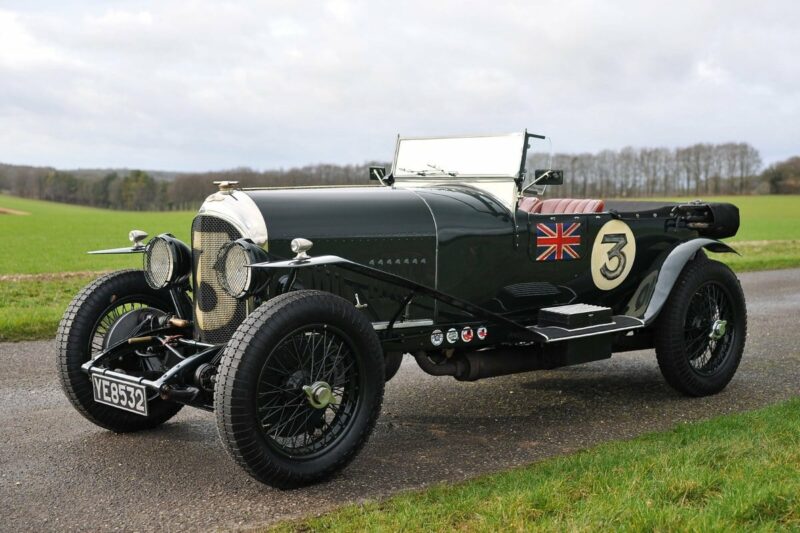
1927 Bentley 3 4/12-litre Speed with Vanden Plas type Light Touring bodywork
– The advent of monocoque construction brought body design and construction predominantly in-house, spelling the end of the coachbuilding era.
– Today, saloon cars are still around, but they’re a dying breed, thanks (or indeed no thanks) to the advent of the Sports Utility Vehicle (SUV). We’ll come to those in a minute.
Best Saloons:
Generally speaking, the Germans have the monopoly on the best saloon cars of all time, with the likes of the BMW 5 Series and the Mercedes-Benz S-Class. But other highlights include the Maserati Quattroporte, with a name that literally means ‘four doors’ in Italian, and Japan’s superb Lexus LS 400.
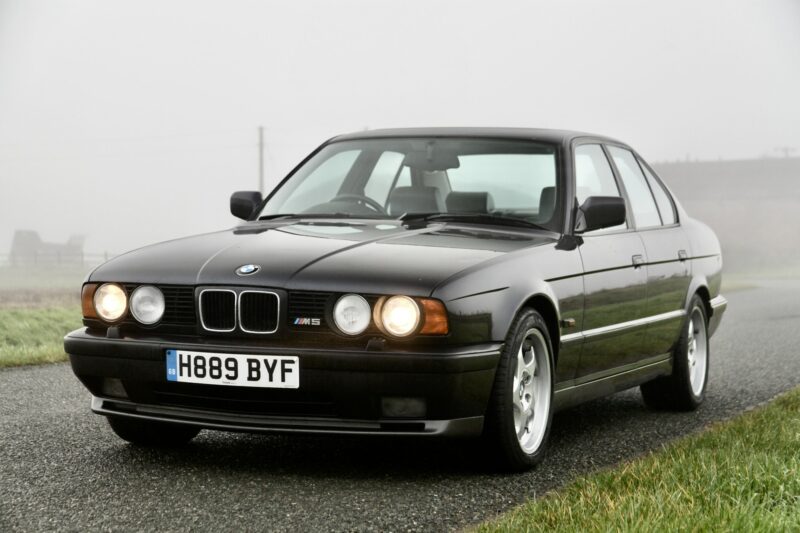
BMW 5 Series (E34 Generation)
- Average Price Range: £4,500 – £12,000 (Standard) / £35,000+ (M5)
- Production Run: 1988–1996
- Number Built: 1,333,412
- Horsepower: 111 hp (518i) – 335 hp (M5 3.8)
- Top Speed/0-60mph: 155 mph / 5.9 seconds (M5)
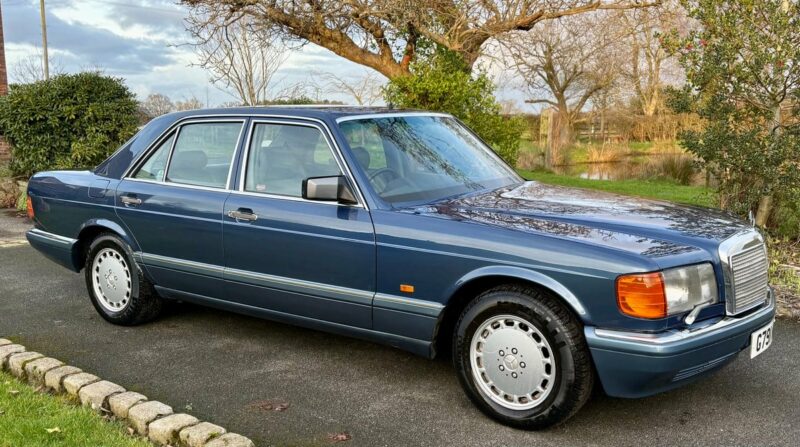
Mercedes-Benz S-Class (W126 Generation)
- Average Price Range: £12,000 – £45,000
- Production Run: 1979–1991
- Number Built: 818,063
- Horsepower: 154 hp (280 SE) – 295 hp (560 SEL)
- Top Speed/0-60mph: 155 mph / 6.9 seconds (560 SEL)
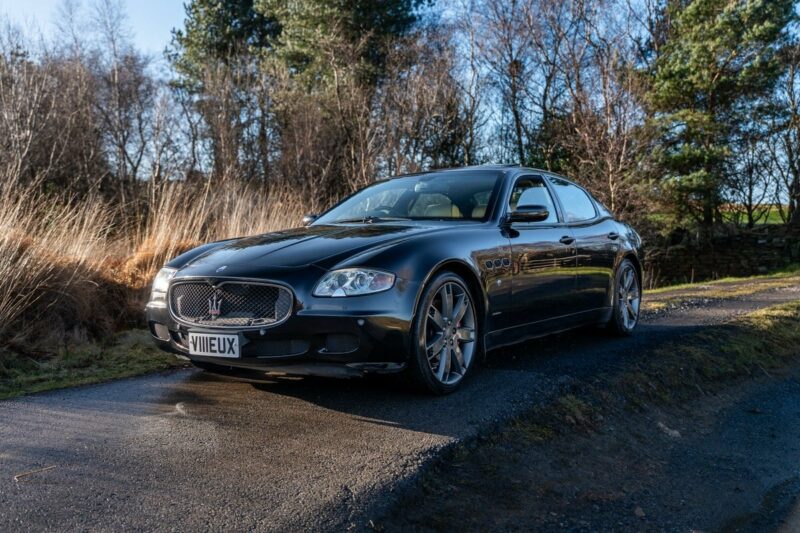
Maserati Quattroporte (Fifth Generation / M139)
- Average Price Range: £8,000 – £25,000 (Top-tier Sport GT S models can exceed £40,000)
- Production Run: 2003–2012
- Number Built: 25,256
- Horsepower: 396 hp (4.2L) – 440 hp (4.7L Sport GT S)
- Top Speed/0-60mph: 177 mph / 5.1 seconds (Sport GT S)
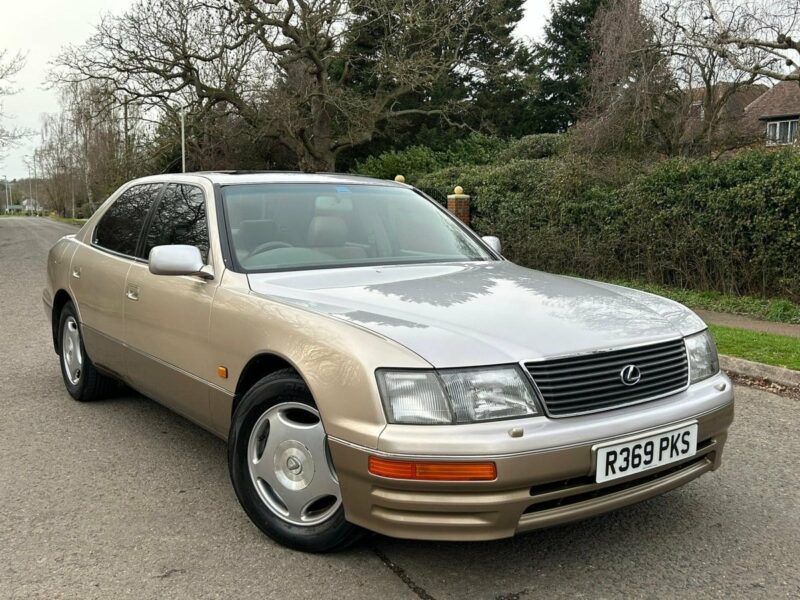
Lexus LS 400 (UCF10/UCF20)
- Average Price Range: £5,000 – £18,000
- Production Run: 1989–2000
- Number Built: ~277,000
- Horsepower: 250 hp – 290 hp
- Top Speed/0-60mph: 155 mph / 6.7 seconds
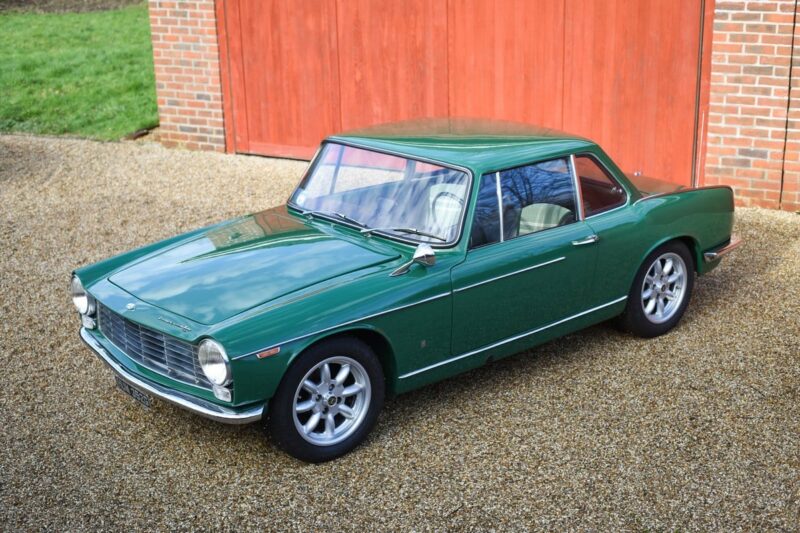
The Coupé
The Definition: Derived from the French couper (to cut). Traditionally, a two-door car with a fixed roof.
Key Identifiers:
– Most are two-seaters and often have a low roofline, which limits cabin space and luggage capacity.
– Coupés have long been pitched as the sporting choice, aimed at those prioritising performance and style over outright practicality.
History & Evolution:
– Once again, we have France to thank for the term ‘coupé’. In most cases, a ‘coupé’ has two doors, and while the number of seats can vary, it rarely exceeds four.
– The term ‘coupé’ has been used somewhat inventively in the past. Some British manufacturers, like Jaguar and Rolls-Royce, referred to some of their convertible offerings as ‘drop head coupés’ as opposed to their hard-top models, which were known as ‘fixed head coupés’.
– In Italy, the word ‘barchetta’ was favoured by some manufacturers, while American carmakers often dropped the accent on the ‘e’, calling their three-door cars ‘coupes’ (pronounced “coops”).
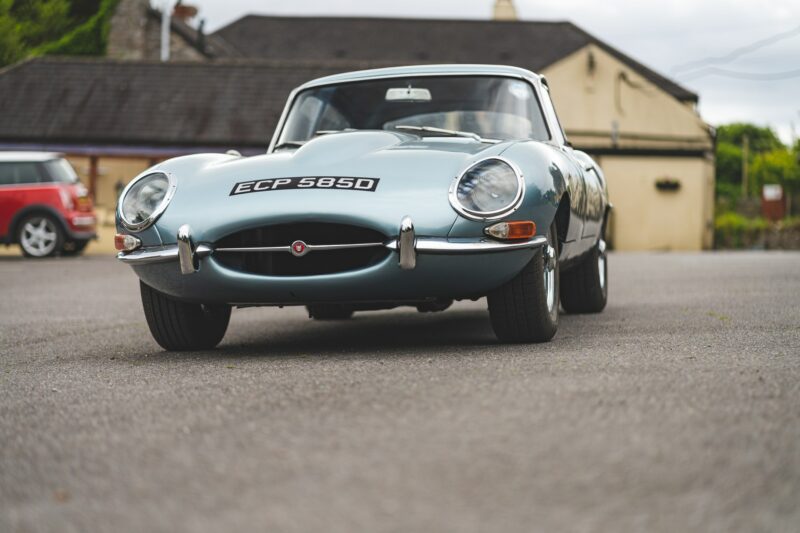
Jaguar E-Type Fixed-Head Coupé (FHC)
Best Coupés:
Notable coupés old and new include the Alfa Romeo’s 105 Series Giulia, the original Porsche 911, and Volkswagen Karmann Ghia. Coupés are typically the sort of car that attracts enthusiast owners, rather than those who see cars merely as transport from A to B.
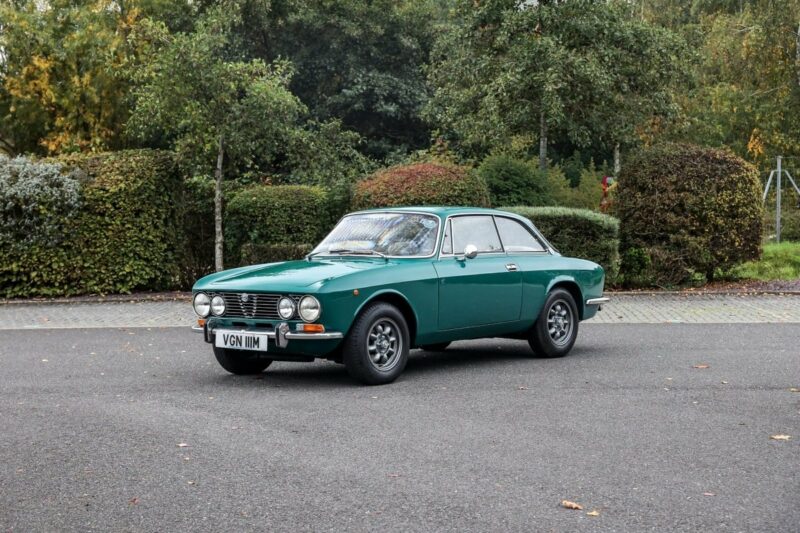
Alfa Romeo 105 Series Giulia (Sprint GT/GTV)
- Average Price Range: £35,000 – £75,000 (GTA models significantly higher)
- Production Run: 1963–1977
- Number Built: 223,643
- Horsepower: 105 hp – 131 hp
- Top Speed/0-60mph: 115 mph / 9.2 seconds (2000 GTV)
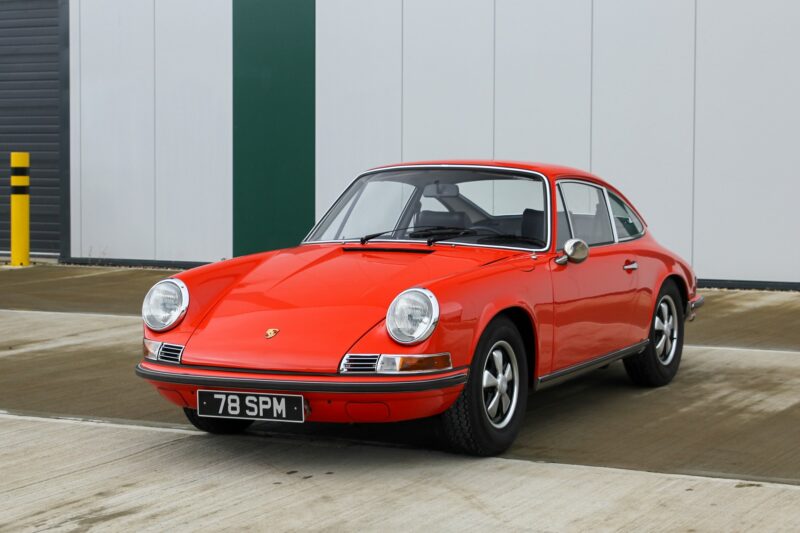
Porsche 911 (Classic/G-Series Coupé)
- Average Price Range: £55,000 – £150,000+
- Production Run: 1964–1989 (Air-cooled original era)
- Number Built: 311,984
- Horsepower: 130 hp (2.0L) – 231 hp (3.2 Carrera)
- Top Speed/0-60mph: 152 mph / 5.4 seconds (3.2 Carrera)
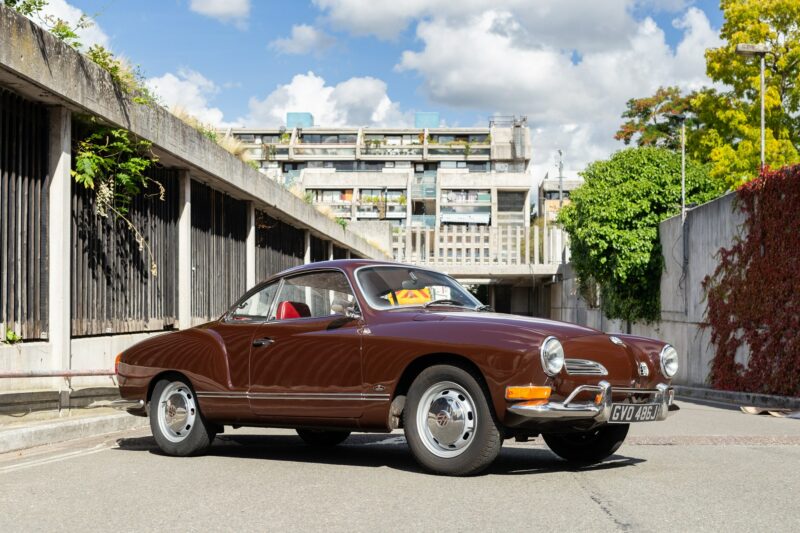
Volkswagen Karmann Ghia (Type 14 Coupé)
- Average Price Range: £15,000 – £35,000
- Production Run: 1955–1974
- Number Built: 362,601
- Horsepower: 30 hp – 60 hp
- Top Speed/0-60mph: 90 mph / 18.0 seconds
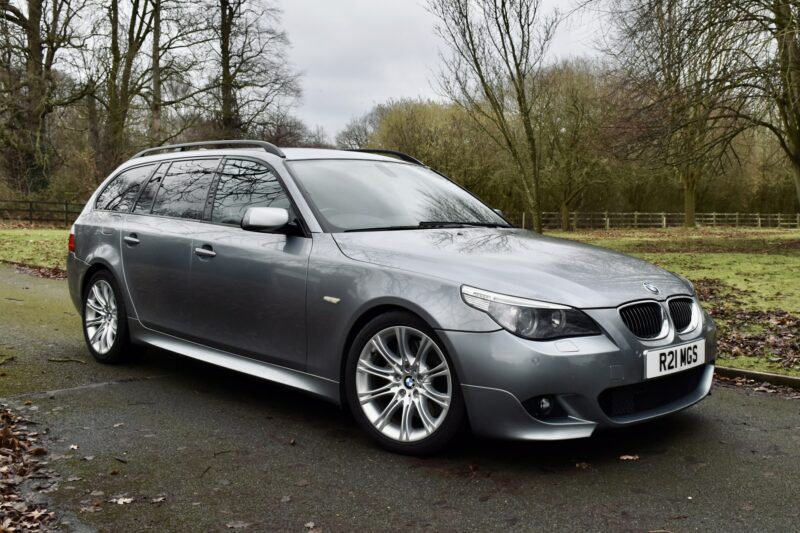
The Estate (UK) / Station Wagon (US)
The Definition: A car with an extended roofline and rear load space, typically based on a saloon platform.
Key Identifiers:
– While some estates are built with off-roading in mind, most are effectively regular four-plus-seater road cars with additional luggage space at the rear.
– Estates are much like saloon cars in terms of stance, differentiated by a continuous high roofline which ends abruptly at the rear. The boot lid sits vertically in its closed position, providing a large loading aperture when opened.
History & Evolution:
– The estate can trace its origins back to the nineteenth century, before the advent of the motor car. British country houses would rely on horse-drawn ‘shooting brakes’ transport passengers and luggage between estates and railway stations. The shooting brake became an essential tool for countryside pursuits, and this continued after the arrival of the car, with specially converted bodywork to accommodate additional passengers, equipment, dogs, and guns.
– For several decades, ‘shooting brakes’ were custom-made, often DIY jobs cobbled together by gamekeepers and groundsmen using the country squire’s old Rolls-Royce and whatever else happened to be lying around.
– Over time, manufacturers cottoned on to the benefits of such a car and marketed their own ‘shooting brakes’ and ‘estates’. Early examples include the timber-clad Morris Traveller, whilst American manufacturers embraced the ‘Woodie’ phenomenon with gusto, kicking off a ‘station wagon’ craze during the 1930s that would continue for the remainder of the 20th century. Elsewhere, ‘estate’ cars really started to take off from the 1960s onwards.
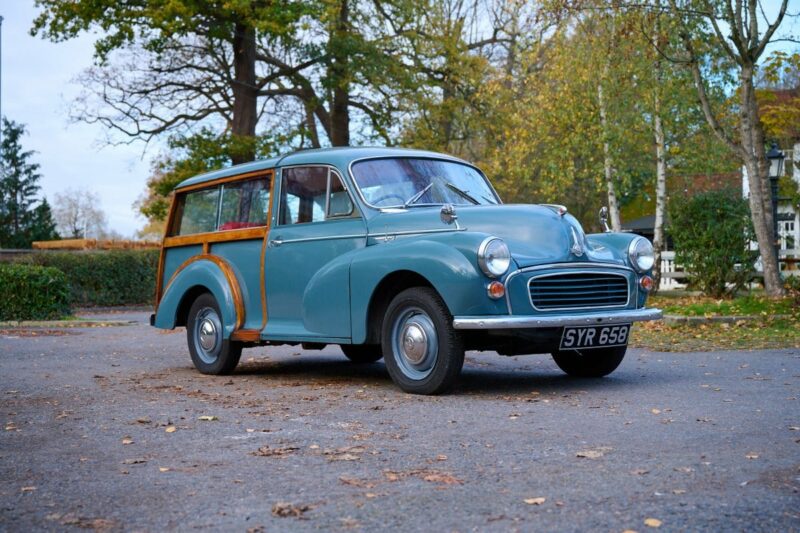
Morris Traveller featuring structural woodwork
Best Estates:
Honourable mentions include the Volvo 240 – the definitive estate car – as well as the Mercedes-Benz W123, and Citroën DS Break/Safari. Manufacturers still make ‘estates’ today, but they’re becoming scarcer by the day as consumers gravitate toward SUVs.
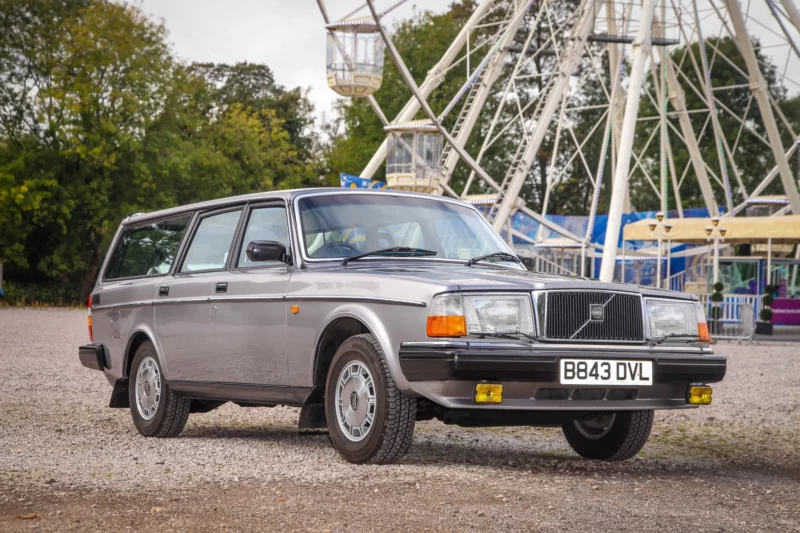
Volvo 240 (Estate/Wagon)
- Average Price Range: £5,000 – £15,000
- Production Run: 1974–1993
- Number Built: 959,151 (Estates only)
- Horsepower: 82 hp – 155 hp
- Top Speed/0-60mph: 112 mph / 8.9 seconds (Turbo)
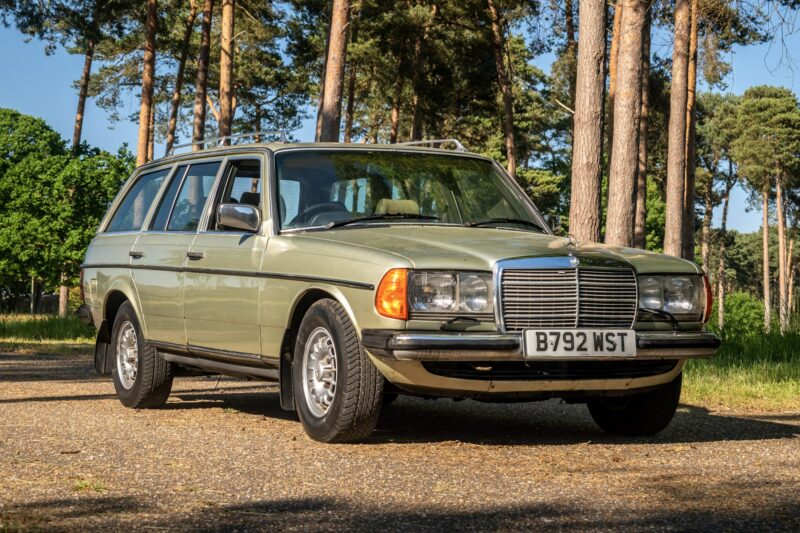
Mercedes-Benz W123 (Estate/T-Model)
- Average Price Range: £10,000 – £28,000
- Production Run: 1977–1986
- Number Built: 199,517
- Horsepower: 72 hp (240TD) – 185 hp (280TE)
- Top Speed/0-60mph: 115 mph / 9.9 seconds (280TE)
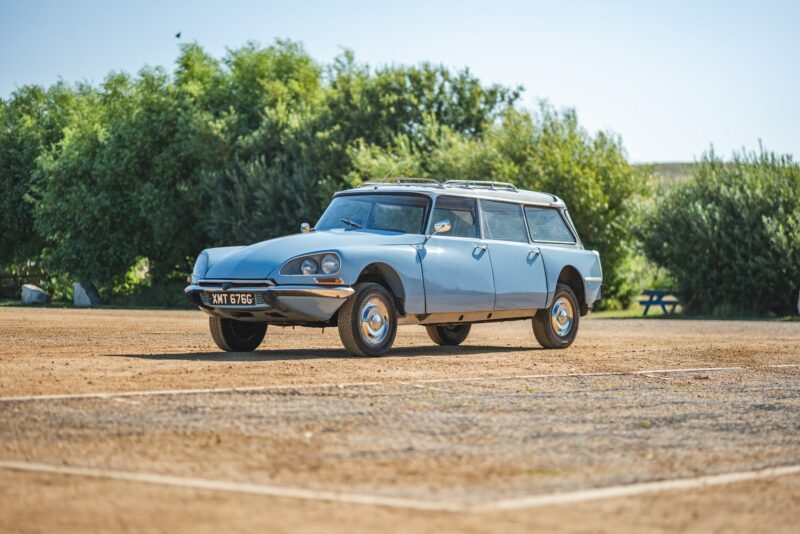
Citroën DS Break/Safari
- Average Price Range: £25,000 – £55,000
- Production Run: 1958–1975
- Number Built: 93,531
- Horsepower: 66 hp – 130 hp
- Top Speed/0-60mph: 108 mph / 10.7 seconds (DS23)
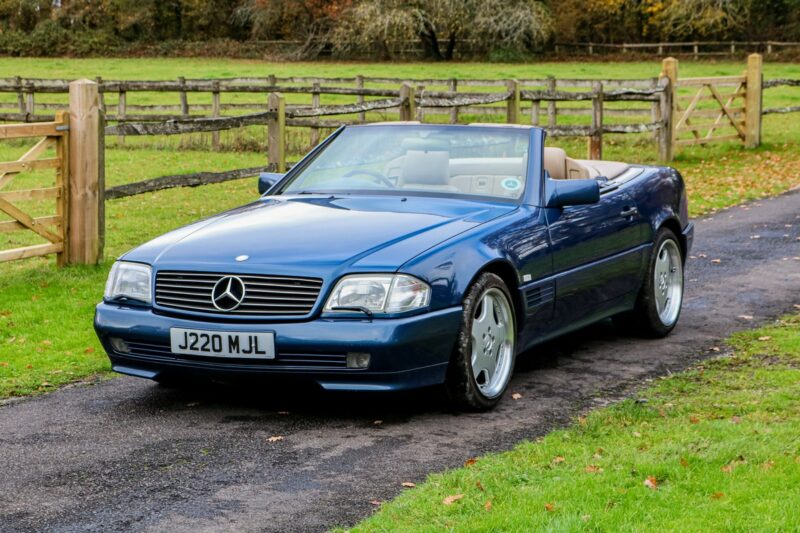
The Convertible / Cabriolet / Roadster
The Definition: Any car with a removable roof.
Key Identifiers:
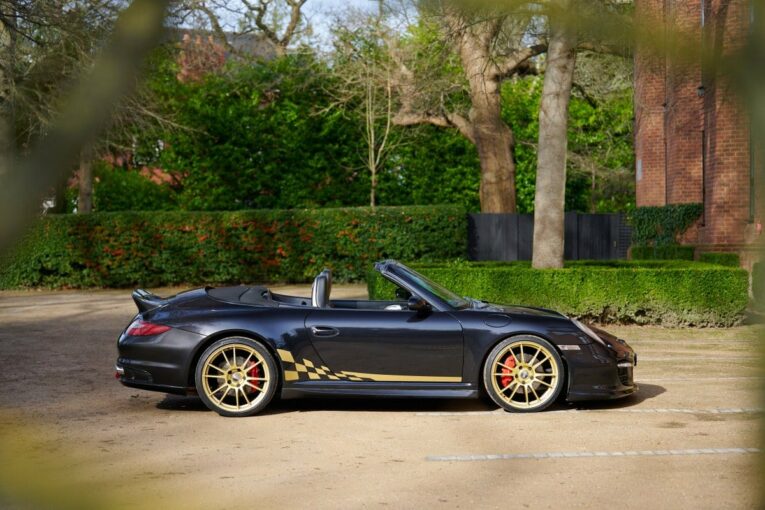
– Unlike the more nuanced car body types, identifying a convertible isn’t exactly rocket science. If the roof is in any way lowerable or removable, you’ve got yourself a convertible.
– There are, however, several types of convertibles. For example, ‘cabriolets’ or ‘soft tops’ feature fabric roofs, whereas ‘targas’ feature a solid roof panel which is removable. There are also cars with powered hard tops, like the R230-generation Mercedes-Benz SL.
History & Evolution:
– British two-seater open-topped sports cars are often referred to as ‘roadsters’ or ‘open two-seaters’. In contrast, Italian equivalents are usually known as barchettas (meaning little boat), or Spider (sometimes spelt spyder). The latter has a particularly interesting etymology, generally accepted as referring to the elaborate suspension of horse-drawn carriages, which often resembled a spider’s legs.
– As we mentioned earlier, convertibles with fabric folding roofs are also often known as ‘cabriolets’. In contrast, the term ‘phaeton’ traditionally refers to an open car without any weather protection, often with a folding windscreen. A strange halfway house between convertible and coupé in which a chauffeur sits outside, and rear passengers are enclosed, was known in Europe as the ‘Sedanca de Ville’. In contrast, Americans called it the ‘Coupe de Ville’.
– Open-top cars were de rigueur for the first half-century of the automobile, but safety concerns from the late 1960s onward led to a downward trend in the number of convertibles offered. This led to the creation of the ‘targa’ roof, with removable panels, while a solid structure still remained above the occupants’ heads.
– Today, convertibles of any kind are vanishingly rare, and that’s a great shame, since removing a car’s roof is a surefire way to make it ten times as fun to drive.
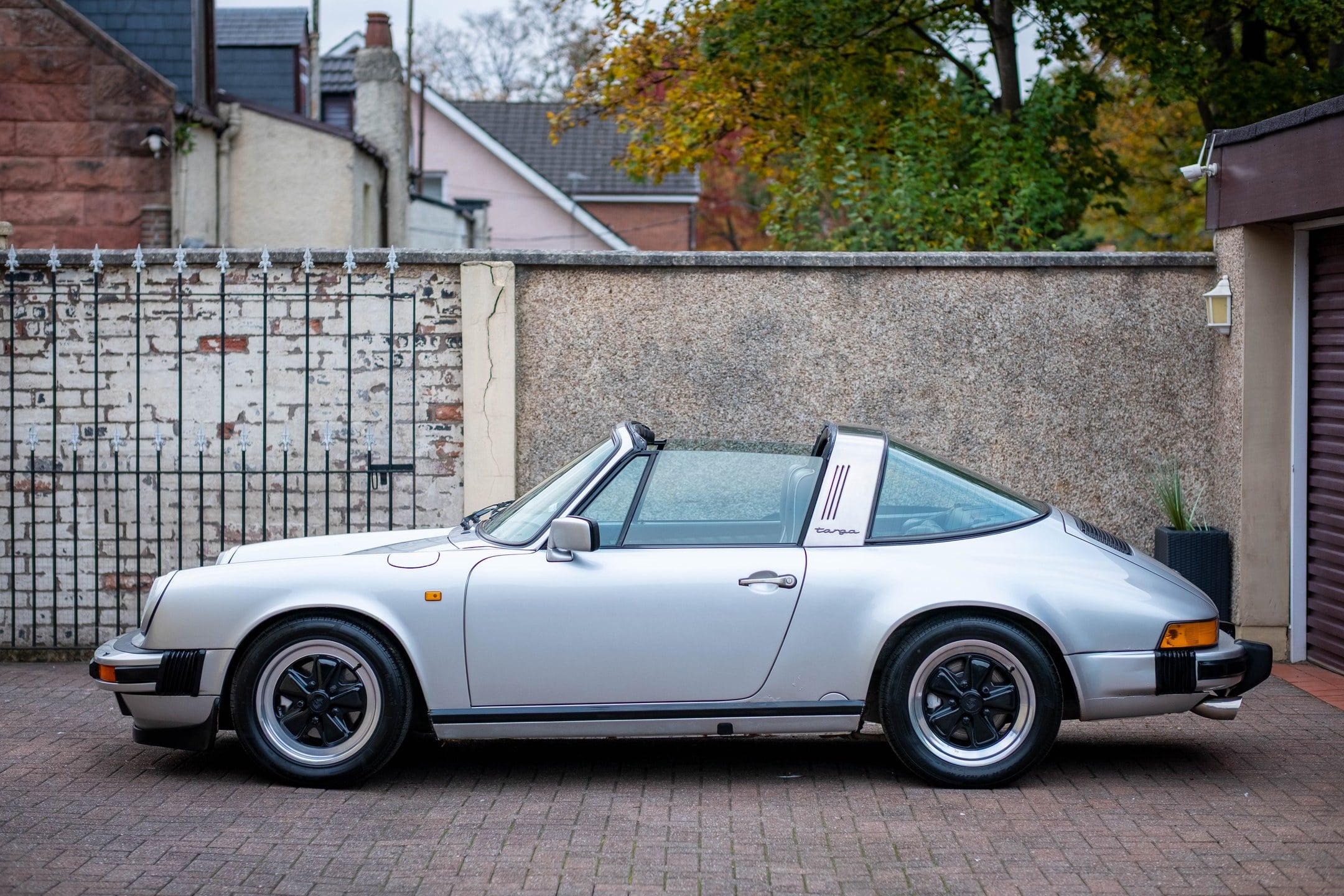
Porsche 911 Targa with roof removed
Best Convertibles:
The Mazda MX-5 is arguably the most accomplished convertible sports car of all time, building on the traditional rear-wheel-drive British sports car formula. Other notable cabriolets include the Mercedes-Benz W113 SL ‘Pagoda’, the Alfa Romeo Spider, the Fiat Barchetta and the MGB Roadster.
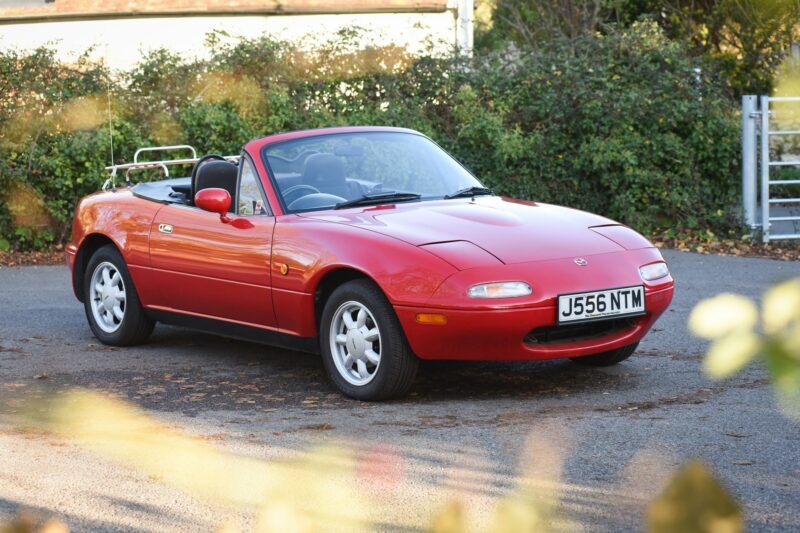
Mazda MX-5 (NA Generation)
- Average Price Range: £5,000 – £15,000
- Production Run: 1989–1997
- Number Built: 431,506
- Horsepower: 115 hp (1.6L) – 131 hp (1.8L)
- Top Speed/0-60mph: 126 mph / 8.3 seconds (1.8L)
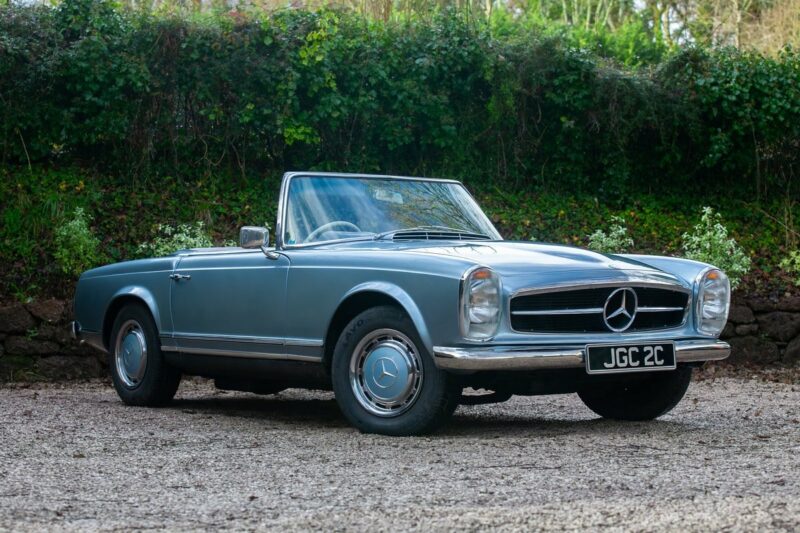
Mercedes-Benz W113 SL “Pagoda”
- Average Price Range: £60,000 – £180,000+
- Production Run: 1963–1971
- Number Built: 48,912
- Horsepower: 150 hp (230 SL) – 170 hp (280 SL)
- Top Speed/0-60mph: 124 mph / 8.8 seconds (280 SL)
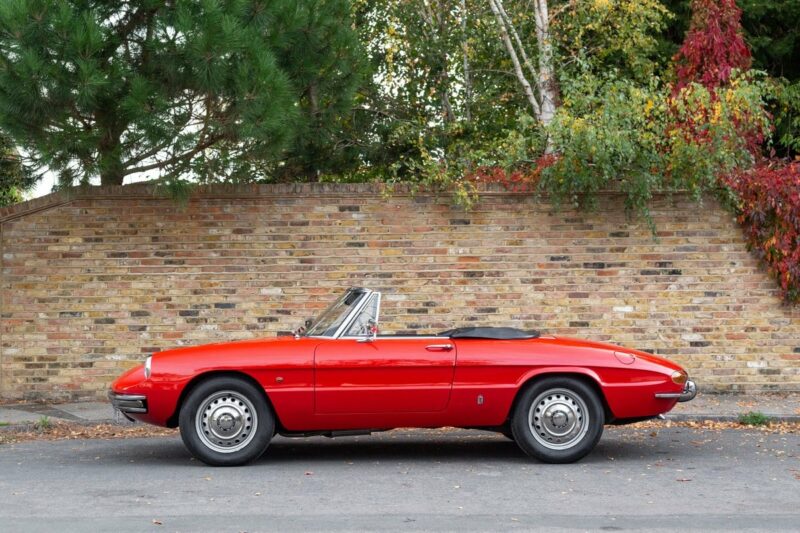
Alfa Romeo Spider (Series 1-4)
- Average Price Range: £12,000 – £45,000 (Early “Duetto” models are the most valuable)
- Production Run: 1966–1993
- Number Built: 124,104
- Horsepower: 103 hp (1.3L) – 132 hp (2.0L)
- Top Speed/0-60mph: 118 mph / 9.4 seconds (S4 2.0ie)
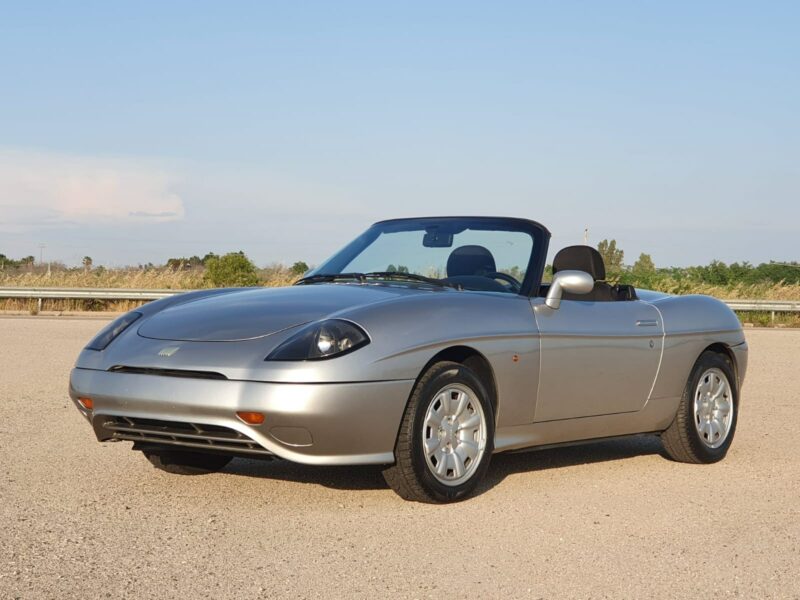
Fiat Barchetta
- Average Price Range: £4,500 – £10,000
- Production Run: 1995–2005
- Number Built: 57,700
- Horsepower: 130 hp
- Top Speed/0-60mph: 124 mph / 8.9 seconds
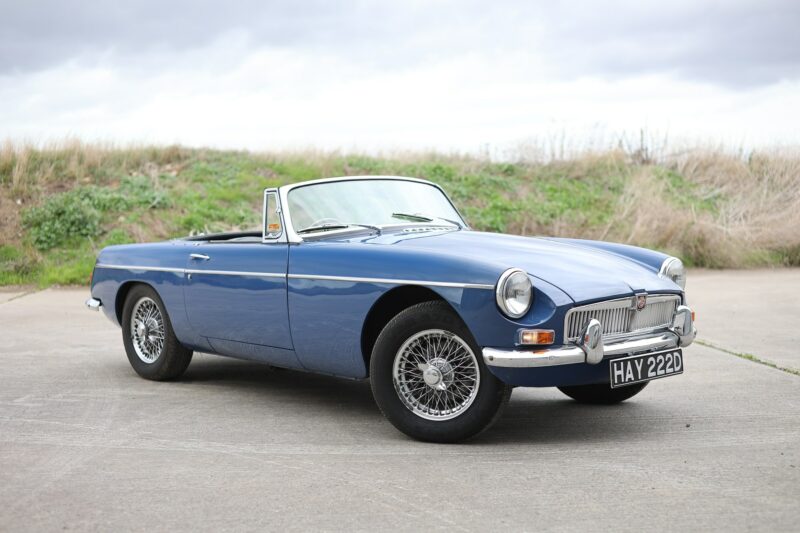
MG MGB Roadster
- Average Price Range: £8,000 – £25,000 (Chrome-bumper models typically fetch more than rubber-bumper models)
- Production Run: 1962–1980
- Number Built: 386,961
- Horsepower: 95 hp (Early UK) – 84 hp (Late US-spec)
- Top Speed/0-60mph: 105 mph / 11.2 seconds
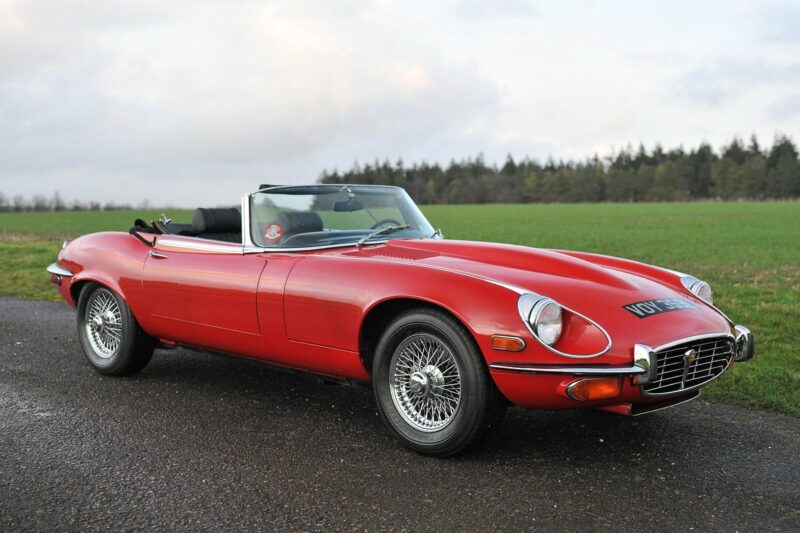
The Grand Tourer (GT)
The Definition: Not just a trim level, but a body style designed for high-speed, long-distance travel in luxury.
Key Identifiers:
– ‘Grand Tourer’, ‘Gran Turismo’, or ‘GT’ cars are defined more by their purpose than the way they look.
– Often low-slung and aerodynamic, designed specifically for high-speed cruising, Grand Tourers can take on a variety of forms but are typically two-door coupés/convertibles.
– They usually feature a so-called ‘2+2’ seating configuration, two full seats, two small “occasional” seats.
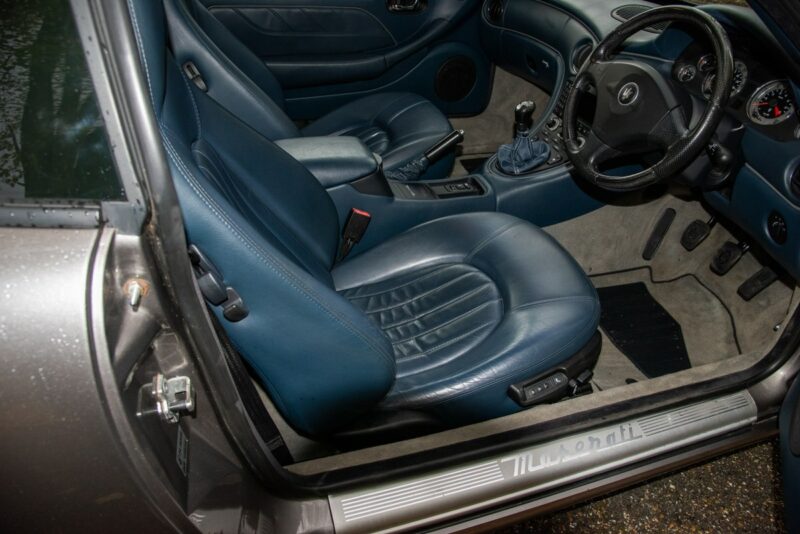
Grand Tourers (GTs) are all about comfort
History & Evolution:
– GTs originated during the 1930s, but really took off post-war as a means for wealthy motorists to charge across continental Europe.
– The concept of grand touring has been around since at least the eighteenth century, when wealthy people would tour the world. The term is less widely used today, but it still defines cars built for long-distance cruising.
Best Grand Tourers:
The 1970s were the golden age of the Grand Tourer, with highlights including the Jensen Interceptor, Ferrari 365 GTB/4 ‘Daytona’, Jaguar XJ-S, and Citroën SM. Today, the terms ‘Grand Tourer’, ‘Gran Turismo’, and ‘GT’ are seldom used, but the genre lives on with cars like the Bentley Continental GT and Aston Martin Vanquish.
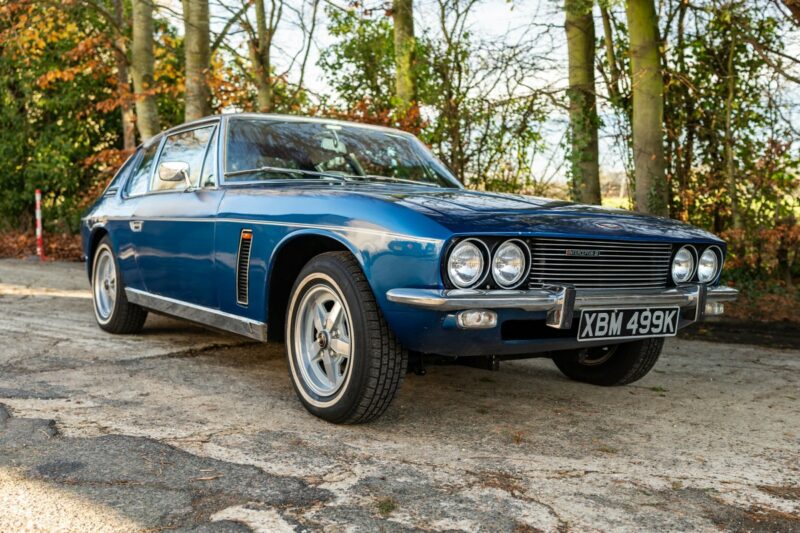
Jensen Interceptor (MkI/II/III)
- Average Price Range: £35,000 – £80,000
- Production Run: 1966–1976
- Number Built: 6,408
- Horsepower: 325 hp – 390 hp
- Top Speed/0-60mph: 135 mph / 7.5 seconds
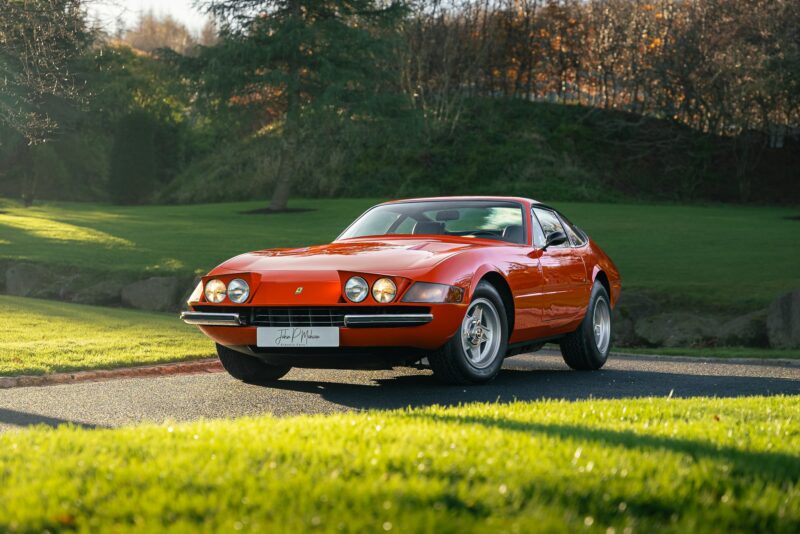
Ferrari 365 GTB/4 ‘Daytona’
- Average Price Range: £500,000 – £700,000
- Production Run: 1968–1973
- Number Built: 1,284 (Berlinettas)
- Horsepower: 352 hp
- Top Speed/0-60mph: 174 mph / 5.4 seconds
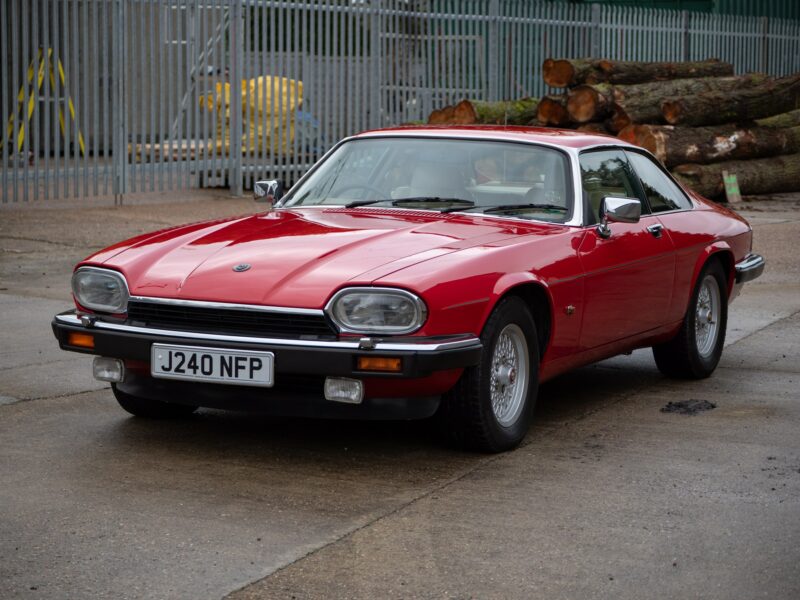
Jaguar XJ-S
- Average Price Range: £10,000 – £35,000
- Production Run: 1975–1996
- Number Built: 115,413
- Horsepower: 225 hp (6-cyl) – 300 hp (V12)
- Top Speed/0-60mph: 155 mph / 6.8 seconds (6.0L V12)
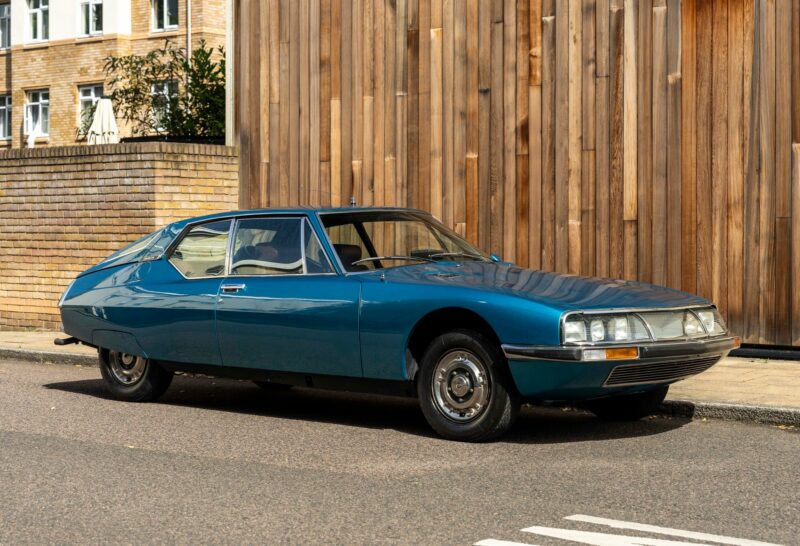
Citroën SM
- Average Price Range: £35,000 – £70,000
- Production Run: 1970–1975
- Number Built: 12,920
- Horsepower: 170 hp – 180 hp
- Top Speed/0-60mph: 140 mph / 8.5 seconds
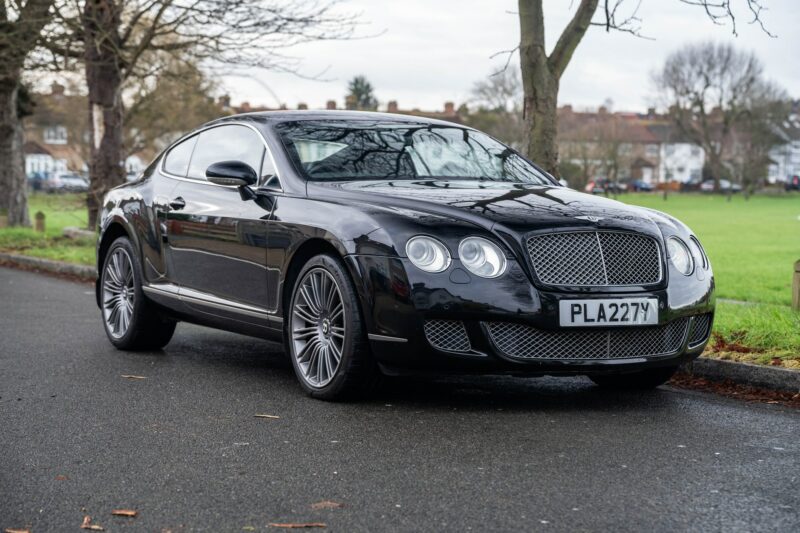
Bentley Continental GT (Generation 1)
- Average Price Range: £18,000 – £35,000
- Production Run: 2003–2011
- Number Built: ~40,000
- Horsepower: 552 hp
- Top Speed/0-60mph: 198 mph / 4.7 seconds
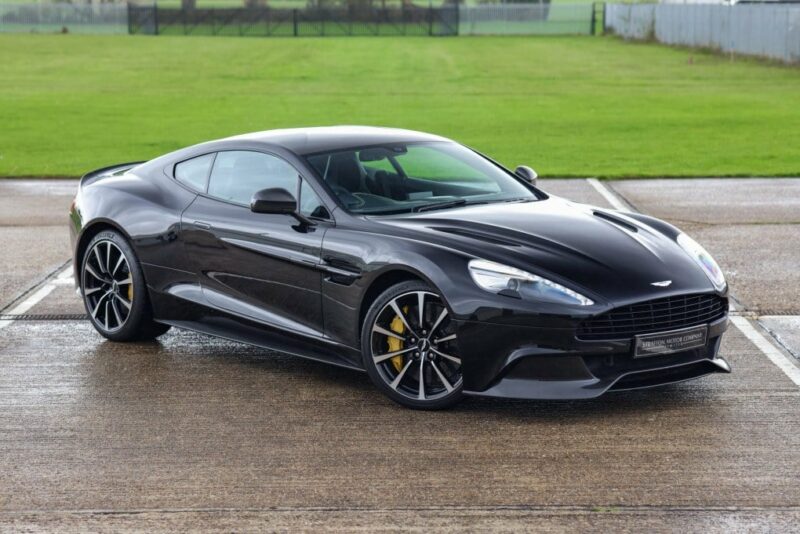
Aston Martin Vanquish (S / Gen 2)
- Average Price Range: £80,000 – £150,000
- Production Run: 2012–2018
- Number Built: ~2,500
- Horsepower: 565 hp – 595 hp
- Top Speed/0-60mph: 201 mph / 3.6 seconds
The Sports Utility Vehicle (SUV)
The Definition: Combining off-road capability with road car levels of luxury.
Key Identifiers:
- Defined by a tall, upright stance, a roomy cabin and ample boot space.
– Off-road capability is not a prerequisite. Some SUVs are mightily capable off the beaten track, while others are strictly front-wheel drive and not at all suited to much more than a few wet leaves. The SUV genre is defined principally by body style.
– Most SUVs have four doors, and some feature split tailgates. Those designed for off-roading often feature separate chassis construction, while most today are monocoque.
– While car enthusiasts are often quick to deride it, one has to concede that the SUV has many appealing properties. These boxy, off-roader-style vehicles offer an elevated driving position, which many find easier to live with day-to-day, while there’s usually plenty of space for families, although often not quite as much as the oft-overlooked estate.
History & Evolution:
– It seems no one can agree on exactly when or by whom the SUV was invented. Many would argue that the Range Rover came first. It combined the capability of the Land Rover with the luxury appointments of a Rover road car and was marketed to those seeking an active, outdoor lifestyle. The same could be said of the ambitious (albeit disastrous) Matra Rancho, or indeed the Jeep Wagoneer. You could even say that all the above were late to the party by a matter of decades when the Chevrolet Suburban Carryall existed as early as 1935.
– Regardless of who came first in this chicken-and-egg-like debate, one thing we can all agree on is that the SUV is wildly popular.
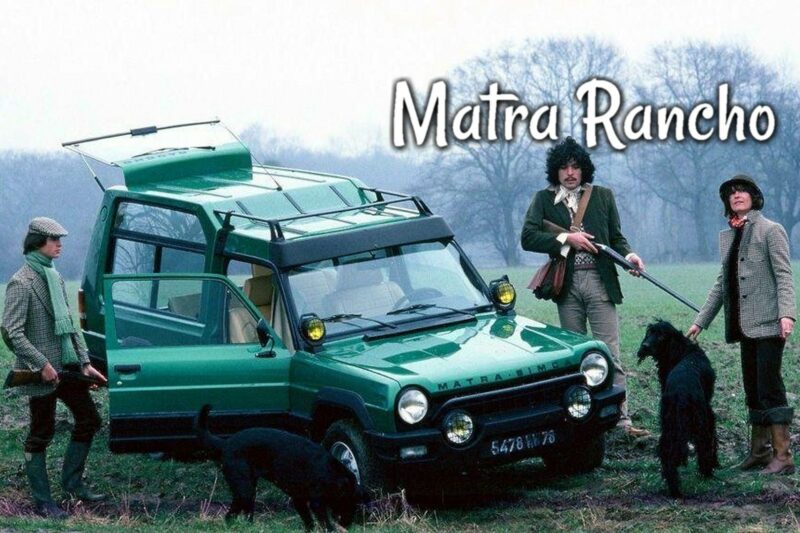
Matra Rancho – the car that promised so much and delivered so little…
Best SUVs:
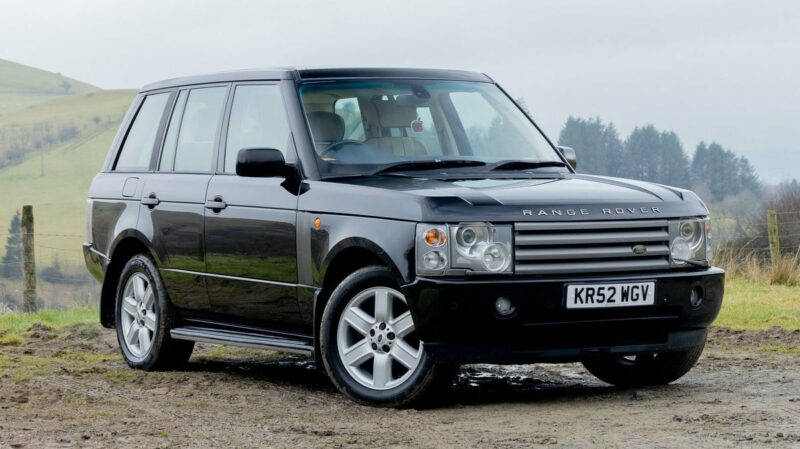
No list of best SUVs could be complete without the Range Rover. No matter which generation you pick, they’re a genre-defining car that’s blossomed into a global luxury brand. The Toyota RAV4 is widely considered one of the best and most reliable SUVs of all time, setting the industry standard for dependability and efficiency. See also the Porsche Cayenne and BMW X5, all of which have proved enormously successful.
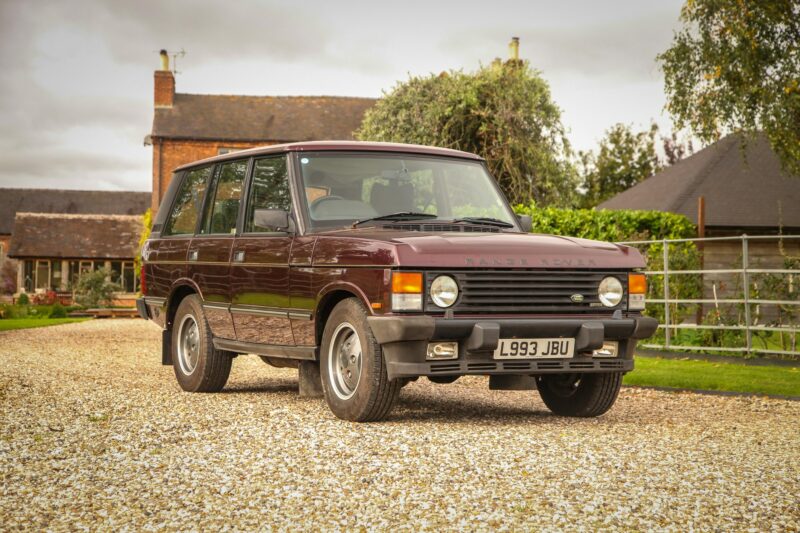
Range Rover (Classic)
- Average Price Range: £15,000 – £65,000 (Suffix A models and late soft-dash models command premiums)
- Production Run: 1970–1996
- Number Built: 317,615
- Horsepower: 135 hp (3.5L V8) – 200 hp (4.2L V8)
- Top Speed/0-60mph: 110 mph / 11.0 seconds (4.2L LSE)
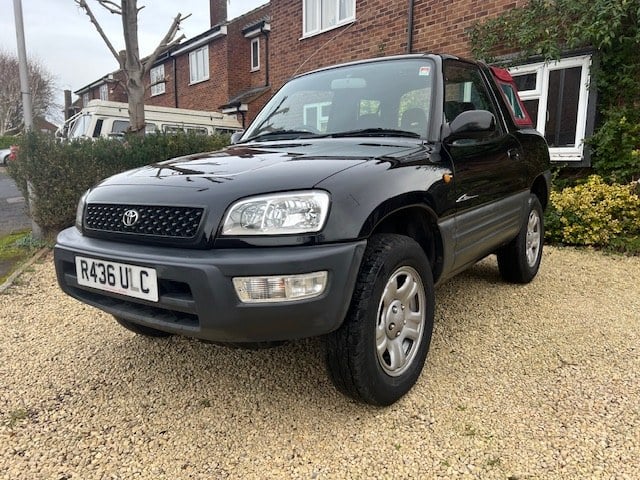
Toyota RAV4 (XA10 Generation)
- Average Price Range: £3,000 – £8,000
- Production Run: 1994–2000
- Number Built: ~300,000 (First generation global sales)
- Horsepower: 119 hp – 127 hp
- Top Speed/0-60mph: 106 mph / 10.1 seconds
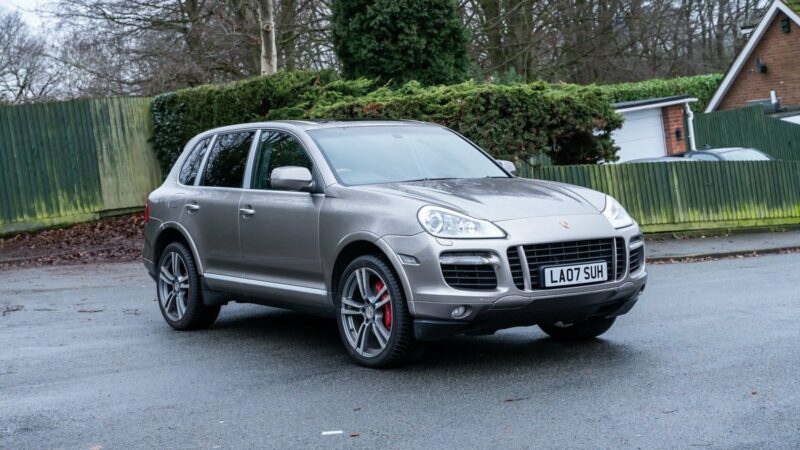
Porsche Cayenne (955/957 Generation)
- Average Price Range: £7,000 – £25,000 (Turbo S models are the most collectable)
- Production Run: 2002–2010
- Number Built: 270,000
- Horsepower: 247 hp (V6) – 542 hp (Turbo S)
- Top Speed/0-60mph: 174 mph / 4.8 seconds (Turbo S)
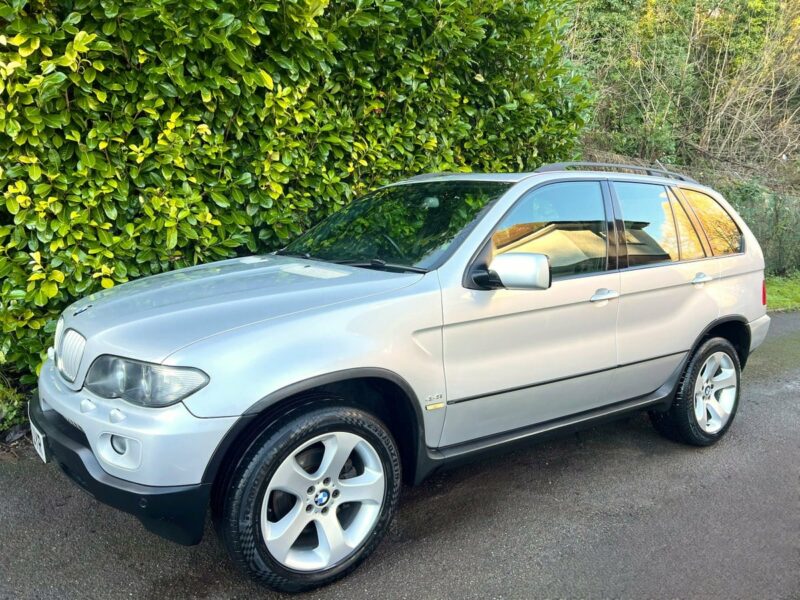
BMW X5 (E53 Generation)
- Average Price Range: £5,000 – £18,000 (4.6is and 4.8is models are the enthusiast picks)
- Production Run: 1999–2006
- Number Built: 616,867
- Horsepower: 181 hp (3.0d) – 355 hp (4.8is)
- Top Speed/0-60mph: 153 mph / 6.1 seconds (4.8is)
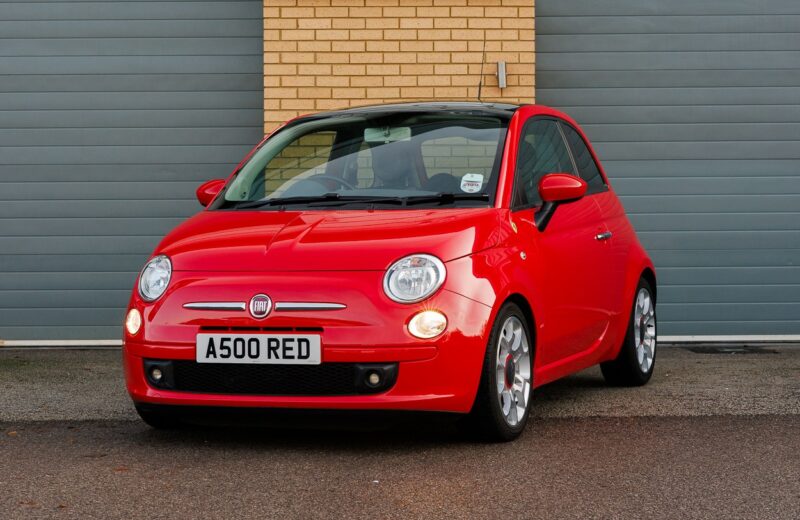
The Hatchback
The Definition: A “two-box” configuration with a rear door that opens upward to provide access to a cargo area integrated with the passenger cabin.
Key Identifiers:
– Defined by a compact footprint where the silhouette “hacks off” at the rear, typically featuring a top-hinged tailgate that includes the rear window.
– Known as a “two-box” design. Unlike the three-box saloon, the hatchback combines the passenger and luggage compartments into a single volume, often featuring folding rear seats to maximise versatility. Hatchbacks are categorised as three-door or five-door models. In automotive terminology, the tailgate is counted as a door because it provides direct access to the interior.
– While often seen as the utilitarian choice for city dwellers, the hatchback is the basis for the “Hot Hatch”—a performance-oriented variant that offers sports car thrills with grocery-getting practicality. The short wheelbase typically results in agile handling, making them a favourite for driving enthusiasts on twisting B-roads.
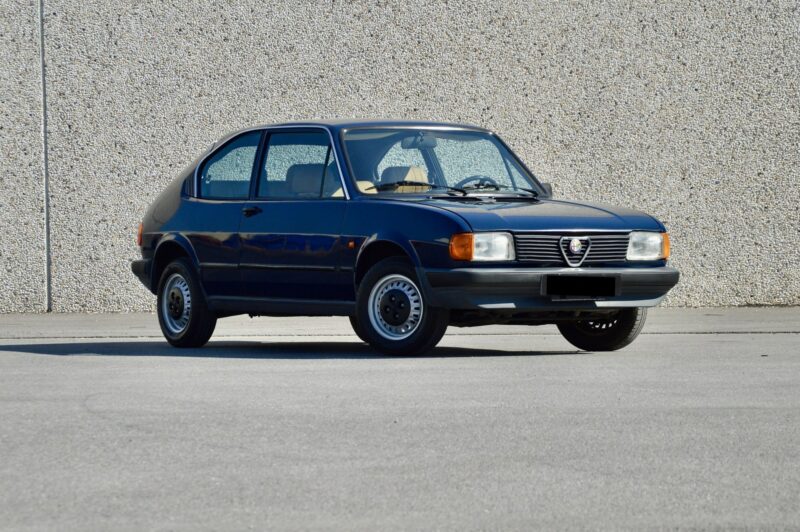
The Alfasud began life as a four-door saloon/ two-door coupé, yet gained a hatchback tailgate on later iterations
History & Evolution:
– The hatchback’s ancestry is a point of healthy debate among automotive historians. Some point to the 1938 Citroën Traction Avant Commerciale with its top-hinged tailgate, while others cite the 1953 Aston Martin DB2/4 as the first true high-performance hatch. However, it was the Renault 4 in 1961 that arguably brought the concept to the masses, providing a rugged, front-wheel-drive platform that prioritised utility over all else.
– The modern template was truly set in the 1970s. The Simca 1100 and the Volkswagen Golf (Mk1) refined the “front-engine, front-wheel-drive” layout that dominates the segment today. By the 1980s, the hatchback had effectively replaced the small saloon as the default family car in Europe, a reign that only recently came under threat from the rise of the ‘crossover’.
Best Hatchbacks:
The Volkswagen Golf is the undisputed king of the category, having defined the “classless” car for over half a century. No enthusiast’s list is complete without the Peugeot 205 GTI, the car that proved hatchbacks could be truly exhilarating. If it’s performance you’re after, the rally-honed four-wheel drive Lancia Delta Integrale will not disappoint.
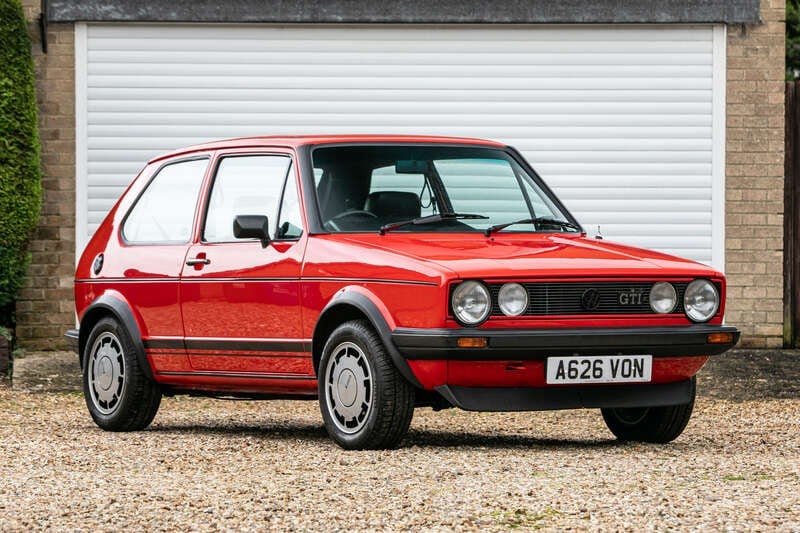
Volkswagen Golf (Mk1)
- Average Price Range: £8,000 – £25,000 (GTI models command significant premiums)
- Production Run: 1974–1983 (Cabriolet continued to 1993)
- Number Built: ~6,800,000
- Horsepower: 50 hp (1.1L) – 110 hp (GTI 1.6L)
- Top Speed/0-60mph: 113 mph / 9.0 seconds (GTI)
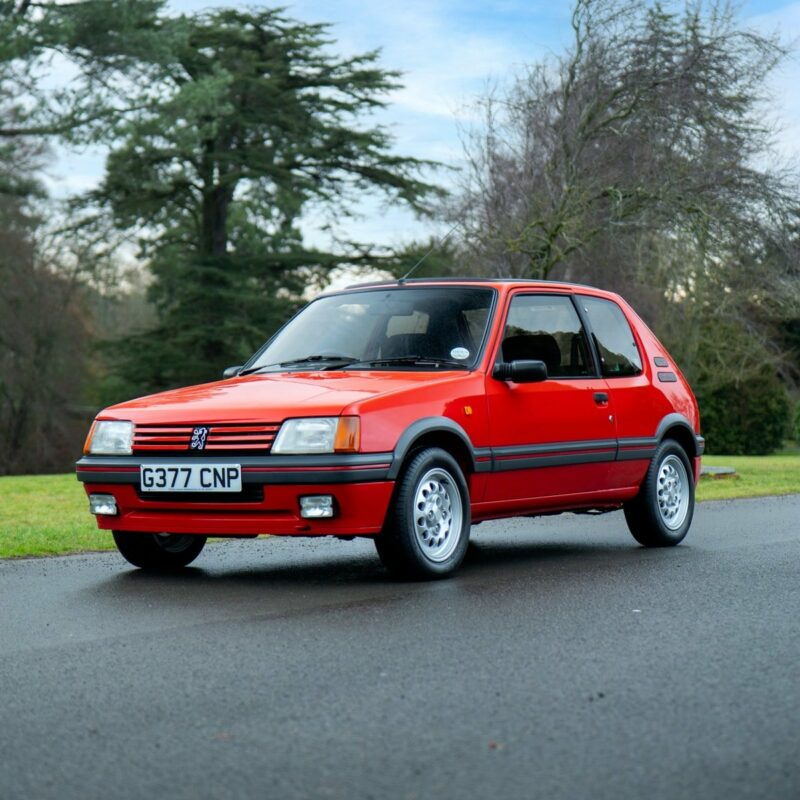
Peugeot 205 GTI (1.6 & 1.9)
- Average Price Range: £12,000 – £30,000
- Production Run: 1984–1994
- Number Built: ~332,942 (GTI variants)
- Horsepower: 105 hp (1.6L) – 130 hp (1.9L)
- Top Speed/0-60mph: 124 mph / 7.8 seconds (1.9L)
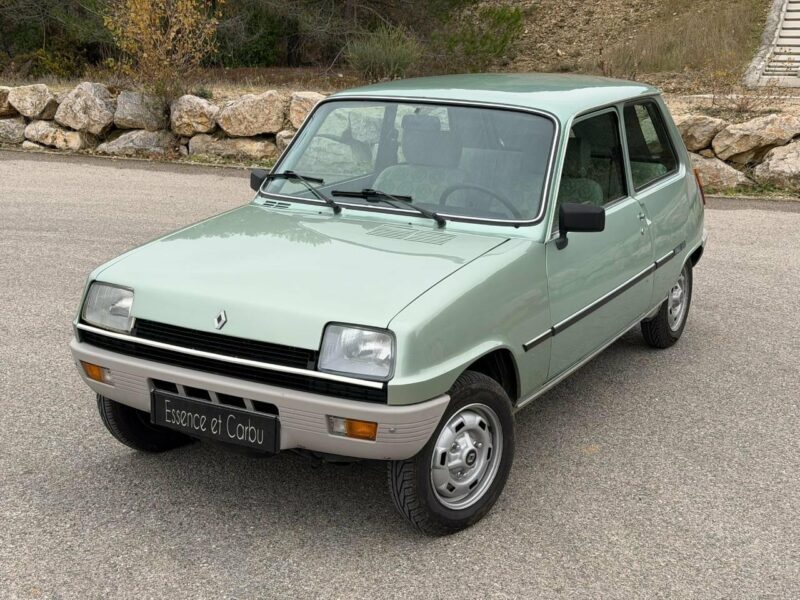
Renault 5 (Mk1)
- Average Price Range: £5,000 – £15,000 (Excludes Turbo/Turbo 2 models)
- Production Run: 1972–1985
- Number Built: 5,472,709
- Horsepower: 36 hp – 93 hp (Alpine/Gordini)
- Top Speed/0-60mph: 110 mph / 9.7 seconds (Alpine)
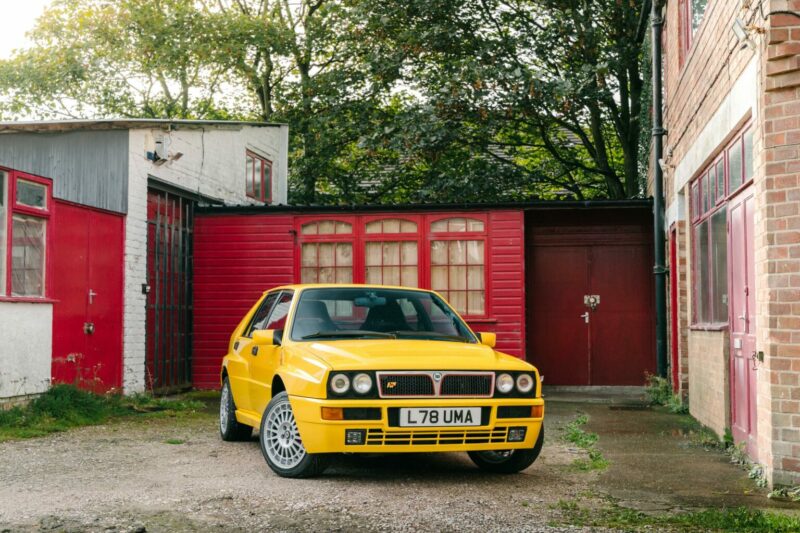
Lancia Delta HF Integrale (8v/16v/Evo)
- Average Price Range: £40,000 – £150,000 (Evoluzione II models reach the top end)
- Production Run: 1987–1994
- Number Built: 44,296 (All HF AWD variants)
- Horsepower: 185 hp – 215 hp
- Top Speed/0-60mph: 137 mph / 5.7 seconds (Evo II)
Fact File
– French Connection: The word Coupé comes from the French couper, meaning “to cut.” Historically, it referred to a carriage that had been “cut” to remove the front-facing seats, leaving only the rear bench for two passengers.
– The Spider’s Legs: The term Spider (or Spyder) is widely believed to come from 19th-century horse-drawn carriages. Their lightweight bodies and large, thin wheels gave them a spindly appearance reminiscent of a spider’s legs.
– The “Three-Box” Rule: To identify a Saloon, look for three distinct boxes: the engine bay (Box 1), the passenger cabin (Box 2), and the boot (Box 3).
– Shooting Brake DIY: Before they were factory models, Shooting Brakes were often “DIY” jobs. Gamekeepers would take an old luxury chassis—like a retired Rolls-Royce—and build custom wooden bodies on the back to carry dogs and equipment.
– The Targa Compromise: The Targa roof was created because manufacturers feared the US government was about to ban full convertibles due to rollover safety concerns. The fixed “hoop” bar was the engineering solution.
– Talking Italian: Some of the most exotic car names are surprisingly literal. Quattroporte simply translates to “four doors,” and Barchetta means “little boat.”
– 2+2 =4ish: A Grand Tourer is often described as a 2+2. This doesn’t mean it’s a proper four-seater; it means it has two full seats and two smaller “occasional” seats, usually intended for luggage or very small children.
– The Luxury Lounge: The term Saloon was borrowed from the railways. Just as luxury trains had “saloon carriages” for elite travellers, car makers used the name to signal a high level of comfort and enclosure.
– Driver vs Driven: The Sedanca de Ville (or Coupe de Ville) is a unique “halfway house” style where the driver sits out in the elements while the wealthy passengers are fully enclosed in the rear.
– SUV Ancestry: While many credit the Range Rover (1970) as the first SUV, the Chevrolet Suburban Carryall was offering a similar “truck-chassis-meets-passenger-body” formula as early as 1935.
– Three Doors?: In automotive terminology, the hatchback’s tailgate is counted as a door because it provides direct access to the interior.
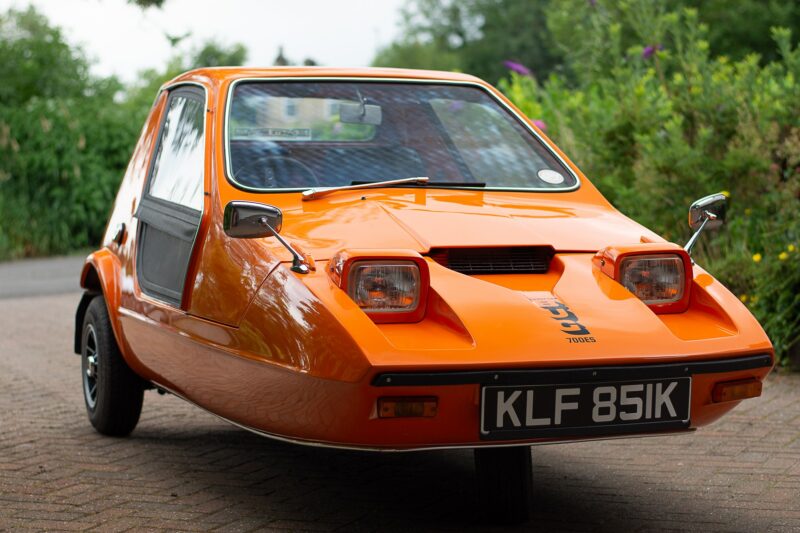
Goodness knows what you’d call this body type…
Frequently Asked Questions: Car Body Types
1. What is the difference between a Saloon and a Sedan?
There is no technical difference; it is purely regional. Saloon is the standard British English term, while sedan is the preferred term in American English. Both describe a fixed-roof car with four doors and a separate boot (or ‘trunk’).
2. Is a Coupé always a two-door car?
Traditionally, yes. However, the term has evolved. While a classic coupé (from the French couper, to cut) implies a shortened roofline and two doors, modern manufacturers often market “four-door coupés” to describe cars with a sloping, sporty rear roofline.
3. What does ‘2+2’ actually mean in a Grand Tourer?
A 2+2 configuration refers to two full-sized seats in the front and two smaller seats in the rear. These rear seats are typically “occasional” seats, meaning they are best suited for children or extra luggage rather than adults on long trips.
4. Why is an Estate car sometimes called a Shooting Brake?
Historically, a Shooting Brake was a custom-built vehicle used by hunting parties to carry “brakes” (groups) of dogs and guns. Today, the term is often used by luxury brands to describe a sleeker, more stylish two-door version of an estate.
5. What is a Targa top?
Popularised by Porsche in 1966, a Targa features a removable roof panel over the seats, a full-width roll bar, and a fixed rear window. It offers an open-air experience with more structural safety than a full convertible.
6. What is the difference between a Roadster and a Convertible?
In the classic car world, a roadster is a stripped-back, open-top two-seater—often originally without side windows or a permanent roof. A convertible (or cabriolet) is a more “civilised” version with wind-up windows and a folding fabric roof.
7. Why do some Italians call their cars a ‘Barchetta’?
Barchetta means “little boat” in Italian. In automotive terms, it describes a lightweight, open-top sports car with no folding roof, just a small wraparound windscreen (or none).
8. What makes a car a ‘Grand Tourer’ (GT)?
A GT is defined by its purpose: crossing continents at high speed in total luxury. Unlike a pure sports car, which might be loud and cramped, a GT must have a powerful engine, a comfortable interior, and enough luggage space for a long journey.
9. What is a Monocoque (Unibody) construction?
Found in most modern saloons and estates, a monocoque design means the car’s body and chassis are integrated into a single, weight-bearing shell. This differs from older “body-on-frame” classics, in which the body sits atop a separate ladder chassis.
10. Why is the SUV replacing the Estate and Saloon?
The SUV (Sport Utility Vehicle) is currently dominant because it offers a “command” driving position (higher up), easier entry and exit, and perceived versatility. However, enthusiasts often prefer saloons and estates for their superior handling and lower centre of gravity.
Why Body Types Affect Value
While some collectors favour a specific marque, era or country of origin, many acquire cars by body type. Fans of eclecticism typically want one of each, whereas others may fixate on a particular style, such as convertibles. Certain body styles can make cars rare and valuable, like the Lynx Eventer, a coach-built shooting brake version of the Jaguar XJ-S. Another prime example is the BMW Z3 M Coupé, commonly referred to as the ‘Clown Shoe’. A Z3 M Coupé is typically two to three times more valuable than its ubiquitous convertible sibling.
We hope you’ve found this car body type guide interesting and useful. What may at first appear to be a rather dry topic becomes increasingly fascinating as one delves into the history and etymology behind the myriad car body types that exist today.
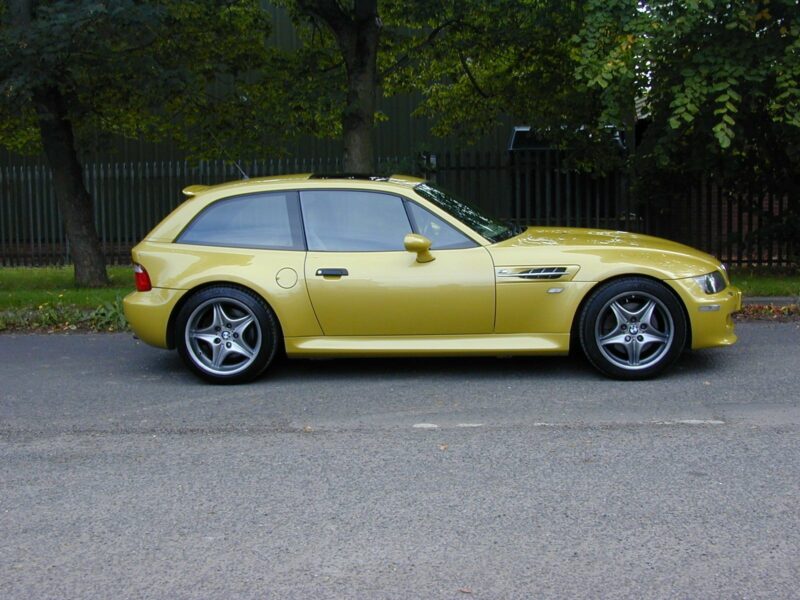
The bizarre yet oh-so desirable Z3 M Coupé ‘Clown Shoe’