Daily Driving a Classic – Five Things You MUST Do.

August 12, 2023
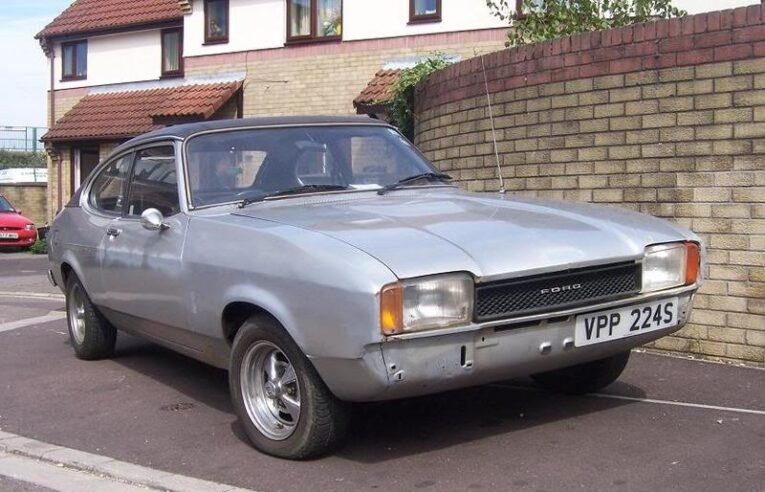
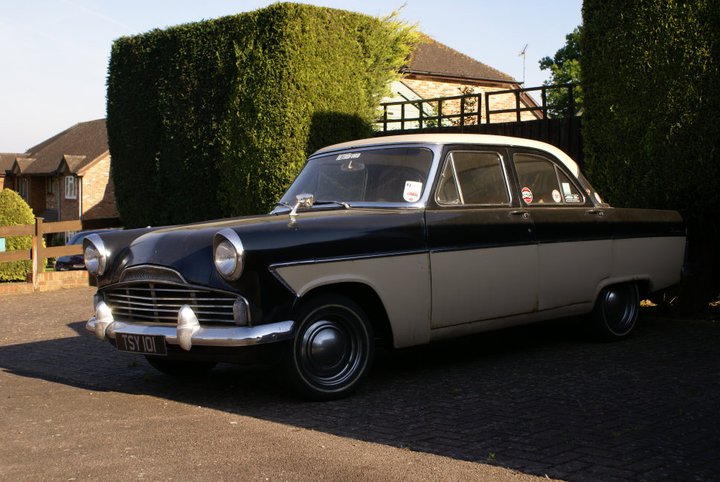
See that up there? That 1977 Mk2 Ford Capri that looks rougher than Rab C. Nesbitt after a particularly heavy session? That was mine. It might not have been the most handsome machine thanks to the primer, the rust, the absent chrome, the dents and the peeling vinyl roof, but it was my daily. And it was utterly reliable, despite its aesthetic disadvantage. I had a Ford Zodiac later, a 1961 Mk2 model. That was used daily, too. I’d use it to get to and from work, then at the weekend I would drive it – slowly – from Sevenoaks to Bristol and back. 9/10 without fault. The newest car on my driveway is 23 years old. That’s my daily. Old cars, and full-on classic cars, can quite happily be used as daily drivers.
There are, however, caveats. Things I do to every classic I drive daily. Admittedly, in the case of my W210 Mercedes – which is in my mind still a modern car – there’s not much to do, but even so, the following five snippets of personal advice are well worth following. Doing so will make your classic ready for daily use, they will make it safer, they will make you feel more comfortable and confident, and they will preserve the life of your classic. You don’t have to drive your classic every day, but trust me, doing so makes every day that little better. Especially if you adhere to what I’m about to suggest.
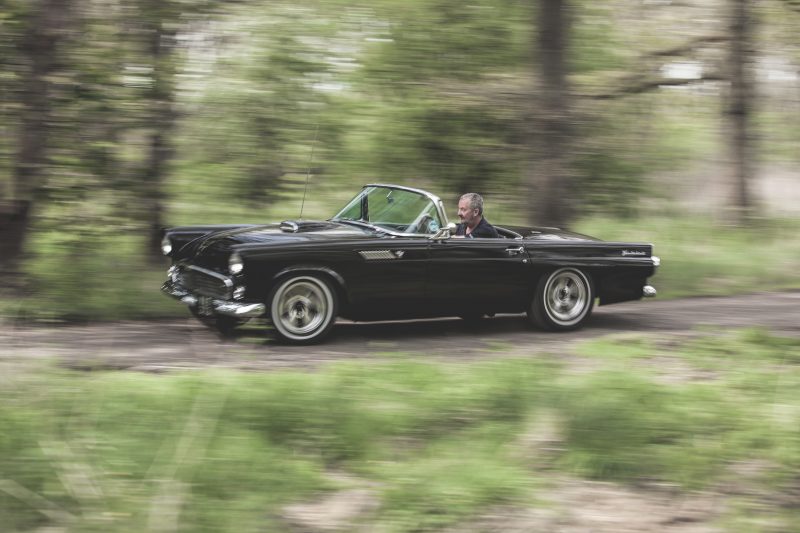
While it doesn’t get used much now, my Dad used to commute and do the ‘big shop’ in his 1955 Ford Thunderbird
1) Lights
Be safe, be seen. That’s one of the first things they teach you in school about road safety, and it still rings true. Modern cars, as we have all experienced, are dazzlingly bright thanks to LEDs and the like. Now, I’m not saying you need employ the same, as that would be garish. However, bulb technology has moved on leaps and bounds since your classic was built, so capitalise on it. Change your bulbs for modern, brighter versions. All of them. Make sure your lenses are in good fettle, too. If not, look at doing an upgrade. Brake lights are also hugely important, and maybe a plug-in LED solution might be the way to go. And if your car suits them, there’s nothing wrong with a nice set of driving lights.
2) Rubber
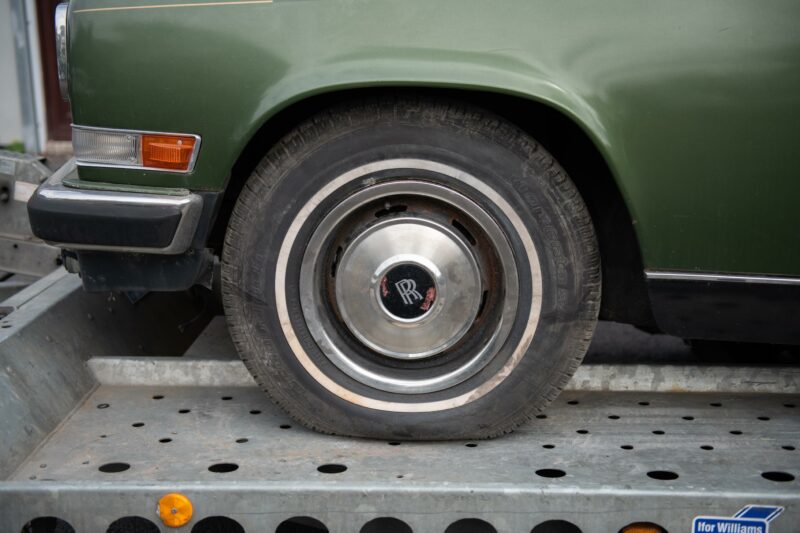
Use. Modern. Tyres. You can get them in designs that look like old radials, you can have them whitewalled, you can have them in any size you like. There is no excuse to not use modern tyres on your classic. No matter what you do to your beloved old car, it’s moot if the very thing that connects you to the road is harder than a Physics A Level exam. You need pliable, soft, grippy rubber. There is no nobility, nor kudos to be earned by driving around on tyres that are decades old, cracking, hardening. Rubber is not everlasting.
3) Safety
I like your face. You like your face. And presumably you like the faces of those people in the car with you. So, with that in mind, why not fit modern seatbelts, or at least renew the ones you have. Yes, it can be a faff should your classic have never had them in the first place. But having your face rebuilt through several reconstructive surgeries is also a faff. A lot of popular classics have off the shelf kits available, though if you need to go bespoke, it’s not a big problem. A lot of classic car specialists will do it for a fee. And it is well worth doing, as even a small bump without a seatbelt in a classic can be laden with injury. And you don’t want that.
4) Brakes
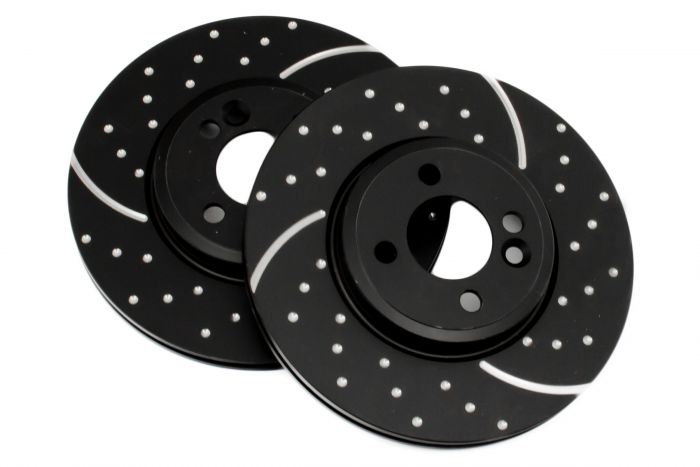
Like bulbs, brake technology has moved on leaps and bounds since your classic was built. And while it’s not really possible to retrofit things like ABS, it is possible to fit better discs with improved cooling, better pads and/or shoes with more modern, better performing friction material. Braided brake lines can improve braking, too. A braided line won’t swell like a rubber one, meaning greater efficiency. If your classic doesn’t have servo-assisted brakes, you can buy kits or have a specialist fit a servo. You could even fit bigger brakes if your wheels allow, or there may be a disc conversion if you’re currently running drums all round. Power, as they say, is nothing without control.
5) Rustproofing
On your fish and chips, on your sausages, on your mash, on the A14. We bloody love salt in the UK, and that’s never more obvious than in winter when the gritters come out in force. And for all those months they are doing their welcome thing, they are filling the roads with salt. This is bad for your classic, as it will love to corrode, so every summer, spend some time underneath it with a wire brush and some protection, and then recoat it all in new underseal or other rust protection. It’s not a fun job, I won’t lie. I just did it to my old Rover, and I’m sure most of it is now in my eyes despite goggles. But, it was worth it. The car is protected, it can face the winter, and I won’t wince every time I see a gritter. It will prolong my car’s life, as it will yours if you do it.