How to Store Your Classic Over Winter

November 28, 2025
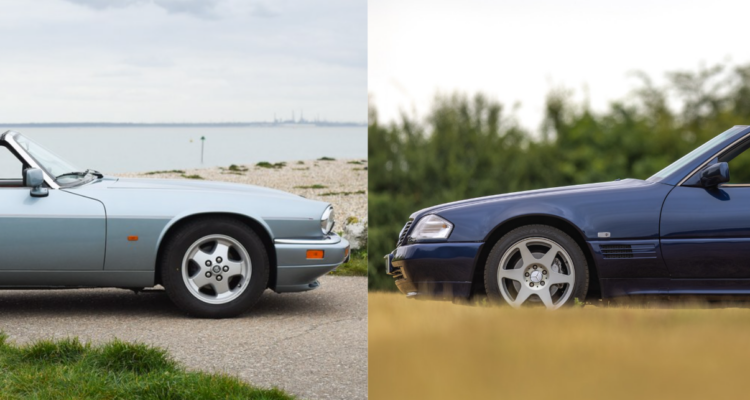
For many, the winter months, with their cold weather, short days and treacherous roads, spell the end of the classic vehicle driving season. With the right preparation, some older cars can handle it; see our Top Ten Winter-Proof Classics for recommendations, but the fact remains that not all classics are up to the rigours of winter driving. For those cherished vehicles that would be better laid up until spring, here’s our handy guide on how to store your classic over winter.
Clean it (and dry it)
Washing your vehicle regularly is one of the most effective ways to keep it looking its best, prevent scratches, and protect against corrosion. Before your classic enters winter storage, be sure to give it a thorough clean inside and out. We’d recommend a wax polish too.
Soft furnishings should be scrubbed thoroughly. Any surface that human hands regularly come into contact with is at risk of mould, and nobody wants that. Installing a domestic moisture trap in the cabin will help keep things dry. Just be sure to empty and refill with crystals regularly.
After you’ve finished your deep clean, it is imperative that your vehicle is completely dried off. Any trapped moisture could cause corrosion, so give your car ample time to dry. Our top tip would be to embark upon a short road test, allowing the engine heat to dry things out under the bonnet and for any water to drain from the nooks and crannies.
Protect it against corrosion
Rust is the biggest enemy of classic cars. Damp winter conditions, exacerbated by road salt, make the colder months the most damaging time of year so far as corrosion is concerned.
Even if you’re storing your car over winter, rust never sleeps, so be sure to protect your pride and joy against the dreaded tin worm. There are myriad wax and lanolin-based products on the market. Whichever you choose to use, ensure your car’s cavities and underside are cleaned thoroughly before liberally coating in the anti-rust potion of your choosing. Consider applying a film of oil or grease to your chrome parts, and use a penetrating fluid (or any dedicated storage spray) to protect mechanical components and electrical connections.
Refuel it
We’ve said it before, and we’ll say it again: classic cars like to be used. Taking one off the road for any extended period of time can cause some mechanical problems, chief among which is the havoc stale fuel can wreak on your engine’s internals.
Petrol and diesel have a shelf life: typically around 6 months for petrol and up to 12 months for diesel. Modern petrol (of the E5 and E10 variety) contains ethanol, which is corrosive and hygroscopic. That means it can damage key components in your fuel system and absorb water, which is bad news for engine internals. A full fuel tank is less likely to accumulate condensation, although you could end up with a large quantity of stale fuel when it’s time to reawaken your classic in the spring. There are several so-called ethanol-free ‘storage fuels’ on the market and several ‘fuel stabiliser’ products. These are expensive versus regular pump fuel, so they are not designed for everyday running , but they are a good idea for storing any vehicle.
Store it somewhere dry
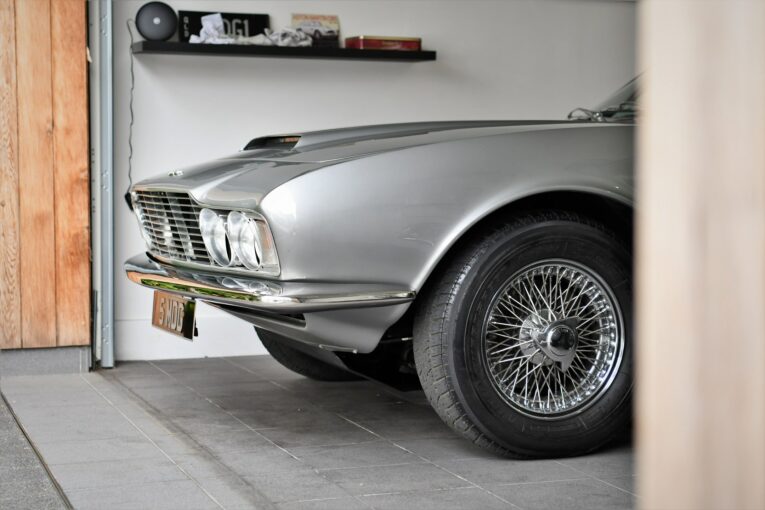
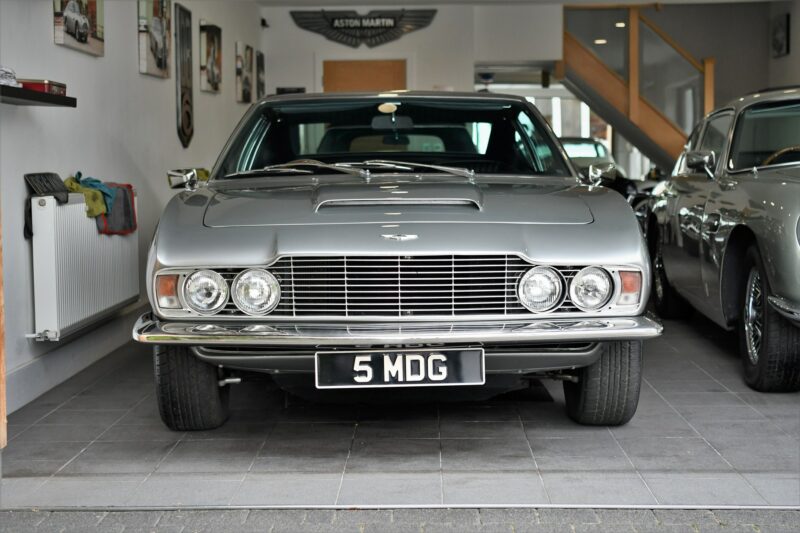
It’s all very well to follow this guide to the letter, but it all counts for nothing if you don’t stash your car away somewhere dry. Ensure your chosen building is clean and dry. A damp garage can be as bad, if not worse, than leaving a vehicle outside. Good airflow is preferred, which is why barns often preserve cars really well. A heated garage is the crème de la crème, but not a viable option for most classic car owners. Beware of rodents; they can cause extensive damage to your car by gnawing on wiring and upholstery. Remember, anywhere that’s cosy for your car is also cosy for mice, rats, and squirrels.
Investing in a decent breathable cover is also a good idea. Soft indoor covers are kinder on paintwork, while a heavier outdoor-type cover is a good plan if your garage is more on the basic side. If you do choose to cover your vehicle, be sure to check it occasionally to ensure no moisture or debris is trapped under the cover. Leave a window slightly ajar to allow free airflow in and out of the cabin.
Service it
Oils also degrade over time, and any contaminants will settle in the sump during periods off the road. Fresh oil before laying a car up is always a good idea. Ensure your cooling system is topped up with anti-freeze. Sub-zero temperatures can cause coolant to freeze and expand. This could spell the end of your radiator, or worse still, your engine.
Tyres can develop flat spots if left standing for a long time. Over-inflate them to the maximum pressure listed on the sidewalls, or consider taking the weight off the wheels and suspension by supporting the car on axle stands. Another option is to periodically rotate the wheels.
When in regular use, your vehicle’s alternator (or dynamo) maintains your battery, but when left standing, it will drain naturally over time, especially if left connected. Cold weather is bad for batteries, too, so be sure to either recharge regularly or fit a trickle charger. These devices are readily available, and modern units often feature modes that both recondition batteries and keep them charged. They’re well worth the investment, as you’ll be shelling out for a new battery in the spring if you don’t maintain it.
Don’t start it (unless you can run it up to temperature)
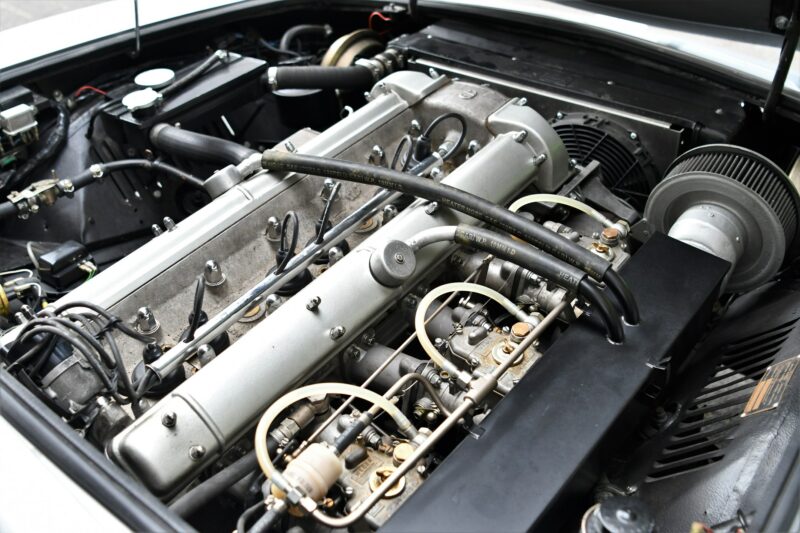
The matter of starting your car’s engine during its winter hibernation is hotly debated amongst enthusiasts. Some would argue that keeping oils moving is a good way to keep engine internals lubricated, and it’s also beneficial to keep fuel flowing through the system. That said, running engines for a short period is not necessarily a good idea. You need to allow time for fluids to get up to temperature, and some engines will fall out of tune if not exercised properly each time they’re started. Carburetted engines are particularly susceptible to these sorts of foibles, often needing to be run under load, which cannot be replicated on the driveway. Our advice would be to run your engine for at least twenty minutes if you do wish to start it. If in doubt, leave it well alone until Spring. Following periods of inactivity, it is advisable to turn the engine over on the starter motor for a few rotations to build oil pressure before it fires. On old-school petrol engines, you could remove the rotor arm to achieve this, especially if your motor usually bursts to life at the first flick of the key.
SORN it
If your vehicle qualifies for road tax and MOT exemption, there’s no real need to undergo the SORN (Statutory Off Road Notification) process, as you’re not paying any road tax regardless. However, if you are paying road tax, it makes little sense to continue paying it when your car is not on the road. Remember, you’ll need to tax it again before you drive it. You can register your car SORN, here.

So there you have it. These are our top tips for how to store your classic over winter. Preparation is key; put a car away properly, and you’ll be much less likely to encounter any nasty surprises when it comes time to reawaken it next year. Roll on summer.