Why Off-Roading is the Most Fun You Can Have on Four Wheels

January 29, 2026
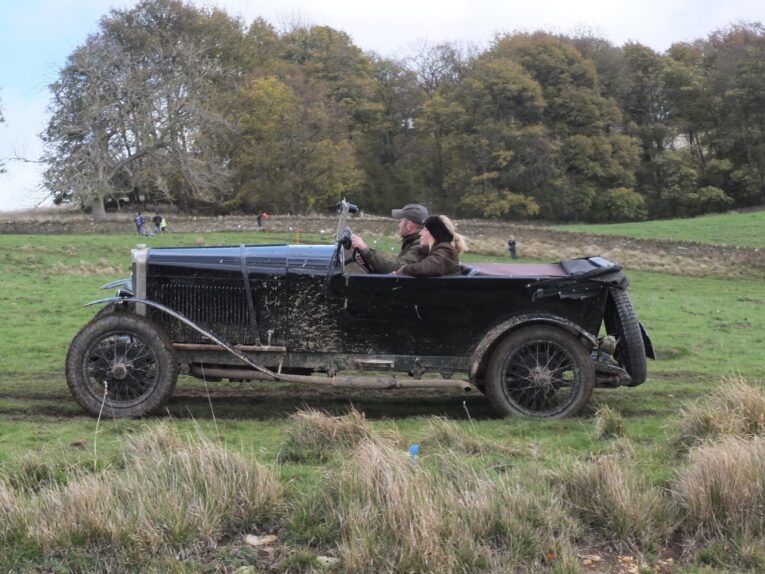
You won’t change my mind. I’ll take a few hours spent off-roading a field, forest or plain over a high-speed joyride in just about any car you care to mention. Don’t get me wrong, as a life-long petrolhead, I delight in all vehicular endeavours. But I maintain that there is nothing—absolutely nothing—half so much worth doing as simply messing about off-road.
Why Off-Roading is the Most Fun You Can Have on Four Wheels
Real Freedom is Off-Road
Average speed cameras, congestion charges, cavernous pot holes and endless traffic jams have taken practically all the fun out of driving. Anyone who’s ever driven a performance car on the UK’s road network will be familiar with the monumental sense of frustration that accompanies every mile. You’re scanning the hedgerows for hidden cameras, criss-crossing the carriageway in a desperate attempt not to wreck your low-profile tyres, and desperately avoiding the temptation to lean on the loud pedal lest you say goodbye to your licence forever.
Off-road, the trappings of modern motoring cease to exist. You can go practically anywhere you please, at your own pace, in your own time. Off-roading is freedom in a way no other form of driving can match. The closest equivalent for performance cars is track days. Like off-roading, they can carry a high risk and can be hard-wearing on your vehicle. But track days are typically expensive and can be somewhat high-stress. I’d sooner spend a day bumbling round the countryside, thanks very much.
It doesn’t Matter What You’re Driving
I’m going to backpedal for a second. When you match the right car with the right road and the right weather, you can, of course, have a wonderful time. But these perfect moments are increasingly rare for most of us, especially as access to the most engaging, most heartstring-tugging cars usually requires a very healthy bank balance.
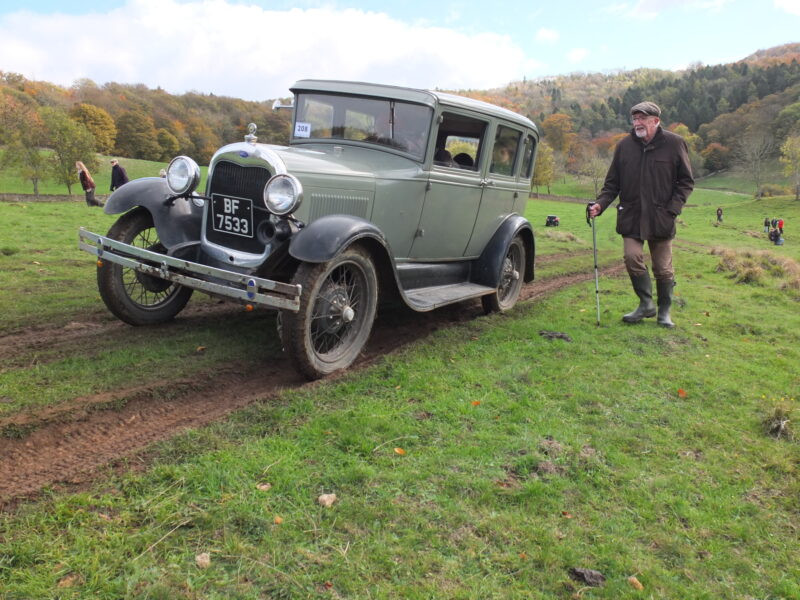
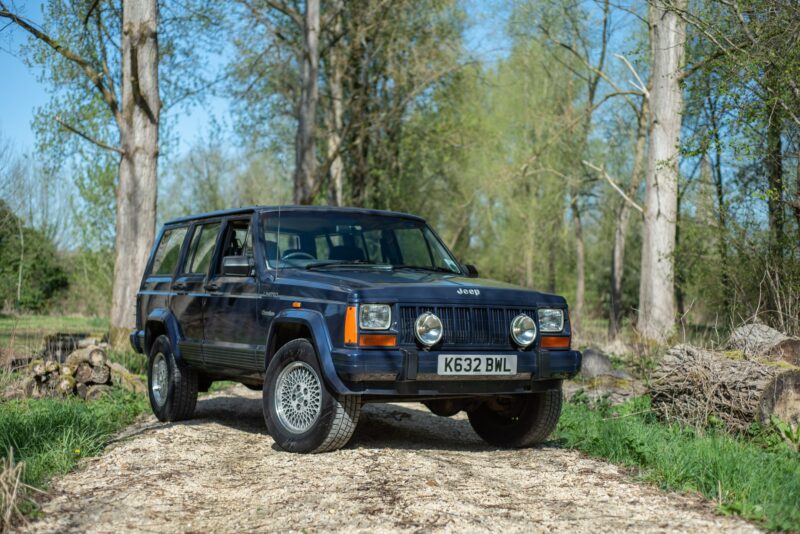
Off-road, this is not so. Stray from the beaten track and you can have as much fun in a £500 banger as you can in a brand-new full-fat Range Rover or 911 Dakar (if not more so). Old-school off-roaders: L316 Land Rover Defenders, CJ Jeeps and BJ Land Cruisers offer immense capability, while two-wheel drive cars and motorcycles can also get in on the action in trials events. Even vintage motor cars are arguably best enjoyed off-road in the VSCC’s popular trials and driving tests.
Forget Top Speeds, It’s About the Technical Challenge
Driving fast is easy. Navigating a rocky escarpment or a rutted track is an engaging puzzle that requires one hundred per cent of your brain. It’s also deeply satisfying when you get it right and can still be a lot of fun when you don’t. Learning technical off-roading skills and taking part in 4×4 driving challenges can teach you as much about car control at ten miles per hour as you can in a sports car at one hundred miles per hour. Providing you have an ounce of common sense, you’re probably not going to come to much harm off-road, as you’re unlikely to be carrying much speed.
The Social Factor
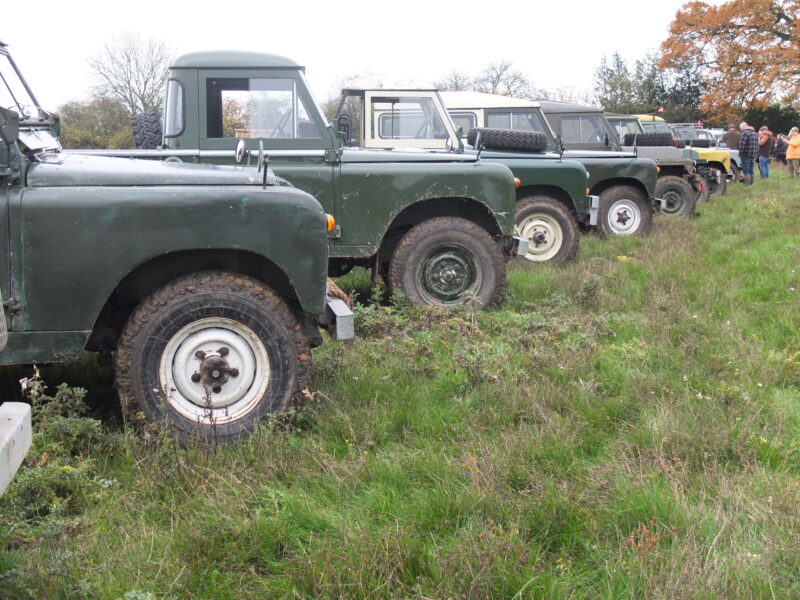
Off-roading is rarely a solo endeavour. It’s built on teamwork. Spotting for your friends, winching someone out of a hole, and the tailgate camaraderie are all part of the enjoyment. There’s a thriving off-road community in the UK, with clubs and groups organising greenlaning expeditions, experiences on dedicated off-road courses and tours on private estate land.
Much like the community found at Cars and Coffee, the off-road world offers a unique “third space” for enthusiasts to connect and decompress away from the stresses of daily life.
Conclusion: Ed’s Recent Off-Road Adventure
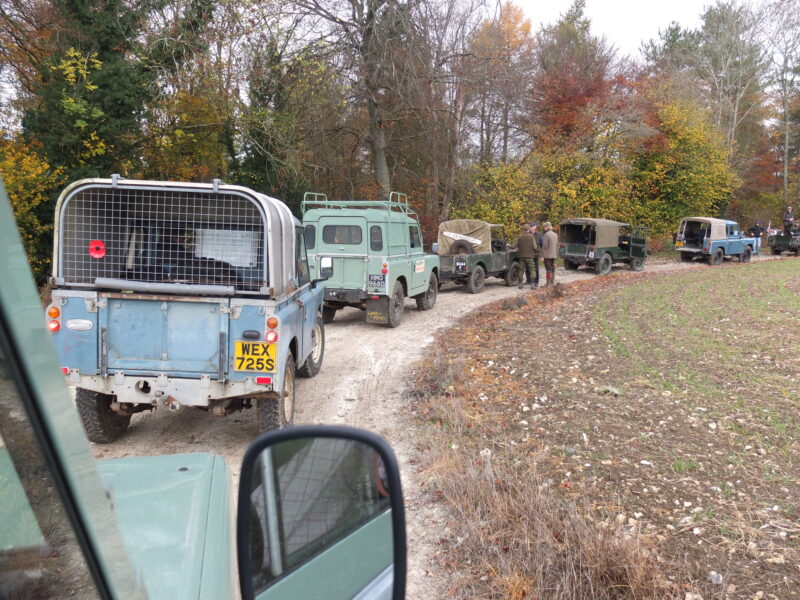
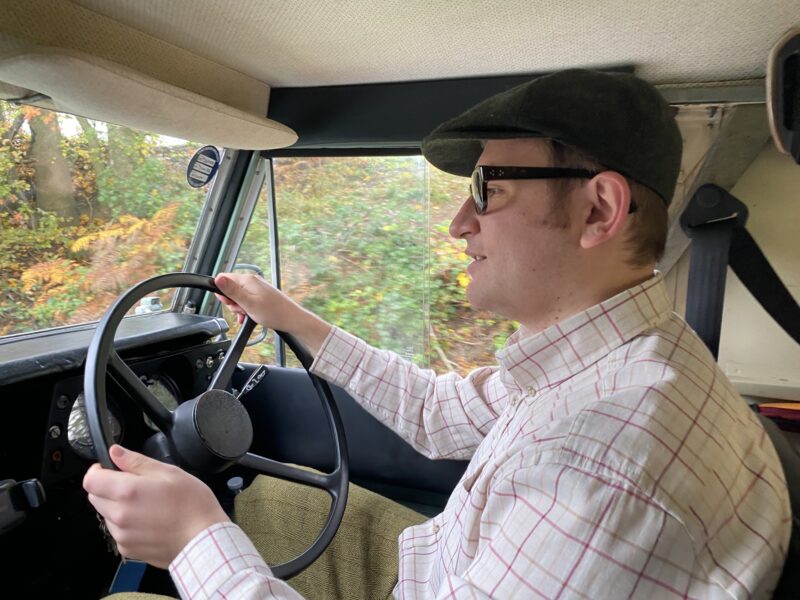
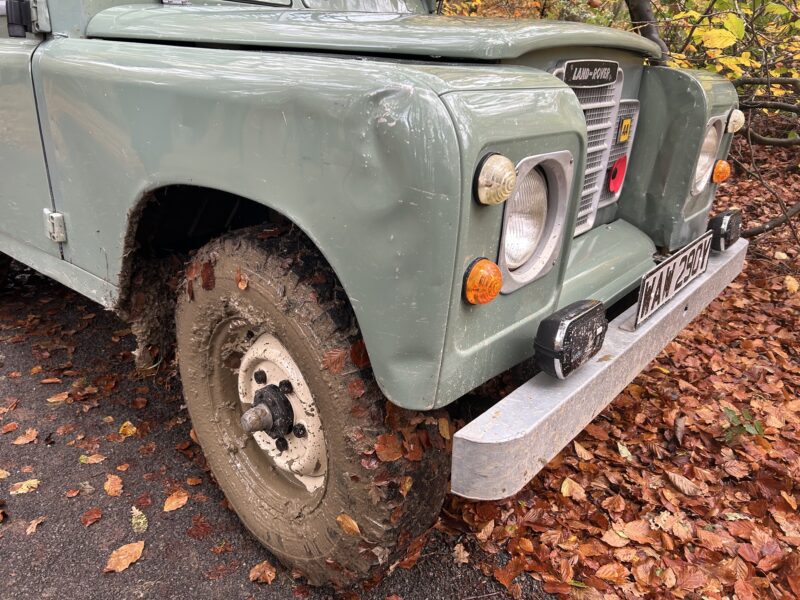
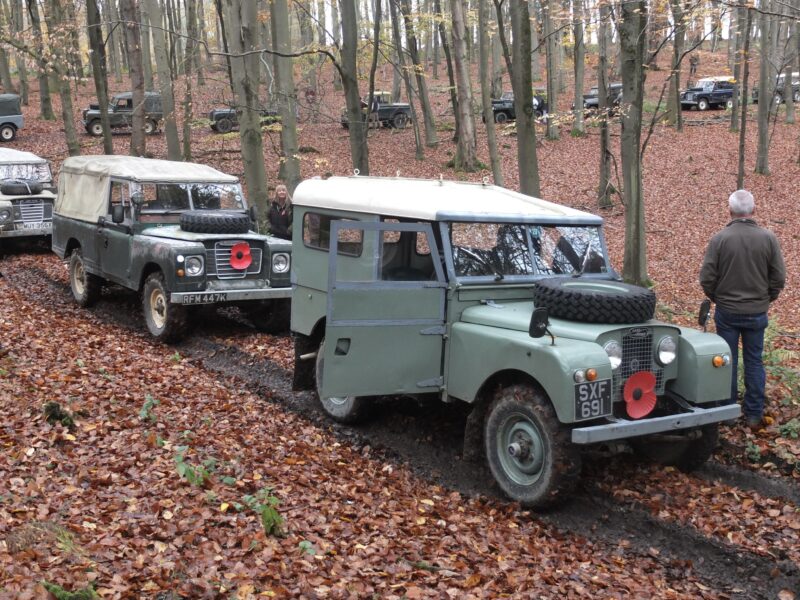
To prove my assertion that off-roading is the most fun you can have on four wheels, I recently embarked upon a classic Land Rover off-road event in the Chiltern Hills, raising money for the Royal British Legion. I can honestly say it’s as much fun as I’ve ever had in a car. The terrain wasn’t especially testing, well within the cars’ capabilities, but presented enough of a challenge to put my Series III’s four-wheel drive and low-range systems through their paces.
It’s impressive how easily these simple 4x4s handle the deep muddy ruts, finding grip without the need for excessive throttle as we wend our way through some of the finest woodland and farmland England has to offer. The only bit that wasn’t especially enjoyable was trying to clean all that mud off the following weekend. It took me the best part of an entire day, and I’m convinced there’s still plenty I’ve missed.
2026 Off-Roading FAQs
1. How can I get involved?
There are many ways to get involved. Even as a passenger, you’re likely to be needed to get out of the vehicle in order to spot for your driver, operate winches and help with navigation. In trials events, passengers are tasked with ‘bouncing’, in order to aid traction. Off-road vehicles can be found for as little as hundreds of pounds, and you don’t necessarily need a 4×4, depending on the calibre of off-road driving you choose to partake in.
2. What is ‘Green Laneing’?
‘Green lanes’ are rural, unsurfaced roads that are a public right of way, legally allowing vehicles, cyclists, walkers, and horse riders. Also known as Unclassified County Roads (UCRs) or Byways Open to All Traffic (BOATs), green lanes are unpaved and can vary from easily passable paths to rugged, overgrown trails requiring off-road capability. As green lanes are technically highways, your vehicle must be roadworthy with tax and MOT (if required) and appropriate insurance. Likewise, drivers must have licences and obey the Highway Code.
3. What are the best off-road cars?
Start your search here with Car & Classic.
Best modern off-road cars:
– Mercedes-Benz G-Class (G-Wagon): The only production SUV with three independent fully locking differentials (Centre, Rear, and Front). Whether you choose the V8 G63 or the all-electric G 580, its ladder-frame construction is virtually indestructible
– Land Rover Defender (L663): The ultimate “all-rounder.” It uses a sophisticated monocoque chassis that is three times stiffer than traditional frames. Its Terrain Response 2 and Configurable Dynamics allow it to conquer almost any obstacle.
– Ineos Grenadier: Born from a desire to return to “mechanical honesty,” the Grenadier is engineered in the UK and built in France. With its solid beam axles, permanent 4WD, and heavy-duty Carraro hardware, it is built to survive decades of abuse.
Best classic off-road cars:
– Toyota FJ40 Land Cruiser: While Japanese by name, the FJ40 was Toyota’s answer to the Jeep and the Land Rover. It combined the ruggedness of the competition with a level of build quality and engine reliability that set a new standard.
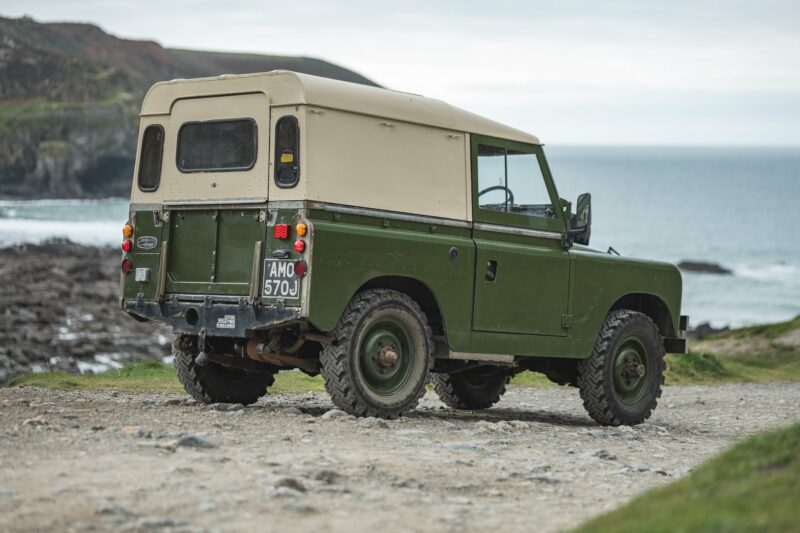
– Land Rover Series I, II & III: The original leaf-sprung Land Rover was developed just after WWII. It was intended as a stop-gap agricultural tool but became a global icon, spawning an immensely successful brand.
– Jeep CJ-5 (1954–1983): The CJ-5 is the closest descendant to the original military Willys. It was produced for nearly three decades, making it a staple of the off-road world.
4. Is off-roading actually fun if you’re only going 5mph?
Absolutely. Navigating a technical obstacle at a crawl requires considerable concentration and skill. When you get it right, it’s so satisfying, and sliding around in the mud, sand or snow with you wheels spinning is great fun. Never mind the lack of speed. Adrenaline comes from the precision required and the constant threat of getting stuck.
5. Do I need a modified 4×4 to start off-roading?
Not necessarily. Many 4x4s and indeed some two-wheel-drive cars are surprisingly capable on light trails, green lanes and even tougher terrain. However, as you catch the bug, you’ll find that “modding” can be half the fun. A simple set of all-terrain tyres and a basic recovery kit are usually the only entry requirements to start exploring.
6. Is off-roading more expensive than track days?
Generally, no. Track days involve high entry fees, rapid tyre wear, and immense stress on mechanical components. While off-roading carries the risk of “trail damage,” the consumables (fuel and tyres) generally last much longer, and you can often explore public green lanes for the cost of a tank of petrol or diesel.
7. Can off-roading be done solo?
You can, but it’s probably not a good idea, at least not at first. The “recovery” is part of the sport. Having a second vehicle there to winch you out of a bog or spot your line over a rock face turns a what could be a stressful moment into an enjoyable one.
8. How does off-roading compare to “overlanding”?
Think of off-roading as the activity and overlanding as the journey. Off-roading is about the thrill of the obstacle; overlanding is about using those skills to reach remote places and see views that most people will never experience.
9. Won’t I just break my car?
There is an old saying: “As slow as possible, as fast as necessary.” If you drive with mechanical sympathy and follow the guidance of experienced drivers, you can do incredible things without over-stressing your vehicle. It’s about skill, not brute force.
10. How can I find green lanes?
Green lanes are marked on Ordnance Survey (OS) maps. Join the Green Lane Association (GLASS) for the most detailed information on open lanes, the condition they’re in, and the dos and don’ts of green laneing.