Description
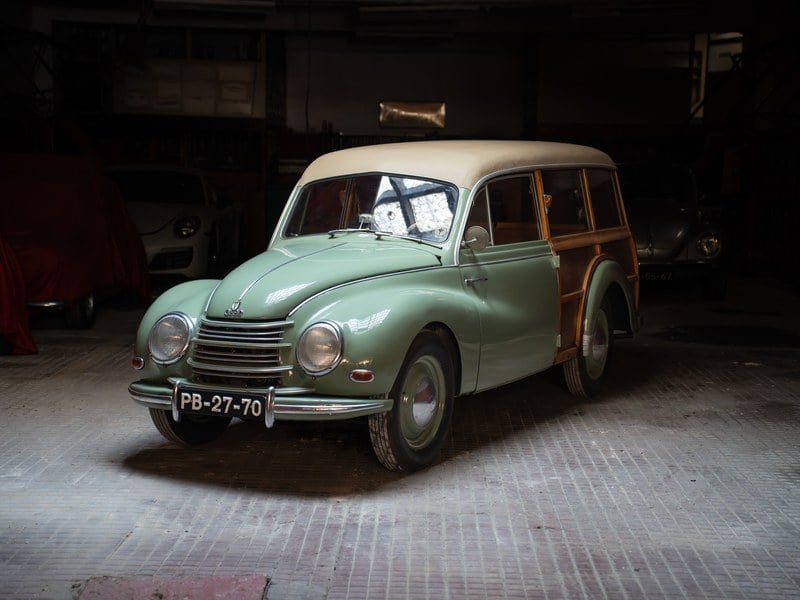
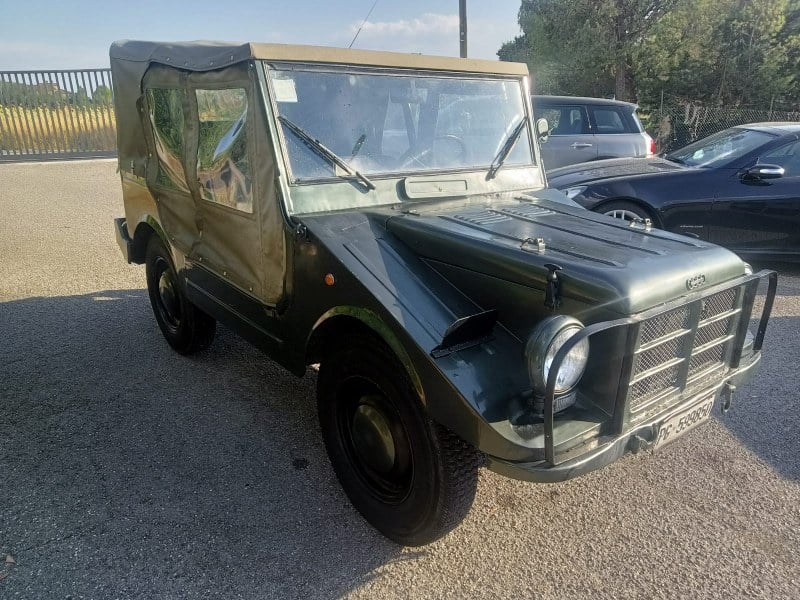
This DKW Meisterklasse Universal type F89 S (1952) is currently at our facilities, ready to drive.
This remarkable classic is finished in a period-correct green perfectly juxtaposed against its beautifully crafted wooden rear coachwork. The F89, also known as the Meisterklasse (Master Class), represents a pivotal chapter in European automotive history. Following the Second World War, Auto Union relocated to West Germany to rebuild its operations. To quickly bring a car to market, engineers brilliantly combined the modern, aerodynamic steel front end of the pre-war F9 prototype with the proven front-wheel-drive underpinnings of the pre-war F8. The “Universal” estate variant featured a rear section built extensively of structural timber and wood paneling. This was not merely a stylistic choice; it was a testament to traditional coachbuilding methods and a highly practical solution to the severe post-war steel shortages in Europe.
The F89 is powered by a fascinating 684cc liquid-cooled, two-stroke parallel-twin engine producing 23 horsepower. This quirky yet incredibly reliable powerplant utilizes a convection-based thermosiphon cooling system, cleverly eliminating the need for a mechanical water pump. Power is delivered to the front wheels—a pioneering hallmark of the DKW and Auto Union brands—through a unique 3-speed manual gearbox. Despite its modest power output, the lightweight chassis and utilitarian design allowed the Universal to serve as a highly capable and versatile workhorse for small businesses and families in a recovering Germany.
What truly elevates this DKW to the absolute highest echelon of car collecting is its astonishing rarity. While standard steel-bodied F89 sedans were mass-produced, the timber-framed Universal estates were built in extremely limited numbers due to the incredibly labor-intensive nature of shaping and assembling their wooden bodies. Over the decades, the natural fragility of wood meant that the vast majority of these vehicles simply succumbed to the elements.
Today, marque experts and historians estimate that only around 10 original “Woodie” examples survive anywhere in the world. To find one in such glorious condition, with its woodwork presenting beautifully alongside its green paintwork, represents a once-in-a-lifetime opportunity to acquire a true museum-grade piece of early Auto Union heritage.