Description
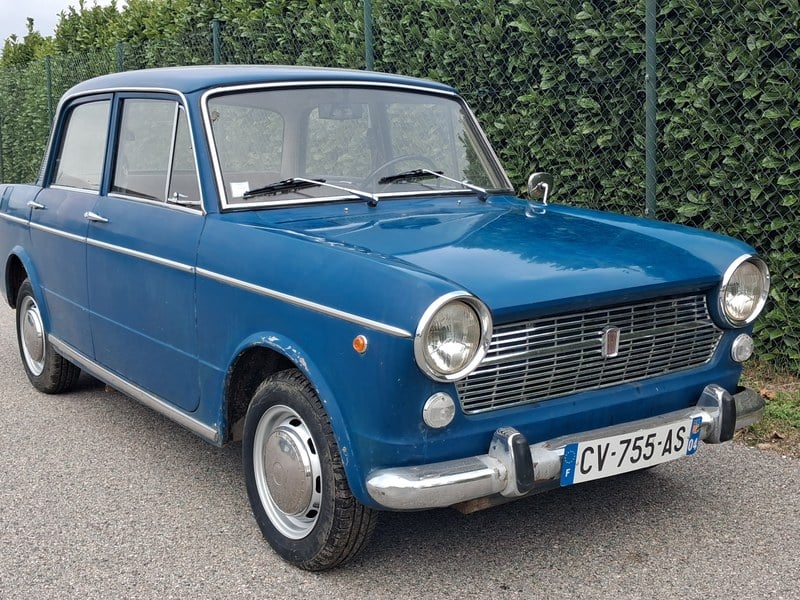
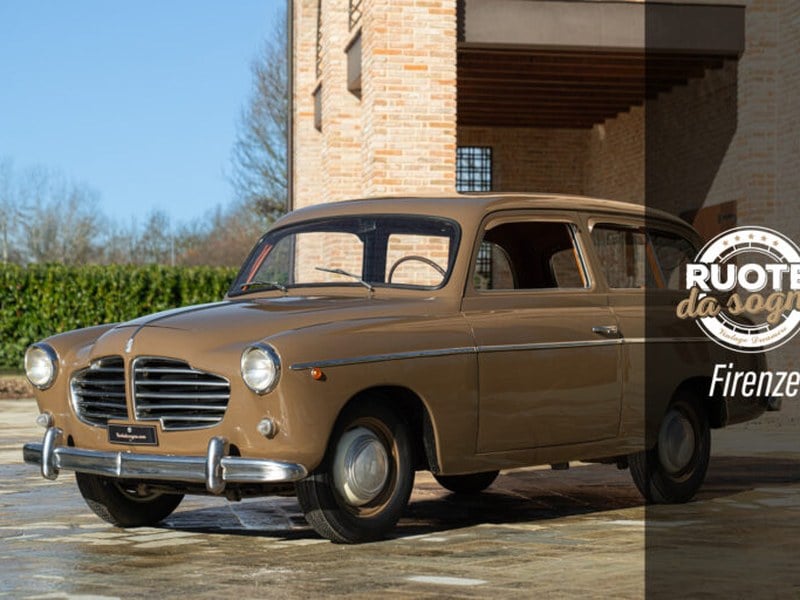
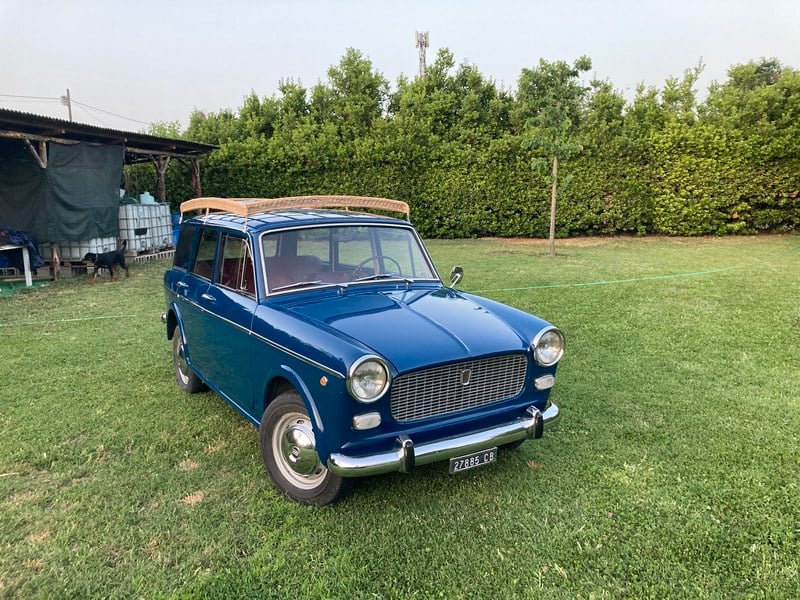
1965 Fiat 1100D Familiare. The car has undergone a conservation restoration, respecting its originality. The structural integrity has been restored, with the floor pans and inner sills replaced using new galvanised panels, either bought in or hand-fabricated, and some of the model's sensitive areas repaired where rust had gone through. The underbody has been treated with a rust inhibitor finished to resemble the original bitumen underseal, but only on the replaced panels. The sound parts were retained and simply washed with a powerful degreaser. The external body panels are completely original and needed some minor repairs, such as the wing edges (known weak spots on this model), carried out so that they would not look out of place with the rest of the patina. The interior body elements, such as the doors, dashboard and all painted and visible panels, are completely original and, as such, show the signs of age. The engine bay has been shot-blasted, primed and repainted. The external bodywork patina has been protected by the application of a semi-gloss clear coat, which gives it a smooth finish. To complete the exterior, the original wheels have been repainted in a two-tone ivory and steel grey; a personal departure from the original (aluminium grey) to echo the car's original body colour. In addition, the windscreen and rear quarter window seals have been replaced with Cicognani parts (invoice available). All the chrome is original and weathered by time (in keeping with the patina), and all the aluminium parts have been preserved. The mechanicals have been fully overhauled: every component has been taken apart (quite literally), and all the rubber parts of the suspension and steering have been replaced with NEW items (not old warehouse stock). The metal mechanical parts were shot-blasted and powder-coated in satin black. Specifically: the front subframe (also repaired at its known weak point), suspension arms, anti-roll bars and various brackets. All the other parts that could not receive this treatment, such as the fuel tank and rear differential, were refinished in a similar finish. All the original fasteners have been zinc-plated and preserved. The engine, at the time of purchase, was not seized but was worn (the odometer showed only 90, 000 km), and the previous owner had no record of earlier engine rebuilds. It was fully rebuilt in 2026 and is still being run in, with new components (pistons, bearings, re-faced seats and valve guides, water pump and more), and all parts were repainted in the original colour. A list of components and the corresponding purchase invoices are available for all the mechanical work. The vehicle is fitted with four new NANKANG 155/ 80R14 tyres, which are not listed on the logbook but are equivalent in size to the originals. The interior has been completely redone, because the original upholstery was utterly destroyed by use and the weather it suffered over time. Using modern materials similar to the original, the headlining has been remade; the seats are trimmed in red vinyl, with stitching similar to the original but with an ivory edging, matching the wheels, another personal departure from the original. The original rubber mat has been kept, as it was in excellent condition, although it has lost the elasticity it once had. In fact, it shows cuts and imperfections because it had to be removed for the sheet metal work mentioned earlier. As for accessories, some were chosen that are correct for the car's period or that would not stand out too much. At the front exterior there are fog lights and a bonnet nose piece derived from the Fiat 1200. The car has a period roof rack, fitted at the time of purchase but also restored so that it matches the lived-in finish of the rest of the car. Inside, there is: a steering wheel damaged by time and covered with a period-style wheel cover; a glovebox derived from the Beetle; a removable hand-made centre console, which houses a temperature gauge (the sender bulb still to be fitted), a Fiat-derived clock and a modern stereo (the only one fitted in that position) with a motorised external aerial, and switches and warning lights derived from the Fiat 500 for the fog lights and hazard warning lights (added personally, for safety).
First registered in Potenza in July 1965. Three genuine owners, the first two of whom belonged to the same family. The car was used as a family vehicle and then as a working vehicle for a local mechanic. The car was recovered at the end of 2022, in the same town in the province of Potenza, after a period off the road of about 35 years. The car was found to be completely original (documented by photos taken at the time of purchase), in both bodywork and mechanicals; the only non-routine repair previously carried out was the replacement of the front left wing. The vehicle had, and still retains today, the patina of original paintwork worn by the weather and spots of NON-THROUGH rust. The car came with its original registration document, all the period handbooks and accessories (tool kit and warning triangle), which are currently kept safe. All work carried out is documented, with photos and invoices.
This Fiat 1100D Familiare is not simply a restored car: it is a piece of history returned to the road with respect, expertise and sensitivity. The combination of authentic patina, solid structural work, fully renewed mechanicals and interior redone with judgement makes it an exemplary car, ready to be enjoyed for many years to come.