Rover Remembrance – Honouring the Vitesse

January 24, 2022
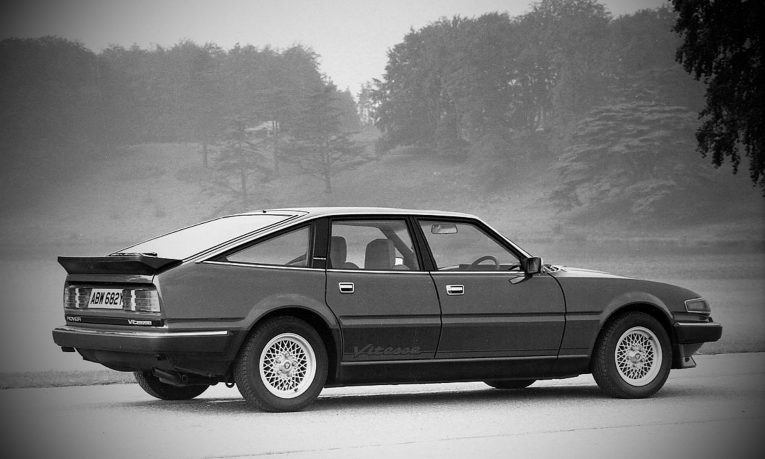
It should be patently obvious to everyone at this point that we’re a tad partial to a Rover here at Car & Classic. We have a rather lovely 800 and our chief Tom Wood has owned a P5B since 2003. Both of these cars would be a welcome addition to any classic collection in our eyes so, realising that this year marks the 40th anniversary of the SD1 Vitesse, we thought we would honour one of the most Rover of Rovers with a birthday feature for the old girl.
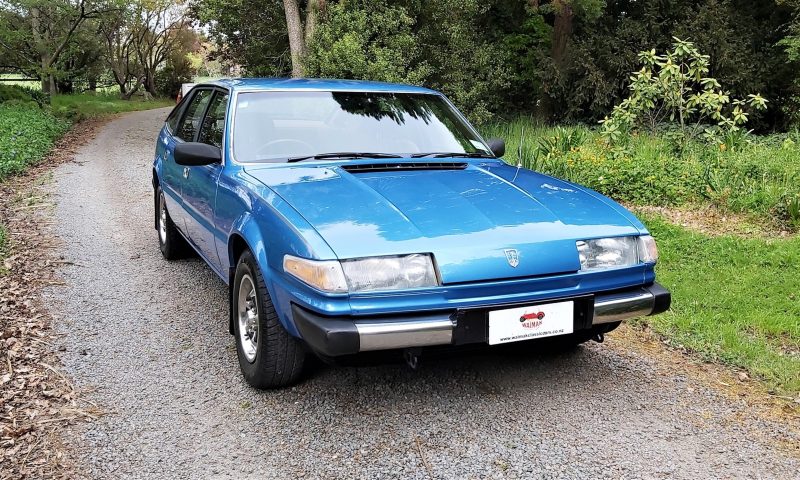
The original SD1 rolled out of the British Leyland factory in sunny Solihull in 1976, the culmination of a new joint project between Rover and Triumph and the last of the true British Rovers. The SD1, or Specialist Division 1 (the sports and luxury arm set up by BL), was an executive saloon developed as a replacement for both the Rover P6 and Triumph 2000. Design was led by David Bache (who took inspiration from far more exotic fare – Ferrari Daytona anyone?), with the engineering taken care of by Spen King. This was the dream team that was responsible for the Range Rover and so development of the SD1 was in more than capable, industry proven hands. Initially the SD1 sold well, even claiming the European Car of the Year award in 1977 along the way, while racing legend Raymond Mays further extolled the car’s virtues by claiming it was the best car he had ever had. Unfortunately, however, these early accolades and successes were impeded by BL’s now notorious reputation for quality and reliability issues. Issues that would eventually signal the death knell for the SD1.
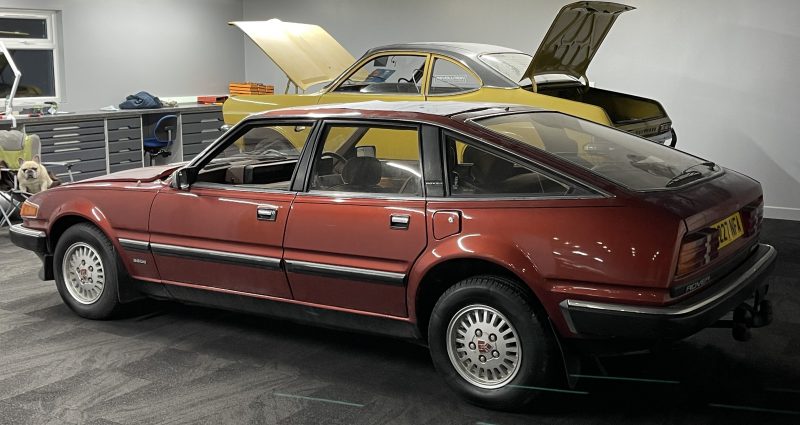
That didn’t stop Rover from continuing to develop the SD1, however, and over the course of its 10 year production run the car saw many an update and improvement, culminating (in our humble opinion) in the series 2 Vitesse in 1982. At the time, executive saloons weren’t exactly known for their performance credentials and it would be a further two years before BMW released its now genre-defining M5. Yes, manufacturers were fettling their respective hatchbacks with various performance and styling enhancements back then but nobody was really looking at doing the same thing to other classes of car and so when Rover decided to develop a high performance version of their flagship SD1 it was seen as a rather left field move to say the least.
The seed for such a bold move had been planted three years earlier back in 1979 when the engine capacity limit for the Group 1 British Saloon Car Championship was raised from 3.0-litres to 3.5-litres for 1980. John Davenport, BL’s motorsport director, just so happened to be looking for a successor to the Triumph Dolomite Sprint to compete in the BSCC at the time and jumped at the opportunity to use the SD1 now that its big V8 was admissible for competition. Regulations actually stated that capacity had to be below 3500cc and so two SD1s were developed with 3495cc motors to adhere to the rules. Then they went racing.
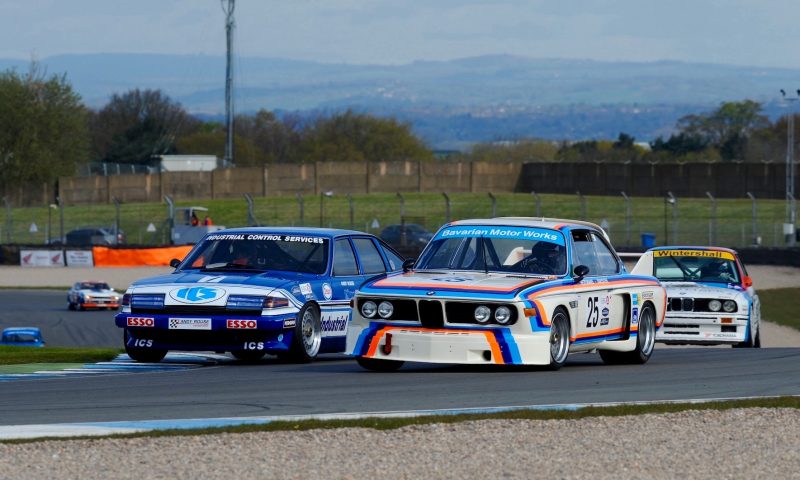
The BSCC cars differed from the bog standard SD1s with upgrades largely confined to the suspension and brakes. A closer ratio gearbox, and some engine tuning completed the package, leading to 250bhp propelling a car that weighed around 1100kg. The debut season in 1980 was a bit of a mixed bag; there were some podium finishes combined with problems stemming from reliability and the SD1 failed to really capture anyone’s imagination. It wasn’t until mid way through the year that motorsport and engineering firm Tom Walkinshaw Racing got involved. By 1981 TWR were prepping the BSCC SD1s which saw a marked improvement in performance and therefore competitiveness of the cars.
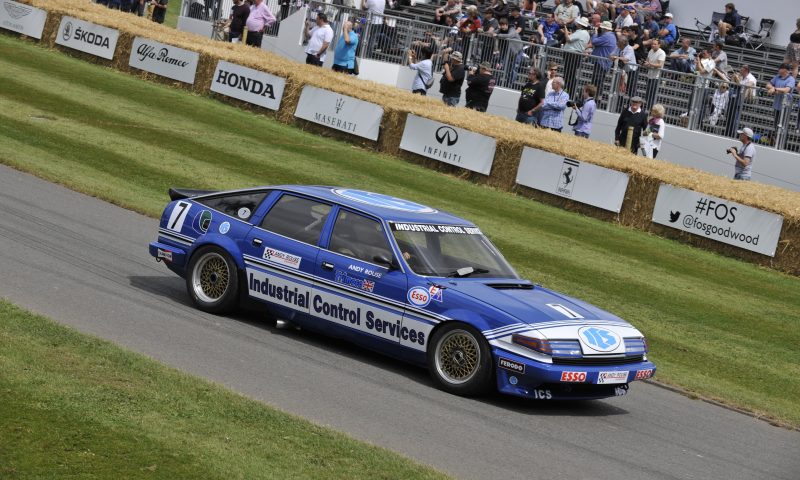
All of these motorsport shenanigans further inspired Rover’s desire to produce a performance variant of the SD1 for public consumption and so in April 1980 its product development and marketing guru David Clark set to work on bringing the idea to fruition. Clark’s plan was to update the original car’s styling and equip it with a 200bhp version of Rover’s V8 powerplant along with suspension, brake and drivetrain upgrades. The end goal was to pit the car against BMW’s new 535i whilst also redressing Rover’s rather stuffy image. The only thing standing in his way was approval from management. In order to wangle this he acquired a boggo 3.5-litre SD1 and set about having it re-tooled to the desired spec. As soon as it was ready he showed it to Managing Director Harold Musgrove who was instantly smitten and he immediately green-lit the project, pending some refinements.
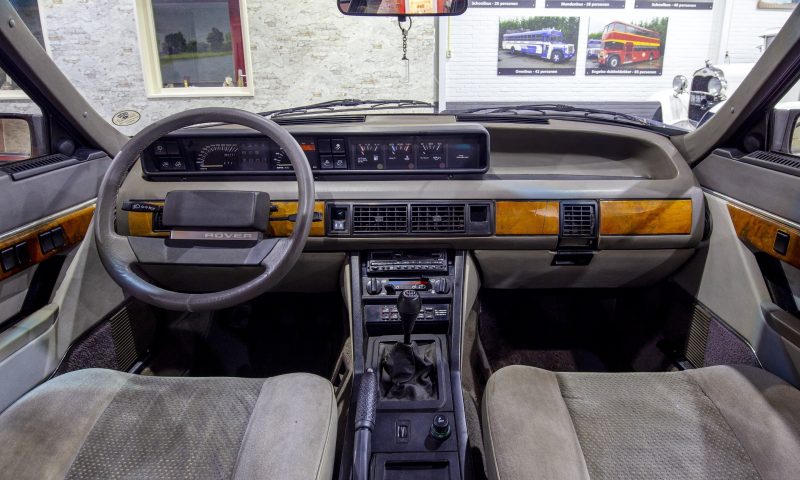
And so, the wheels began turning for the Rover Rapide. ‘Hang on a minute… The Rover Rapide!?’ We hear you cry. Yes, initially dubbed the Rapide by Clarke it wasn’t until January 1982 that the car officially became known as the Vitesse due to Aston Martin Lagonda being all weird about its ownership of the Rapide name and not allowing Rover to use said nomenclature. No great loss, we think Vitesse is a much better designation anyway. But we digress.
While the mechanical improvements were handled by BL’s motorsport development program the exterior and interior styling was taken care of by the in-house Solihul Design Studio. Yes, believe it or not that was a thing. One of the most notable updates was the addition of both front and rear spoilers. Not only did they give the Vitesse a more aggressive aesthetic they also reduced the car’s drag coefficient and increased downforce too. Other visual cues included spoked alloy wheels with low profile tyres and various Vitesse badges adorning the bodywork.
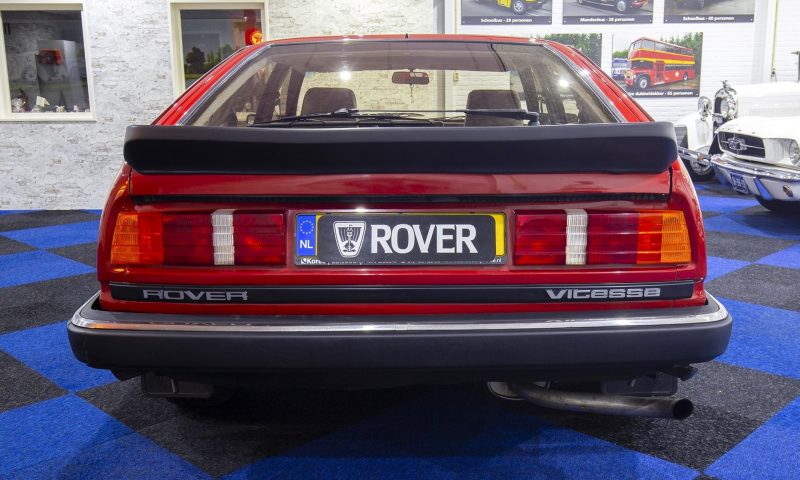
As alluded to earlier the car did receive some rather hefty performance upgrades. The engine alone was treated to improved gas flow and cooling, a higher compression ratio of 9.75:1 over the standard 9.25, as well as a recalibrated ECU. A Lucas L-Jetronic fuel injection system was also fitted, borrowed from the Australian market SD1, which culminated in a power output of 190bhp. This enabled the production Vitesse to get to 60 in 7 seconds and on to a top speed of 135mph. To cope with the additional power, larger, police-spec discs and four piston AP callipers were fitted at the front, along with modified and uprated suspension components all round which lowered the car and improved handling and stability. Unveiled at the British Motor Show in Birmingham in 1982 the new performance Vitesse was now the fastest production saloon on the UK market. The Vitesse’s credentials (as well as its sales figures) were further bolstered after John Davenport had asked the top brass for a homologated version for the 1983 BSCC season. They quickly obliged and Davenport’s input into the development of the car, including his suggestion of using fuel injection was crucial in making the Vitesse a success.
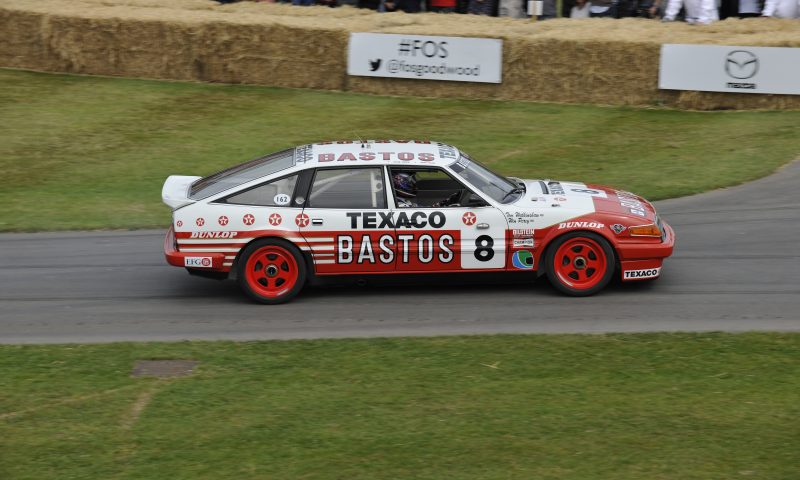
Further developments continued well into the ’80s for the Vitesse, most notable of which was the introduction of a new twin-plenum inlet design which provided an improved air/fuel mixture, increasing the V8’s power and torque. This new design helped the SD1 to be more competitive in the European Touring Car Championship in which it was now successfully competing (still under the expertise of TWR), leading to 500 of these twin-plenum production examples being built for homologation purposes. These later versions remain the most sought after among classic car fans and collectors today and the final, twin-plenum SD1 Vitesse was registered in June 1987, a year after its successor, the 800, had hit the streets.
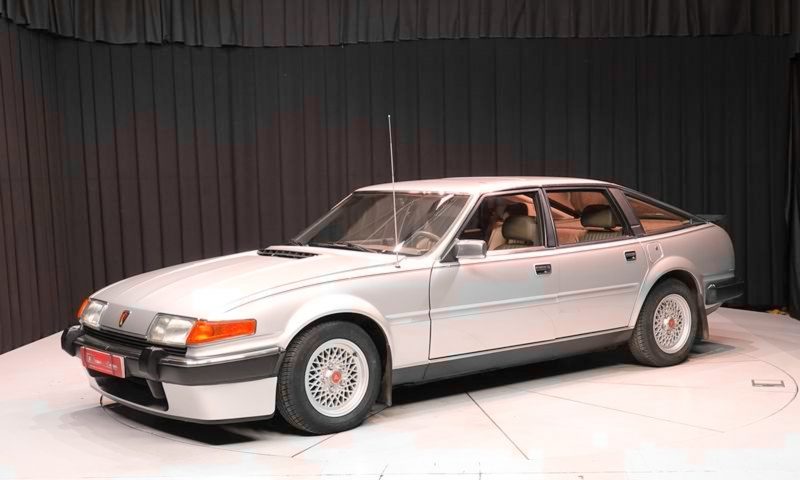
The Vitesse may not have been the sales poster child that Rover had hoped for but nevertheless, we see it as a massive achievement. It all depends on how you measure success we suppose. The way we see it is not only did it raise the profile for Rover in the 80s in terms of performance and street cred, it also proved that saloon cars could be exciting and it paved the way for other manufacturers to follow suit and fill that void. The SD1 Vitesse remains an evocative piece of automotive history with a racing heritage and motorsport pedigree to be proud of that still resonates today. With prices rising considerably the Vitesse is finally becoming all it was meant to be, so join us in wishing Rover’s performance saloon a very happy birthday.