Estate of Play – Wacky Wagons

February 27, 2025
Until fairly recently, the trouble with being rich or thrill-seeking was that, in the world of motoring, it was mutually exclusive from owning a dog. Or having a lot of luggage. You could have a big, posh saloon or a very quick coupe or roadster, but you couldn’t have an autobahn-storming estate. Just ask Mercedes-Benz. The firm was dragged kicking and screaming into paw-based conveyance in the 1980s, its resistance fuelled by the view that estate cars were for lesser mortals.
Of course, there was the Scimitar GTE. At least one posh person did have one, but it was Princess Anne and not many people – and certainly no car makers – wanted to follow her or Tamworth’s load-lugging lead. And yet, as it turns out, some rich people and some press-on motorists did have dogs and/or lots of luggage – almost certainly hat boxes we imagine – and they did want estate cars. Until Mercedes-Benz made that possible for the masses with the W123 T-Class, they had to ask someone to make one for them.
Here, then, are our favourite weird and wonderful, mostly one-off estate cars, ‘shooting brakes’ and sporting bread vans built to service that vital need.
Porsche 928 H50
In the realms of bespoke, commissioned estate cars, the H50 is a bit of an aberration. Instead of being built to order, it was an in-house proposal for a stretched 928. But since the only people who got to use it were the people who designed it, it feels like a passion project in the spirit of the ‘money no object’ vanity estates elsewhere on this list.
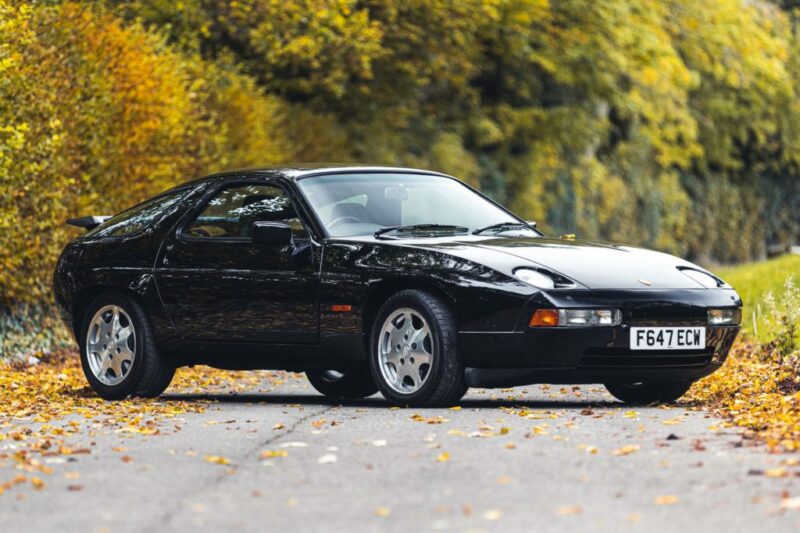
The H50 was the genesis of an idea that the firm continued to fiddle with right up until the introduction of the Panamera in 2009. It was a very simple idea and, sort of, clever: why not create a sporting GT that was also capable of carrying more people and their luggage?
The execution, as you can see, was neither simple nor clever. It was terrible. It involved extending the wheelbase of the 928 and evolving the shape into estate and hatchback variants. Strange rear side doors were added, the likes of which would only reappear again – and only once thankfully – with the BMW Mini Clubman.
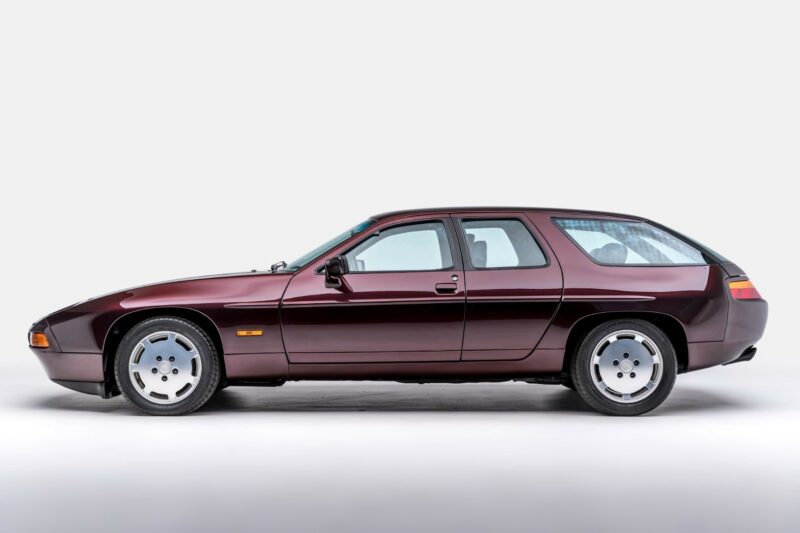
It seems that Porsche’s usually fickle and discerning engineers didn’t grasp that the project was fundamentally flawed. They carried on developing it such that it got close to production, including 5,000 miles of testing. Only a change of leadership and a serious strategic review saved Porsche from showroom embarrassment.
Bentley Turbo Estate
You would imagine that rich Bentley-buying punters would have a lot of what we might technically call ‘stuff’ or ‘baggage’ to haul around with them. Innumerable changes of clothes, no doubt multiple hats and certainly the occasional gun or gun dog requiring transport from chateau to shooting lodge.
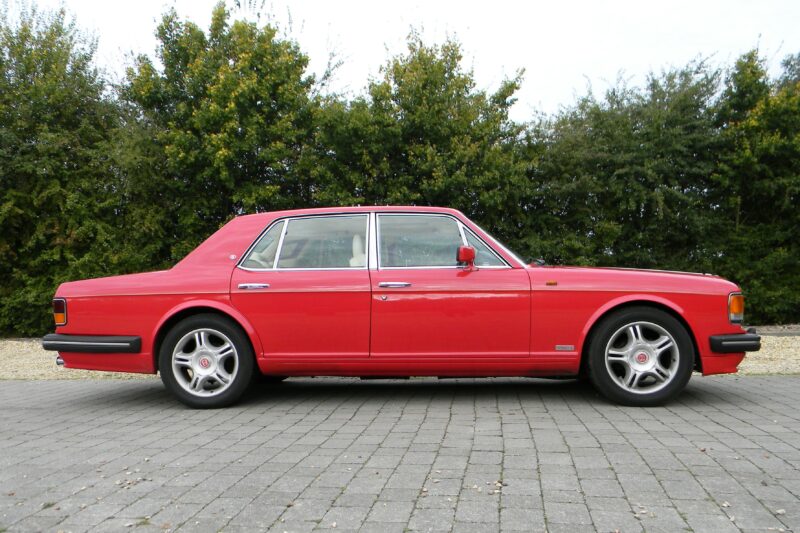
So it is a surprise that the company has never offered a production estate car. Looking at the array of bespoke Bentley- and Rolls Royce-based conversions, I think we can see why. Various charismatic – read ‘quirky’ – owners plus a bewildering number of Sheiks have commissioned, presumably, cashflow-challenged coachbuilders to build boxy Volvo-esque estates for them. None are very good. Quite a lot feature ‘individual’ colour schemes.
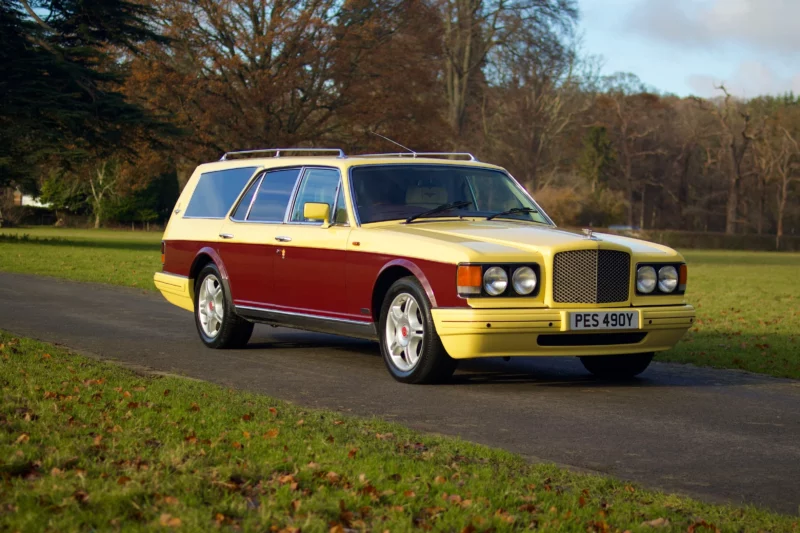
And yet, we would. There is something compelling about turning a posh car into a functional estate.
Jaguar XJS Eventer
Jaguar’s head honcho, John Egan, called it a posh Scimitar GTE. This seems unfair, because the Eventer, of which 67 were built, was much better than that. Basing a shooting brake estate on Jaguar’s smooth XJS made a lot of sense. Few cars of the time were as long, low, lithe and effortless as Jaguar’s big GT, making it the perfect base for a load-lugging, long-distance holiday express.
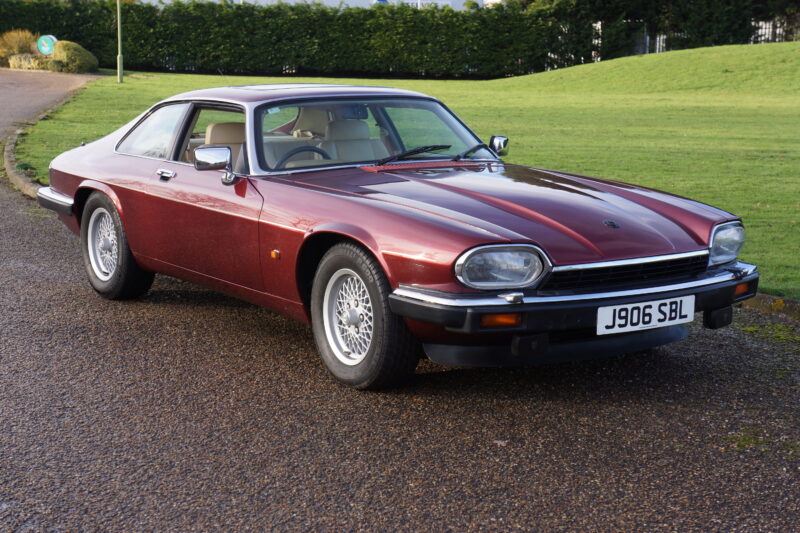
The cars were conceived, designed and built by Lynx Engineering in Hastings. Each one commanded a hefty premium over the standard factory car. Yet buyers clamoured for them, if not quite in droves, then certainly enough to give Lynx a steady flow of orders. The key, as with any low-volume car, was the opportunity to bespoke them – you could have an Eventer with any XJS engine option, trimmed and painted to your choice.
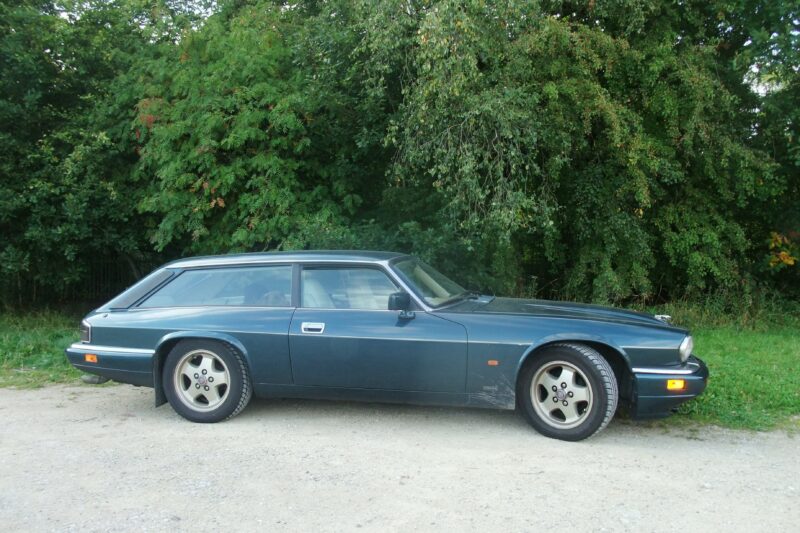
Looking at the Eventer today it’s hard to understand why Egan disliked it and Jaguar never built it. It is a quality product, so well done that it even looks like a factory car. Some even argue that it’s even better-looking than the be-buttressed coupe, although we wouldn’t quite go as far as the XJS Club, which claims it is amongst the most beautiful cars ever made. So this is a bespoke estate that both makes sense and looks good. It might even be better than the car it’s based on. Hoorah.
Ferrari 456 Venice
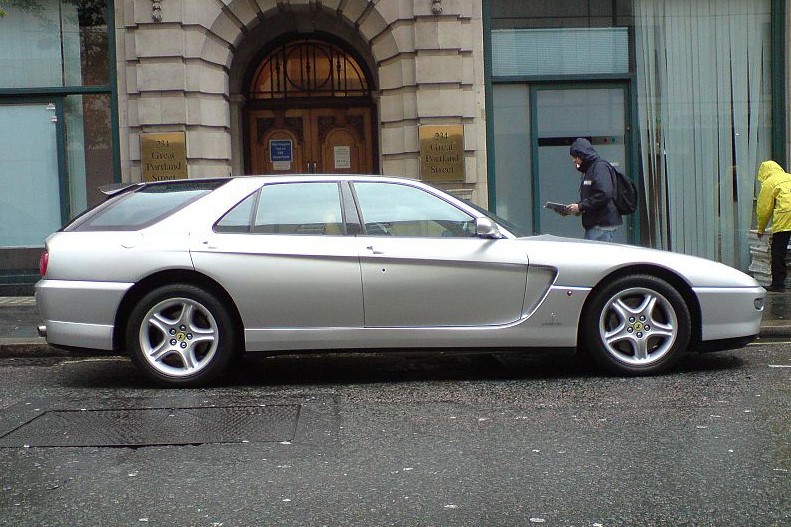
Lets assume that Prince Jefri Bolkiah of Brunei likes an estate car. Correction, we know that, because he commissioned not one from Ferrari, but seven. The 456 Venice was the result and, because this was the work of Pininfarina, it was a surprisingly well-resolved wagon. The design cleverly evolved a coupe shape that doesn’t otherwise look predisposed to estate-ification.
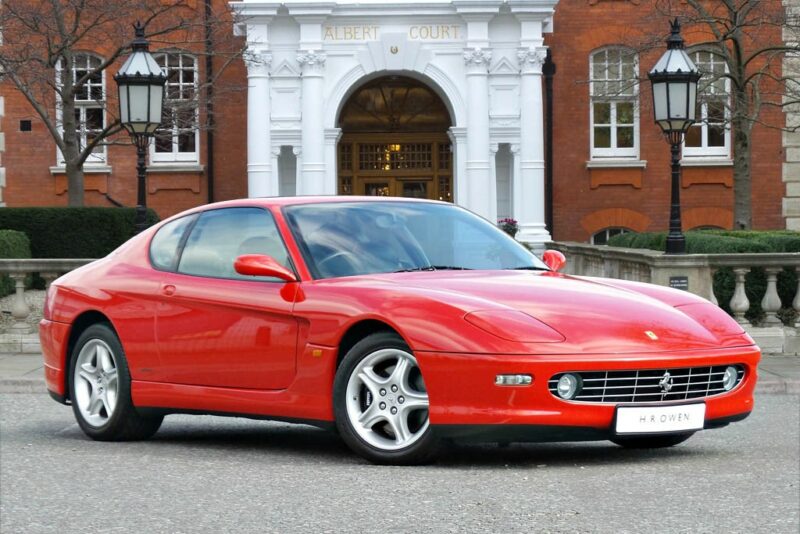
Each Venice cost $1.5m, which feels like quite a lot for some extra family and luggage space. But then we’re not the the rather severe-looking member of an ultra-rich sultanate. The Prince took delivery of six, leaving one spare, the whereabouts of which is unknown. It was Ferrari’s first – and last – estate. Unless you include its sort-of-estate, the Purosange, which we don’t.
Mercedes-Benz Zender 500 SET
As we’ve heard, Mercedes-Benz didn’t have any truck with downmarket people and their desire for estate cars. That is, until they discovered not all estate-lovers were lesser little people. Some of them actually had actual estates of a geographical variety.
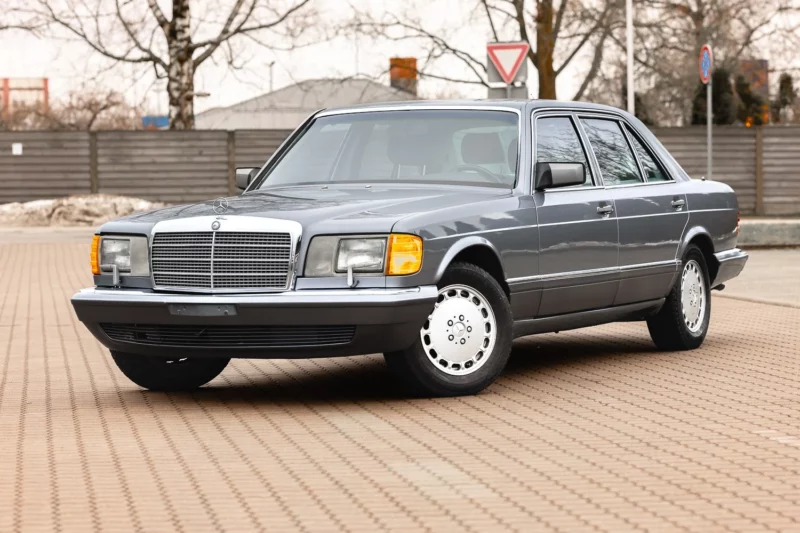
Step forward Zender. Originally set up in 1969 as an automotive tuning and accessories manufacturer, Zender quickly realised that to make its mark it had to go radical. Hello the Zender 500 SET. Based on a W126 S-Class 5L V8, with the front end of a C126 coupe, this handsome estate car was far removed from contemporary Cortinas, Volvos and other load luggers. For starters, there appears to have been only one and the trim specification was guided by the words ‘go crazy.’
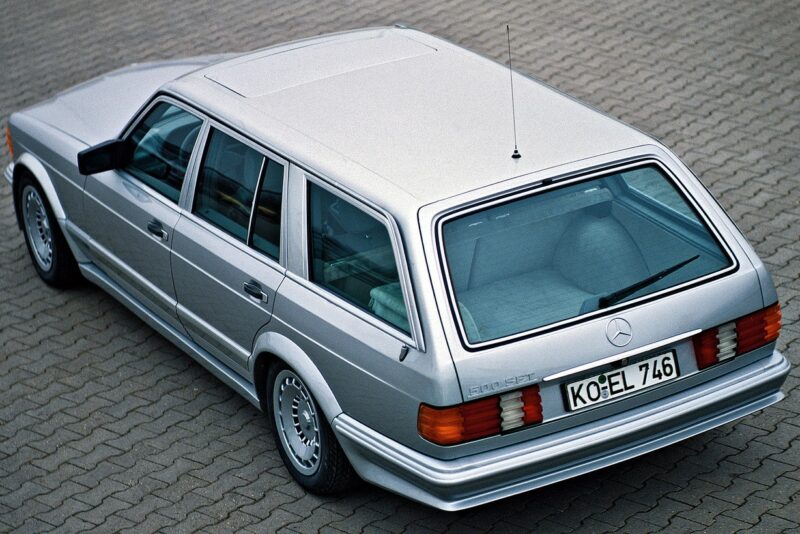
Zender would build other high-end Benz-based estates, but the S-Class SET, ahem, set the template. Even when the Benz factory began churning out its own bona fide estates, the Zender was still better looking.
Aston Martin Lagonda Estate
We imagine William Towns choking somewhat on his evening Scotch when he got the call from Aston Martin confirming that yes, they were actually going to build his origami-esque Lagonda saloon. No doubt he’d have had another moment when he saw the one-off monstrosity created by Switzerland’s Roos Engineering.
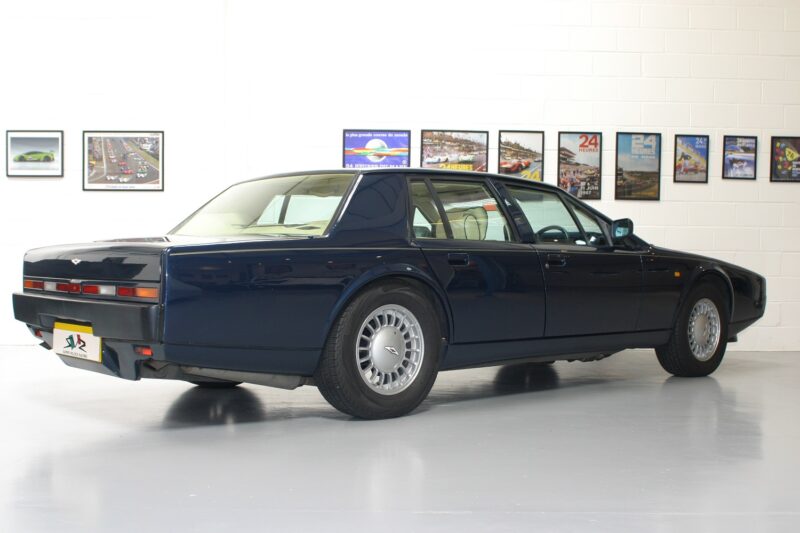
The story goes that it was built for a Hong Kong Lagonda owner. Having taken delivery of his chiselled dream machine he apparently then remembered he had several dogs, upon which startling discovery he sent the car to Roos. To describe the end result as ‘not very good’ would assume the words ‘terrible,’ ‘egregious’ and ‘help, my eyes!’ for some inexplicable reason didn’t first come to mind.
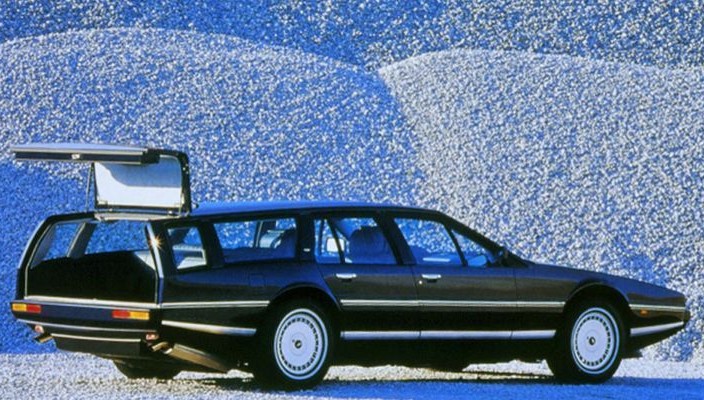
Not content with ruining one Aston Martin, shortly after the Lagonda, Roos created the one-off V8 Vantage V600 Shooting Brake. Which achieves the seemingly impossible task of being much worse.
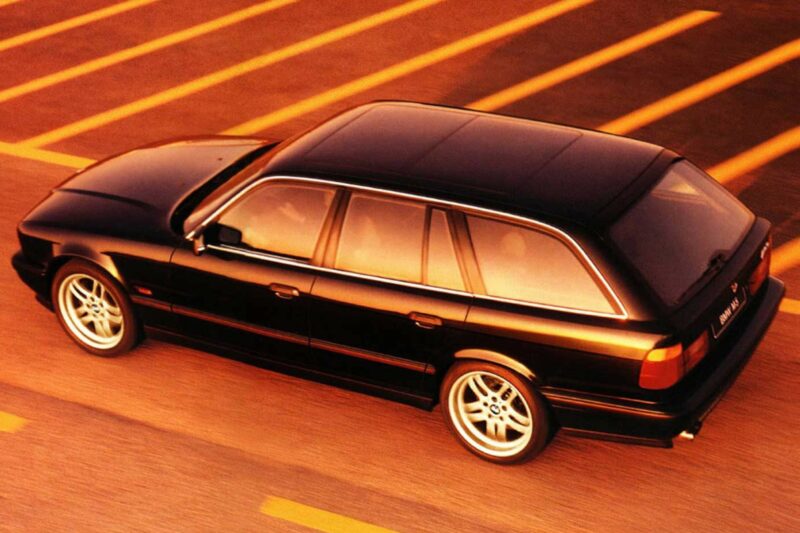
BMW E34 M5 Touring McLaren
Here’s a one-off estate car that is a little different from the rest on this list. Rather than taking a saloon or coupe and wagonising it, this car began life on the production line as a regular E34 M5 estate and then became much more.
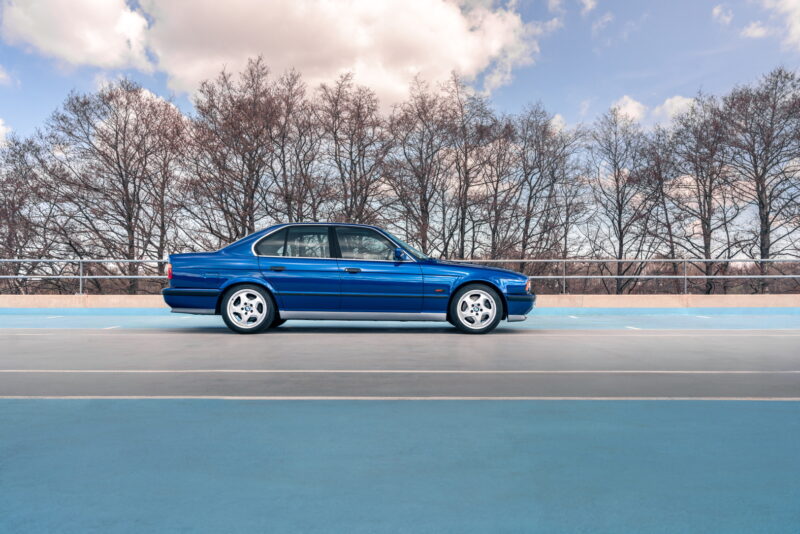
To develop its F1 hypercar, McLaren needed a test mule for its BMW-derived 6.1-litre V12 engine. Cue this car. Where a standard 3.6-litre straight six M5 has 311bhp and 265lb/ft of torque, this rumbly monster packs 618bhp and 477lb/ft. 0-60mph came along in 4secs. In other words, the sort of urge for which large sick bags for your hounds are essential.
Sbarro Cadillac TAG Function Car
Today’s very important executives, with their connectedness and their smartphones, have an office on the move. Mostly that’s the car, sometimes it’s a service station. But before all that, there was this: the Sbarro Cadillac TAG Function Car.
It was the brainchild of wealthy Saudi businessman Joseph Adjadi, who envisaged an ‘office on the move.’ Jensen beat him to it with the Director Model in 1969. The difference is that the bods at Jensen didn’t meet Franco Sbarro.
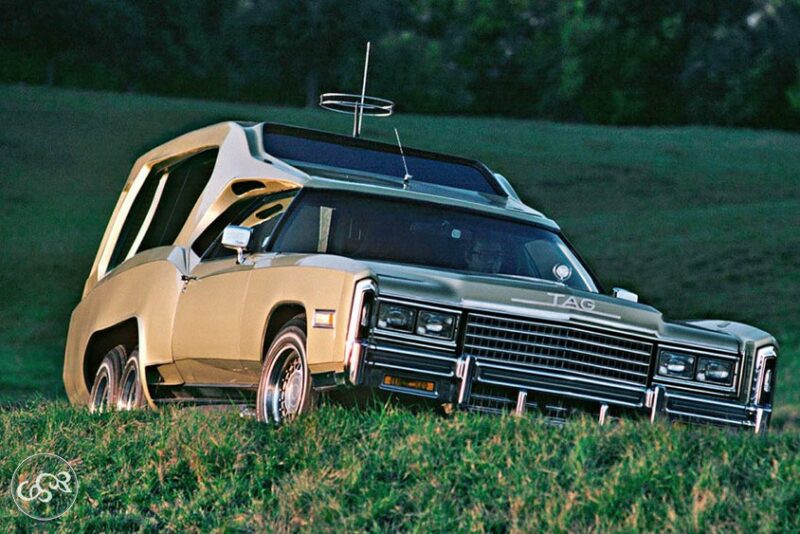
Adjadi did. Sbarro, aside from having a fantastic name, was a man for whom no idea was too odd and nothing was impossible if you were prepared to write a big enough cheque. As it turns out, Adjadi, who ran the flourishing TAG business empire, had both.
Sbarro took the gargantuan Caddy Eldorado as his starting point, got rid of most of the metalwork and created something that looked like the unhappy marriage of a camper van and a hearse. The gargantuan 8.2-litre V8 was barely a match for its 7m long, three-tonne girth.
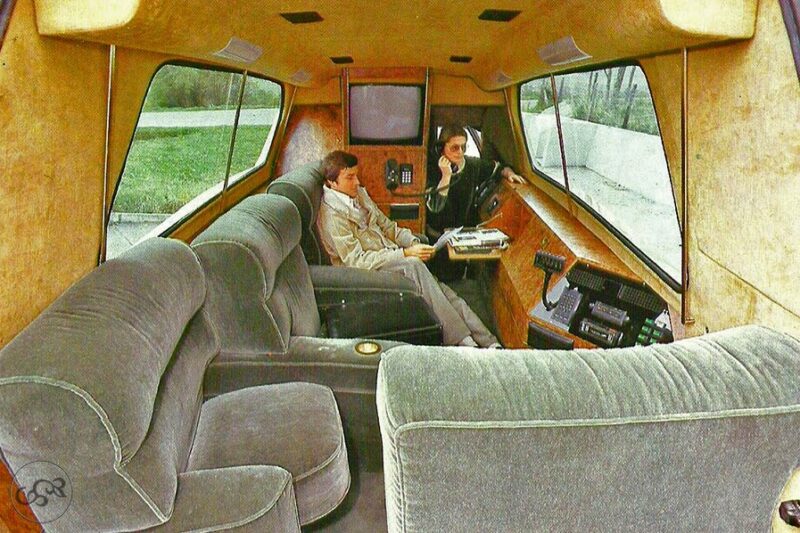
The visual frightfest continued inside. Swiss trimmer DEM was tasked with decking out the interior. Such is the preponderance of vast velour armchairs and veneer furniture that we assume Hugh Hefner must have provided consultancy services. The seats all faced sideways towards a large panoramic window, a decision that presumably forgot that sitting sideways is a guaranteed pathway to car sickness. There was a fridge, a TV and a coffee machine. In other words, all the trappings of a busy office.
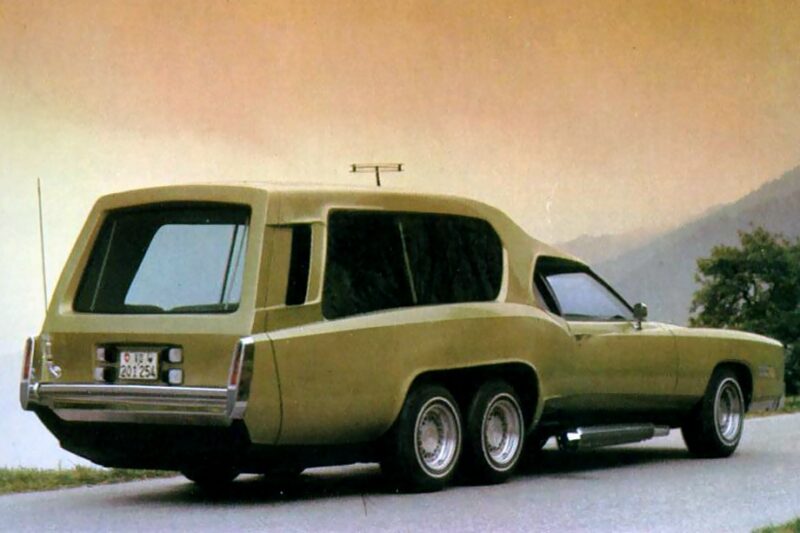
Adjadi and Sbarro clearly exhausted their creative juices wrestling this monstrosity into existence because they called it simply and obviously the Function Car. We’d like to have been at the meeting where Sbarro and Adjadi agreed that they would build 25. Not surprisingly, just one was built, which Sbarro sold to Adjadi at huge cost. He used it for European tours before selling it back to Sbarro at a massive discount. All of which shows that there was at least one winner in all this, and it wasn’t Adjadi. Or our eyes.
All jokes aside though, we do love an estate car here at Car & Classic and we hope this has inspired some of you to grab one for yourself. With plenty to choose from on site we’ve got you (and your dogs) covered.