How To Sell Your Car At Auction: Part 1

April 7, 2025
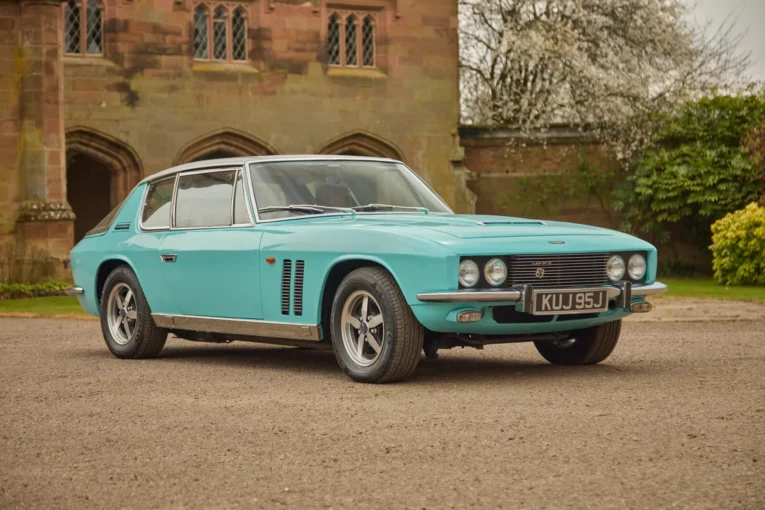
We’re all classic car enthusiasts, and we’ve all been there: the time finally comes to sell your classic car, the one that has delivered happiness, joy, smiles and – because we’re dealing with classic cars here after all – quite possibly a few tears and shouts of “work you b*st*rd!”
Classic car auctions are increasingly the default way to do that. The best – like Car & Classic – deliver leading market rates from the widest range of buyers.
Selling your classic car at auction is now simple, straightforward and easy. But there are some key ways to maximise the value of your car. We canvassed our specialist consignors to come up with a list of the top five ways to maximise the value of your classic car at auction. Here goes.
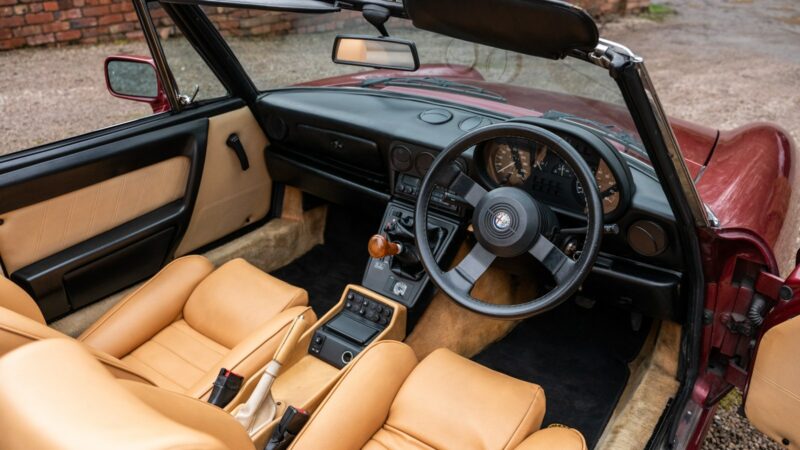
1) Get it Valeted and Polished
Online auction buyers are buying what they see – so you want what they see to be as well presented as possible. Nothing says ‘I don’t really care about this car’ like an unwashed, dirty and poorly presented classic.
Instead, our consignors recommend investing around £100 in a decent professional valet. It should include a polish and interior clean. It will pay dividends in bids. Cleaning the car properly gives buyers a chance to see the potential of the car. It also delivers a more transparent sales experience – there is no road dirt and grime to cover scuffs and marks that a buyer may discover when they try to collect. When your car is ready, remove any personal belongings.
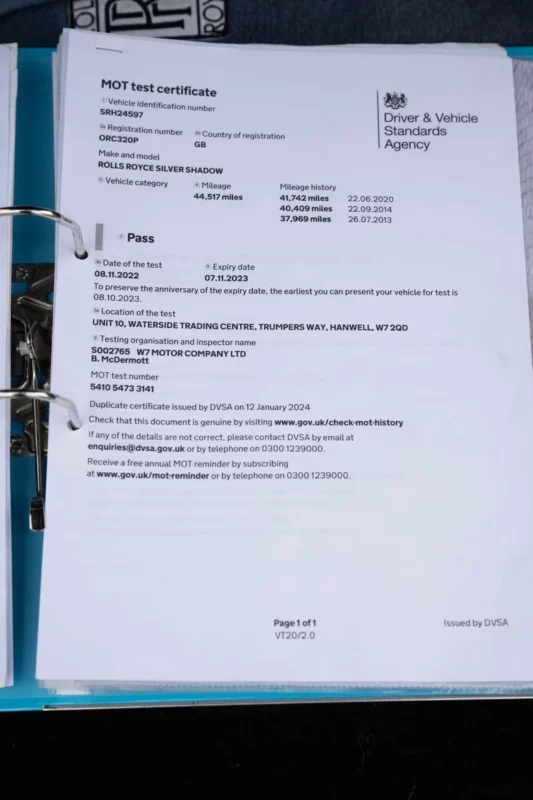
2) MOT/health Check
One of the DVLA’s gifts to classic motorists – and they are rare, so let’s cherish them – is Historic Registration. Exemption from the MOT test saves owners red tape and cost, but it can present problems at sale time. Online classic car buyers can’t necessarily physically check the car, so they look for reassurance from someone who has, like an MOT tester. A voluntary MOT test provides transparency to buyers. Even if it has advisories or a fail, it shows the car ‘as it is’ and reduces the risk of sales falling through at the final hurdle when the buyer collects.
Alternatively, you can get a health check from your local specialist. That provides similar reassurance without the formality of a MOT test.
Both options show buyers that you care about your car and helps them know what they are buying. That encourages bidders and more bidders supports a better sale price.
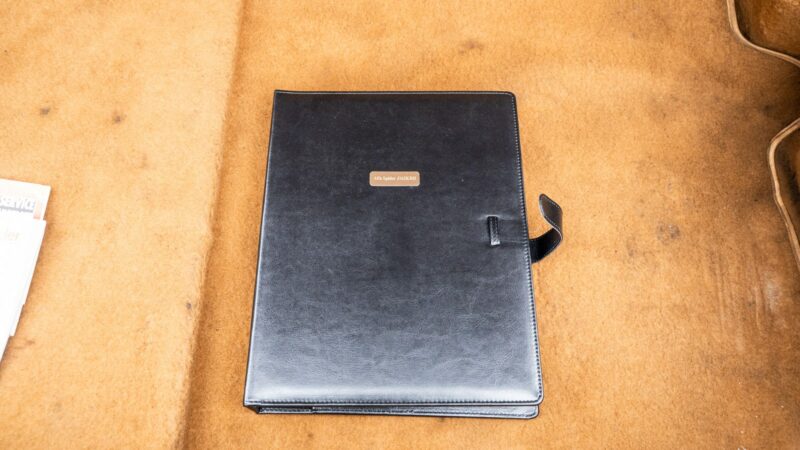
3) Organise the Paperwork
Just like the MOT test or health check, a well-organised and clearly photographed history file helps provide the reassurance for online buyers that physically seeing the car would otherwise deliver.
Before the photographer arrives, it is well worth taking the time to check through the history, organise it chronologically and flag the main expenditure. Invoices and receipts dated within the last five years or for major restoration work should be highlighted. When the photographer arrives, help them along by providing these invoices. Individual photographs of invoices are preferable to grouped ones, where it is difficult to identify individual details.
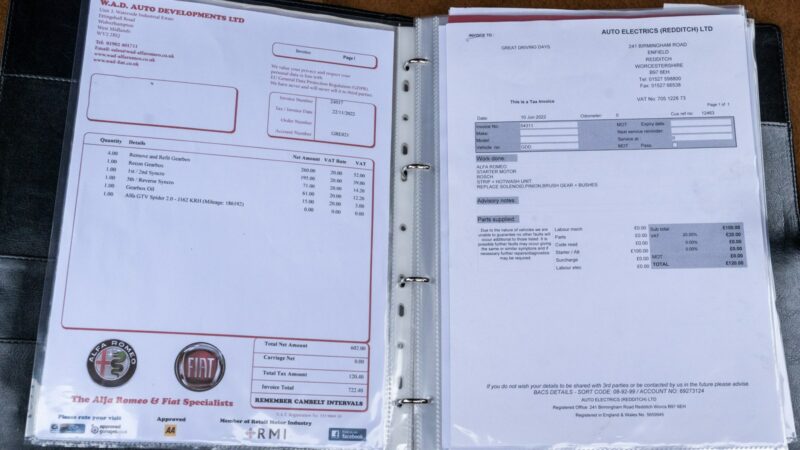
It can also pay dividends to invest in a smart ringbound folder. Little details like that show buyers that this is a car you care about. If your car has a cherished plate, please also be clear with the classic car auction house if it is included in the sale.
4) Find a Good Photography Location
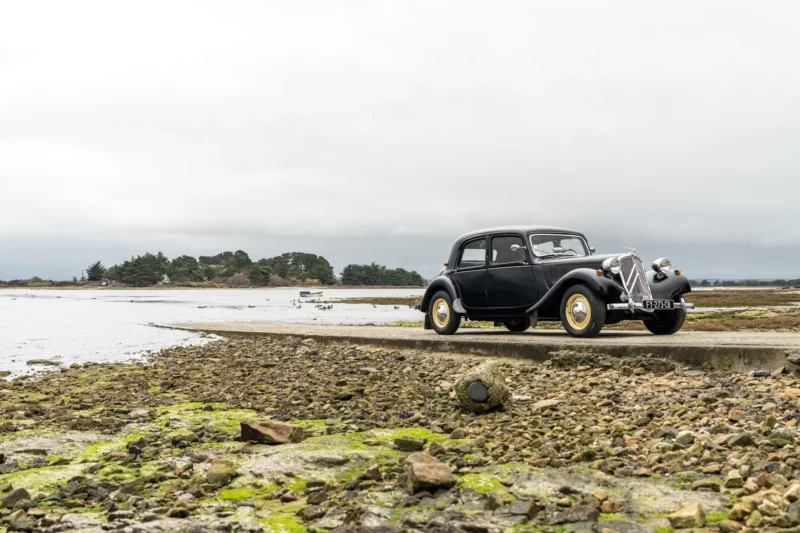
Buying a car online is, in part, about buying the dream. A good location that provides a great backdrop to your car will help make your listing stand out on the auction page. Our consignors recommend searching out a good, scenic backdrop for your car before the
photographer arrives. You could meet them there or, if it’s only a few minutes away, travel there with them.
Your backdrop could be some scenic countryside in the case of a convertible or vintage classic, or perhaps something more urban for a modern classic, saloon or coupé. If you’re unsure, it is well worth chatting to the photographer before they arrive, as our team is experienced in what works for the site and individual cars.
5) Check Your Car Over
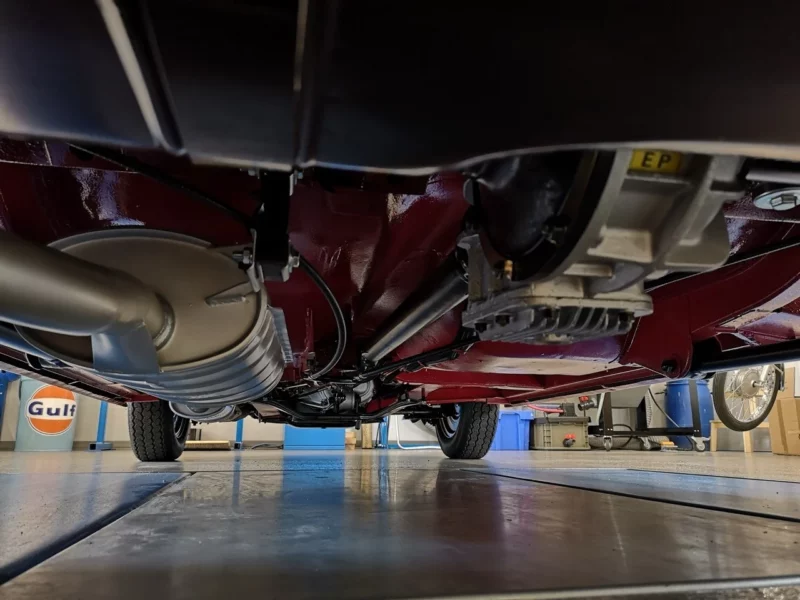
We want your car to sell. You want your car to sell. The winning bidder wants to buy it. Before you list the car, give it a proper check over to make sure everything works – or highlight anything that doesn’t. If you think a non-working part will hinder the sale, consider getting it repaired before listing. When you tell us about your car, make sure you let us know what does and doesn’t work.
When you sell a car there is always a temptation to gloss things up to help the sale along. While we’re all for enthusiasm, we recommend prioritising honesty, because when the buyer collects, we – and you – don’t want anything to make that sale stumble.
Selling at auction has never been easier. We carefully monitor our sale rates and achieved values and we continuously learn about what works best. This article is the first in a series that reflects what we’ve learned and the feedback we get from buyers and sellers.
Click on the links to get a valuation for your classic car and find out about our classic car auction sales process.