Le Mans 66 at 60 – Celebrating 60 years since Ford’s 1-2-3 win

March 23, 2026
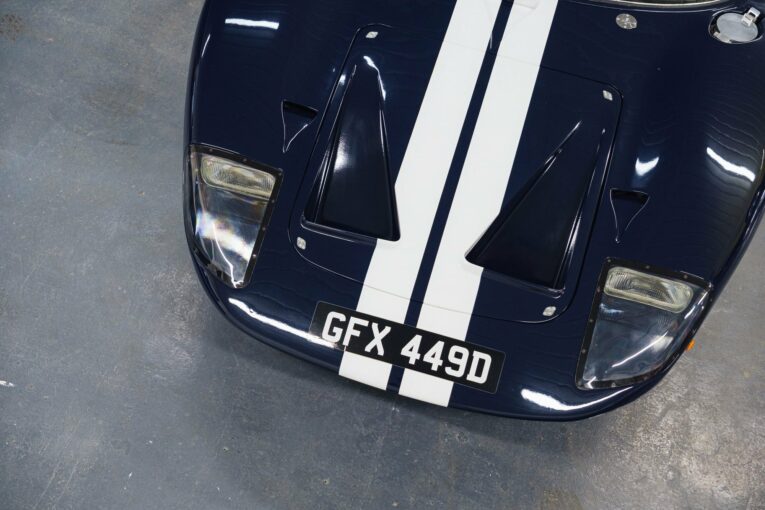
It was decidedly damp on the afternoon of the 19th June 1966, as the fifteen remaining cars of fifty-five starters thundered around the Circuit de la Sarthe. The rain abated for the final hour of Le Mans 66, with the Ford factory team’s three GT40s leading the field, about to make history.
It seemed certain that Ferrari was set for a decade-long dominance of the 24-hour race, having won Le Mans every year from 1960 onwards.
Under the iron fist of Henry Ford II, the Ford Motor Company had been desperate to claim a Le Mans victory after a botched attempt to buy ninety per cent of Ferrari in 1963. Under the proposed agreement, old man Enzo was determined to retain control of Ferrari’s racing arm, and so, at the eleventh hour, the two parties found themselves at an impasse. No deal was struck, but the bitter disagreement that arose between Ford and Ferrari sparked a rivalry that spawn some of the most competitive racing cars of the twentieth century.
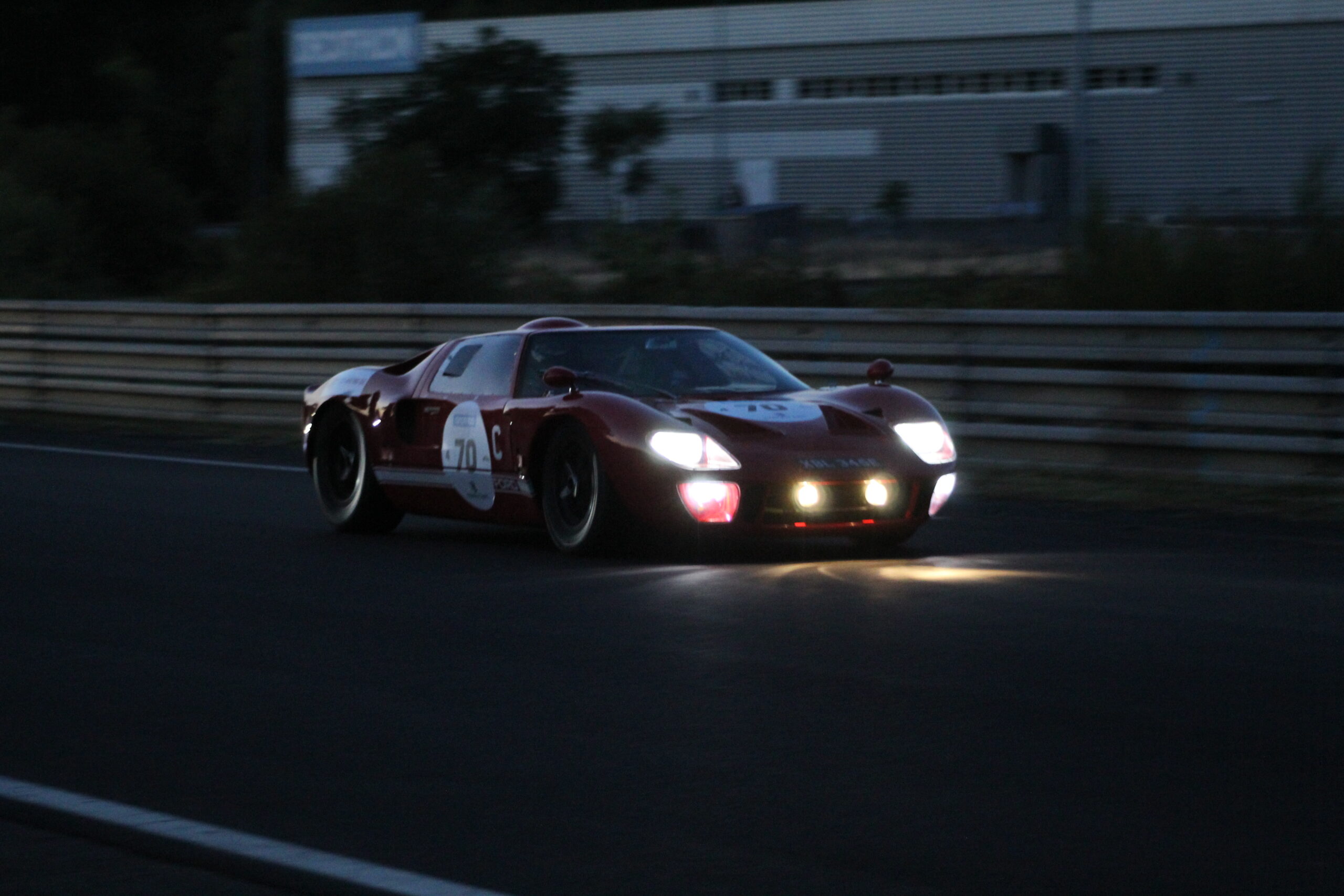
Ford GT40 Development
What Ford lacked in racing pedigree, it made up for in industrial might. The company invested an estimated twenty-five million dollars into the GT40 project. That’s equivalent to approximately $200 million in today’s currency. By way of contrast, Ferrari’s racing programme, while always Enzo’s number one priority, was run on a shoestring. It was with good reason that Enzo had entertained the idea of a Ford buyout. By the mid-’60s, he could hardly afford to keep the factory doors open, let alone continue winning motor races. Nevertheless, Maranello was a worthy adversary, and Ford failed to topple Ferrari at Le Mans during its first two attempts in 1964 and 1965.
The GT40 project began in Slough, UK, with Ford Advanced Vehicles (FAV), using the mid-engined Lola Mk6 as the initial test mule. With its roof just forty inches off the ground, the low-slung GT40 showed immense potential from the outset, though early cars were beset by reliability issues and required further aerodynamic development. At Le Mans in 1964, all three entries retired, mainly due to issues with high-speed nose lift and fragile gearboxes. Ford engaged Texan chicken farmer turned Le Mans winner and race car guru Carroll Shelby to hone the GT40 stateside, with former English REME tank commander Ken Miles heading up the project.
In 1965, the revised GT40s began to win major sporting events, including the Daytona Continental 2,000 km and second place overall at the 12 Hours of Sebring. But Le Mans still alluded them with DNFs for all five factory Fords, including its two new 7.0-litre cars. Nevertheless, the GT40’s sheer performance was enough to rattle competitors. Most had succumbed to head gasket and gearbox failures, so Ford knew what it needed to focus on for 1966.
One major innovation that year came from Ford engineer Phil Remington, who developed a “quick-change” system that allowed mechanics to swap entire brake assemblies in about a minute during a pit stop. Brake fade was a major issue in such a long-distance event, so changing them out won back valuable seconds. Ford also used its cutting-edge facilities to run its 7.0-litre engines on dynamometers for 48 hours straight, simulating the gear shifts and RPMs of a full Le Mans race. They were not taking any chances.
Read more about Ford GT40 development →
Read about Ford racing legend Bryan Wingfield →
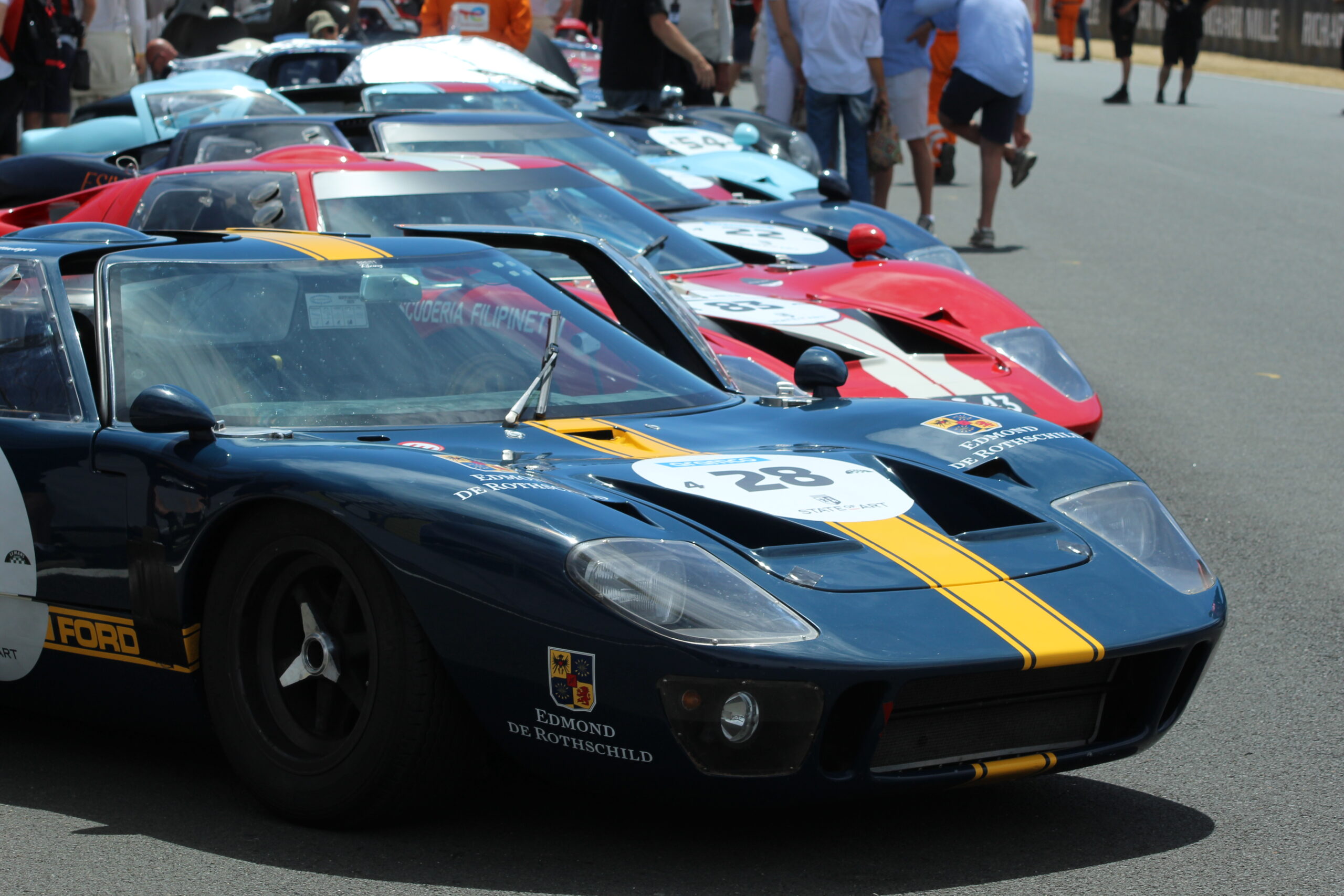
Le Mans Classic 2025
The Controversial Finish
High attrition rates were not unusual during this era at Le Mans, although the weather would wreak havoc during Le Mans 66, with heavy rain overnight causing numerous accidents through the high-speed “Esses”. Drivers also attributed tyre shredding at speed along the then-untamed “Mulsanne Straight” to the wet conditions.
Maranello’s 330 P3 and 412 P were more lithe than Detroit’s 7.0-litre mid-engined muscle cars, so the Ferraris made up time in the corners while the GT40s hounded them on the straights. Ford also instructed its drivers to act especially aggressively, aiming to push the fragile Ferraris to breaking point. The plan worked, and the newfound reliability of the GT40s prevailed.
From DNFs across the board to three factory cars on the podium, Ford’s fortunes couldn’t have changed more markedly in the space of a year. Ever in search of a marketing opportunity, Ford racing director Leo Beebe ordered the two leading cars, the #1 driven by Ken Miles and the #2 driven by Bruce McLaren, to slow down so they could cross the finish line together for a photograph.
The drivers duly complied; Beebe got his photo, but the nature of this finish proved controversial. The Automobile Club de l’Ouest ruled that, despite crossing the line essentially side-by-side (with some accounts stating Miles was slightly ahead), Bruce McLaren and Chris Amon (#2) were declared the winners due to having started further back on the grid, technically covering a greater distance over the twenty-four hours.
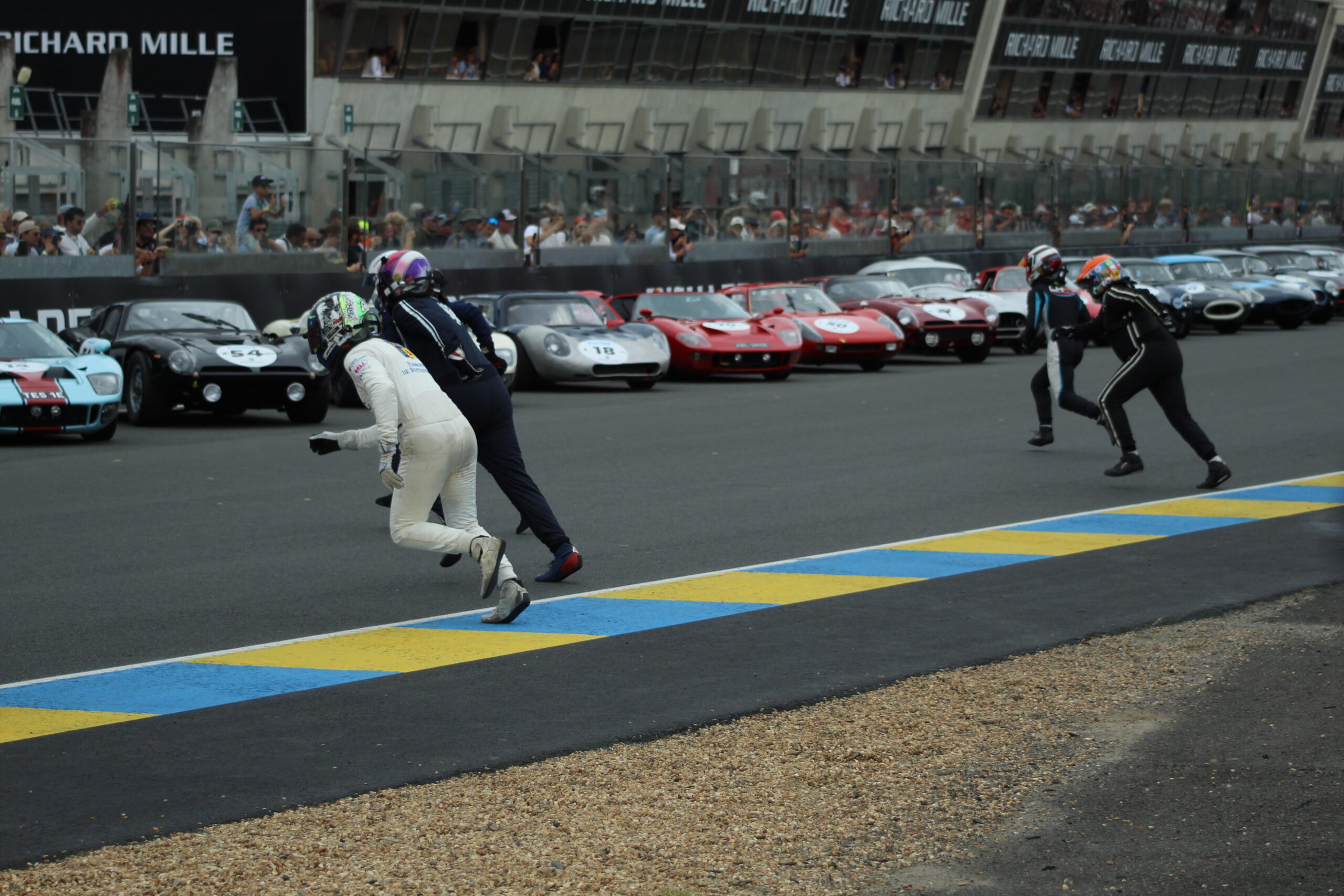
Le Mans Classic 2025
Serialisations and First-hand Accounts – Le Mans 66
The drama of 1966’s Vingt-Quatre Heures du Mans is well documented. The race was the subject of James Mangold’s 2019 movie Ford v Ferrari/Le Mans 66, starring Matt Damon as Carol Shelby and Christian Bale as Ken Miles. It’s a great watch, if a little creative with the truth in places.
For the more detail-oriented account, Motor Sport magazine sent the great Denis Jenkinson, who provided a characteristically authoritative analysis of how the race unfolded. “Jenks” had navigated for Moss during the famed 1955 Mille Miglia, so he understood endurance motor racing better than most.
60th Anniversary Celebrations – Where to Commemorate in 2026
Goodwood Festival of Speed 9th-12th July
The three 1966 podium-finishers will reunite to run up the Hillclimb under this year’s theme: “The Rivals – Epic Racing Duels.”
Le Mans Classic 2nd-5th July
While the main 24 Hours was in June, the Classic will feature a massive grid of GT40s and a special presence by legendary designer Gordon Murray.
Goodwood Revival 18th-20th September
The 1966 trio will reconvene to lap the historic Motor Circuit in formation, accompanied by members of the Shelby family.
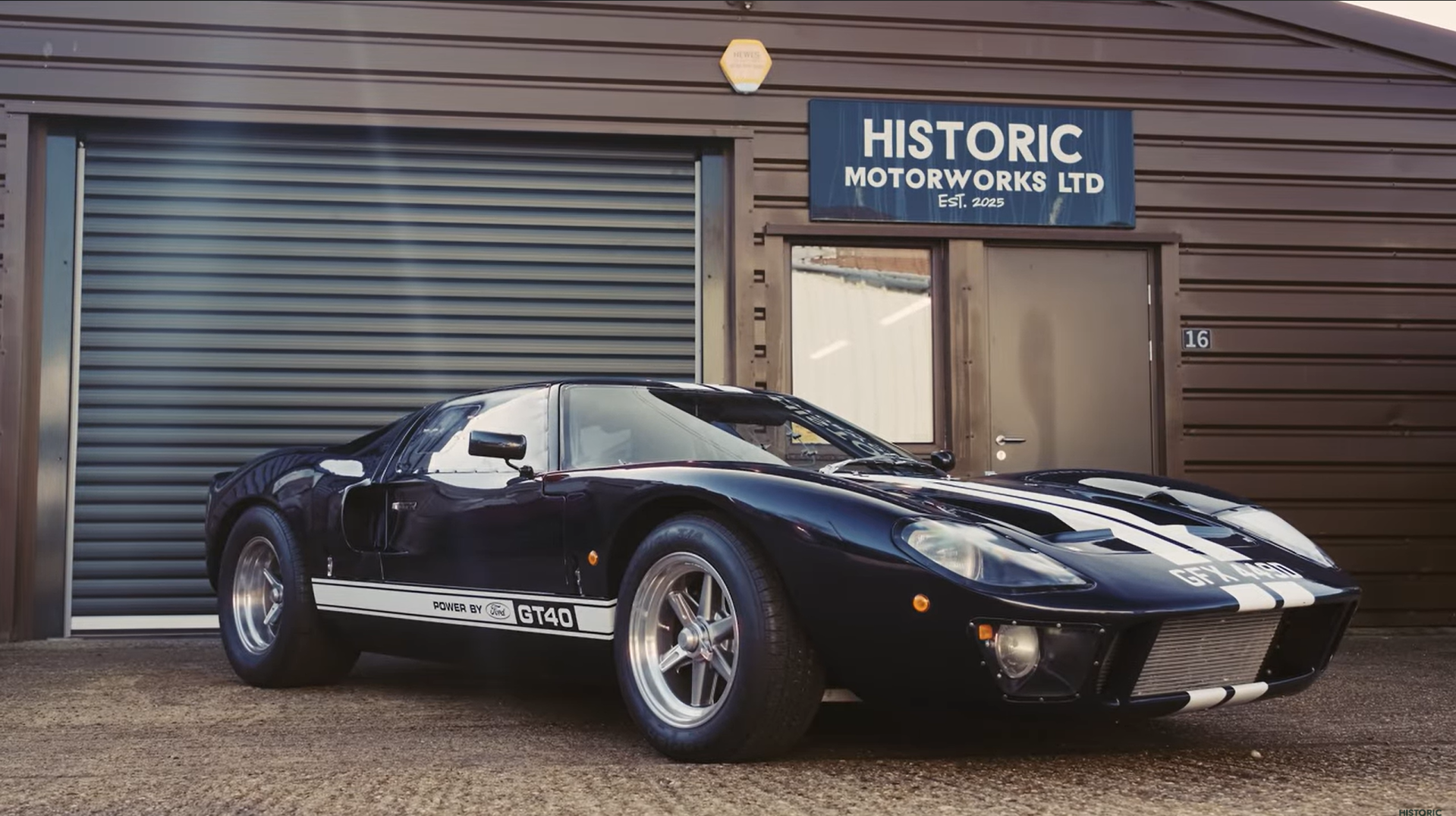
Ford GT40 For Sale
– Desirable RCR high-performance specification
– Built and owned by an ex-Ford Motorsport engineer who experienced these cars in period
– Powered by a period Ford 302/5 litre V8 engine producing approximately 375 BHP
– Proven reliability, quality components, and careful ownership
Historic Motor Works Ltd is offering a wonderful RCR replica of the 1966 Ford Mk1 GT40 via Car & Classic Classifieds. The car was acquired by an ex-Ford Motorsport engineer in 2006 and completed in 2016 in time to attend the 50th Anniversary of the first GT40 win at Le Mans Classic. The engine block fitted to this car was built on 14th June 1969, the very day the GT40 claimed its final Le Mans victory in the hands of Jacky Ickx and Jackie Oliver.
The GT40’s owner and builder began his career at Ford in 1966 and experienced the original cars first-hand. He later managed projects on two engines from genuine GT40s while working for UK Ford specialist Mountune.
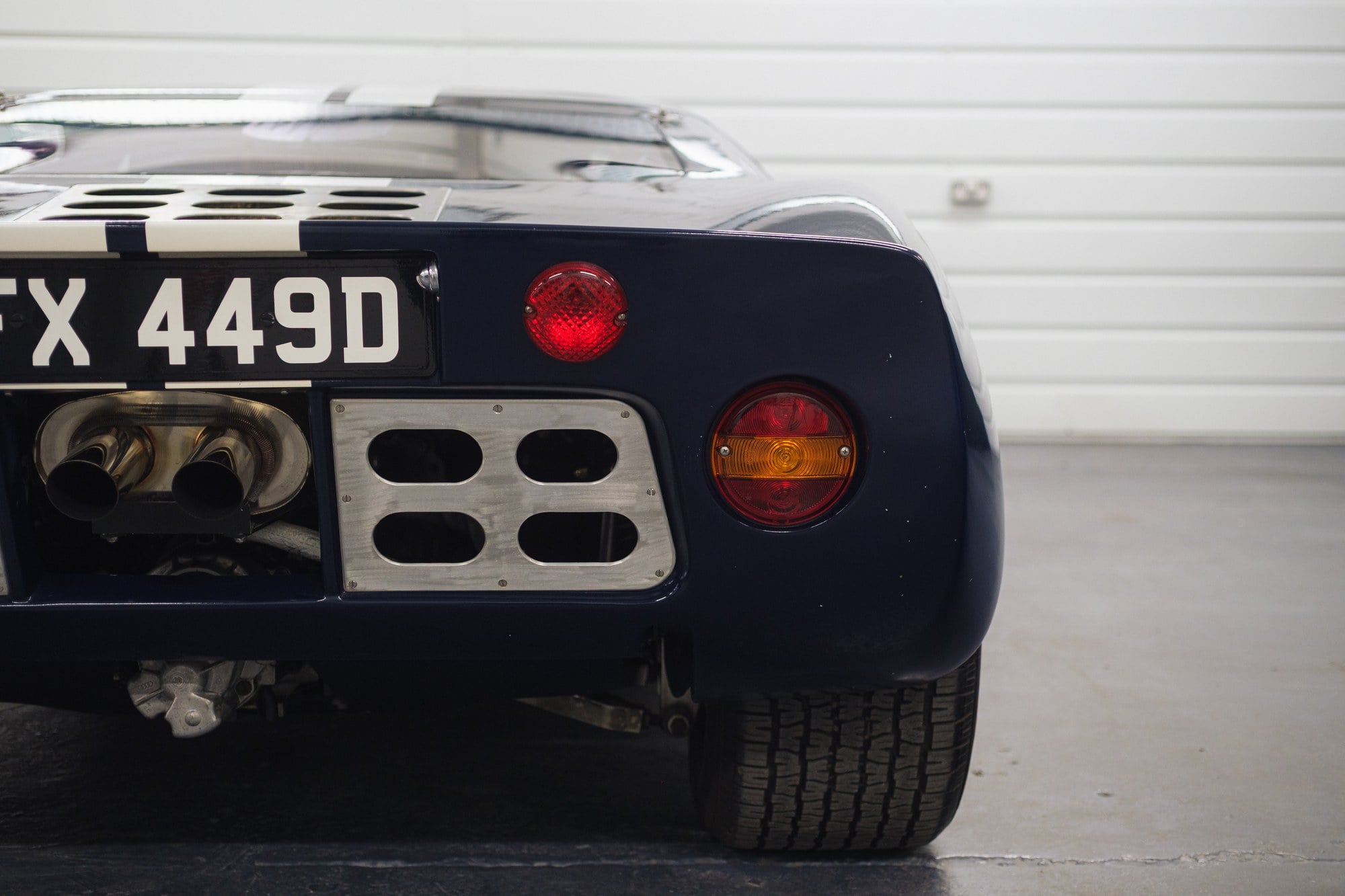
The vendor says:
“These race cars are often copied, but replicas are rarely finished to the refined standard seen in this example. This car sits decisively within that refined category, having been built with professional knowledge, experience and without compromise.”
The owner tells their story:
“This car build came about to realise a long-held ambition to own a GT40. I had joined Ford as an engineering student apprentice in 1966, soon after the iconic first Le Mans victory for the car. In fact, it was the company’s motorsport involvement with the GT40 and with the Cosworth DFV engine program in Grand Prix racing that settled my choice between going to Vauxhall or Ford!
“With values escalating, it was clear that an original car was out of reach fiscally, but a replica clearly was possible, especially as I could use my engineering skills to build a car. These skills were gained from Ford Motorsport, also preparing and racing my Mallock Clubmans cars and then latterly with Mountune Race Engines (in the WRC, F2 and the BTCC).
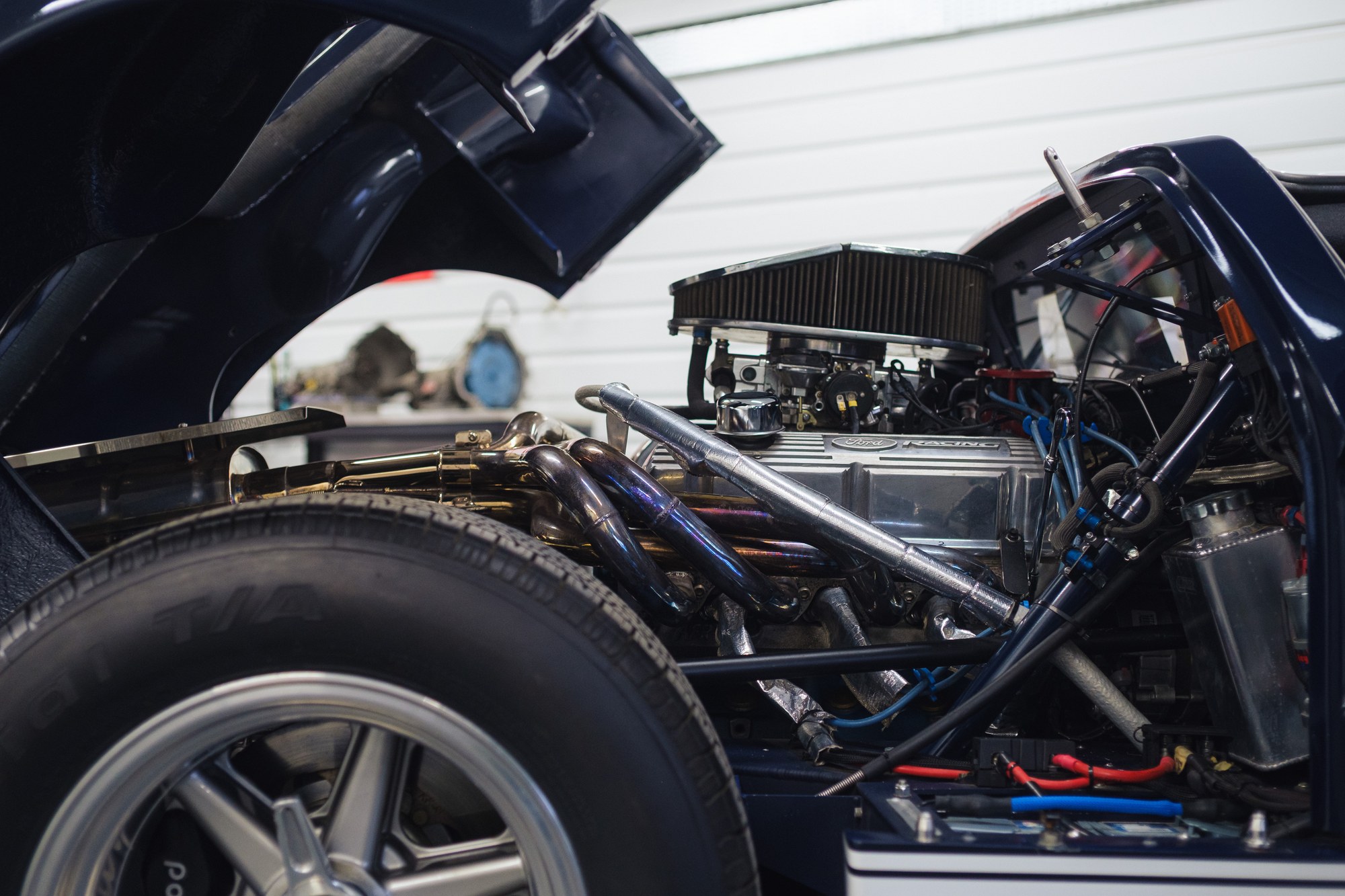
“When it came to choice, a search among the offerings concluded that Race Car Replicas in the USA offered the best quality parts package and product support. The chassis is a superbly welded aluminium monocoque in the style of the original. The body is excellently moulded in GRP from an original car. RCR are based in Fraser, Michigan (about 20 miles north of Detroit) and is owned and run by the ever-helpful Fran Hall, who originally hails from the UK. A measure of their quality and abilities is that they supplied 28 cars for the ‘Ford v Ferrari/Le Mans 66 major Hollywood movie, which was released in 2019.
“I am a professional engineer, a Fellow of the Institution of Mechanical Engineers and a past President of the Ford RS Owners Club.”
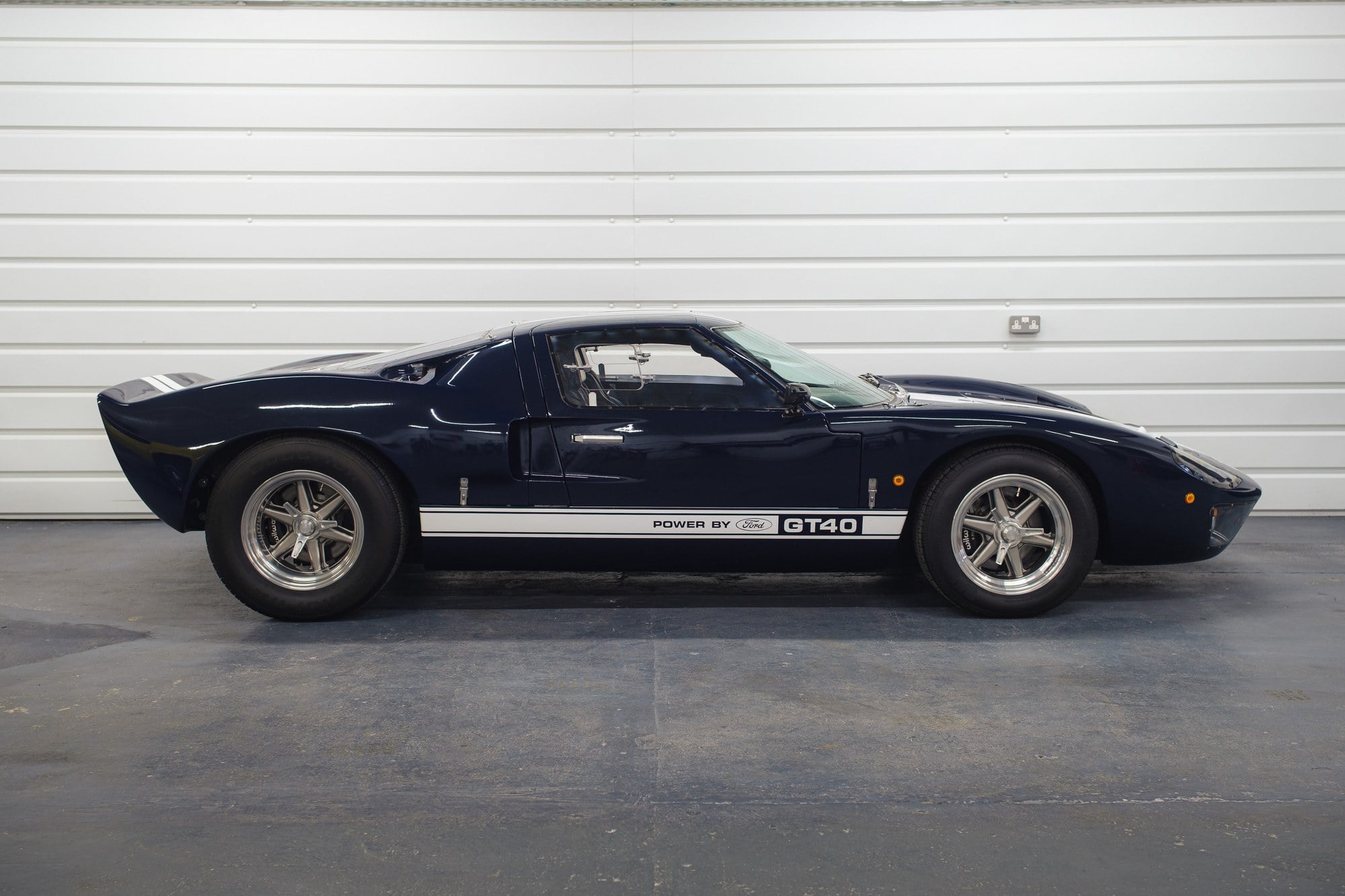
View this listing to read more →
Browse Ford GT40 listings on Car & Classic →