Beschreibung
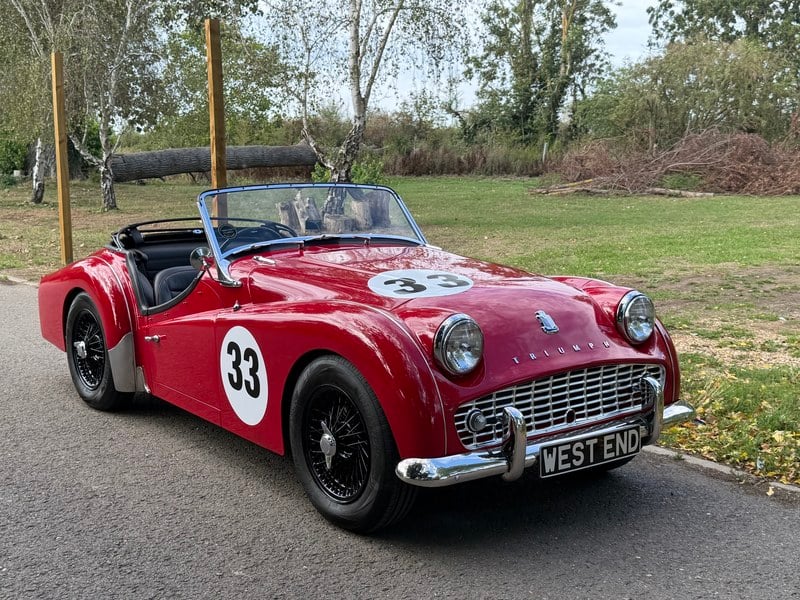
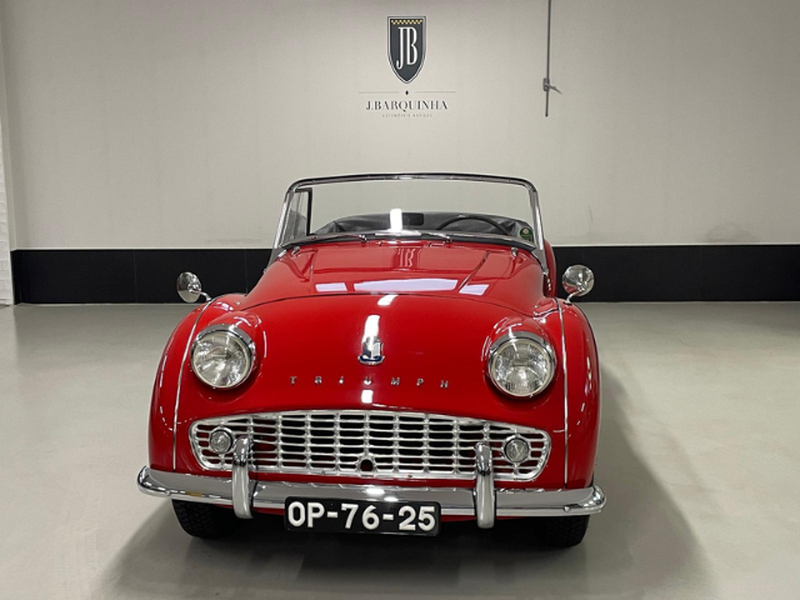
Die Triumph TR3A gehört zur Linie der ersten sportlichen Roadster, die von Standard-Triumph in Coventry in den späten 1950er-Jahren produziert wurden. Sie leitet sich direkt von der TR2 ab, die 1953 eingeführt wurde – Triumphs erster Versuch, ein einfaches, schnelles und exportfähiges Sportauto anzubieten, hauptsächlich für den nordamerikanischen Markt bestimmt. Der TR3, der 1955 erschien, brachte bereits mehrere wichtige Verbesserungen mit sich, insbesondere Scheibenbremsen von Girling vorne – eine bemerkenswerte Innovation für ein Auto dieser Klasse zu jener Zeit. Im Jahr 1957 erscheint die TR3A, eine signifikante Weiterentwicklung des Modells. Außen zeichnet sie sich durch den vergrößerten Kühlergrill zur Verbesserung der Kühlung, durch die äußeren Türgriffe und durch verschiedene Verfeinerungen in der Ausführung aus, die sie praktischer und zivilisierter wirken lassen. Das Auto bleibt jedoch der ursprünglichen Philosophie treu: ein einfacher, leichter und robuster Roadster, der sportliche Leistungen mit einer leicht zu wartenden Mechanik bietet. Unter der Haube setzt die TR3A den robusten Vierzylinder-Reihenmotor von Standard-Triumph mit 1991 cm³ ein, betrieben von zwei SU-Doppelvergasern. Dieser Motor leistet etwa 100 PS, was der Karre eine Höchstgeschwindigkeit von knapp 175 km/ h ermöglicht, eine sehr respektable Leistung für Ende der 1950er Jahre. Das separate Chassis, die vorderen unabhängigen Federung und die starre Hinterachse mit Blattfedern sorgen für ein Fahrverhalten, das typisch für britische Roadster dieser Epoche ist: direkt, agil und sehr fahrerbezogen. Die TR3A zeichnet sich auch durch ein seltenes technisches Detail aus: Sie gehört zu den letzten Großserien-Sportwagen, die sehr tiefe „Cut-away“-Türen beibehalten, abgeleitet von den ersten TR2, die es erlauben, den Arm auf die Karosserie zu legen, wie bei einem Rennwagen. Die präzise Zahnstangenlenkung, Scheibenbremsen und das hohe Motordrehmoment tragen zu ihrem Ruf als besonders leistungsfähiges Auto im Rallye- und Amateursportbereich bei. Zwischen 1957 und 1962 wurden etwa 58 000 Exemplare der TR3A produziert, die überwiegende Mehrheit davon wurde in Nordamerika exportiert. Sie zählt heute zu den ikonischsten Triumph-Modellen der klassischen Ära, kombiniert eine sehr klare Ästhetik eines englischen Roadsters mit einer einfachen aber robusten Mechanik. Der hier vorgestellte Wagen ist eine Triumph TR3A von 1961, am Ende der Modellproduktion stehend, in jener Zeit, in der das Auto die letzten Verbesserungen dieser Generation von Roadstern erfuhr, die zu einer Referenz unter britischen Sportwagen der Nachkriegszeit geworden ist. Der Motor wurde vor ca. 10 Jahren vollständig überholt und läuft einwandfrei. Sie verfügt über eine Lenkung mit Zahnstange, die das Fahren zusätzlich angenehm macht. Sie besitzt auch die komplette Ausstattung für Regenwetter: Seitenfenster, Verdeck und Heckabdeckung.