Beschreibung
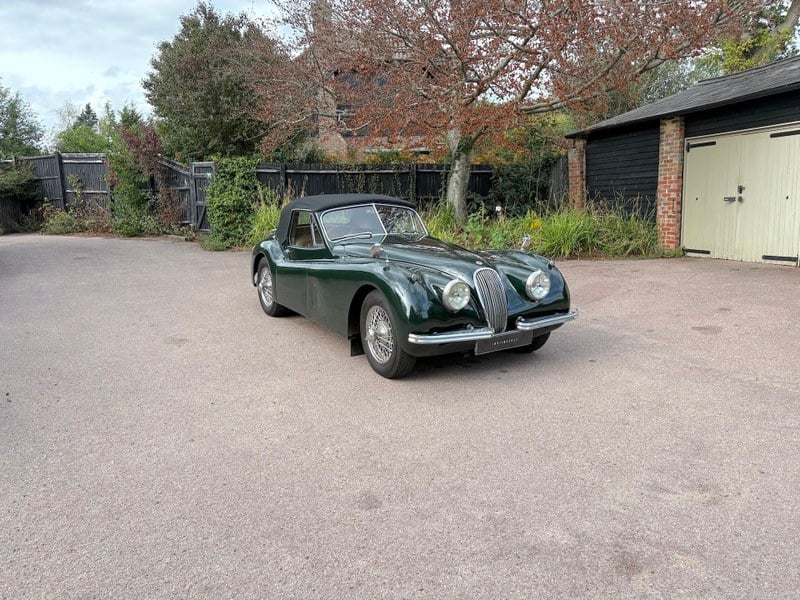
Der Jaguar XK120, Chassis 677561, ist kein gewöhnlich restaurierter XK120, sondern ein historisch gewachsener Competition Special mit einer außergewöhnlichen Geschichte. Laut der zum Fahrzeug überlieferten Historie nahm sein langjähriger kalifornischer Besitzer Dmytro Martyniuk mit dem Wagen 1994 und 1995 an der La Carrera Panamericana teil. Nach dem Rennen 1995 entwickelte er den Jaguar weiter, um 1996 erneut und in nochmals verbesserter Form anzutreten. Dazu kam es leider nicht mehr.
Die wesentlichen technischen Umbauten stammen bereits aus dieser Wettbewerbsphase. Der ursprüngliche 3, 4-Liter-XK-Motor wurde durch einen 3, 8-Liter-XK-Sechszylinder ersetzt, der auf rund 4, 0 Liter vergrößert und mit bearbeitetem Zylinderkopf sowie erleichtertem Schwungrad aufgebaut wurde. Die Leistung liegt bei über 300 PS. Ebenfalls von Dmytro stammen der Umbau auf das robuste Getrag-265-Fünfgang-Getriebe, der Sperrdifferential-Umbau auf Basis eines Ford-Mustang-Differentials, die Wettbewerbsbremsanlage mit Technik bzw. Konzept aus dem Umfeld des Jaguar D-Type sowie die weitere Carrera-spezifische Abstimmung.
Ich habe den Wagen als unvollendetes Projekt übernommen und über mehrere Jahre fertiggestellt. Mein Ziel war ausdrücklich nicht, daraus einen modernen Restomod zu machen, sondern Dmytros damaliges Konzept zu verstehen und konsequent zu Ende zu bringen. Im Zuge dieser Arbeiten wurden die drei SU-Vergaser durch drei Weber 45 ersetzt. Dadurch reagiert der große XK-Sechszylinder deutlich direkter und bekommt den rauen, mechanischen Charakter, der zu diesem Auto passt. Zusätzlich habe ich einen Short-Shifter für das Getrag eingebaut. Trotz der langen Schalthebelstange beträgt der eigentliche Schaltweg nur etwa zehn Zentimeter; die Gänge rasten sehr präzise und mechanisch ein.
Der Edelstahl-Auspuff ist als getrennte 3+3-Anlage ausgeführt: die vorderen und hinteren drei Zylinder laufen jeweils über eine eigene Abgasführung. Das verleiht dem Motor einen ungewöhnlich tiefen, bassigen Klang, der unter Last in einen harten Competition-Sound übergeht. Im Cockpit befinden sich außerdem zeitgenössische Hanhart-Rallye-Stoppuhren, passend zur Langstrecken- und Rallye-Historie des Fahrzeugs.
Der Wagen ist kein Concours-Fahrzeug und soll auch keines darstellen. Er trägt den Charakter eines über Jahrzehnte entwickelten historischen Wettbewerbsautos. Entsprechend gibt es alters- und nutzungsbedingte Spuren, und die Technik fühlt sich bewusst mechanisch und unmittelbar an. Wer einen vollständig originalen XK120 in Werksausführung sucht, findet geeignetere Fahrzeuge. Hier geht es um Authentizität der Wettbewerbsidee, nicht um Matching-Numbers-Purismus.
Bei einem über 70 Jahre alten, leistungsstarken historischen Rennfahrzeug sollte man selbstverständlich regelmäßige Kontrolle und Wartung von Vergasern, Zündung, Flüssigkeiten, Bremsen, Fahrwerk und Antriebsstrang einplanen. Das gehört für mich zu einem solchen Auto genauso wie bei jedem anderen ernsthaft bewegten Competition Classic. Das Fahrzeug wurde über Jahre mit großem Aufwand fertiggestellt und ist heute in dem Setup erhalten, das Dmytros Panamericana-Konzept im Kern weiterführt – ergänzt lediglich um die Weber-Vergaser und den Short-Shifter.
Zur Historie gehört ein alter California Certificate of Title von 1989 auf Dmytro Martyniuk aus Santa Barbara mit Chassisnummer 677561 und dem damaligen Kennzeichen 2POD344. Genau diese Kombination aus kalifornischer Vergangenheit, Panamericana-Historie und kompromissloser Technik macht diesen XK120 für mich wesentlich interessanter als eine reine Show-Restauration.
Ich habe diesen Jaguar nicht gekauft, weil ich einfach einen XK120 besitzen wollte. Ich habe ihn gekauft, weil er eine Geschichte hatte, die man nicht nachbauen kann.
Als ich den Wagen entdeckte, war er ein unvollendetes Wettbewerbsprojekt mit einer Vergangenheit in Kalifornien und – laut der zum Fahrzeug gehörenden Historie – zwei Teilnahmen an der La Carrera Panamericana 1994 und 1995. Sein damaliger Besitzer Dmytro Martyniuk hatte ihn nach dem Rennen 1995 bereits weiterentwickelt, um 1996 erneut anzutreten. Genau dieser Gedanke hat mich fasziniert: Das Auto war nicht „fertig restauriert“, sondern mitten in einem Entwicklungsprozess stehen geblieben. Ich wollte nicht etwas Neues daraus machen, sondern verstehen, was Dmytro vorhatte, und diese Arbeit zu Ende führen.
Was ihn einzigartig macht, ist der Kontrast. Man sieht einen der elegantesten britischen Sportwagen der fünfziger Jahre – lange Motorhaube, kleines Cockpit, dünnes Lenkrad, Leder, Chrom – und erlebt beim Fahren etwas völlig anderes. Unter der Haube arbeitet ein auf rund vier Liter vergrößerter XK-Reihensechszylinder mit über 300 PS, leichtem Schwungrad und drei Weber 45. Dazu kommen ein Getrag-265-Fünfganggetriebe, Sperrdifferential, Competition-Bremsen und die getrennte 3+3-Edelstahlauspuffanlage.
Das Besondere lässt sich aber nicht in einer Teileliste erklären. Man muss sich hineinsetzen.
Man greift an das dünne Lenkrad, riecht Leder, warmes Öl und ein wenig Benzin von den Webern. Der Motor läuft nicht steril, sondern lebt und vibriert. Die lange Schaltstange sieht aus, als müsste man damit durch einen halben Meter Kulisse rudern, doch dank des Short-Shifters reichen etwa zehn Zentimeter. Die Hand führt den Hebel, man spürt den Mechanismus, und dann fällt der Gang mit einem trockenen, präzisen „Klak“ hinein. Es ist ein kleines mechanisches Geräusch, das süchtig macht.
Dann öffnet man die drei Weber. Sechs Ansaugtrichter holen Luft, der große Sechszylinder reagiert sofort und der tiefe 3+3-Auspuffton wird mit steigender Drehzahl hart und aggressiv. Nichts wird gefiltert. Kein Drive Mode, keine Traktionskontrolle, kein Computer korrigiert die rechte Fußspitze. Das Lenkrad erzählt, was die Vorderachse macht, der Sitz meldet, was hinten passiert, und mit dem Gas lässt sich das Auto wunderbar balancieren. Genau diese ungefilterte Kommunikation ist für mich der größte Reiz.
Die Übersetzung ist lang; bei etwas über 200 km/ h dreht der Motor im fünften Gang nur ungefähr 3. 500 U/ min. Technisch wäre noch Luft nach oben. In einem modernen GT wäre das eine Geschwindigkeit, bei der man die Klimaanlage nachregelt. Im XK120 schaut man über die kleine Scheibe entlang der endlosen Haube und merkt sehr deutlich, wie schnell 200 km/ h eigentlich sind. Dieses Auto verwandelt Geschwindigkeit wieder in ein Ereignis.
Und dann ist da noch ein Detail, das völlig irrational ist und trotzdem eine Rolle gespielt hat. Auf dem alten kalifornischen Title steht das Kennzeichen 2POD344. Ich komme aus Poděbrady. Als ich „POD“ sah, hatte ich sofort das Gefühl, dass dieses Auto irgendwann bei mir landen musste. Nach Mexiko, Santa Barbara, vielen Jahren Stillstand und einer Reise über den Atlantik steht 2POD344 heute tatsächlich in PODěbrady.
Zufall? Natürlich.
Aber bei manchen Autos glaube ich lieber an Schicksal.
Was ich an diesem Jaguar am meisten mag, ist deshalb nicht nur seine Leistung oder seine Seltenheit. Es ist das Gefühl, jedes Mal eine Geschichte weiterzufahren, die vor Jahrzehnten begonnen hat. Wenn der Gang einrastet, die Weber aufgehen und die lange Haube sich vor mir hebt, fühlt es sich nicht an, als würde ich eine neue Fahrt beginnen.
Es fühlt sich an, als würde ich dort weitermachen, wo Dmytro aufgehört hat.